
Tool use was once treated as the line between people and every other animal. Field observers and lab researchers have since found stones, sponges, sticks and shells put to work across mammals, birds and even an octopus. Here are thirteen animals whose habits show how far that skill has spread.
1. Sea otter: Stone Hammers at Sea
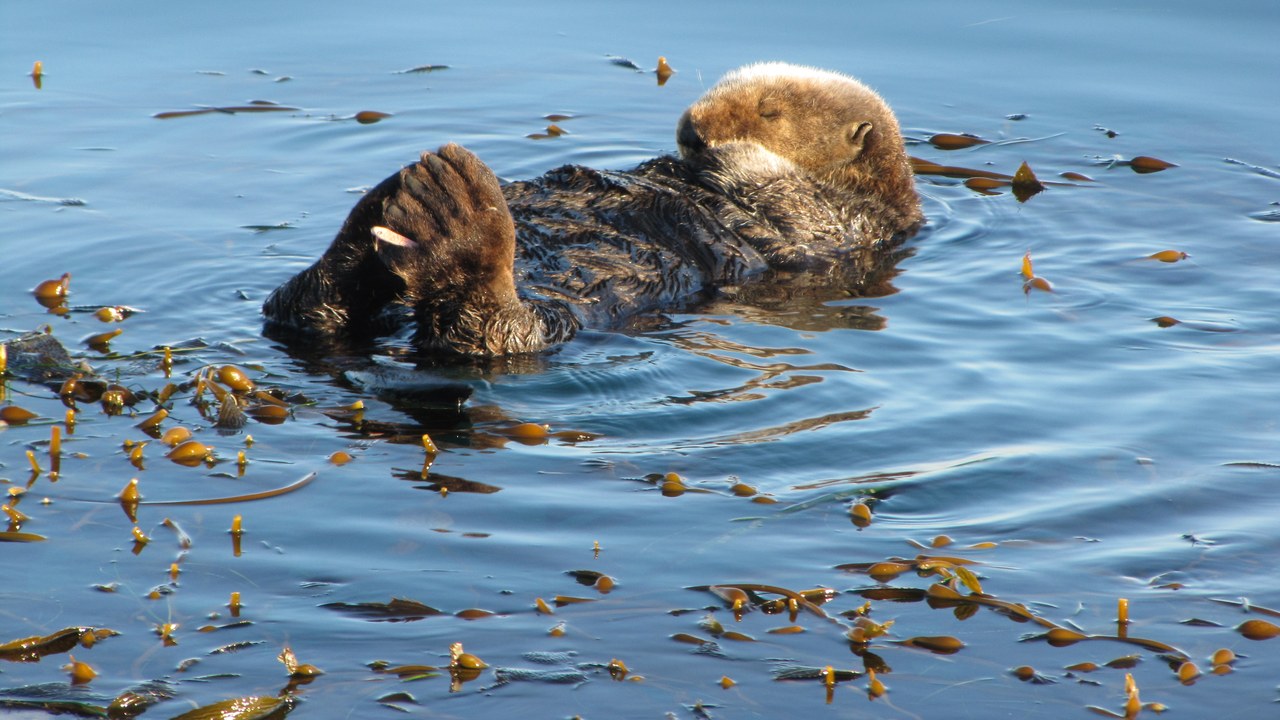
Sea otters carry a favored stone and use it to hammer abalone off the rocks, then to crack the hard shells of prey open once the animal is floating on its back. The behavior is described in a LiveScience roundup of animal tool users, where the stone doubles as a hammer and an anvil.
Few marine mammals rely on hardware so routinely. The habit lets a small animal without powerful jaws exploit armored food that would otherwise be out of reach, and it is passed from mothers to pups through repeated demonstration at the surface, which makes it cultural as well as practical.
2. Bottlenose dolphin: Sponges as Snout Guards
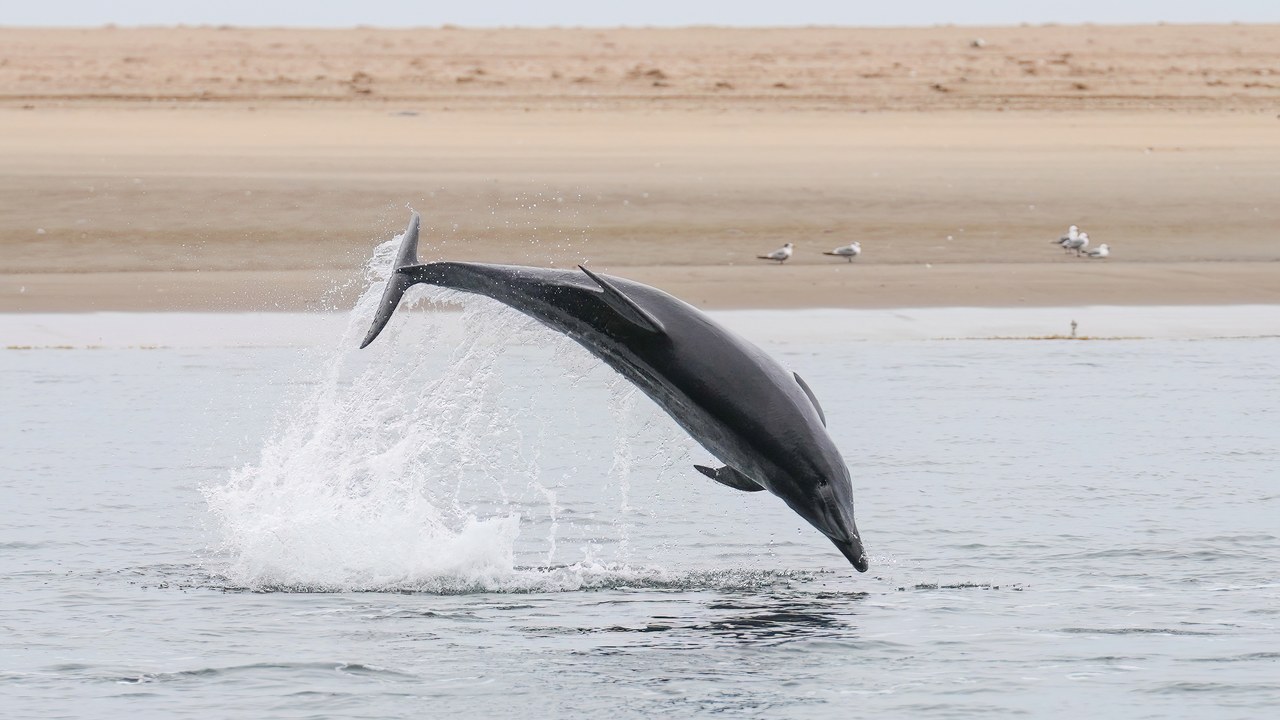
In Shark Bay, some bottlenose dolphins tear off a marine sponge and carry it on the beak while foraging. As LiveScience explains, the sponge stirs ocean-bottom sand and uncovers prey hiding beneath it.
The sponge works like a glove, shielding the snout from abrasion and stings while the dolphin probes the seafloor. Only a minority of the local population does this, and it appears mostly in females, which suggests the technique is learned socially, typically from the mother, rather than inherited.
3. Veined octopus: A Portable Coconut Shelter
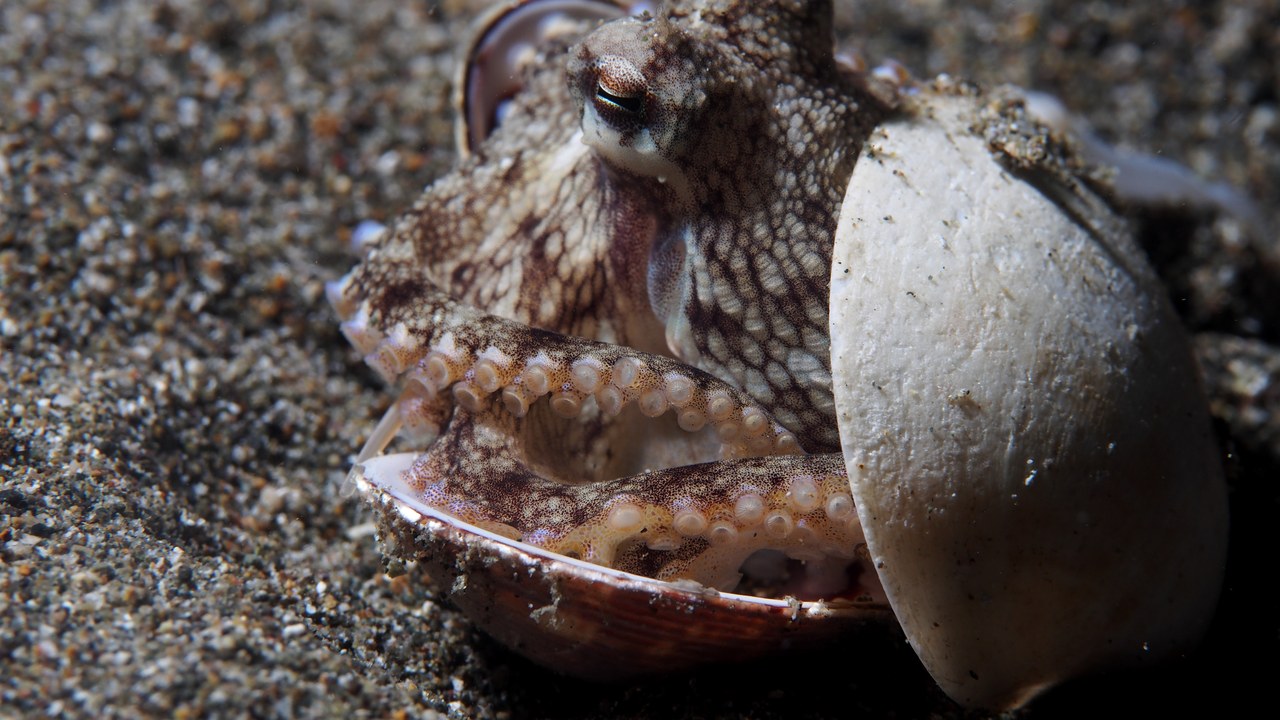
A veined octopus gathers discarded coconut shell halves, stacks them, and carries the pile across open seabed as a portable shelter, a behavior covered in a LiveScience tool-use list. When danger appears, the animal assembles the halves around its body.
The octopus must hobble awkwardly with the load, accepting a slower escape in return for cover later. That trade-off is what makes the case notable: the shells have no use until they are put in place, so planning for a future need is built into the behavior, in an animal that has no skeleton and a short life.
4. Asian elephant: Fly Swatters from Branches
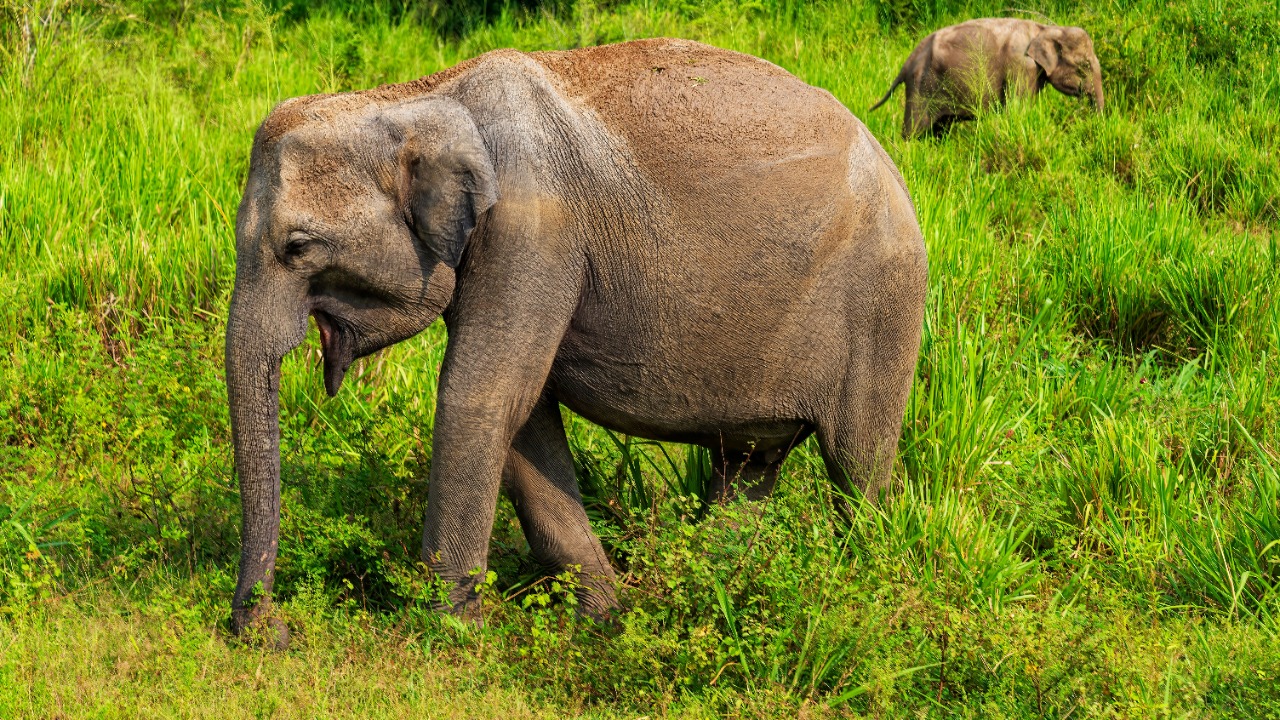
Asian elephants are known to modify branches systematically before using them to swat at flies. The account in LiveScience’s tool roundup stresses that the animals alter the branch, not just pick one up.
Trimming a switch to a suitable shape counts as true tool manufacture, a higher bar than simply grabbing an object. An elephant’s trunk has tens of thousands of muscle units, and that dexterity lets the animal strip leaves and snap twigs with a precision most other large mammals cannot match.
5. Chimpanzee: Termite Fishing Rods
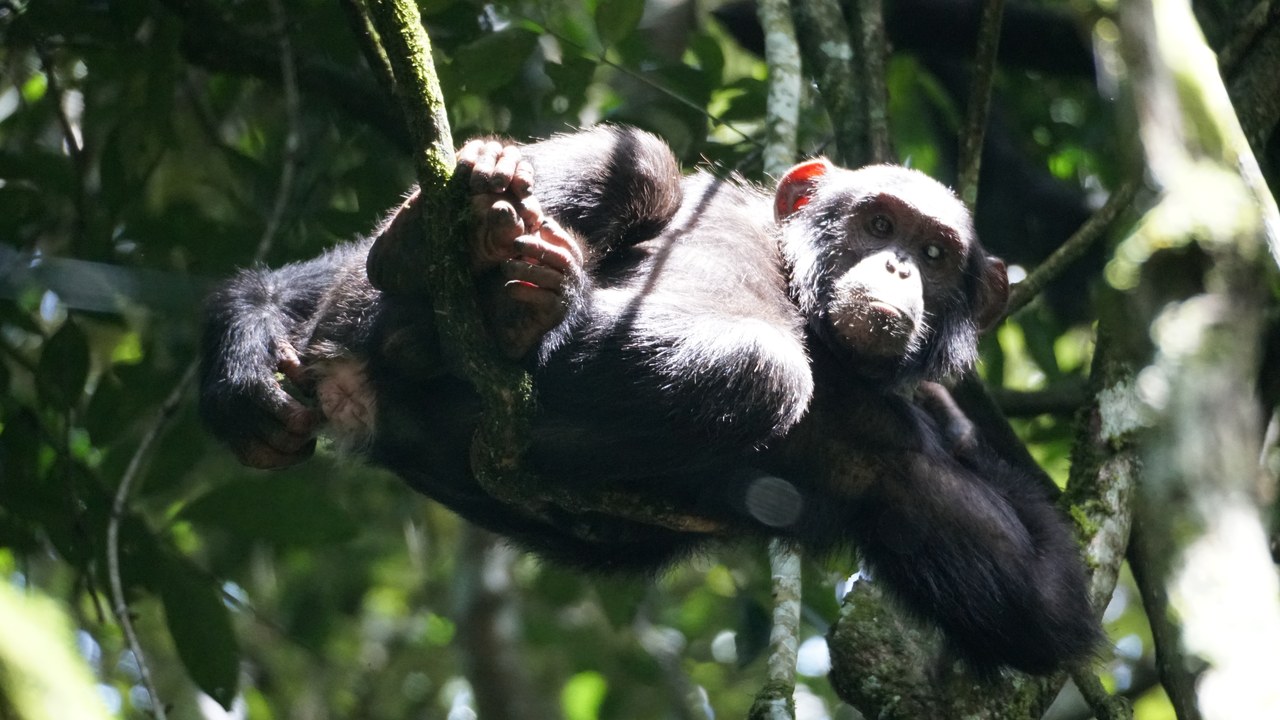
In 1960 Jane Goodall watched chimpanzees strip leaves from twigs and push the bare stems into termite mounds to fish insects out of the ground. ZME Science recounts it in a piece on tool-using animals, calling it the first recorded non-human tool-making.
The observation forced scientists to rethink a definition that had treated toolmaking as a human signature. Goodall’s mentor, Louis Leakey, reportedly said that science would have to redefine tool, redefine man, or accept chimpanzees as human, and the field chose the first option.
6. Sumatran orangutan: A Toolkit of Fifty-Four
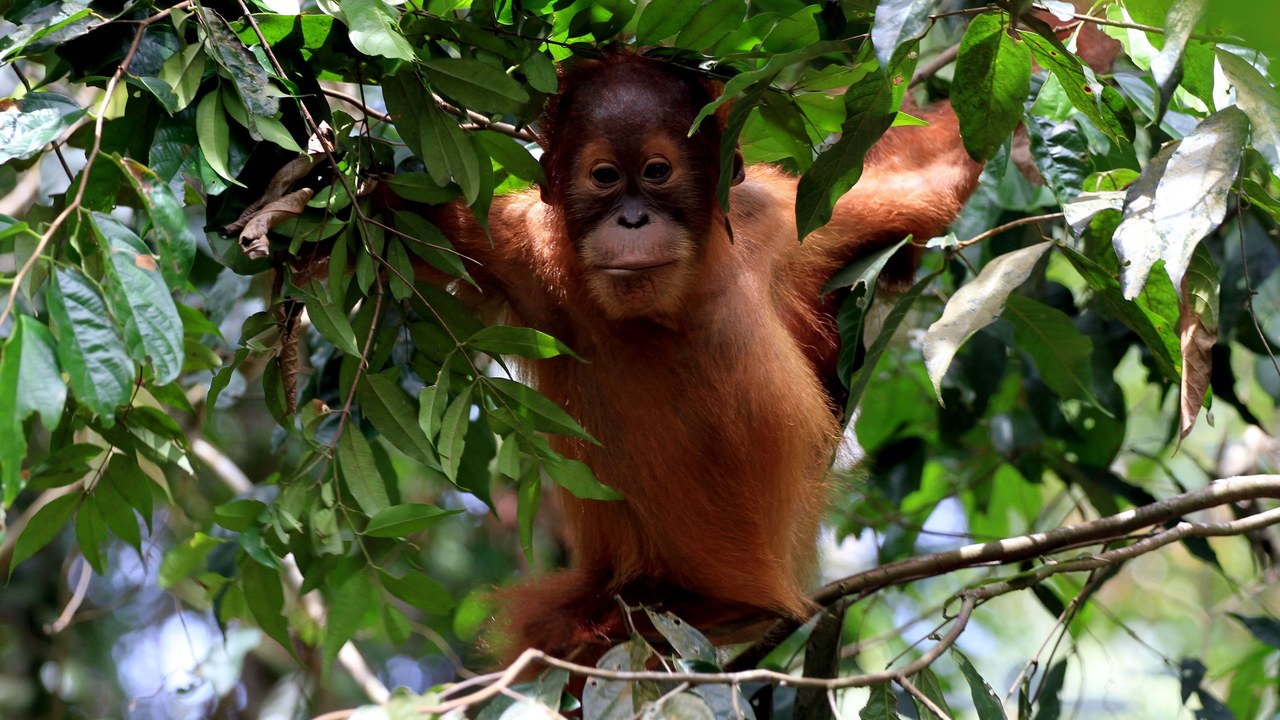
Sumatran orangutans use up to 54 types of tools to extract insects or honey, according to ZME Science’s survey. The figure makes the species one of the most prolific tool users outside humans.
Their implements range from sticks for prying out honey to leaf pads and sharpened probes. Such a varied repertoire hints at a population-level culture, in which techniques spread among neighbors and vary by site, though the number is a count of recorded tool types, not a measure of any single animal’s skill.
7. New Caledonian crow: Hooks Made on Purpose
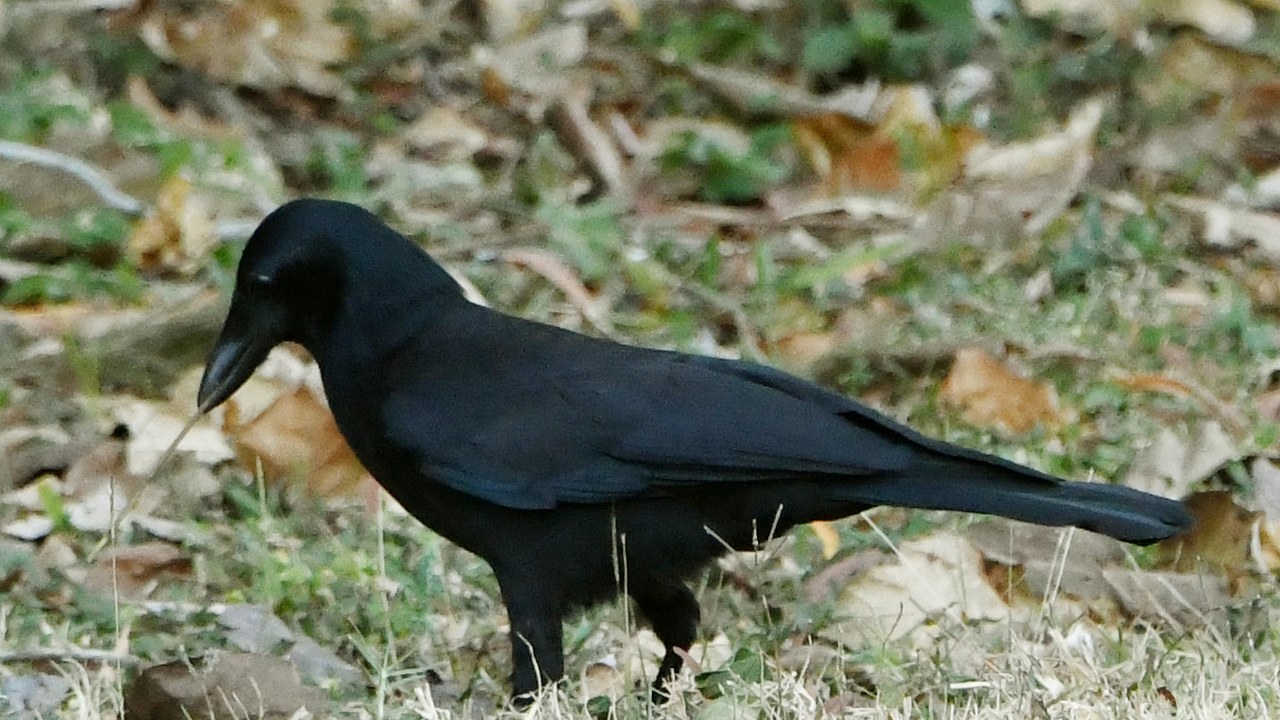
New Caledonian crows make a hooked stick and use it to probe for food in tree cracks and leaf litter, a skill listed by ZME Science among the best-known cases in birds. The hook is shaped deliberately, not found.
These crows are often cited as the nearest bird rivals to great apes in manufacturing ability. Wild individuals craft tools of different designs from different plants, and young birds learn from adults, so the know-how accumulates across generations in a way that few species other than humans manage.
8. Western lowland gorilla: The Wading Stick
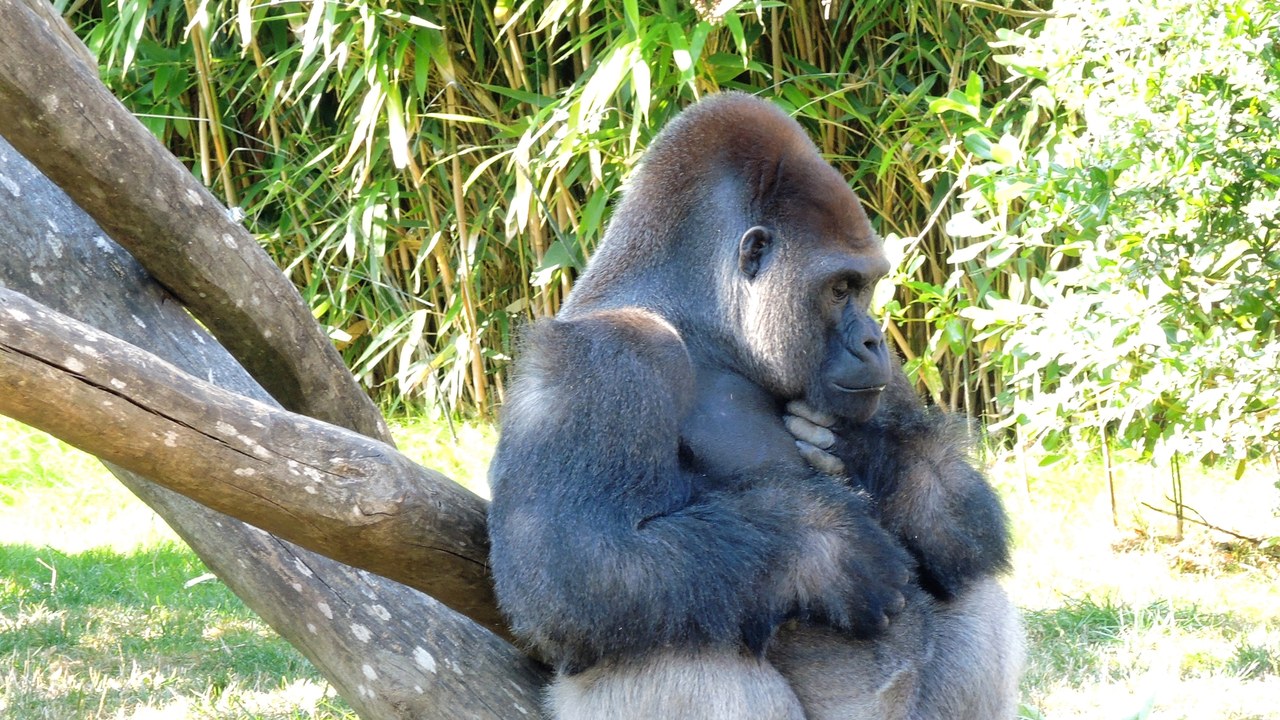
In 2005 a western lowland gorilla named Leah used a walking stick to probe the water depth before entering a pool, an episode summarized by ZME Science. She tested the pool first and then crossed.
Gorillas were long absent from the tool-user list, partly because wild groups rarely face problems that call for implements. The sighting showed the ability exists in the species and can be put to use on demand, and the same animals were also seen using a stump as a bridge.
9. Woodpecker finch: Spines for Grubs
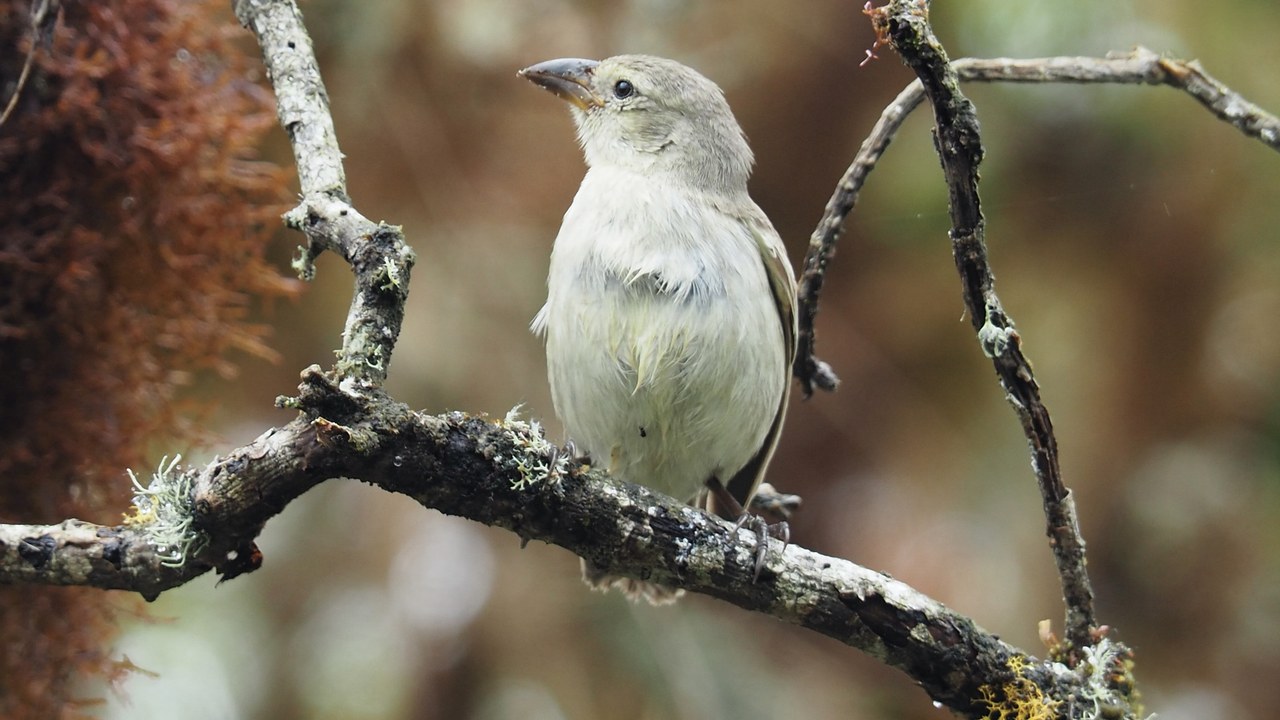
The woodpecker finch of the Galapagos uses a cactus spine or wooden splinter to dig grubs or other insects out of holes, as the Stanford Birds essay on tool-using birds notes. The bird holds the probe in its bill.
It lacks the long tongue that true woodpeckers use to spear insects in crevices, so the implement fills a missing anatomical role. Individual birds often keep a favored probe and carry it from one tree to the next, which separates the behavior from a simple, opportunistic poke.
10. Egyptian vulture: Eggshell Breakers
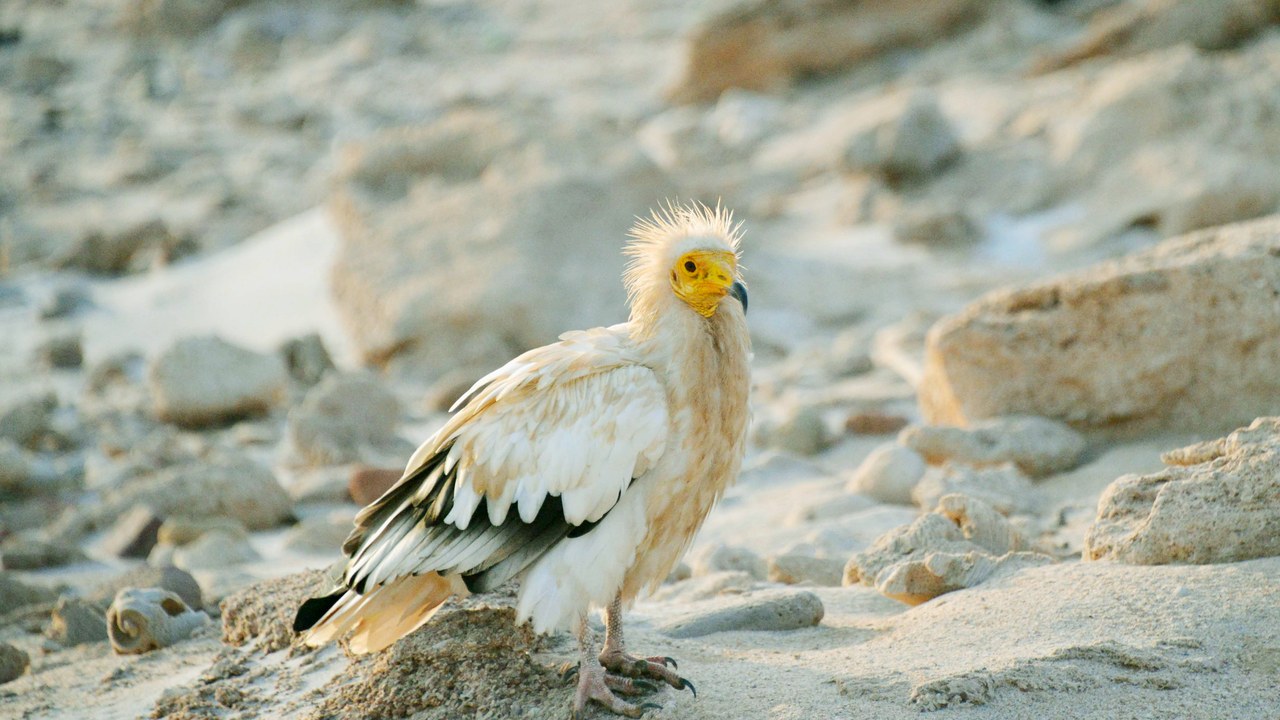
Egyptian vultures use stones as tools to assault the eggs of ostriches, according to the Stanford Birds essay. The bird throws or drops a rock onto the thick shell until it cracks.
An ostrich egg is far tougher than a vulture’s bill can break, which is why stone use matters here. The habit makes the species an unusual scavenger and one of the few raptor-like birds on any list of tool users, a group dominated by corvids, parrots and primates.
11. Brown-headed nuthatch: Bark Levers
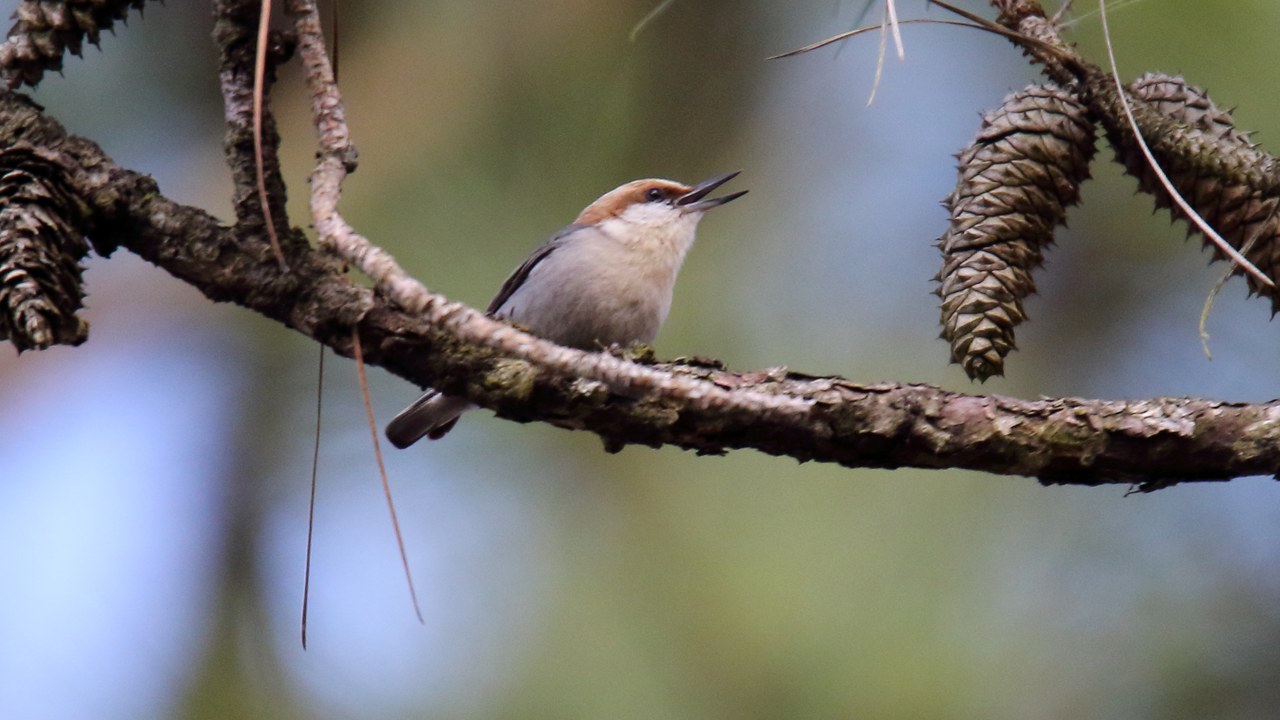
The brown-headed nuthatch employs bits of bark to pry off other bits of bark while it searches for insects, a behavior the Stanford Birds essay describes. The flake works as a lever under loose bark.
The bird is a small pine specialist of the southeastern United States, and its tool use is one of the more modest examples. That modesty is the lesson: even a small songbird with a simple diet can turn a piece of its surroundings into a handy lever.
12. White-faced capuchin: Hammer and Anvil
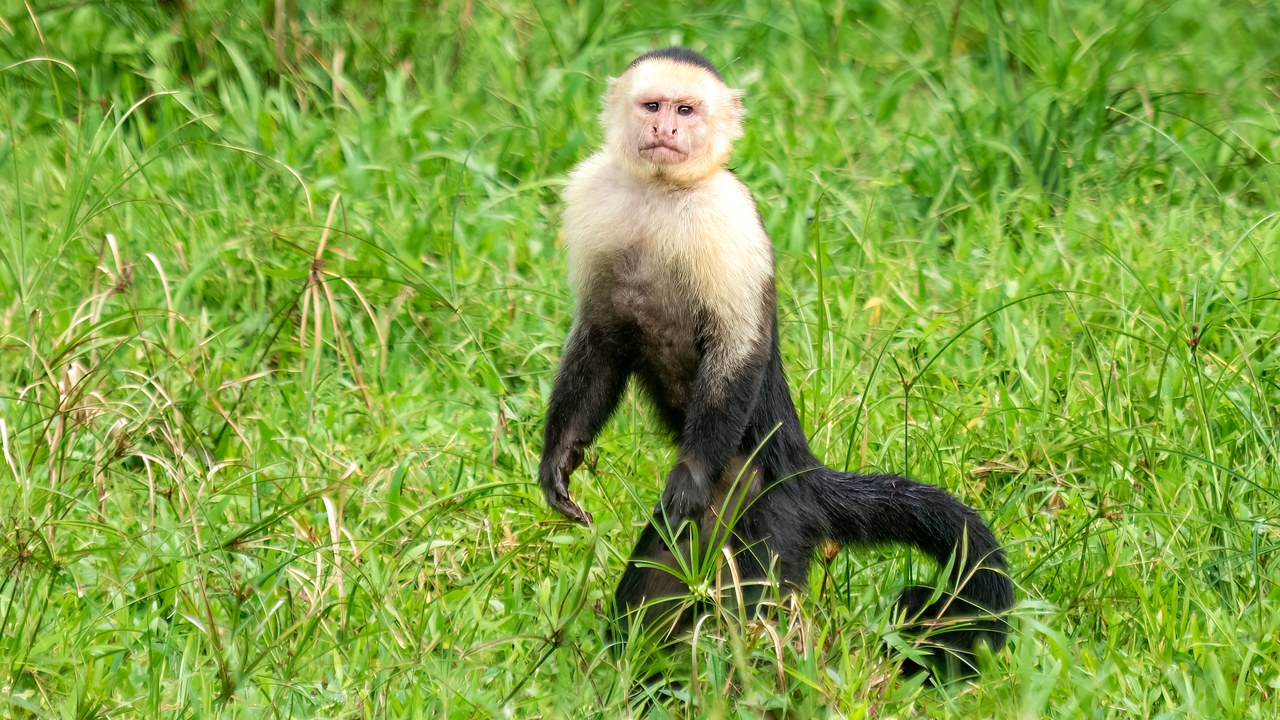
On Panama’s Jicaron Island, white-faced capuchins use hammer-and-anvil stones to break hermit crab shells, snail shells and coconuts, in what the Smithsonian newsdesk called the first report of habitual stone tool use by Cebus monkeys.
The island group lives on the coast and forages along the shore, where shellfish are abundant and easy to hammer. The finding extends stone-tool use across the primate family tree, since earlier wild examples came mainly from other lineages, including chimpanzees and Old World macaques.
13. Goffin’s cockatoo: A Two-Part Toolkit
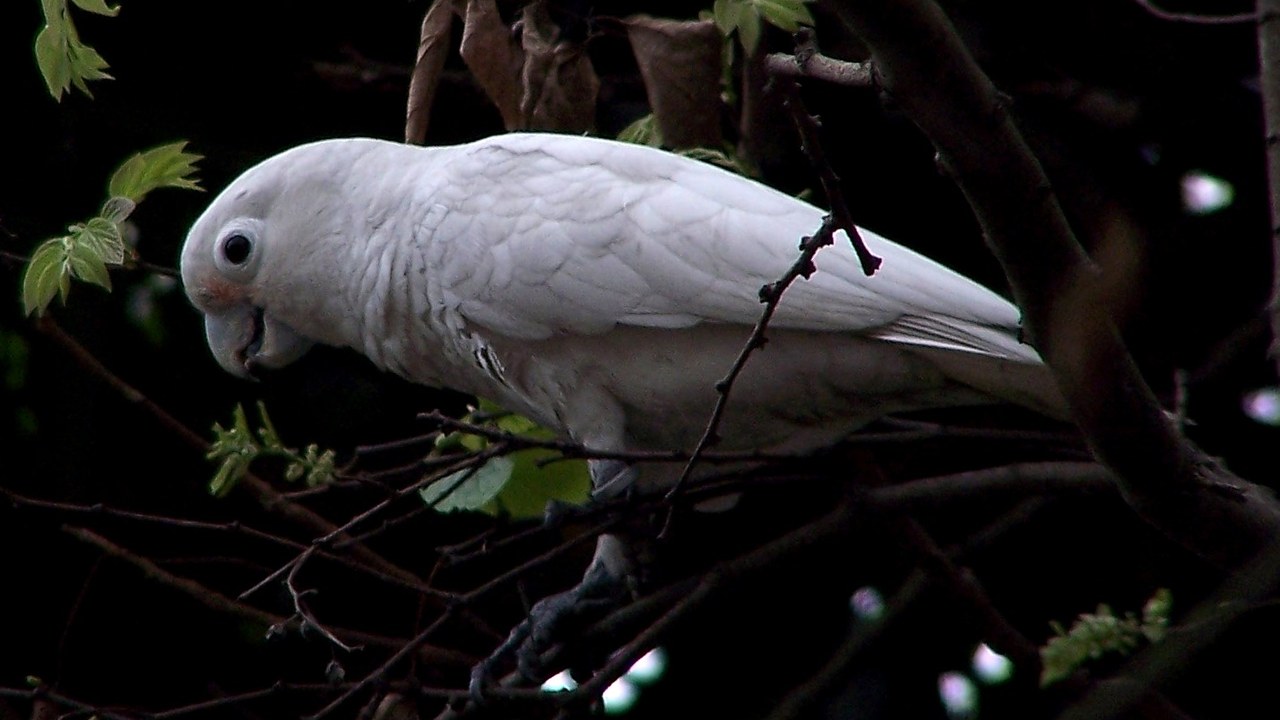
In a lab study, Goffin’s cockatoos carried a sharp stick and a scoop as a set to retrieve a cashew in two steps, and seven of ten birds got the cashews, as Smithsonian Magazine reported.
Using one tool to reach another and then carrying both is a feat usually credited to humans and chimpanzees. The birds did not hold the sequence in view, so the result points to planning ahead. Their wild relatives are not known for such behavior, which makes captivity part of the story.
More from Morning Overview
- Common allergy, bladder and sleep pills tied to sharply higher dementia odds
- NOAA now gives this winter a 75% chance of the strongest El Nino since 1950
- Doctors warn a silent liver disease now affects one in three American adults
- The FBI told the rest of ShinyHunters to surrender after a 24-year-old was arrested
