
Camouflage usually suggests an animal that matches one backdrop and stays put. The animals below instead rewrite their own appearance, shifting colour in milliseconds, over several days, or across the turning seasons. Here are ten of them, spanning seafloors, flowers, snowfields and tree branches, each selected for a colour change that helps it vanish.
1. Chameleon: Colour on a Dial
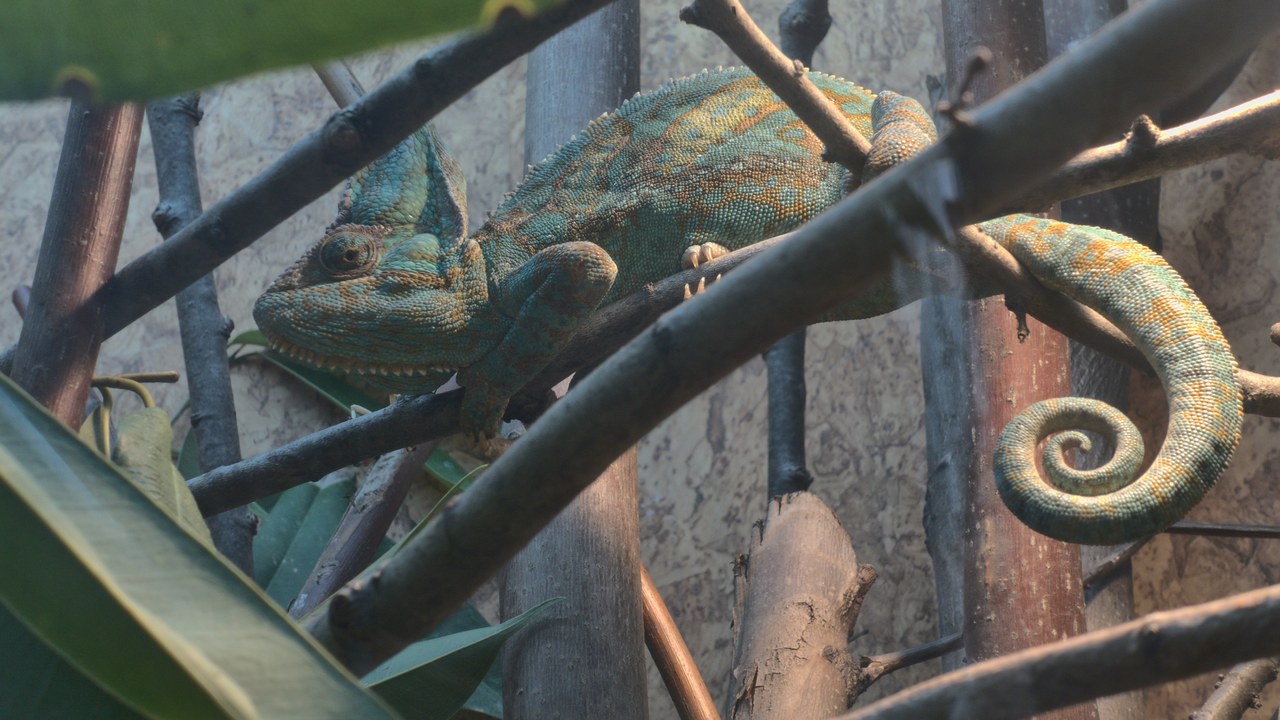
Few animals are as closely tied to disguise as the chameleon, and Discover Wildlife’s colour guide notes that chameleons transform colour over seconds or minutes into the most vivid array of colours. The change is a sweep through many shades rather than a single swap between two.
That timescale is slower than the cuttlefish that follows on this list, yet the palette on offer is described as the most vivid of the group. A chameleon can therefore look noticeably different from one glance to the next, which is part of why a still animal on a textured background is easy to overlook.
2. Cuttlefish: Milliseconds Matter
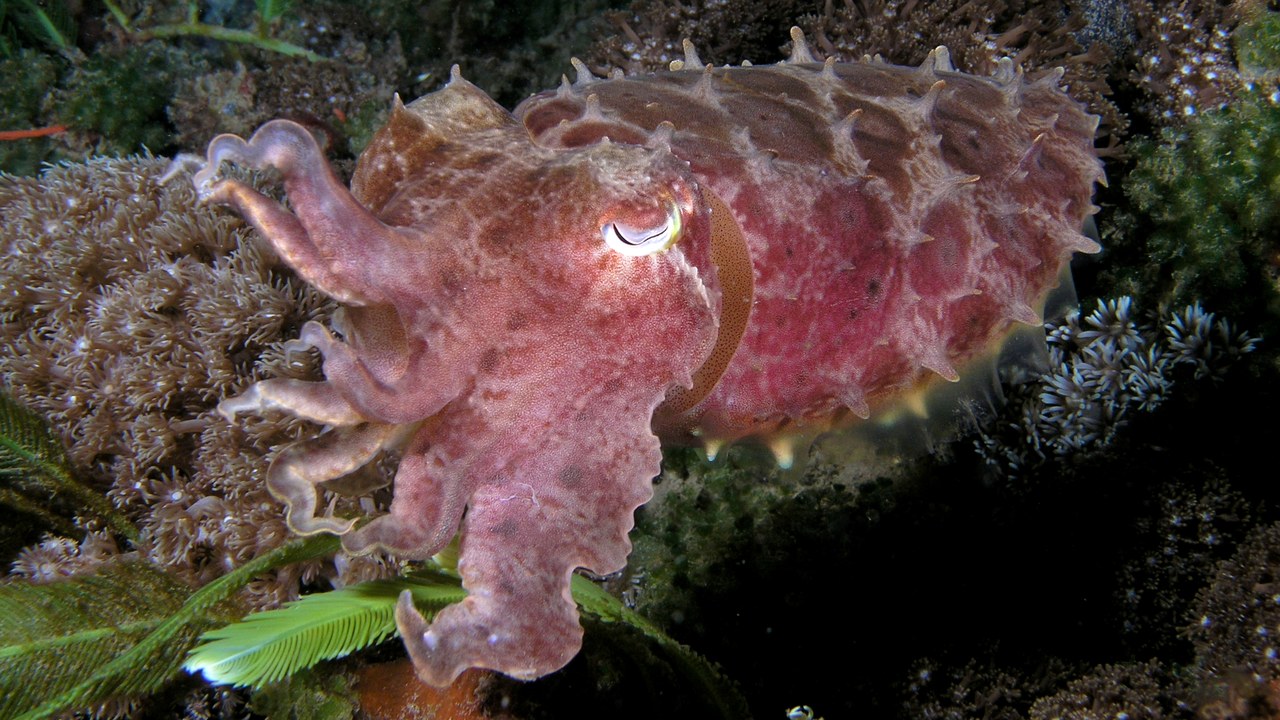
Speed is the cuttlefish’s signature. According to Discover Wildlife’s overview, cuttlefish can shift colours and patterns in milliseconds, which means the animal alters the whole look of its skin rather than merely darkening or lightening it.
Milliseconds is the shortest timescale anywhere in this gallery, and it changes what disguise means. A cuttlefish does not have to commit to one background in advance; a patch of seafloor that looks like nothing in particular one moment may be an animal in motion the next, with a different pattern altogether.
3. Peacock flounder: Matching a Busy Floor
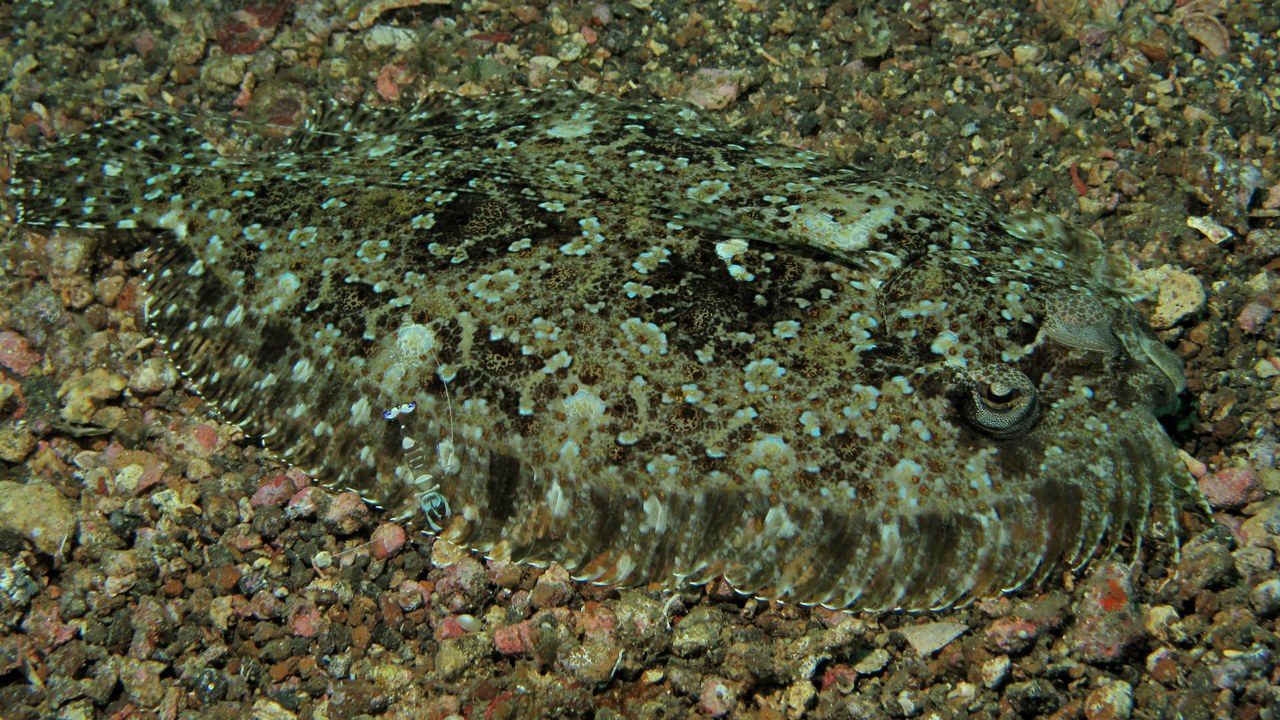
A cluttered backdrop is a harder disguise problem than a plain one, and the peacock flounder handles it well. Discover Wildlife’s flounder entry says the fish can change colour very quickly, instantly blending in with complex backgrounds.
The photograph here shows the result: the outline is easy to lose among the mottled green and brown speckling. Anyone searching for the fish has to look for an eye or the edge of the body, because the surface pattern itself offers almost nothing that separates animal from ground.
4. Goldenrod crab spider: A Slow Match for Flowers
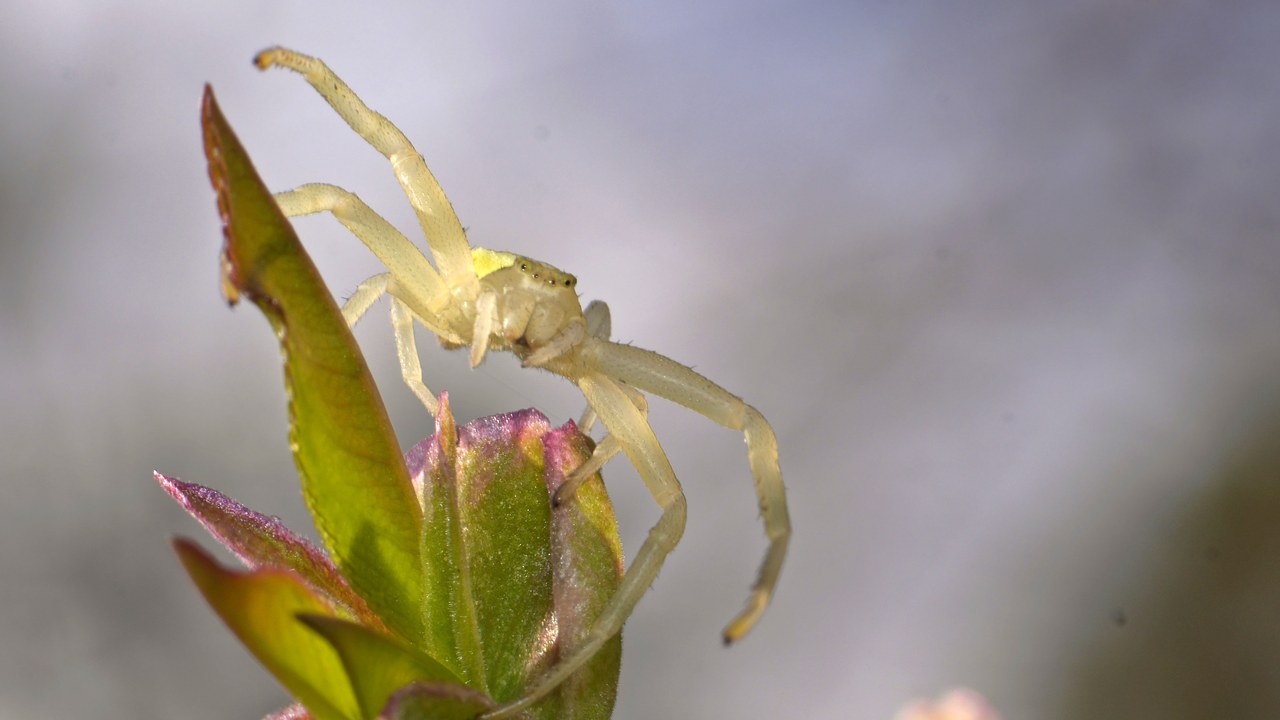
Matching a blossom takes days rather than milliseconds for the goldenrod crab spider. As Discover Wildlife’s roundup explains, it changes colour between white and yellow to match the flowers it hunts on, a process that unfolds over several days.
The slower pace makes this change a commitment to a particular flower colour rather than a reflex. A spider that moves from a white bloom to a yellow one has to wait out the transition, so its disguise is strongest once it has settled and weakest in between.
5. Ermine (short-tailed weasel): White Coat, Dark Accents
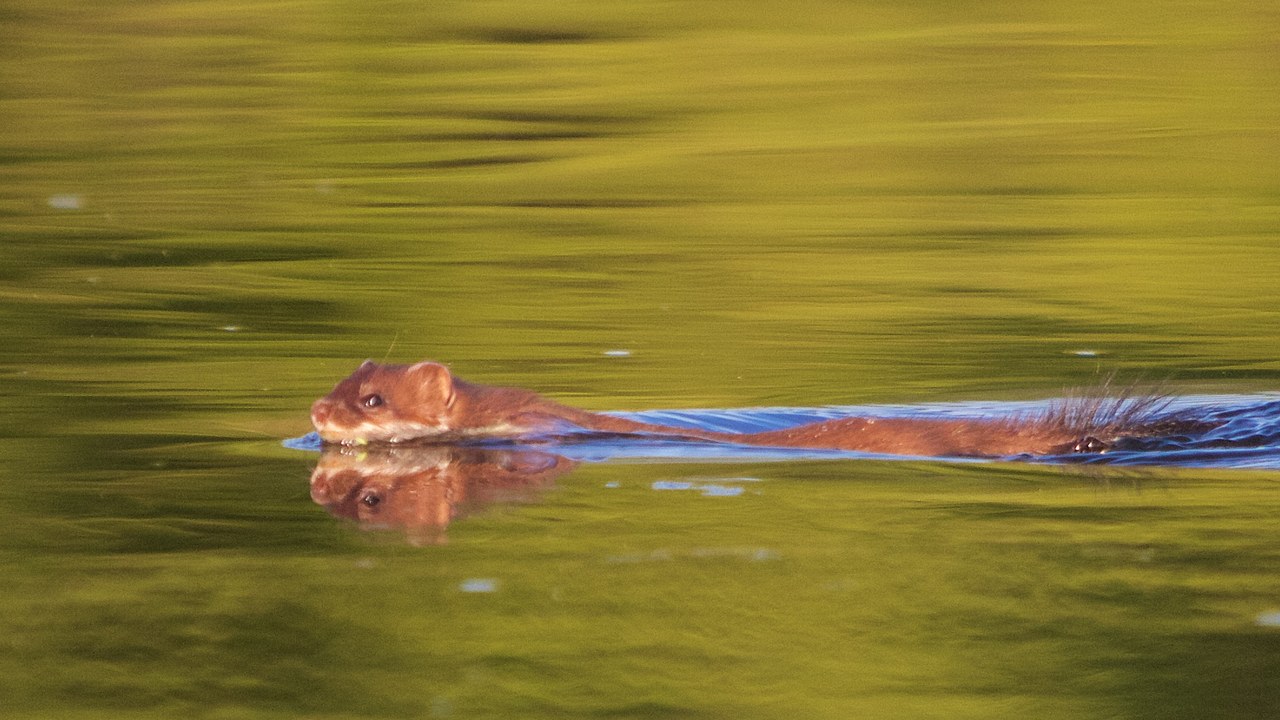
Winter turns the short-tailed weasel, also called the ermine, almost entirely white. The National Park Service account adds a detail: the animal becomes white in winter, save for its shiny dark eyes and the black tip of its tail.
Those dark points are the exceptions in an otherwise snow-toned coat, so the eyes and tail tip are the features that stay visible against a white landscape. The disguise is thorough rather than perfect, and the remaining marks are what an observer would look for first.
6. White-tailed ptarmigan: Gray-Brown to Snow
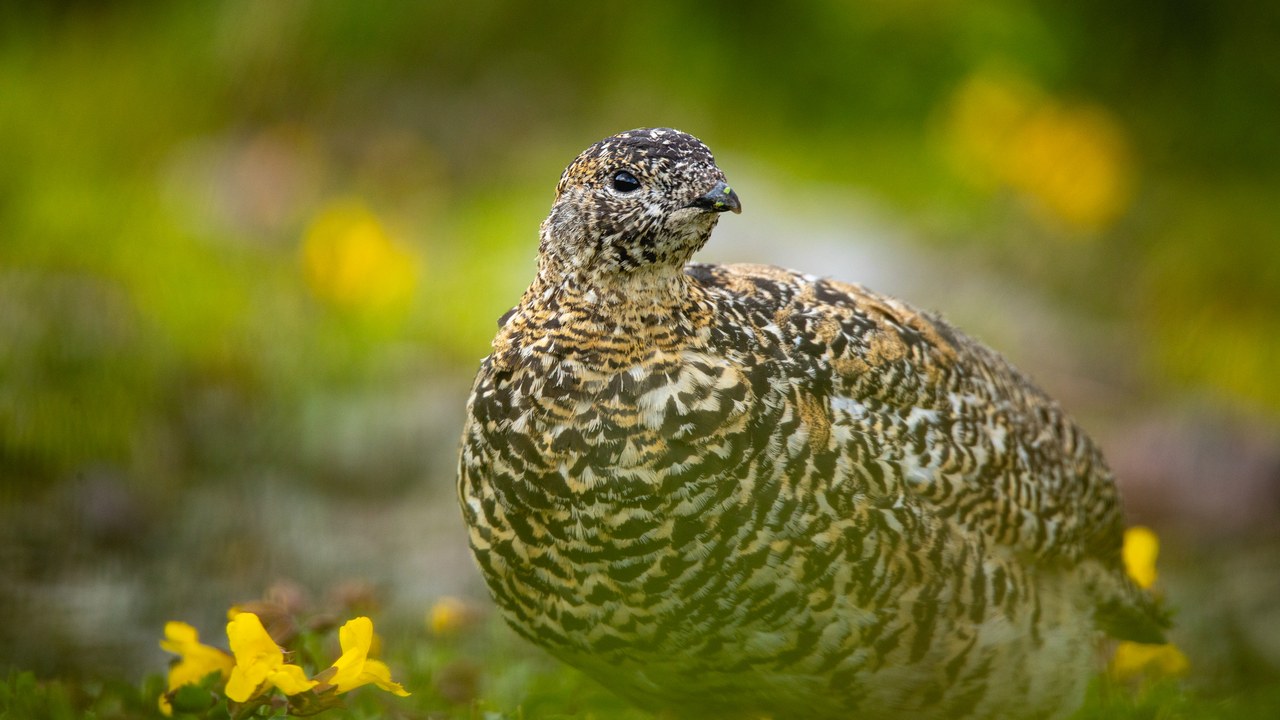
In Rocky Mountain National Park, the white-tailed ptarmigan follows the seasons closely. The park’s winter colour page describes a bird that changes from a mottled gray-brown in summer to the color of snow in winter.
Mottled plumage suits the summer ground, where broken patterns blur the outline of a bird sitting still, while snow-coloured plumage suits the winter landscape. The summer photograph shown here is a reminder that the camouflage works in both seasons, only with different patterns for different surroundings. Both strategies depend on the coat matching the season.
7. Snowshoe hare: Daylight Sets the Schedule
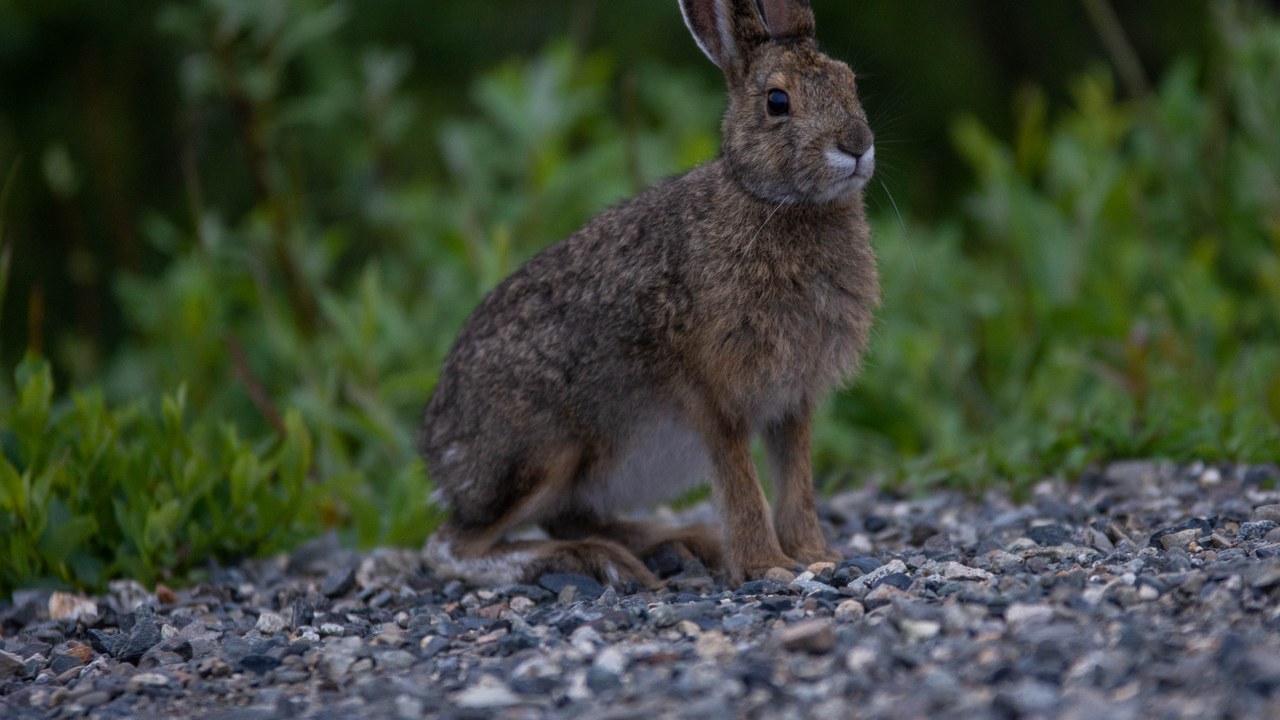
Daylight, not snow, sets the schedule for the snowshoe hare. National Geographic’s winter report says the amount of sunlight in a day triggers snowshoe hares to change to a white coat, regardless of whether there is snow or not.
A trigger tied to day length rather than snow cover has an obvious implication. The coat follows a fixed seasonal cue, so a hare could in principle turn white while the ground is still bare, or stay white after the snow has gone, whenever snow cover and daylight disagree.
8. Arctic fox: Twice-Yearly Wardrobe
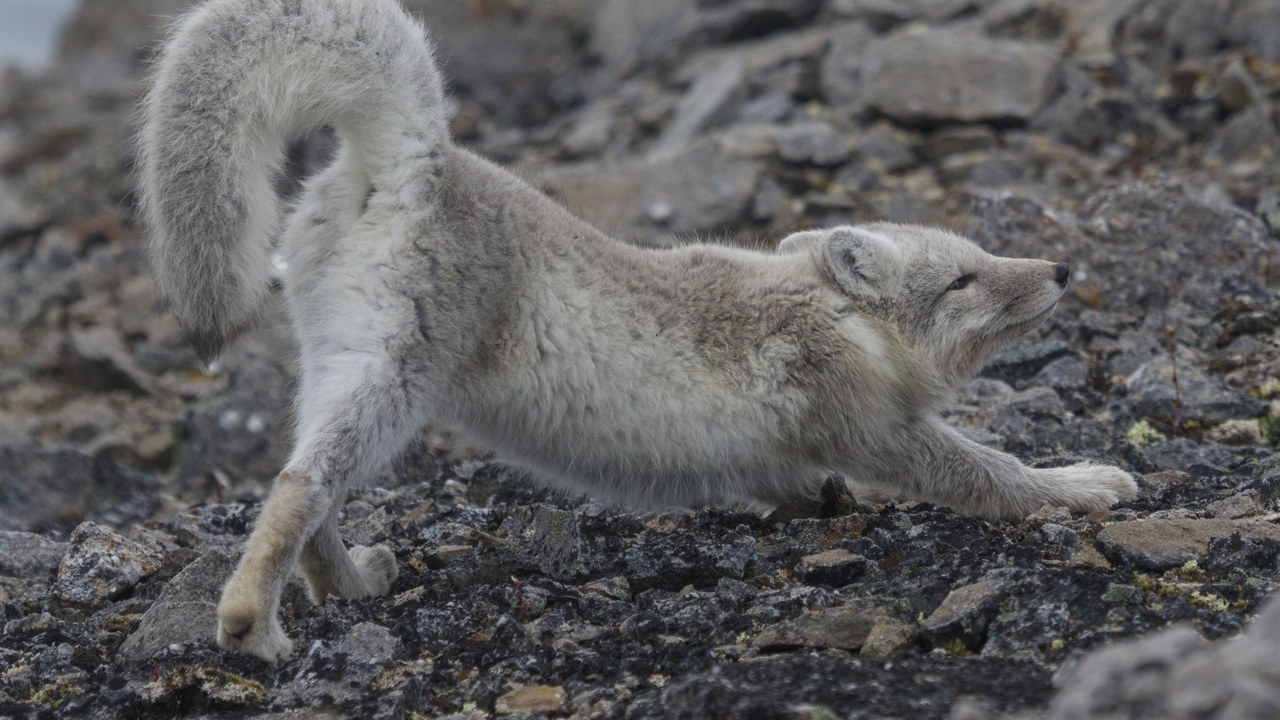
Two changes a year define the Arctic fox. A National Science Foundation resource says the species undergoes a biannual color change, from brown in the summer to white in the winter.
Because the shift happens in both directions, the fox spends part of every year in each coat. The pale, grey-toned animal in the photograph sits against rocky ground, which shows that a coat tuned for one season can stand out once the surroundings change. Brown suits the snow-free months and white suits the long winter, so the timing of each change decides how well the animal blends in at any given moment.
9. Willow ptarmigan: A Bird on the Same Cycle
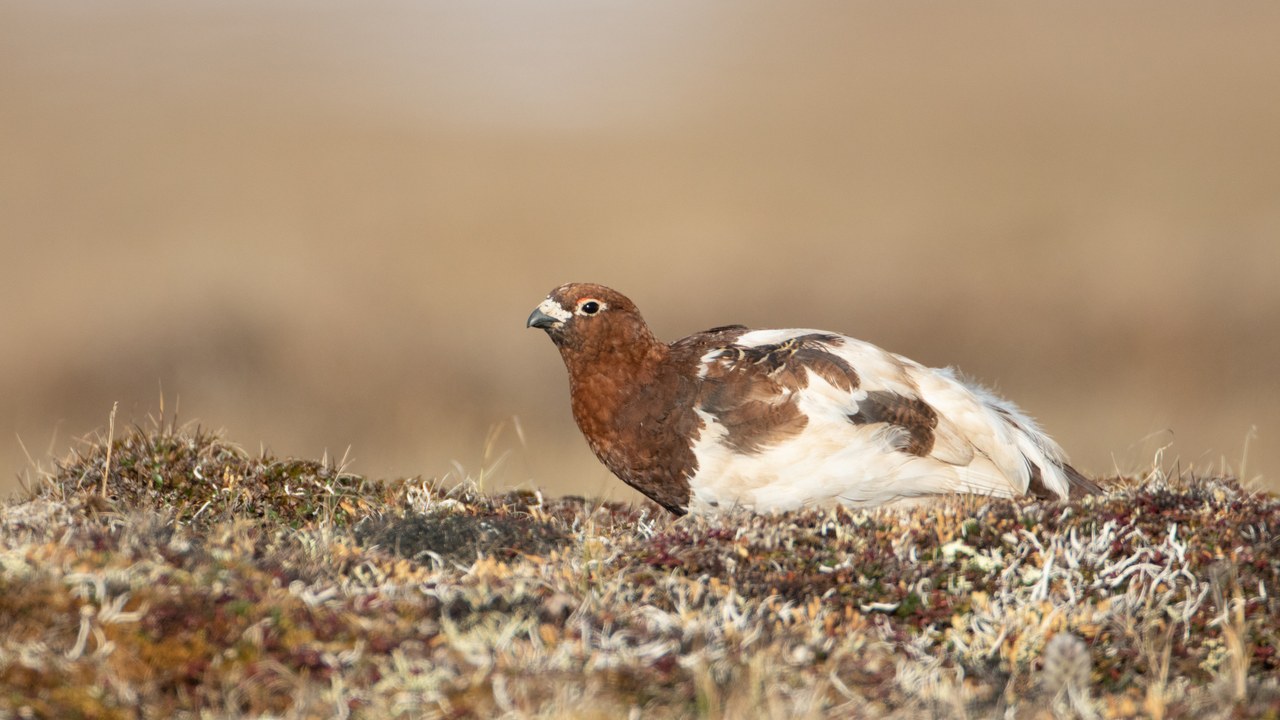
The same NSF resource places the willow ptarmigan beside the fox, with an identical pattern: a biannual color change from brown in the summer to white in the winter.
A bird and a mammal sharing one schedule shows how widely the strategy is used. The individual pictured is caught partway, with brown feathering still covering the head and back and white already spreading across the underside and wings, which captures the transition more clearly than either extreme would. The overall effect is a bird that remains hard to pick out while its plumage is mid-change.
10. Green anole: Green, Chartreuse, Brown
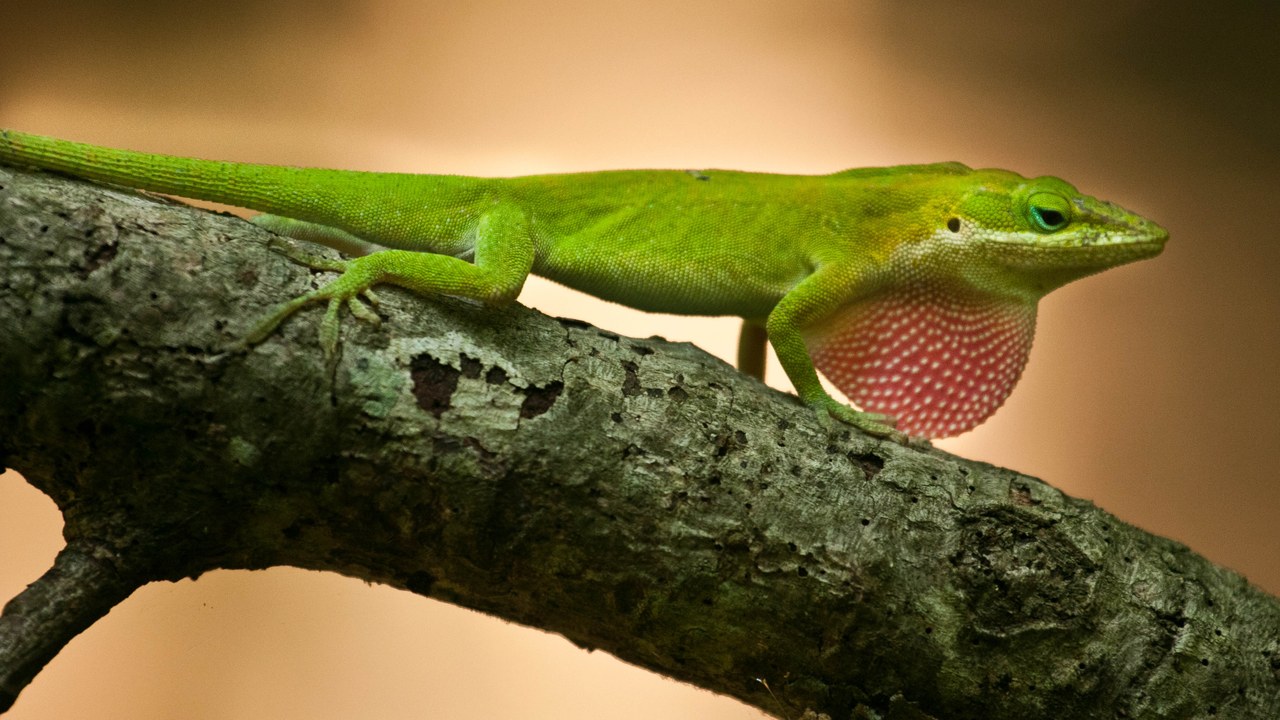
Colour range is wide in the green anole. Oakland Zoo’s anole profile states that anoles can change their color from bright green to chartreuse to dark brown, based on their mood and environment.
Mood is named alongside environment, so the change is not purely a matter of hiding. A brown or dark anole may be signalling its state as well as matching its surroundings, which makes this the one entry where the colour shift carries a message beyond disguise. For an owner or keeper, a colour change is therefore best read as information about the animal rather than a fault.
More from Morning Overview
- The FBI told the rest of ShinyHunters to surrender after a 24-year-old was arrested
- Two passengers died at an Ohio toll plaza, and the NTSB now wants the cash lanes shut
- Long use of a common prostate pill is tied to a higher chance of glaucoma
- Ford is recalling 223,472 F-150 pickups because the fuel tank can leak or detach
