
Pregnancy in the animal world can stretch far beyond the nine months familiar from human life. Elephants hold the record at close to two years, while whales, rhinos, walruses and even camels carry young for well over a year. Here are twelve animals whose gestation runs on a marathon clock.
1. Asian elephant: Longest Wait of Any Animal
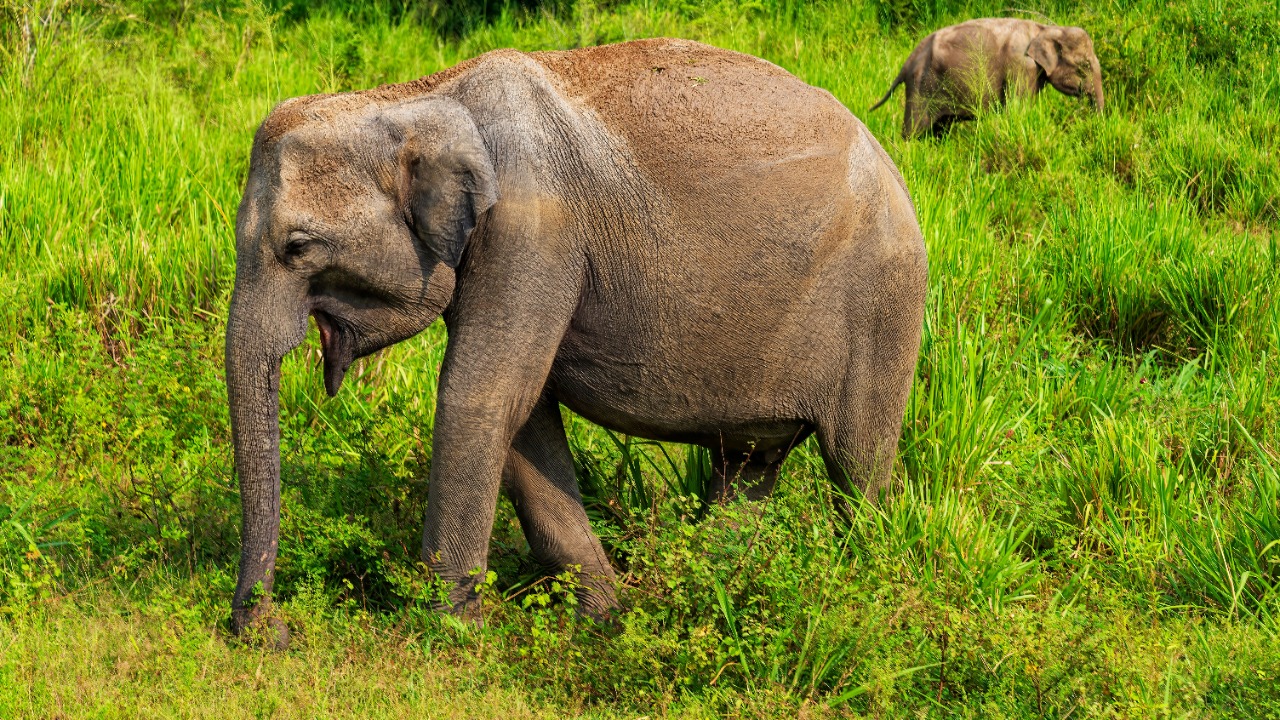
Smithsonian’s National Zoo puts Asian elephant gestation between 21.5 and 22 months, the longest gestation period for any animal. That is close to two full years from conception to birth, a span that dwarfs almost every other pregnancy on this list and sets the ceiling for the whole ranking.
For zoos, sanctuaries and field researchers, a pregnancy this long means planning and monitoring stretch across nearly two calendar years. A single calf represents a commitment of that scale before it ever takes a first step, which helps explain why every birth in this species draws so much attention.
2. African elephant: Nearly as Long as Its Cousin
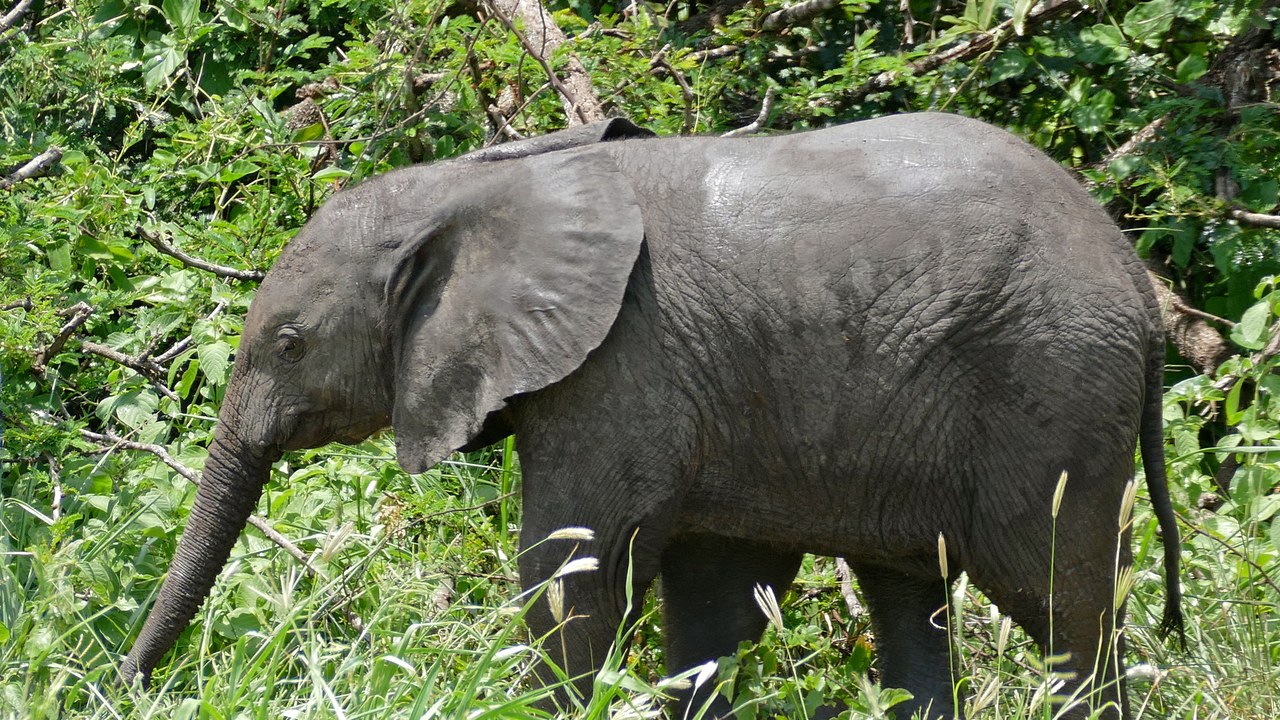
According to one longest pregnancies roundup, African elephant pregnancies run 22 months. That places the species at the very top of the gestation scale, matching the upper end of the figure the National Zoo gives for its Asian relative and far ahead of the other large land mammals here.
The practical takeaway is that elephant conservation works on a slow clock. A female carrying a calf for 22 months cannot quickly replace losses, so a population’s recovery depends on patience measured in years rather than seasons, with each birth spaced far apart.
3. Orca: The Longest Pregnancy Among Dolphins
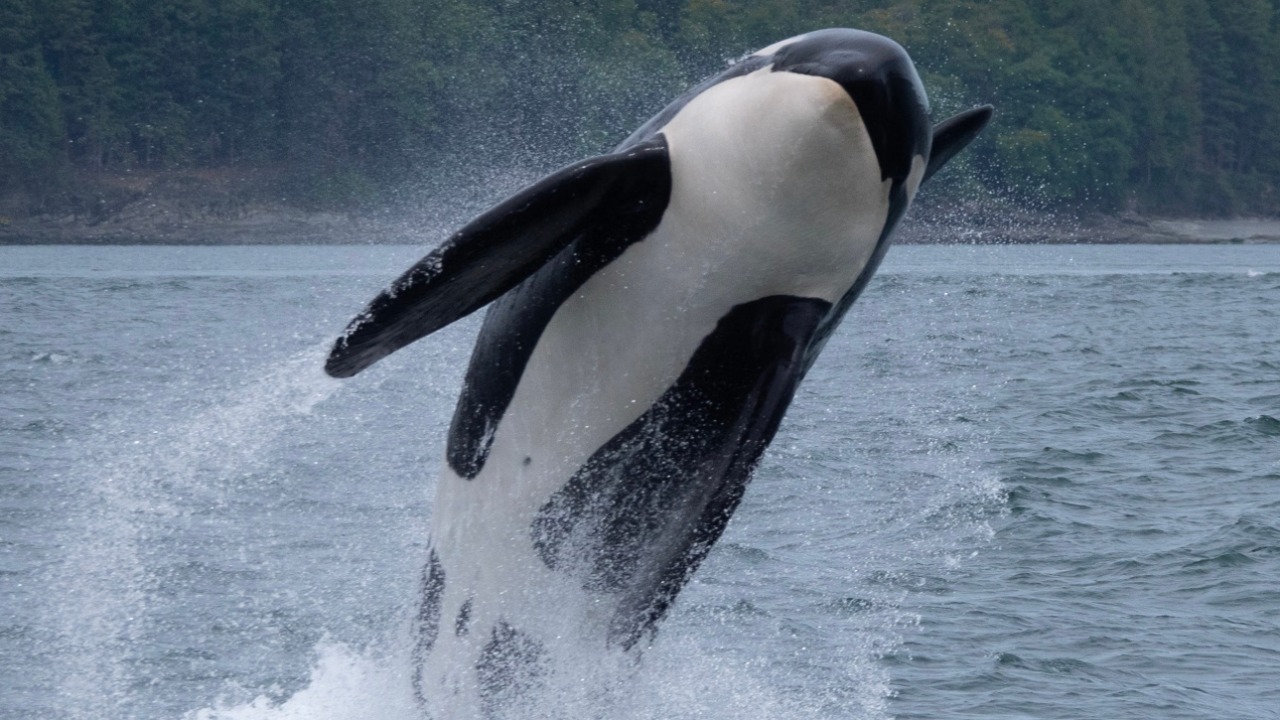
Orcas, also called killer whales, carry a calf for 15 to 18 months, according to a gestation length guide. The range is wide, yet even its short end exceeds a full year, which is why the largest member of the dolphin family sits so high among marine mammals.
A pregnancy of that length means a female spends well over a year investing in a single offspring before birth. For anyone following wild orca populations, it is a reminder that each calf arrives after a long, costly wait, and that numbers cannot rebound quickly.
4. Sperm whale: Deep Divers With Long Pregnancies
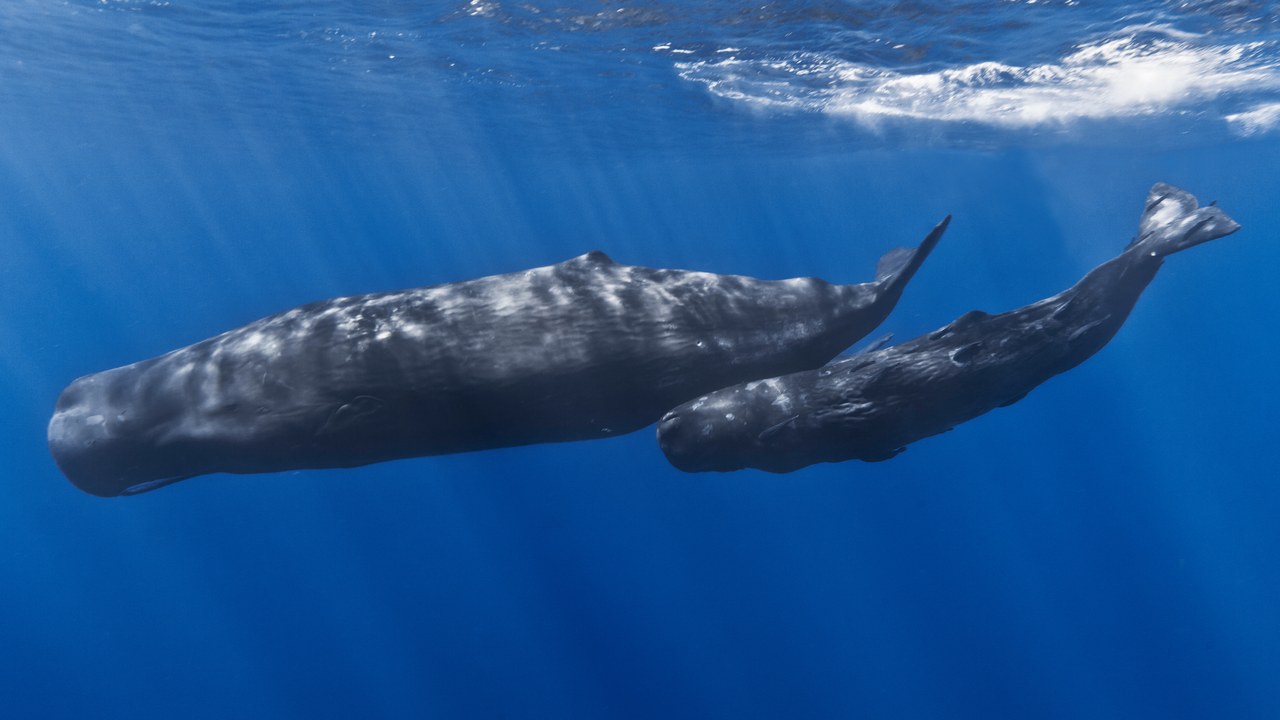
Sperm whale pregnancies last 15 to 18 months, based on figures in an animal pregnancy comparison. Their gestation is the same length range as the orca’s, placing the deep-diving toothed whale well past the one-year mark and among the longest carried by any marine animal on the list.
That timeline has a direct consequence for whale watchers and conservationists. A female that carries one calf for more than a year cannot produce young at a fast rate, so population growth for this species is inherently slow even when conditions are favorable.
5. White rhinoceros: Heavyweight With a Year-and-a-Half Wait
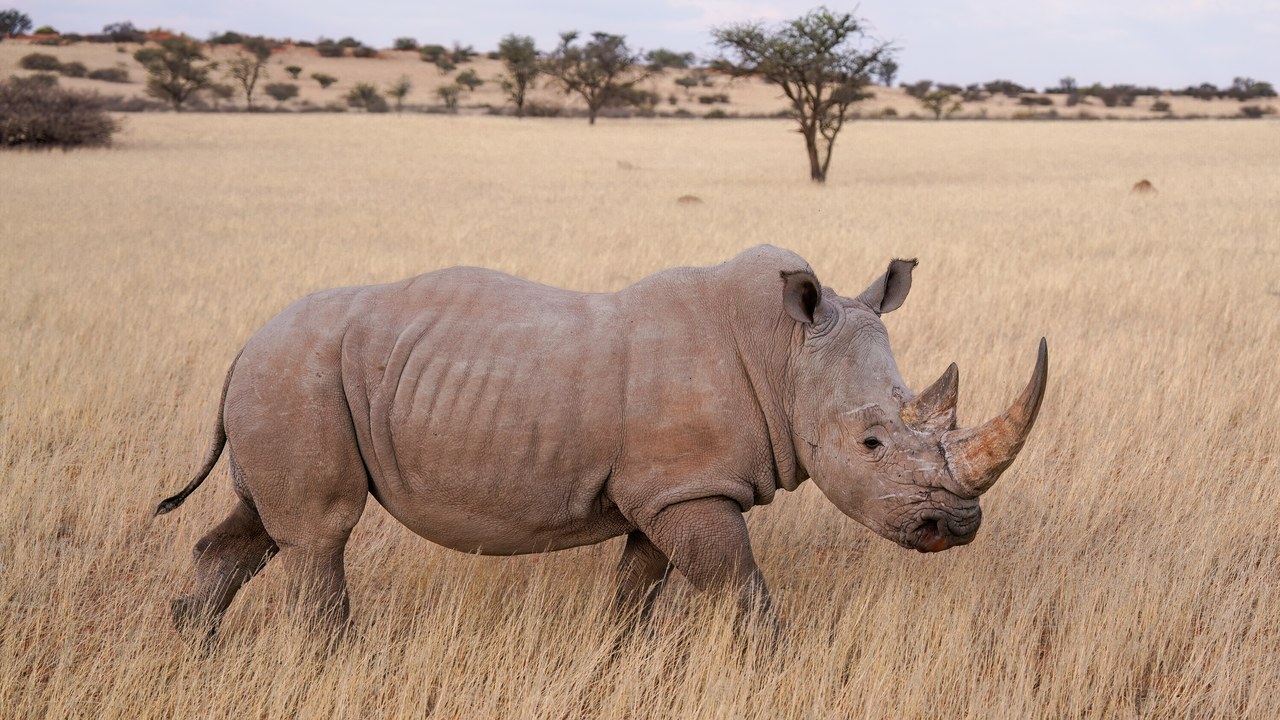
White rhino gestation lasts 16 to 18 months, as this animal gestation article lists it. At the upper end, that is a year and a half of pregnancy for a single calf, a stretch that makes the species one of the slowest-reproducing land mammals in the ranking.
The long wait matters for protection efforts, because a female cannot quickly rebuild numbers after losses. Each calf represents a substantial investment of time, and that slow pace is a key reason rhino populations need steady safeguarding to recover at all.
6. Walrus: Tusked Giants of the Ice
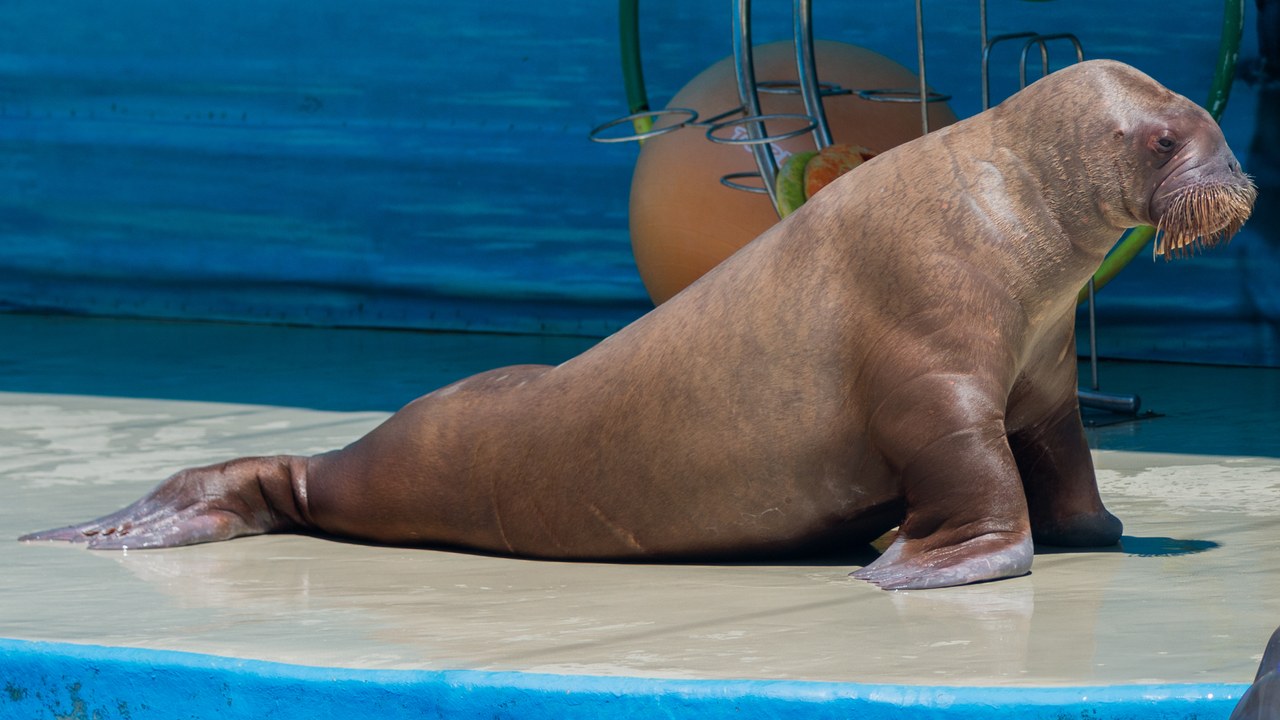
Walrus pregnancies last 15 to 16 months, according to the longest pregnancies list. That is more than a full year, giving the tusked Arctic marine mammal a gestation longer than that of many animals far larger or more familiar.
A pregnancy of this length ties a female to a single calf for well over a year before birth. For wildlife managers tracking walrus herds, it signals that reproduction is slow and recovery from any decline would unfold over many years instead of a few.
7. Giraffe: Tallest Animal, Long Wait
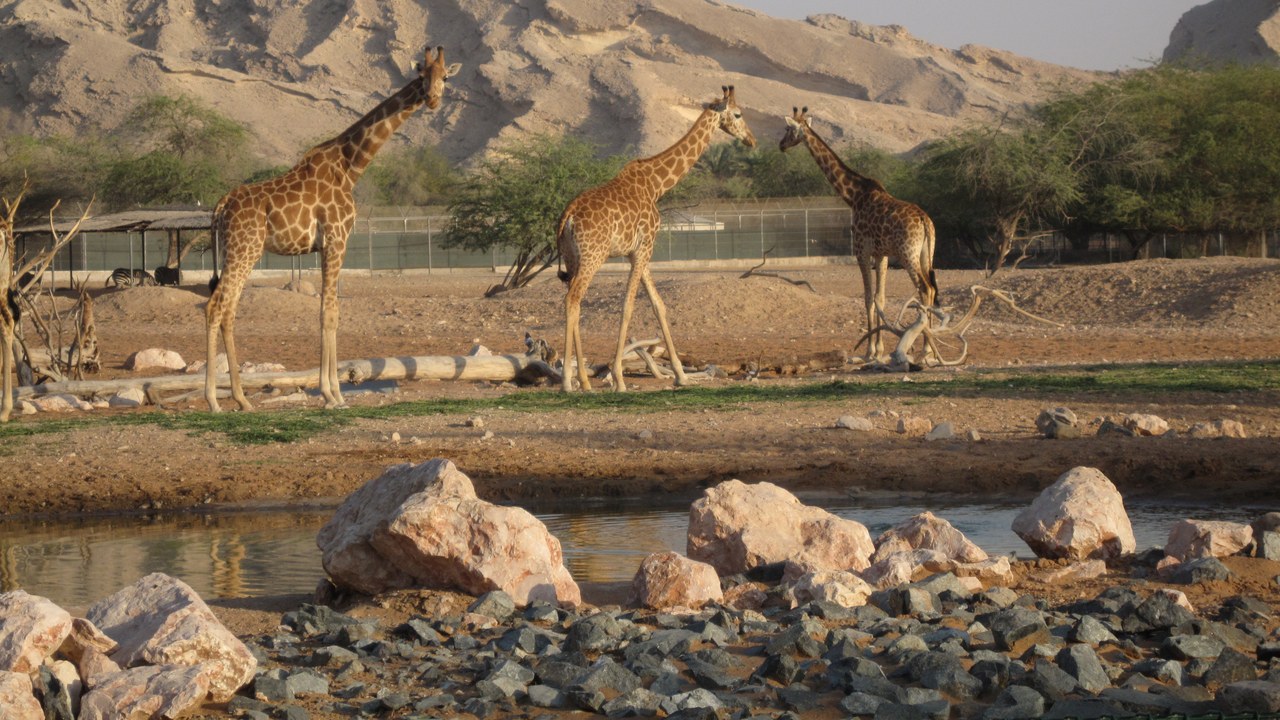
Giraffe gestation lasts 14 to 15 months, according to a gestation period overview. The world’s tallest land animal therefore carries its young for well over a year, a timeline that puts it comfortably inside the group of marathon pregnancies, ahead of the zebra and camel.
For keepers and field observers, that means a pregnant giraffe is a long-term project rather than a short one. Roughly fourteen to fifteen months pass between conception and a calf’s arrival, so each birth reflects an extended period of care and monitoring.
8. Beluga whale: Arctic Whale, Year-Plus Pregnancy
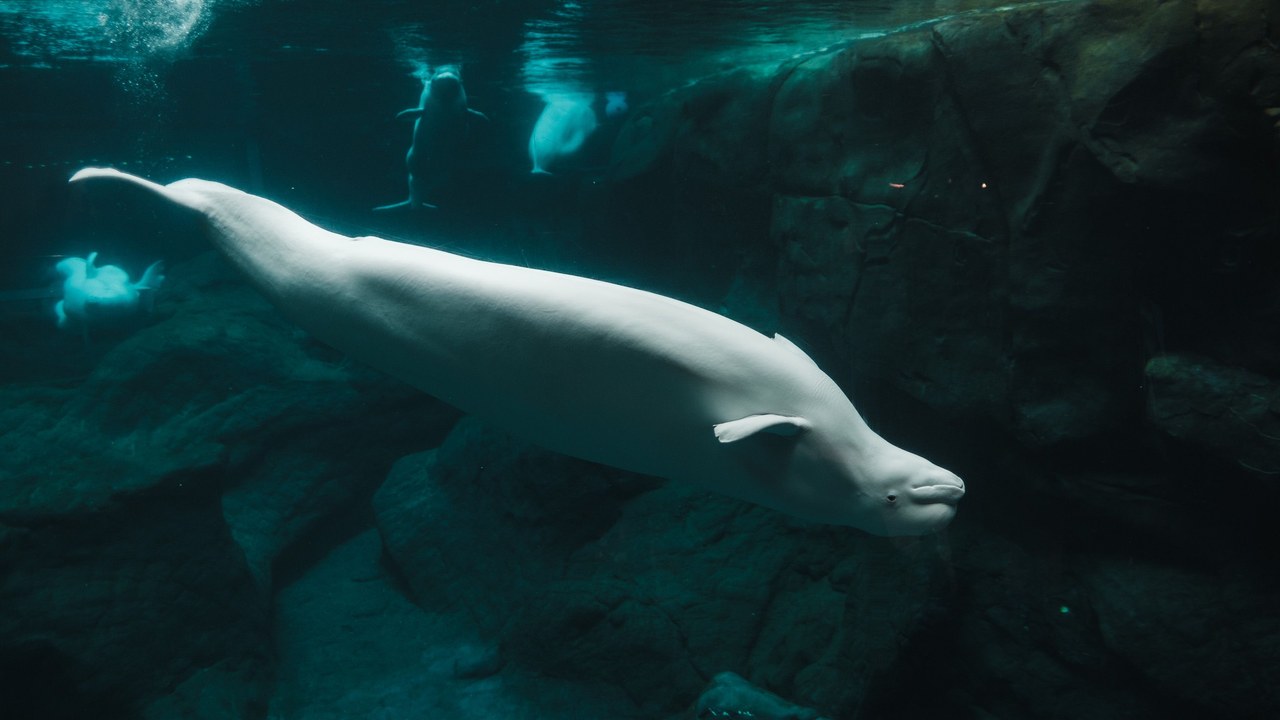
Beluga whale gestation runs 14 to 15 months, as the gestation period guide reports. The small, white Arctic whale thus carries a calf for more than a year, putting it on par with the giraffe and ahead of animals that look far bigger.
The long gestation helps explain why beluga numbers rebuild slowly after declines. A female that spends over a year pregnant with one calf can only produce young at a measured pace, which is worth remembering whenever population counts are discussed.
9. South American tapir: The Tapir’s Thirteen-Month Wait
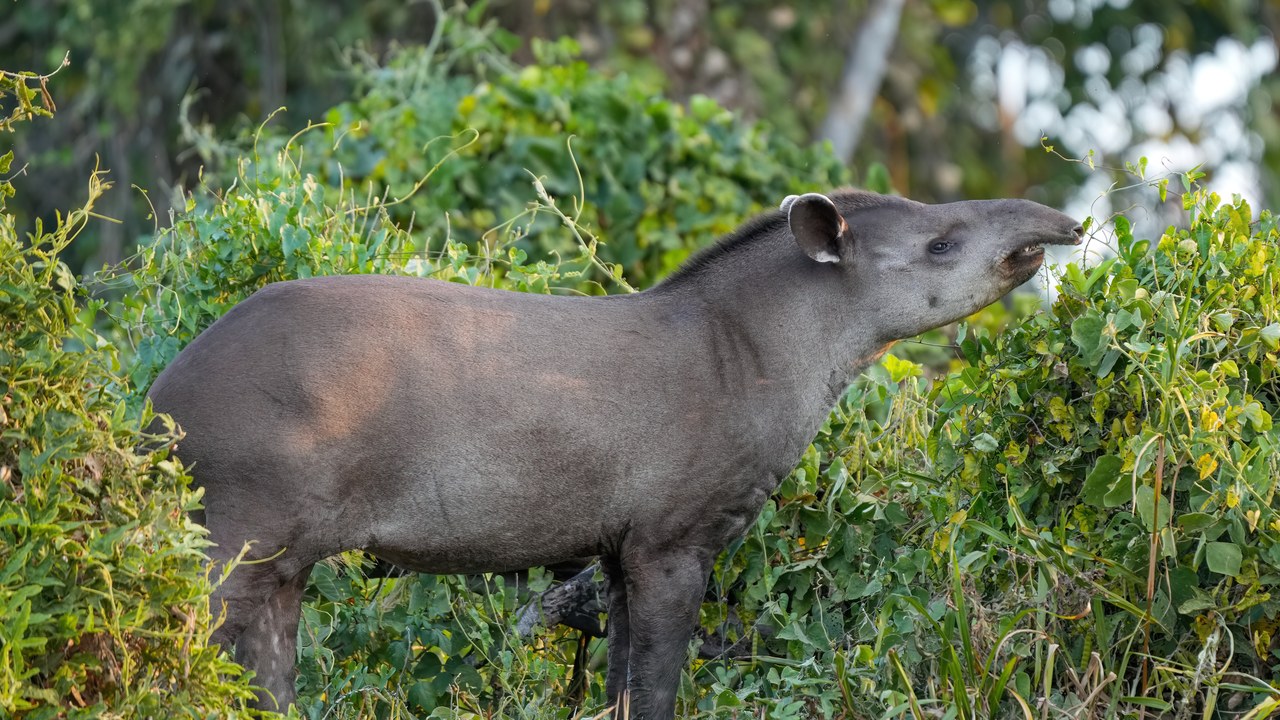
Brazilian tapir gestation is listed in a chart at 380 to 400 days. That is more than a year of pregnancy, the same species that wanders South American forests with a short, flexible snout, and it lands the tapir well within the marathon category.
The figure is given as a range in days, so the exact length varies from one pregnancy to the next. Even so, the low end of 380 days already exceeds a full calendar year, which makes the tapir a surprising entry among animals that rarely draw attention.
10. Dromedary camel: Desert Camel, Year-Long Pregnancy
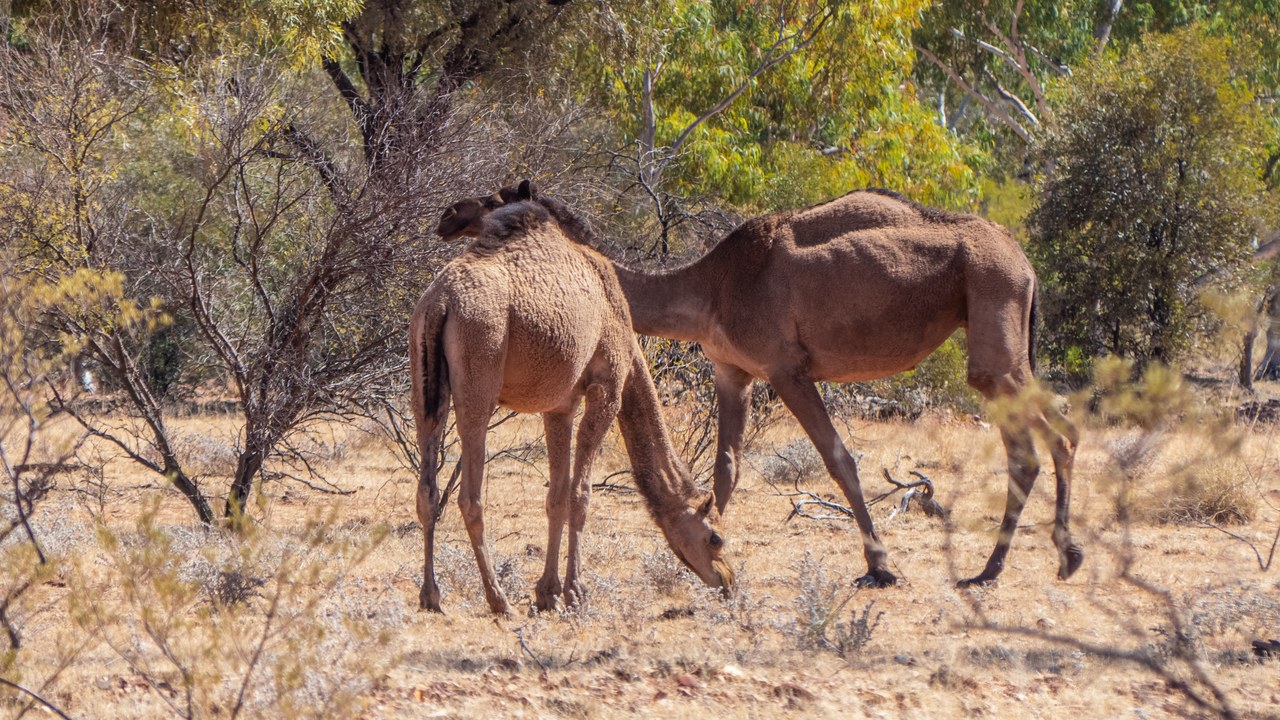
Dromedary camel gestation is listed in a gestation chart at 360 to 420 days. That spans roughly a full year and then some, so a camel’s pregnancy can run longer than a year even though the animal is built for hot, dry conditions.
The wide range means the exact timing of a birth is hard to predict, which matters for herders and keepers who plan around calving. The longer end of the range, 420 days, would put the camel well beyond twelve months, firmly among the longest-gestating animals here.
11. Plains zebra: Striped and Pregnant for a Year
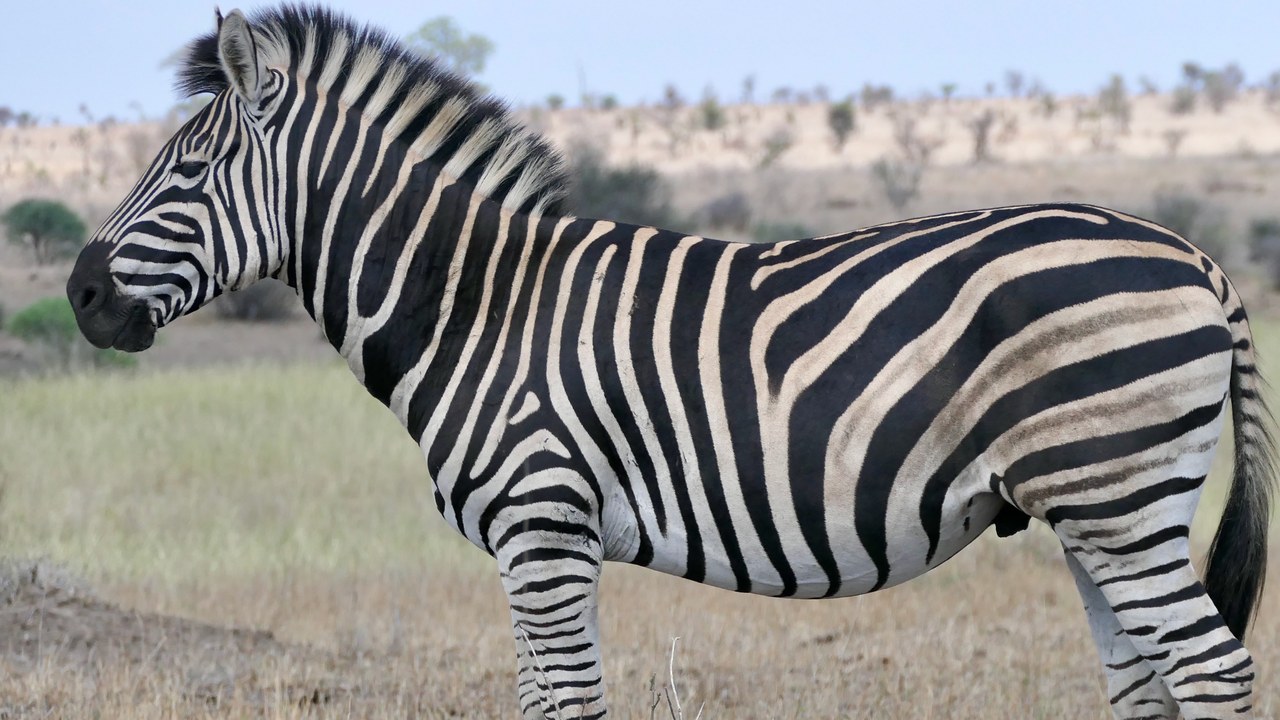
Plains zebra gestation is listed on a reference chart at 360 to 400 days. In other words, a mare carries her foal for about a year, with the upper end of the range stretching past twelve months, in line with the other hoofed animals here.
That makes the zebra the modest end of this ranking, yet still a true marathon next to most mammals. The range in days indicates that exact length varies by pregnancy, so a foal’s arrival cannot be pinned to a single date on the calendar.
12. Manatee: Gentle Sirenians, Long Pregnancies
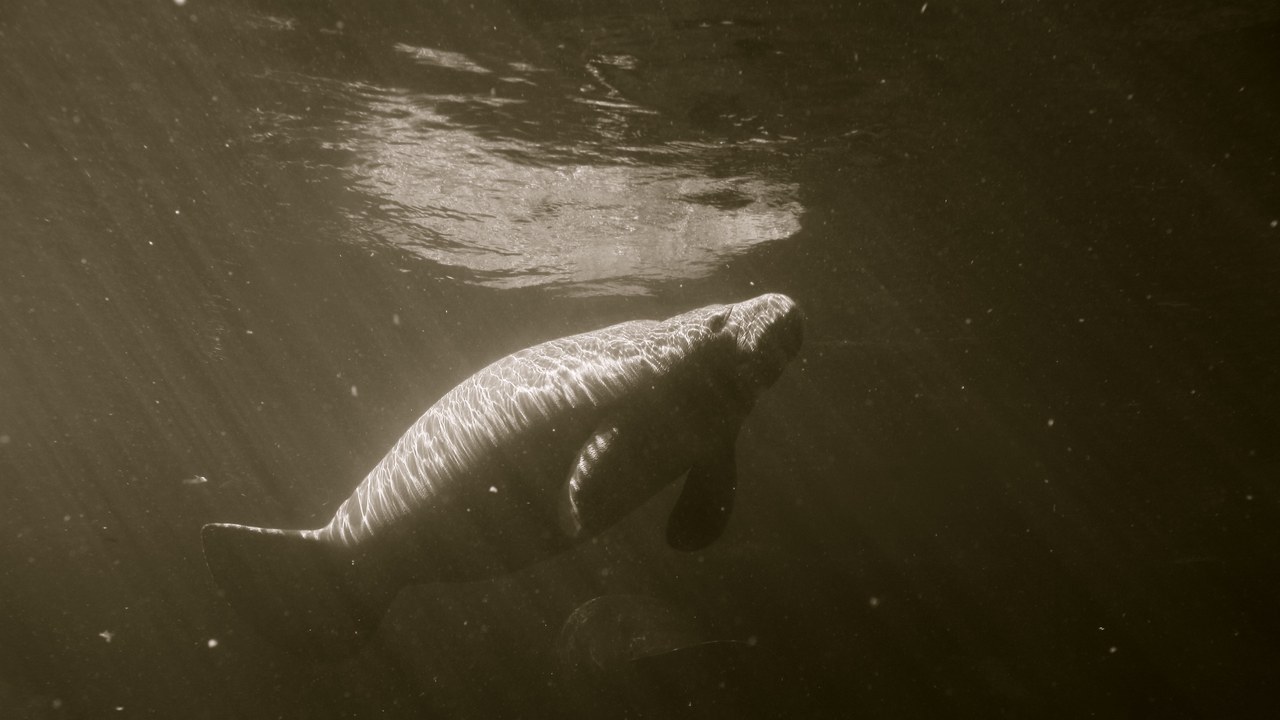
Manatee pregnancies last 12 to 14 months, according to a gestation length list. The slow-moving aquatic mammal therefore spends at least a full year pregnant, closing out the ranking at a length still longer than most animals manage.
Because a single calf takes a year or more to arrive, manatee populations cannot bounce back fast from losses. For anyone concerned about the species, the lengthy pregnancy is a reminder that recovery depends on many years of steady protection and patience.
More from Morning Overview
- NOAA now gives this winter a 75% chance of the strongest El Nino since 1950
- Doctors warn a silent liver disease now affects one in three American adults
- The FBI told the rest of ShinyHunters to surrender after a 24-year-old was arrested
- Two passengers died at an Ohio toll plaza, and the NTSB now wants the cash lanes shut
