
Federal scientists group the country’s most hazardous volcanoes by how much threat each poses to people and property. Their 2018 assessment placed eighteen in the very high category, and this selection covers the leading names from Hawaii to Alaska to the Cascade Range. Here are thirteen of them, in rank order, with what each placement means.
1. Kilauea: Highest Threat Score in the Country
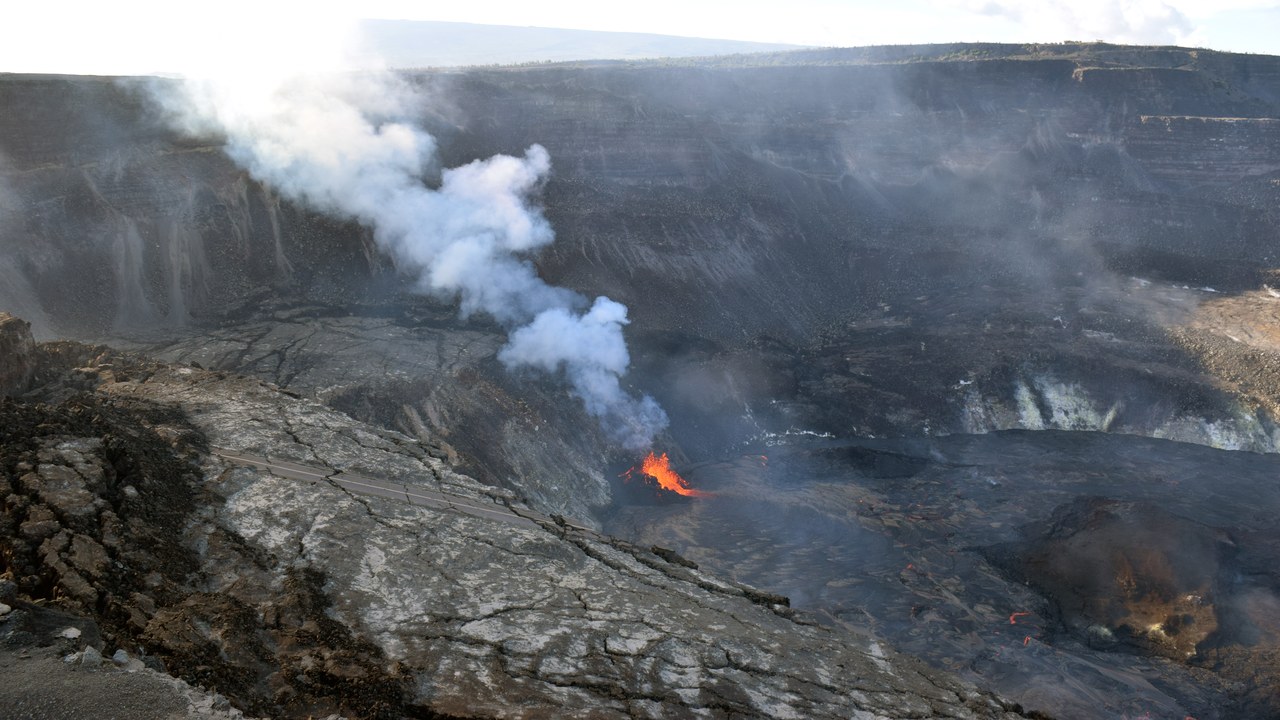
The USGS ranks Kilauea as the US volcano with the highest threat score, a placement explained in its USGS threat feature published on December 19, 2018. The agency describes it as the most active volcano in the country, and in 2018 its lava destroyed more than 700 structures.
A top score on a federal list is not an abstraction here. The 2018 losses show what first place can mean for households and businesses on the ground, and they set the benchmark against which the other seventeen entries are read.
2. Mount St. Helens: Blast Reach Beyond the Slopes
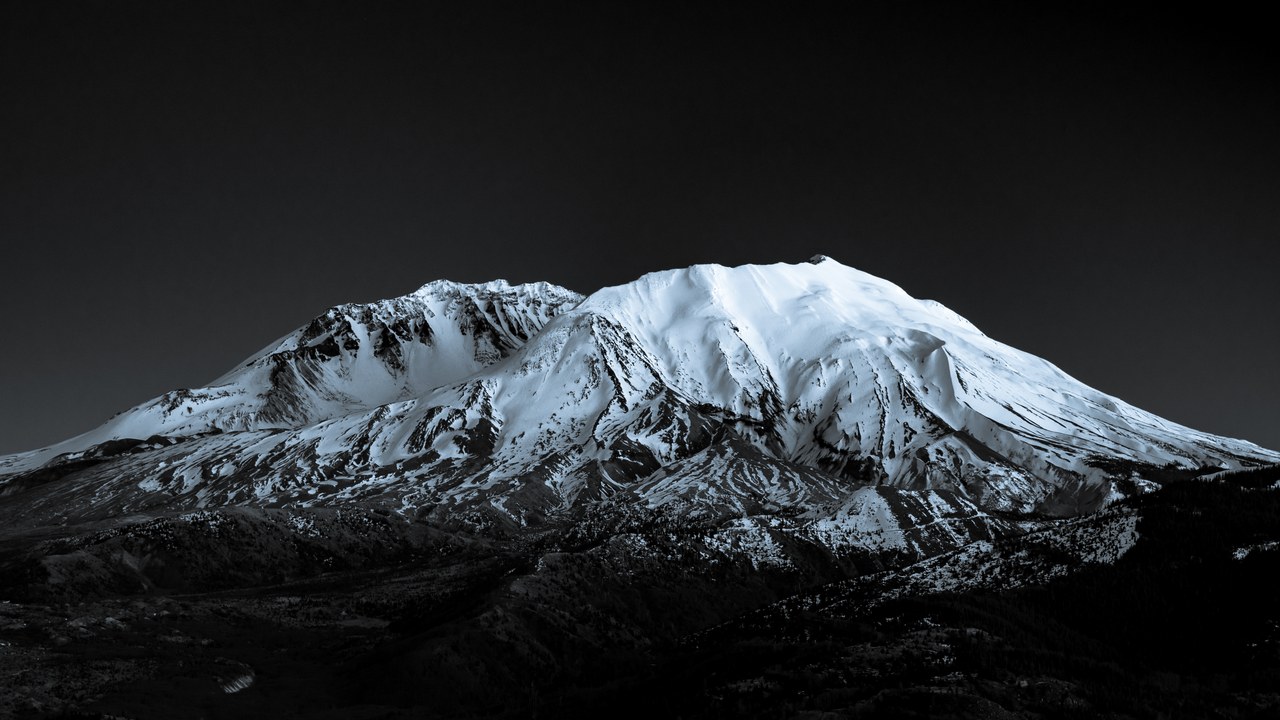
Mount St. Helens belongs to the very high threat group that the USGS identifies in its federal volcano ranking story. Its 1980 explosion devastated forests and killed people tens of miles away from the mountain, which remains one of the clearest American examples of a volcano reaching far past its own slopes.
The practical lesson concerns distance. Because victims in 1980 were found tens of miles from the peak, the reach of that blast, rather than the view from a driveway, is the better measure of exposure for anyone living or working in the surrounding valleys.
3. Mount Rainier: Roughly 300,000 People in Reach
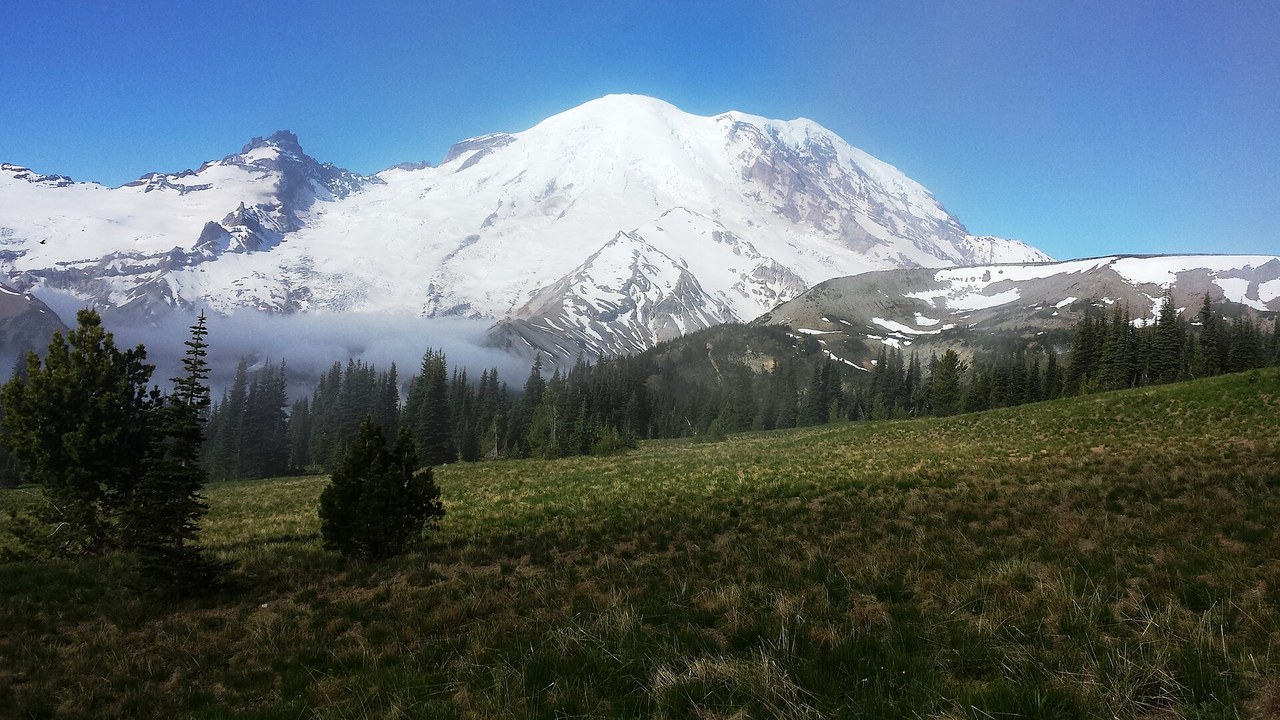
Mount Rainier holds the No. 3 spot among the 18 very high threat volcanoes in the 2018 national volcanic threat assessment, as summarized in Smithsonian’s volcano rundown. The peak stands 59 miles from Seattle, and the hazard it poses reaches roughly 300,000 people.
A large city on the horizon and a crowd of that size within reach explain the placement better than any recent event. For homeowners, employers and emergency planners in Seattle’s orbit, the headcount turns an abstract ranking into a planning figure.
4. Mount Shasta: Fifth Among the Eighteen
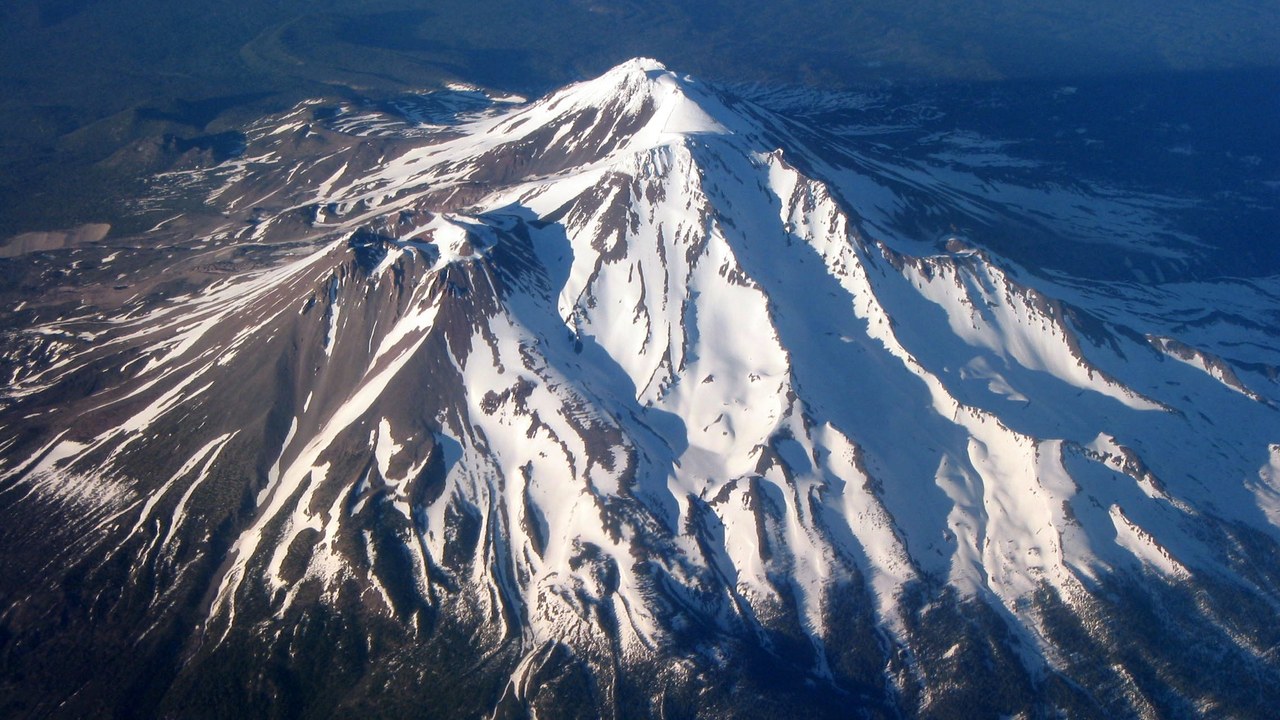
Mount Shasta ranks fifth on the USGS list of 18 very high threat volcanoes, a result of the 2018 national volcanic threat assessment recounted in Smithsonian’s threat list. The California peak lands ahead of both Mount Hood and Three Sisters in that ordering.
Fifth place out of eighteen is a position near the top of an already narrow category. Residents and visitors who treat a snow-capped summit as scenery may want to note that the federal assessment files it firmly among the most threatening volcanoes in the United States.
5. Mount Hood: Sixth on the Federal List
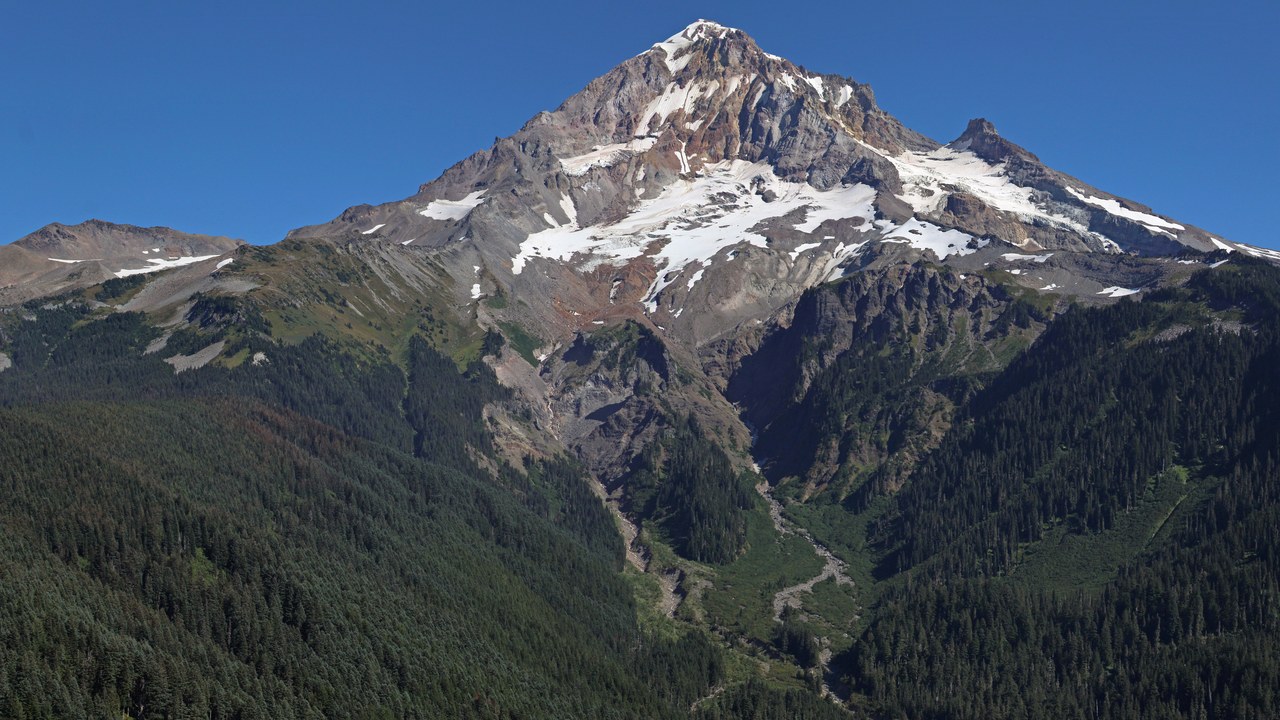
Oregon’s Mount Hood takes the sixth position among the USGS very high threat volcanoes, according to the 2018 national volcanic threat assessment as laid out in Smithsonian’s ranking article. Only five volcanoes on the list of 18 outrank it.
For buyers weighing property in its shadow, the placement is a signal to consult official hazard material rather than rely on appearances. A rank of six does not predict timing, but it does confirm that federal scientists consider the mountain a serious concern.
6. Three Sisters: Seventh in the Cascades Cluster
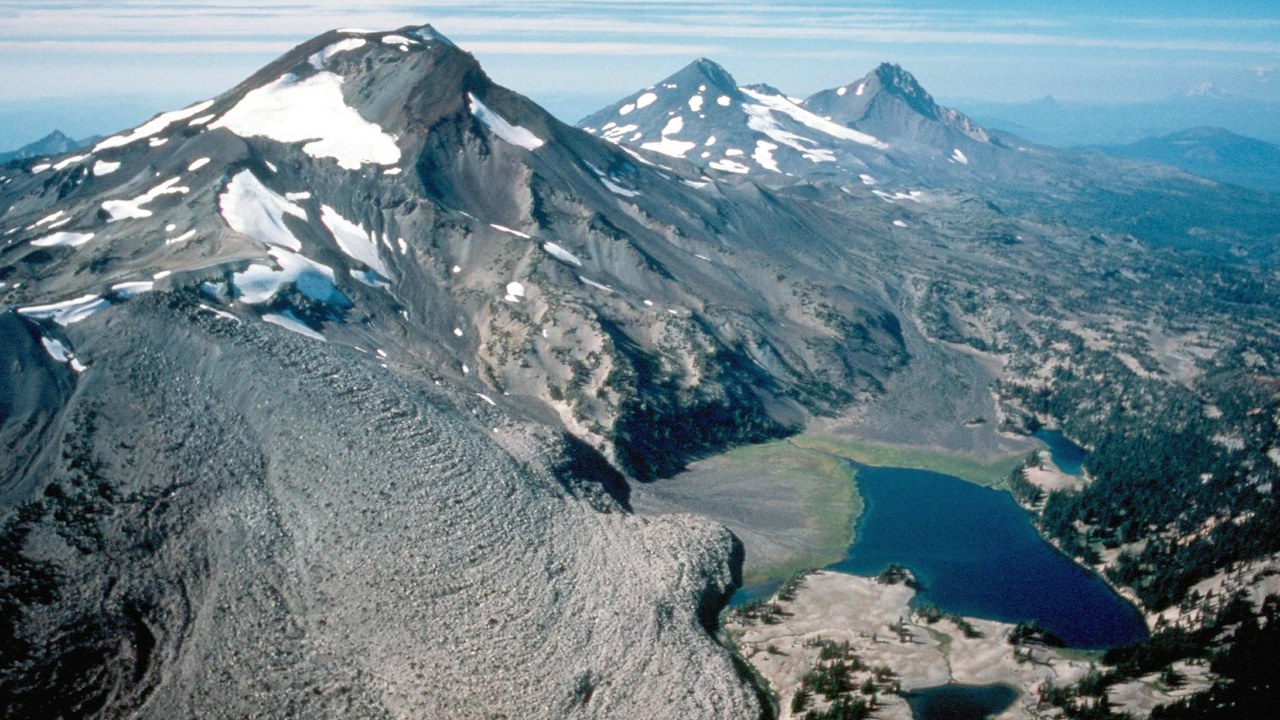
Three Sisters, the Oregon volcanic cluster, comes in at No. 7 on the USGS list of 18 very high threat volcanoes, based on the 2018 national volcanic threat assessment covered by Smithsonian’s national list. It sits just below Mount Hood and above every entry numbered eight through eighteen.
Because the entry names a group of peaks rather than a single summit, it is a reminder that the list tracks volcanic systems. Outdoor recreation, nearby communities and travel corridors all fall under a rating that federal scientists placed in the upper half.
7. Lassen volcanic center: Eleventh and Still Very High
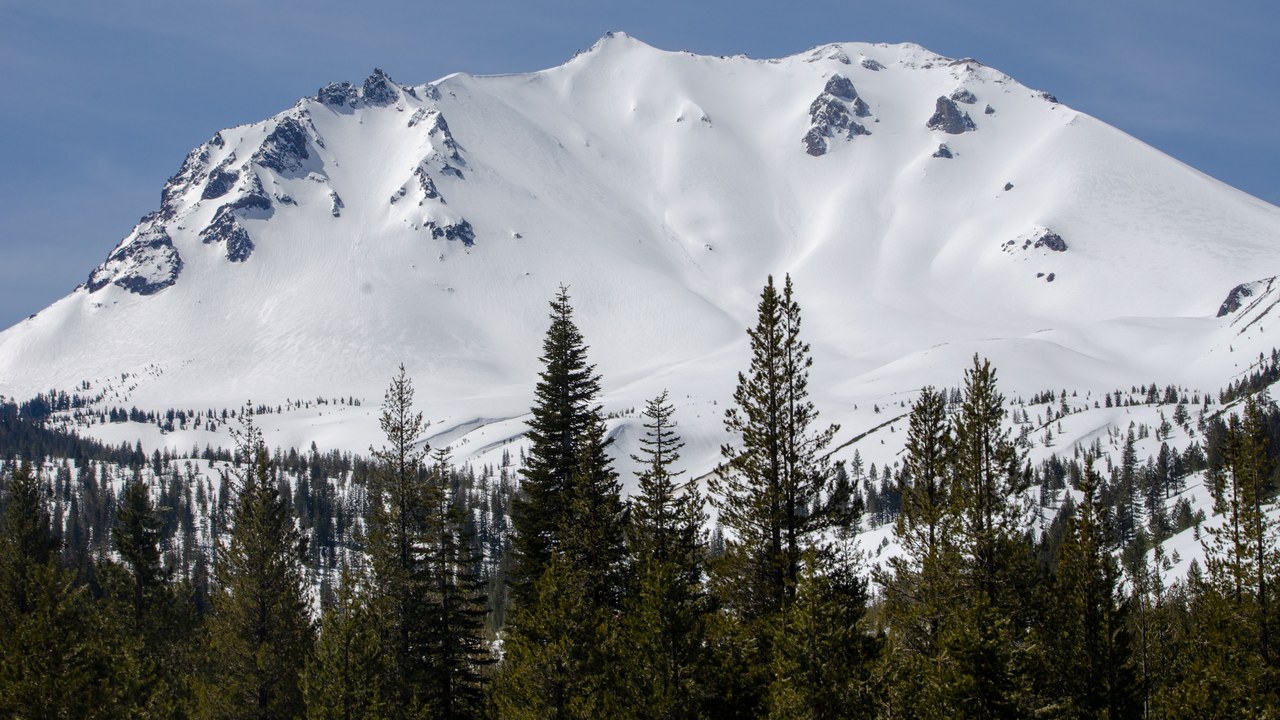
Lassen volcanic center is No. 11 on the USGS list of 18 very high threat US volcanoes from the 2018 national volcanic threat assessment, a ranking reported by Live Science’s report. The entry covers the broader volcanic center rather than the single peak alone.
Eleventh place may sound middling, yet every one of the 18 volcanoes sits in the agency’s highest threat category. Anyone reading the order should treat the lower numbers as a matter of relative score, not as a sign that the California site can be ignored.
8. Augustine Volcano: A Twelfth-Place Alaskan Peak
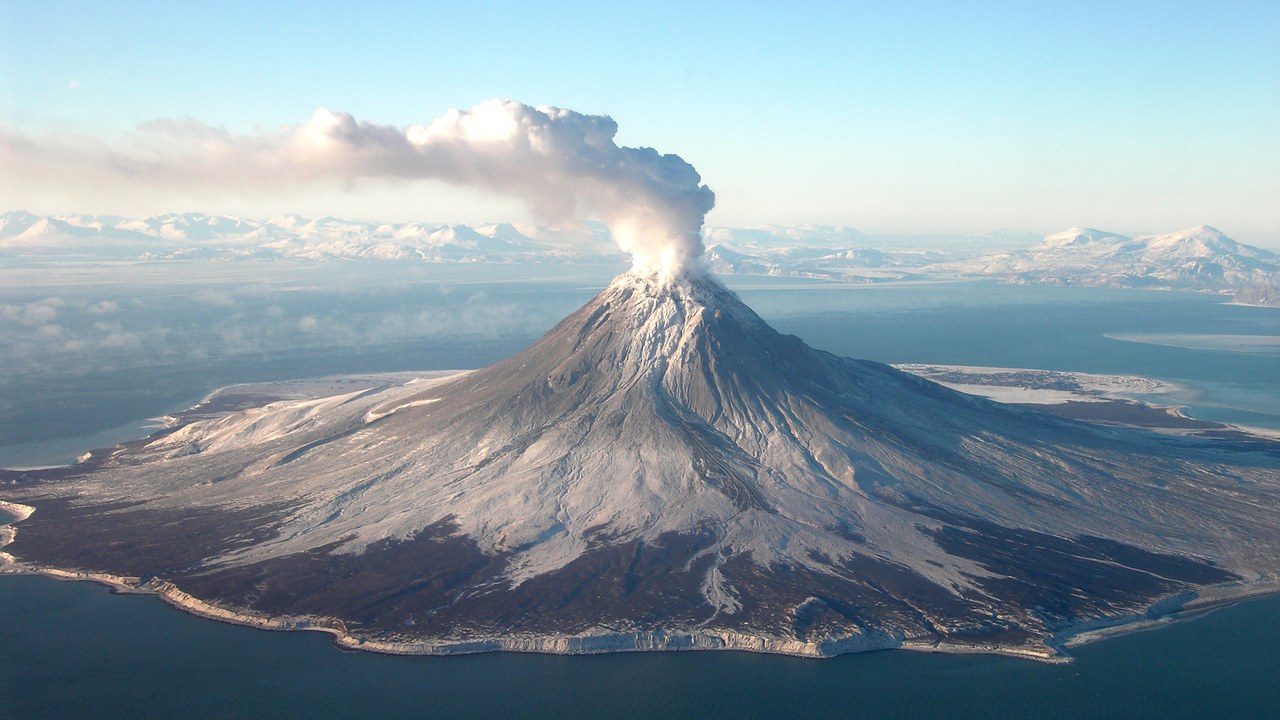
Alaska’s Augustine Volcano sits at No. 12 on the USGS list of 18 very high threat volcanoes, part of the 2018 national volcanic threat assessment described in Live Science’s coverage. The ranking puts it just ahead of Newberry Volcano and behind the Lassen volcanic center.
The entry is a useful counterweight to a list dominated by the Pacific Northwest. A remote Alaskan mountain earns a place in the same top category as peaks near large cities, which shows that the federal ordering is a national comparison across very different settings.
9. Newberry Volcano: Thirteenth, Behind a Broad Caldera
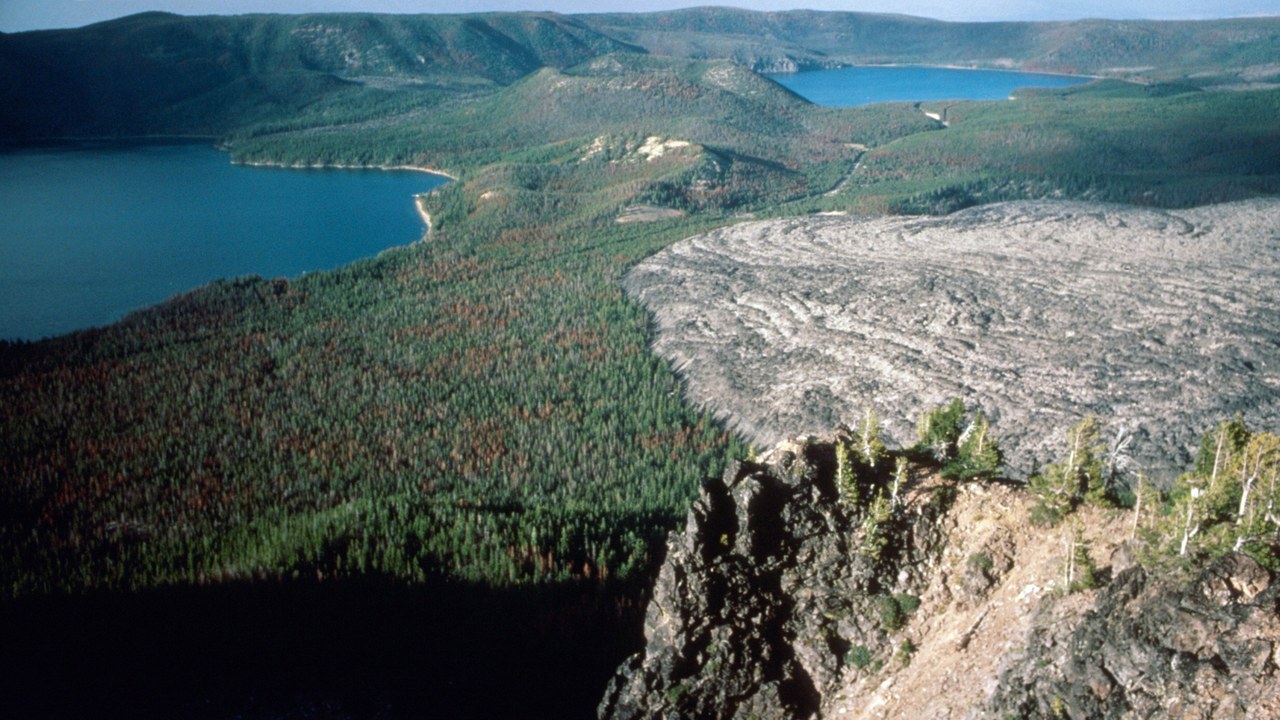
Newberry Volcano ranks 13th among the 18 very high threat volcanoes in the USGS 2018 national volcanic threat assessment, according to Live Science’s summary. The Oregon site is photographed most often as a caldera, a wide collapsed crater, rather than as a conventional cone.
That shape matters for readers who expect a threat to look like a tall, steep summit. A placement at No. 13 shows the federal ranking applies equally to low, sprawling volcanic centers, and nearby visitors are better served by agency hazard information than by visual impressions.
10. Mount Baker: Fourteenth in Washington State
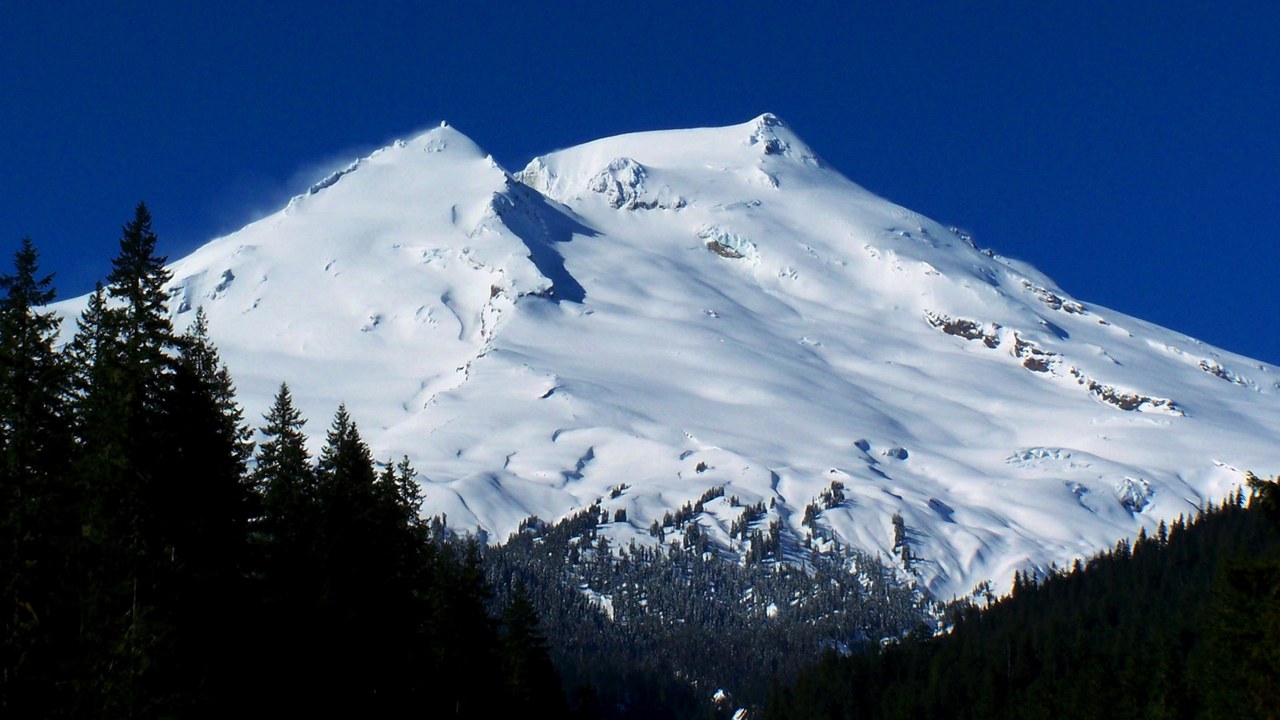
Mount Baker takes the No. 14 position on the USGS list of 18 very high threat volcanoes, drawn from the 2018 national volcanic threat assessment and reported by Live Science’s threat piece. The glacier-covered peak stands in northern Washington.
A place near the bottom of the very high category still counts as very high. Washington residents who see the mountain on a clear day are looking at a volcano the agency judged more threatening than most others across the country, even if four entries rank lower.
11. Glacier Peak: Fifteenth Among Eighteen
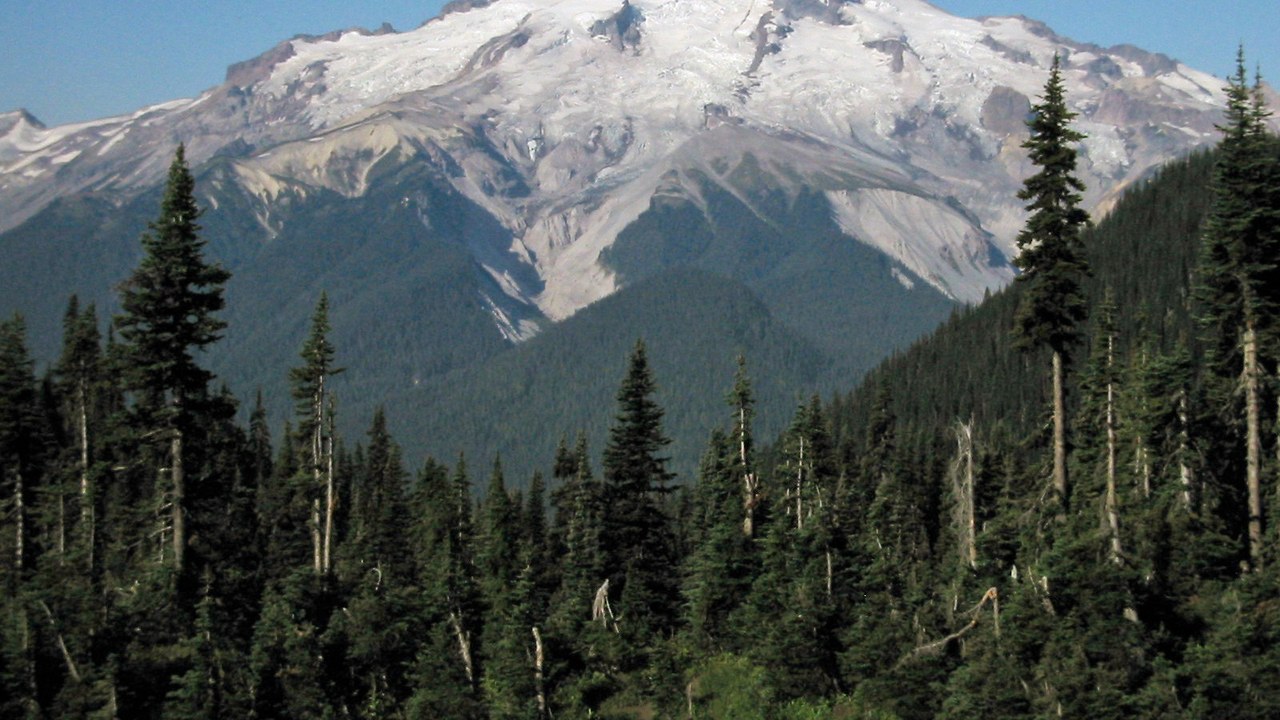
Glacier Peak, a Washington volcano, is No. 15 on the USGS list of 18 very high threat volcanoes from the 2018 national volcanic threat assessment, as reported by National Geographic’s list story. Only three entries on the list rank below it.
The mountain is less often named in popular discussion than its neighbors, which makes the placement a useful correction. Its inclusion shows that federal scientists weigh volcanoes on assessed threat rather than public fame, and a lesser-known name can still belong in the top category.
12. Mauna Loa: Sixteenth on a Giant of the Pacific
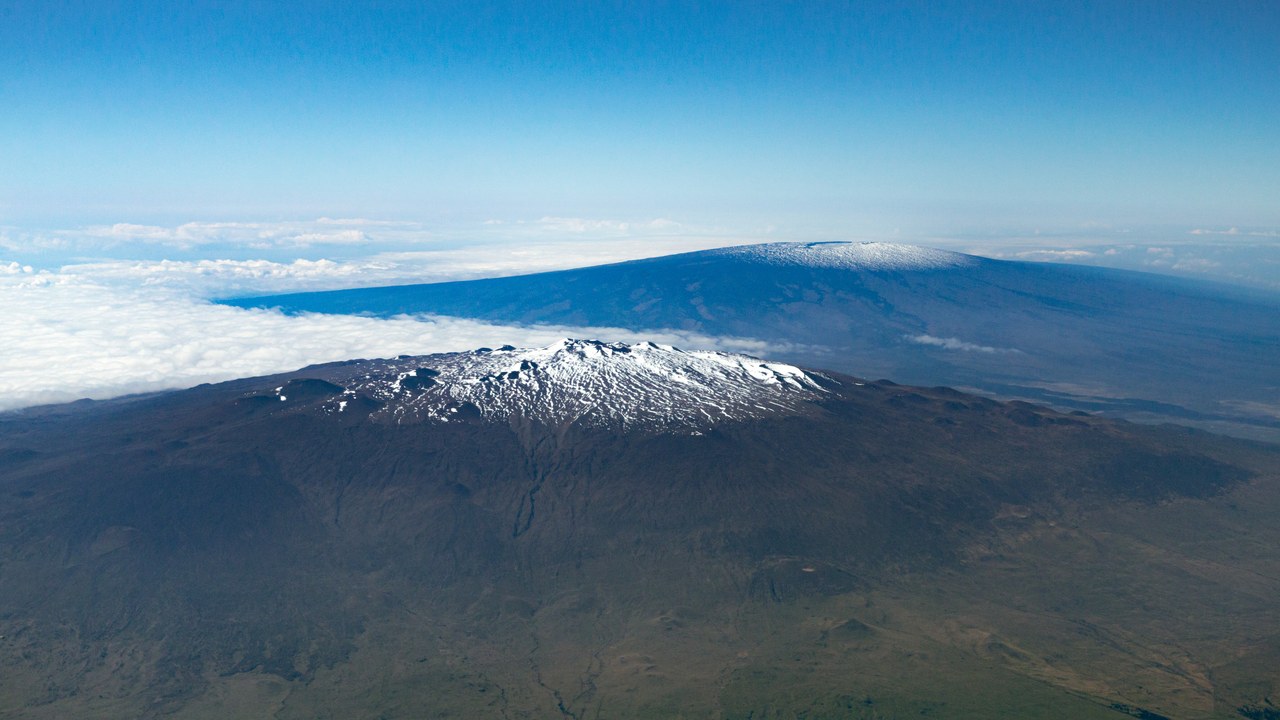
Mauna Loa, in Hawaii, ranks 16th among the 18 very high threat volcanoes in the USGS 2018 national volcanic threat assessment, according to National Geographic’s ranking coverage. It trails Kilauea, the Hawaiian volcano that holds the highest threat score on the entire list.
Two Hawaiian volcanoes appear in the same category, with one at the very top and one near the bottom. The spread shows that sharing an island chain does not mean sharing a score, and that rank reflects each mountain’s individual assessment.
13. Crater Lake: Seventeenth Beneath a Famous Lake
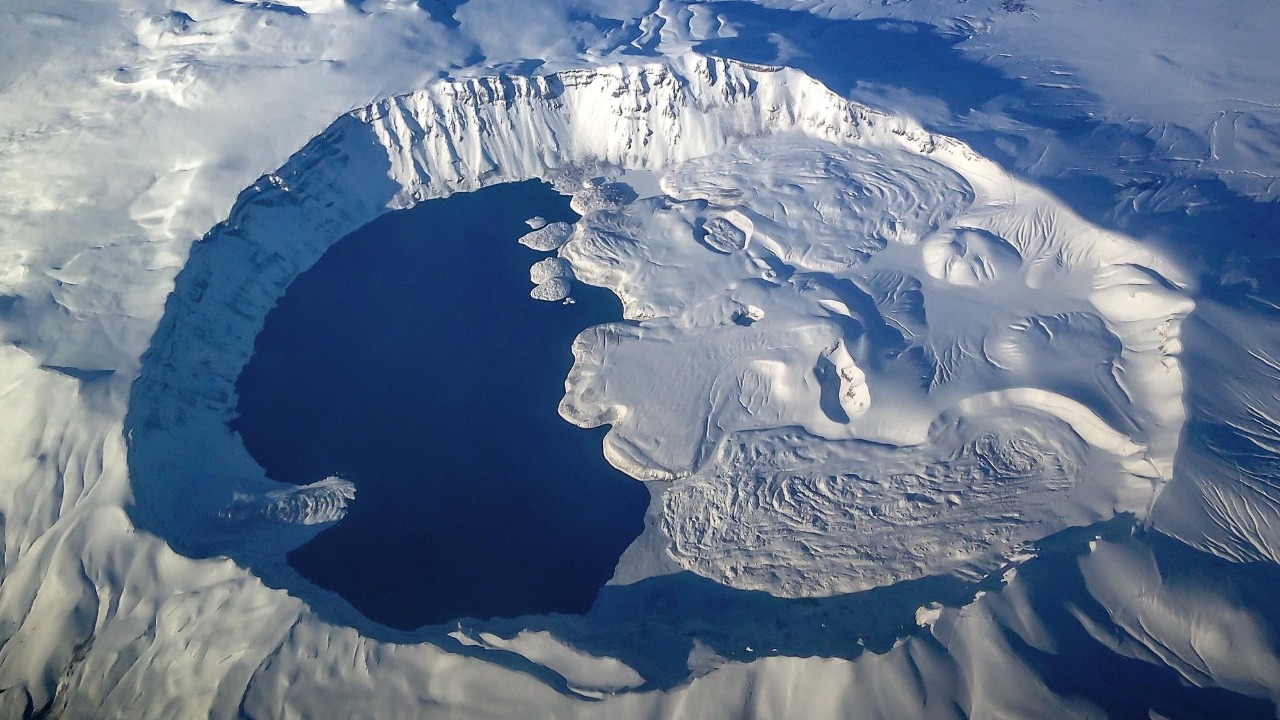
Crater Lake, the Oregon caldera, comes in at No. 17 on the USGS list of 18 very high threat US volcanoes, drawn from the 2018 national volcanic threat assessment and reported by National Geographic’s volcano report. Only one entry on the list ranks lower.
The famous lake fills what is, in the federal view, still an active volcanic setting. A late placement among eighteen does not remove the site from the very high category, and visitors enjoying the scenery are standing inside a place the agency takes seriously.
More from Morning Overview
- Two passengers died at an Ohio toll plaza, and the NTSB now wants the cash lanes shut
- Long use of a common prostate pill is tied to a higher chance of glaucoma
- Ford is recalling 223,472 F-150 pickups because the fuel tank can leak or detach
- Hybrids have 15% fewer problems than gas cars, while EVs and plug-in hybrids have about 80% more, Consumer Reports finds
