
Some animals treat losing a limb, a beak or an organ as a temporary inconvenience rather than a disaster. Biologists study these species closely because their cells rebuild structures that human bodies can only scar over, so their methods draw steady attention from medical researchers. Here are twelve creatures that can regrow lost body parts.
1. Elk: Antlers on a Seven-Month Cycle
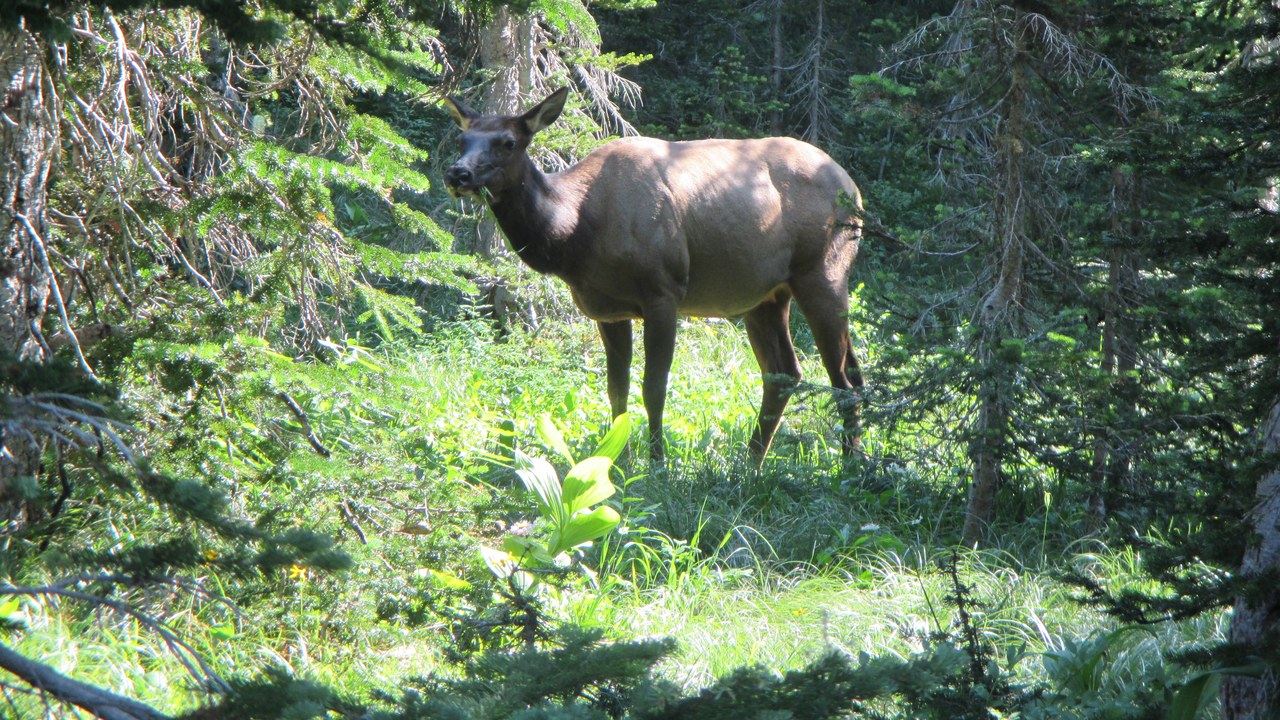
Elk shed and regrow their antlers every year, and a full cycle of regeneration of elk antlers spans roughly seven months. Bone that would be a permanent loss in most mammals is simply replaced on a seasonal schedule.
The result is among the fastest tissue growth known in any mammal. Each set is discarded in late winter, so the animal carries a fresh, larger rack by the following autumn rut, ready for competition among bulls. Velvet-covered growth can add an inch or more per day during summer.
2. Atlantic puffin: The Beak That Comes Back
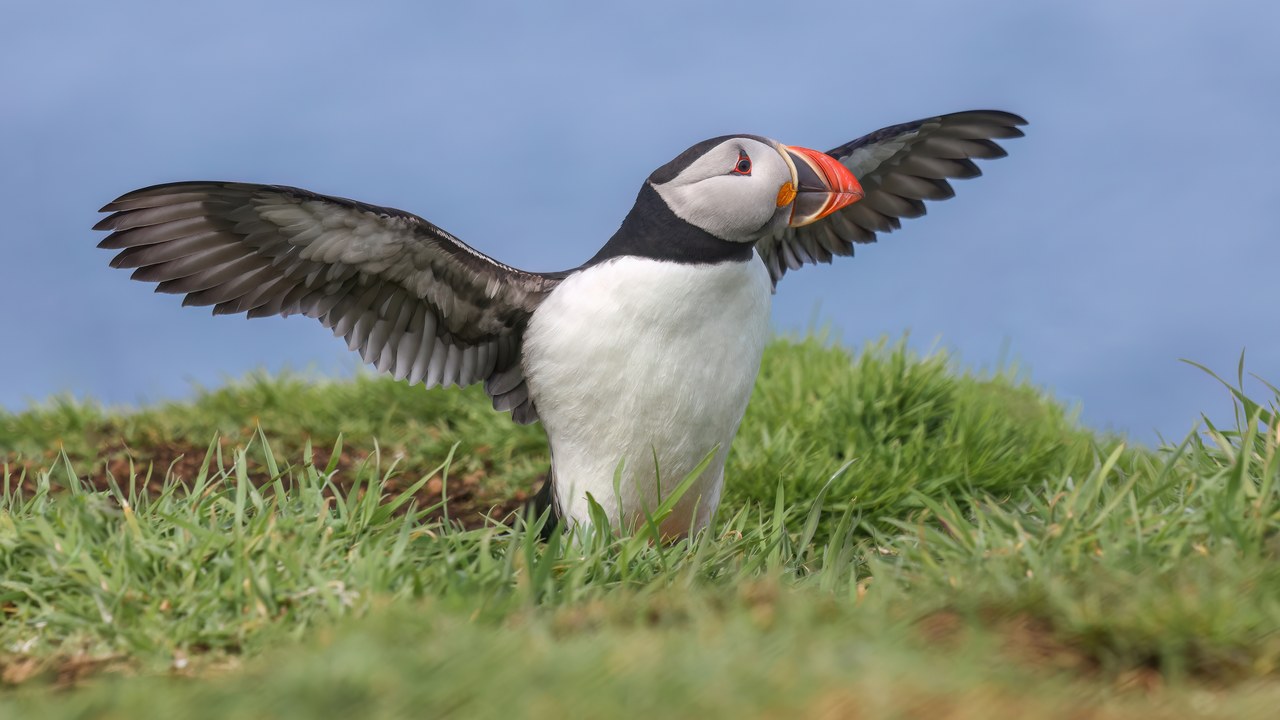
Male puffins cast off their colorful beaks after the mating season, according to Britannica’s regeneration overview, and grow new ones the following year.
The bright outer plates are a seasonal costume rather than a fixed feature. Shedding them leaves a duller, smaller bill through winter, and the vivid orange display returns when the breeding colony gathers again. Researchers tie the cycle to breeding hormones that trigger each stage of the bill’s renewal, and the new bill emerges in time for the next season.
3. Catfish: Whiskers Rebuilt Exactly
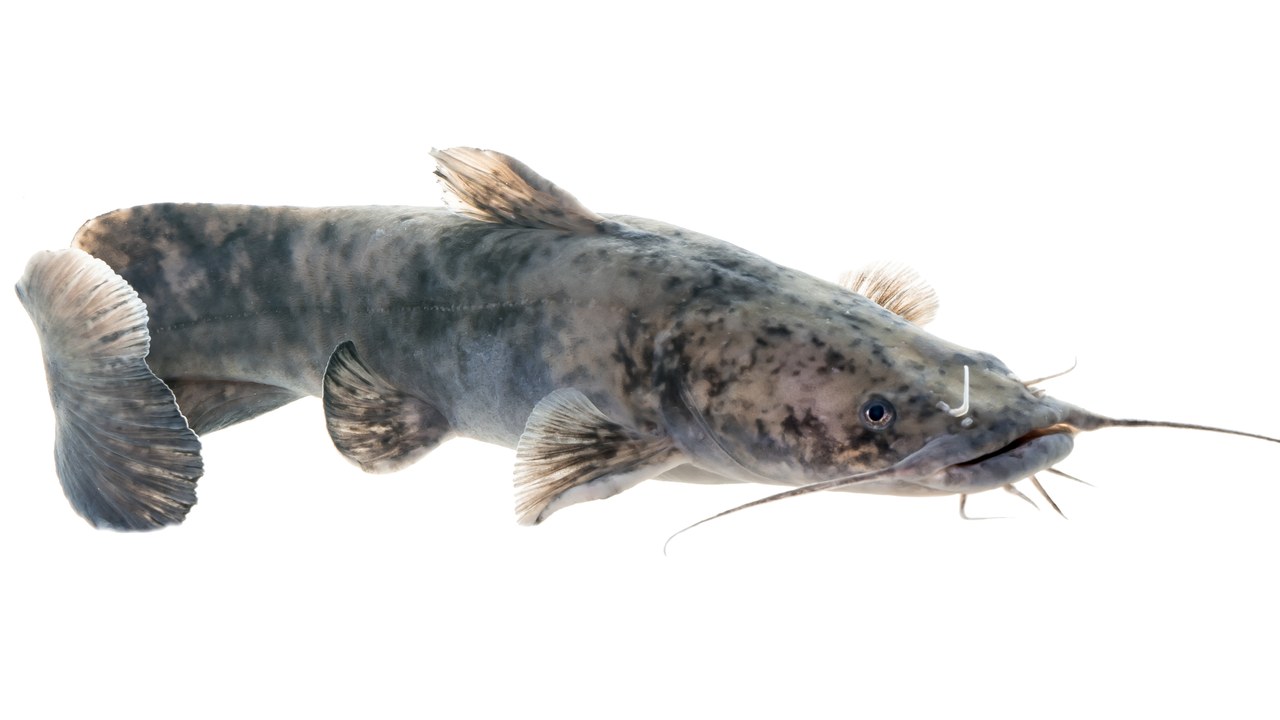
The taste barbels of the catfish, commonly called whiskers, grow back as perfect replicas of the originals, a point noted in Britannica’s survey of regeneration.
Those barbels carry the taste and touch receptors a bottom-dwelling fish relies on in murky water. Restoring them in full, rather than as scar tissue, lets an injured fish resume feeding by feel without a lasting handicap. Fish farmers and aquarium keepers often observe the process after barbels are nipped or abraded in crowded tanks.
4. Lobster: Claws Grown From Stumps
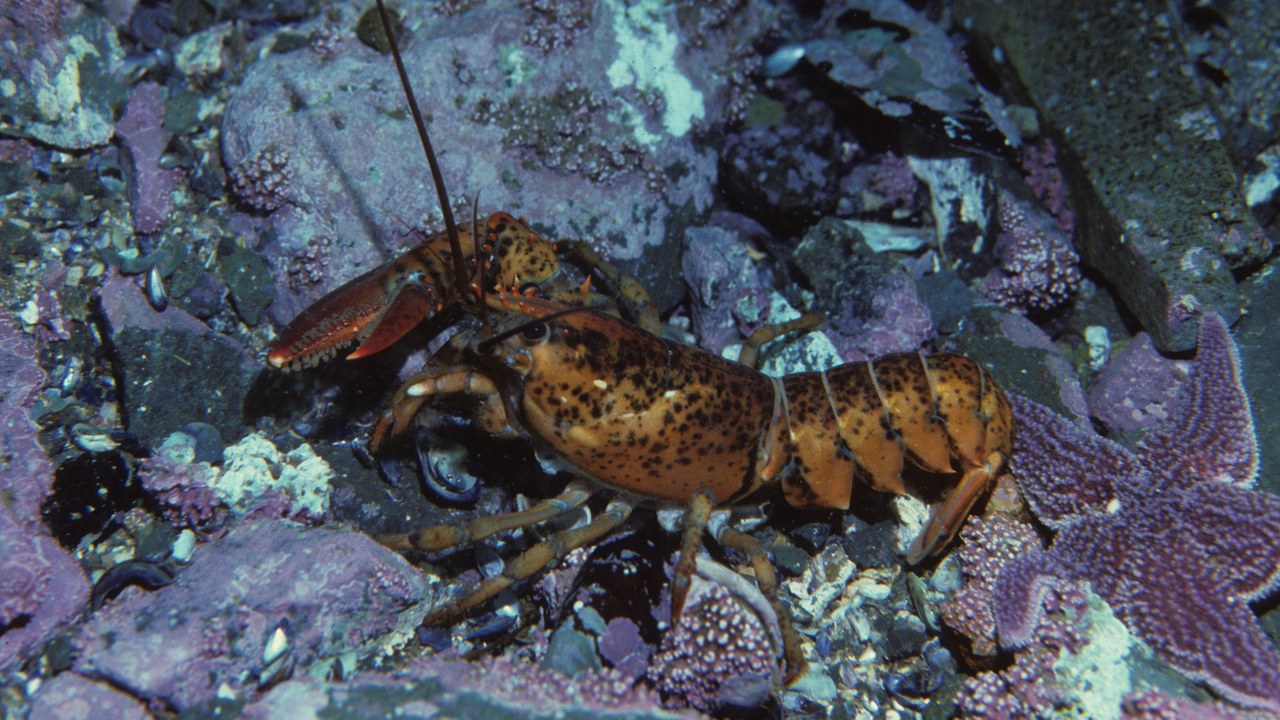
Lobsters regenerate claws and legs as direct outgrowths from the stumps, a pattern described in Britannica’s regeneration entry.
Each replacement starts small and enlarges through successive molts, so a missing claw can take years to match its partner. A lobster that loses one in a fight is hampered for a while, but not permanently disarmed. Fishermen sometimes land animals with one oversized claw, evidence that regrowth proceeds in stages rather than all at once, and the smaller limb catches up over later molts.
5. Starfish: One Arm, Whole Animal
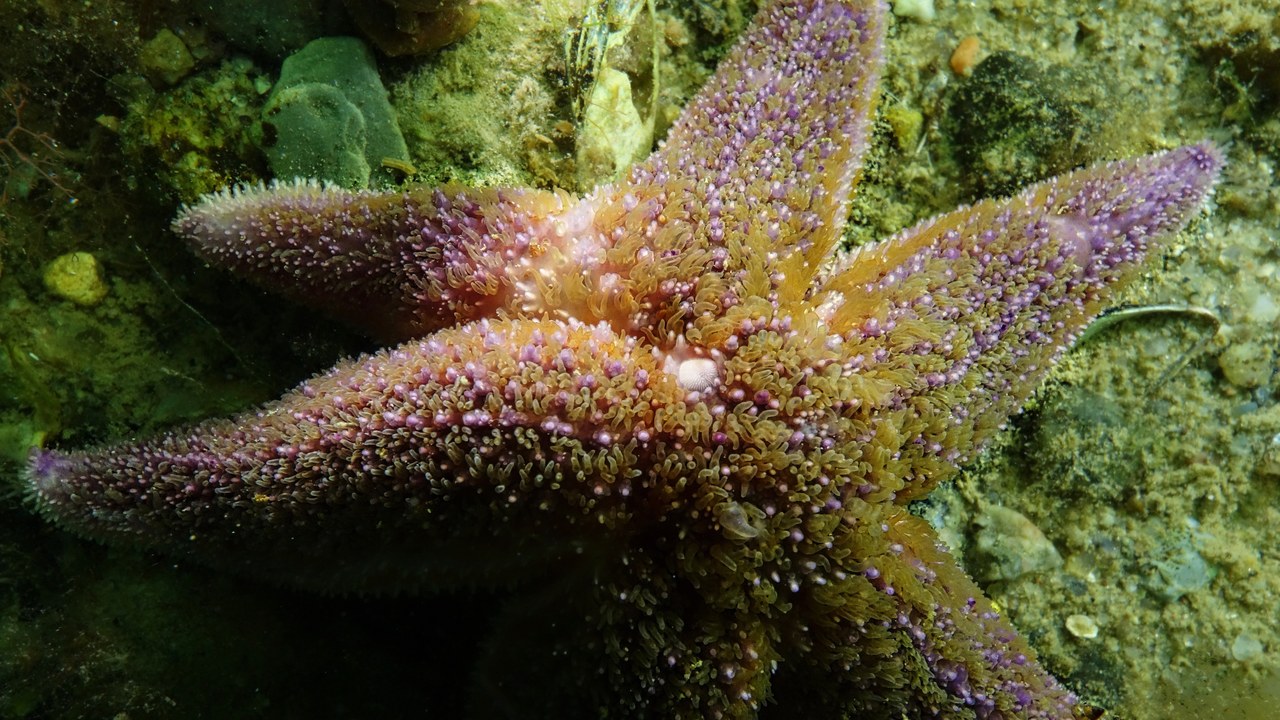
A starfish can regrow a severed arm, and in some cases that lone arm can rebuild the rest of the animal, as WorldAtlas’s ocean regrowth list explains.
The ability rests on vital organs being spread through the arms instead of concentrated in a central body. That anatomy turns a predator’s bite or a storm’s damage into a setback rather than a death sentence. Marine biologists have documented single arms with a sliver of central disc growing into complete, five-armed individuals.
6. Octopus: Skin, Muscle and Suckers
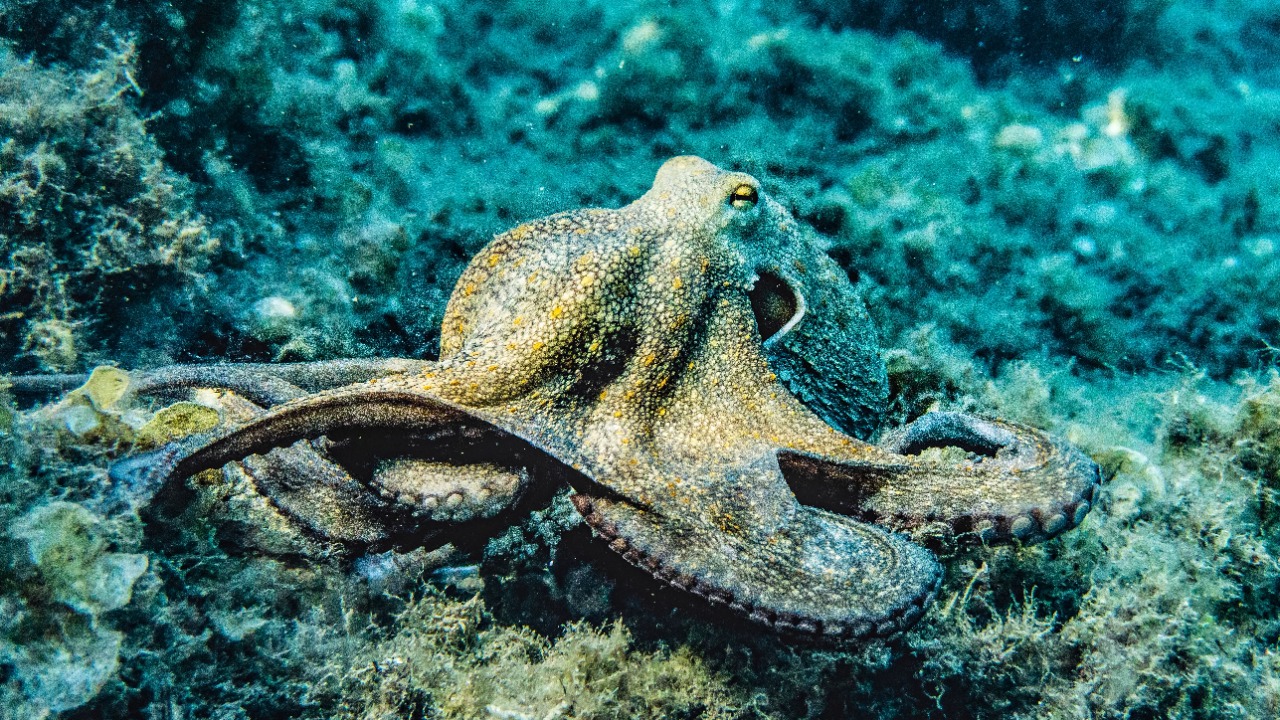
Octopuses can completely regrow functional replacements for skin, muscles, nerves and suckers in just a few months, per WorldAtlas’s marine overview.
A lost arm matters for a soft-bodied hunter that explores crevices by touch. The regrown limb is working tissue, not a stub, and carries the sensory suckers needed to taste and grip prey again. The speed is notable for an animal whose natural lifespan is often only a year or two, so recovery has to be quick to be useful.
7. Sea cucumber: Organs Rebuilt in Weeks
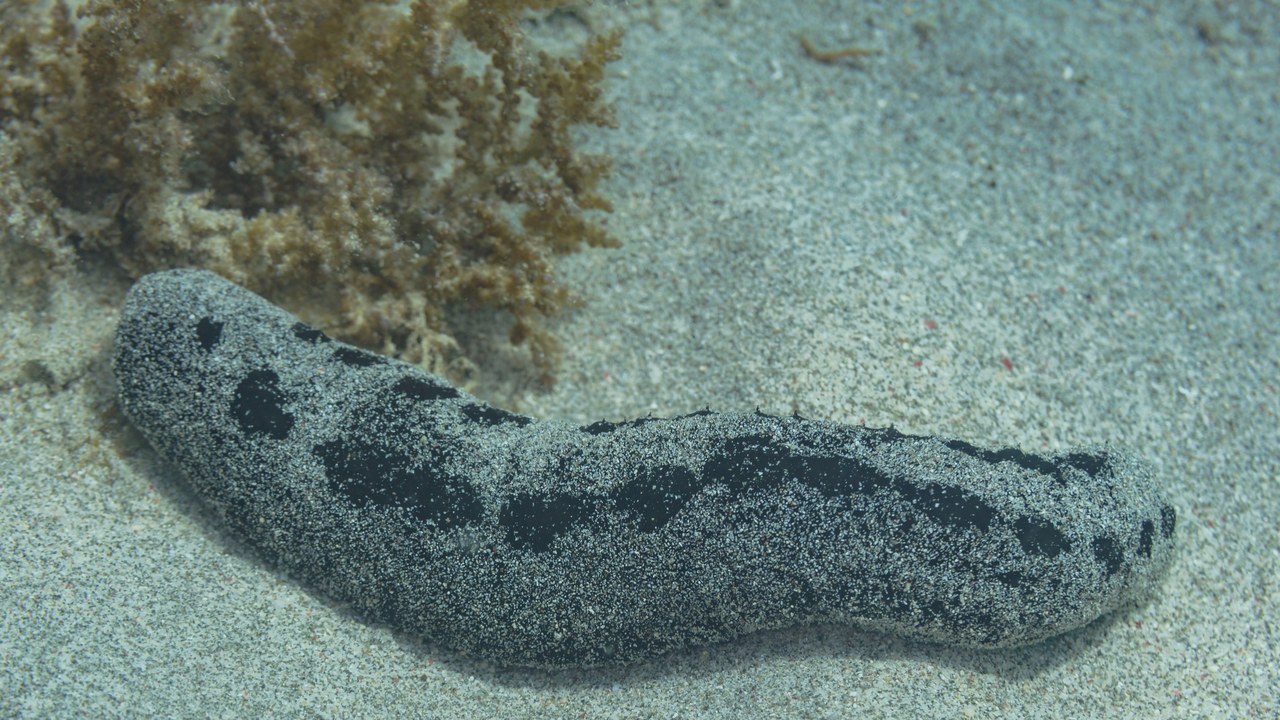
After ejecting internal organs, sea cucumbers regrow the lost organs in as little as a month, WorldAtlas’s ocean animal roundup reports.
The expulsion is a defense, leaving a predator with a mouthful of entrails while the animal crawls off. Rebuilding a digestive tract from scratch in about four weeks makes the tactic affordable rather than fatal. Aquaculture researchers have watched the animals rebuild intestines and respiratory trees under controlled conditions, which suggests the process is routine rather than exceptional.
8. Zebrafish: Hearts, Fins and Brains
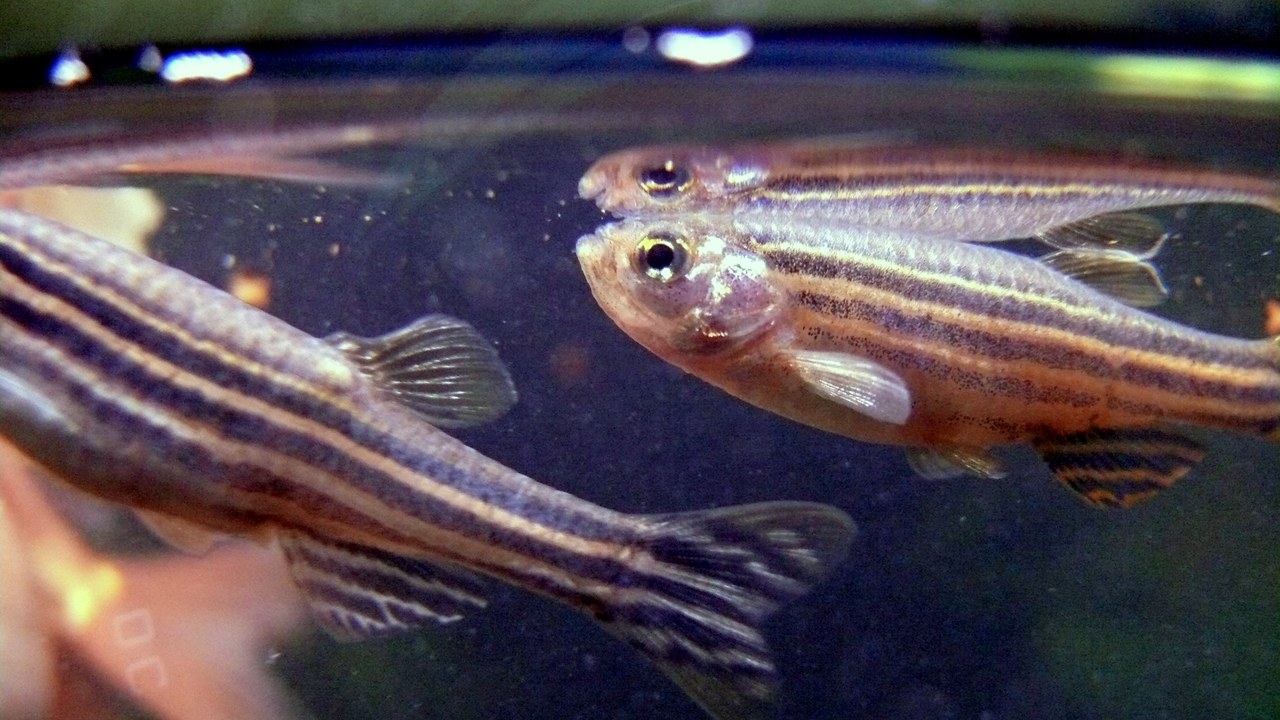
Zebrafish regrow the heart, spinal cord, brain and fins, and fins and tails return in just a few weeks, as WorldAtlas’s regrowth article describes.
That breadth explains why the small striped fish is a laboratory staple. Researchers study how its cells restore organs that human tissue would seal with scar, hoping to find switches that could be reactivated in people. Zebrafish hearts can recover after about a fifth of the ventricle is removed, a feat no adult mammal manages.
9. Leopard gecko: A Tail Left Behind
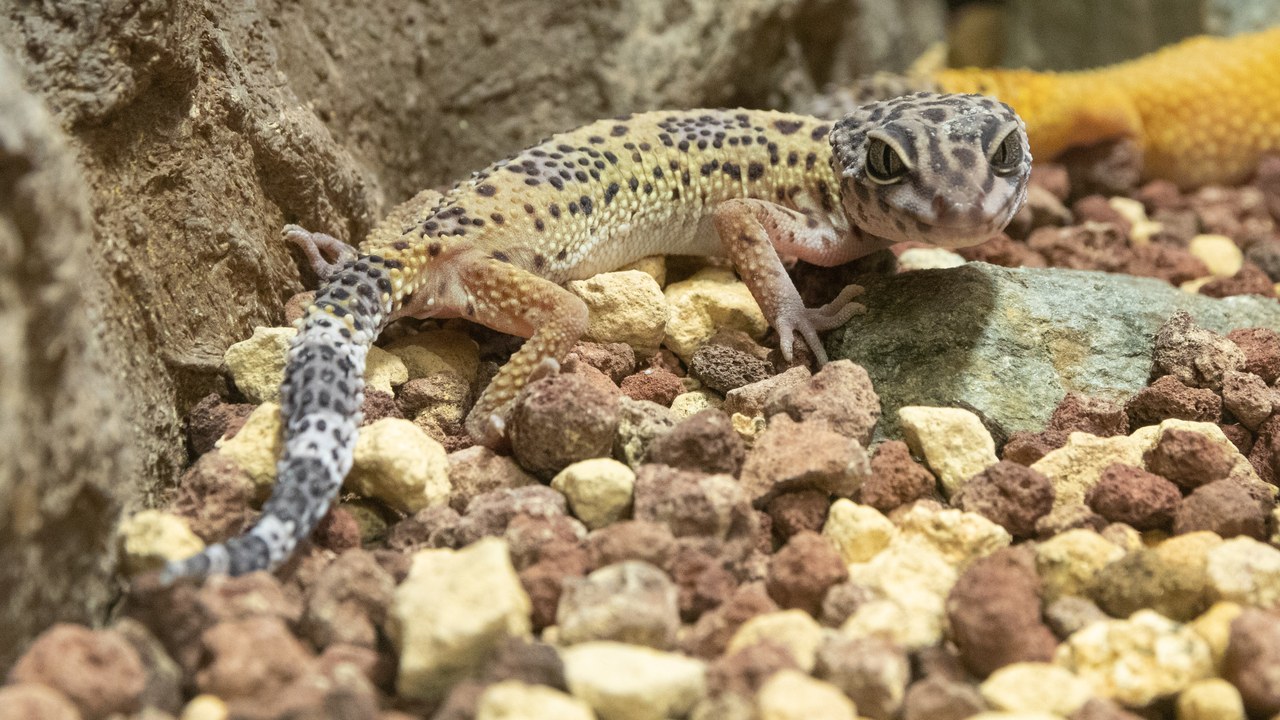
Leopard geckos detach their tails when threatened and regrow a replacement, usually shorter and different from the original, according to A-Z Animals’ survival tactics piece.
The dropped tail keeps wriggling and distracts a predator long enough for the lizard to flee. The new tail is a plainer stand-in, and the animal pays in stored fat, since the original doubles as an energy reserve. Keepers treat a dropped tail as an emergency, since it signals fright and costs the animal real resources.
10. Blue-tongued skink: Cartilage in Place of Bone
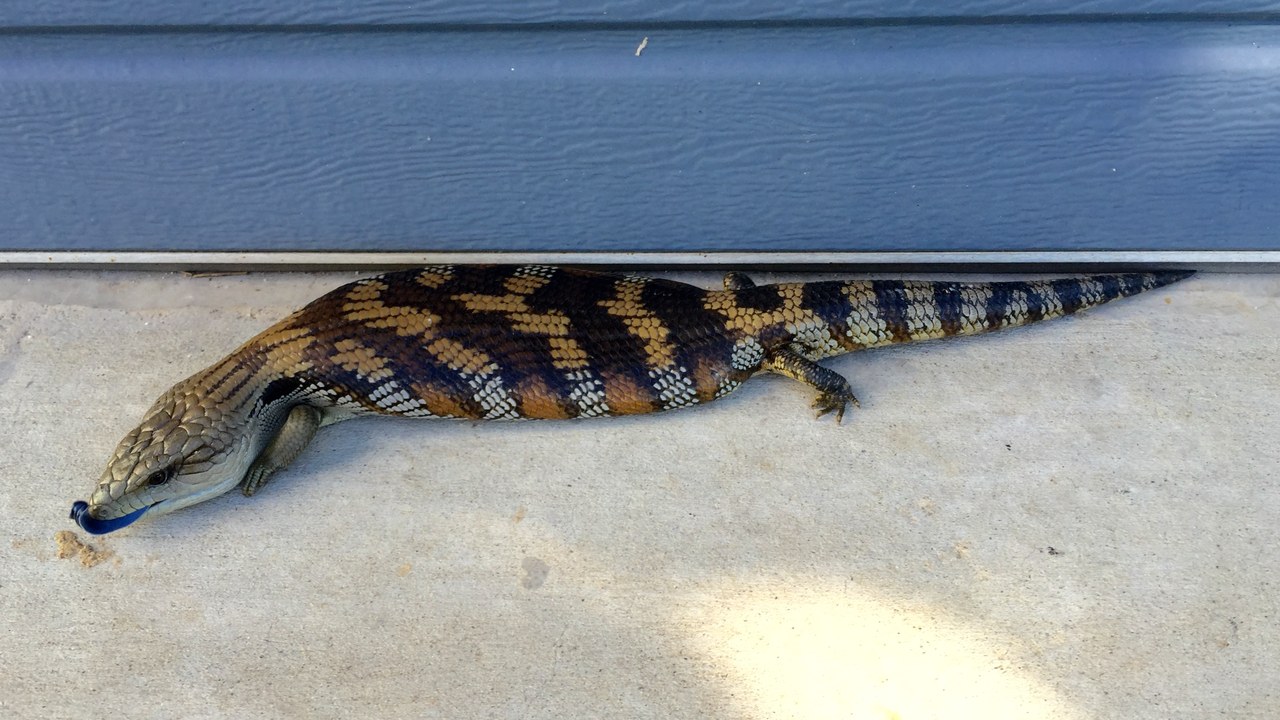
The blue-tongued skink drops its tail through autotomy, and the regrown tail is made of cartilage instead of bone, A-Z Animals’ sacrificial anatomy feature notes.
The replacement lacks the original’s vertebrae, so it is stiffer in structure and often differs in color and scale pattern. It still serves as a decoy and a fat store, though a second loss leaves less to give. Lizards with regrown tails are common in suburban gardens across eastern Australia.
11. Sally Lightfoot crab: Shedding Limbs to Escape
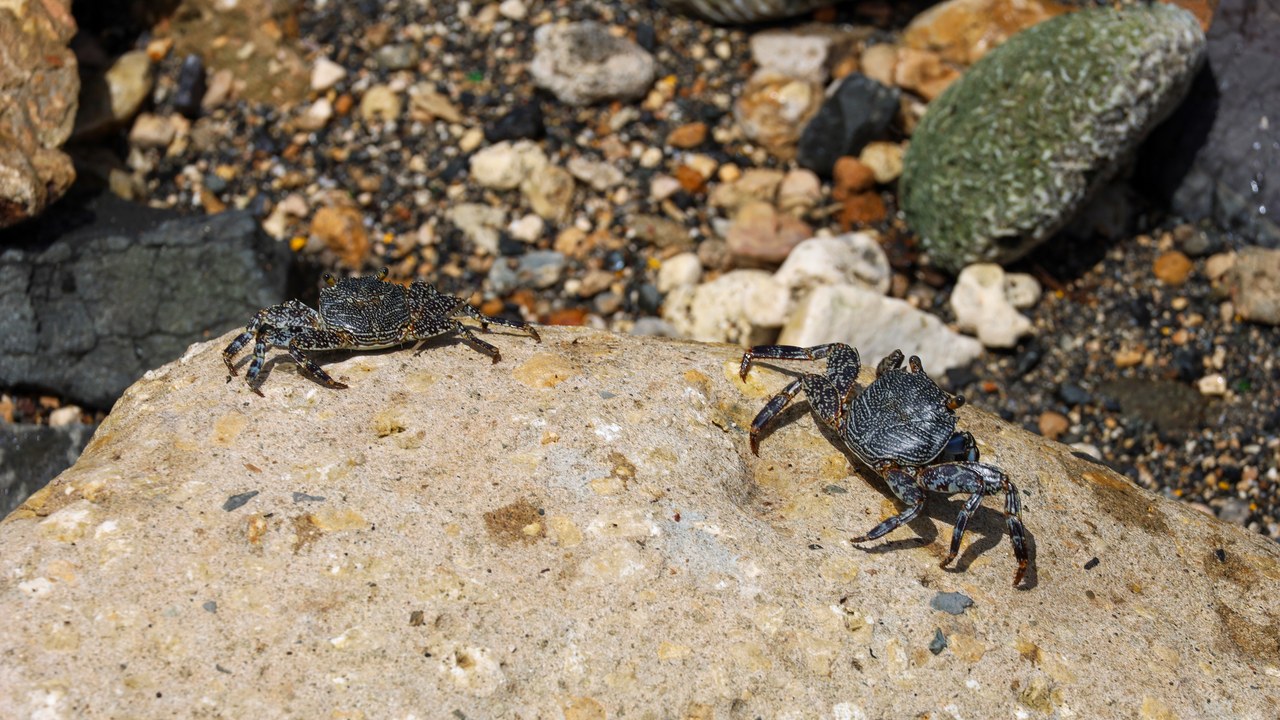
The Sally Lightfoot crab can detach both claws and legs and regrows them gradually, as A-Z Animals’ list of self-amputating species documents.
Shedding a gripped limb lets the crab slip away from a predator or a trapped position on slippery shoreline rock. Replacements emerge over successive molts, and the quick-moving crab resumes scrambling across the surf zone. Their bright coloring and wariness make them hard to catch in the first place, which limits how often the escape is needed.
12. Axolotl: The Limb That Regrows Perfectly
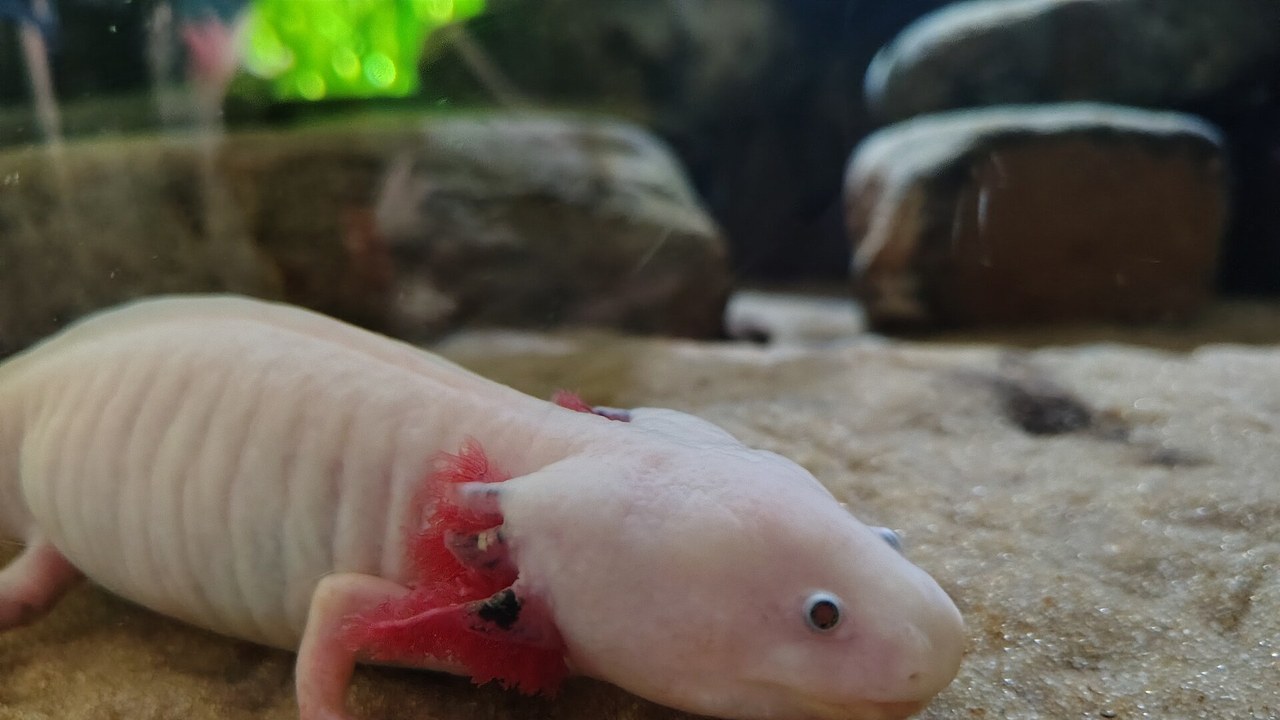
If an axolotl loses a limb it grows back at just the right size and orientation, and Smithsonian Magazine’s salamander feature reports that axolotls can even regenerate parts of the brain and spinal cord.
The salamander is the standard example of complete regeneration in a vertebrate. Its repeated success, without the scarring seen in mammals, is why labs examine its cells for clues to repairing human injuries. Wild populations in Mexico’s canals are now critically endangered, which adds urgency to the research.
More from Morning Overview
- Doctors warn a silent liver disease now affects one in three American adults
- The FBI told the rest of ShinyHunters to surrender after a 24-year-old was arrested
- Two passengers died at an Ohio toll plaza, and the NTSB now wants the cash lanes shut
- Long use of a common prostate pill is tied to a higher chance of glaucoma
