
Evolution has tuned animal senses to levels that leave human abilities far behind, from scent detection to sonar to touch. Each creature below owes its survival to a specialized organ and a source documenting the numbers. Here are twelve animals whose sensory powers are measured in multiples of the human baseline.
1. Gray wolf: Hundred-Fold Noses
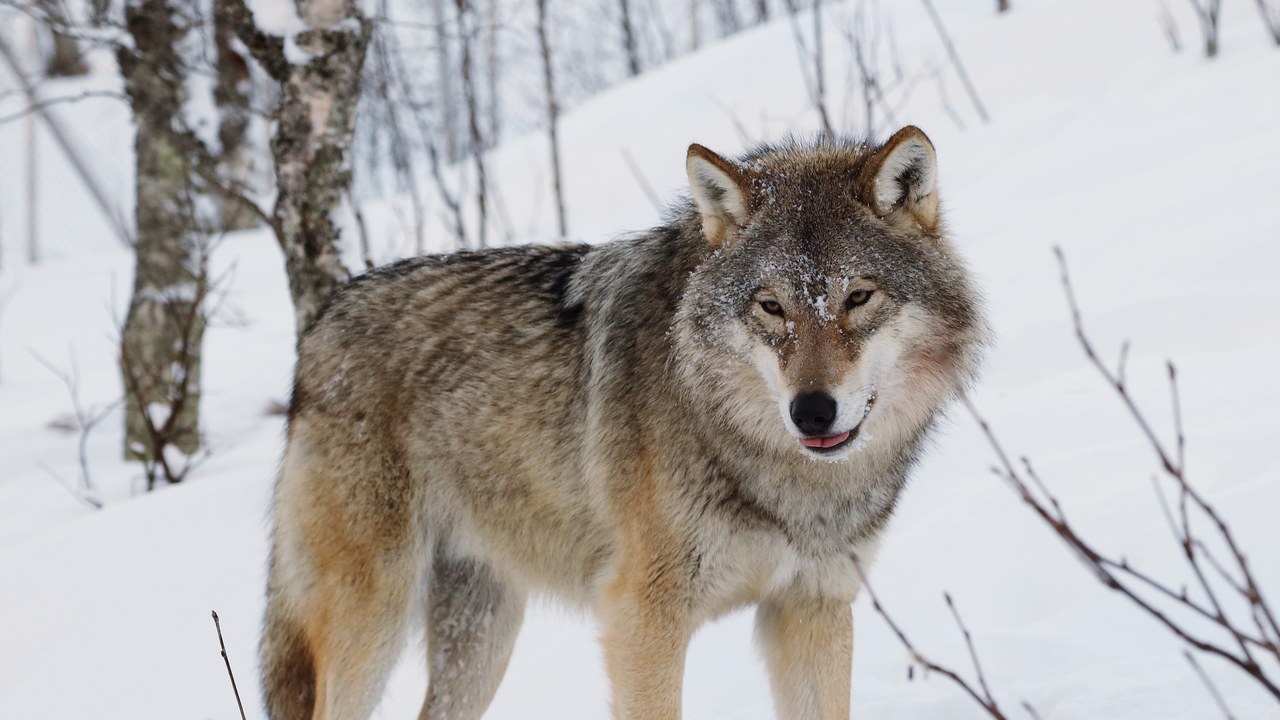
A wolf’s sense of smell is at least 100 times more powerful than a human’s, backed by hundreds of millions of scent detectors lining the nasal passages. That equipment lets the animal read a trail, a territory boundary or a prey animal’s condition from odor alone.
Hunting packs lean on the same ability to track elk or deer across snow and forest, long before the quarry comes into view. Vision and hearing matter, but scent supplies the detail that decides where a pack travels.
2. Turkey vulture: Carrion Sniffer
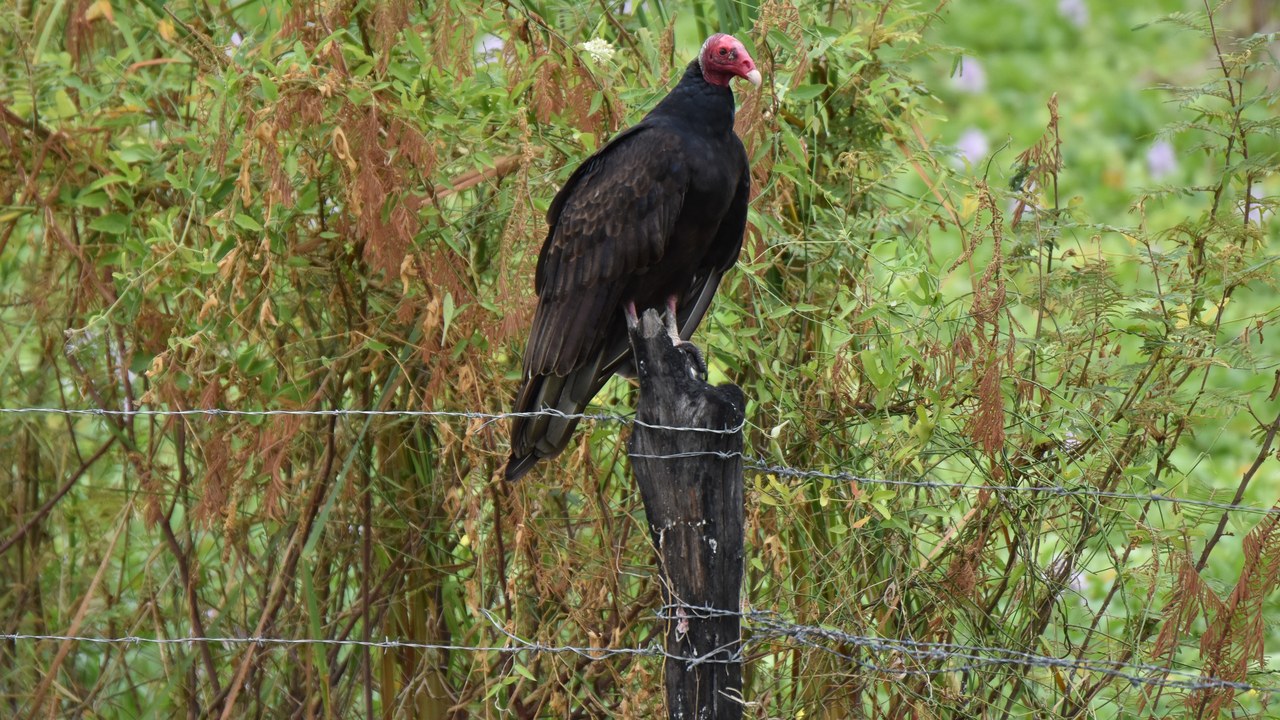
Turkey vultures can detect odors at a few parts per billion, enough to locate a carcass hundreds of feet away while soaring or perched. The bird follows the scent of decay drifting up from the forest floor.
Few birds rely on smell so heavily, since most species hunt by sight. The skill makes the vulture an efficient scavenger in dense woodland, where a carcass hidden under the canopy would stay invisible to a purely visual searcher.
3. Big brown bat: Marble-Sized Echoes
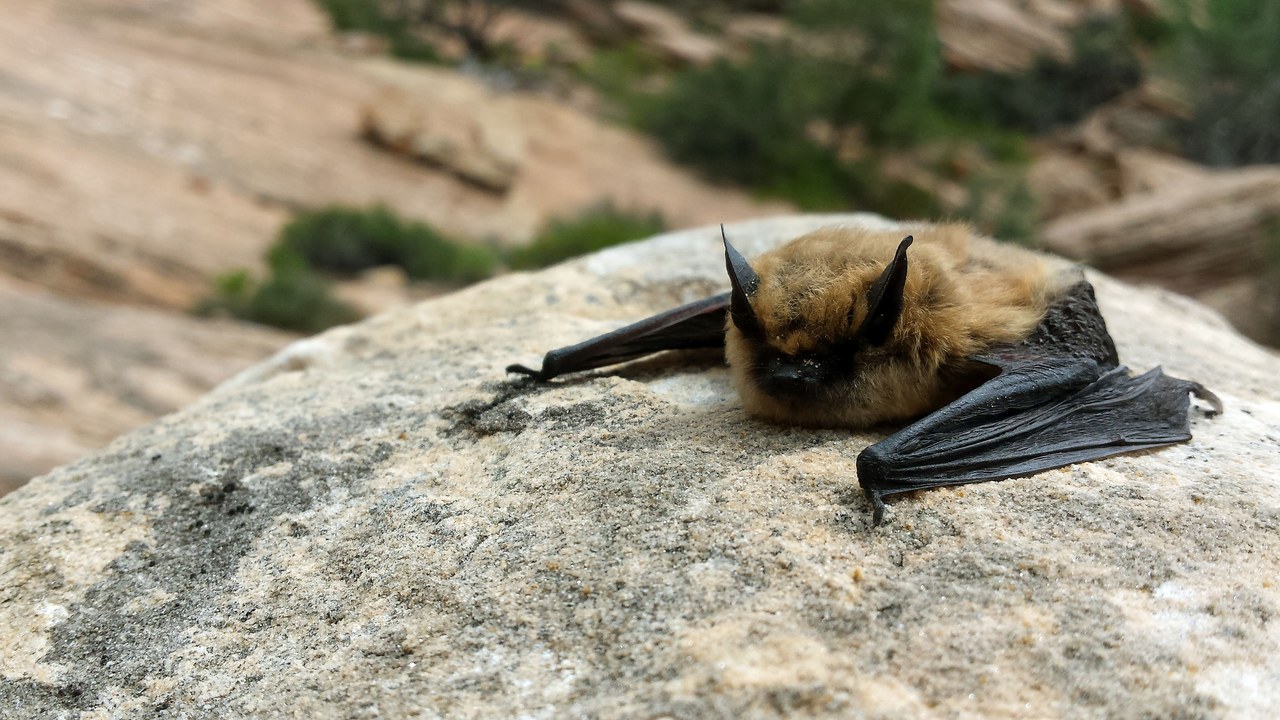
Using sonar, a big brown bat can detect a marble-sized object from 15 feet away. The bat emits high-pitched calls and builds a picture of its surroundings from the returning echoes, all in total darkness.
That precision allows the animal to snatch flying beetles and moths in midair at night. Each captured insect is a tiny target moving unpredictably, so the echo processing must update many times a second while the bat turns and dives.
4. Monarch butterfly: Tasting With Their Feet
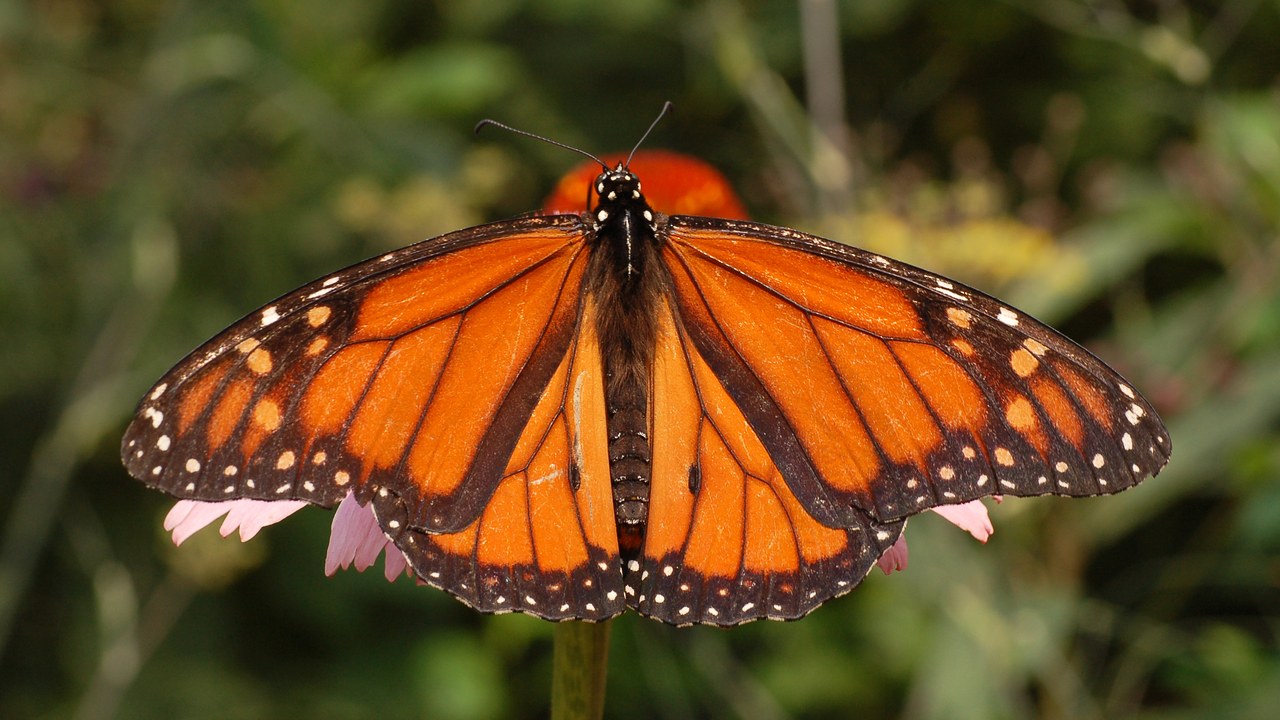
Monarchs taste plants with sensors on their legs to find milkweed. A female drums or lands on a leaf, and chemical receptors in the feet tell her whether the plant suits her eggs.
The test matters because monarch caterpillars feed almost exclusively on milkweed. A mistake would leave hatchlings without food, so the butterfly checks each leaf by touch rather than trusting appearance or a nearby scent alone. Chemical testing happens in a second or two, so the female can sample many plants during a single afternoon of egg laying.
5. Hammerhead shark: Smell Across Miles
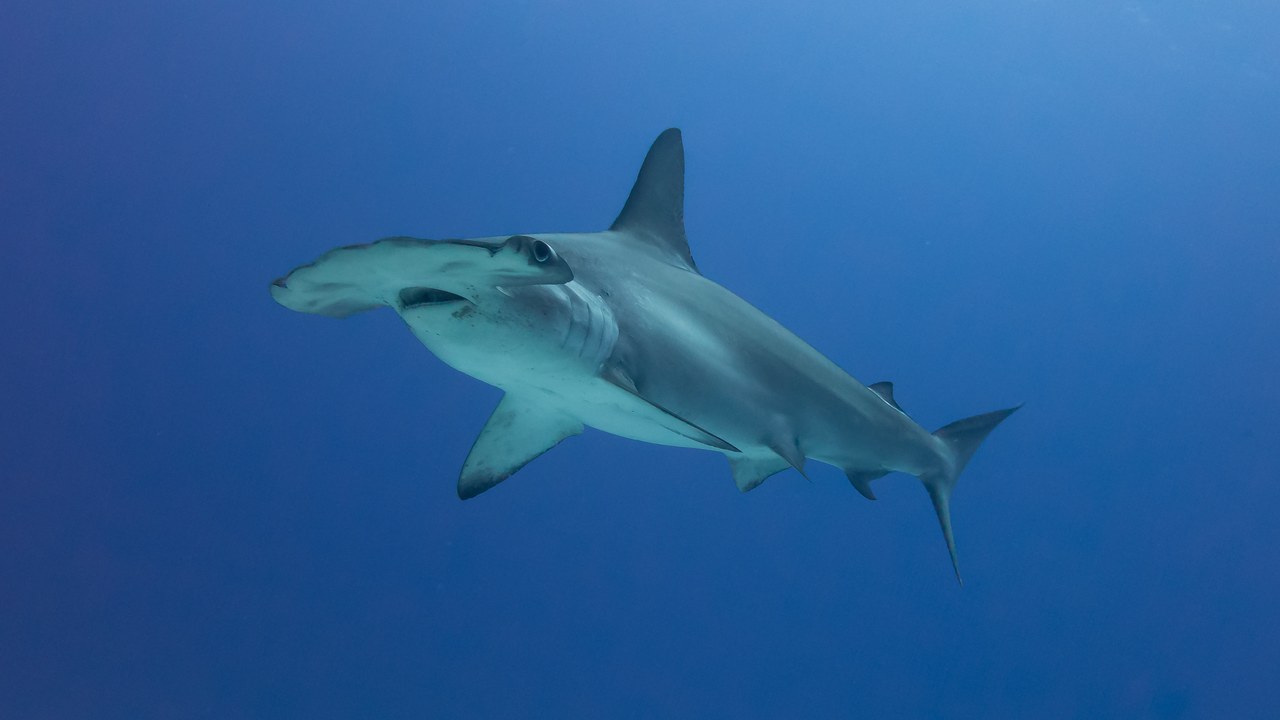
Like most other sharks, the hammerhead can smell a meal from miles away. Water carries dissolved chemicals from injured or feeding animals, and the shark follows that thin chemical trail toward its source.
The broad, flattened head is often credited with spreading the nostrils far apart. That spacing may help the animal judge which direction a scent is strongest, steering the swim path with each sweep of the head. Hammerheads also forage along the seabed, where a keen nose helps locate hidden prey.
6. Grizzly bear: Dead Deer, A Mile Off
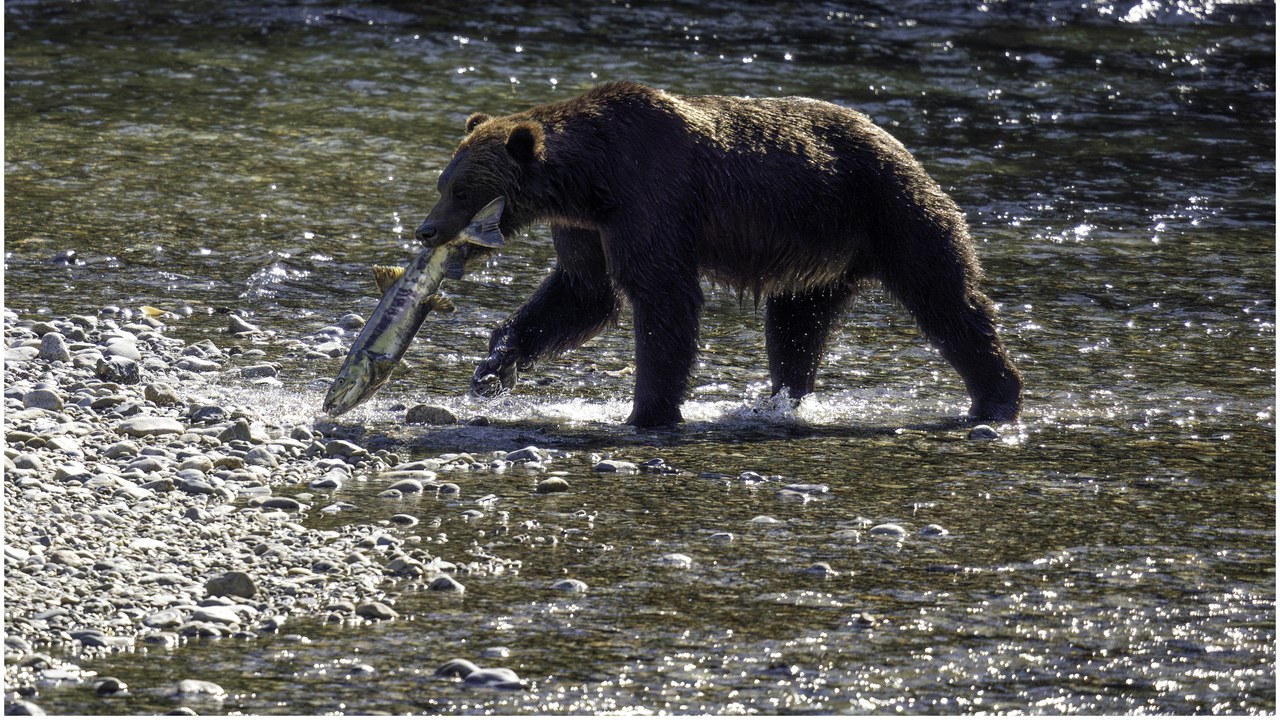
A grizzly can pick up the scent of a dead deer a mile away. The long snout houses a large surface of scent-sensitive tissue, which sorts out faint odors carried across open ground or river valleys.
Such range explains how bears locate carcasses, berry patches and salmon runs across huge territories. Good eyesight and hearing exist, yet the nose does most of the navigating, and an upwind approach is usually the quickest route to a meal.
7. Giant anteater: Forty Times Better
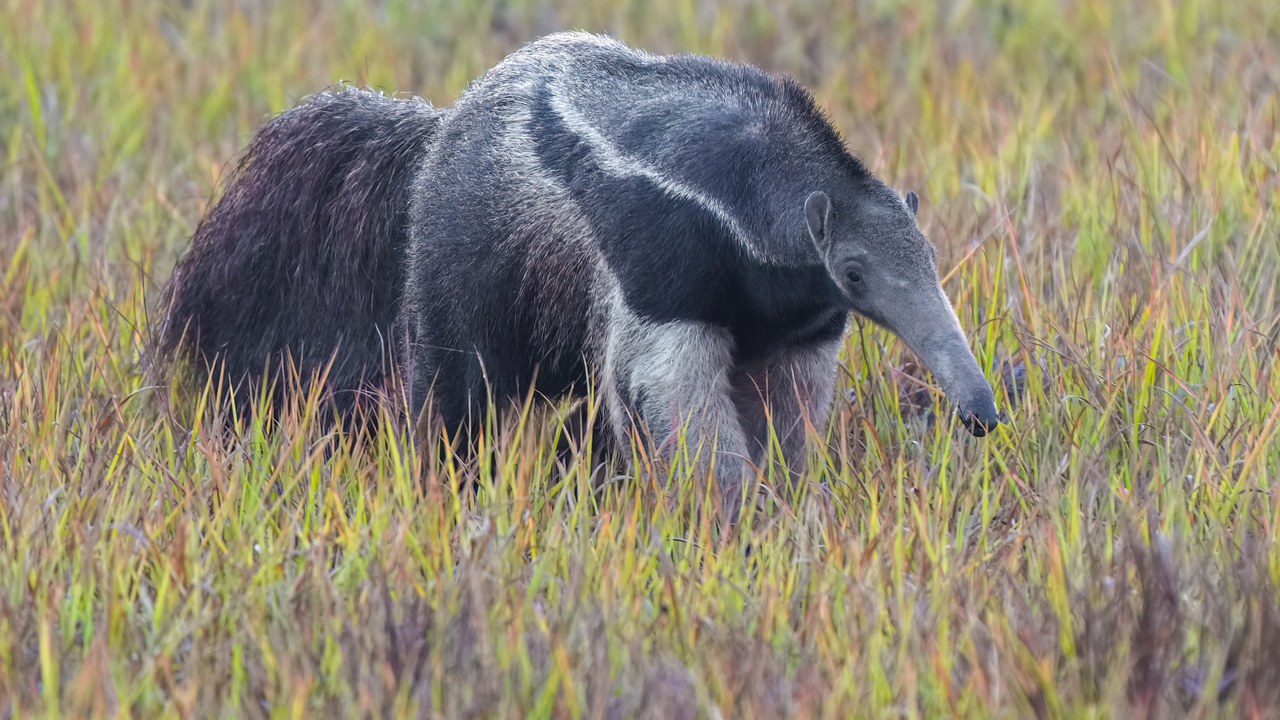
A giant anteater has a sense of smell 40 times better than a person’s. Poor eyesight and modest hearing leave the nose as the main tool for finding termite and ant nests in grassland and forest.
Once a nest is detected, the long snout and sticky tongue do the rest. The animal tears into a mound briefly, feeds, and moves on, guided by scent to the next colony instead of wasting effort on empty ground.
8. Albatross: Ocean Scent Maps
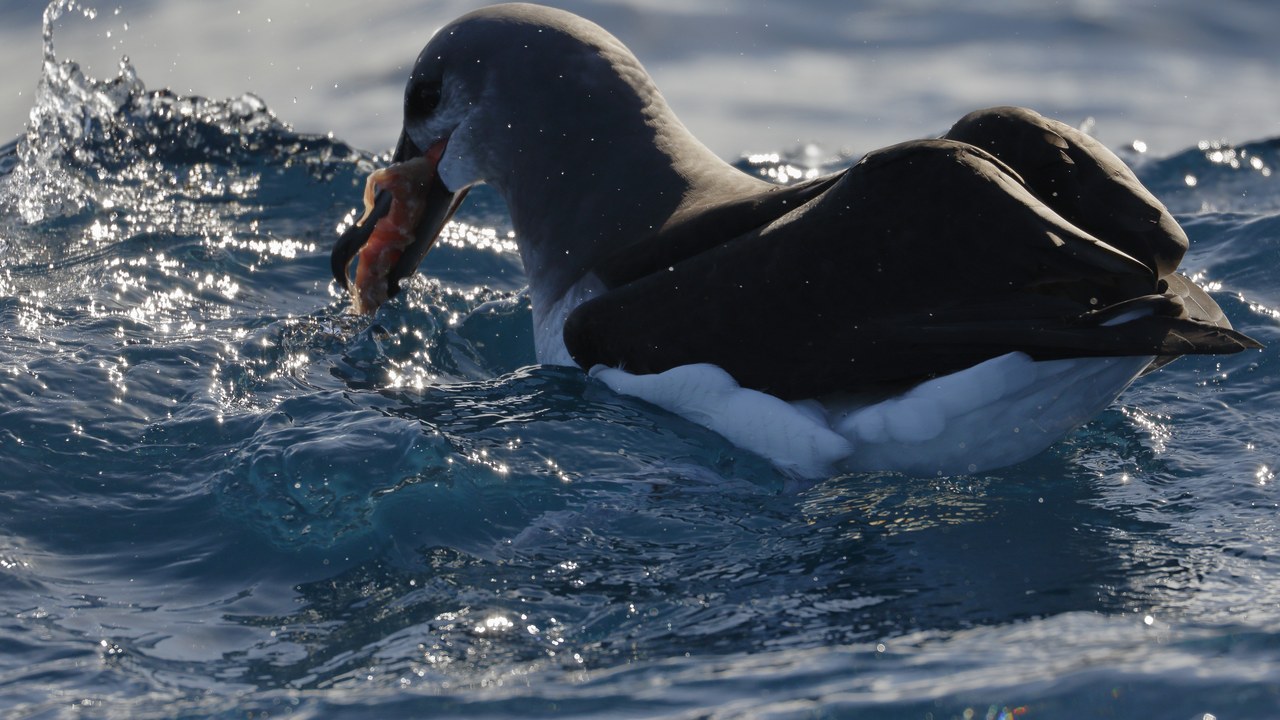
An albatross uses a super-powerful sense of smell to find food over the open ocean. Tube-shaped nostrils on the bill help detect odors rising from patches of prey far below the flight path.
Open water offers few landmarks, so odor cues act as a map. Seabirds that cover thousands of miles on a single trip benefit from sniffing out productive feeding zones, a skill that complements their long-range gliding efficiency. Detecting prey odor also saves energy on trips that cross enormous stretches of empty sea.
9. Star-nosed mole: Twenty-Two Fingers
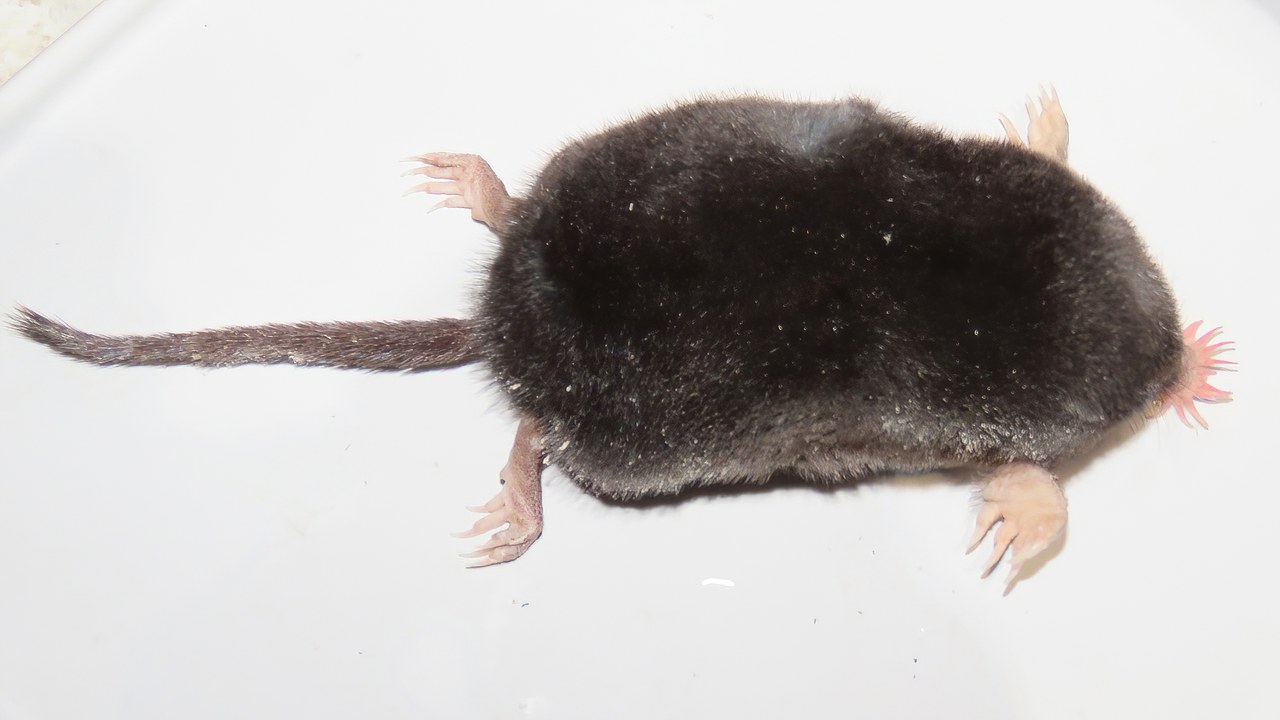
The star-nosed mole’s 22-appendage nose carries over 25,000 sensory receptors, and the animal can find and eat prey in under a quarter of a second. The fleshy star works by touch, flicking across the soil and streams it tunnels through.
The speed leaves little time for prey to escape in dark, wet burrows where vision is almost useless. Few sensory organs in any mammal pack so many receptors into so small a patch, which makes the star a standout of touch.
10. Eagle: Two Foveae
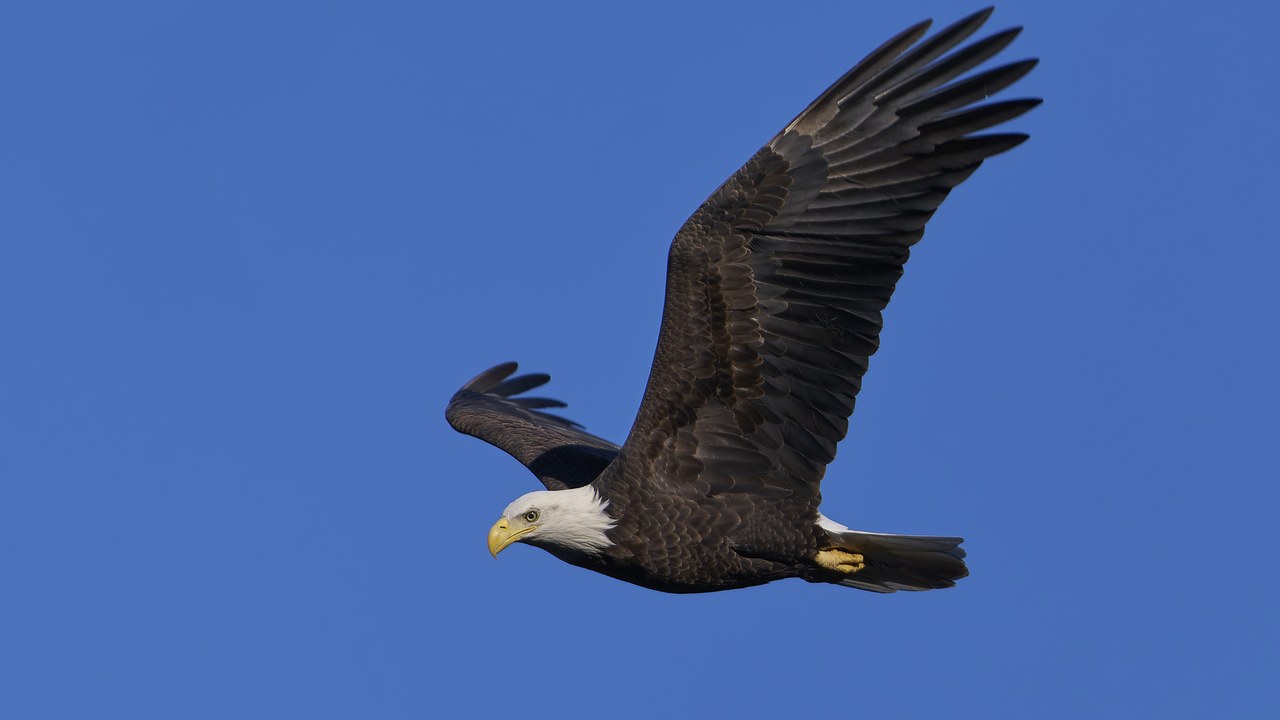
With a second fovea in each eye, an eagle can spot prey from nearly two miles away. One fovea provides sharp forward vision, while the other covers the sideways view, giving the bird extra detail across a wide field.
Soaring on thermals high above a lake or field, the raptor scans for the flash of a fish or the movement of a rabbit. Spotting the target early lets the bird commit to a dive from an efficient height.
11. Dog: Three Hundred Million Receptors
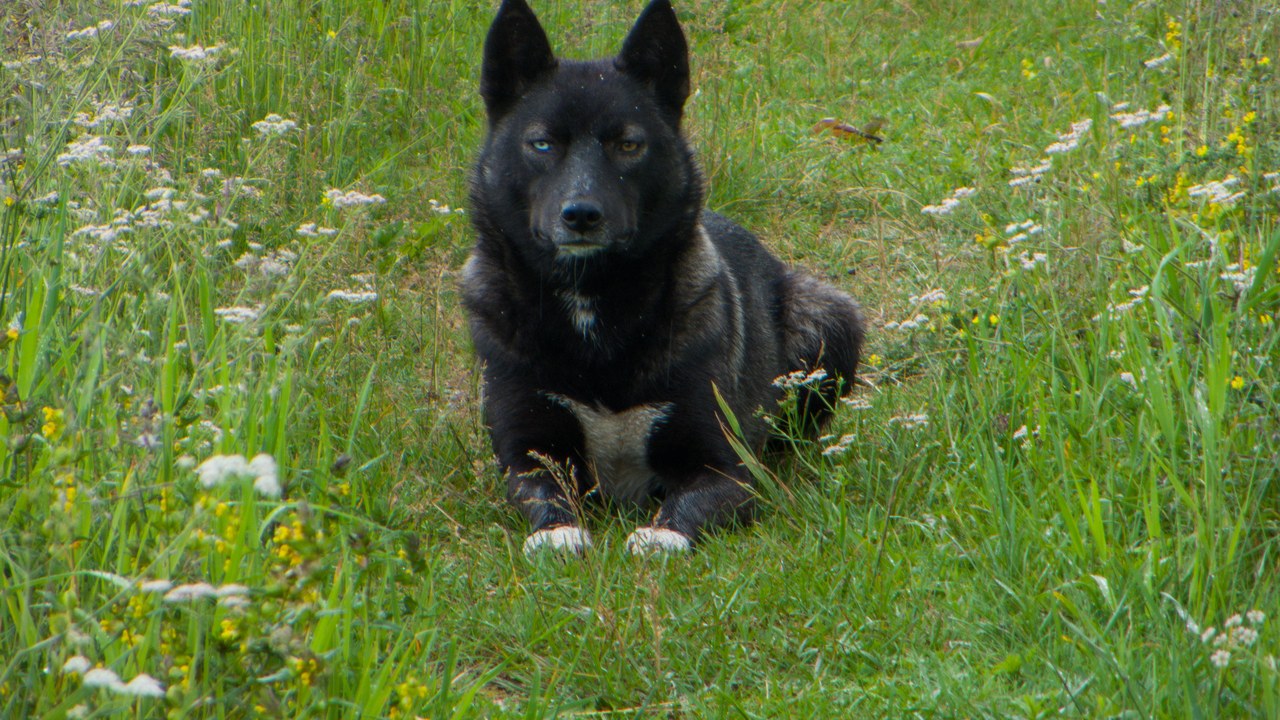
Dogs have up to 300 million olfactory receptors, versus about six million in humans. The gap helps explain why a dog sorts out individual odors from a mixture that would register as a single smell to a person.
People have put that talent to work in search-and-rescue, detection of contraband and medical scent work. A handler mostly needs to interpret the signals, since the animal already perceives details of the environment that remain unnoticed by human senses.
12. Dolphin: Hearing Above 150 kHz
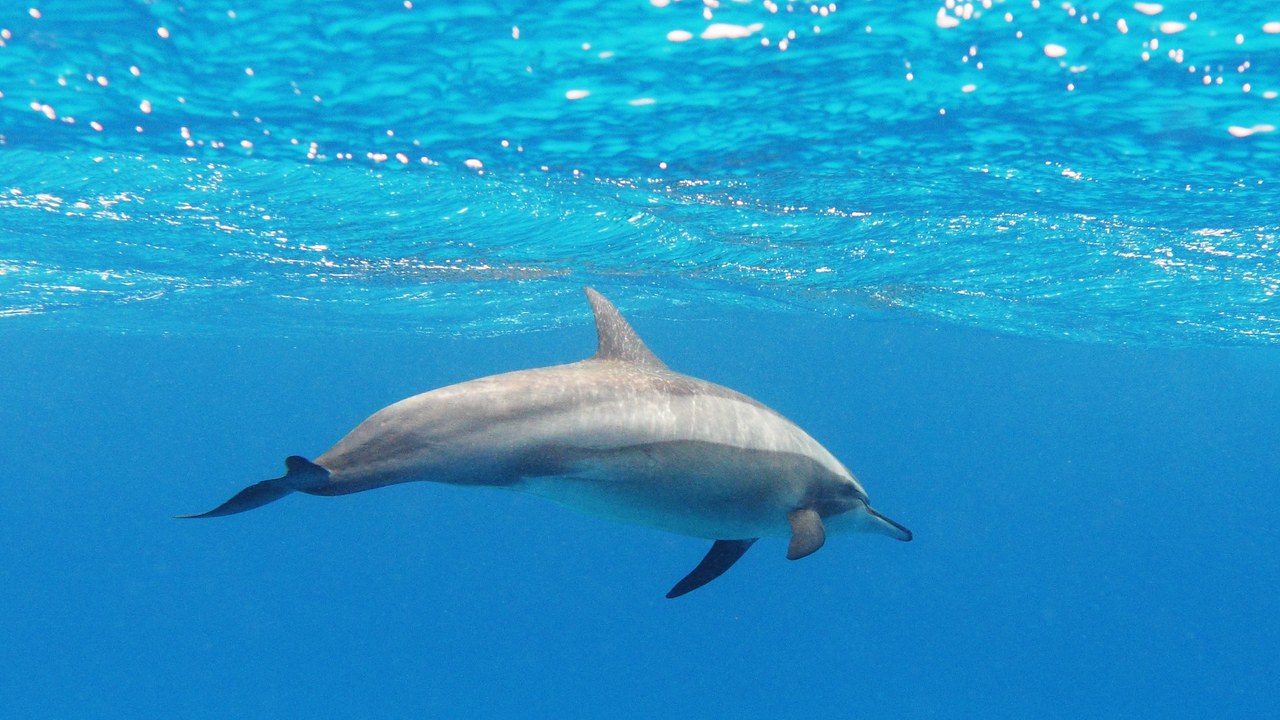
Dolphins can hear sounds as high as 150 kHz, far beyond the human range of 20 kHz. That reach covers the rapid clicks the animals produce to scan the water and locate fish.
Echolocation turns hearing into a form of vision. Returning clicks reveal the size, distance and shape of targets in murky or deep water, so the dolphin can pursue prey and navigate where eyesight offers little help. The ears, jaw and skull work together to carry those vibrations inward.
More from Morning Overview
- NOAA now gives this winter a 75% chance of the strongest El Nino since 1950
- Doctors warn a silent liver disease now affects one in three American adults
- The FBI told the rest of ShinyHunters to surrender after a 24-year-old was arrested
- Two passengers died at an Ohio toll plaza, and the NTSB now wants the cash lanes shut
