
Some animals pair up for a season, while others appear to commit to a single partner for years or even a lifetime. The species below range from albatrosses and eagles to wolves, coyotes and swans, each tied to a specific behavior reported by its source. Here are thirteen animals known for long-lasting pair bonds.
1. Laysan albatross: Same Nest, Every Year
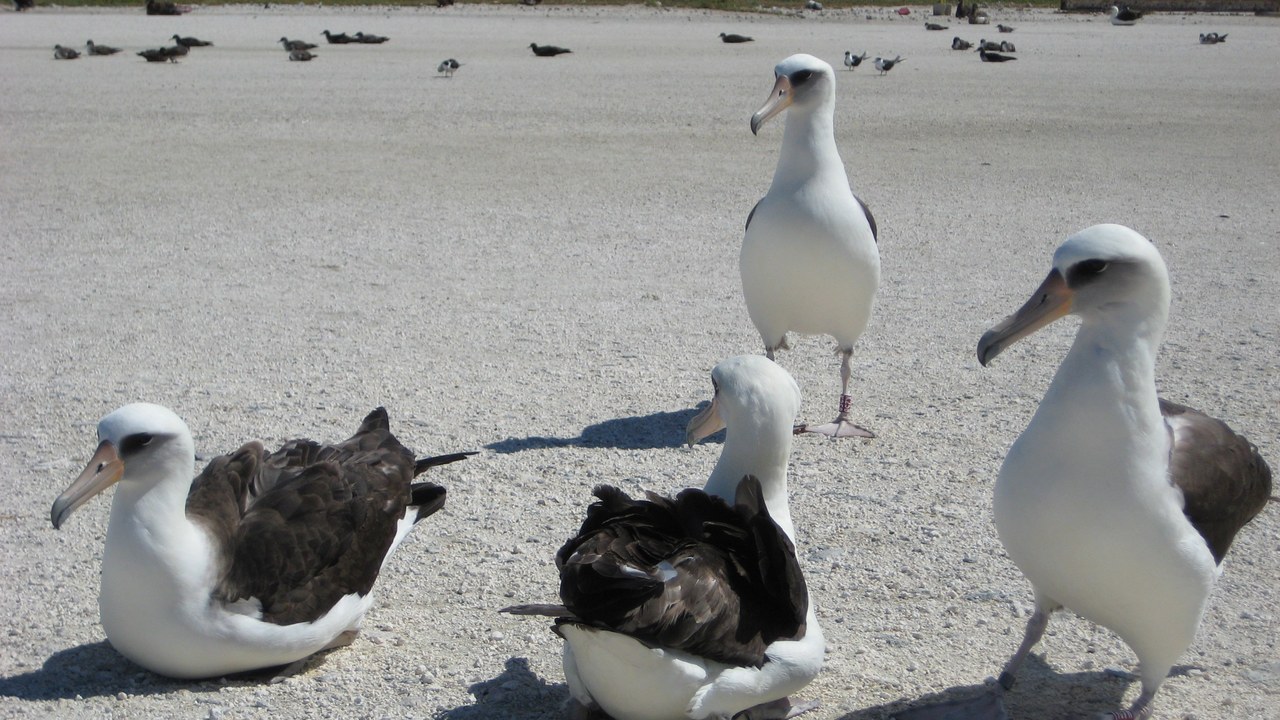
For decades, Wisdom and her mate Akeakamai returned each year to the same nest site on Midway Atoll to lay a single egg, according to the laysan albatross pair. Like most mōlī pairs, the two kept that routine going season after season, which makes the partnership as much about place as about the birds themselves.
The pattern shows what a long pair bond looks like in practice. Rather than searching for a new partner each year, a pair simply meets at a known spot, and that familiarity is part of the reason the species is so often cited in discussions of lifelong mating.
2. Bald eagle: Quick To Re-Mate
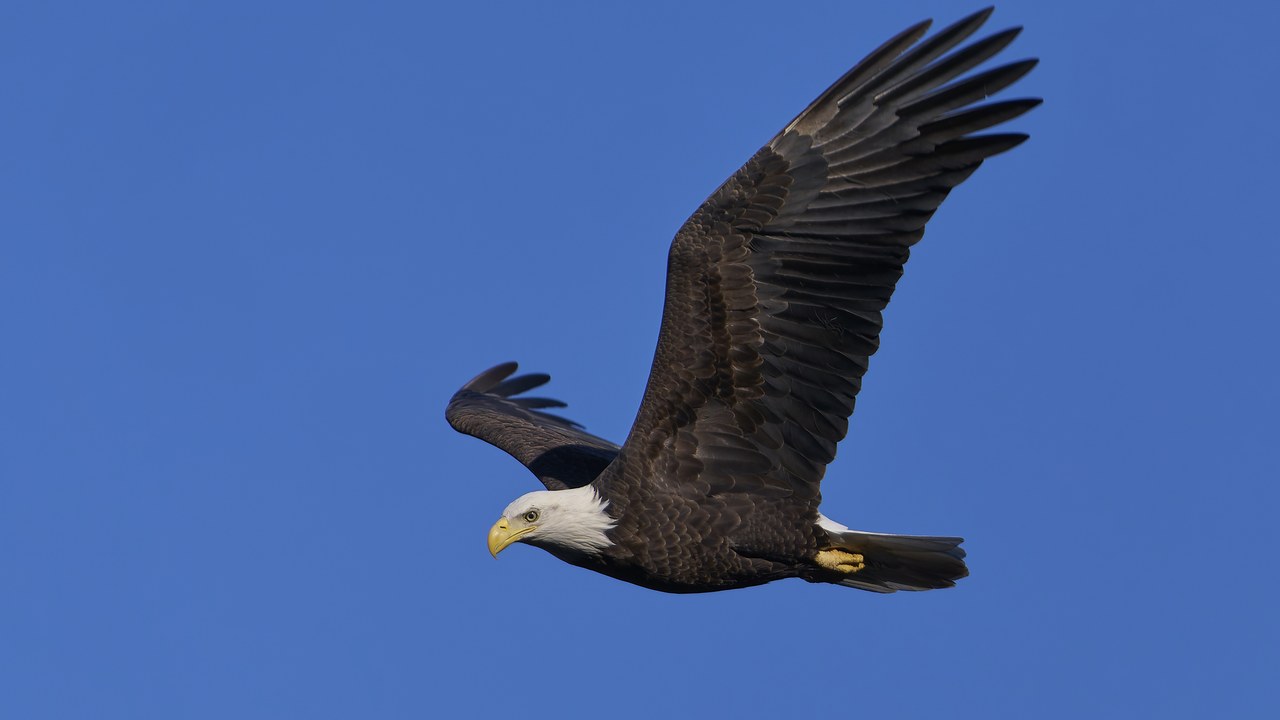
Bald eagle pairs mate for life or for a very long time, and explore.com’s roundup note that a survivor usually finds a new partner quickly and reuses the existing nest. The bond is therefore strong without being a strict one-partner-ever rule.
That nuance matters for anyone repeating the claim. The national bird’s pairing is best described as long-lasting and nest-centered, with a surviving eagle able to carry on at the same site rather than abandoning it.
3. Gray wolf: The Alpha Pair
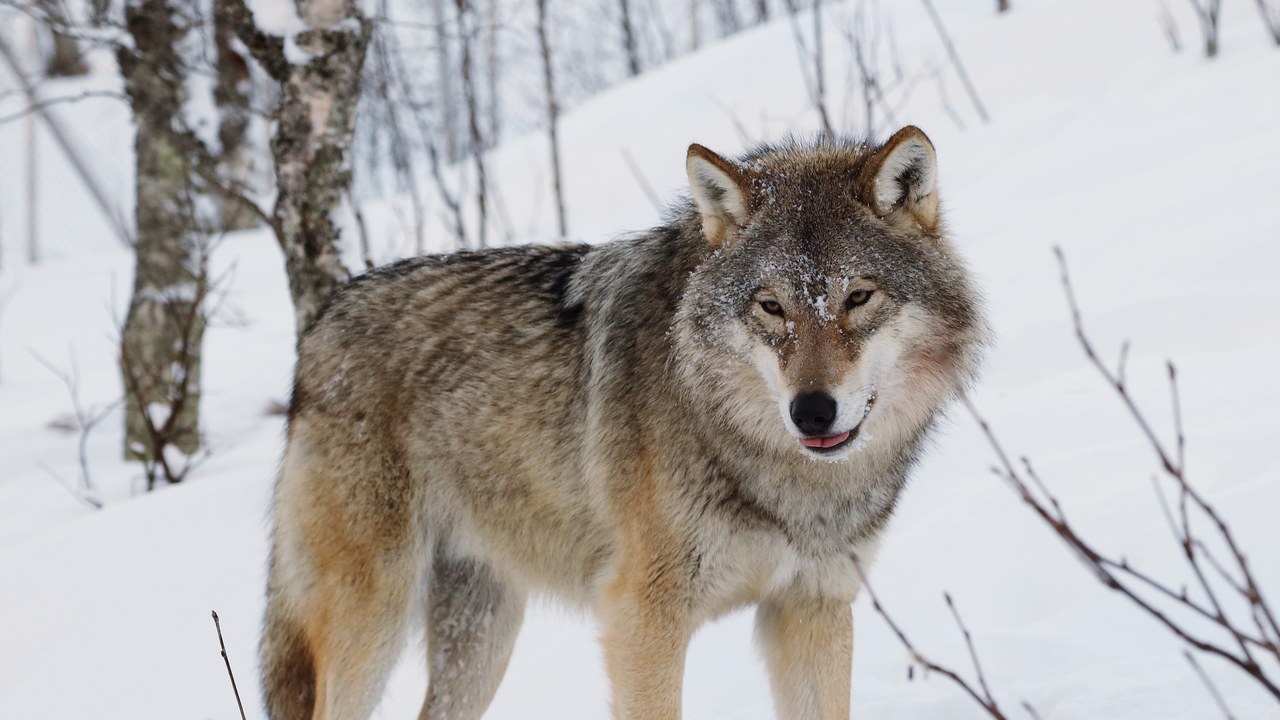
Wolf packs are led by the alpha male and his mate, and Britannica’s animal list report that he stays with her for life. The pack’s structure therefore rests on a single long-term couple at its center.
For readers, the point is that a pack works like a family anchored by that pair. The lifelong bond sits at the core of the group instead of being a side detail of its social life.
4. Beaver: Colony Builders
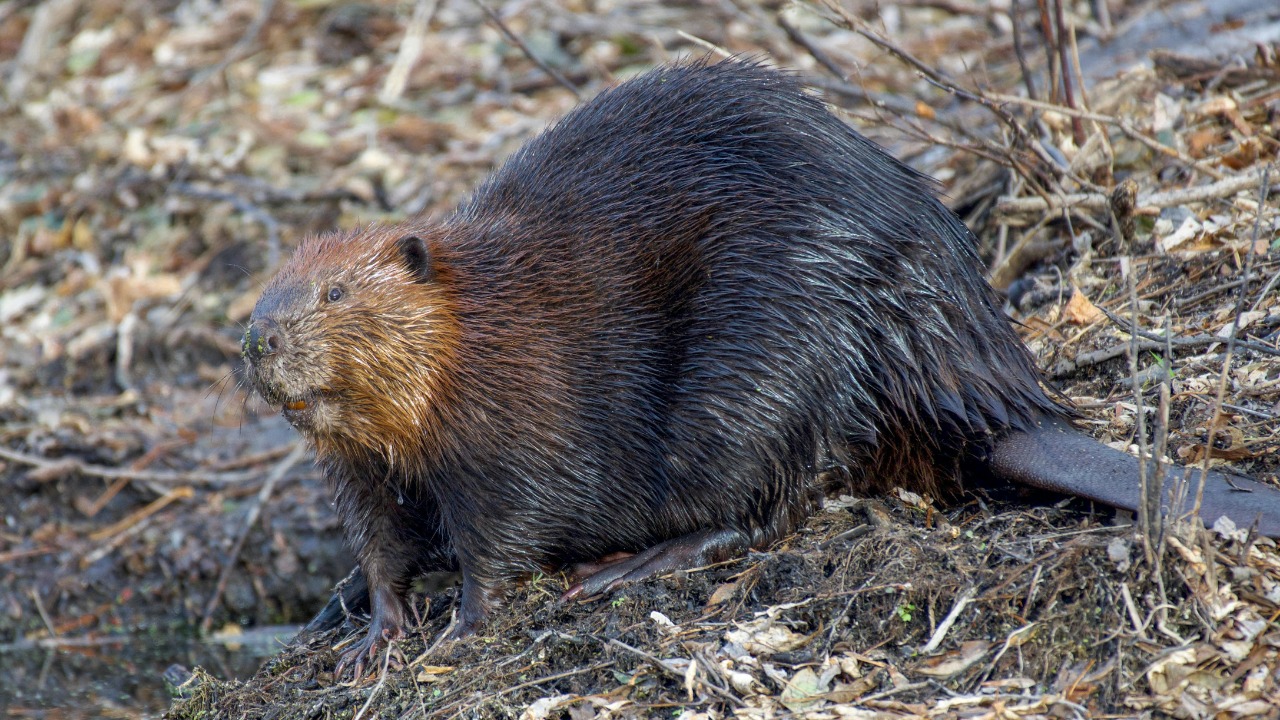
Beaver pairs raise their young in colonies, and a mating-for-life roundup add that adults can live up to 20 years. A long lifespan gives a pair many seasons in which to keep working together at the same site.
The result is a household rather than a fling: parents and offspring share a colony. Among the animals on this list, the beaver is the one whose partnership is visible in a physical structure that the family keeps maintaining.
5. Gibbon: Grooming Couples
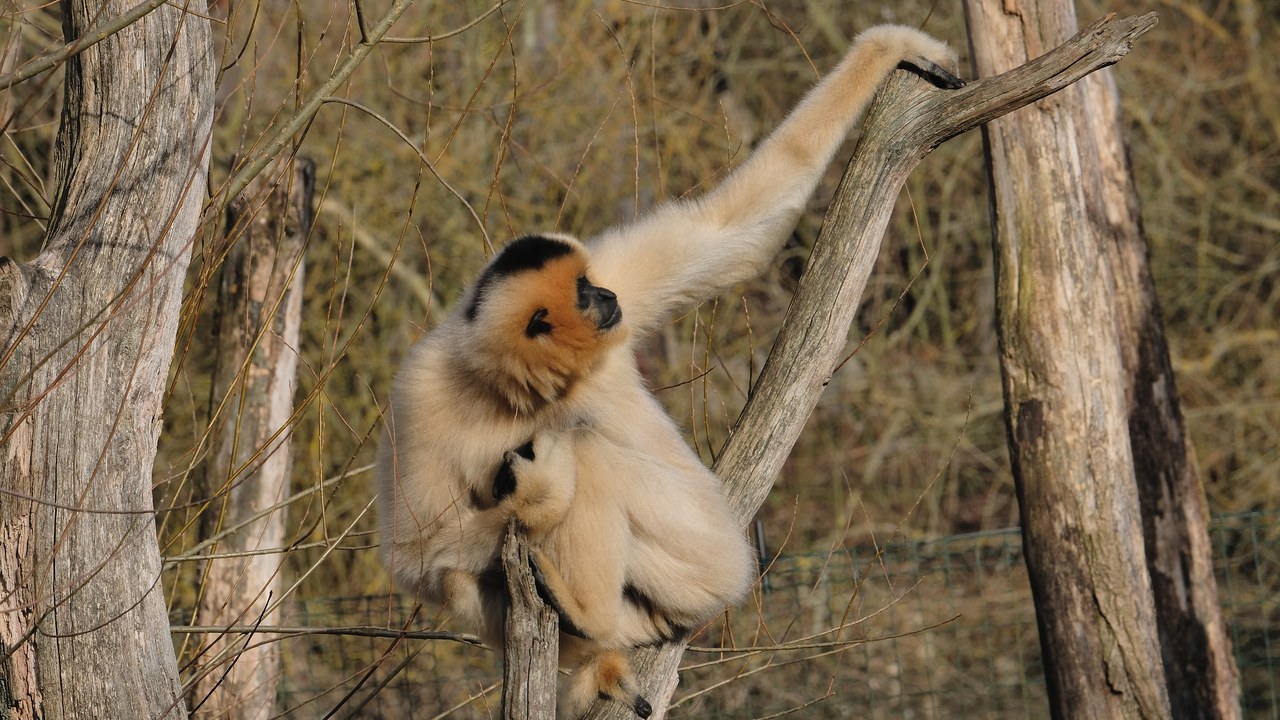
Devoted gibbon couples show affection through mutual grooming and by co-parenting their young, according to Britannica’s species guide. Care for one another and for offspring is shared rather than left to one partner.
The behavior is easy to recognize from human life, which is partly why gibbons earn a place on this list. Grooming each other and raising young together are the visible signs of a pair that works as a team.
6. Sandhill crane: Duet Of Bonding
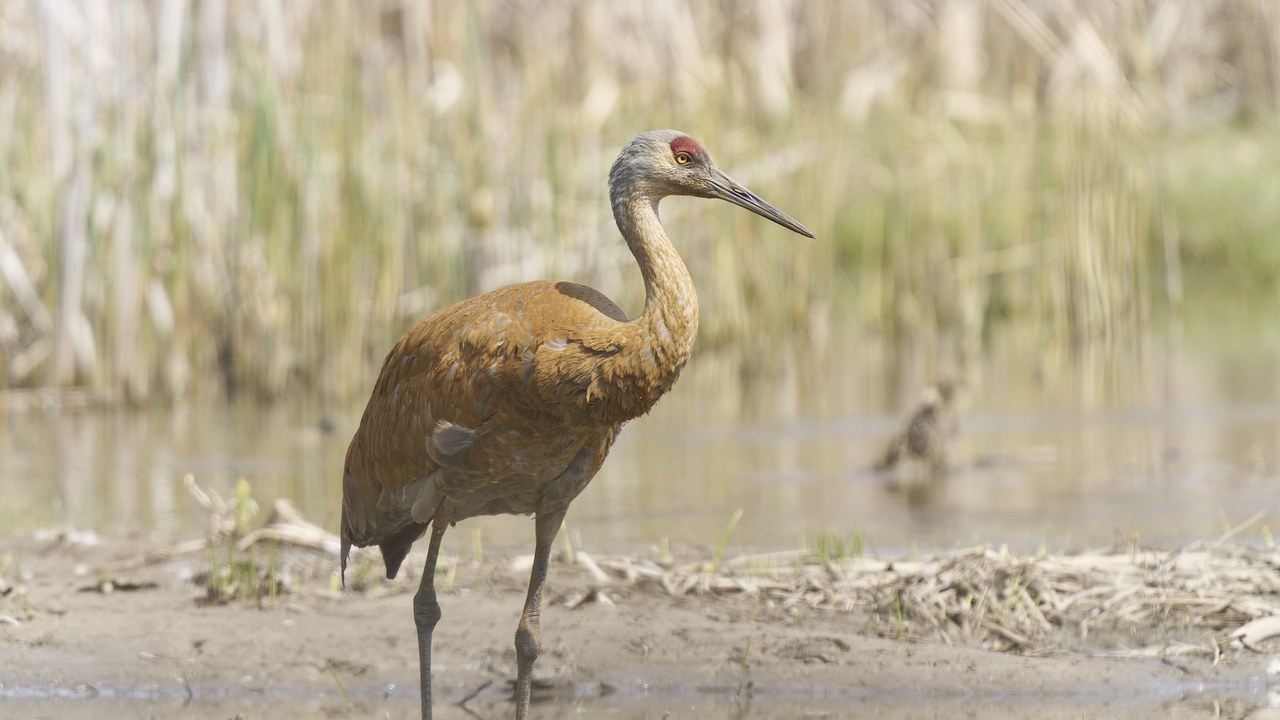
Sandhill crane pairs cement their bond through unison calling, a coordinated performance noted by Britannica’s list entry. The pair calls together instead of simply sounding off alone.
The shared call turns the bond into something audible. A couple that repeatedly performs the same display in step is advertising its partnership, and that ritual is the feature that sets cranes apart on this list. Unison calling is the pair’s way of reinforcing the relationship, not a one-off courtship flourish.
7. Macaroni penguin: Ecstatic Greetings
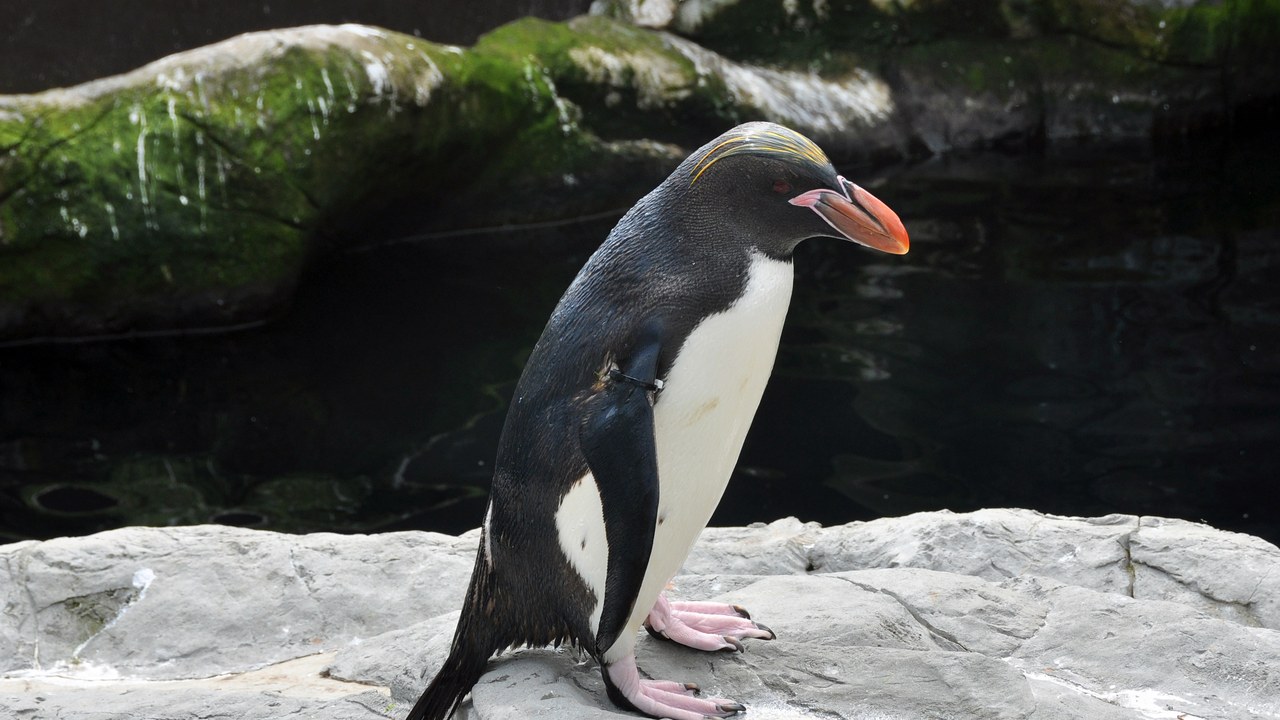
Most macaroni penguin breeding pairs are monogamous, and the partners greet each other with what Britannica’s penguin entry call an ecstatic display. The welcome is a ritual that reaffirms the relationship.
The greeting is the notable detail here. In a crowded colony, an enthusiastic, pair-specific display is how a returning partner is acknowledged, giving the monogamy a behavior that observers can actually see. The phrase ecstatic display suggests an enthusiastic, hard-to-miss reunion between partners.
8. Black vulture: Together Year-Round
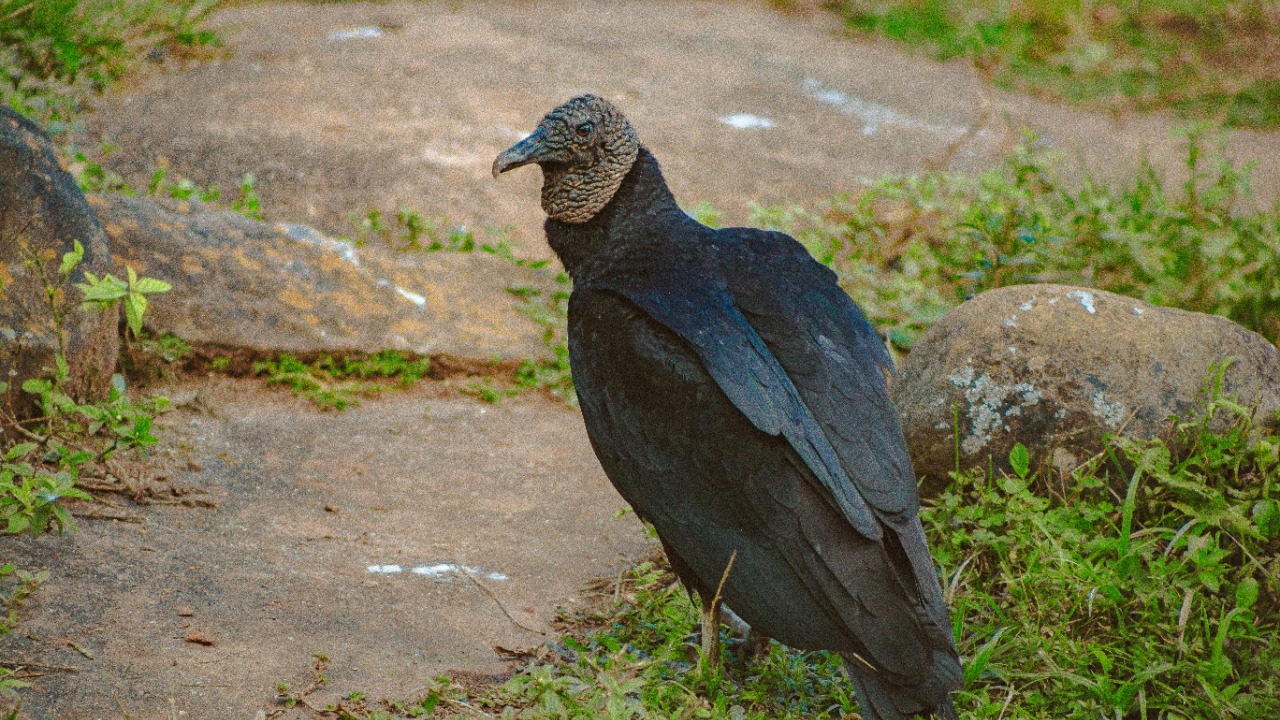
Black vulture pairs are believed to stay together until death, and they do not separate outside the breeding season, per explore.com’s animal guide. Few birds on this list are described as sticking together so continuously.
The wording is cautious, since the lifelong claim is framed as belief rather than certainty. Even so, a partnership that continues through the off-season sets the vulture apart from species that pair up only to breed.
9. Barn owl: Gifts Of Food
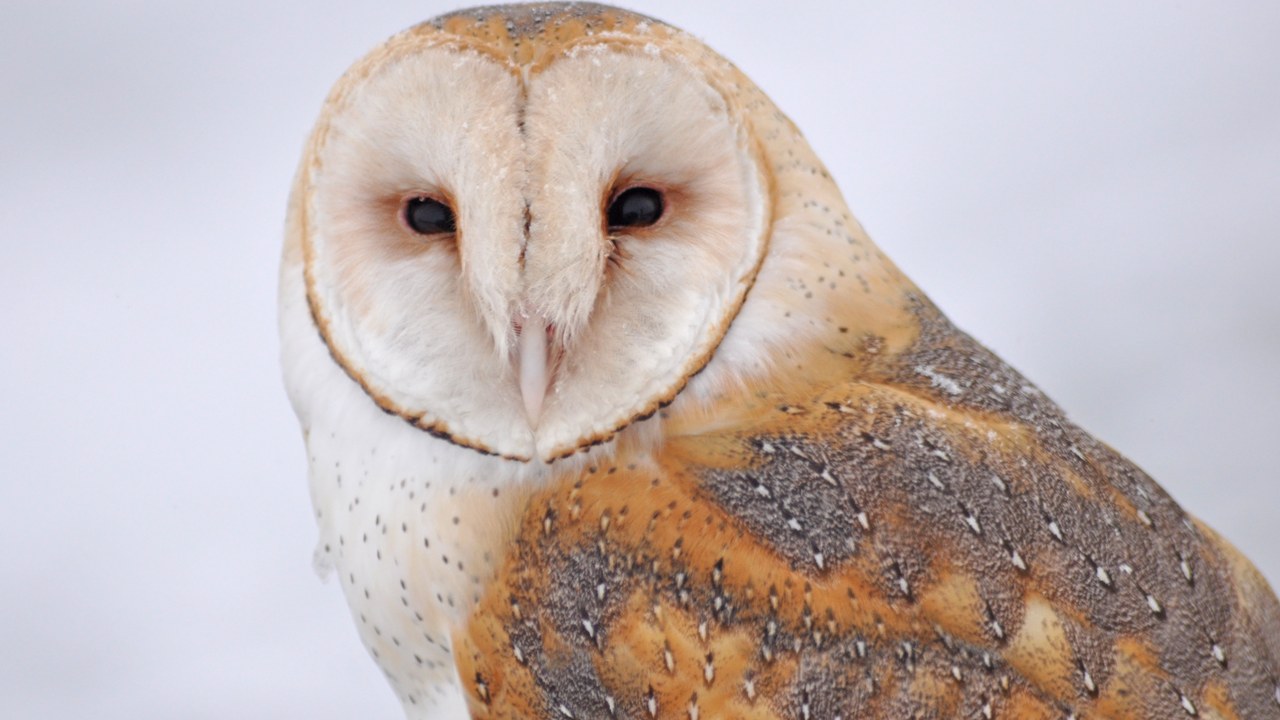
Barn owl males hunt extra during courtship so that they can present their mate with food, as the explore.com list describes. The offering is part of how the pair is established before nesting.
It is a practical form of courtship: the male’s skill at hunting is turned directly into a gift. For a bird on a list about long partnerships, the feeding habit is the clearest sign of a male investing in his mate.
10. Coyote: No Evidence Of Cheating
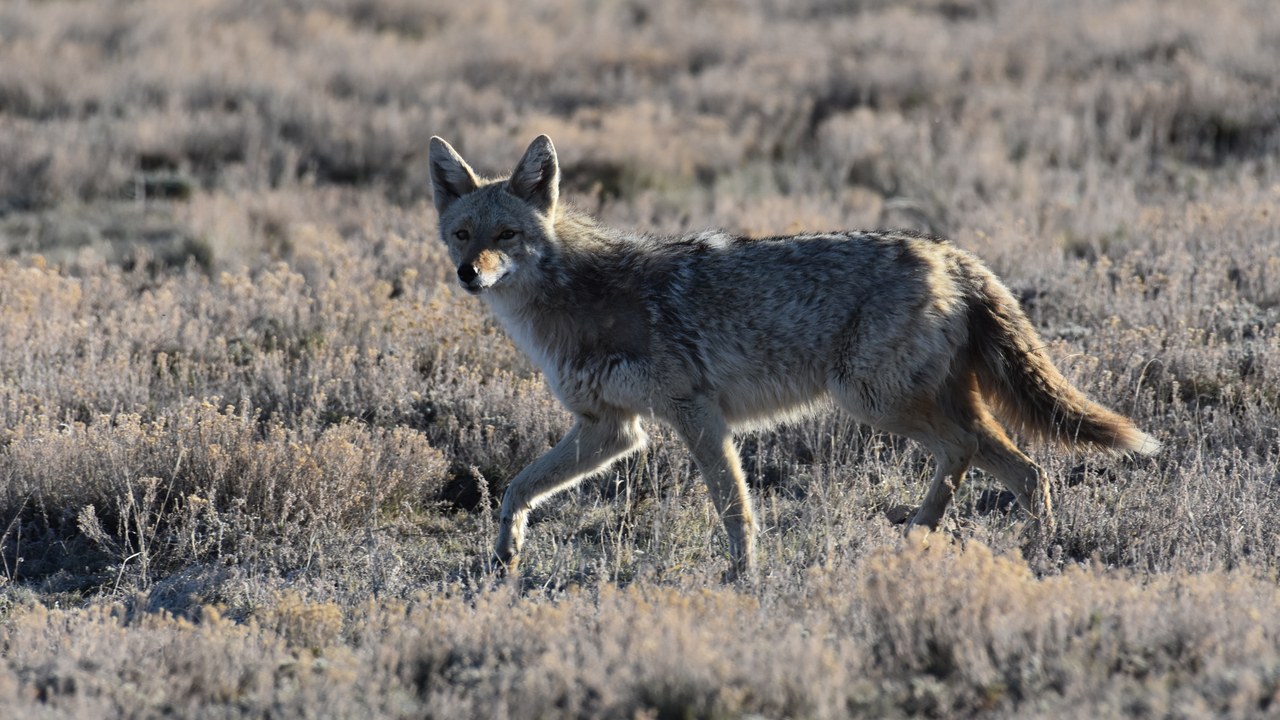
A study that followed 236 coyotes over six years found zero evidence of polygamy or of a mate leaving a living partner, according to a six-year coyote study. The finding is unusually concrete for a claim about animal fidelity.
The size and length of the study give the coyote entry more weight than a general assertion. Over six years, no tracked animal was recorded abandoning a living mate, which supports its place beside the wolf.
11. Atlantic puffin: Same Mate Each Year
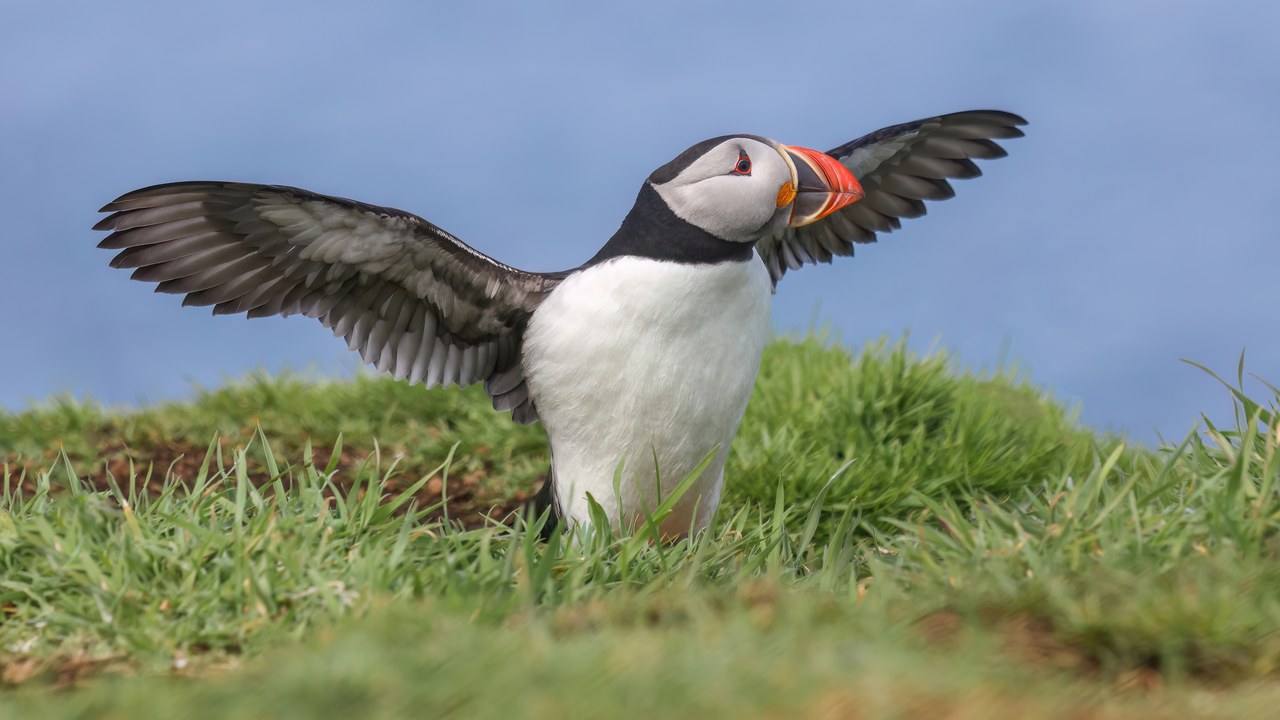
Puffins usually breed with the same mate each year, a pattern Best Life’s animal roundup cites among animals that mate for life. The wording is measured: usually, not always.
That qualifier keeps the claim honest. The puffin’s commitment is a seasonal reunion with a familiar partner, repeated year after year, rather than a bond that has been tracked and proven as lifelong in every case. Readers should take the claim as a strong tendency, not a guarantee for each bird.
12. Swan: Grieving Swans
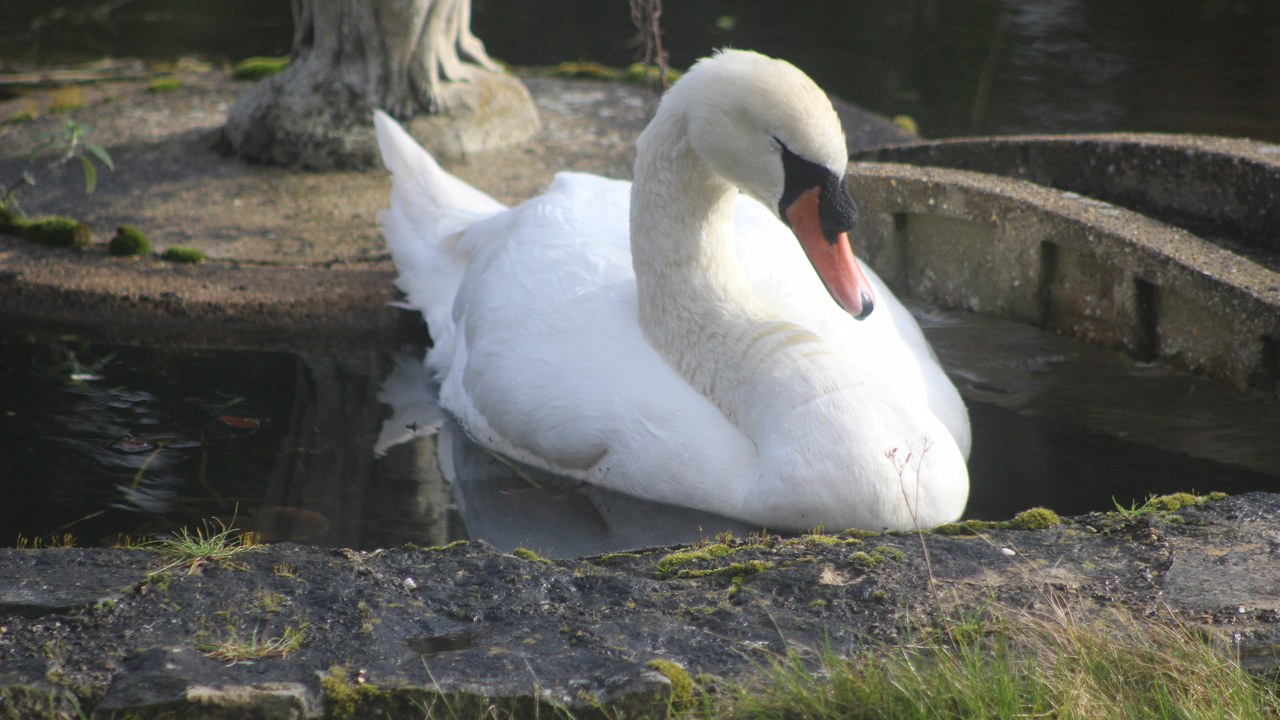
When a mate is lost, the surviving swan will go through a grieving process like humans do, as a popular animal feature puts it. The claim is about how the bond ends as much as how it lasts.
That emotional framing is why swans are so closely tied to the idea of devotion. The statement comes from a popular source rather than a measured study, so it reads as a description of apparent behavior.
13. Canada goose: Guarding An Injured Partner
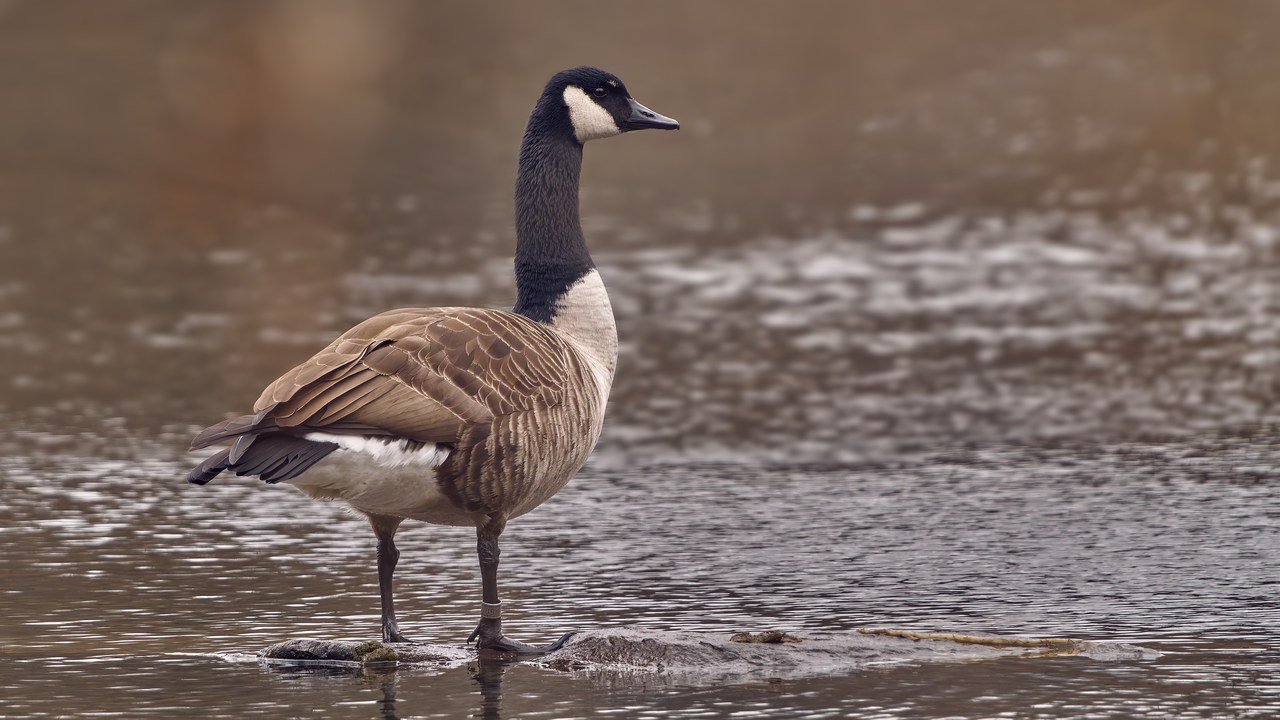
A Canada goose will put itself in danger to protect its mate and guards an injured partner, according to Best Life’s goose entry. Protection is the way the bond shows up in this species.
The behavior gives the list its most protective example: a goose that stays close to a hurt partner rather than moving on. It is a reminder that a lasting pair bond can mean standing guard when the other is vulnerable.
More from Morning Overview
- Doctors warn a silent liver disease now affects one in three American adults
- The FBI told the rest of ShinyHunters to surrender after a 24-year-old was arrested
- Two passengers died at an Ohio toll plaza, and the NTSB now wants the cash lanes shut
- Long use of a common prostate pill is tied to a higher chance of glaucoma
