
Some motorcycle names refuse to retire, outliving riders, rivals and entire eras of engineering. The list below tracks twelve nameplates that ran for decades, led by a Royal Enfield Bullet that has been in production since 1932. Here are twelve models whose production runs make the case for longevity.
1. Royal Enfield Bullet: Oldest Survivor
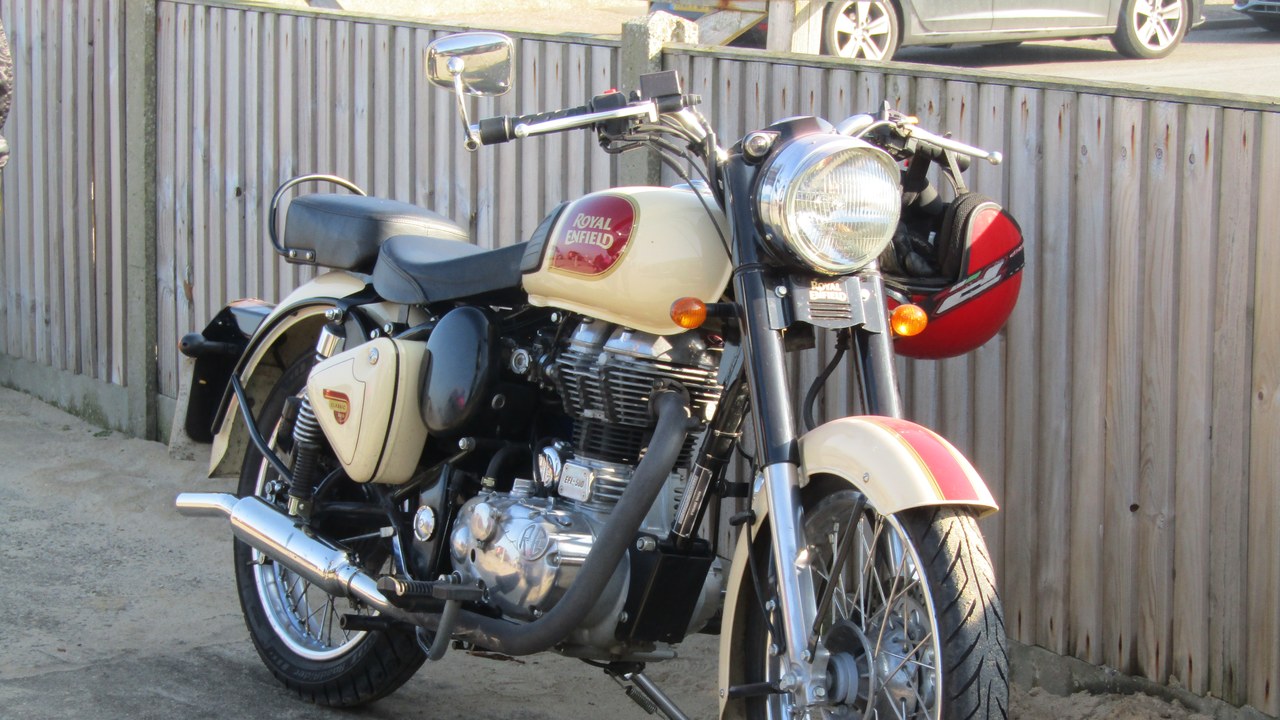
First shown in November 1932 at London’s Olympia show, the Bullet is described as the oldest continuously produced motorcycle, with output running unbroken from that debut to the present day.
The name has outlasted nearly every British marque that once competed with it, and that survival gives the claim its weight. Few vehicle badges of any kind, on two wheels or four, can point to ninety-plus years without a gap in the order book. The single-cylinder thump and upright riding position remain the core appeal, which is why the model reads as a living piece of motorcycle history.
2. BMW R-Series: Boxer Lineage
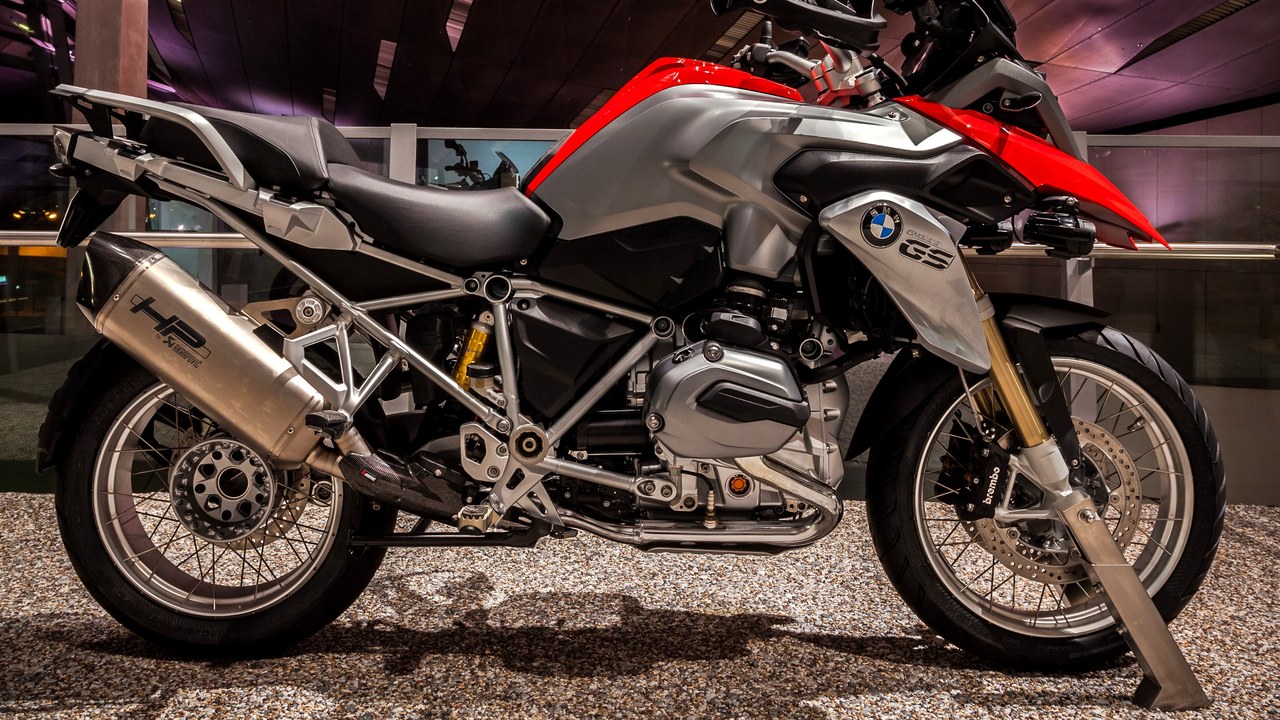
Launched with the R 32 in 1923, BMW’s boxer-twin R-Series has been around for over 100 years, and the family now reaches the 145-hp R 1300 RS.
The cylinders poking out either side of the engine remain the visual signature across a century of redesigns. A rider on today’s machine sits atop the same basic architecture that powered the first one, only with vastly more power, electronics and refinement. Longevity here is as much about engineering consistency as marketing, because the boxer layout kept finding new roles in roadsters, tourers and adventure bikes.
3. Harley-Davidson Sportster: Forty-Plus Variants
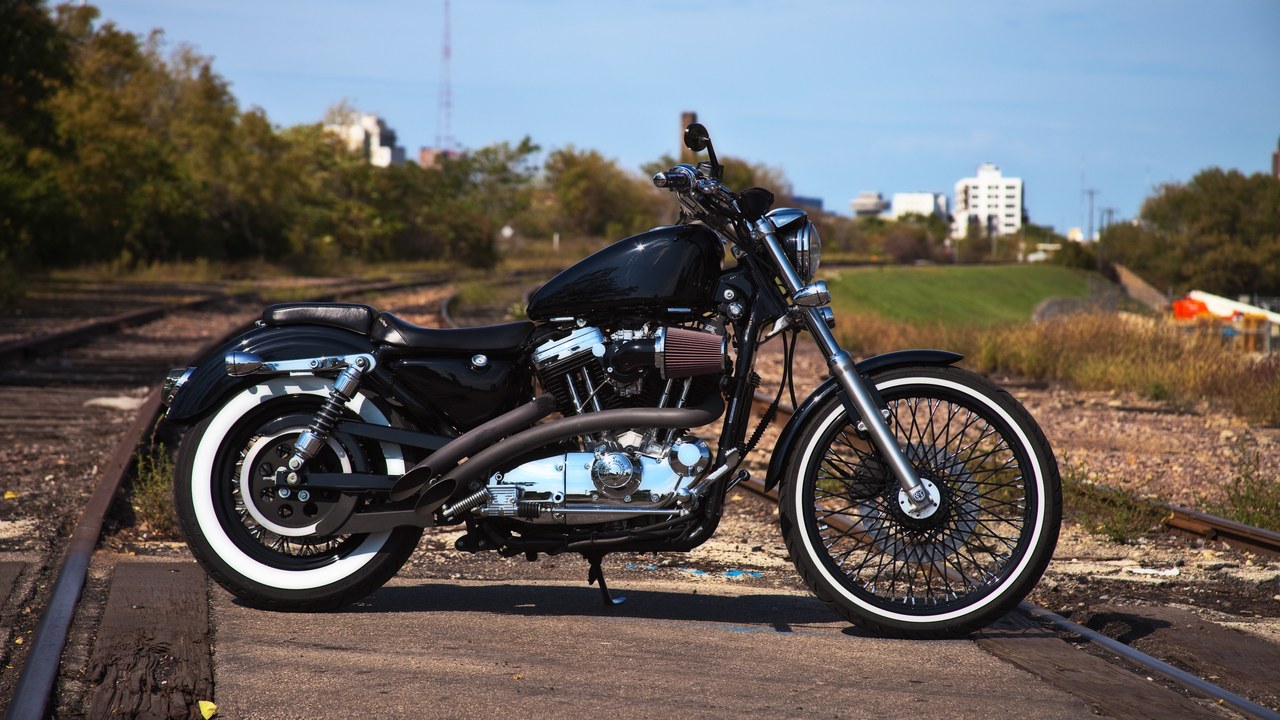
In production since 1957, the Sportster sold close to 2,000 in its first year, and over the decades it has spawned more than 40 variants according to SlashGear’s tally.
The model began as a lighter, sportier companion to the big Harley twins and later became the entry point for many first-time owners of the brand. Such a long span also means used examples from several different eras all share a single name. That reach across so many versions makes it one of the clearest examples of a platform stretched over generations without losing recognition.
4. Honda Super Cub: Hundred Million Cubs
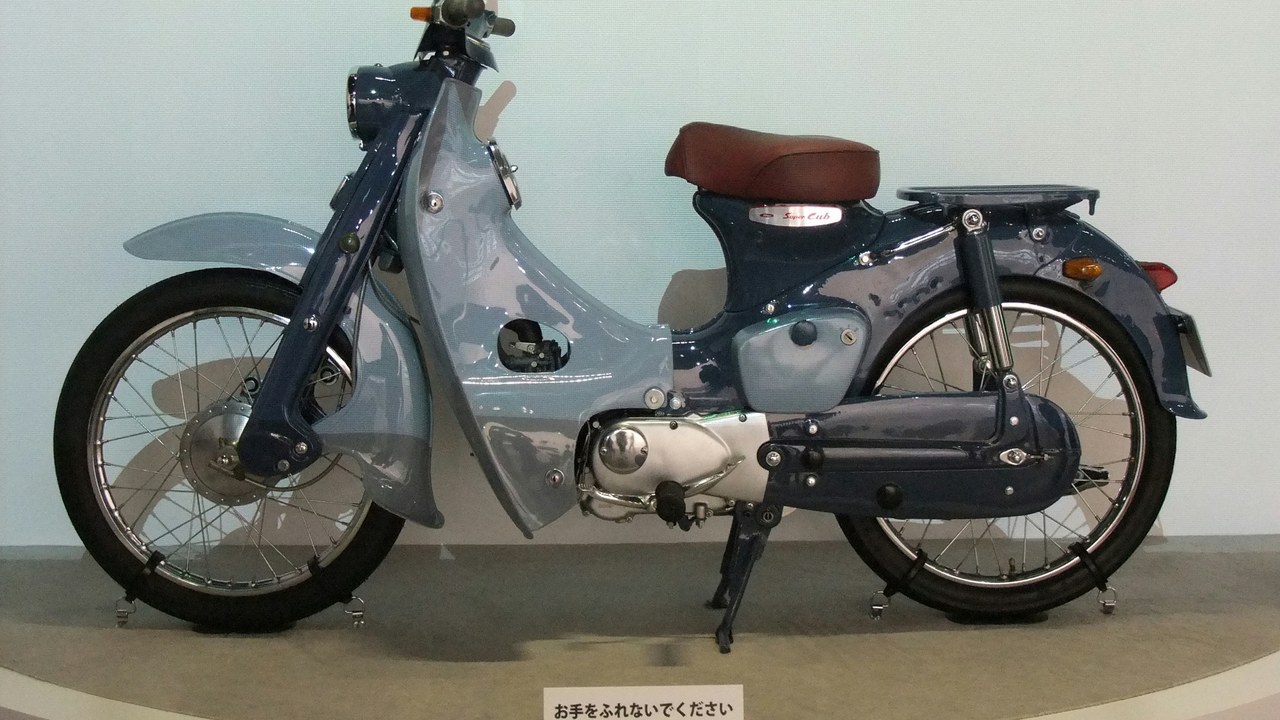
Production began in August 1958 with the C100, and Honda celebrated 100 million units built globally in 2017, a total that dwarfs the output of almost any car nameplate.
The step-through frame, small engine and sheer practicality made the little Honda a workhorse for commuters and delivery riders far beyond Japan. Those numbers explain why it is so often named the best-selling powered vehicle ever made. Few vehicles outside the Cub can claim to have mattered equally in crowded Asian cities and in Western suburbs, which adds a cultural dimension to the raw production tally.
5. Triumph Bonneville: Retro Revival
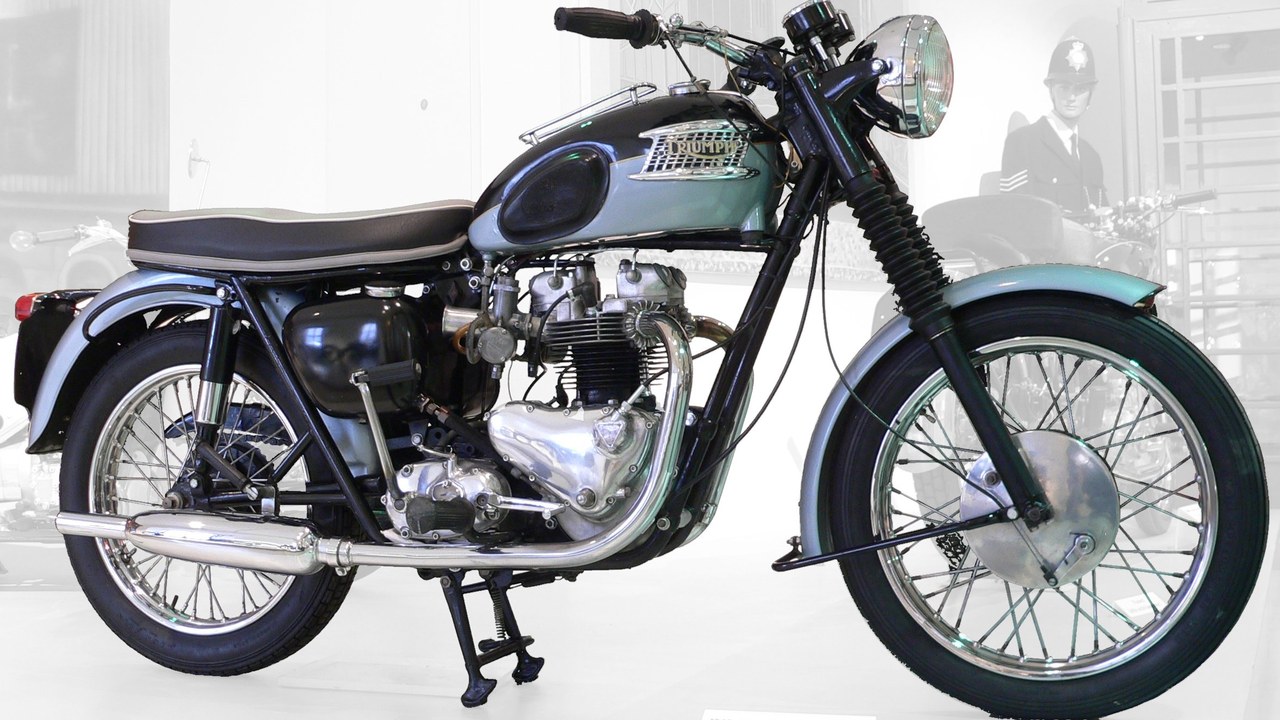
Rider magazine notes that the 2001 Bonneville revived Triumph’s 1959 original, offering a perfect blend of retro style and modern engineering.
The vertical-twin roadster restarted a brand with a difficult recent past, and the Hinckley company has leaned on the name ever since. The two eras are separated by a hiatus, so the nameplate’s decades-long reputation rests on two distinct production stretches. Retro bikes now fill the market, but the Bonneville name carries an authenticity that newer rivals had to build from scratch, and the 1959 lineage remains central to its marketing.
6. Harley-Davidson Electra Glide: Touring Backbone
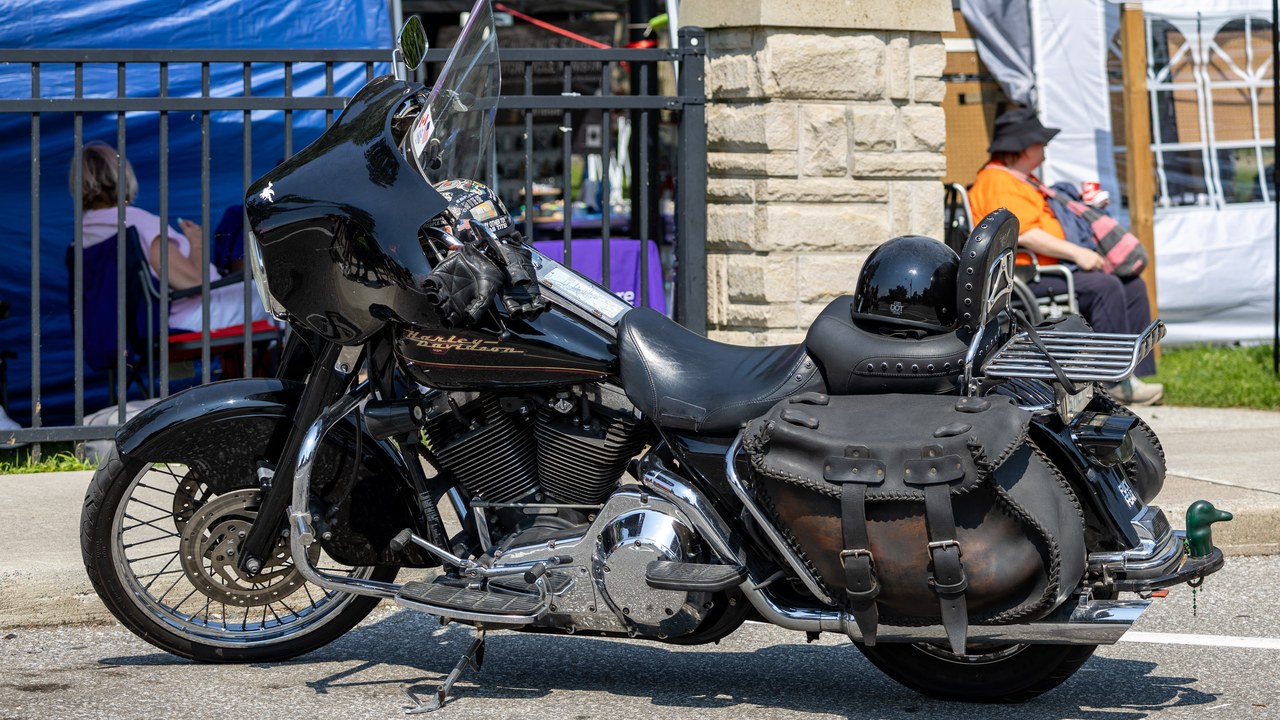
The Electra Glide joined the FL touring family in 1965, and SlashGear traces its growth from a 1337cc engine to the 1584cc Electra Glide Classic.
The fairing-equipped baggers became the template for American long-distance touring, and many police departments adopted them for patrol duty. Displacement growth on that scale shows how a single badge absorbed several generations of engineering while keeping its identity. The Electra Glide name still sits on showroom floors today, long after the 1960s hardware it first described, which keeps the lineage unusually visible to casual observers.
7. Honda Gold Wing: Fifty Years Out
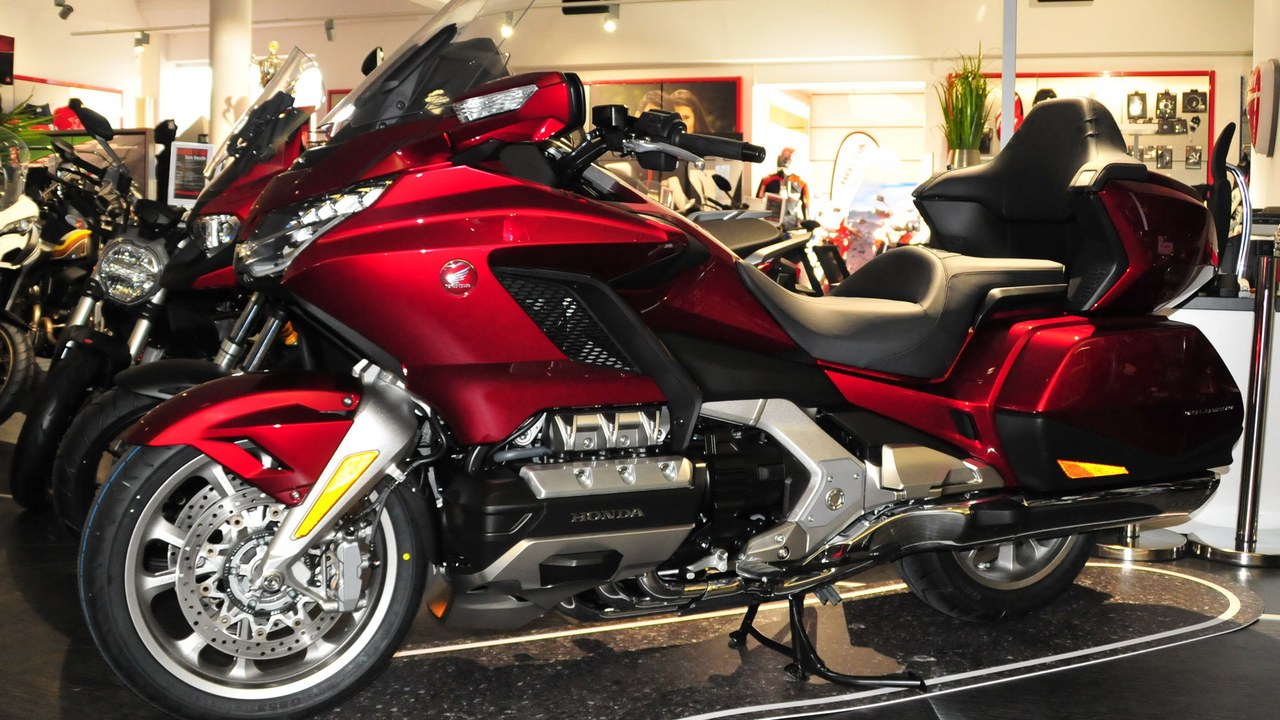
On sale in the U.S. since 1975, the Gold Wing passed 700,000 units of cumulative production in 2017, according to Honda’s anniversary history, and marked 50 years of sales in 2025.
Starting life as a smooth flat-four, it matured into the benchmark luxury tourer for riders covering long distances. Because the figures come straight from the manufacturer, the milestones carry primary-source weight rather than enthusiast estimates. That consistency of purpose, comfortable miles at speed, helps explain why the Gold Wing has kept loyal owners across several decades and engine redesigns, including a move from four cylinders to six.
8. Harley-Davidson Softail: Evo Savior
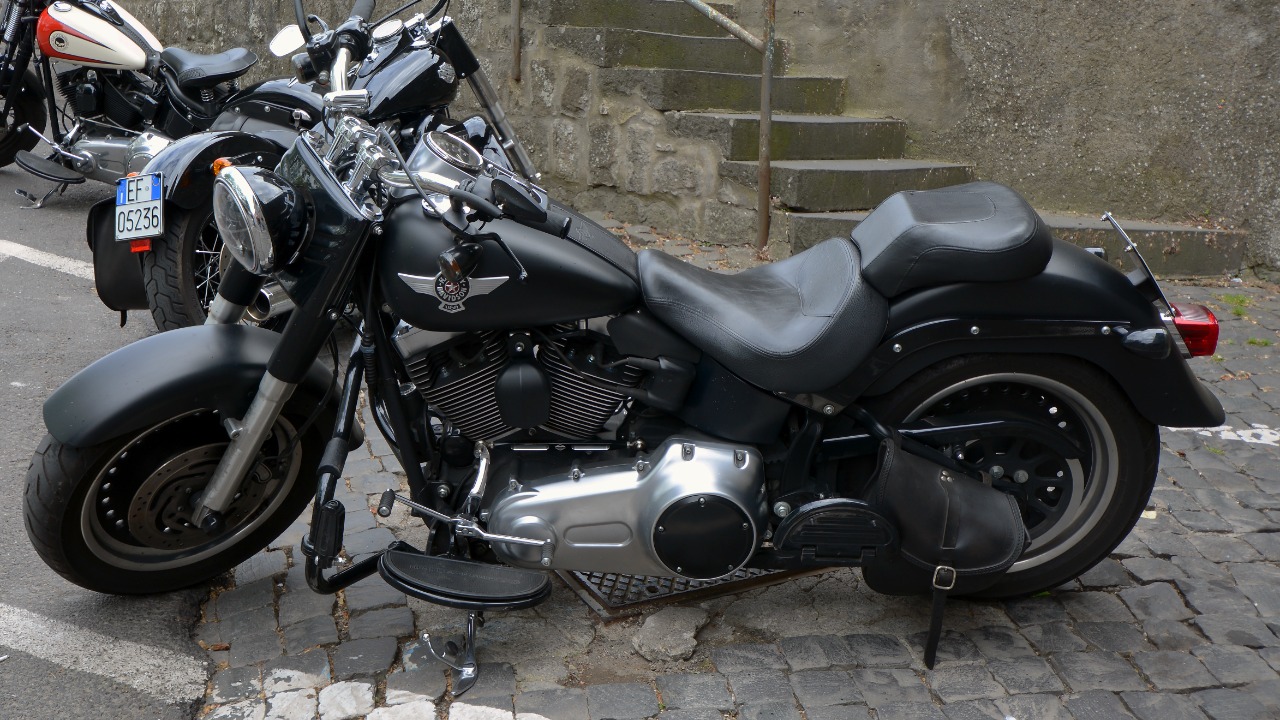
Introduced as the 1984 FXST Softail, the bike carried the Evo motor that, in Rider magazine’s words, helped save the company.
Hiding the rear shocks beneath the frame gave a rigid-tail look with modern suspension, a styling trick that proved enormously popular. The Softail line has since grown into the backbone of Harley’s cruiser range, outliving the crisis that prompted it. Retaining that shape for four decades shows how a single design cue can anchor a model line, even as engines, frames and electronics beneath the surface changed repeatedly.
9. Kawasaki Ninja: Rebadged Rocket
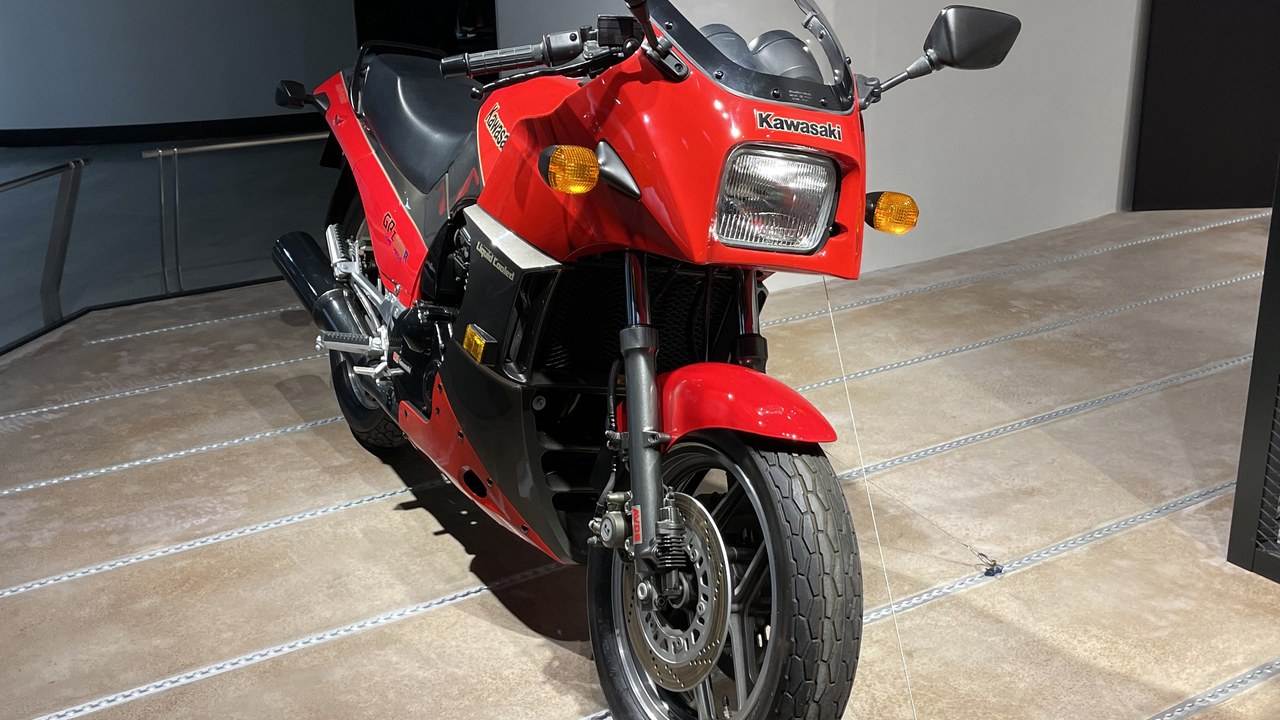
The Ninja first arrived in 1984 by rebranding the GPz900R, and Kawasaki’s own release notes that the Ninja name has now run 40 years.
The GPz900R paired a liquid-cooled inline-four with a fully faired body that set the pace for sport bikes of its period. A Hollywood fighter-jet film later boosted its fame, though the nameplate has long since outgrown that cameo. The Ninja badge has since been applied across a wide range of sport bikes, from small-displacement beginners to flagship models, turning a one-bike name into a whole family.
10. Kawasaki KLR650: Unchanged Workhorse
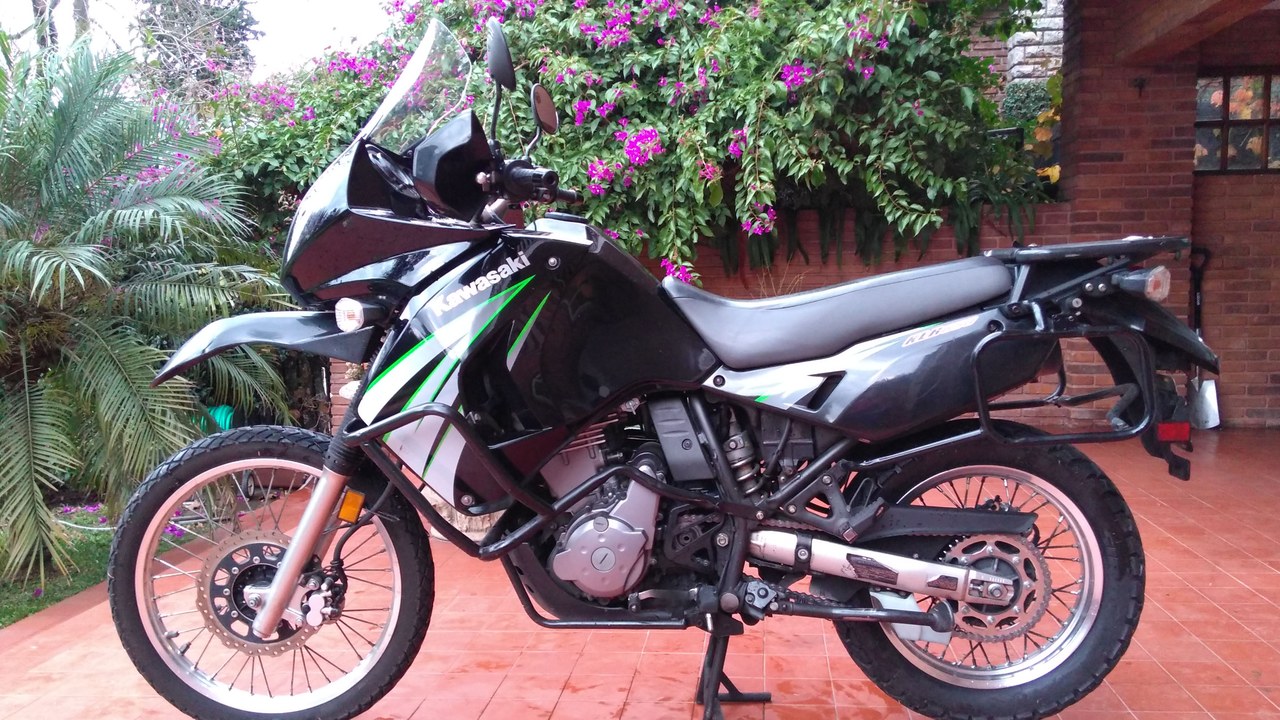
Launched in 1987, the KLR650 is a bike where Kawasaki kept building it without significant changes for decades, as Rider magazine describes it.
The big single-cylinder dual-sport built a following among adventure riders who valued simplicity and cheap repairs over novelty. Its long stasis is the unusual part, since most nameplates survive through constant updating rather than by standing still. For owners, that continuity meant parts compatibility and a known quantity, qualities that matter on long, remote trips where a rider cannot easily find a specialist.
11. Ducati Monster: Thirty Years Strong
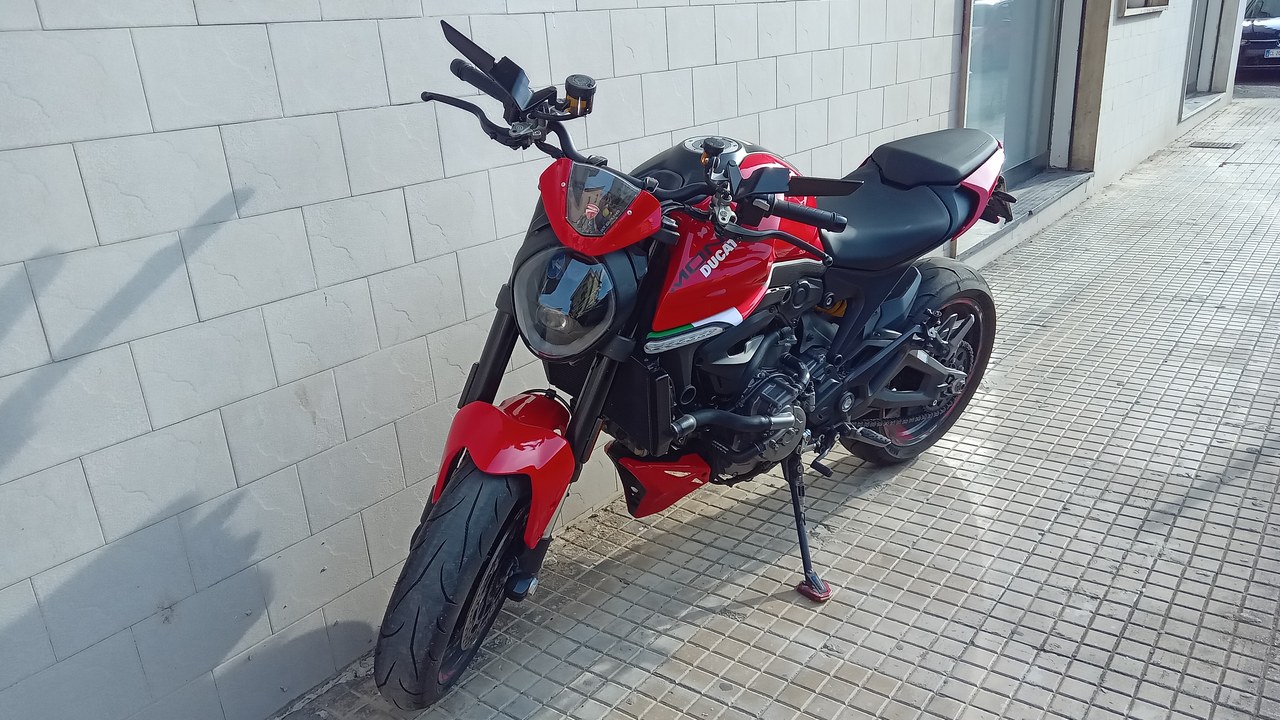
Ducati sold its 350,000th Monster in January 2021, after 30 extremely successful sales years, as WebBikeWorld reported.
The naked bike helped steady the Bologna brand’s finances in the 1990s and kept its exposed-frame look through several generations. Three decades at that volume is rare for a European manufacturer’s single model line. Its naked styling influenced many competitors, and the milestone figure shows the model moved well beyond a niche enthusiast purchase into something close to a mainstream Ducati staple.
12. Suzuki Hayabusa: Speed Crown
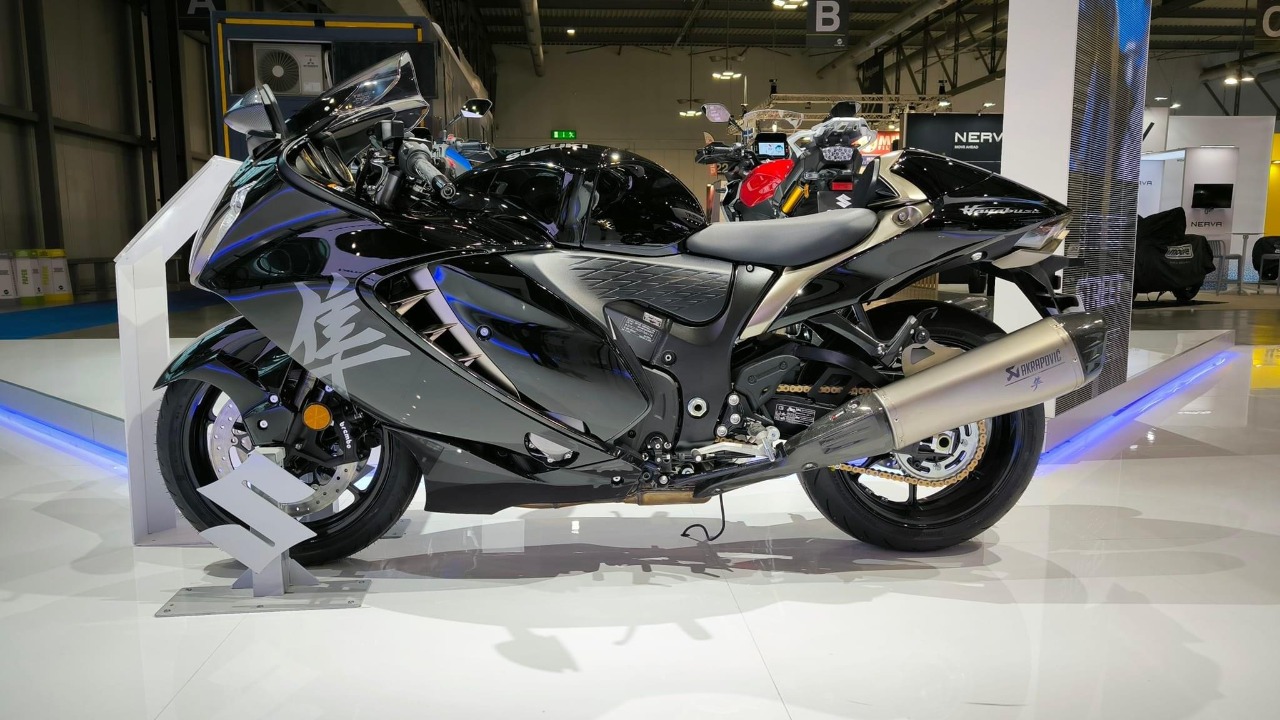
Introduced in 1999 to take the fastest-production-motorcycle crown, the Hayabusa has topped 200,000 built, per RideApart’s anniversary coverage, over a two-and-a-half-decade run.
The aerodynamic bodywork looked polarising at launch but went on to define the hyperbike class. An industry-wide speed limiter later ended the top-speed race, yet the Suzuki outlived that contest and stayed in production. Even after the speed race ended, the bike kept a devoted following, and the 25th-anniversary edition confirmed that Suzuki still saw value in the badge decades after its debut.
More from Morning Overview
