
Animal voices can rival machinery, and in the ocean they can exceed anything made by people. The loudest range from whale clicks and bat sonar to parrot screams, insect songs and the roars of big cats. Here are twelve animals ranked by the decibel levels reported for their calls.
1. Sperm whale: Loudest Voice on Earth
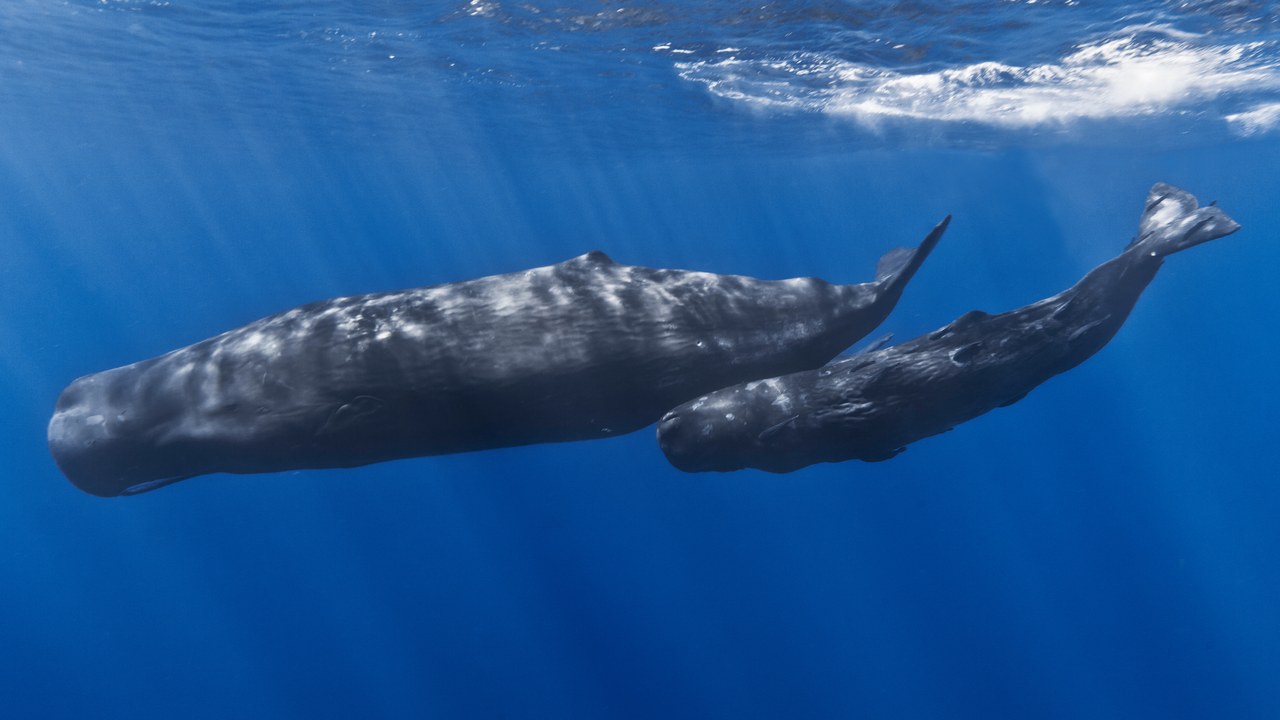
Clicks reaching 230 decibels make the sperm whale the record holder on this list. The bursts are echolocation clicks, fired from the massive head to find squid in the dark depths of the ocean.
Underwater decibels are measured against a different reference than airborne ones, so the figure is not directly comparable with a jet engine on a runway. Even so, the number conveys how powerful the biological sonar of the deep-diving giant really is, and why ocean noise matters to whales.
2. Blue whale: Calls Louder Than a Jet
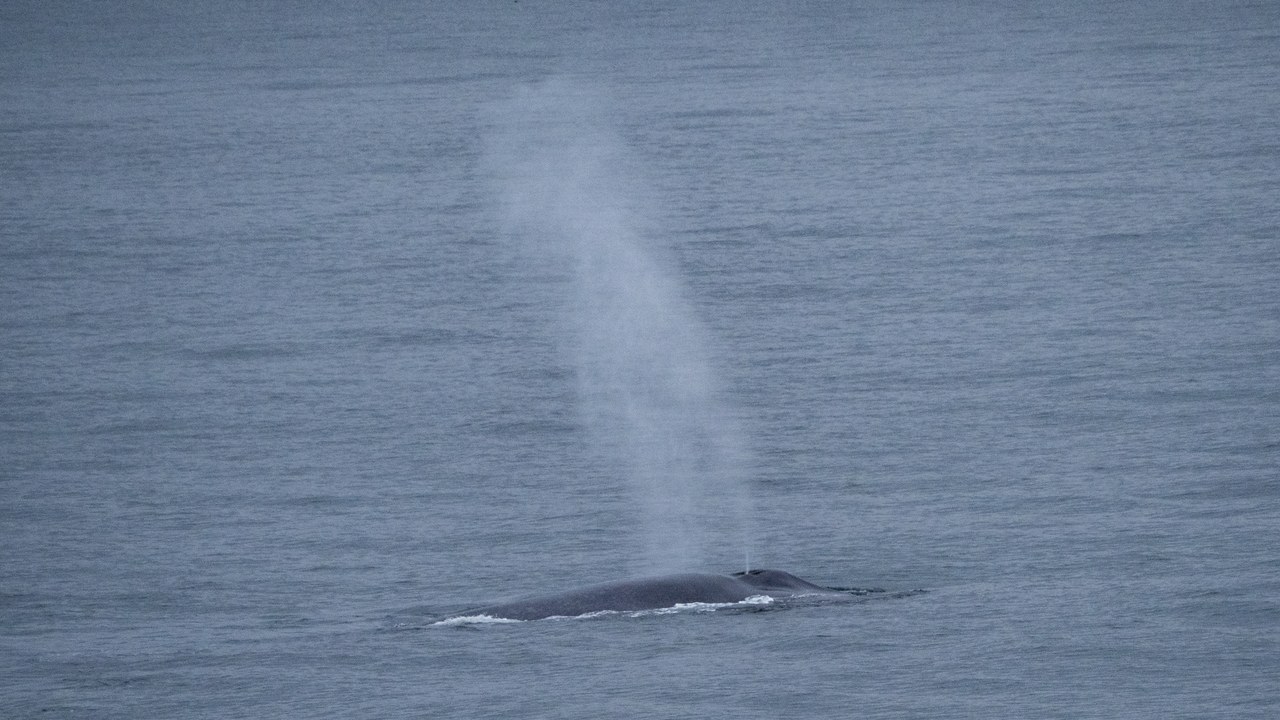
According to WWF blue whale facts, calls from the largest animal ever to live can reach 188 decibels, far louder than a jet engine at around 140. The calls travel through the ocean, letting the enormous whales keep contact across great distances.
Few animals combine such a huge body with such a powerful voice. For anyone sharing the sea with whales, from ship operators to researchers, the figure is a reminder that human noise competes with long-range communication that these animals depend on.
3. Greater bulldog bat: Sonar Above 140 Decibels
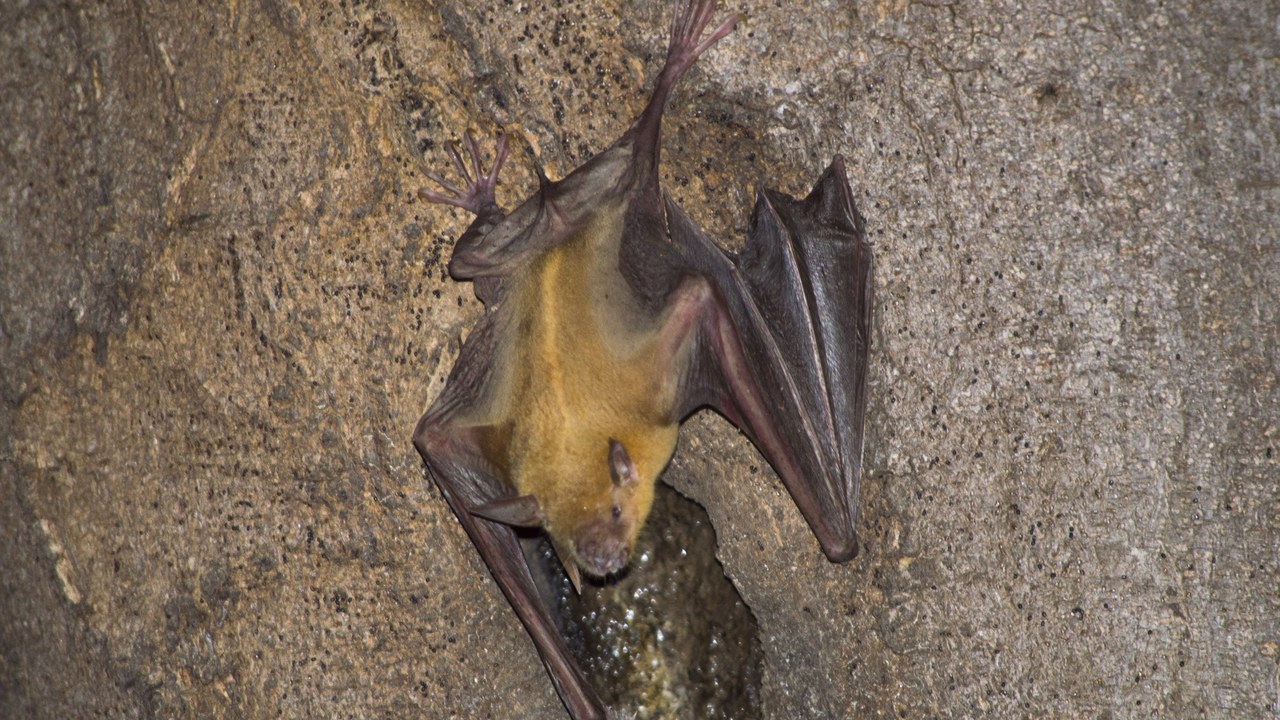
The echolocation calls above 140 dB of the greater bulldog bat rival the noise of a jet engine, according to Australian Geographic. The intense pulses serve as sonar for hunting at night.
Because the calls are pitched above human hearing, the extreme volume goes unnoticed by anyone standing nearby. The bat shows that loudness is not only about audible roars and screams: some of the most powerful sounds in nature are completely silent to people.
4. Kakapo: The Booming Parrot
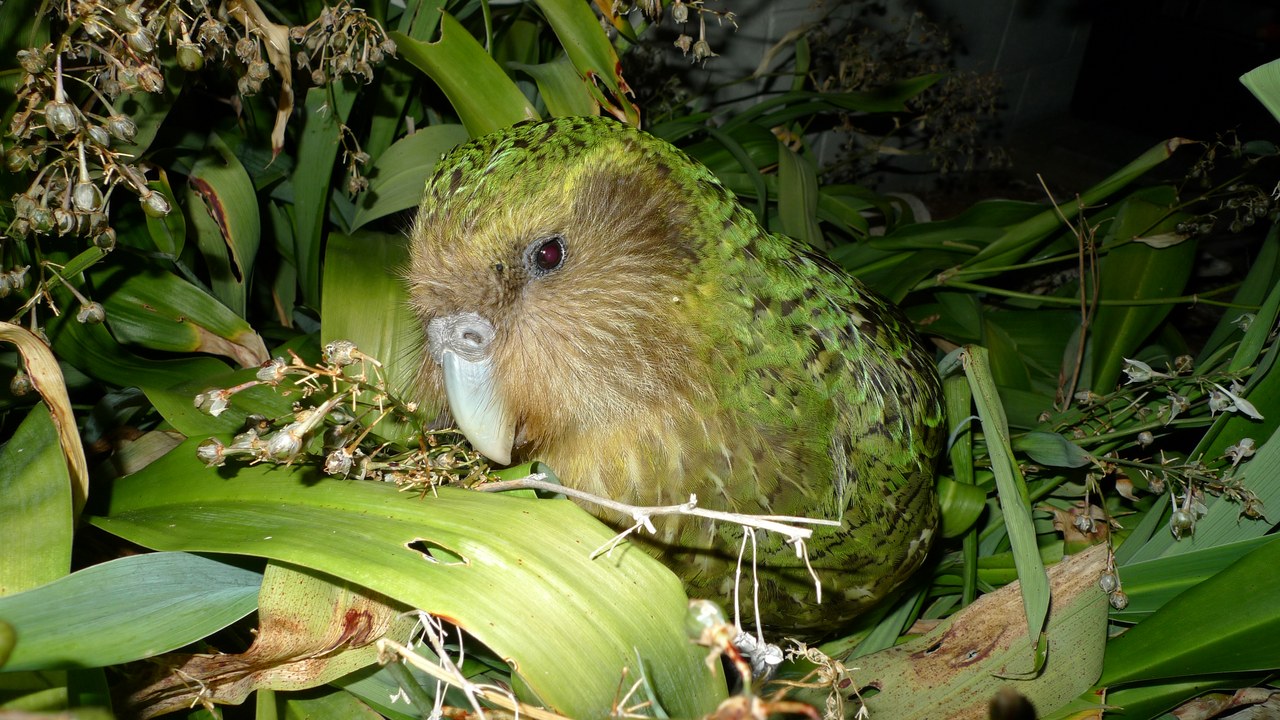
A booming call of 132 dB belongs to the kakapo, the flightless nocturnal parrot of New Zealand. Males use the deep booms to draw females during the breeding season, with the sound carrying across the forest at night.
The kakapo is critically endangered, which makes its place among the loudest animals bittersweet. The booming display is a reminder of how much a tiny, vulnerable population relies on voice alone to find mates in the dark.
5. Moluccan cockatoo: A Scream at 129 Decibels
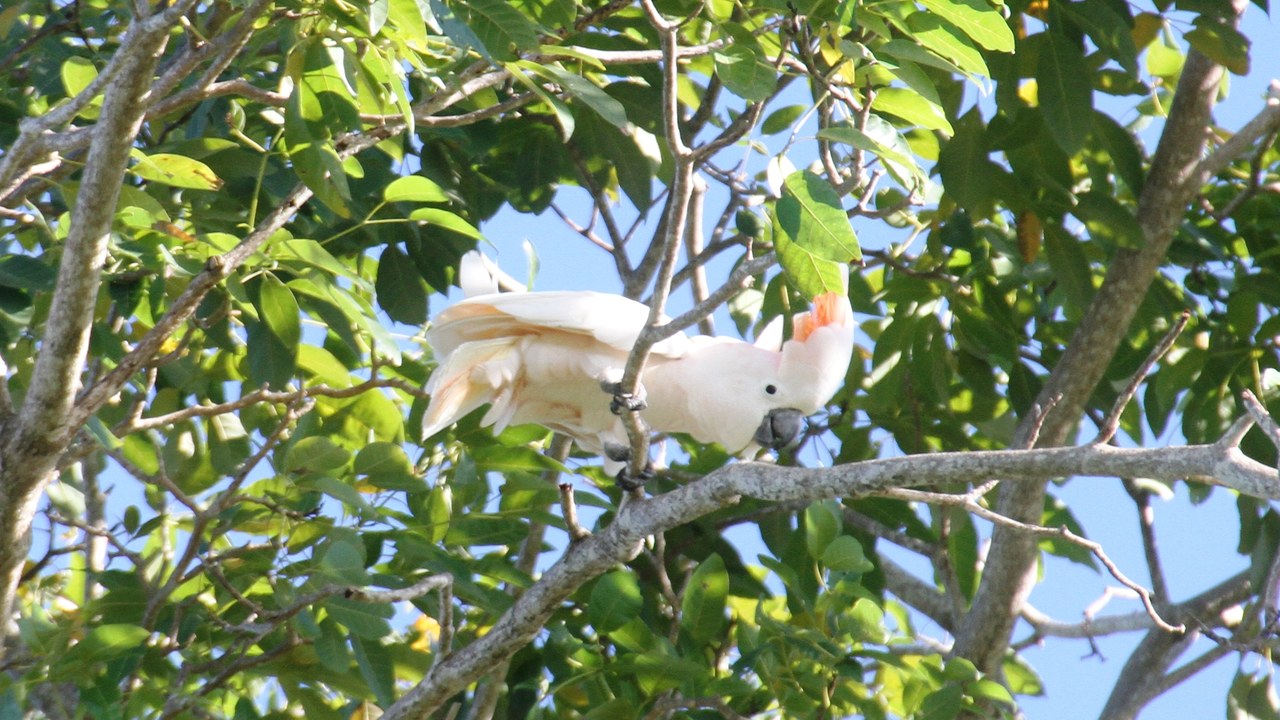
Listed at a 129 dB scream, the Moluccan cockatoo is among the loudest birds known. The salmon-pink parrot from Indonesia raises its crest and screeches.
The volume is a practical consideration for anyone thinking of keeping one as a pet, since the noise can strain households and neighbors alike. In the wild, the piercing call serves to keep flocks in touch across dense forest canopy, where visibility is limited and sound carries the message.
6. Katydid: Insect Chorus Above 125 Decibels
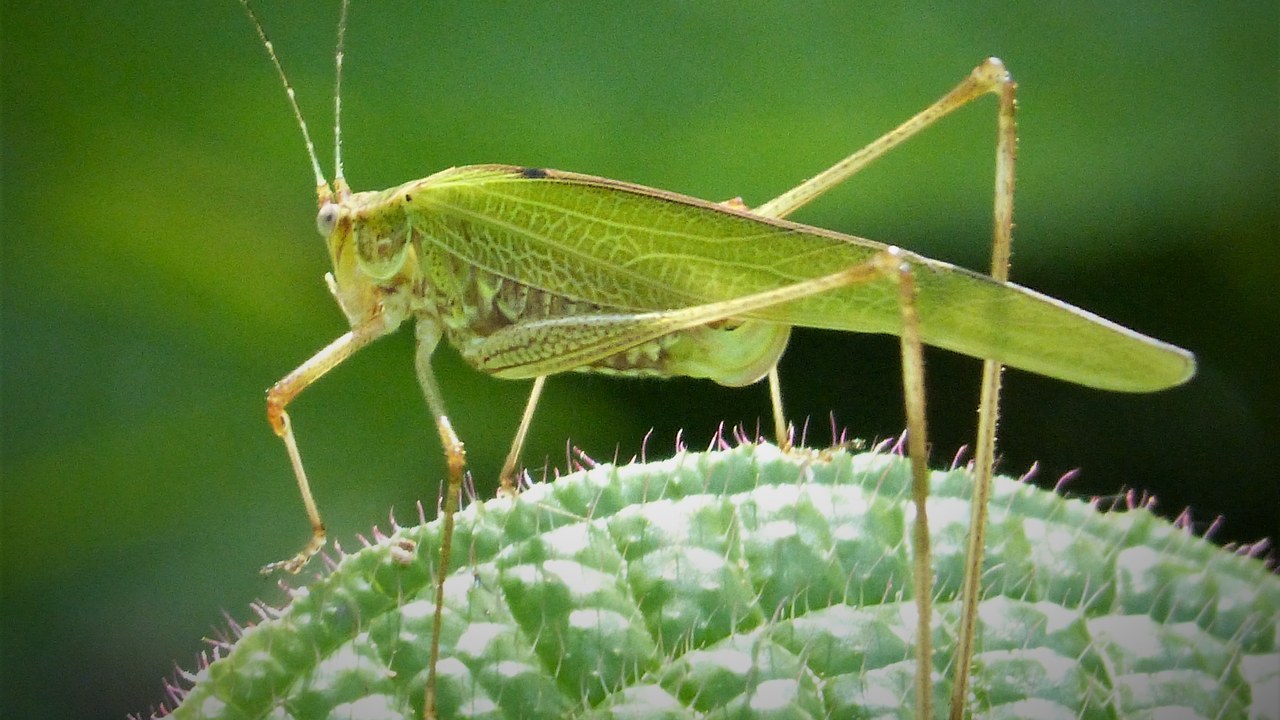
More than 125 decibels is the level reached by katydids, which makes these small green insects some of the loudest creatures relative to their size.
The song is a courtship signal, repeated through the night in warm weather. A 125 dB reading is a measurement taken at close range, so the experience of a backyard chorus is far gentler, but the figure shows how much sound a tiny insect can generate.
7. Northern elephant seal: Bellowing at 125 Decibels
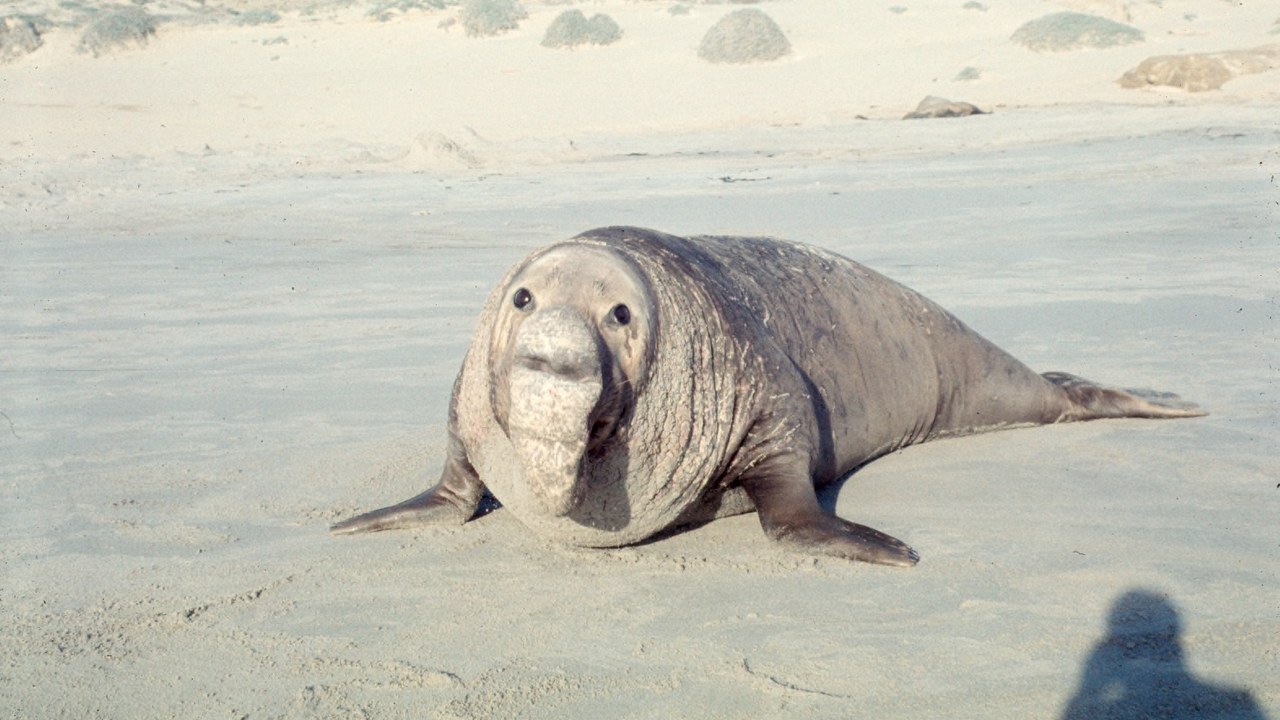
Males of the northern elephant seal bellow at 125 dB, using the booming rattle to assert dominance during the breeding season. The bellow comes from the large, trunk-like nose that gives the species its name.
Bulls gather on beaches and battle for rank, and the loudest, largest males win access to females. Visitors to rookeries on the Pacific coast of North America are warned to keep a safe distance, since the noise comes from very large animals.
8. Green grocer cicada: Heard From 2.4 Kilometres
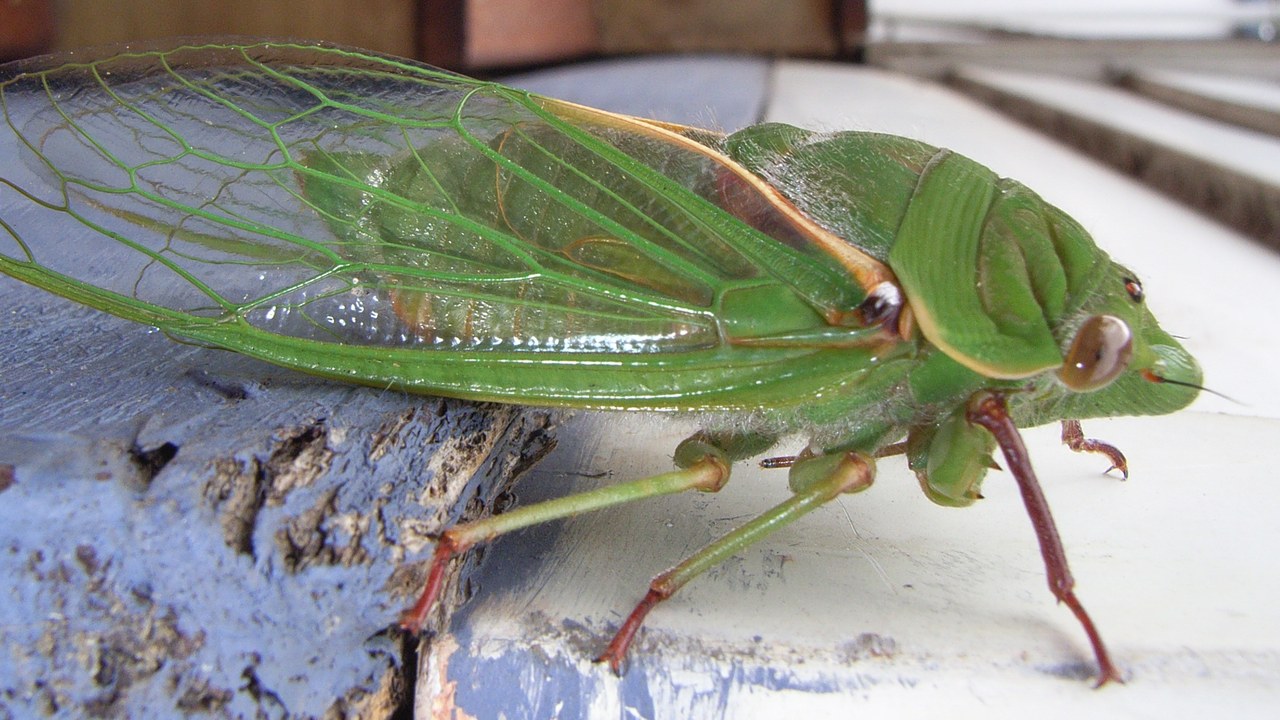
The song of the green grocer cicada exceeds 120 dB and can be heard 2.4 km away, according to Australian Geographic. Its calls are among the loudest of any insect.
In Australian summers the sound can be overwhelming near a tree full of singing males. The cicada demonstrates that distance and volume do not scale with body size, and that a palm-sized insect can fill a whole neighborhood with noise.
9. Lion: Roar Carrying Over 8 Kilometres
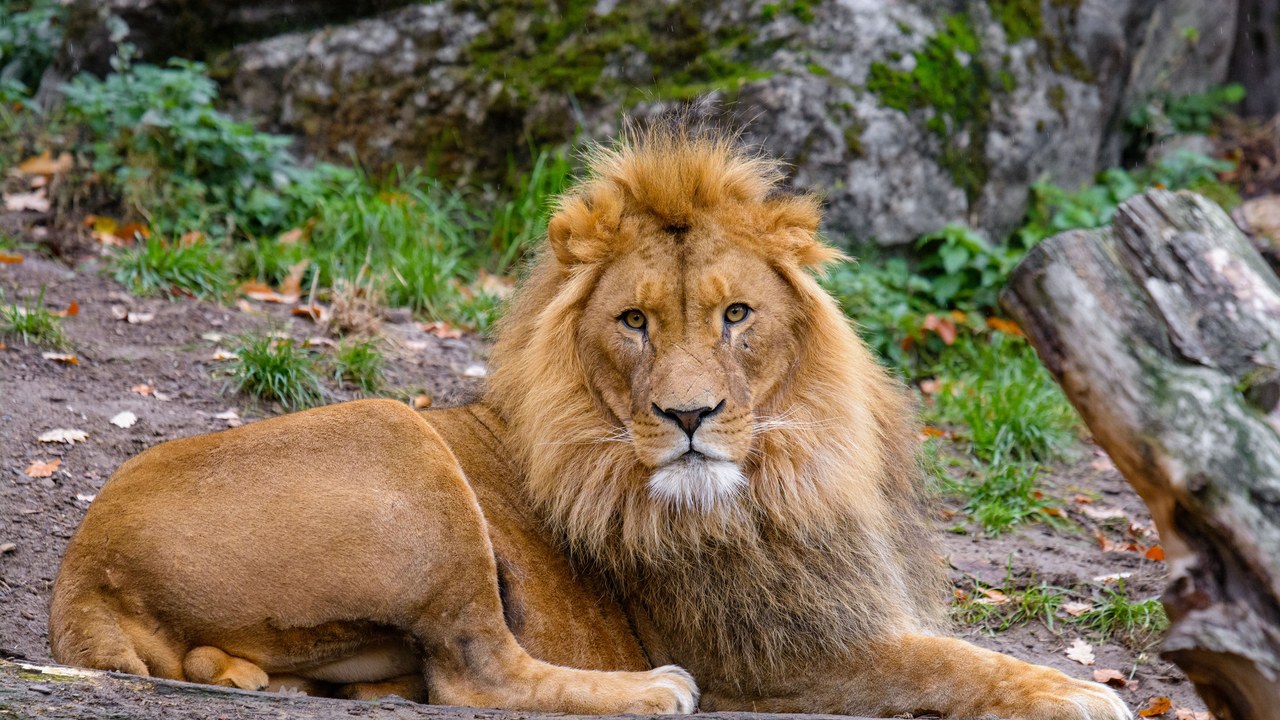
A lion can roar to 114 dB, with the sound carrying over 8 km, according to Australian Geographic. The roar is the signature call of the big cat of Africa’s savannas.
Prides use roaring to advertise territory and to keep members in contact across open ground. Anyone camping in lion country hears the sound as far louder and deeper than any other predator call, and the distance it travels explains why.
10. Gray wolf: Howl Across the Tundra
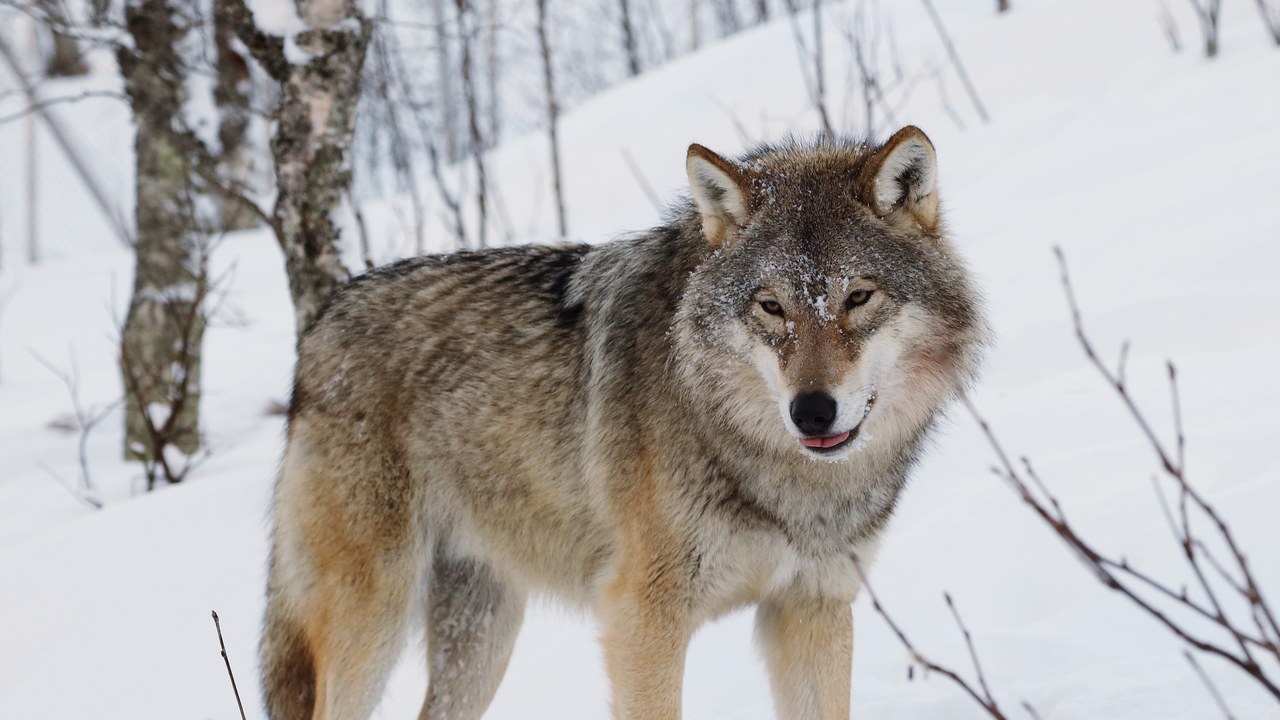
The gray wolf’s piercing howl is about 115 decibels and carries 10 miles on open tundra. Wolves howl to gather a pack, warn off rivals and mark territory.
The long reach of the sound is a practical advantage in wide-open habitat, where pack members may be scattered over many miles. In forests the distance is shorter, but the howl remains one of the most recognizable animal sounds in the northern hemisphere.
11. Common coqui: Tiny Frog, Huge Voice
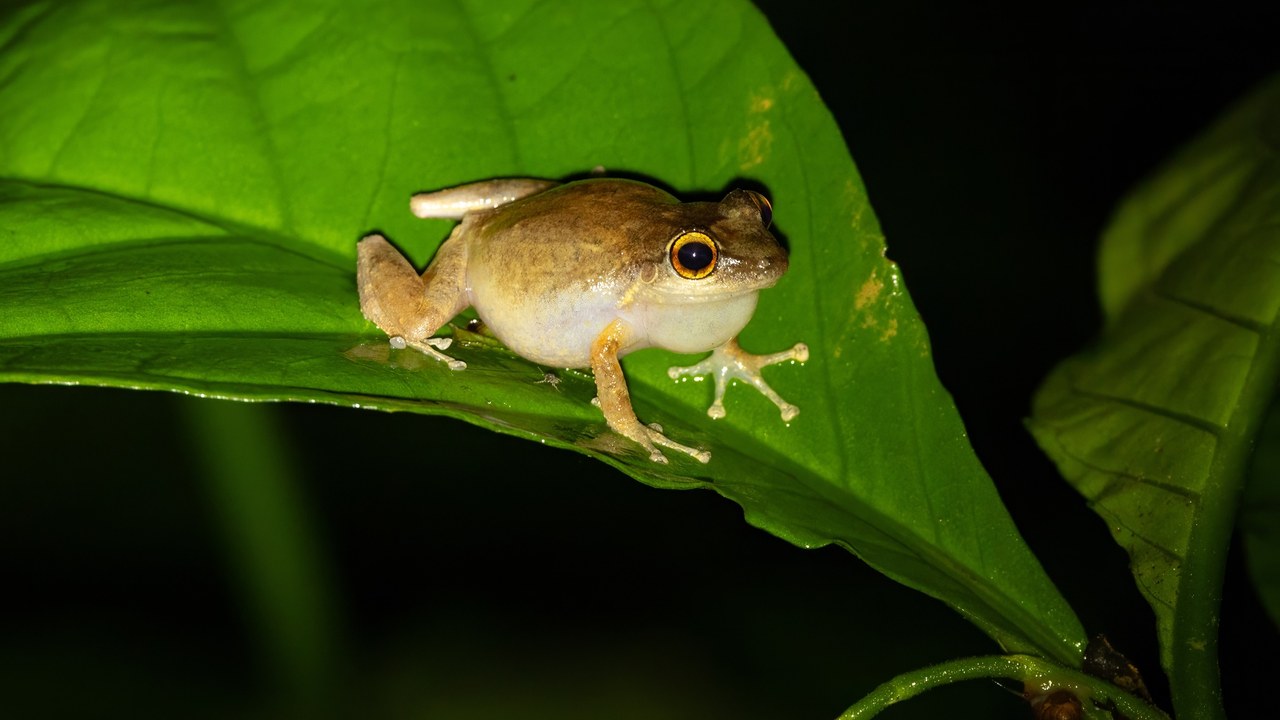
The call of the common coqui frog can reach 100 decibels from a frog small enough to sit on a leaf. Males sing a two-note call that gives the species its name.
The figure shows how much volume a very small amphibian can produce. A chorus of many males calling together makes the effect far larger than any single frog, and the 100 decibel figure is the upper end of what the call can reach.
12. Howler monkey: Roaring Through the Rainforest
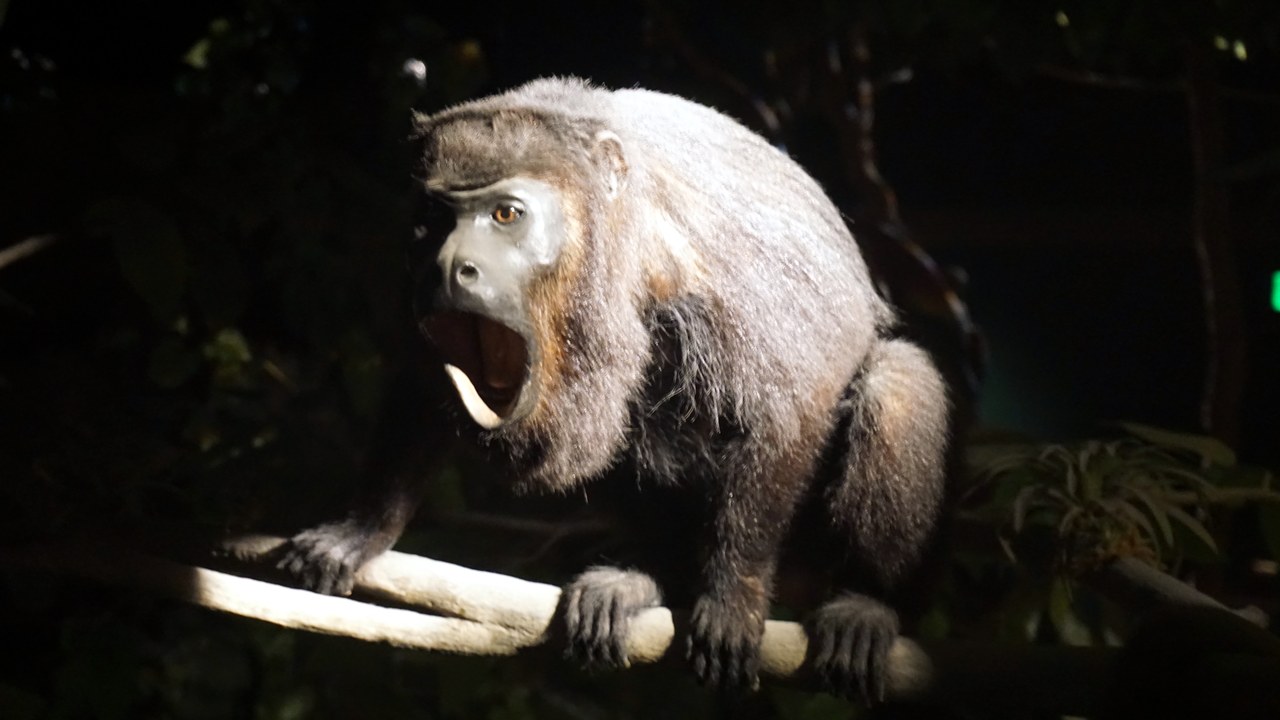
Howler monkey calls are listed at 90 to 100 dB, a volume that earns the genus its name. Males use the booming roars to defend territory without having to fight.
The sound travels long distances through dense rainforest in Central and South America, letting troops avoid each other. Visitors often hear the chorus well before spotting a single animal in the canopy, which shows how effectively the sound cuts through thick vegetation and why the calls work as a territorial signal.
More from Morning Overview
- The FBI told the rest of ShinyHunters to surrender after a 24-year-old was arrested
- Two passengers died at an Ohio toll plaza, and the NTSB now wants the cash lanes shut
- Long use of a common prostate pill is tied to a higher chance of glaucoma
- Ford is recalling 223,472 F-150 pickups because the fuel tank can leak or detach
