
Cold records tell a story of places where air and ice drop past anything most people will ever feel. The list runs from Antarctic extremes through Siberian towns, Alaskan interiors, American border country and one very cold capital city. Here are ten places where Earth has frozen hardest.
1. East Antarctic Plateau: Lowest Reading Ever
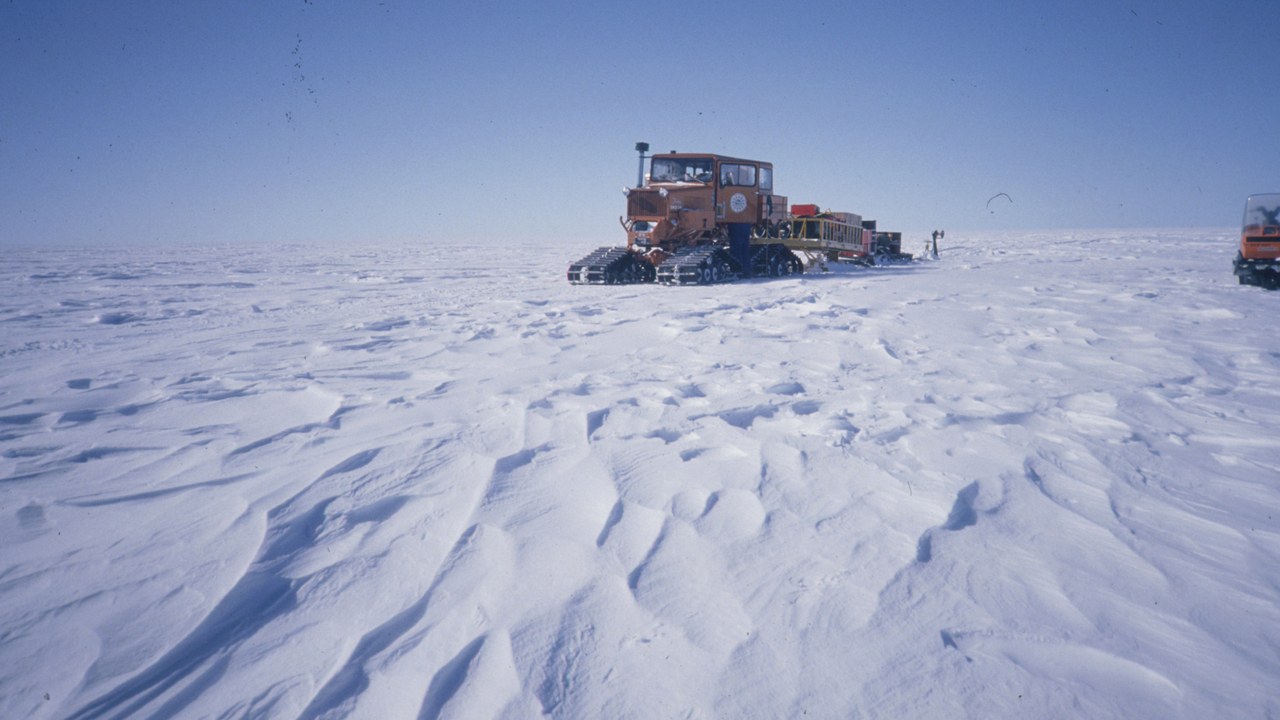
Satellites recorded minus 136°F (minus 93.2°C) on the East Antarctic Plateau on Aug. 10, 2010, the lowest temperature ever measured. According to NASA’s satellite measurement, that reading beat the minus 128.6°F recorded at Vostok in 1983, which had stood as the benchmark for decades.
The distinction matters when comparing records. A satellite reading describes the surface of the snow from orbit, while a weather-station figure measures air temperature at a single site. The plateau therefore holds the coldest measured value on Earth, and it sets the ceiling for every other entry on this list.
2. Amundsen-Scott South Pole Station: Cold at the Bottom of the World
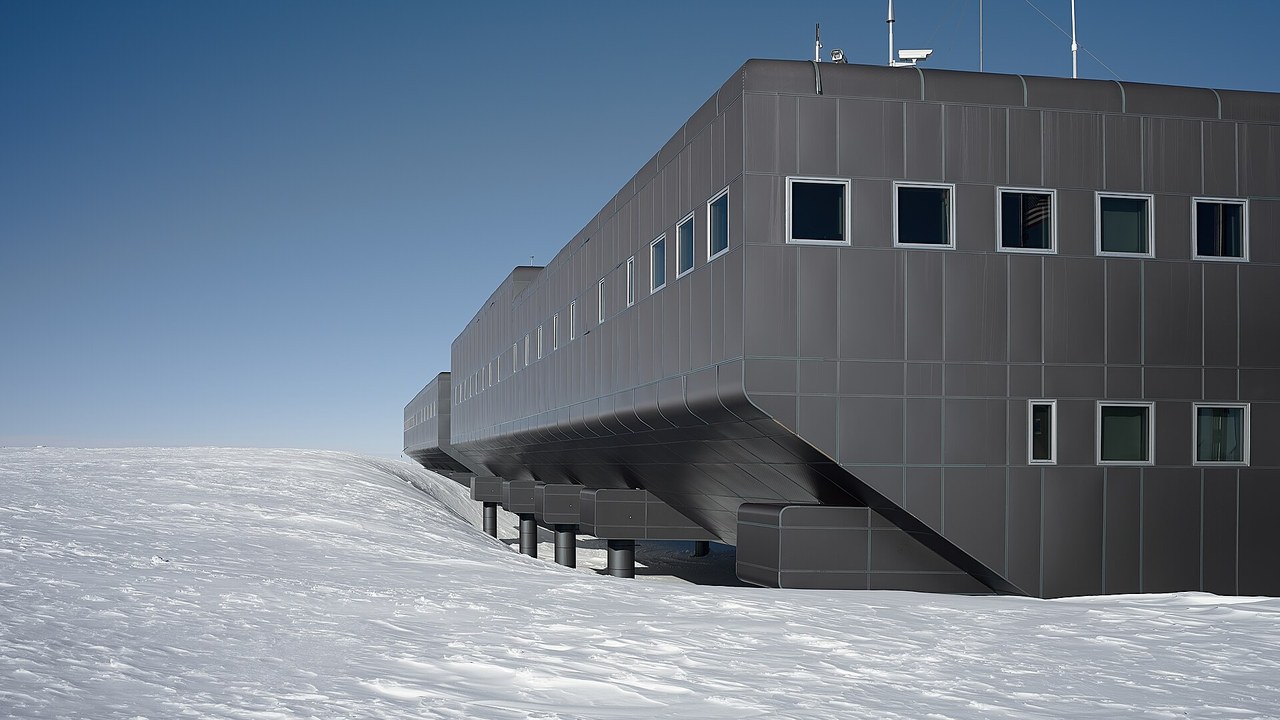
The research station at the geographic South Pole recorded a low of minus 82.8°C (minus 117.04°F) in June 1982, according to earth.com’s cold-places roundup. That is the station’s record low, and it fell in June, the middle of the Southern Hemisphere winter, when the continent is at its coldest.
The number is a useful yardstick for the rest of the list. It sits roughly 19°F above the satellite surface reading from the East Antarctic Plateau, so even the South Pole’s record air temperature does not match the coldest snow surface measured from orbit. For anyone working at the station, a record like this explains why winter operations are planned so carefully.
3. Verkhoyansk: The Old Pole of Cold
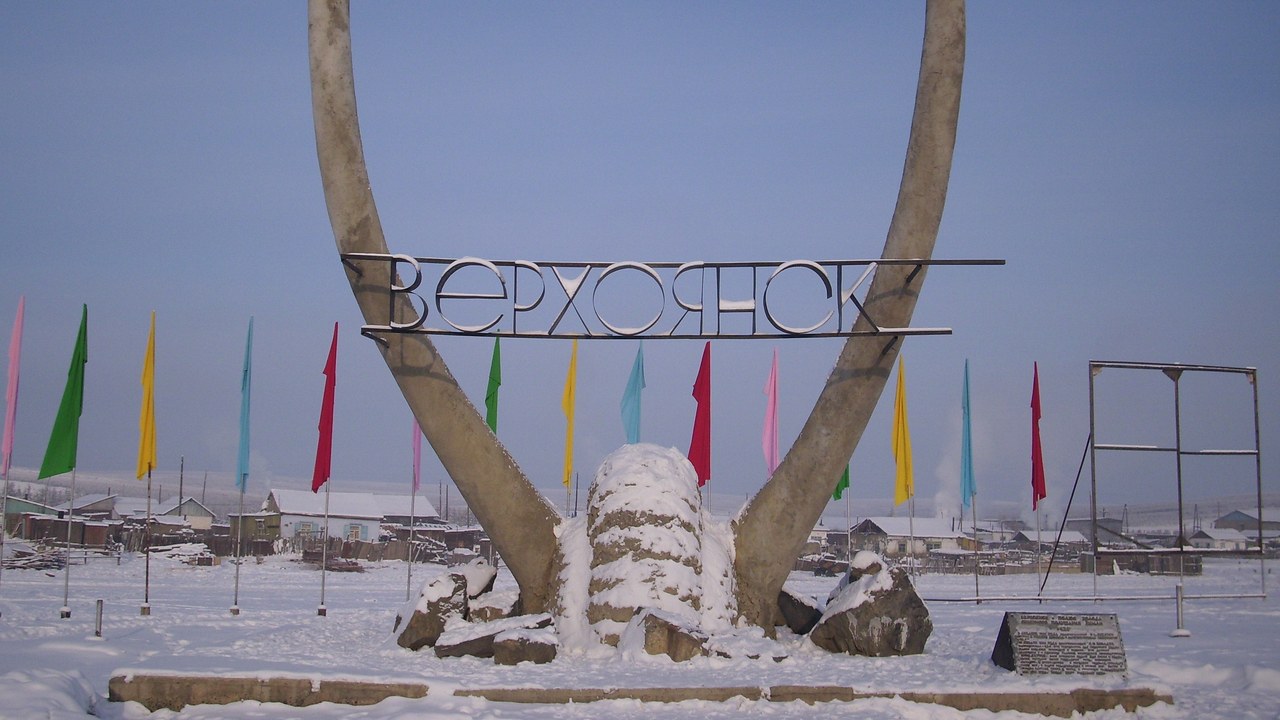
Verkhoyansk in Siberia logged a record low of minus 69.8°C (minus 93.64°F) in February 1892, as earth.com’s overview notes. The reading is more than a century old, yet it remains one of the lowest temperatures ever recorded at a place where people live.
That detail sets the town apart. Antarctic extremes occur where almost nobody lives, but Verkhoyansk is a settlement, and its 1892 low was later matched by a reading in nearby Oymyakon. Residents have long treated the cold as part of the local identity, and the 1892 reading remains a point of pride for the settlement.
4. Oymyakon: A Tie With Verkhoyansk
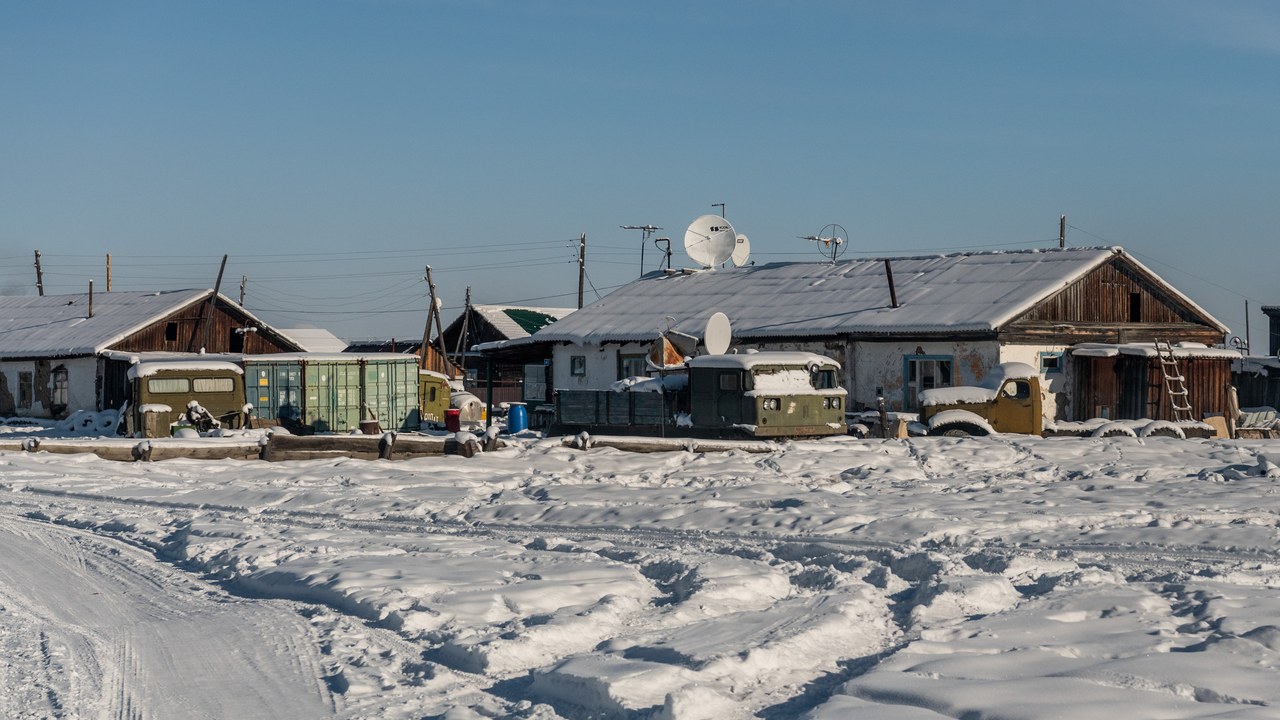
Oymyakon hit minus 67.7°C in 1933, tying Verkhoyansk’s 1892 reading, according to Weather Network’s list of extremes. The village in Russia’s Far East is often named in the contest for the coldest inhabited place on Earth, and this measurement is the basis for that claim.
The tie shows how close two Siberian locations run in a competition that has lasted generations. Ordinary settled life continues in the village, in a place where winter readings have reached levels that few towns anywhere have ever matched or approached.
5. Yakutsk: A Big City in the Deep Freeze
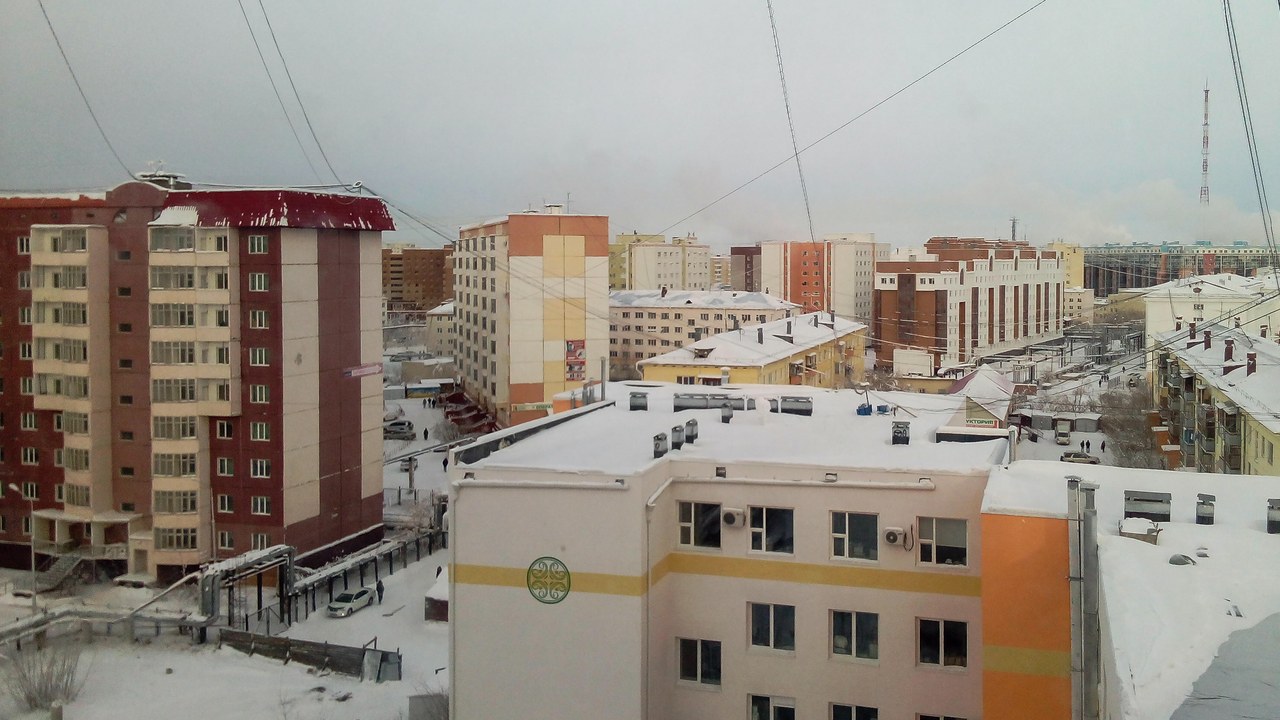
Yakutsk reached a low of minus 64.4°C in February 1891, as reported by Weather Network’s seven coldest readings. The reading puts a city, not just a remote outpost, among the coldest places ever measured, and it came a year before the Verkhoyansk record.
Yakutsk shows that extreme cold is not only a feature of empty wilderness. Multi-storey apartment blocks stand in the snow, and the city carries on in a climate that sets the standard for severe winters. The 1891 low is an extreme of the record, not an everyday figure, but it marks how far temperatures can fall there.
6. Prospect Creek, Alaska: The Lowest Reading in the United States
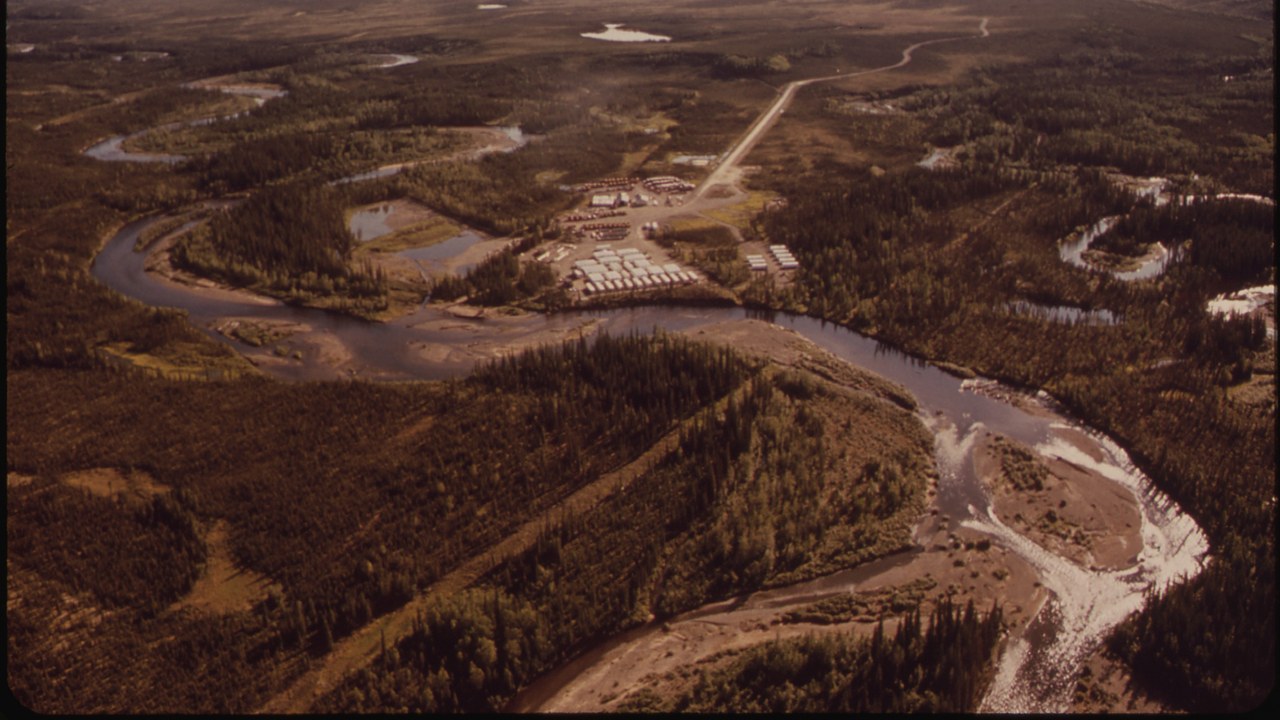
Prospect Creek, Alaska, recorded minus 62.2°C one January morning in 1971, the lowest temperature in the United States, according to Weather Network’s record roundup.
The record is a reminder that the American extreme belongs to Alaska’s interior, not the lower 48 states. Anyone planning cold-weather work in the far north can take the 1971 number as the kind of limit that equipment, clothing and fuel may have to survive, and it remains the national benchmark that other American stations are compared against.
7. Denali: North America’s Highest Peak in Winter
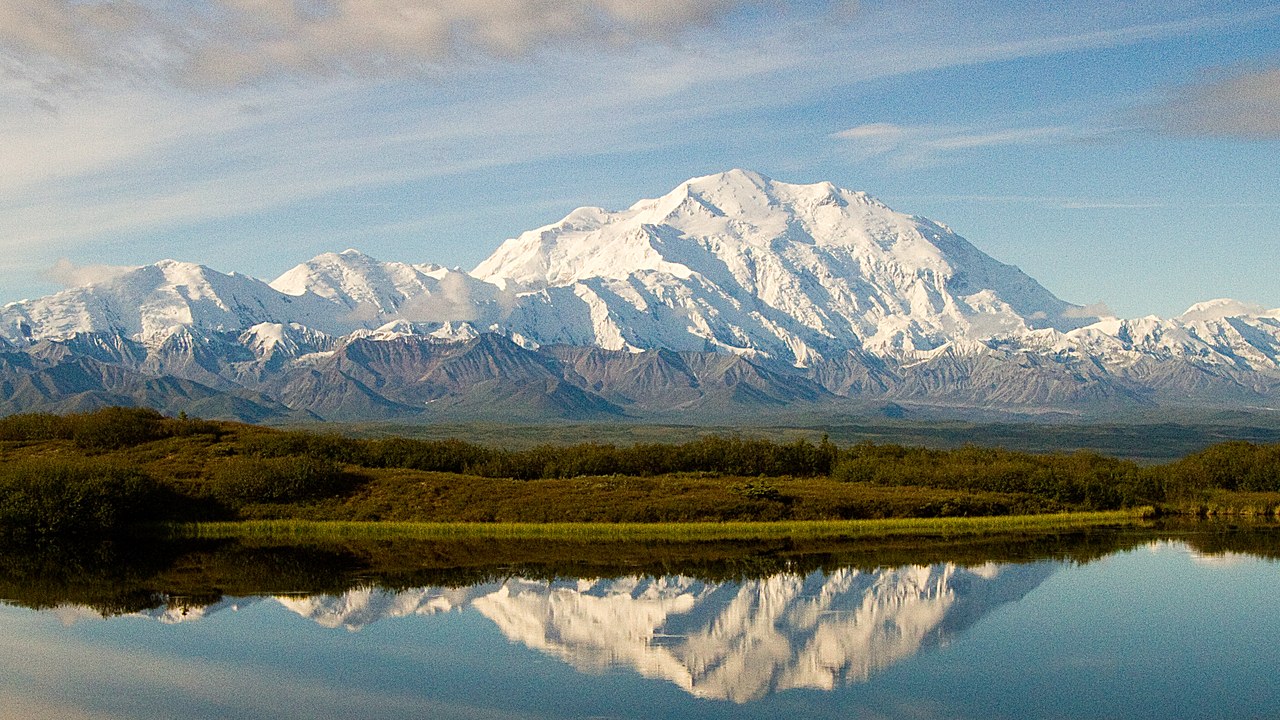
Denali recorded a low of minus 59.7°C (minus 75.5°F) in early December 2003, according to earth.com’s cold-places list. The mountain rises in Alaska, and the measurement shows its winters reach levels that approach some of the extremes found in Siberia and Antarctica.
A reading like this explains why the peak is treated as a serious cold-weather environment. Climbers and anyone else heading up the mountain in winter would face temperatures in that range, so protective gear and planning matter as much as technical skill.
8. Vostok Station: The Coldest Air Temperature at a Station
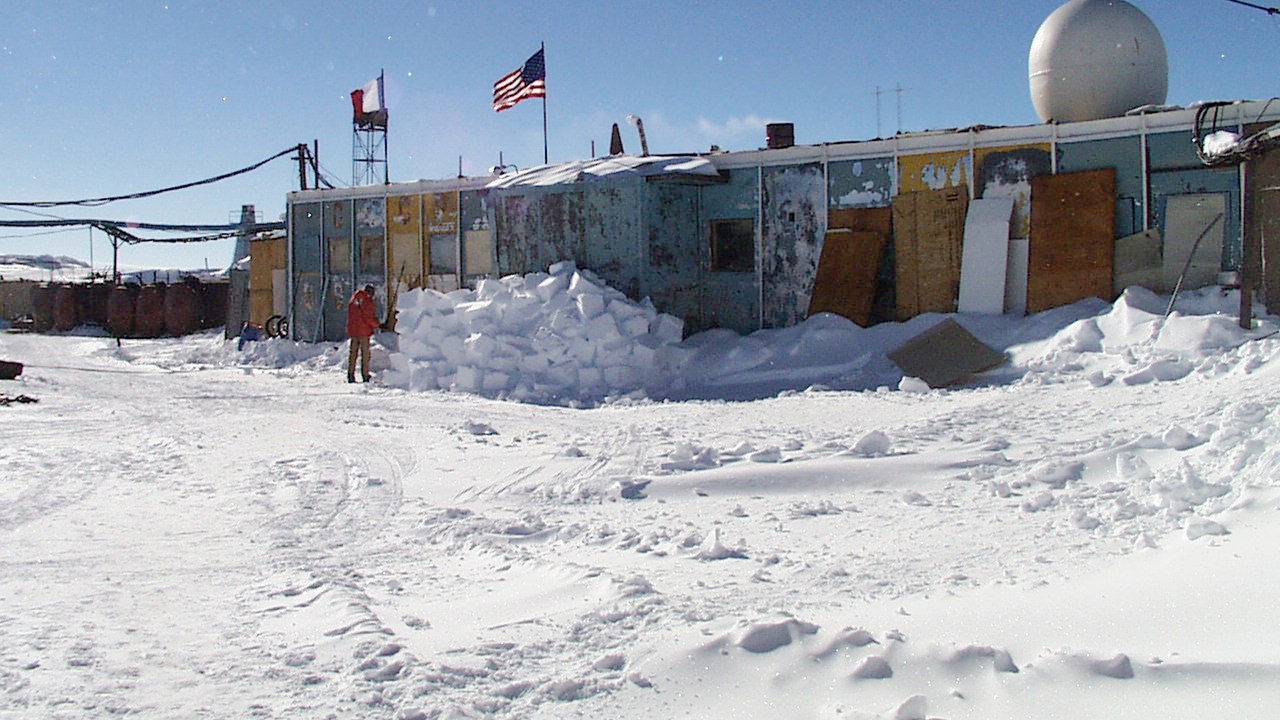
Vostok Station recorded minus 128.6°F (minus 89.2°C) in 1983. The figure stands in NASA’s scientific visualization as the long-standing benchmark, set at the Russian research station on the East Antarctic ice sheet.
The Vostok reading matters because it comes from an instrument sitting in the air, not from a satellite scanning the snow surface. That difference explains why it stood as the benchmark for decades before the 2010 satellite measurement went lower. Anyone comparing the extremes on this list should keep the two methods apart, since a station thermometer and an orbital surface reading answer different questions about cold.
9. International Falls, Minnesota: The Icebox of the Nation
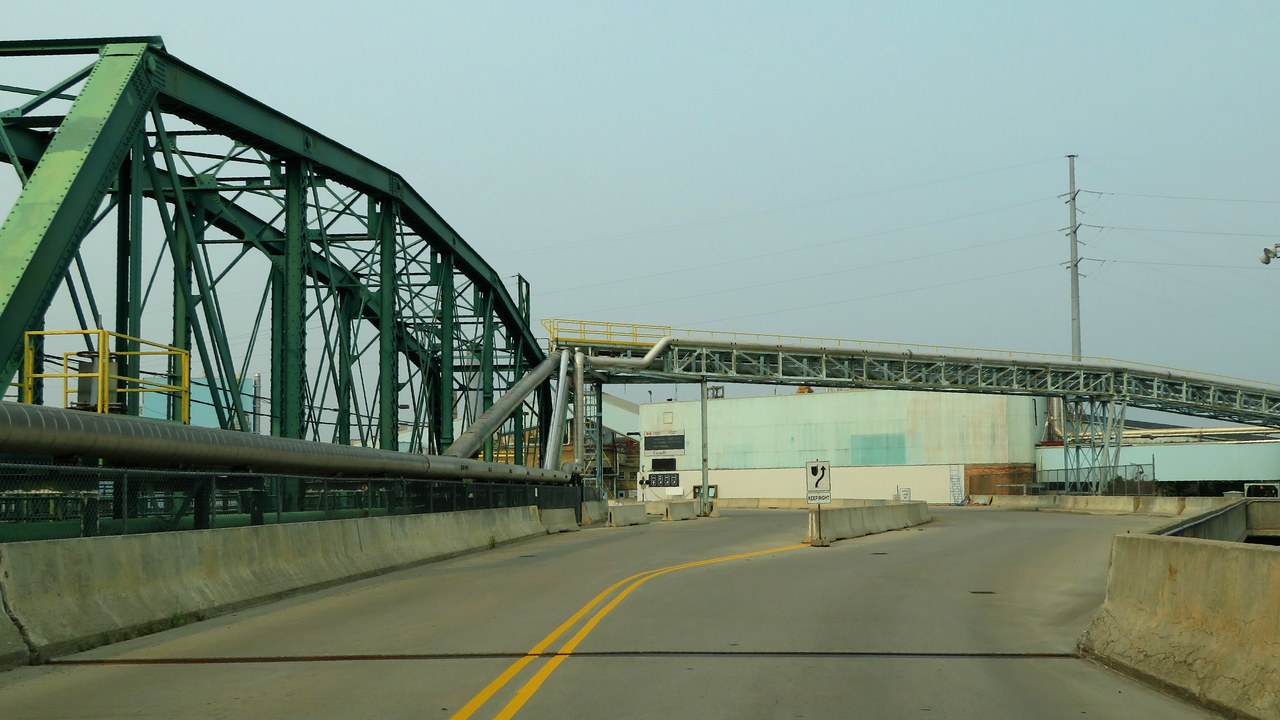
International Falls, Minnesota, has a historic low of minus 55°F (minus 48.3°C), according to trvst.world’s coldest-places piece. The border city sits on the Canadian line.
The figure is mild next to the Siberian and Antarctic marks above, but it still falls far below anything most Americans ever experience. It shows that serious cold is within reach of the lower 48 states, and the town’s reputation rests on that fact. Anyone visiting in midwinter should be ready for conditions well below zero.
10. Ulaanbaatar: The Coldest Capital
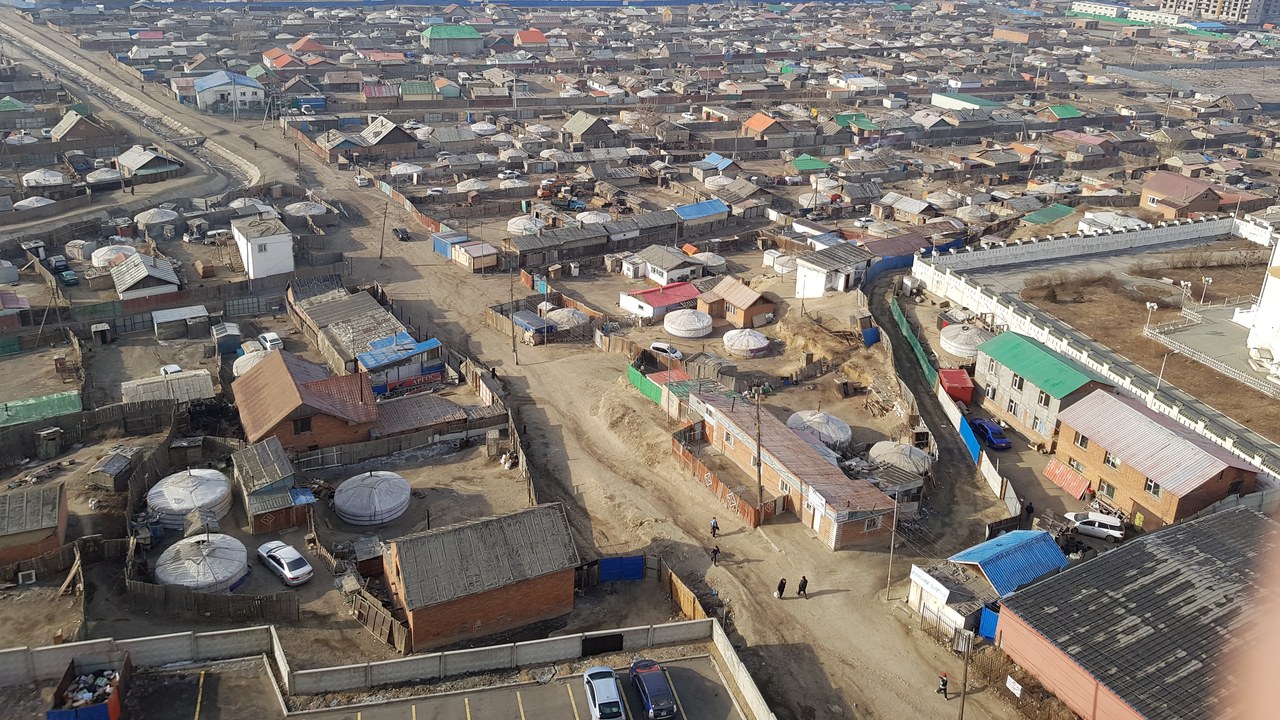
Ulaanbaatar has an average low of minus 14.62°F (minus 25.9°C), according to trvst.world’s coldest-places piece. The Mongolian capital appears here with an average, not a record low, which makes it a different kind of entry from the extremes above.
The average matters because it describes an ordinary winter low, not a once-in-a-century plunge. A city can sit well above the all-time records and still be among the coldest places where large numbers of people live. Visitors planning a winter trip should expect cold that is routine, not exceptional, and pack accordingly.
More from Morning Overview
- Long use of a common prostate pill is tied to a higher chance of glaucoma
- Ford is recalling 223,472 F-150 pickups because the fuel tank can leak or detach
- Hybrids have 15% fewer problems than gas cars, while EVs and plug-in hybrids have about 80% more, Consumer Reports finds
- Regulators cleared the first U.S. small modular reactor, 4 months early
