
Impact craters record some of the most violent events in the planet’s history, and many remain visible long after the rocks that made them arrived. The structures range from a ring roughly 250 kilometers wide to a pond-filled pit only 110 meters across. Here are twelve craters that show how large, how old and how varied those scars can be.
1. Vredefort crater: Largest of the Lot
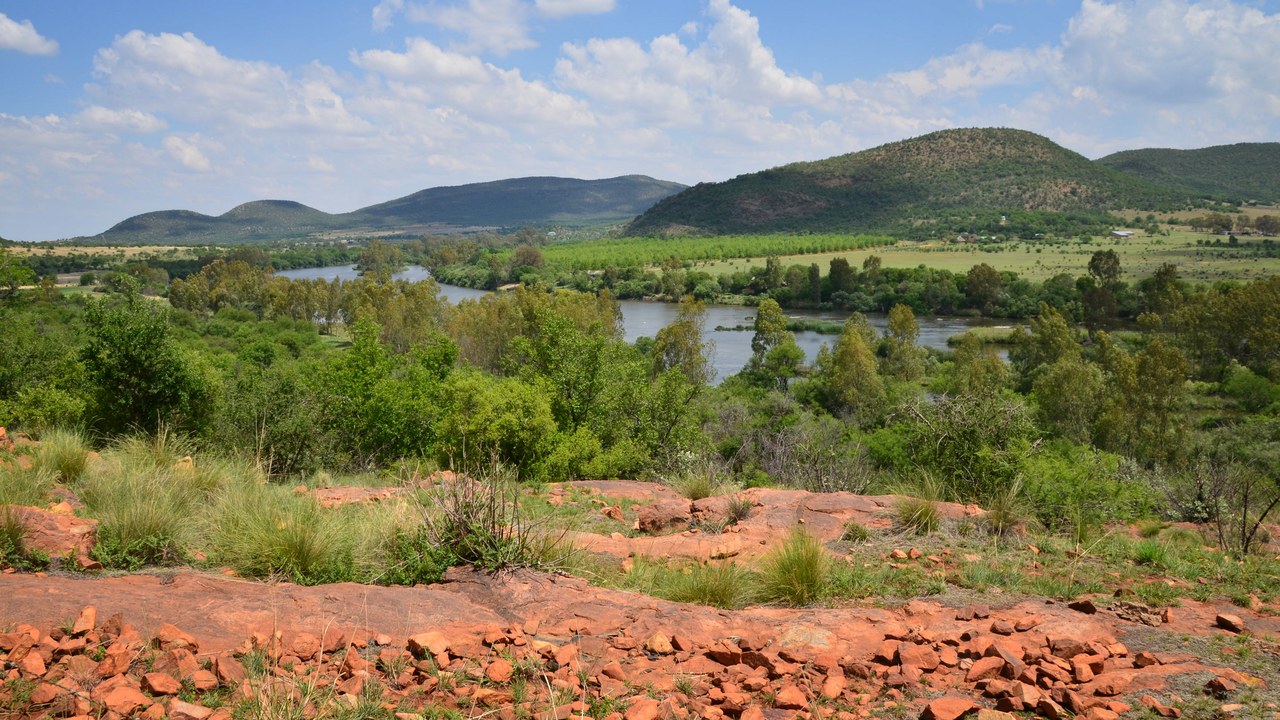
Vredefort tops this list with a diameter of approximately 250 kilometers. Its age is about two billion years. The figure comes from Universe Today‘s survey of the most impressive impact craters,.
Erosion has stripped away most of the original basin over such a span, so visitors in South Africa see a worn dome of rock and rolling hills rather than a bowl. The sheer scale is what earns the place at the head of the list, and it explains the headline’s upper limit of 250 kilometers.
2. Manicouagan crater: A Ring Seen From Orbit
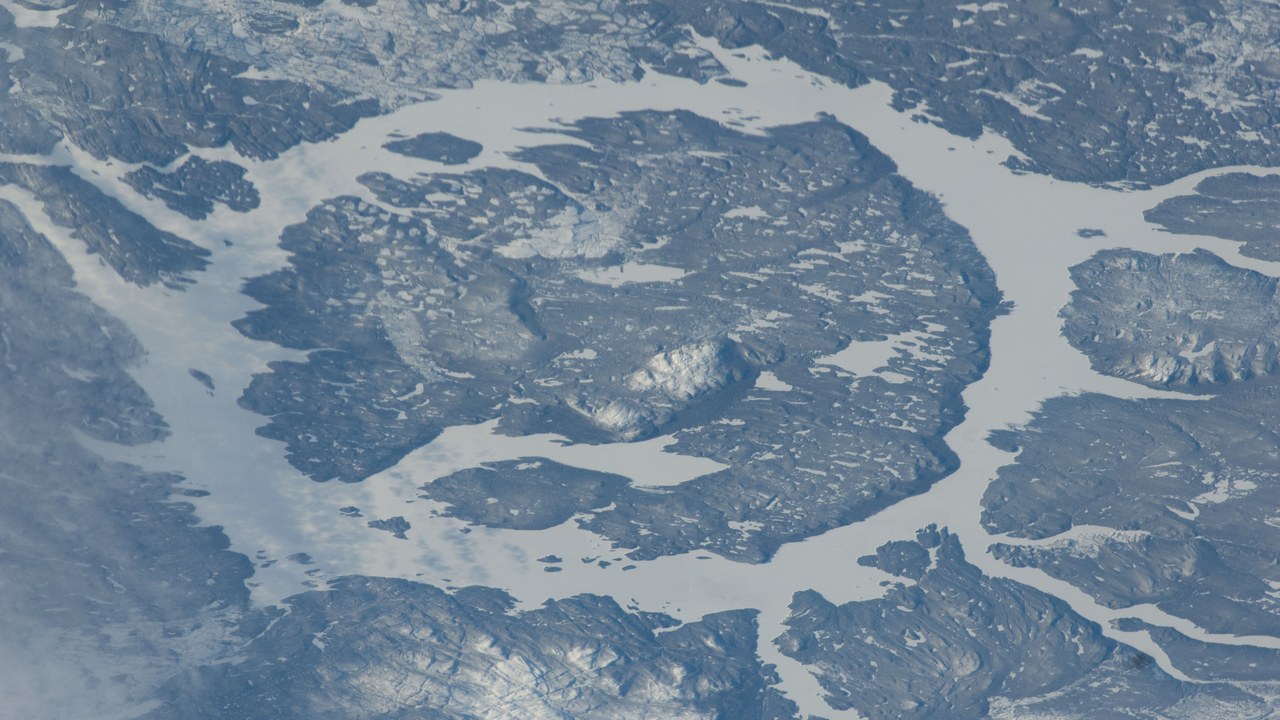
Manicouagan measures about 62 miles (100 kilometers) across and formed approximately 215 million years ago, according to a fossil dealer guide to famous meteorite craters. The structure is best known from orbit, where its ring of water stands out against the surrounding terrain.
Time has softened the original crater walls, which is why the circular outline now reads most clearly from space rather than from the ground. At roughly 215 million years old, it is far younger than Vredefort yet still among the largest impact structures visible on the surface, and it makes an easy case for why satellite views suit this list.
3. Kara-Kul: High Plateau, Huge Footprint
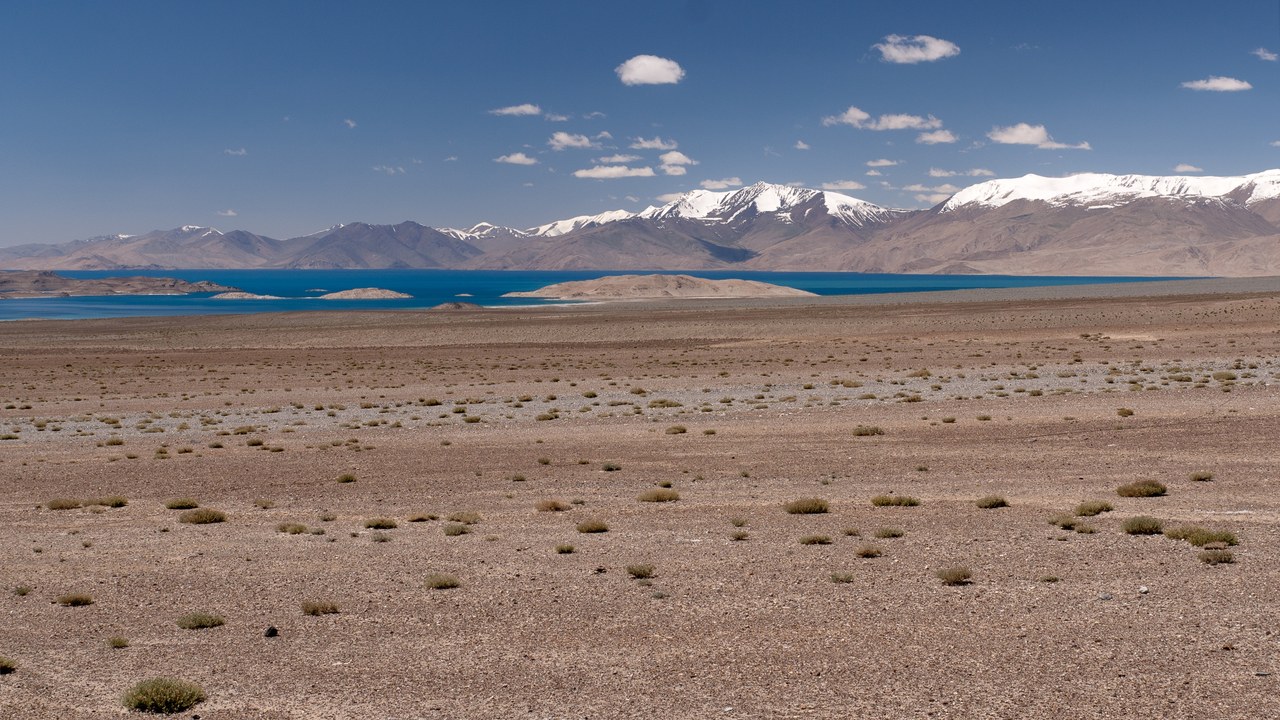
Kara-Kul is a crater about 45 km in diameter that formed about 10 million years ago, a figure reported in the Universe Today ranking of striking impact sites. It sits in Tajikistan, where the lake that fills part of it lies beneath a backdrop of snow-capped peaks.
Ten million years is young by crater standards, yet the structure is already large enough that its outline is hard to take in from the ground. Anyone reading the landscape at ground level sees a lake and mountains, while the 45-kilometer footprint only becomes obvious in wide views, a good reminder of how big these scars really are.
4. Nördlinger Ries: A Basin Under the Farmland
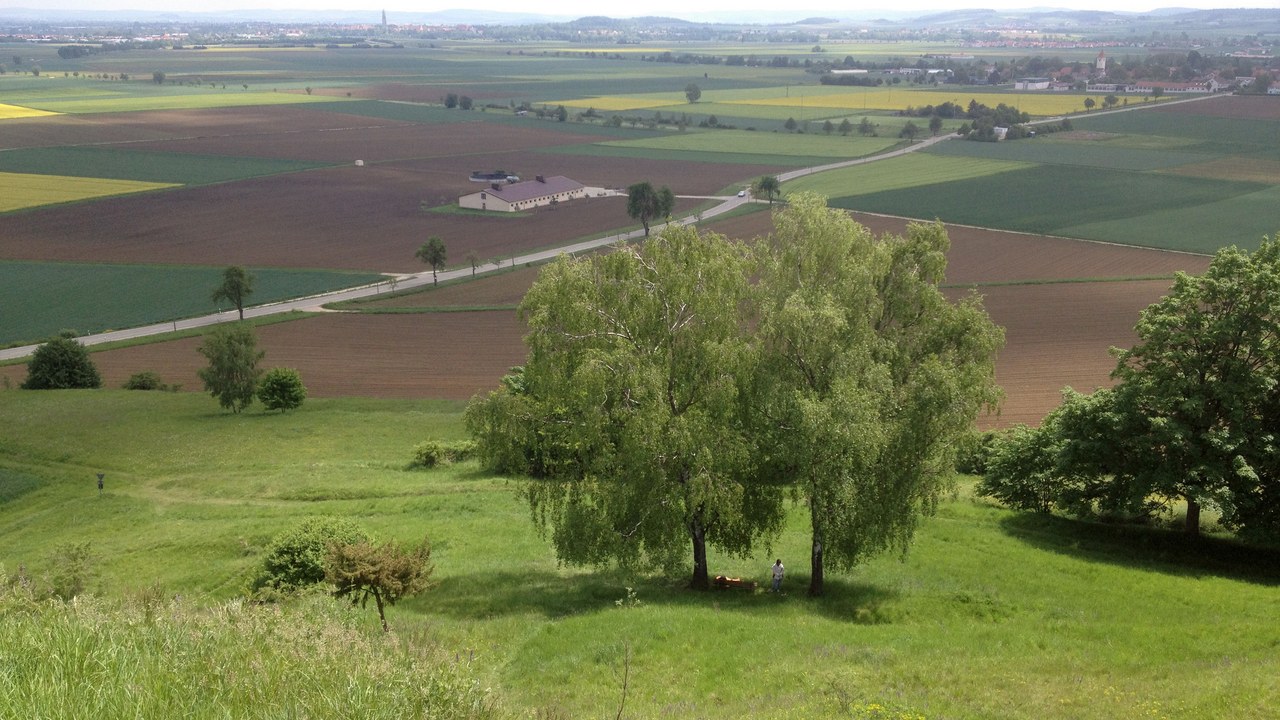
The Nördlinger Ries is about 15 miles (24 kilometers) across and formed approximately 14.8 million years ago, as the fossil guide notes. Unlike many craters on this list, it is not a dramatic hole, because the basin in southern Germany has since filled and settled into the landscape.
Its gentle, rolling character shows how an impact structure can hide in plain sight once sediment and farmland take over. At 24 kilometers wide, it is large enough to hold towns and fields inside its rim, so the evidence is often read from the lay of the land rather than from any visible crater wall.
5. Gosses Bluff: A Ring Worn Down by Time
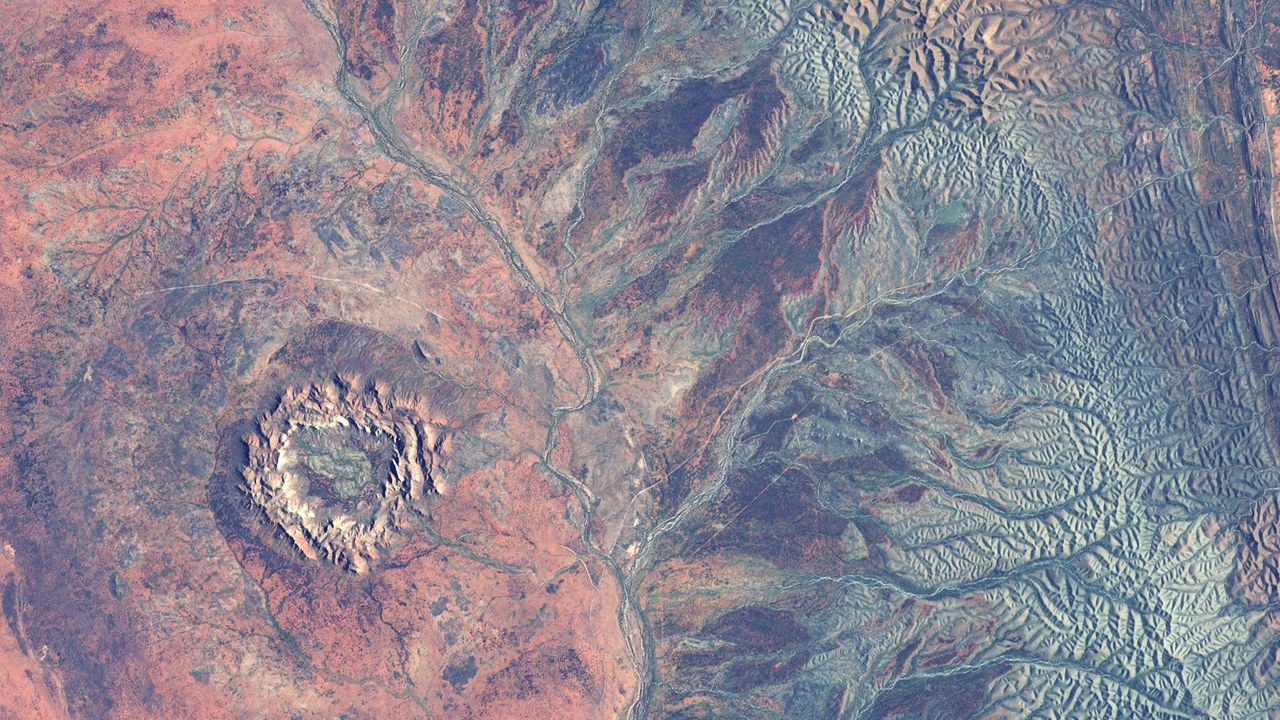
Gosses Bluff was originally about 14 miles (22 kilometers) across and formed around 142 million years ago, based on this catalog of craters. The word originally matters here: erosion over that long span has worn the structure down, leaving a ring of hills in the Australian outback.
What remains is a fraction of the initial scar, yet the circular pattern is still plain from above. At about 142 million years of age, it shows how much an impact structure can lose while still announcing itself, and it still reads clearly as a circle.
6. Aorounga crater: A Saharan Bullseye
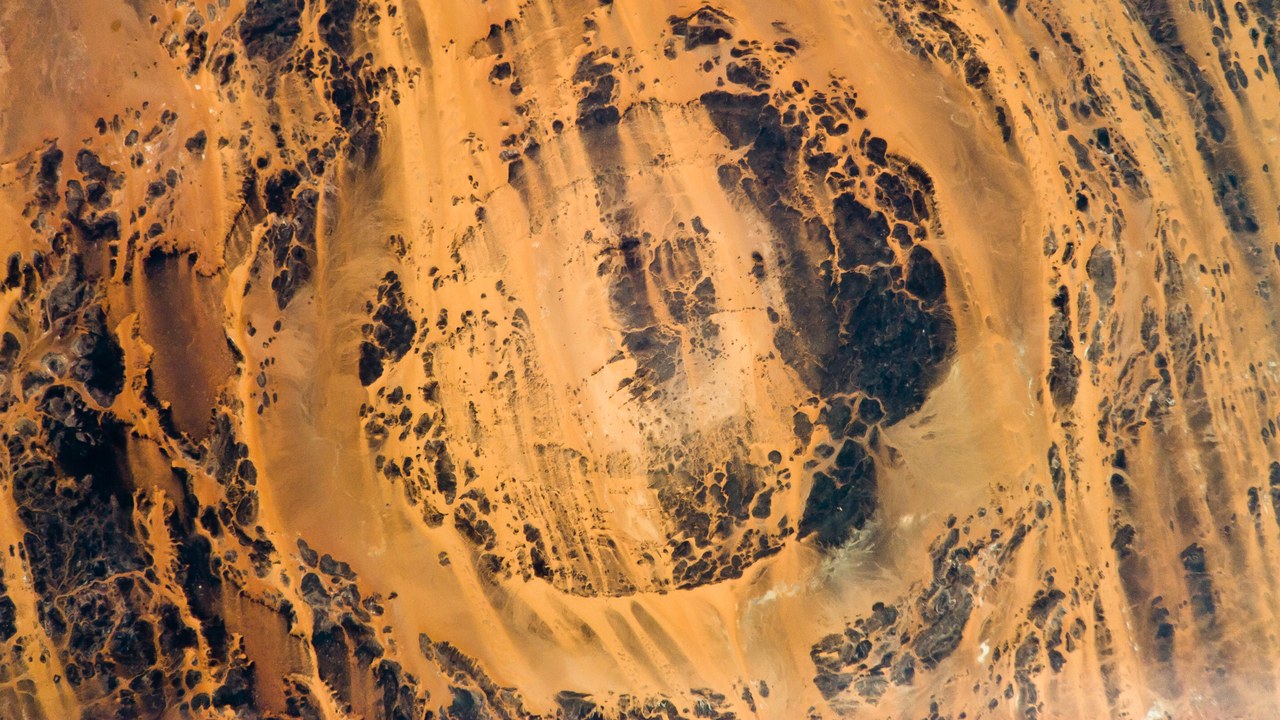
Aorounga is a Sahara impact structure about 345 million years old, listed among the most visually impressive craters by Amusing Planet. It sits in the desert of northern Chad, where bare rock and wind-blown sand leave little to hide its concentric outline.
At roughly 345 million years, it is one of the older entries here, and its survival owes much to the dry, sparsely vegetated setting. Astronaut and satellite pictures show the rings far better than any view from the ground, which makes this a prime example of a crater that is best appreciated from orbit.
7. Lake Bosumtwi: A Lake Filling the Bowl
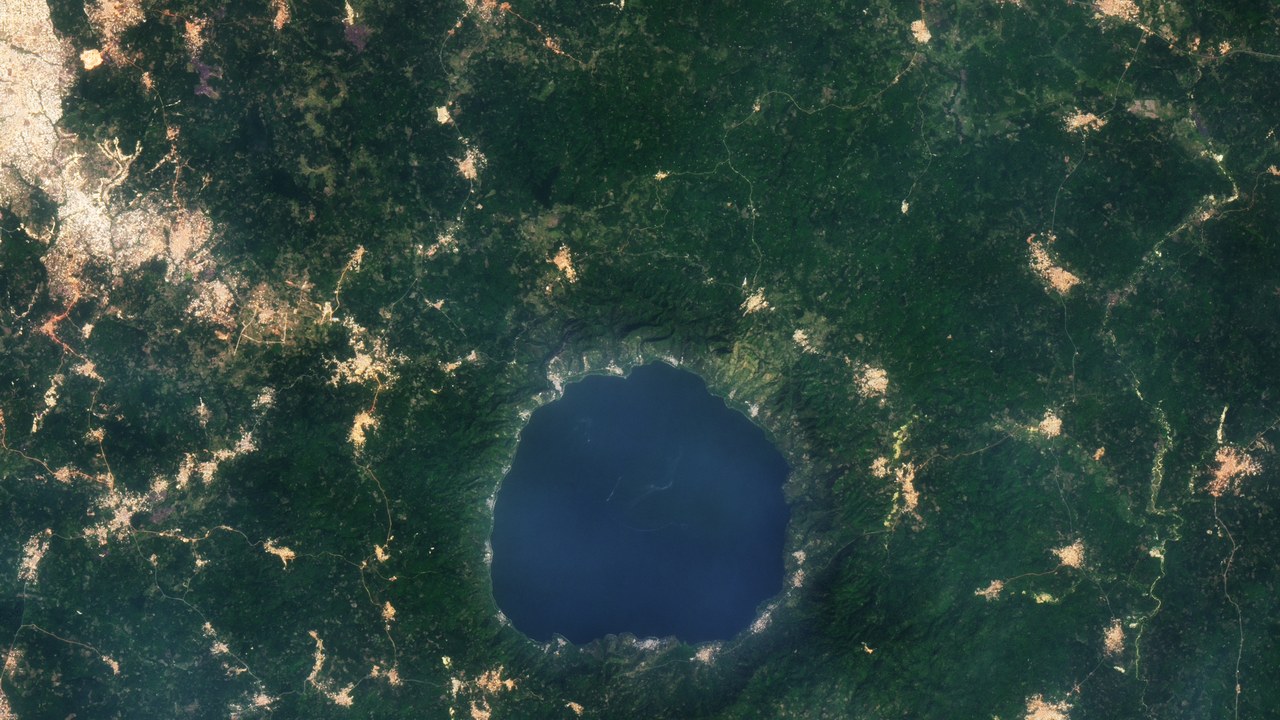
Lake Bosumtwi is about 10.5 km in diameter and about 1.3 million years old, figures given in the Universe Today list of impressive craters. The crater in Ghana now holds a lake, and the roughly circular shoreline traces the original rim.
At 1.3 million years, it counts as one of the youngest large craters on the list, so the bowl is still well preserved against the green forest around it. That freshness is the reason it photographs so cleanly from above, with the dark water sitting inside a nearly round frame.
8. Pingualuit crater: A Frozen Eye in the Tundra
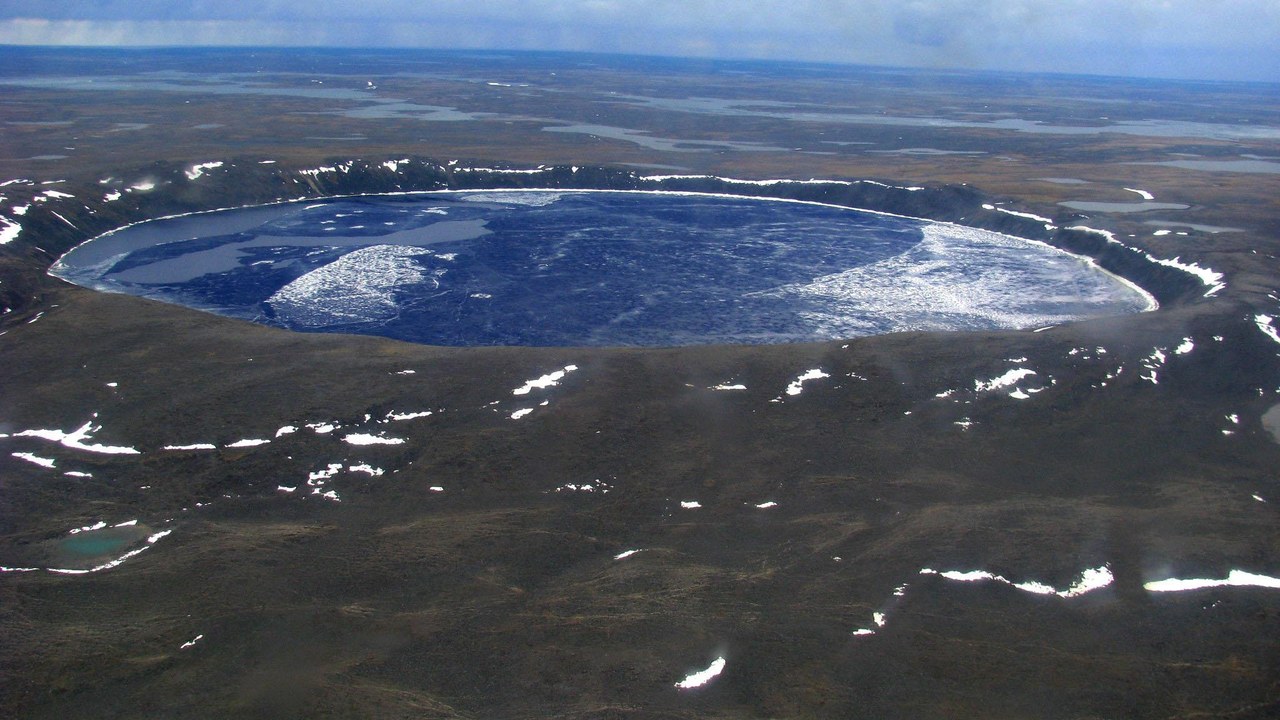
Pingualuit is 3.44 km wide and formed roughly 1.4 million years ago, according to the Amusing Planet piece on visually impressive impact craters. Located in northern Quebec, it holds a deep, round lake ringed by raised walls.
The crisp, nearly perfect circle is a result of the crater being comparatively young at 1.4 million years, with its rim still standing clear of the tundra. It is much smaller than the giants at the top of the list, yet its symmetry and ice-capped water make it one of the most photogenic craters on Earth.
9. Lonar crater: A Basalt Bowl With a Lake
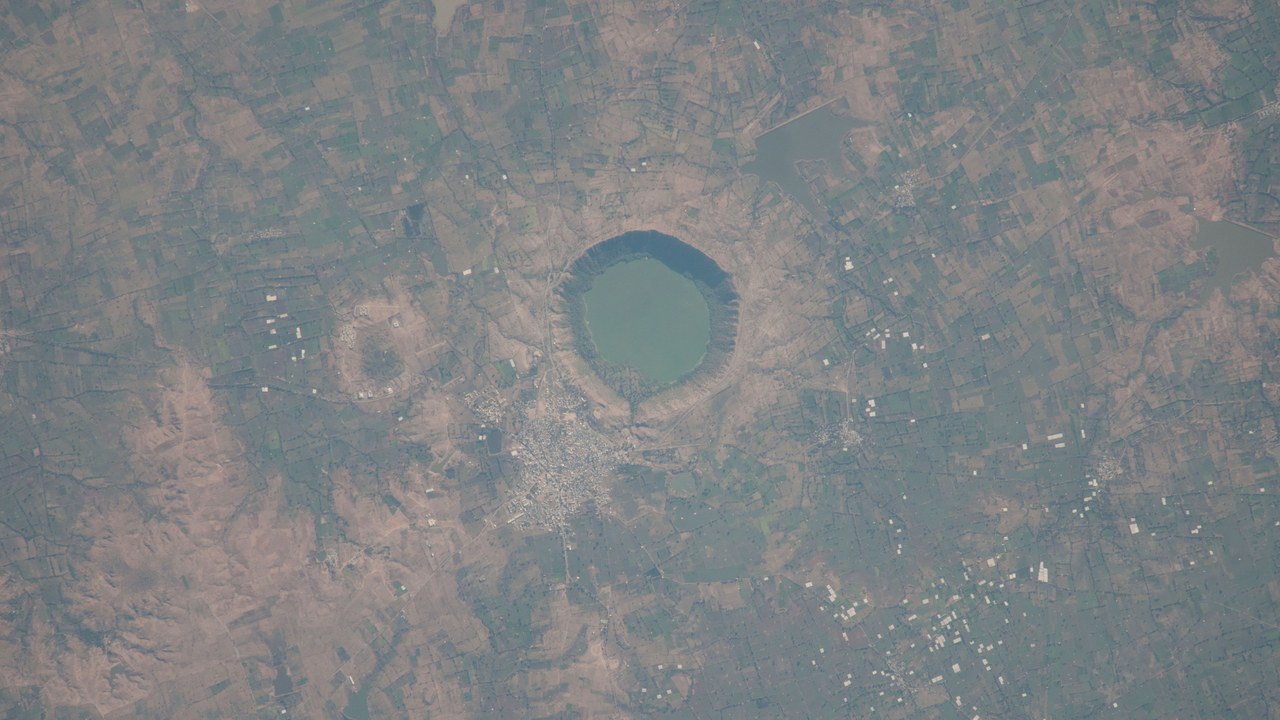
Lonar is about 1.1 miles (1.8 km) wide and formed 52,000 ± 6,000 years ago, as the fossil guide reports. That makes it one of the youngest craters on the list, and the lake now sitting in the bowl is its defining feature in India.
The small error bar on the date reflects careful dating of a recent event in geological terms. Because it is only tens of thousands of years old, the bowl has had little time to erode, and the round shape of the lake seen from above makes it among the cleanest examples of a recent impact.
10. Meteor Crater: The Textbook Case
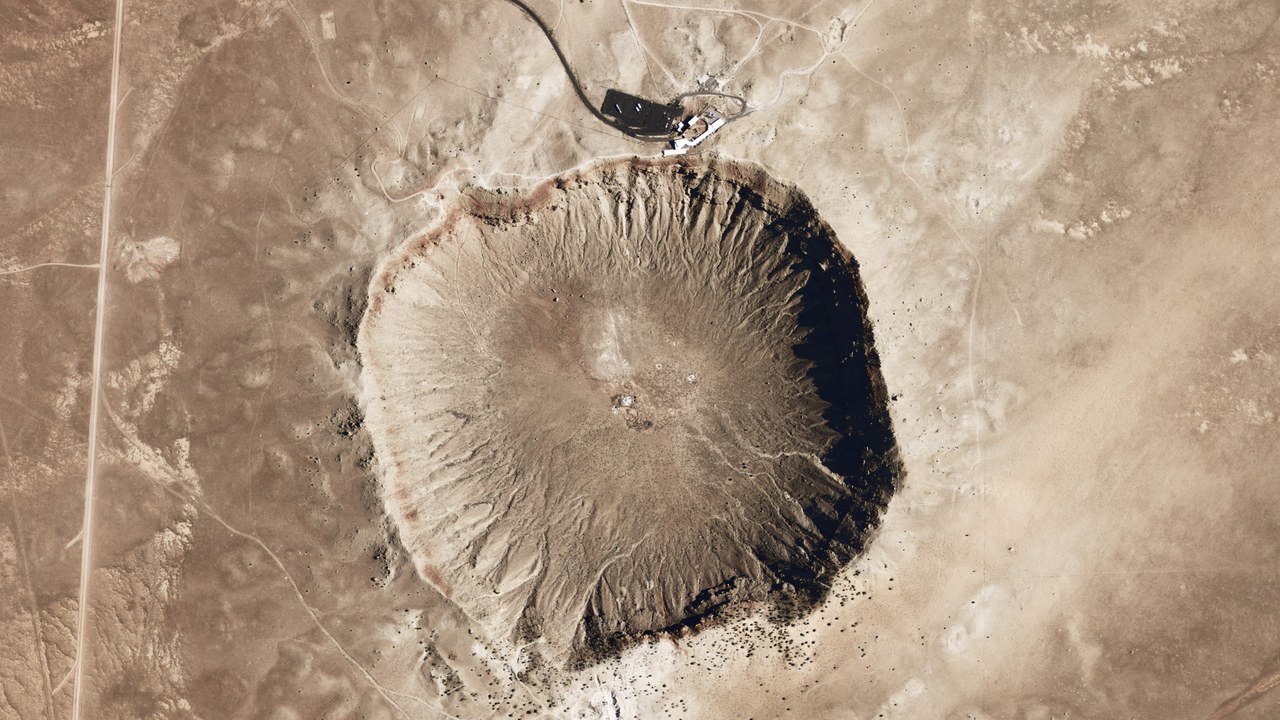
Meteor Crater is a 1,300-meter (0.8-mile) wide, 174-meter (570-foot) deep hole in the Arizona desert, as NASA Earth Observatory describes it. It is also known as Barringer Crater, and it is among the most recognizable impact sites anywhere.
Its depth of 570 feet makes the scale easy to grasp in a way that vast, eroded structures cannot. That clarity is why this crater is so often used as the standard example of what an impact leaves behind, and why scientists keep returning to it to study how such structures form.
11. Wolfe Creek crater: Outback Impact Site
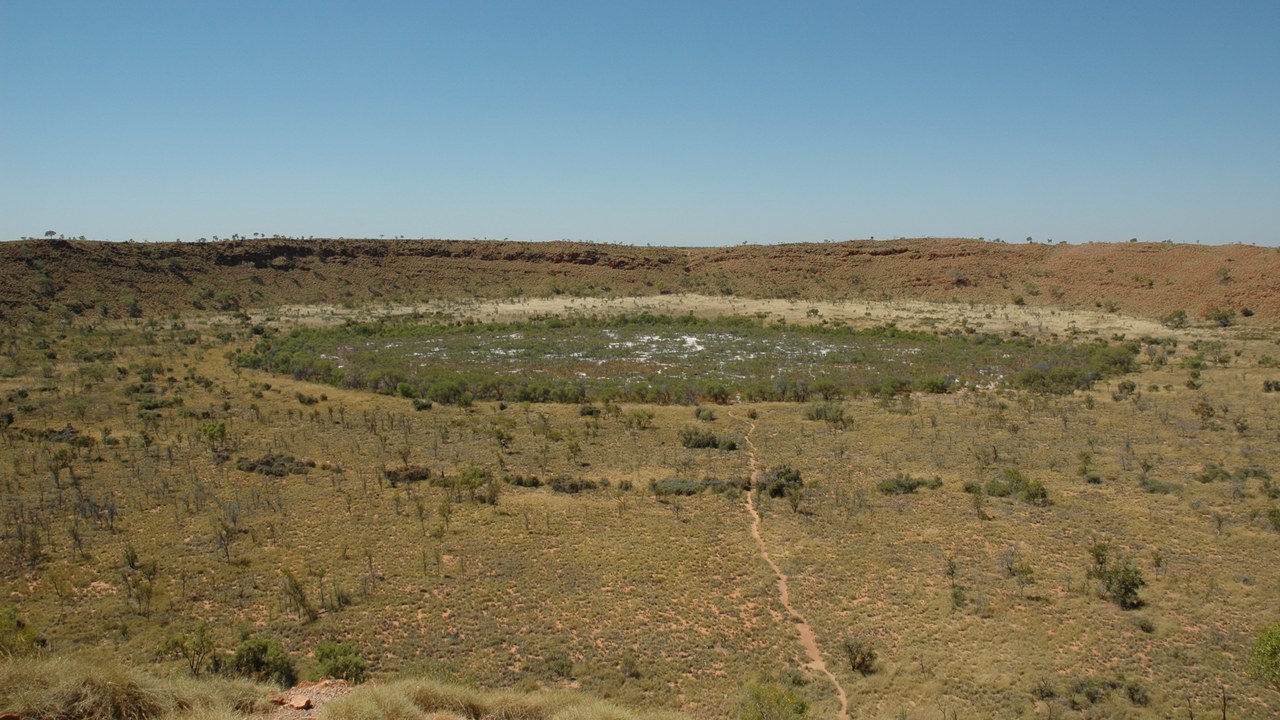
Wolfe Creek is 880 meters across and about 300,000 years old, according to the Universe Today roundup. The crater in Western Australia sits in flat, arid country, which leaves the roughly circular rim easy to pick out.
At 880 meters it is small next to Vredefort, but at 300,000 years of age it is far fresher than the ancient giants. The dry climate has helped preserve the shape, and the nearly empty surrounding plain gives the crater a clear focal point from almost any angle, on the ground or from the air.
12. Kaali crater: Largest of Nine
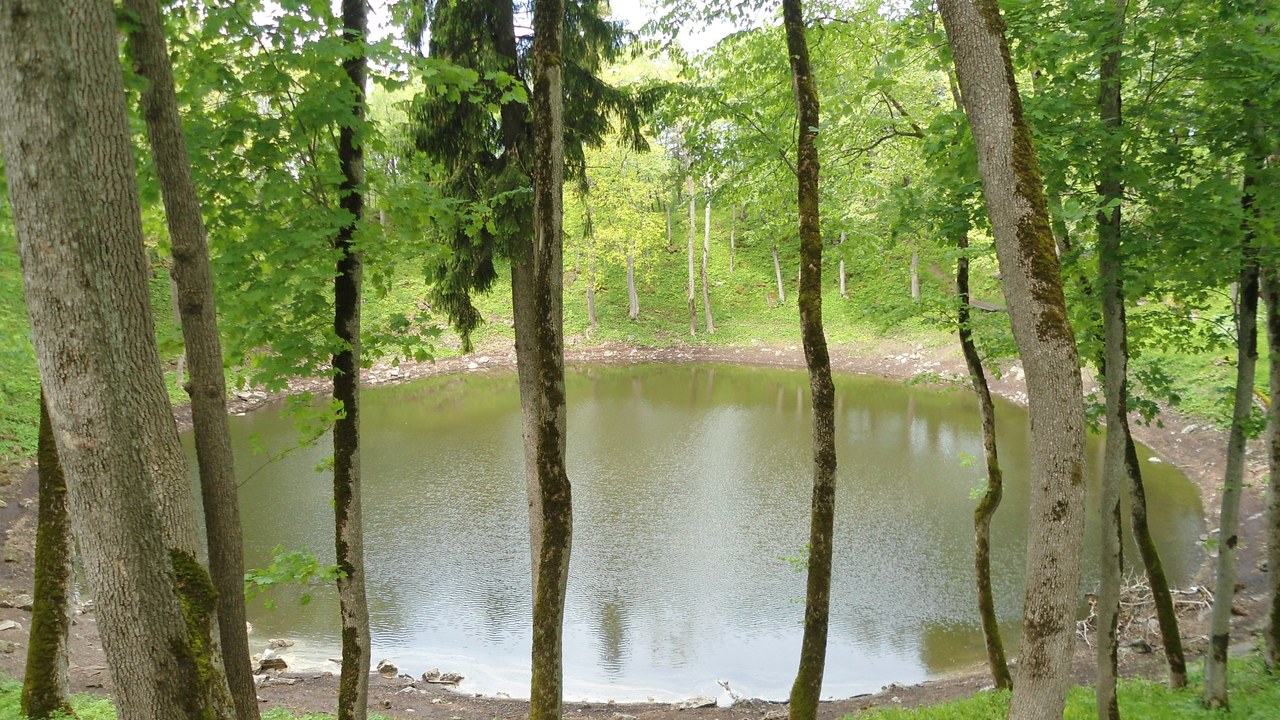
Kaali is the largest of nine craters at 110 meters, and it formed 7,600 years ago, per Amusing Planet. Set in Estonia, the main crater holds a small pond and is surrounded by trees.
With a diameter of just 110 meters, it is by far the smallest entry here, a reminder that the list runs from structures 250 kilometers wide down to a crater a person can walk across. Its age of 7,600 years makes it recent enough to sit within the span of human history, which adds to its appeal.
More from Morning Overview
- Two passengers died at an Ohio toll plaza, and the NTSB now wants the cash lanes shut
- Long use of a common prostate pill is tied to a higher chance of glaucoma
- Ford is recalling 223,472 F-150 pickups because the fuel tank can leak or detach
- Hybrids have 15% fewer problems than gas cars, while EVs and plug-in hybrids have about 80% more, Consumer Reports finds
