
Across the United States, a number of animals are down to populations small enough to count in the dozens, hundreds or low thousands. Federal agencies track each one, from a wolf in North Carolina to whales, seals, turtles, birds and salmon. Here are twelve American animals living close to the edge of extinction.
1. Red wolf: Fifteen Animals Left in the Wild
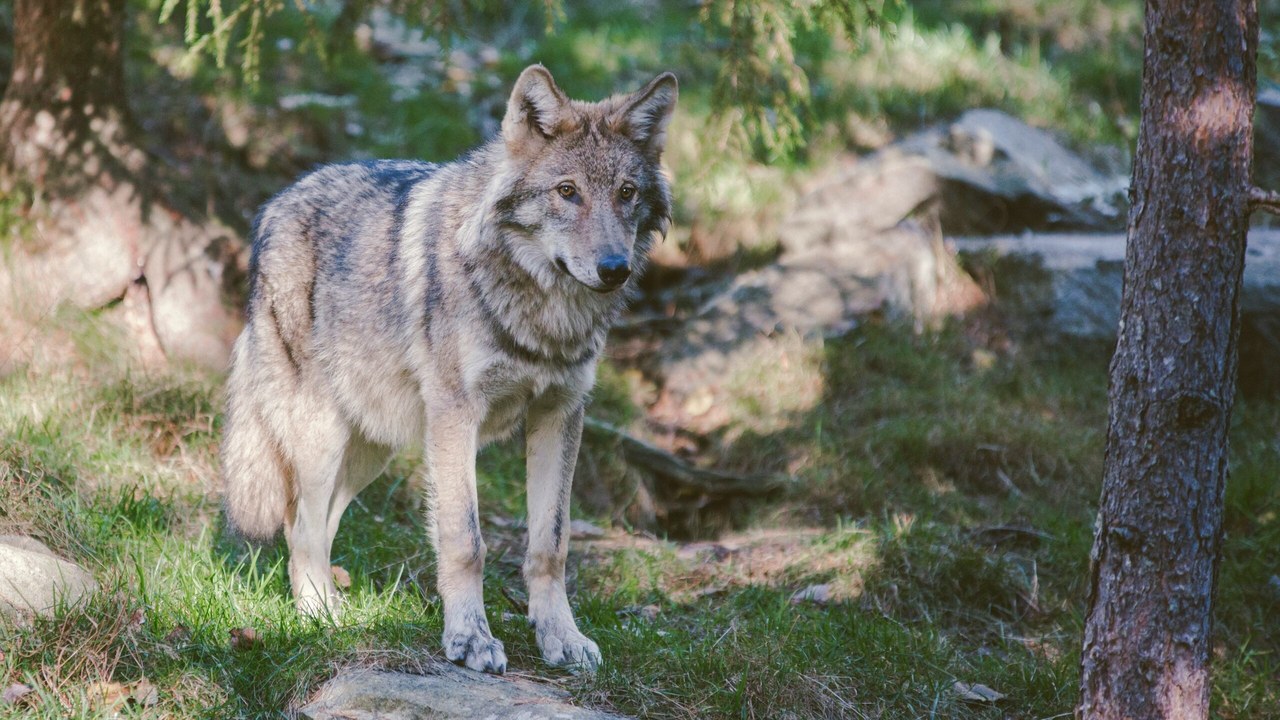
A count of about 15 to 17 sets the red wolf apart from every other animal on this list, and about 15 to 17 red wolves describes those animals as roaming eastern North Carolina. The agency calls it the world’s most endangered wolf, a label that follows directly from numbers small enough to count almost one animal at a time.
For anyone following conservation, the figure shows how thin the margin is. A population this small leaves almost no room for losses, so every single animal in eastern North Carolina matters to the species’ survival there.
2. Southern Resident orca: Seventy-Four and Counting
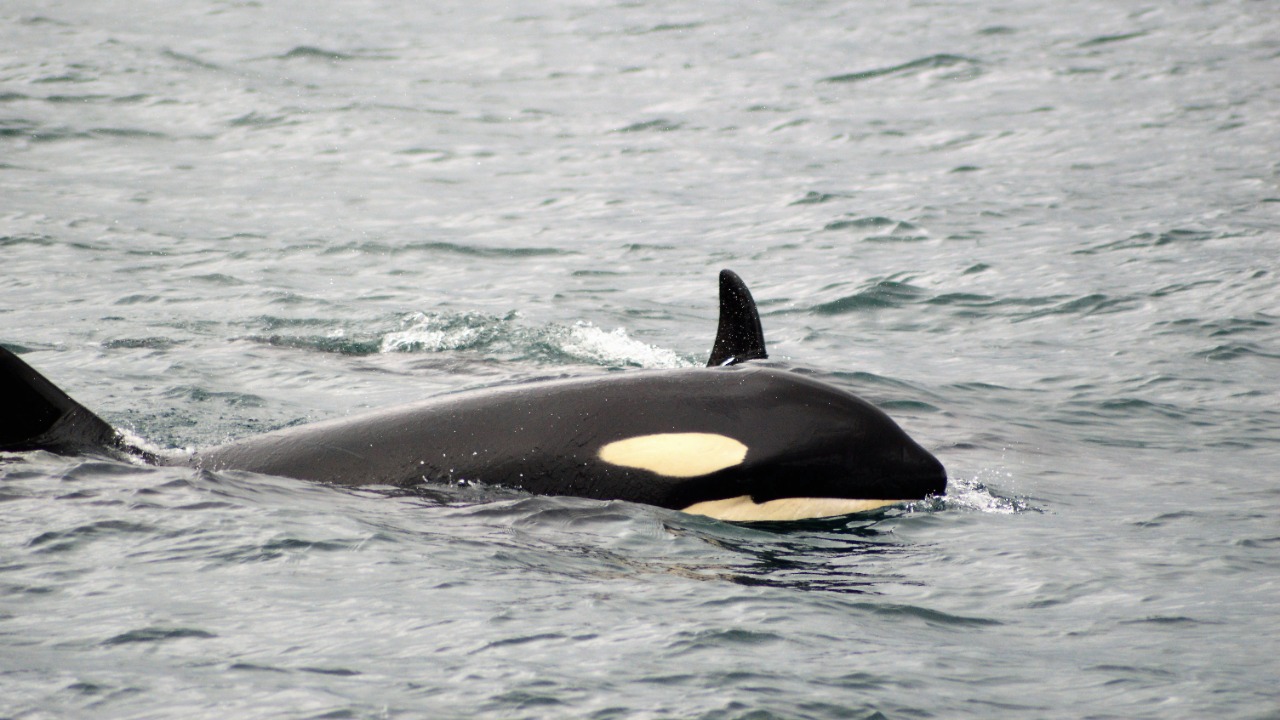
The July 2025 census counted only 74 whales in this endangered Puget Sound population, and a census count of 74 treats the group as a distinct, protected population of killer whale. That tally is a snapshot of a community small enough that a census can name its size in two digits.
The takeaway for readers is scale. A population of 74 is a handful of families, which is why a single census year carries so much weight in judging whether the group is holding on or slipping.
3. Cook Inlet beluga: From 1,300 to 331
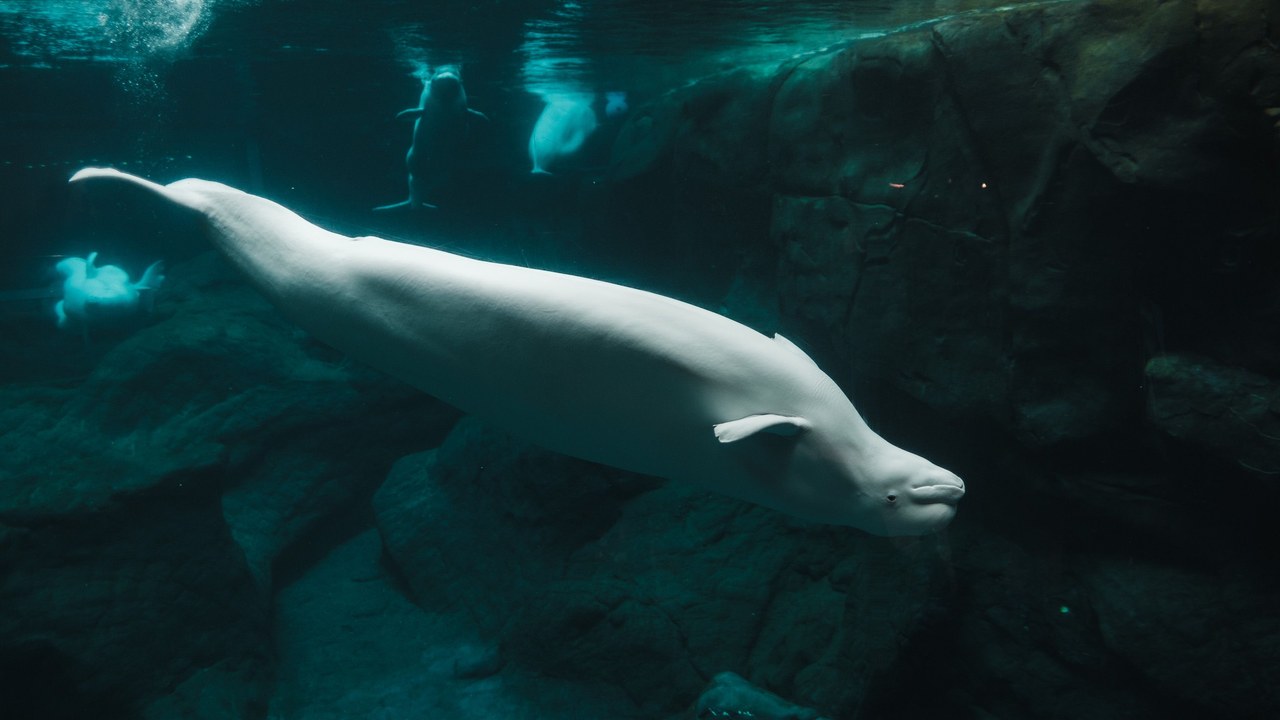
Cook Inlet belugas once numbered about 1,300 in 1979, and the latest estimate is 331, according to NOAA Fisheries beluga profile. That is a steep fall across the decades between the two counts, leaving these whales a fraction of what they were.
The comparison is the point. Measured against its own starting figure, this population has shrunk dramatically, and the current estimate shows how far recovery would have to travel to reach anything like the earlier level.
4. North Atlantic right whale: The Most Critically Endangered Great Whale
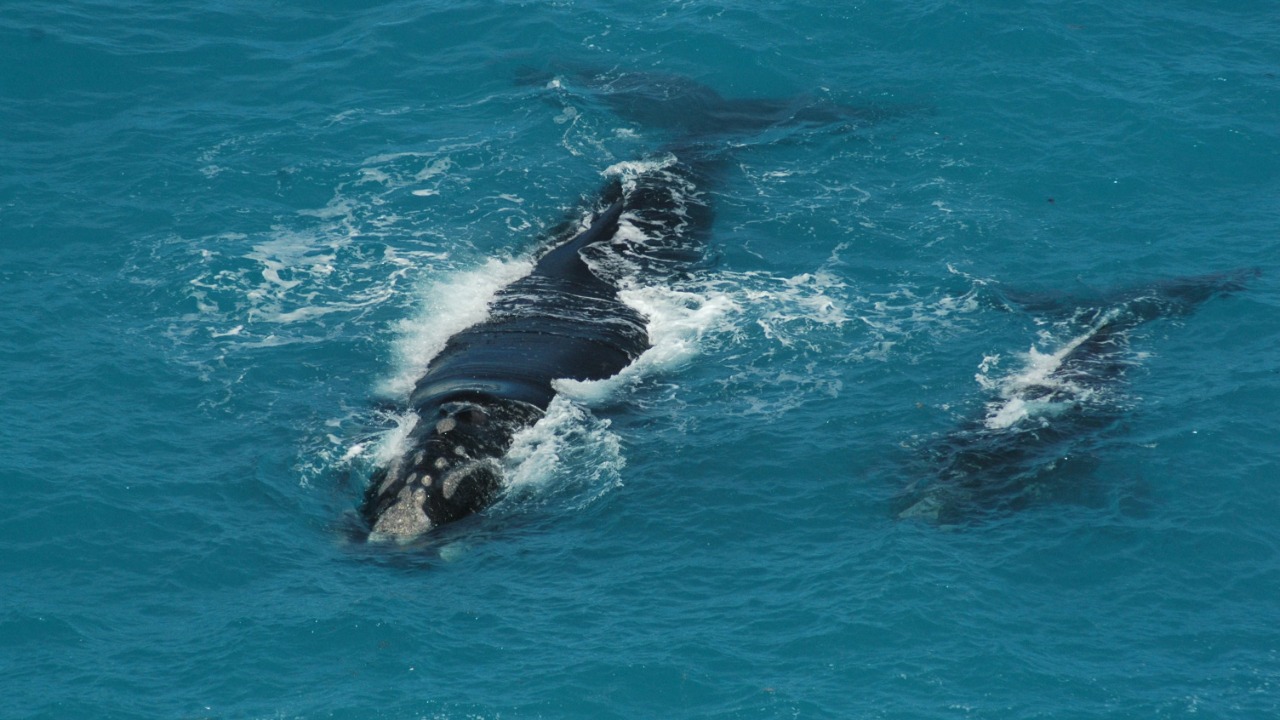
One phrase sums up this animal: Stellwagen Bank sanctuary guidance describes it as the most critically endangered of the great whales. Among the largest animals in the ocean, it sits at the top of the list for extinction concern, a ranking that leaves little ambiguity about its standing.
For whale watchers and policy followers alike, that description frames the species as the most urgent case among the giants of the sea, and it explains why this animal earns a place near the front of any near-extinction conversation.
5. Hawaiian monk seal: A Third of Its Historic Size
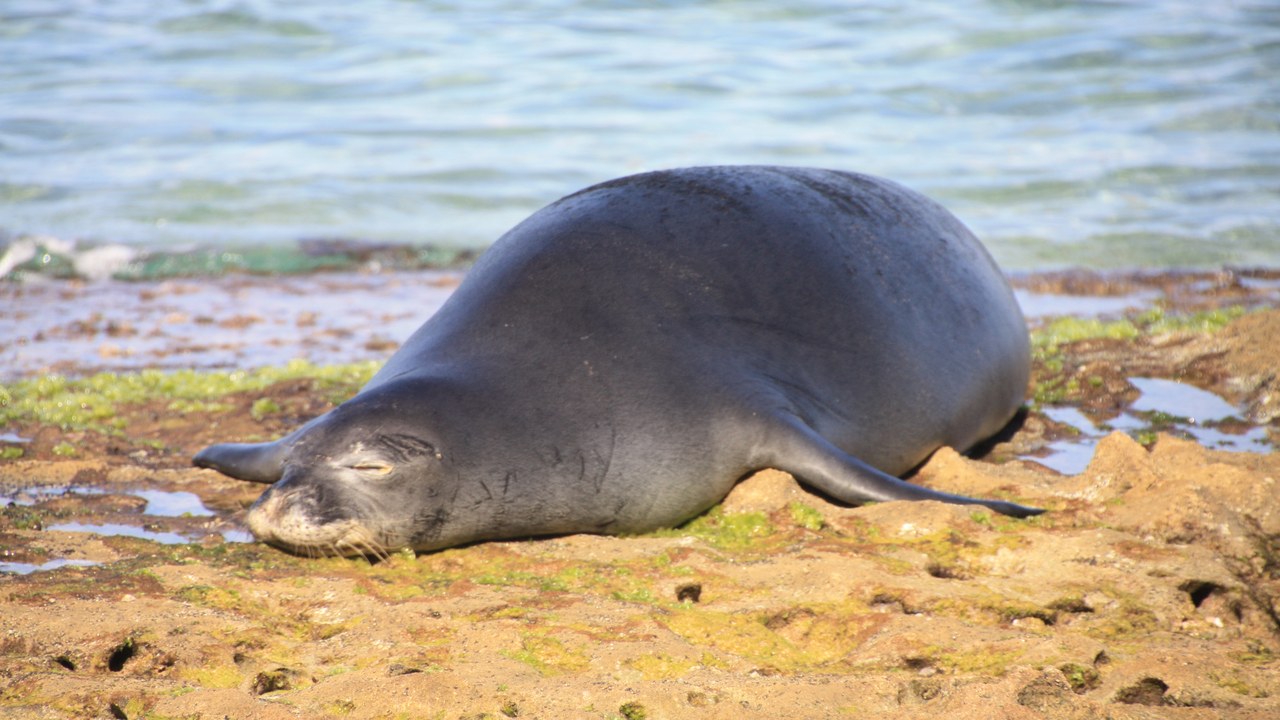
Around 1,600 Hawaiian monk seals are left, about a third of the historic population, and NOAA’s Hawaiian monk seal page counts the species among the world’s most endangered seals. The comparison with the past shows that the species has lost roughly two thirds of what once existed.
That combination of a modest present count and a large historic loss makes the animal a clear example of a population that remains far below its former strength, even with about 1,600 individuals alive today.
6. Atlantic salmon: From Hundreds of Thousands to 1,200
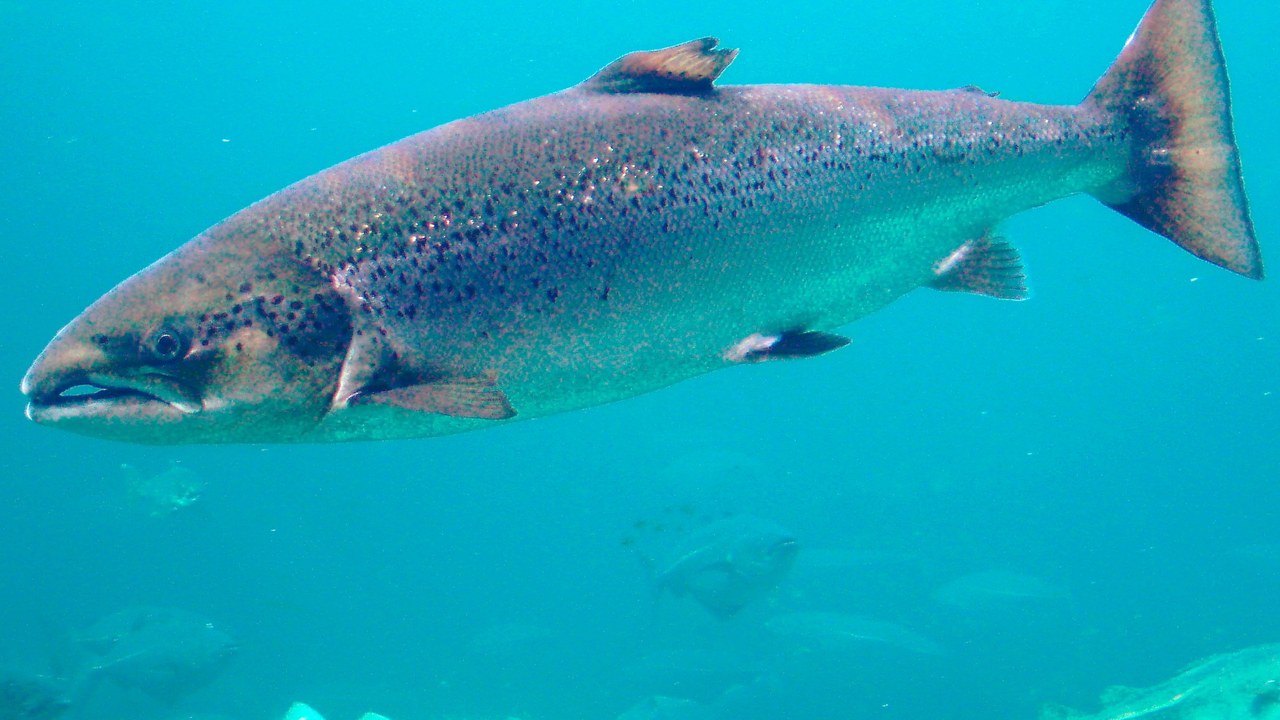
Atlantic salmon once returned by the hundreds of thousands, but only around 1,200 return to Gulf of Maine rivers a year, according to NOAA’s protected-salmon profile. The gap between those two figures is the whole story, a collapse of a migratory run that was once abundant.
The yearly return count gives the clearest read on the fish’s health. A run measured in roughly a thousand fish, against a past measured in hundreds of thousands, shows how much has been lost in Gulf of Maine rivers.
7. Pacific leatherback sea turtle: An Ocean Giant in Steep Decline
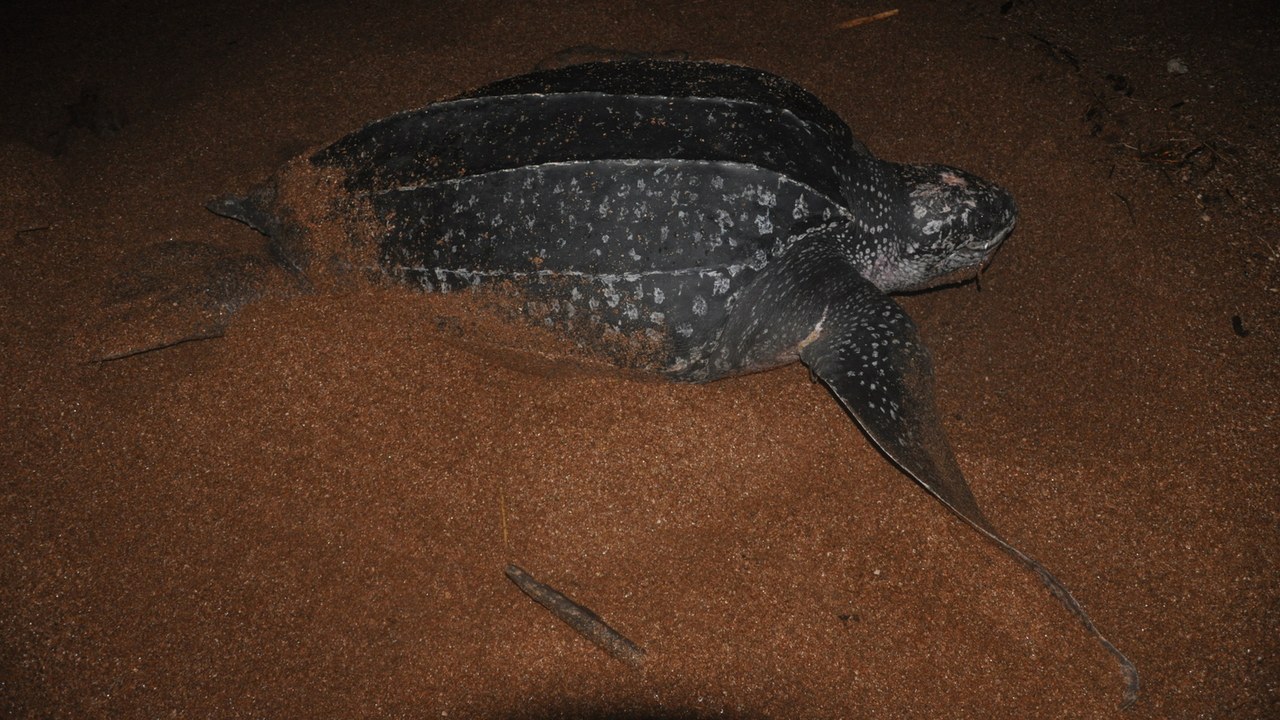
Western Pacific leatherbacks have declined more than 80 percent, and Eastern Pacific leatherbacks more than 97 percent, according to NOAA’s leatherback turtle profile. Those two percentages describe separate Pacific populations of the same sea turtle, each hit by serious losses.
The Eastern Pacific figure is the starker of the two, since a drop of more than 97 percent leaves only a sliver of the earlier population. Both numbers explain why Pacific leatherbacks belong on a list of animals near extinction.
8. California condor: Fewer Than 450 Alive
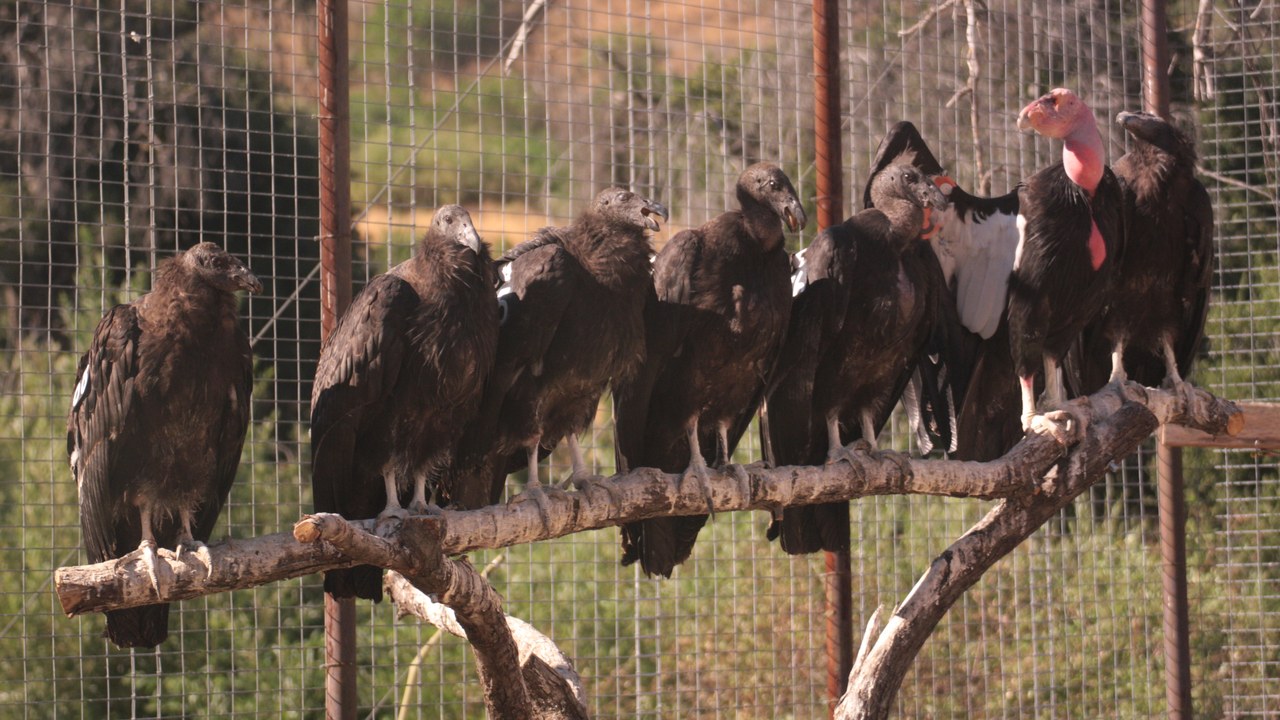
Fewer than 450 California condors are alive, which makes the bird one of the rarest in the world, according to National Park Service raptor guide. A total under 450 for an entire species puts the condor among the scarcest birds anywhere on Earth.
The figure is a reminder that scarcity at this level is a global condition, not a local one. With fewer than 450 birds in existence, the species remains one of the rarest birds in the world.
9. Black-footed ferret: Presumed Extinct, Then Found
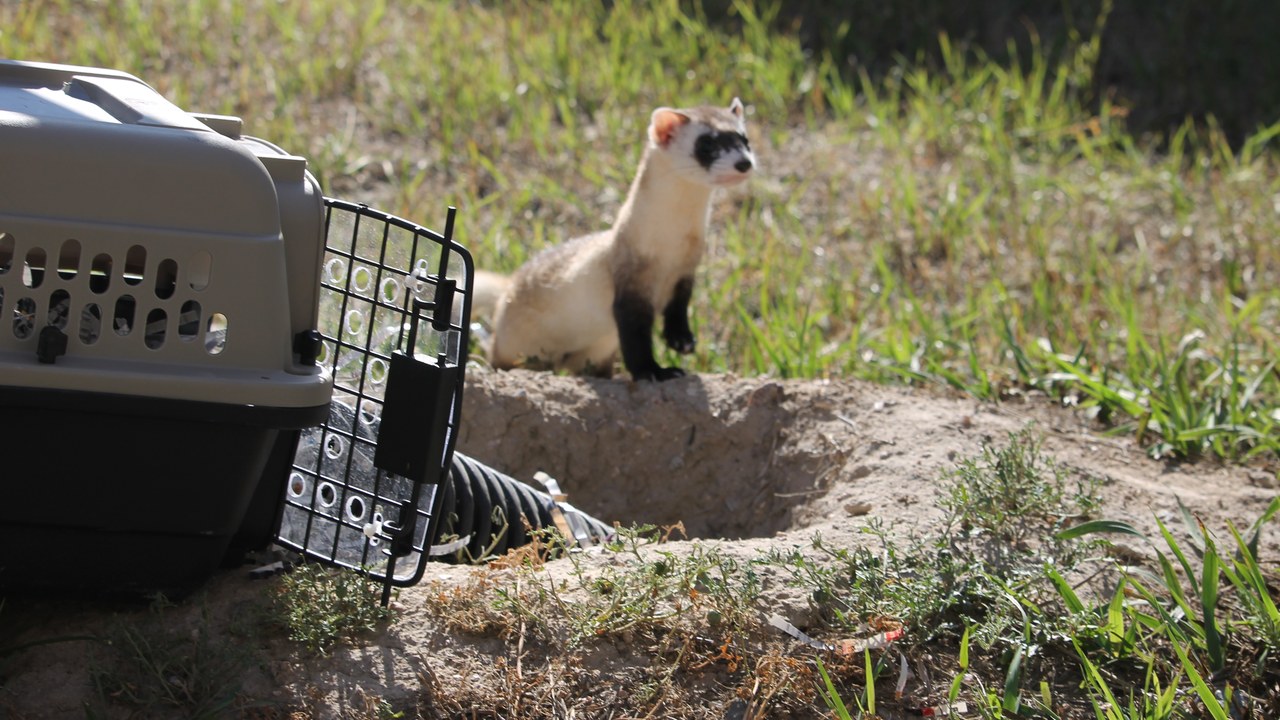
The black-footed ferret was presumed extinct by the late 1950s, yet approximately 300 live in the wild today, as a roundup of iconic animals at risk reports. The swing from presumed gone to a few hundred animals shows how close the species came to disappearing entirely.
Even so, a wild population of approximately 300 is small. The ferret illustrates both a surprising survival story and the continuing fragility of an animal once written off as lost.
10. White abalone: Lab-Raised Juveniles Return to the Sea
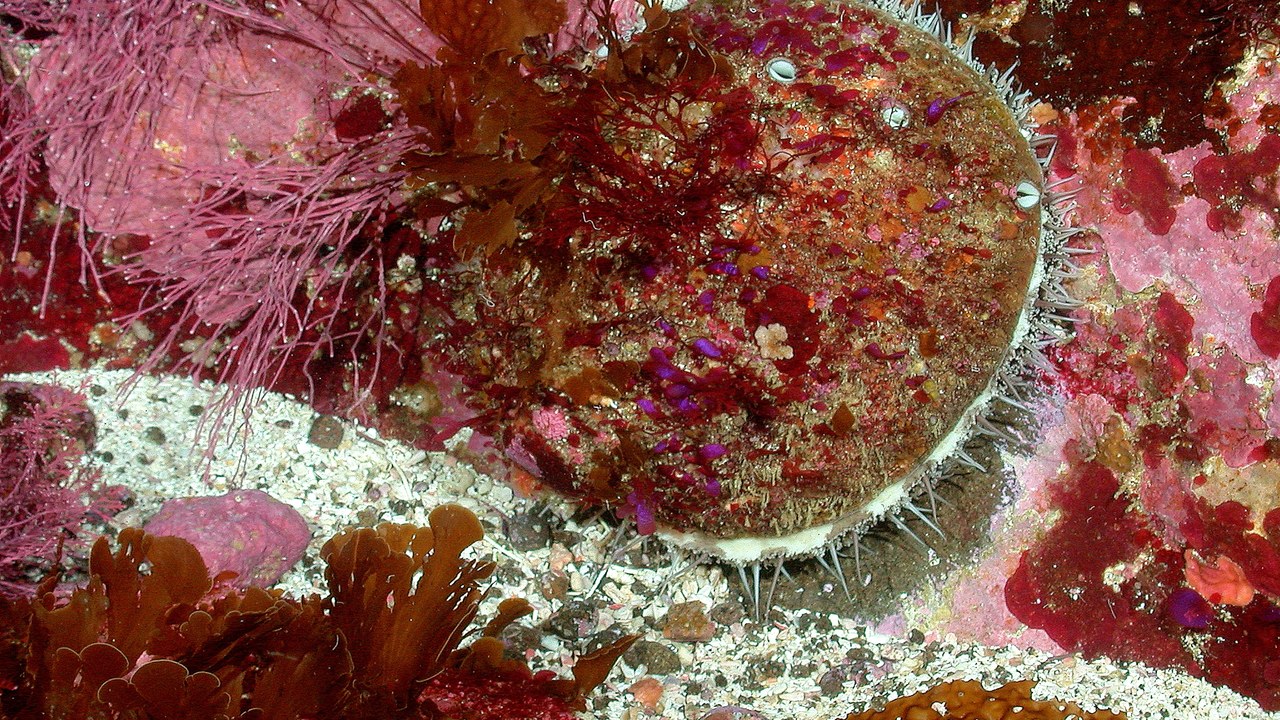
White abalone is one of NOAA’s 10 species at high risk of extinction, and 3,200 lab-raised juveniles have been outplanted, according to NOAA’s Species in the Spotlight list. The program of releasing animals raised in a laboratory shows an active effort to rebuild the species.
The outplanting number is a measure of effort rather than a final result. Inclusion on NOAA’s list of 10 species at high risk of extinction shows how seriously the agency regards the white abalone’s position.
11. Coho salmon: A Spotlight Species on the California Coast
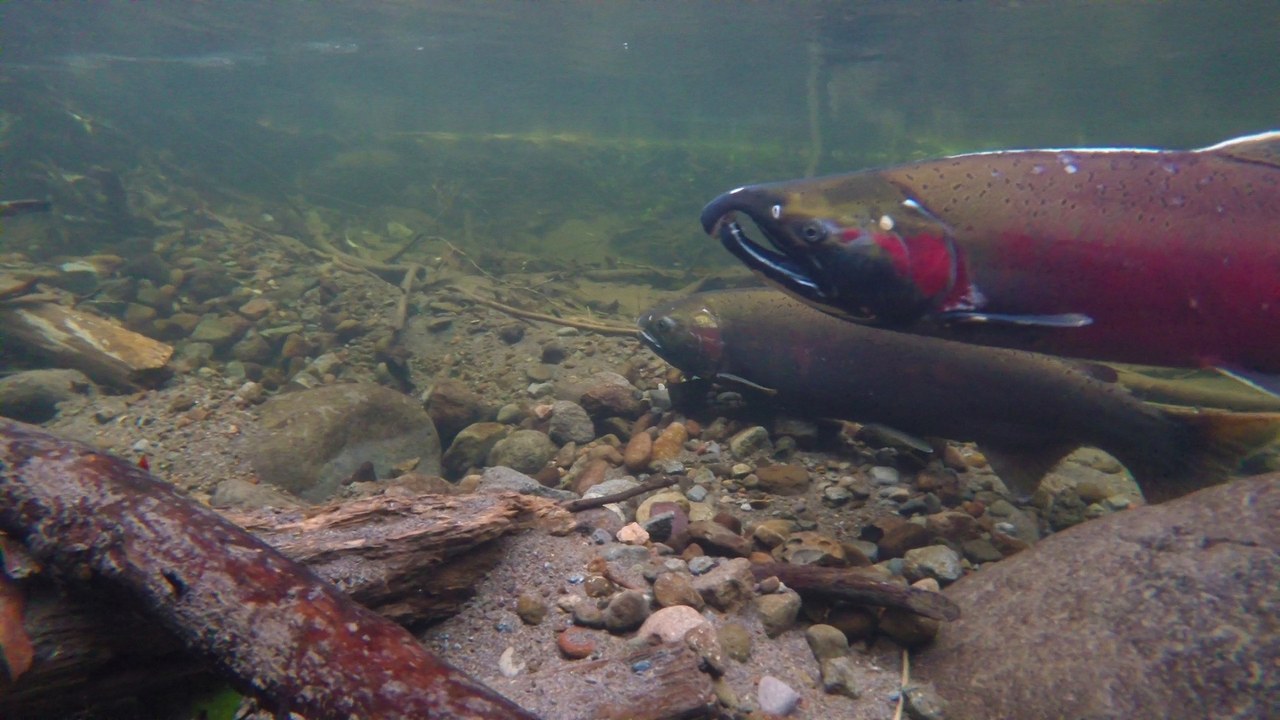
Central California Coast coho are one of NOAA’s 10 Species in the Spotlight at high risk of extinction, as NOAA’s spotlight species list lays out. The designation singles out one regional group of coho salmon rather than the species as a whole.
That regional focus is worth noting. The spotlight status applies to the Central California Coast group, and its place among just 10 species identified by NOAA conveys the seriousness of the situation for these fish.
12. Chinook salmon: Sacramento River Winter-Run Under Threat
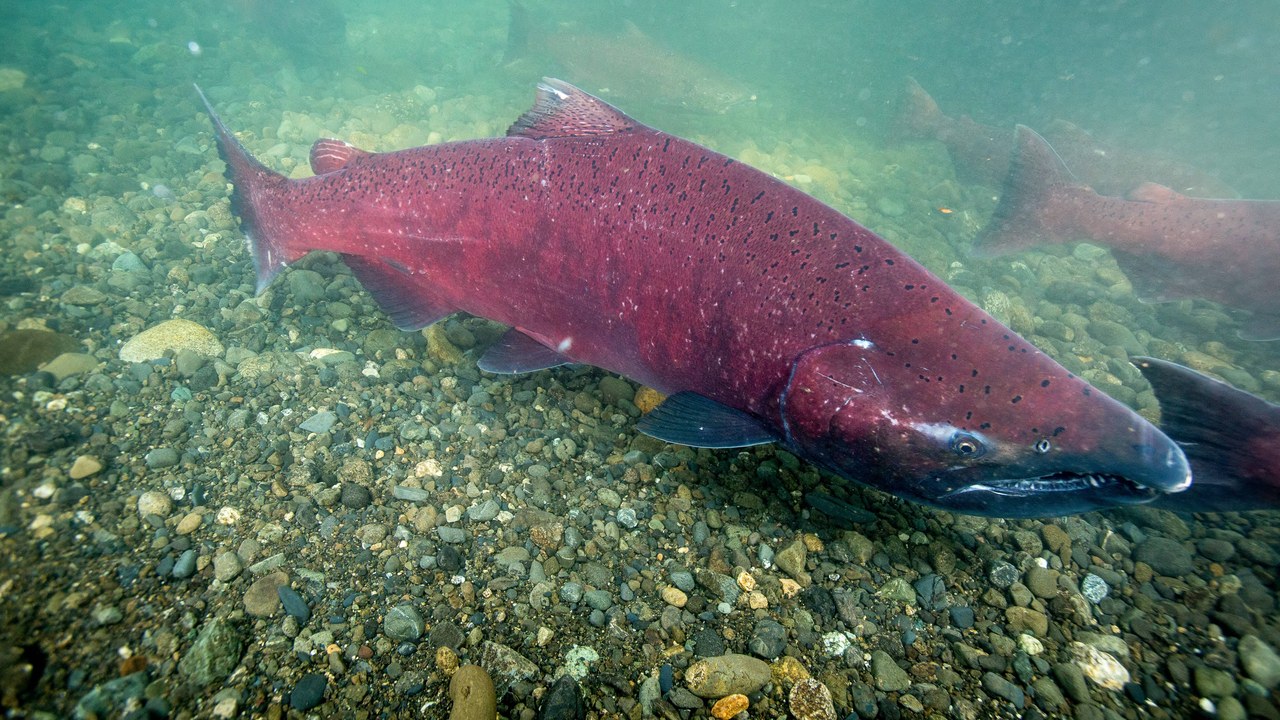
Sacramento River winter-run Chinook made NOAA’s list of 10 species at high risk of extinction, according to NOAA’s high-risk species roundup. The listing applies to one particular run of Chinook salmon, singled out from the wider species.
The detail matters because it shows how a species can be abundant in some places yet endangered in others. A place among only 10 species on NOAA’s high-risk list marks the winter-run as an acute concern.
More from Morning Overview
- Two passengers died at an Ohio toll plaza, and the NTSB now wants the cash lanes shut
- Long use of a common prostate pill is tied to a higher chance of glaucoma
- Ford is recalling 223,472 F-150 pickups because the fuel tank can leak or detach
- Hybrids have 15% fewer problems than gas cars, while EVs and plug-in hybrids have about 80% more, Consumer Reports finds
