
North America holds animals of astonishing size, from prairie grazers and coastal bears to ocean giants and a bird with a vast wingspan. Each of these species has a documented weight, length or wingspan that sets it apart on the continent and in its waters. Here are twelve giants, measured by sheer scale.
1. Blue whale: Largest Animal Alive
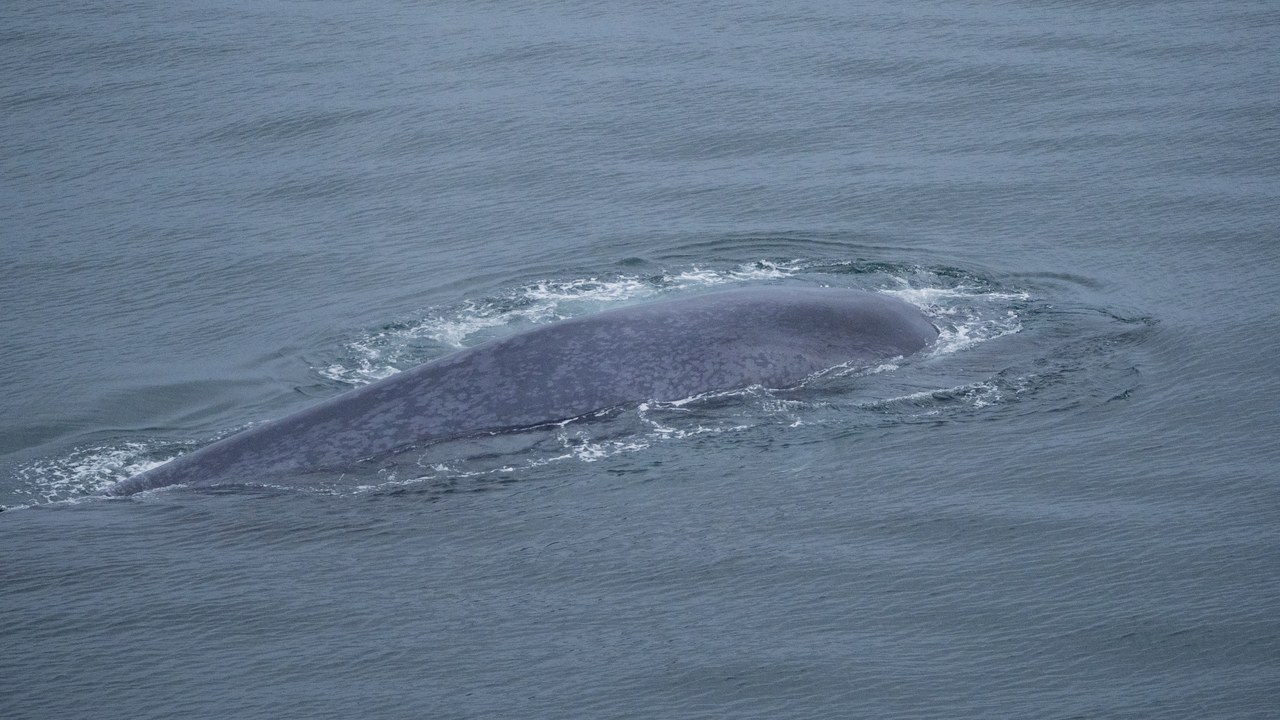
NOAA’s species profile calls this baleen whale the largest animal on Earth, reaching up to 110 feet in length and 330,000 pounds in weight.
No other animal on the planet, on land or in the sea, matches that scale. For anyone watching the ocean from a boat or a headland, a blue whale is the benchmark against which every other entry in this gallery looks modest, and the figure makes a useful yardstick for judging the rest of the list.
2. Fin whale: Second Giant Offshore
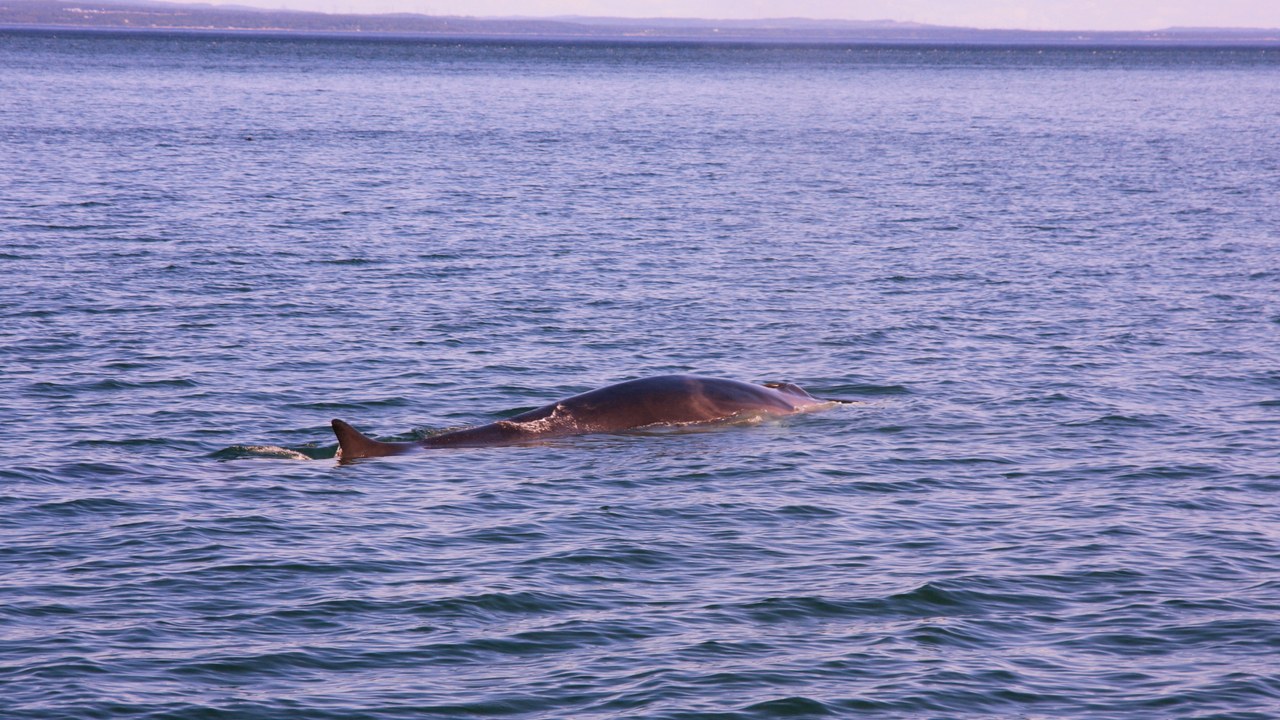
Named the second giant off New England in Stellwagen Bank sanctuary guide, this whale grows up to 75 feet long, a length that rivals the largest vessels on a typical whale-watch outing.
Passengers scanning the water off the coast should know that an animal of this size shares the region’s waters with its neighbors. A patient look along the horizon is worth the effort on any trip offshore, and a 75-foot body is easy to appreciate once it is seen beside a boat.
3. Sperm whale: Deep-Diving Heavyweight
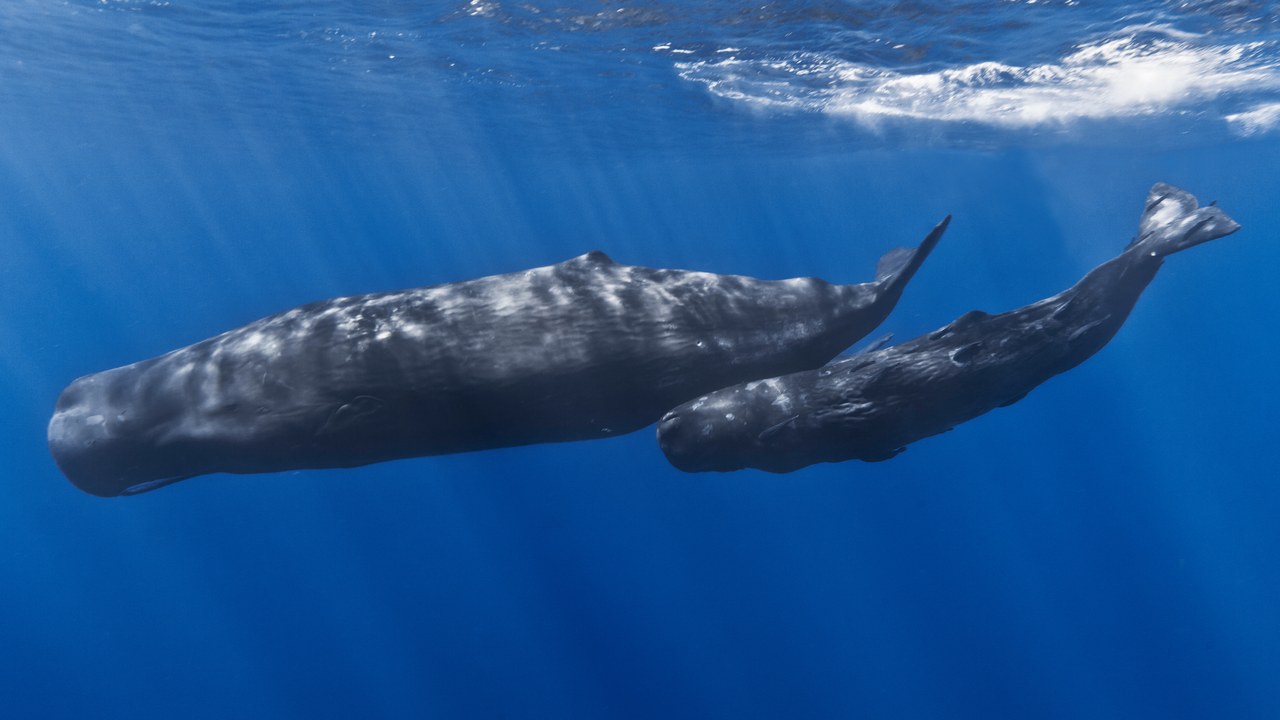
Males reach 52 feet and 45 tons, figures given in NOAA’s sperm whale profile, which makes the sperm whale a giant by both length and weight.
Forty-five tons is a mass that is hard to picture, and the length is nearly as striking. Readers comparing animals on size alone should note that this whale belongs among the heaviest on the continent’s coasts, and the numbers explain why it earns a place beside the largest species in this gallery.
4. Northern elephant seal: Beach Colossus
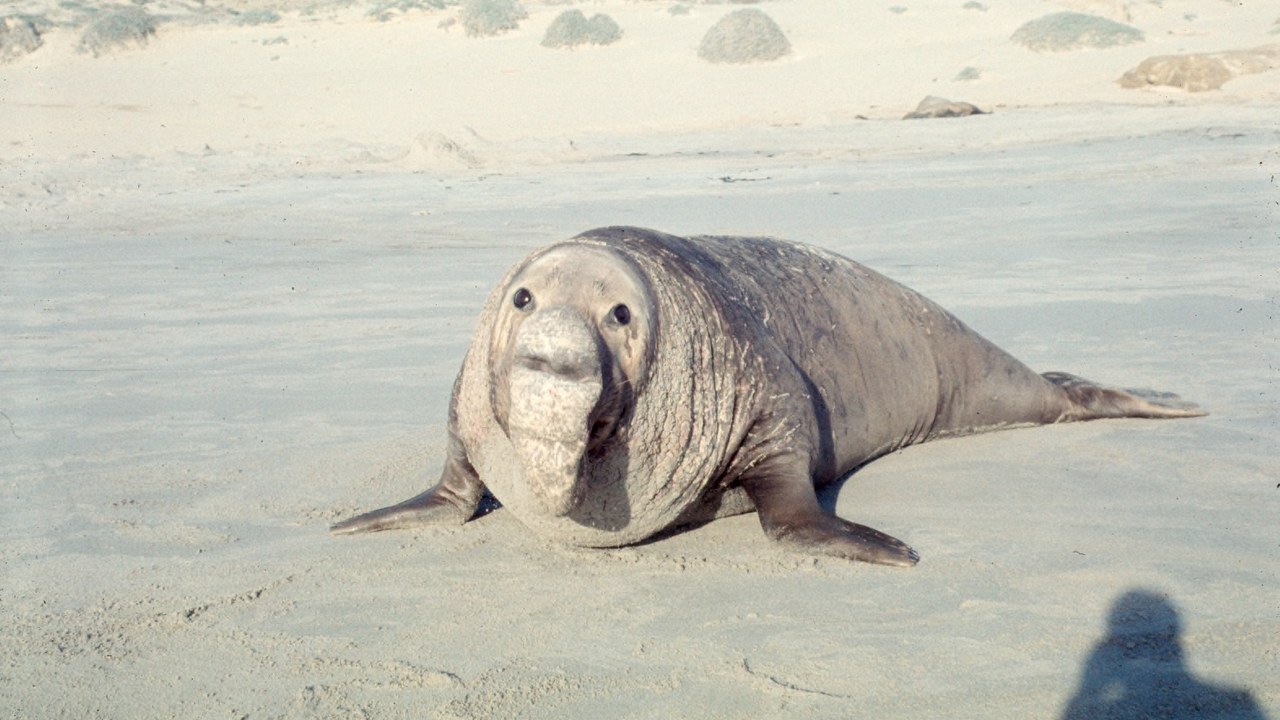
The bull measures 13 to 16 feet long and weighs 3,300 to 5,100 pounds, according to largest-animals ranking for North America.
Those numbers make it a heavyweight among coastal animals, one that is seen resting on sand rather than staying at sea. Anyone visiting a beach where seals haul out should keep a respectful distance from an animal of this bulk, since a body measured in thousands of pounds is nothing to crowd.
5. Walrus: Arctic Tusker
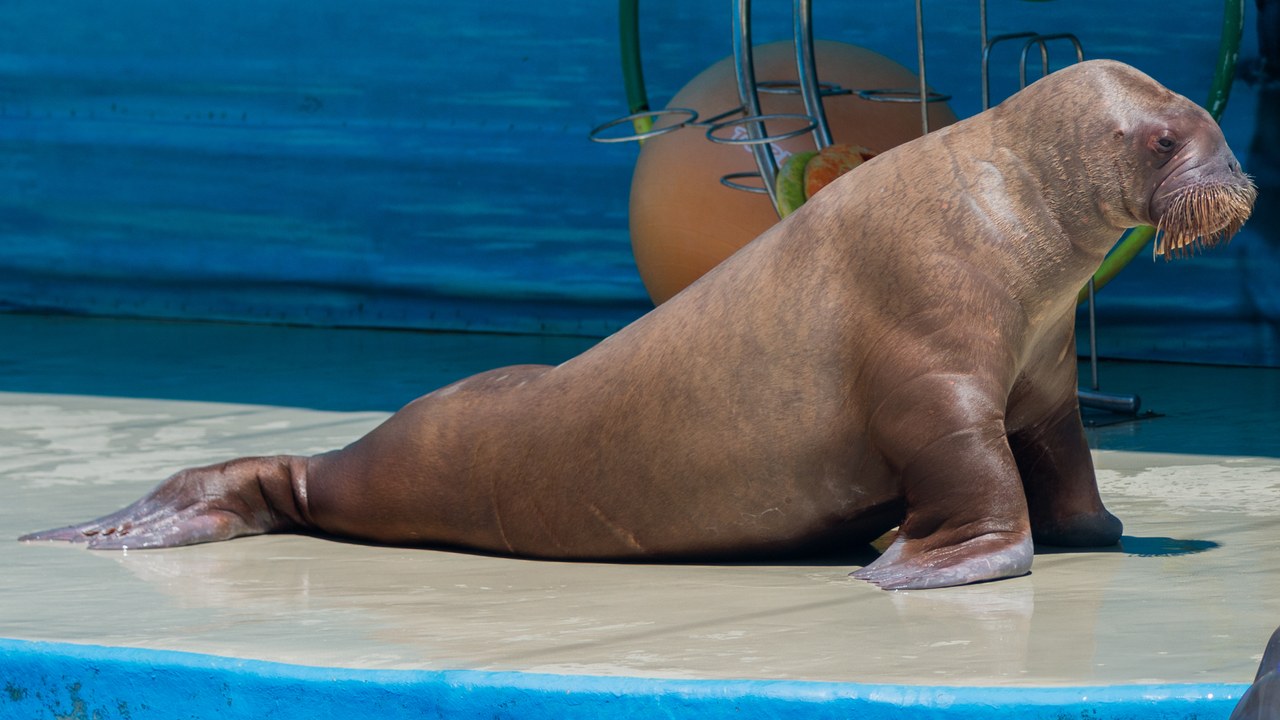
Adult bulls may weigh 2 tons, and Alaska Department of Fish and Game describes the walrus as the largest of the pinnipeds in arctic and subarctic seas.
Pinnipeds are the group that includes seals and sea lions, so being the largest of them in northern waters is a distinction worth noting. A two-ton bull is a reminder that animals of the far north reach sizes that rival the biggest creatures anywhere on the continent.
6. American bison: Prairie Heavyweight
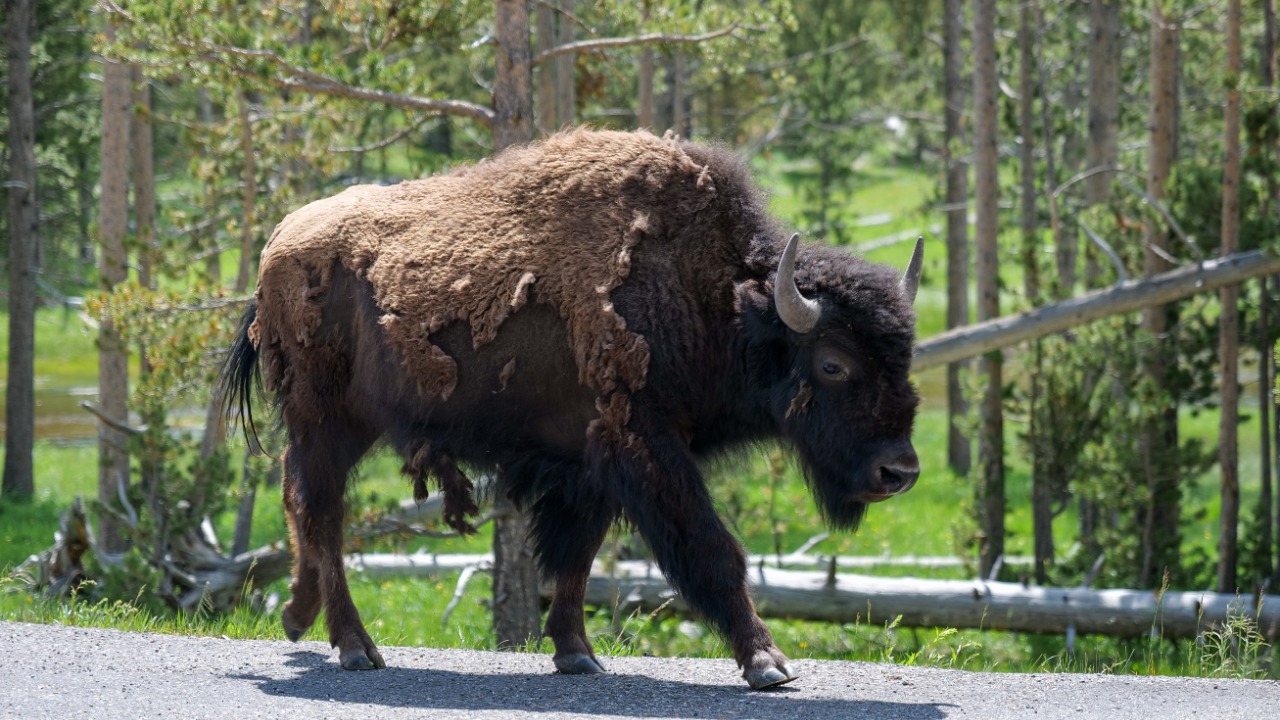
The National Park Service’s Yellowstone National Park profile calls the bison the largest land-dwelling mammal in North America, with bulls weighing up to 2,000 pounds.
That figure is the one behind this gallery’s headline, and it anchors the low end of the size range here. Visitors to Yellowstone should treat any bull as a very large animal that deserves distance, because 2,000 pounds of muscle and horn is not something to approach for a photograph.
7. Moose: Tallest at the Shoulder
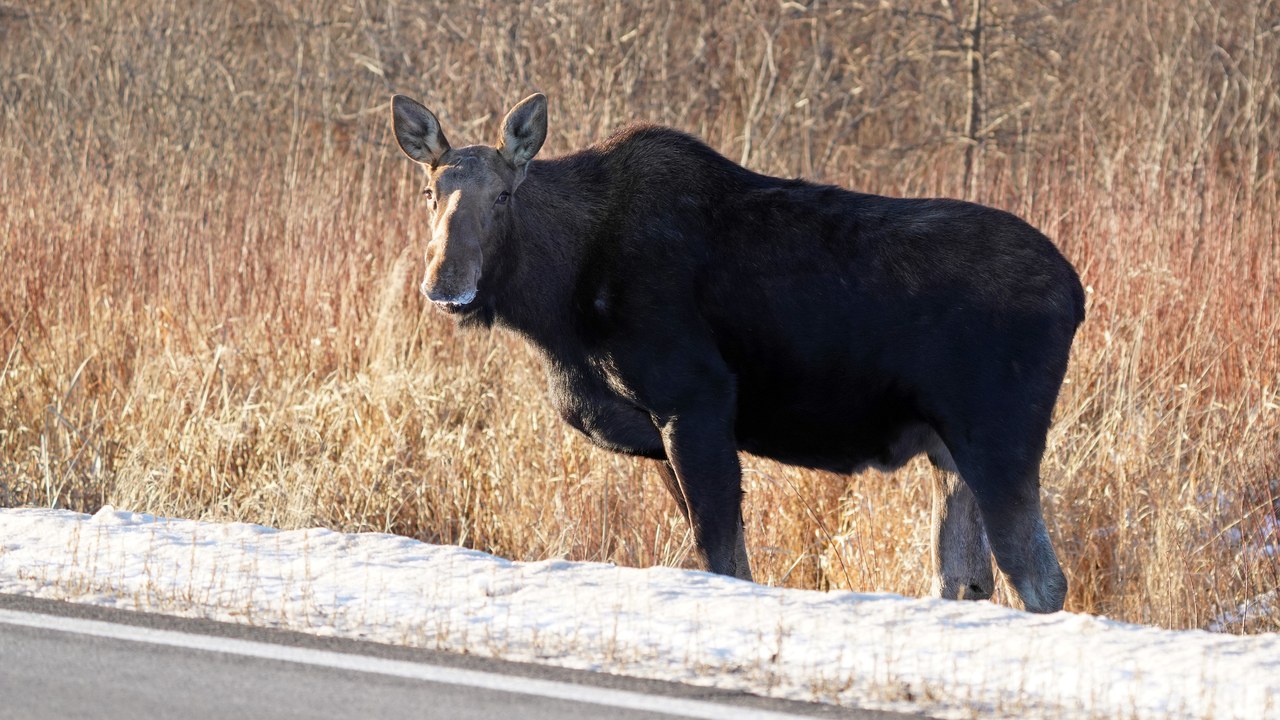
Standing 5.5 to 6.9 feet at the shoulder and weighing 1,200 to 1,600 pounds, the moose appears on largest-animals list for North America.
Shoulder height this great means the animal towers over most people on foot. Drivers and hikers in moose country should keep in mind that a body this tall and heavy is hard to see around and harder to stop for, so caution along roads and trails is simply sensible.
8. Brown bear: Coastal Bears Lead
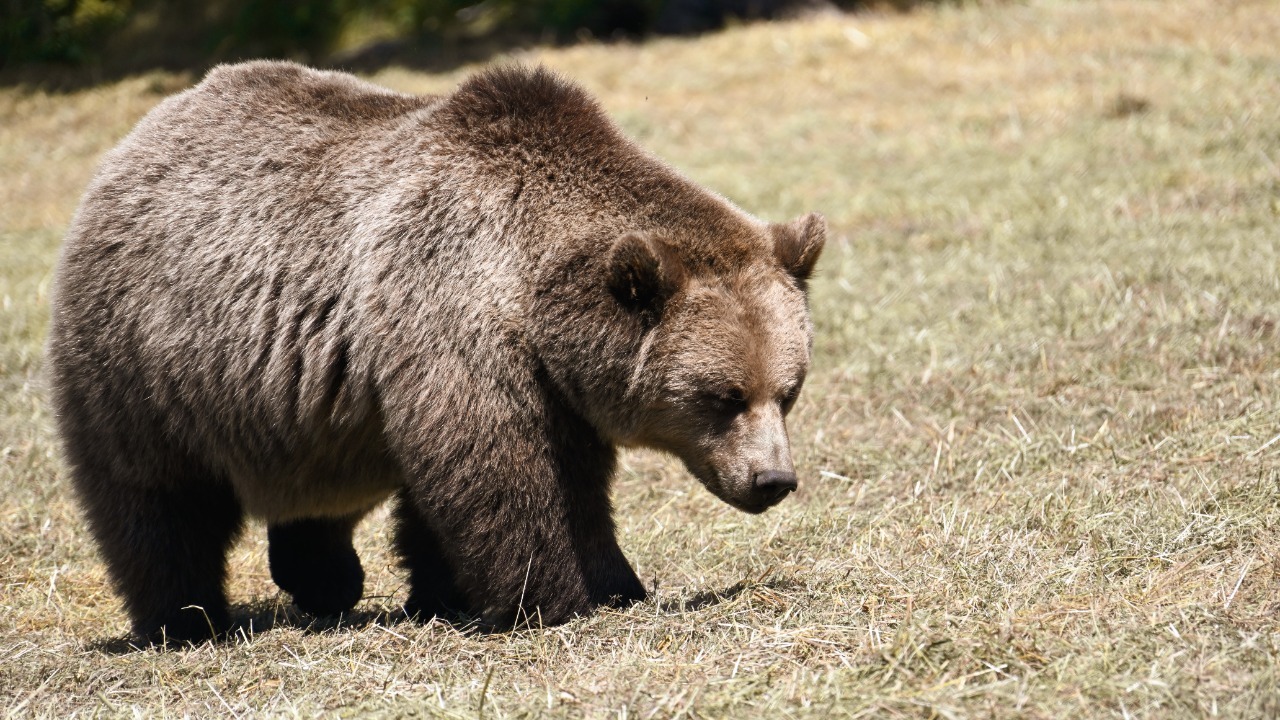
Alaska’s brown bears grow up to 1,500 pounds, with coastal bears the largest, according to Alaska brown bear page from the state’s Department of Fish and Game.
The distinction between coastal and other bears matters, because the same species is described as largest along the coast. Anyone traveling in bear country should treat a brown bear as a powerful animal, and a top weight of 1,500 pounds shows how much mass one can carry.
9. Polar bear: Near Ten Feet Long
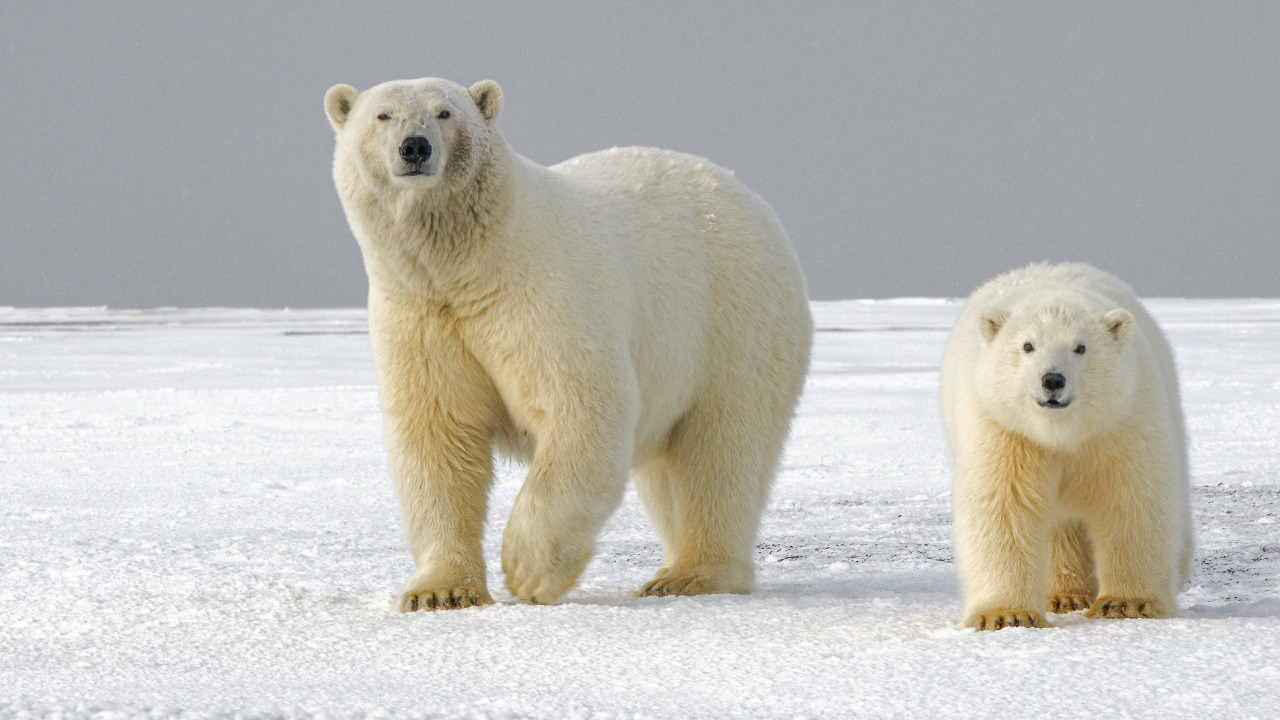
The polar bear reaches up to almost 10 feet long and 750 to 1,400 pounds, another entry in size ranking of the largest animals in North America.
The weight range is wide, yet even the low end is a great deal of animal. A length approaching ten feet puts the bear among the biggest on the continent, an Arctic predator whose dimensions make it a natural fit for a list built around sheer size.
10. Leatherback sea turtle: Heaviest Turtle
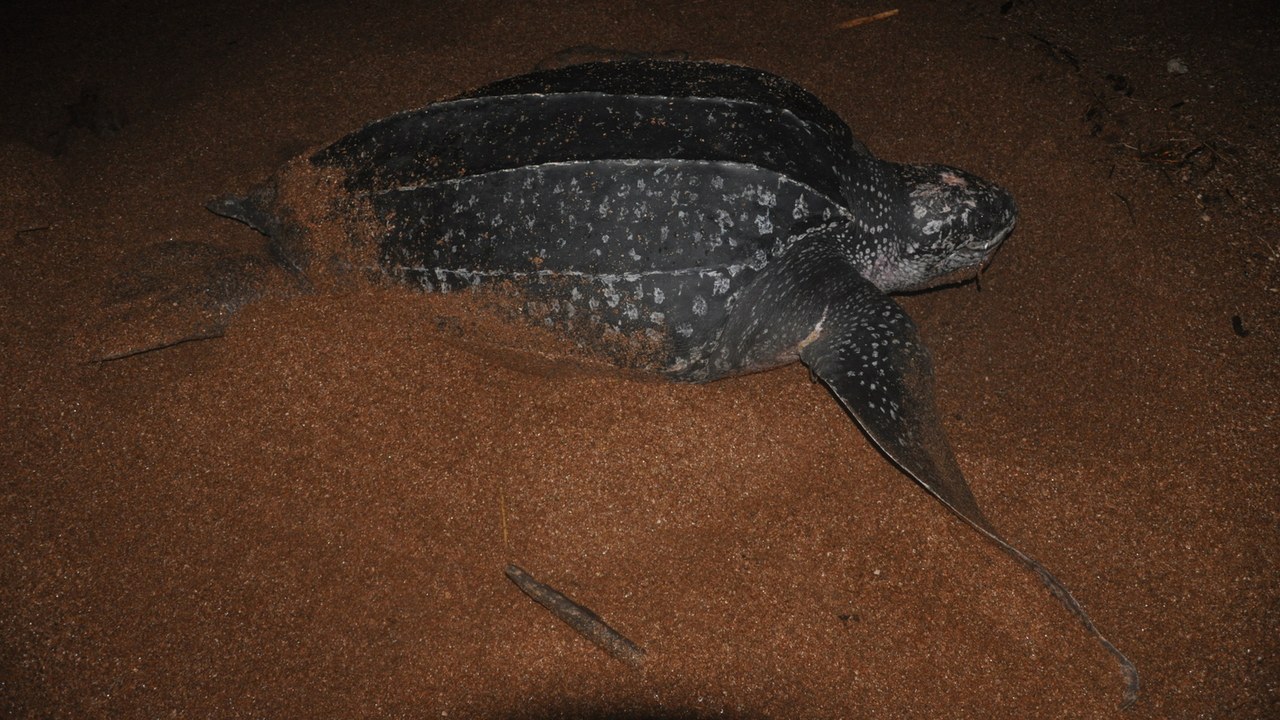
NOAA’s leatherback profile lists the leatherback as the largest turtle in the world, at 750 to 1,000 pounds.
That is far above what most people picture when they think of a turtle. Anyone who sees one on a beach or in coastal water is looking at a record holder among its kind, and the weight range explains why this sea turtle belongs in a lineup of North American giants. The figure is stated plainly by NOAA.
11. American alligator: Swamp Heavyweight
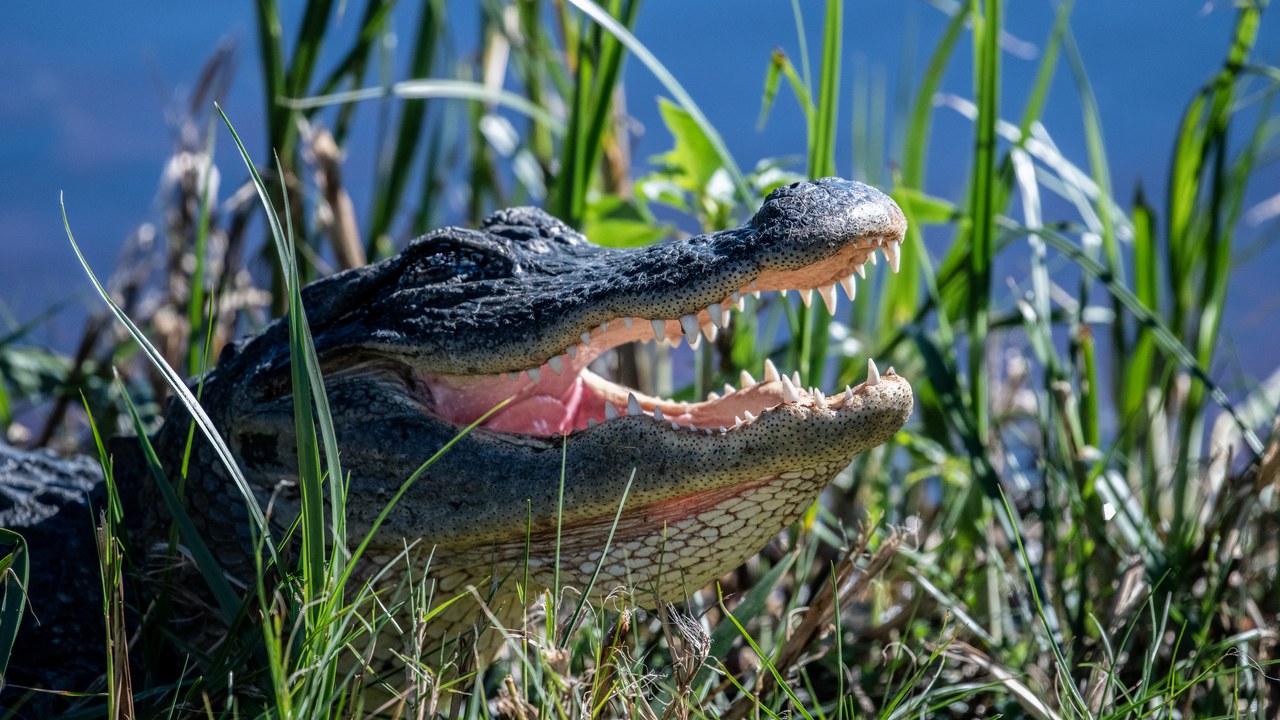
The alligator grows up to 15 feet long and 500 to 1,000 pounds, according to largest-animals list of North American animals.
A body of that length is a serious animal, and the weight range shows how much heft it carries. Residents and visitors in alligator country should give any large individual plenty of room, since an animal weighing as much as 1,000 pounds brings a lot of power in the water.
12. California condor: Widest Wings
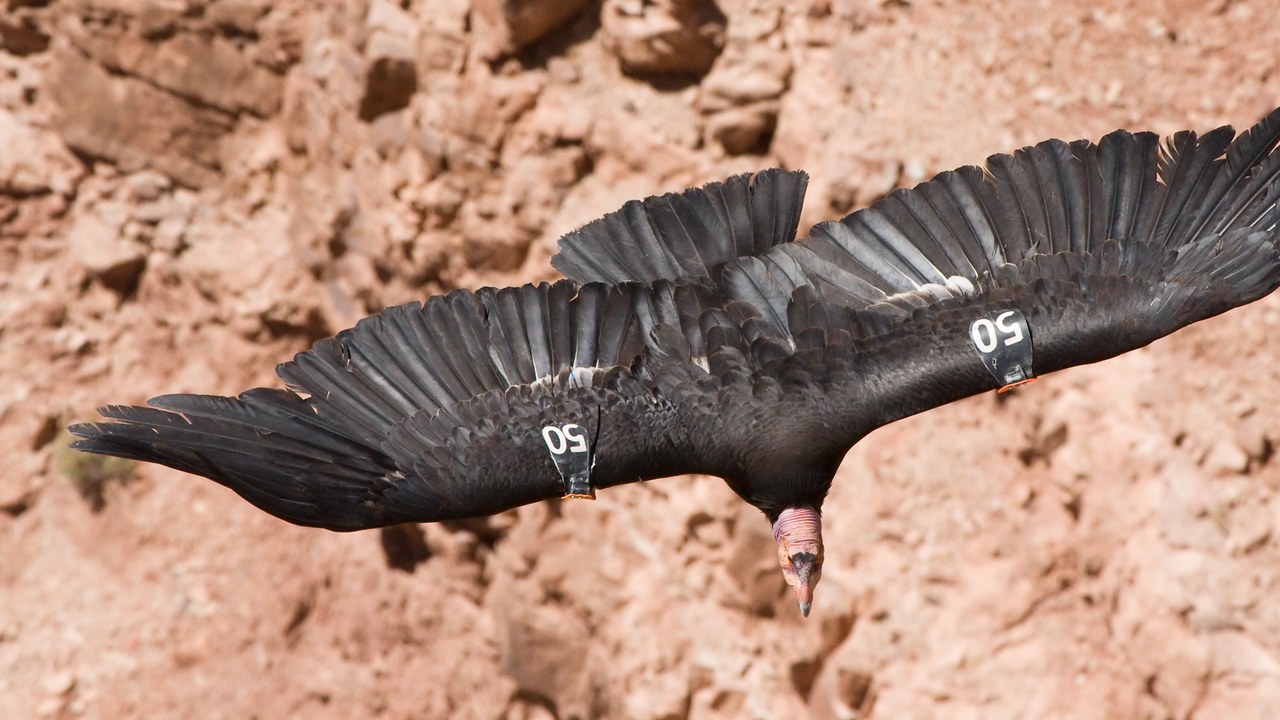
National Park Service raptor page for Grand Canyon calls the California condor the largest bird in North America, with a 9.5-foot wingspan.
The wingspan is the figure that closes the gallery’s headline, a bird that spreads wider than most people are tall. Anyone looking up at the canyon rim should watch for broad wings overhead, since an animal of this span is plainly visible when it soars. Few other birds on the continent could be mistaken for it at that size.
More from Morning Overview
- The FBI told the rest of ShinyHunters to surrender after a 24-year-old was arrested
- Two passengers died at an Ohio toll plaza, and the NTSB now wants the cash lanes shut
- Long use of a common prostate pill is tied to a higher chance of glaucoma
- Ford is recalling 223,472 F-150 pickups because the fuel tank can leak or detach
