
Lifespan varies widely from one dog breed to the next, and large datasets now make the differences easier to see. The breeds below draw on two peer-reviewed UK studies and a veterinary-reviewed guide, with figures that range from medians to life expectancy at birth. Here are twelve dogs that show how long a family companion can live.
1. Shiba Inu: Leads the list

At the top of this ranking, the Shiba Inu posted a median lifespan of 14.6 years in a UK study covering 584,734 dogs, as reported in a a 584,734-dog UK study. That figure comes from records of a very large national sample rather than a handful of show dogs or a breeder survey, which gives it unusual weight among longevity numbers for pet breeds.
For a family weighing breeds, the number offers a concrete benchmark: a Shiba Inu that stays healthy could plausibly share well over a decade of daily life with its household, though any single dog can fall above or below a median.
2. Papillon: Close Behind

Close to the leader, the Papillon recorded a median lifespan of 14.5 years in the 2024 Scientific Reports study, which is described in the 2024 Scientific Reports study. Only a tenth of a year separates it from the Shiba Inu, so the two breeds are effectively neck and neck at the front of the pack.
A median describes the middle dog in a group, so half of the Papillons in the sample lived longer than that figure. Buyers can treat it as a realistic planning horizon for a long-term commitment.
3. Bichon Frise: A Fluffy Contender

Veterinary reviewers cited by PetMD give the Bichon Frise a life expectancy of 14-15 years, according to the PetMD longevity guide. That range sits at or near the top of the breeds covered, placing this small white companion comfortably among the longest-lived dogs on the list.
Because the figure is expressed as a range, it reads as a typical expectation instead of a guarantee. Households considering the breed can reasonably plan for many years of care.
4. Miniature Dachshund: Low Early Risk
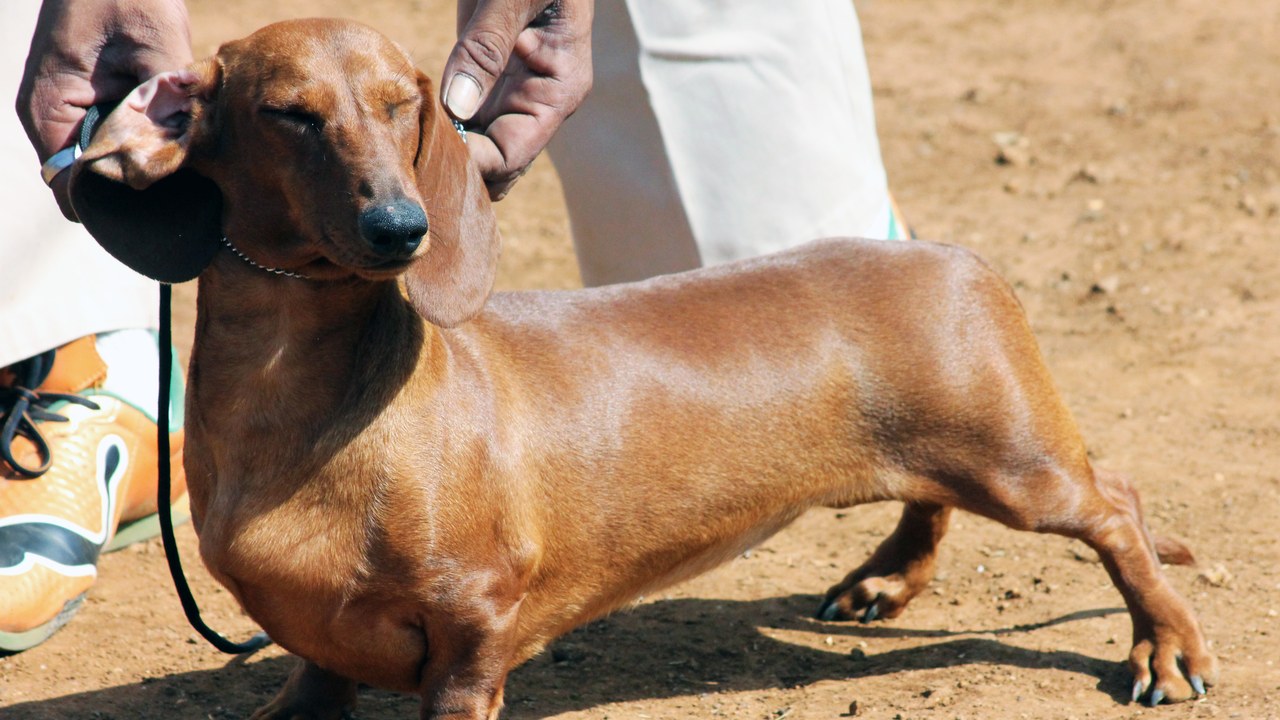
The Miniature Dachshund registered a median lifespan of 14.0 years and ranked among the breeds least at risk of early death, based on the UK lifespan analysis. Two separate strengths show up here: a long middle-of-the-pack lifespan and a lower chance of dying young.
That second point matters to owners, since a breed can have a respectable median and still lose many individuals early. Here the study points the other way, which is reassuring for prospective buyers.
5. Italian Greyhound: Slender and Durable
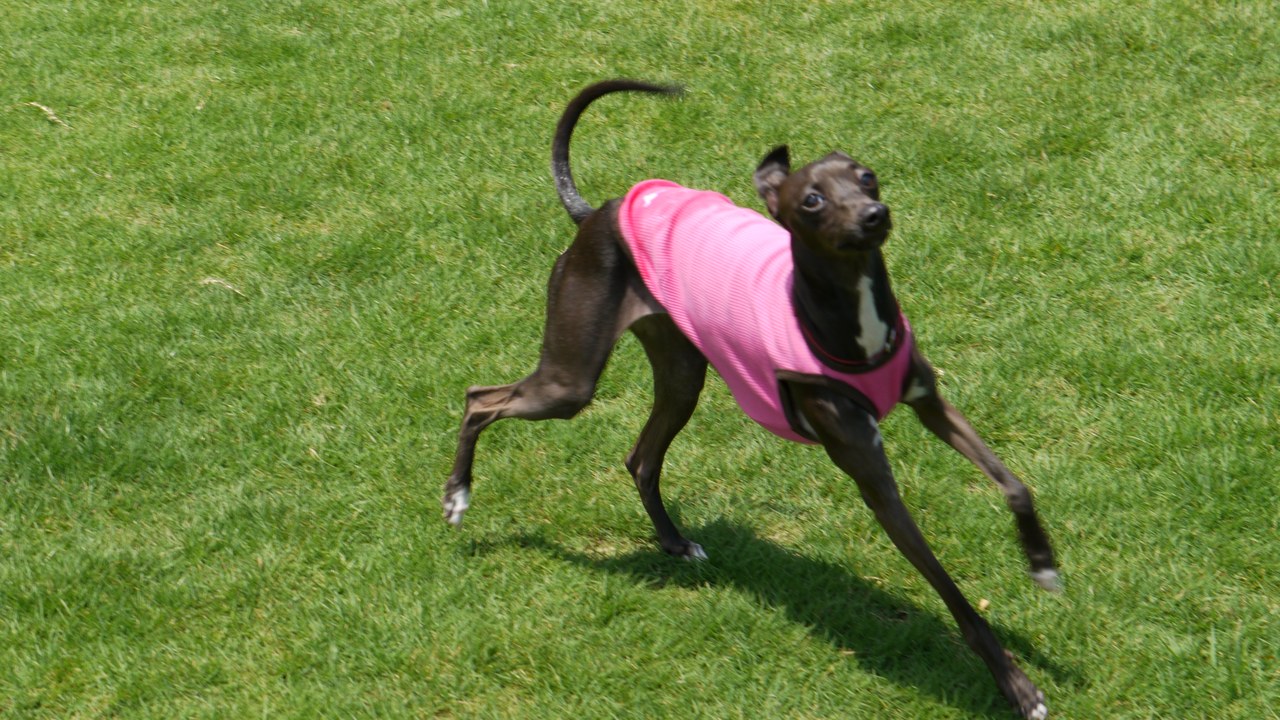
The Italian Greyhound reached a median lifespan of 14.0 years in the UK study, as laid out in the published median figures. It matches the Miniature Dachshund exactly, which puts a slim, delicate-looking sighthound level with some of the sturdier small breeds.
Appearance can mislead about longevity, and this result is a reminder to look at the data rather than the build. Prospective owners can use the figure when thinking about long-range commitments.
6. Toy Poodle: Ten to Eighteen

PetMD lists a life expectancy of 10-18 years for the Toy Poodle, a notably wide span captured in its PetMD breed rundown. The top of that range reaches further than almost any other figure on this list, even though the bottom of it is considerably lower.
The spread suggests individual outcomes vary a lot, so the Toy Poodle works best as a breed with high potential rather than a promise. Owners should read the range as a window, not a prediction.
7. Pomeranian: Small but Sturdy

The Pomeranian has a life expectancy of 12-16 years according to PetMD, as summarized in its longest-living breeds list. Even the low end of that range is a dozen years, and the high end approaches the longest figures anywhere in the group.
For buyers of a small companion dog, the range signals a long relationship, with a real chance of reaching the upper years of it. As with every range here, individual dogs differ.
8. Maltese: A Lap Dog Classic

PetMD gives the Maltese a life expectancy of 12-15 years, a span reported in the PetMD longevity article. That places the breed solidly in the long-lived group, with a floor of twelve years and a ceiling of fifteen.
The narrower range, compared with some other toy breeds, makes it easier to plan around. A household can reasonably expect a companion for well over a decade, though individual dogs naturally vary around that range.
9. Jack Russell Terrier: Best in the UK Sample
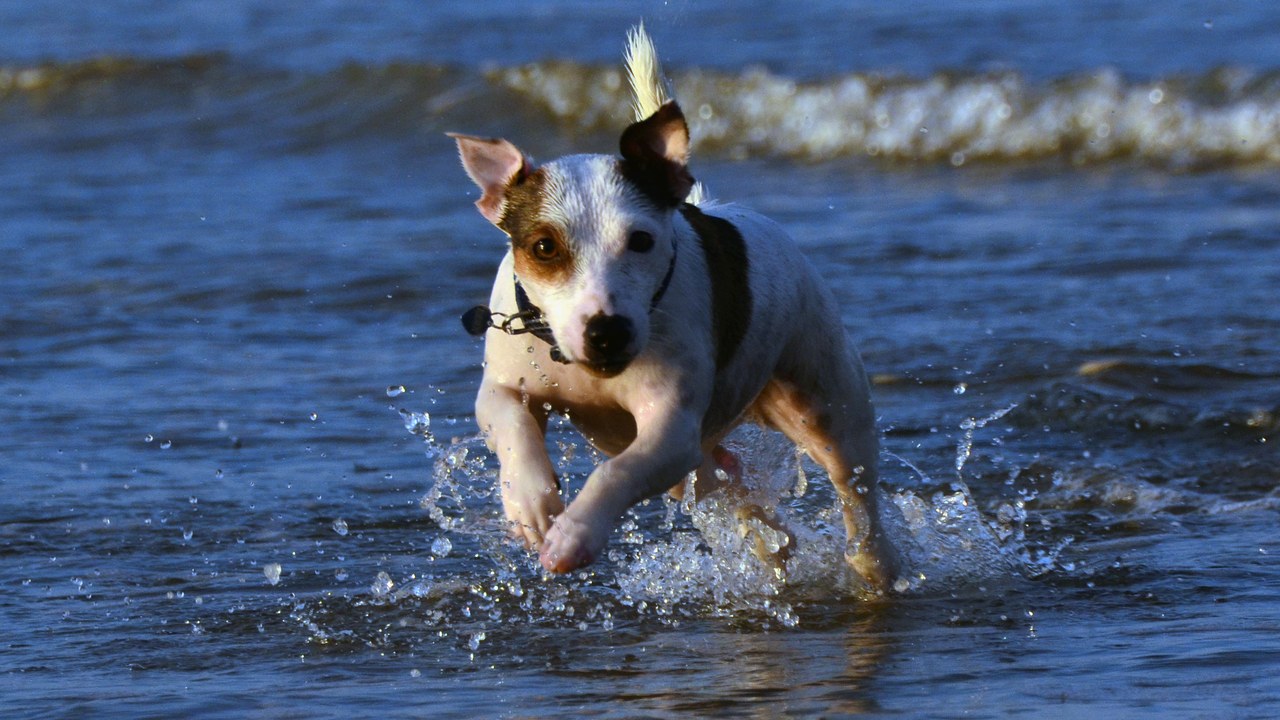
Among the 18 UK breeds studied, the Jack Russell Terrier had the highest life expectancy at birth, at 12.72 years, per the UK vet-records study. Being first in an 18-breed comparison is a distinct claim from the medians quoted elsewhere, since it uses life expectancy at birth.
The two measures are not interchangeable, so the figure should be compared with other life-expectancy-at-birth numbers rather than with medians. Even so, the ranking makes this terrier a standout.
10. Yorkshire Terrier: Tiny Terrier, Long Life

The Yorkshire Terrier showed a life expectancy at birth of 12.54 years in UK vet records, according to the vet-records analysis. That sits just below the Jack Russell Terrier within the same study, which keeps this small breed near the top of the group.
Because the data come from veterinary records instead of owner recall, the number rests on documented cases. Owners can treat it as a solid baseline for a breed popular as a companion.
11. Border Collie: Above All Dogs

The Border Collie had a life expectancy at birth of 12.10 years, above the 11.23-year all-dog figure reported in the same UK study. That gap of roughly 0.87 years shows a working-type breed outperforming the overall population in the same data.
The comparison is useful because it anchors the breed against an average rather than against other breeds. For owners, it suggests an active dog can also be a long-lived one.
12. English Springer Spaniel: Spaniel Staying Power
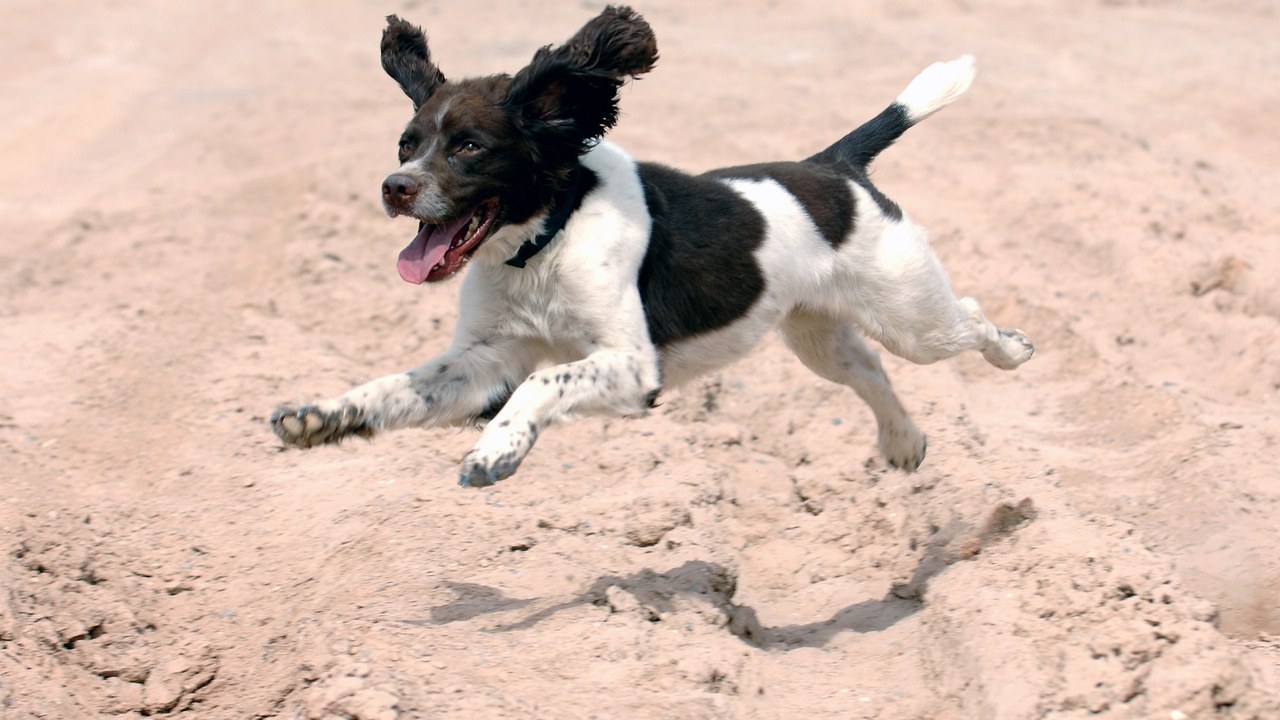
The English Springer Spaniel had a life expectancy at birth of 11.92 years in UK vet records, as documented in the UK veterinary records study. That is slightly lower than the others from this study, yet it still closes out the list with a respectable showing.
A little under twelve years is a long commitment for a sporting breed, and the figure helps set expectations. Owners can use it as a planning guide rather than a fixed limit.
More from Morning Overview
- Long use of a common prostate pill is tied to a higher chance of glaucoma
- Ford is recalling 223,472 F-150 pickups because the fuel tank can leak or detach
- Hybrids have 15% fewer problems than gas cars, while EVs and plug-in hybrids have about 80% more, Consumer Reports finds
- Regulators cleared the first U.S. small modular reactor, 4 months early
