
The waters off the United States hold some of the largest and most remarkable animals on Earth. Several of these whales are endangered, and one is known for diving 2,000 feet for 45 minutes. Here are twelve whales found in US waters, each with a figure from NOAA that sets it apart.
1. Blue whale: Largest Animal Alive
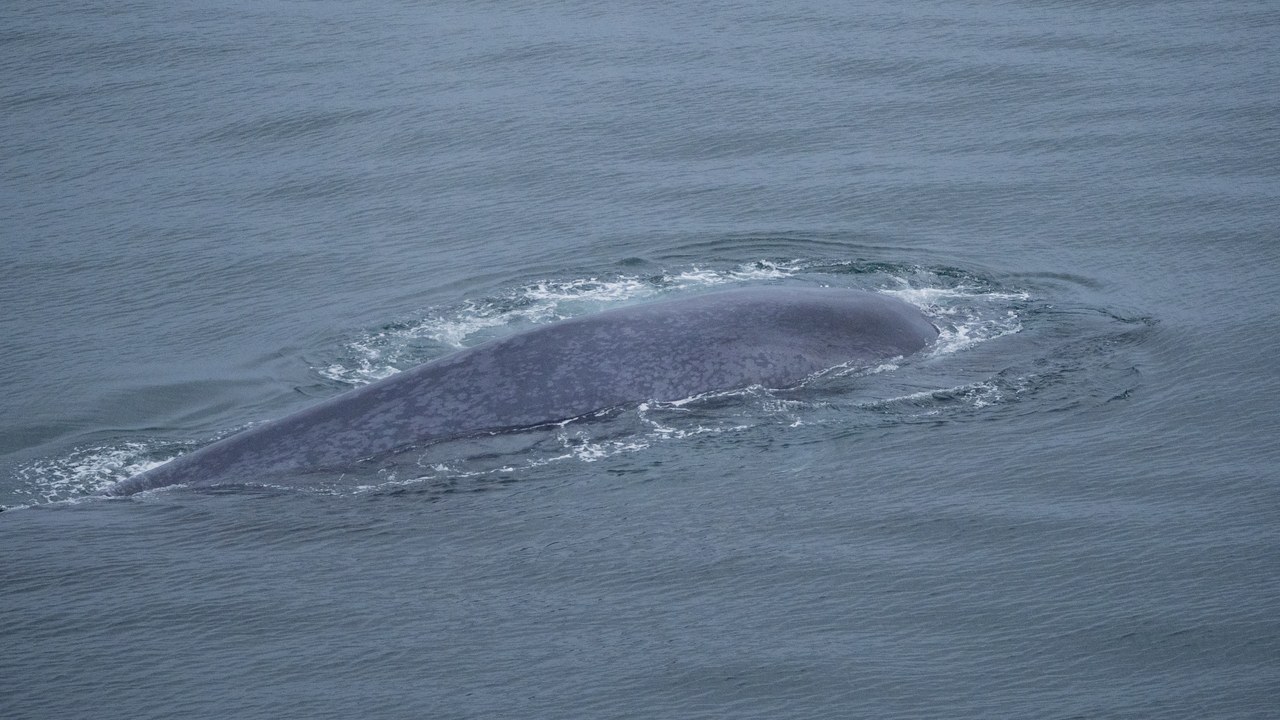
Blue whales hold the title of the largest animal on Earth, and NOAA says that they likely feed in summer off the U.S. West Coast. That detail matters because it ties the planet’s biggest creature to American waters rather than to some remote ocean far from any shoreline.
For readers on the Pacific side, the practical takeaway is that the coast between California and Washington is a summer feeding region for this record holder. The wording is cautious, since NOAA says only that the whales likely feed there, so sightings should be treated as a possibility rather than a promise.
2. Fin whale: Endangered Giant
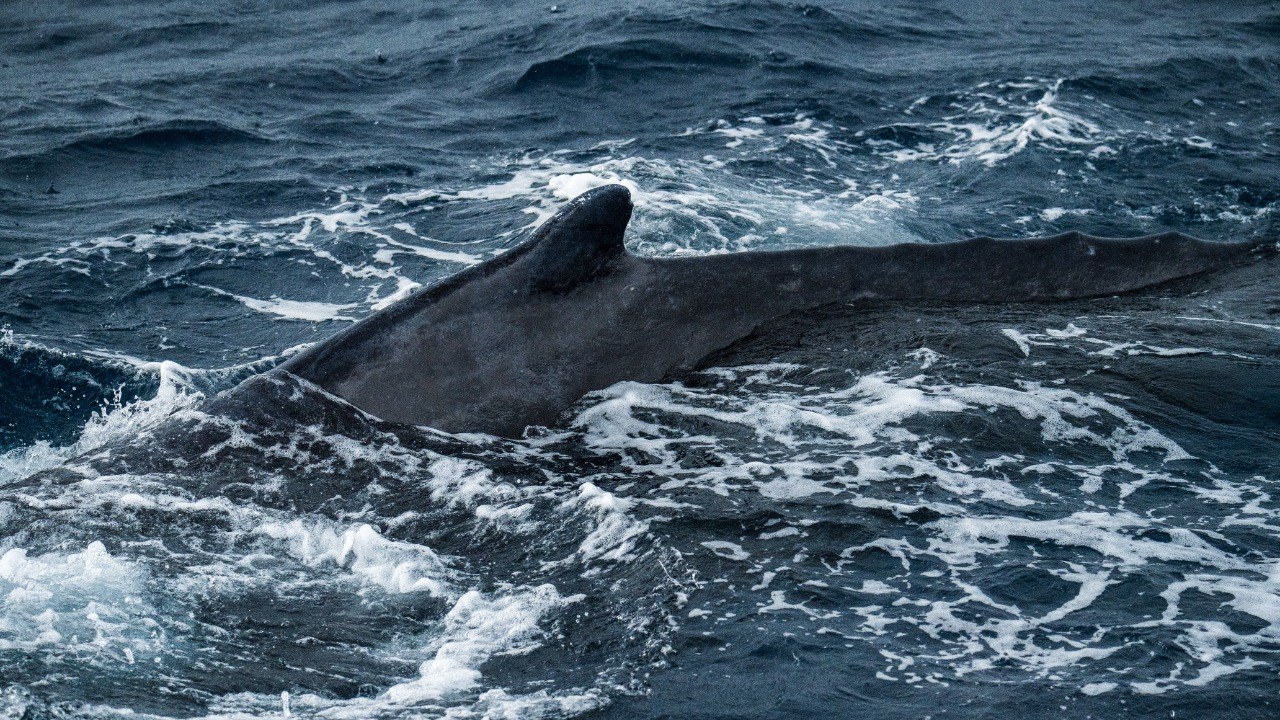
Fin whales grow up to 75 feet long, and the Stellwagen Bank sanctuary lists the species as endangered. Pairing that length with that status makes the fin whale one of the clearest examples of an animal that is both enormous and vulnerable, and it explains why the species gets special attention in New England waters.
Whale-watchers off Massachusetts who spot one are looking at a protected, endangered animal rather than an everyday visitor. That context should shape expectations, because an encounter with such a long, listed whale is a notable event instead of a routine one.
3. Sperm whale: The Deep Diver
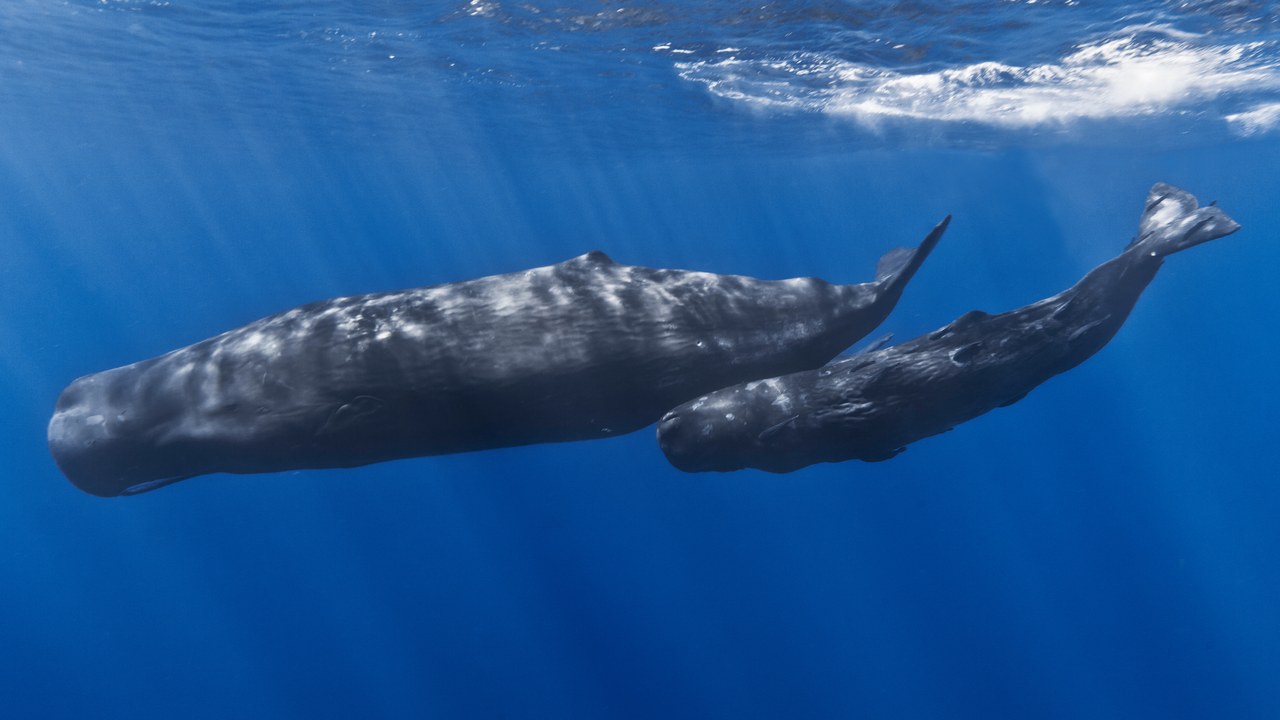
Sperm whales routinely dive to 2,000 feet and can stay down for as long as 45 minutes, according to NOAA Fisheries. Males reach 52 feet and 45 tons, so this is a heavy animal making a long, deep trip on a single breath, and the dive figures are the ones behind the headline.
That combination of depth and duration sets the sperm whale apart from the other animals on this list. For observers at the surface, it also means the whale spends most of its time out of sight, with long gaps between visible appearances.
4. Humpback whale: Stellwagen Regular
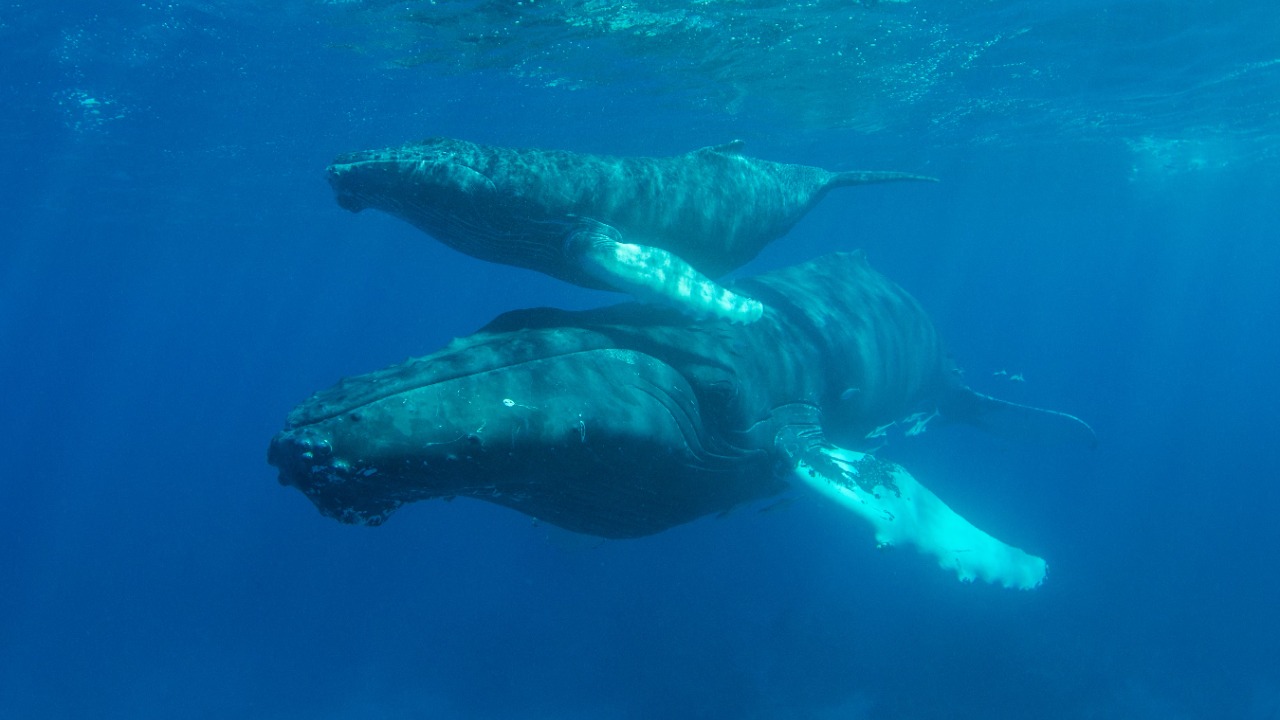
Humpback whales reach up to about 60 feet, and NOAA states that around 900 spend spring and summer at Stellwagen Bank off Massachusetts. That seasonal gathering turns a stretch of the Atlantic into one of the more dependable places in the country to see a large whale.
The practical point for visitors is timing: the whales are present in the warmer months, so spring and summer trips line up with the animals’ stay. The figure is an approximate count of whales spending the season there, not a guarantee of how many appear on a given outing.
5. Gray whale: Marathon Migrant
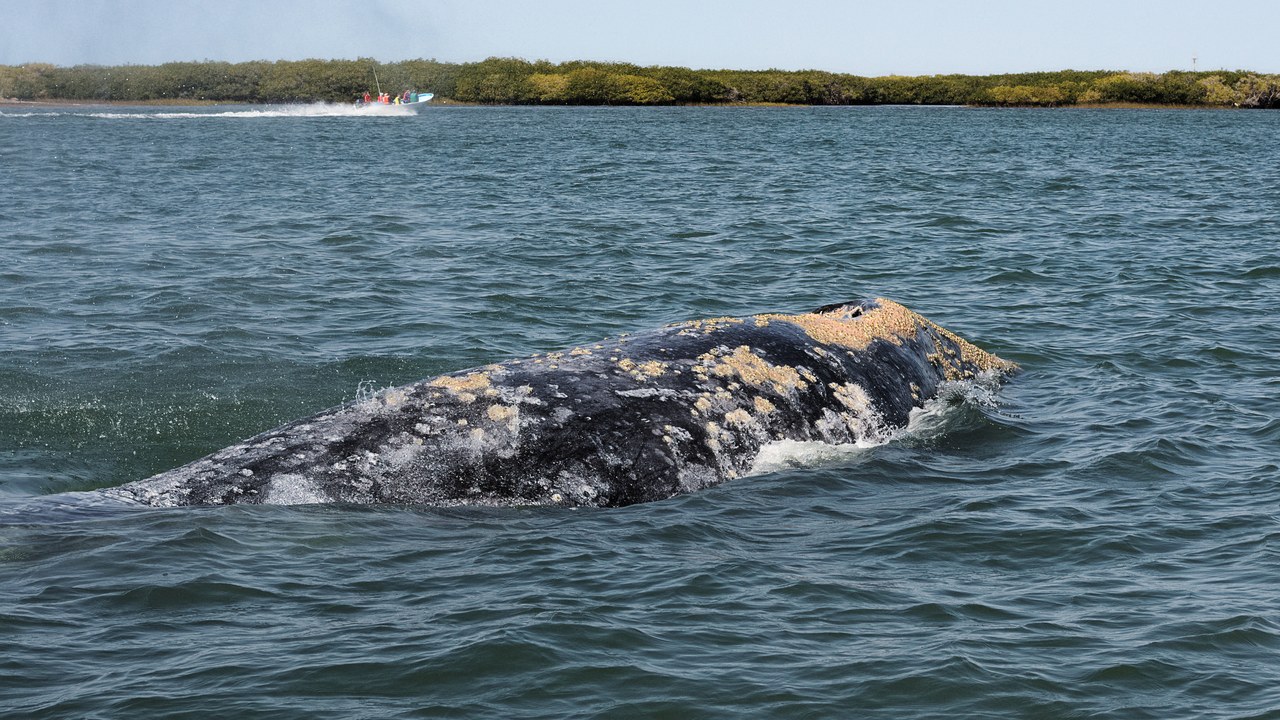
Gray whales grow to about 49 feet and swim roughly 10,000 miles round-trip, and NOAA notes that the journey is sometimes upwards of 14,000 miles. Few mammals of any kind cover such distances, which makes the gray whale a standout for sheer endurance rather than for size or depth.
The takeaway is that a gray whale seen from the coast is in the middle of a long trip, not simply living in the water beside it. The range between 10,000 and 14,000 miles also shows how much a single animal’s route can vary.
6. North Atlantic right whale: Most Endangered
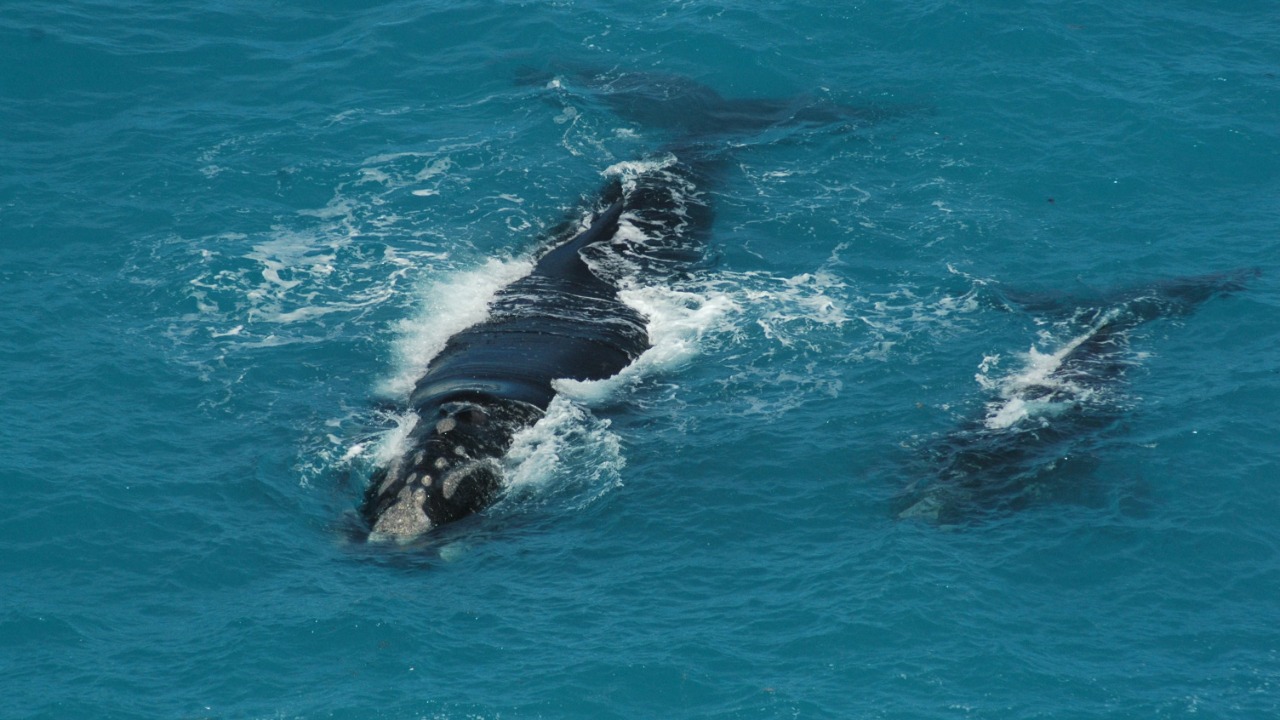
North Atlantic right whales weigh up to 70 tons, and the Stellwagen Bank sanctuary describes the species as the most critically endangered of the great whales. The contrast between that great bulk and that precarious status is what defines the animal, and it sets it apart from the other large whales listed here.
For anyone interested in conservation, the right whale is the sharpest example on this list of a giant whose future is uncertain. The phrase quoted comes from the sanctuary itself, so the ranking reflects how the managers of Stellwagen Bank describe it.
7. Bowhead whale: Two-Century Lifespan
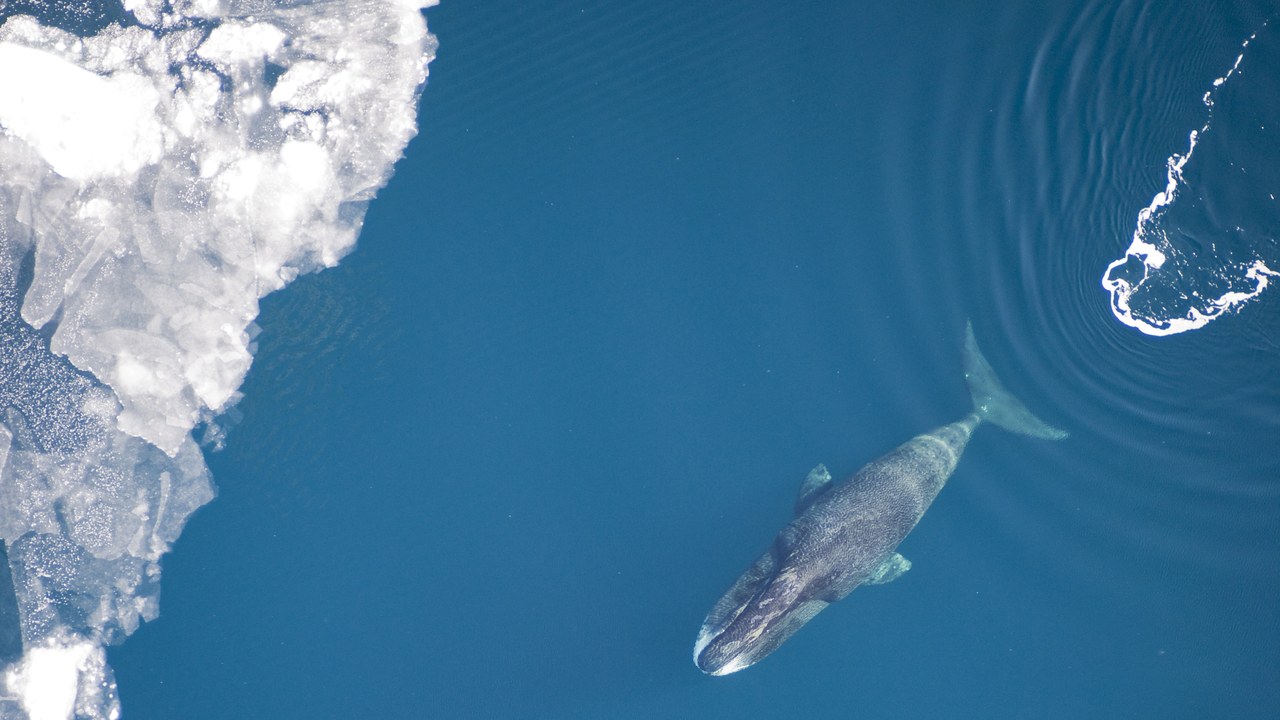
NOAA says the Arctic bowhead may live 200-plus years, the longest of any marine mammal, as NOAA Ocean Service. The wording is careful, since the source says the whale may reach that age, but even as a possibility it puts the bowhead in a category of its own among ocean animals.
A lifespan that long means one bowhead could outlast many human generations, which is why the species stands out on a list otherwise measured in feet, tons and dive times. It is the longevity record holder here, and it lives in the Arctic.
8. Orca: Puget Sound Residents
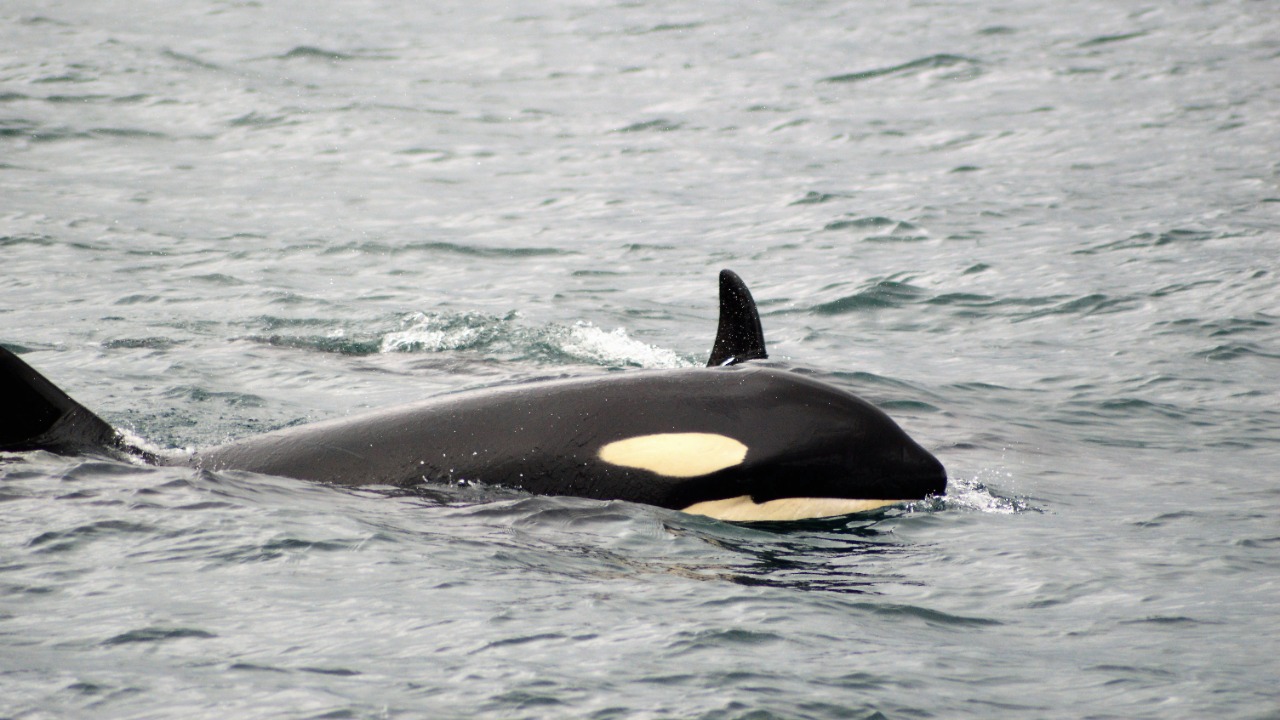
Orcas reach up to 32 feet and 11 tons, and NOAA reports that Puget Sound’s Southern Residents numbered only 74 in July 2025. The size is impressive, but the population count is the more striking number, because it describes a single small community rather than the whole species.
That gap between the animal’s physical power and its small local numbers is the heart of the entry. Readers in the Pacific Northwest should note that the figure refers specifically to the Southern Residents in Puget Sound, as of July 2025, and not to orcas everywhere.
9. Beluga whale: Cook Inlet Decline
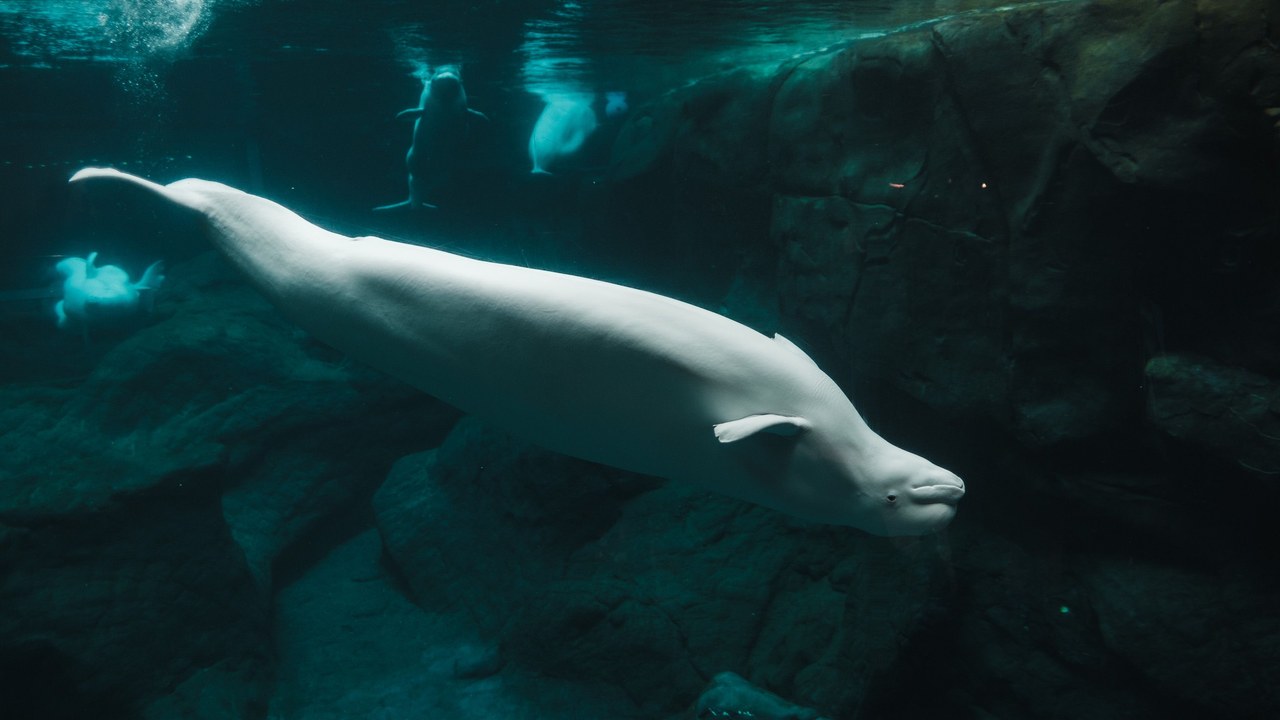
Alaska’s Cook Inlet belugas fell from about 1,300 in 1979, and NOAA Fisheries reports that the latest estimate is 331. Few numbers on this list show a change so plainly, since the current estimate is a small fraction of the late-1970s count for the same group of whales.
The figures apply to the Cook Inlet population in Alaska specifically, so they should not be read as a count for all belugas. Even so, the contrast between 1,300 and 331 explains why this white whale is regularly discussed in terms of its decline rather than its abundance.
10. Sei whale: Endangered Sprinter
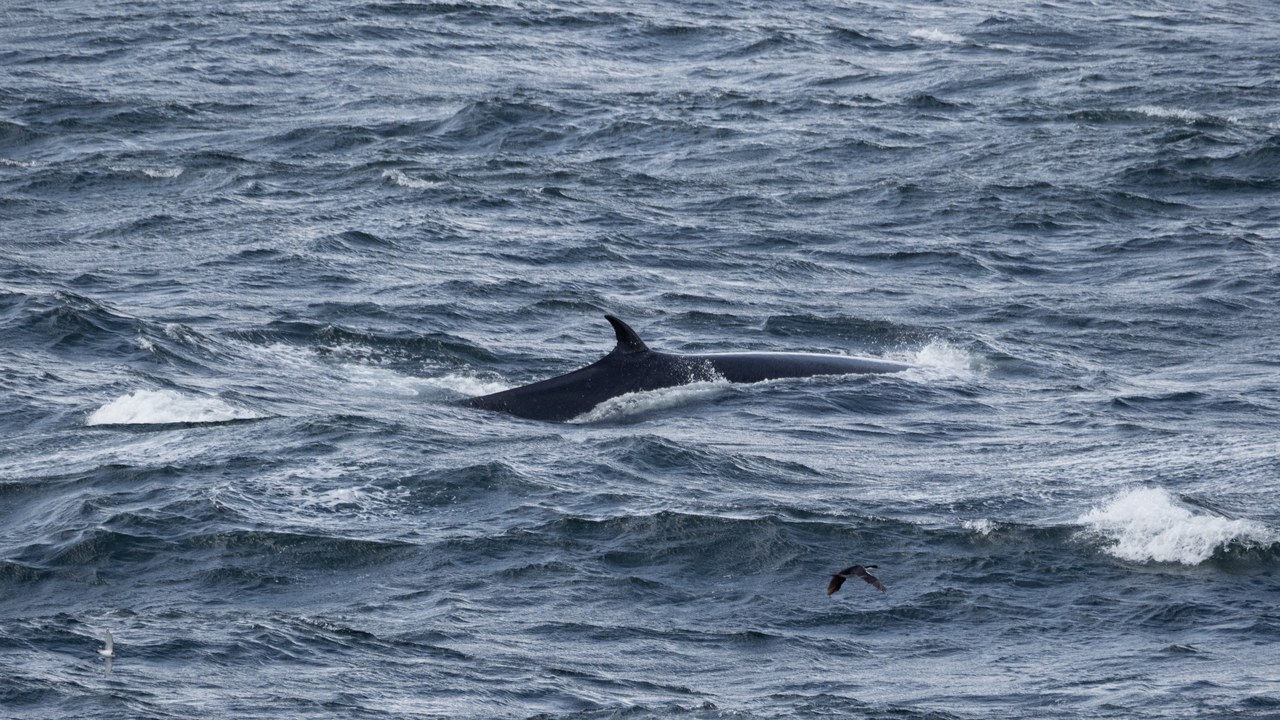
Sei whales reach about 40 to 60 feet, and the Stellwagen Bank sanctuary lists the species as endangered. The range in length is wide, covering everything from a mid-sized great whale to a very large one, and the endangered label makes each sighting of the species more significant.
The main point for observers is that the sei whale shares the Stellwagen Bank guide with several other large whales yet carries the same endangered status as the fin whale. Its listing is what distinguishes it from the smaller minke, which is protected under a different law.
11. Minke whale: Smaller Rorqual
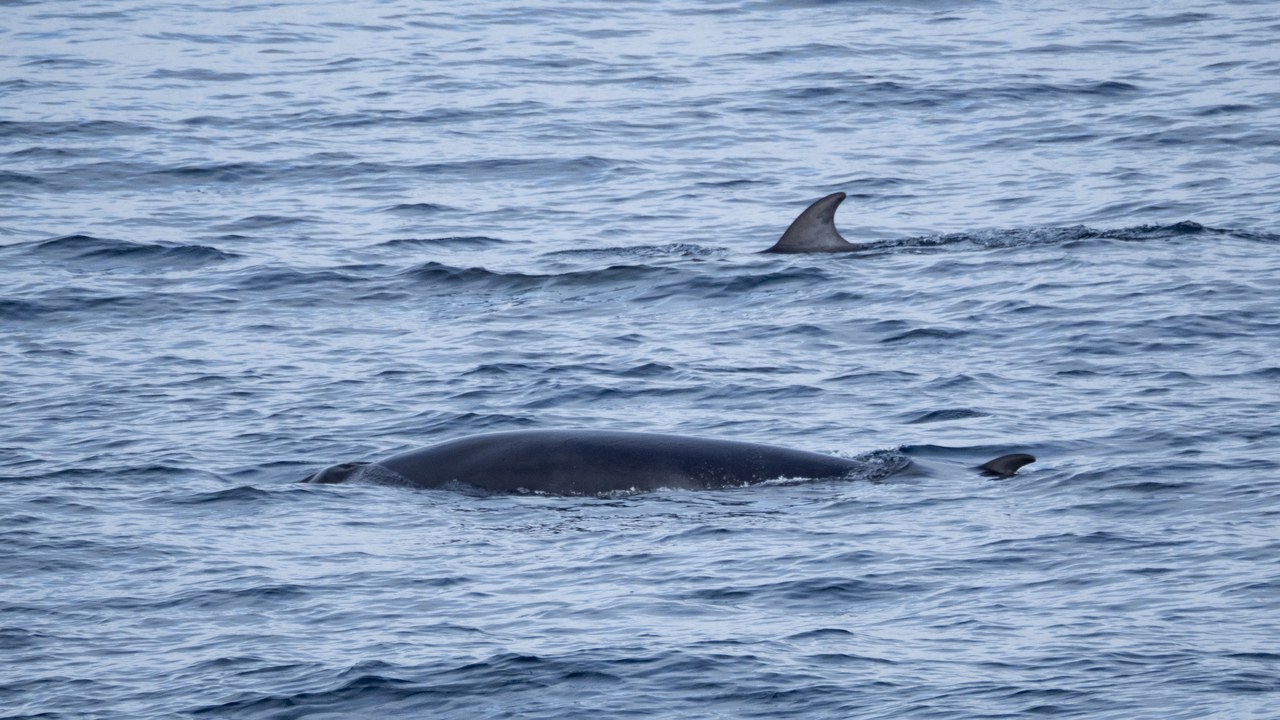
Minke whales top out at about 35 feet and 10 tons, and the sanctuary notes that they are protected under the MMPA. Those figures make the minke the lightest and shortest of the baleen whales profiled in the Stellwagen Bank guide, yet it still receives federal protection.
That protection is worth noting because small size does not mean a species can be approached or disturbed freely. For whale-watchers, the minke is a reminder that the rules covering marine mammals apply to the modest animals just as they do to the giants.
12. Short-finned pilot whale: Hawaiian Pod Traveler
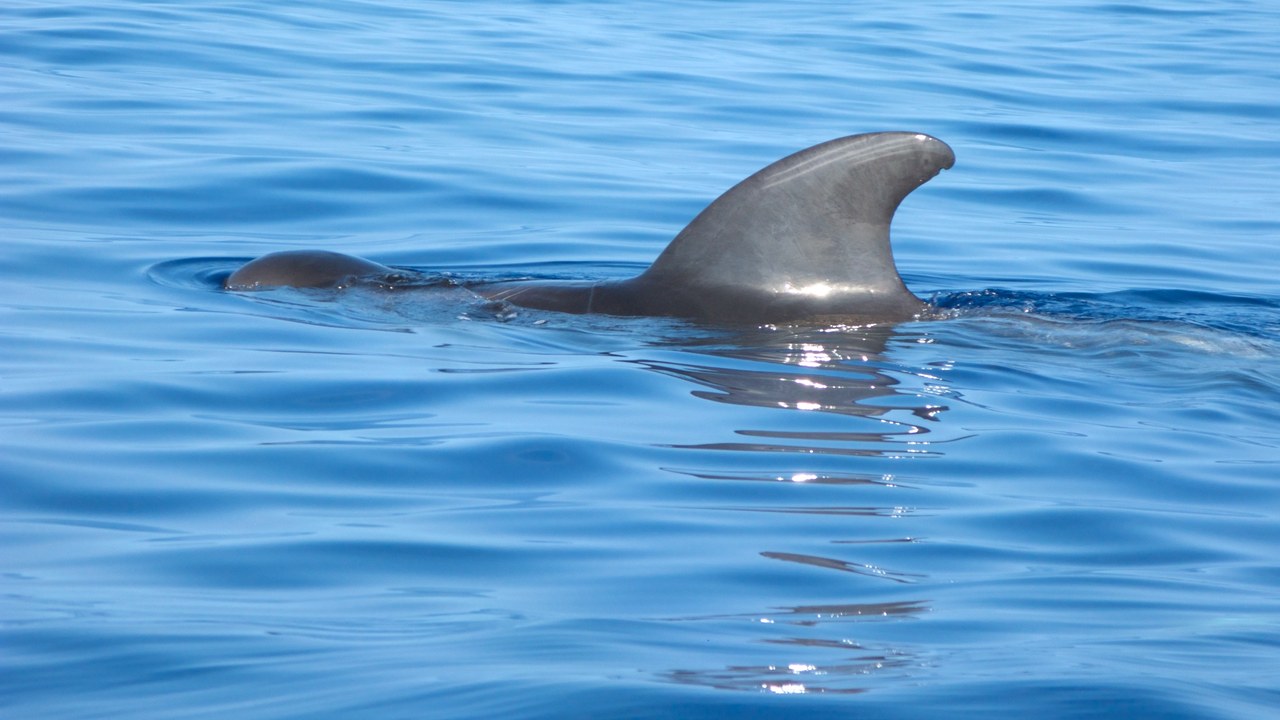
About 19,000 short-finned pilot whales live in Hawaiian waters, and NOAA Fisheries reports that they travel in groups of 25 to 50. The species is notable for being a sociable animal whose pods are sizable, and the Hawaiian count shows it is far from rare in that part of the Pacific.
NOAA also says the species often mass-strands, which is the downside of such tight-knit groups: when one animal ends up in trouble, others may follow. That behavior is the caveat attached to an otherwise abundant, easily recognized whale.
More from Morning Overview
- Doctors warn a silent liver disease now affects one in three American adults
- The FBI told the rest of ShinyHunters to surrender after a 24-year-old was arrested
- Two passengers died at an Ohio toll plaza, and the NTSB now wants the cash lanes shut
- Long use of a common prostate pill is tied to a higher chance of glaucoma
