
Bite force is one of the most dramatic ways to compare animals, and the numbers come in two flavors: measured pounds of force and estimated pressure in psi. Crocodilians dominate the top of every list, while sharks, bears, big cats and even a plant-eating primate crowd the middle. Here are twelve animals with bone-crushing bites, ranked from the strongest ratings down to the lion.
1. Nile crocodile: Reigning Champion
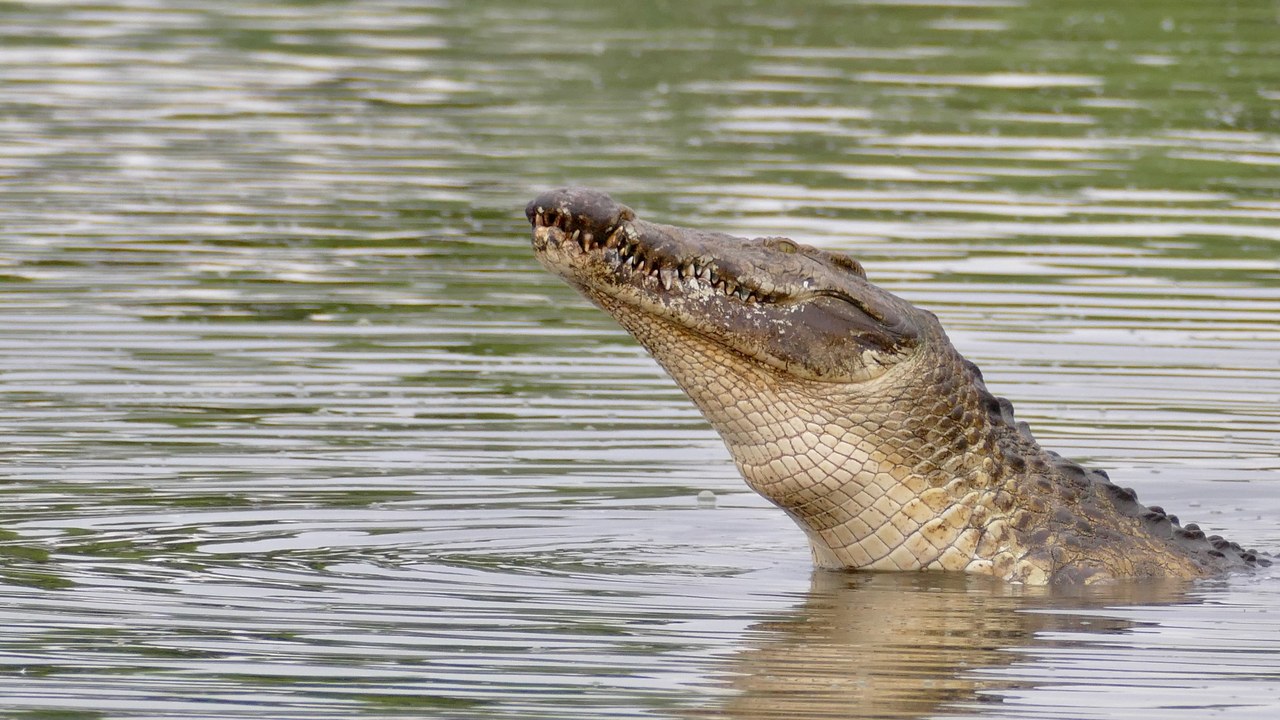
Science Focus ranking puts the Nile crocodile at the top of its ranking, crediting it with the strongest bite of any animal on the list at 5,000 psi. That figure is a pressure rating, which is why it looks so different from the pound-force numbers reported in field measurements. Even so, the placement shows how consistently large crocodilians sit near the head of bite comparisons.
Anyone comparing bite statistics should check the unit first. Pressure ratings and measured force in pounds are not interchangeable, and a number from one list cannot simply be set beside a number from another without that context.
2. Great white shark: Modeled, Not Measured
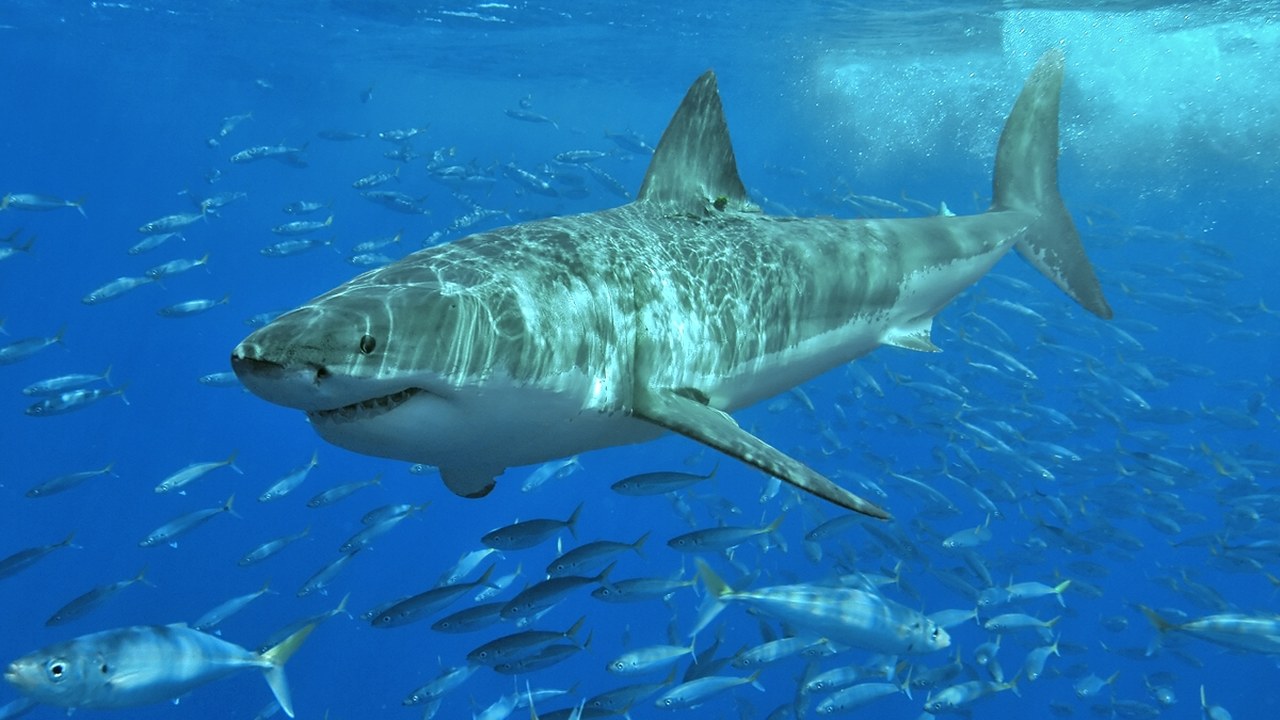
WorldAtlas bite list gives the great white shark a bite estimated by model at around 4,000 psi. The wording matters, because a shark of that size cannot be coaxed into biting a force sensor the way a captive reptile can, so the figure comes from calculation rather than a direct recording from a living animal.
The takeaway is a healthy caution. Modeled estimates for big sharks are useful for comparison, but they carry more uncertainty than the measured crocodilian records, and rankings that mix the two methods should be read as approximate rather than exact.
3. Saltwater crocodile: The Record Holder
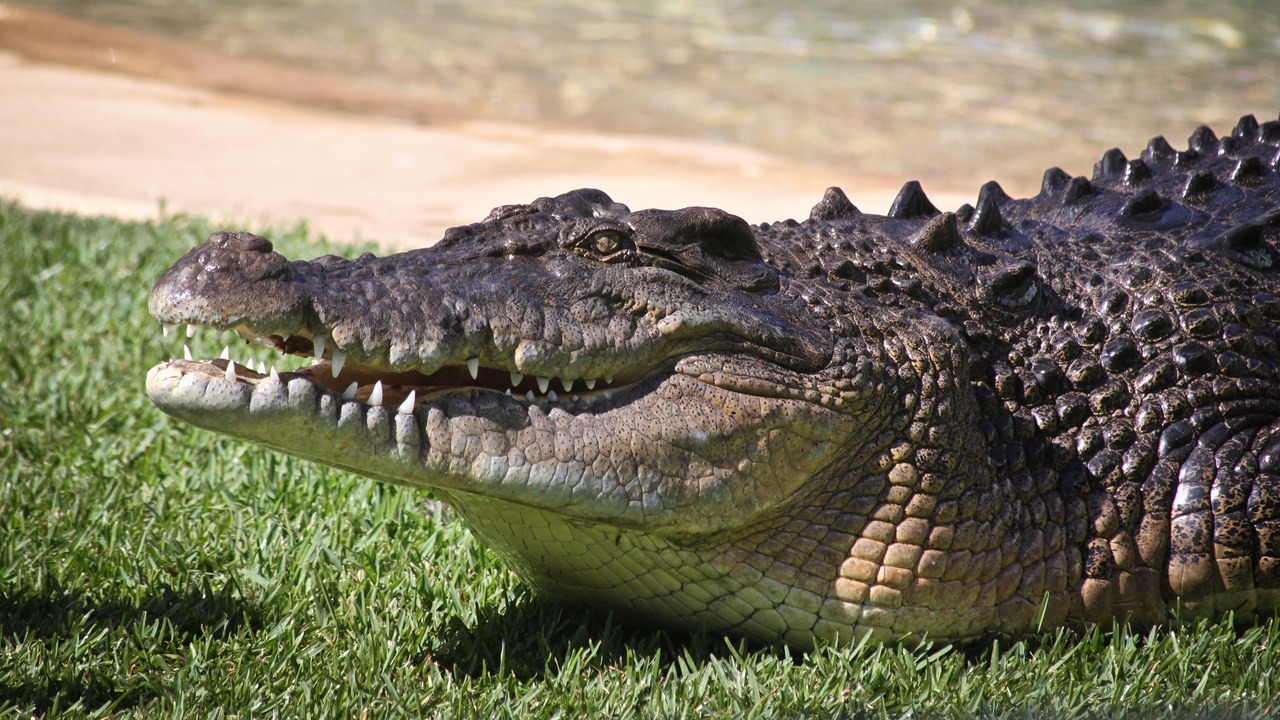
Researchers from Florida State University measured 3,700 pounds of bite force from a 17-foot saltwater crocodile, highest bite force recorded. That reading is the highest on record for any living animal tested. The work was led by Gregory Erickson and published in PLOS ONE in 2012, using a single large specimen rather than an average across a group.
The record belongs to one very large individual. Typical saltwater crocodiles are smaller, so the 3,700-pound reading shows what the species can reach at full size, not what every animal of that species delivers.
4. American alligator: Former Record Holder
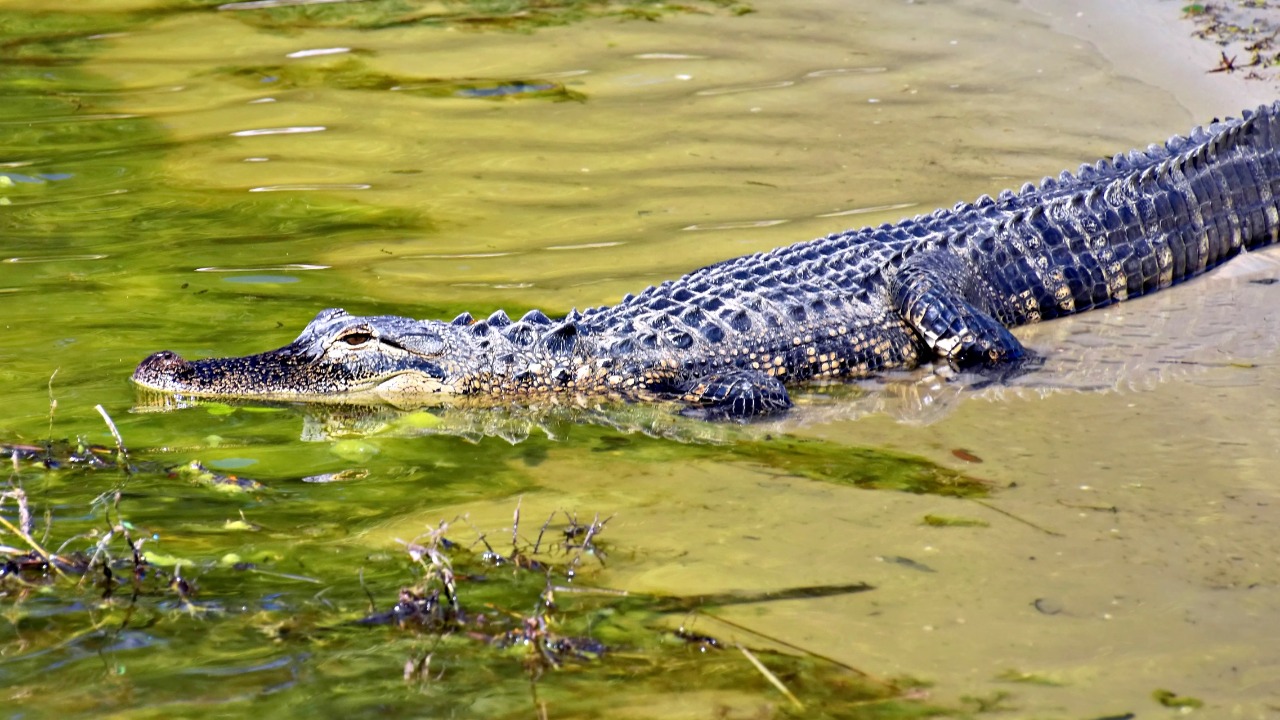
A 13-foot wild American alligator bit with 2,980 pounds of force, FSU bite-force study describes as the previous record before the saltwater crocodile result. The animal was wild rather than captive, which makes the figure especially notable among measured values for crocodilians.
The gap between 2,980 and 3,700 pounds is real, but the alligator still sits in extraordinary company. Its record stood until the larger saltwater crocodile was tested, and it remains the benchmark for the species found across the American South.
5. Hippopotamus: Gape With Muscle
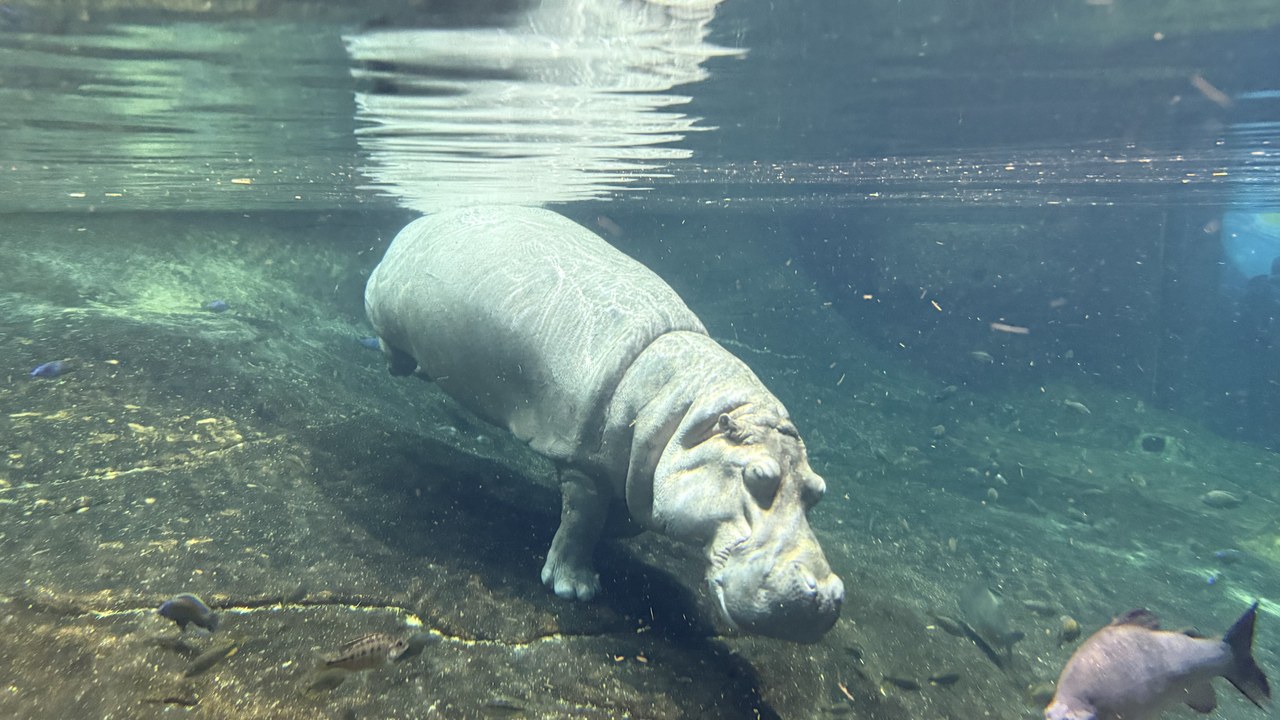
Field and Stream’s list credits the hippopotamus with a bite force of 1,800 PSI, placing the animal well above every big cat on the list. The number points to a mouth built for far more than grazing, even though the animal eats plants.
The figure is a reminder that the hippo belongs among dangerous bites despite its plant-eating diet. Size and jaw mechanics matter more here than what the animal usually eats, and the rating is one list’s figure rather than a record from a controlled measurement.
6. Jaguar: Strongest Big Cat
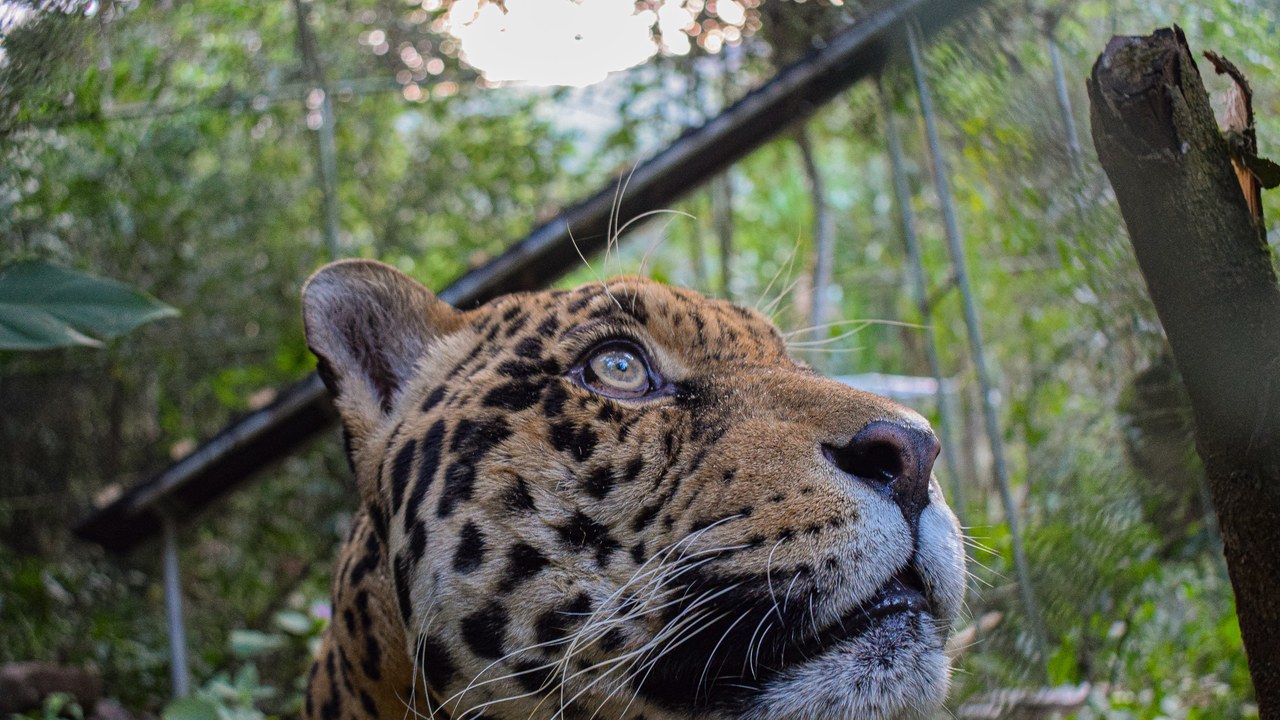
Science Focus list rates the jaguar bite at 1,500 psi, the strongest big cat on the list. That puts the spotted South American predator ahead of the lion and the tiger in the same comparison, a clear margin for a cat.
For anyone ranking cats by raw bite pressure, the jaguar is the standout. The result is a rating from one list, so other sources may order the big cats differently.
7. Bull shark: Pressure Rating of 1,350
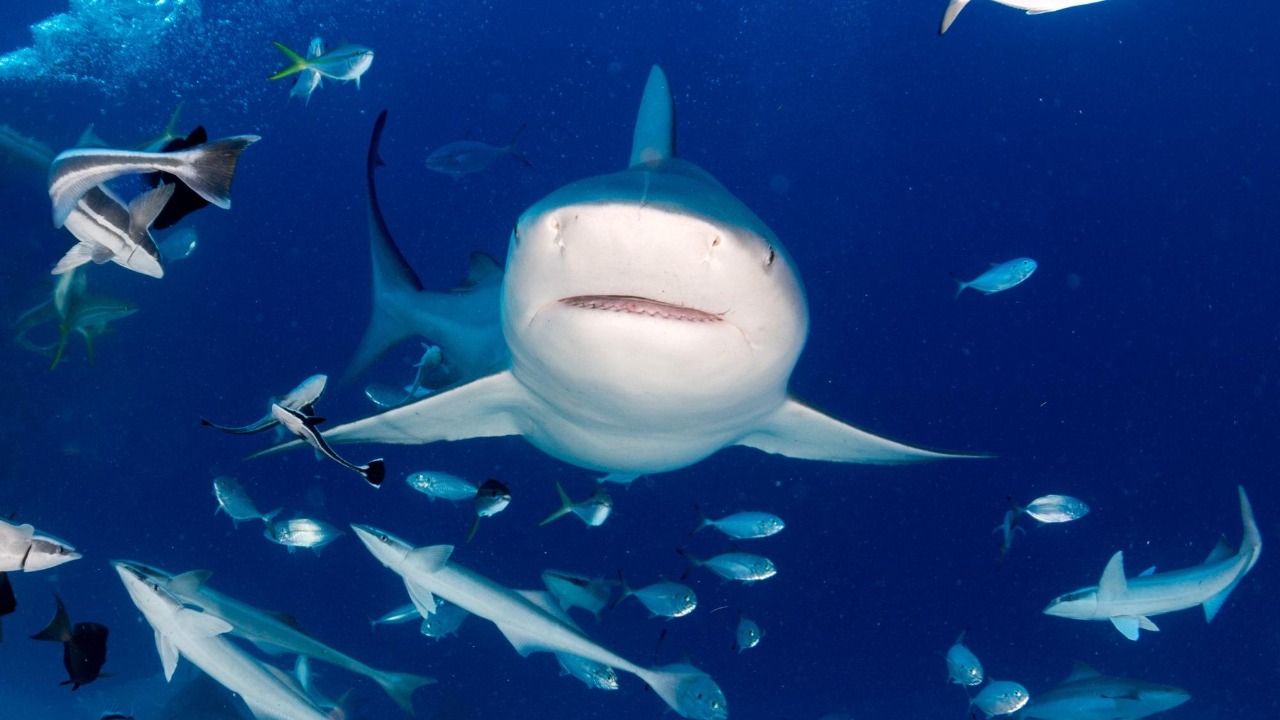
The bull shark’s bite is rated at 1,350 psi, according to Science Focus ranking. That places it well below the great white’s modeled figure but comfortably above several land predators in the same comparison. The ranking treats the species as a heavyweight biter despite its more modest size.
Because the number is a rating rather than a direct measurement, it is best read as an indication of rank. The bull shark earns its place through pressure relative to body size, and the list does not claim a measured record for it.
8. Gorilla: Hidden Strength
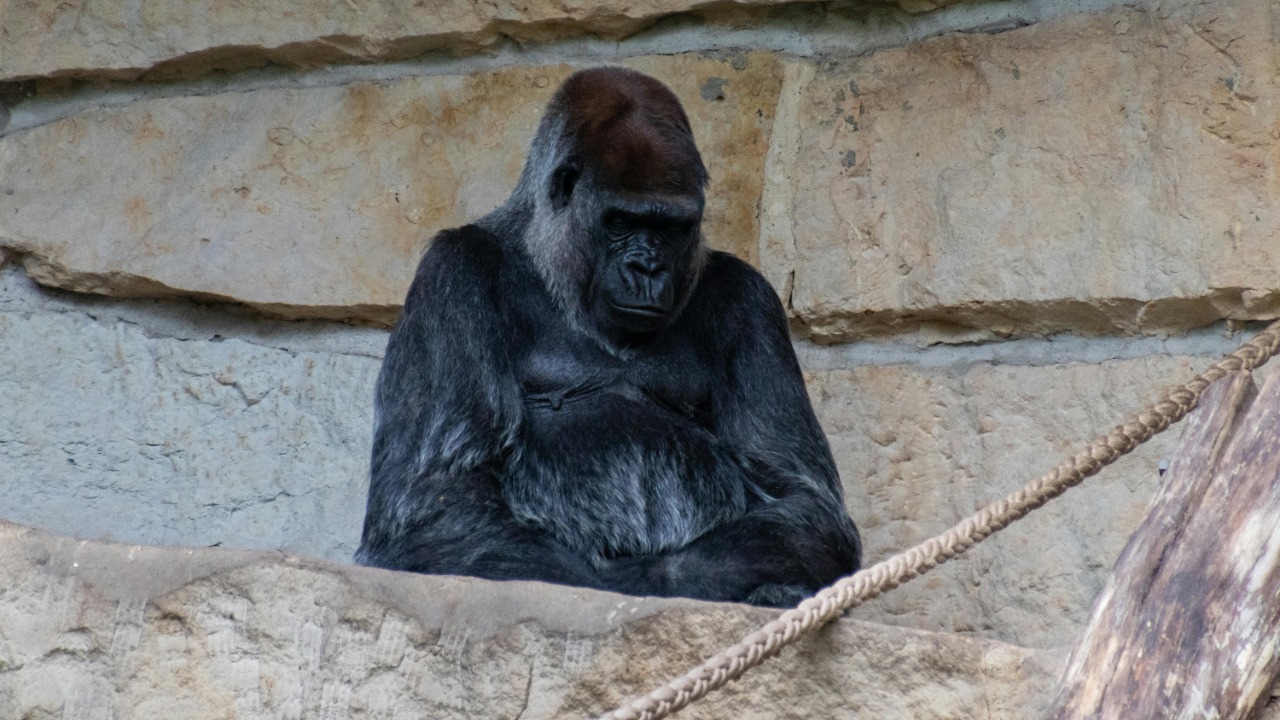
Field and Stream’s ranking gives the gorilla a bite force of 1,300 PSI, placing it as the only primate on the list. The result surprises many readers, since gorillas are better known for chest-beating and for a diet dominated by leaves, stems and fruit than for any aggressive use of their jaws.
The figure shows how much muscle sits behind a plant-eater’s jaw. Gorillas rarely bite in defense, but the number helps explain how they process tough vegetation every day.
9. Polar bear: Ice Bear Bite
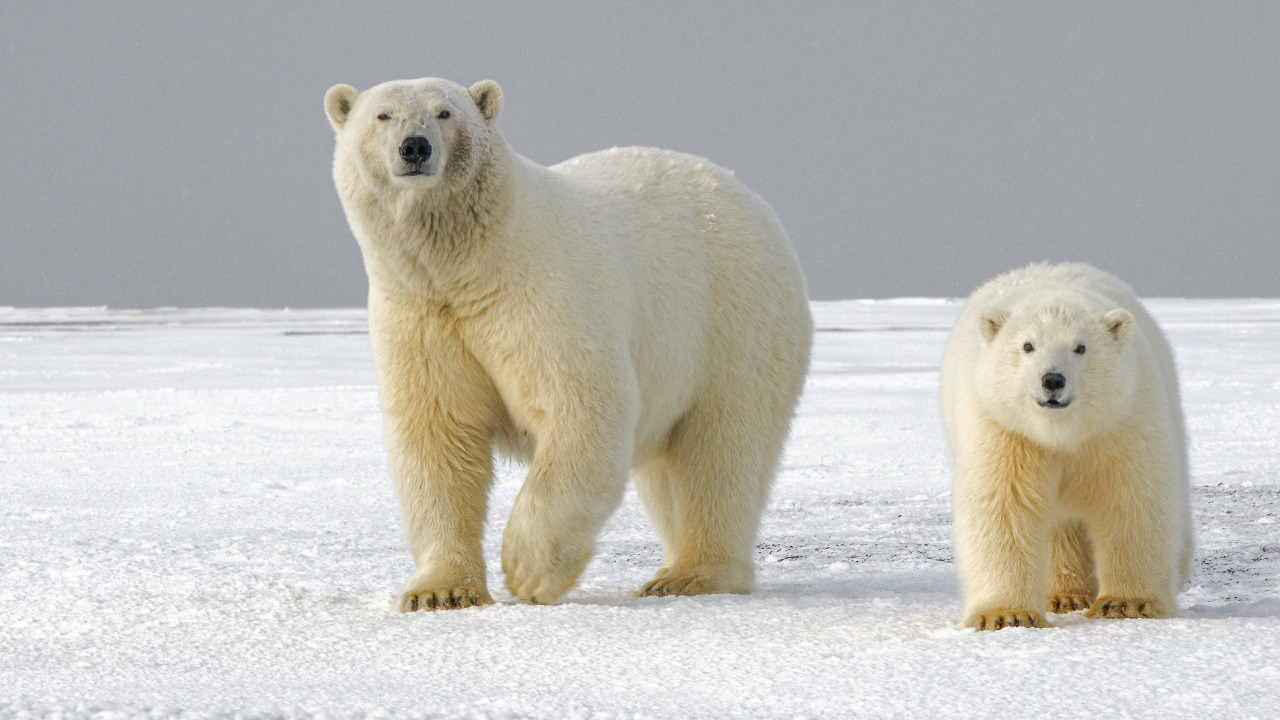
The polar bear’s bite is estimated at around 1,200 psi, a figure WorldAtlas feature reports in its ranking. The word estimated is doing real work here, since pressing a sensor into the jaws of a wild Arctic predator is not a practical experiment, so published numbers for the species rest on inference.
The estimate puts the largest land carnivore in the middle of this list. It is strong, but the crocodilians sit far above it, a useful corrective for anyone who assumes the biggest bodies deliver the biggest bites.
10. Spotted hyena: Bone Breaker
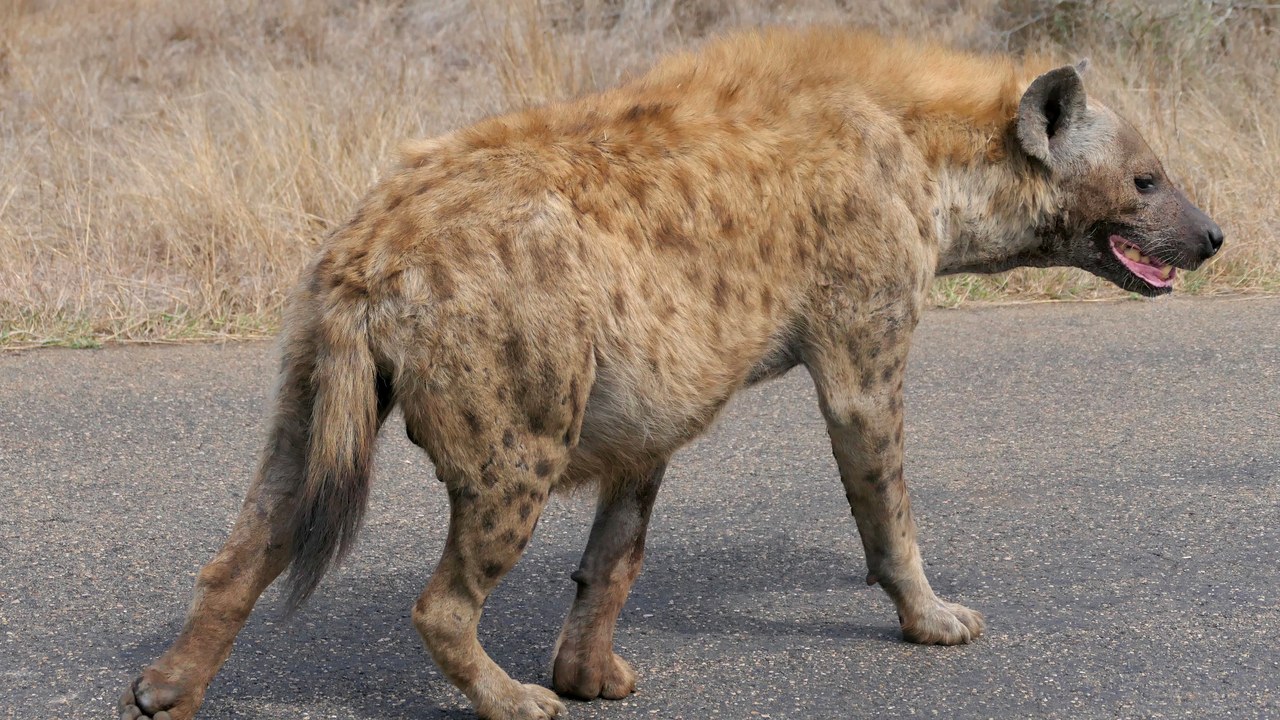
Spotted hyena bite is measured at around 1,100 psi, according to WorldAtlas ranking. The animal is famous for cracking bones to reach marrow, and the figure supports that reputation, placing its jaws close to the pressure of a big cat despite a body far smaller than a lion or tiger.
The hyena is the list’s reminder that bite pressure is not a function of size alone. It is a scavenger and hunter whose skull and jaw are built for crushing, and the measured number backs the bone-cracking reputation.
11. Bengal tiger: Striped Predator
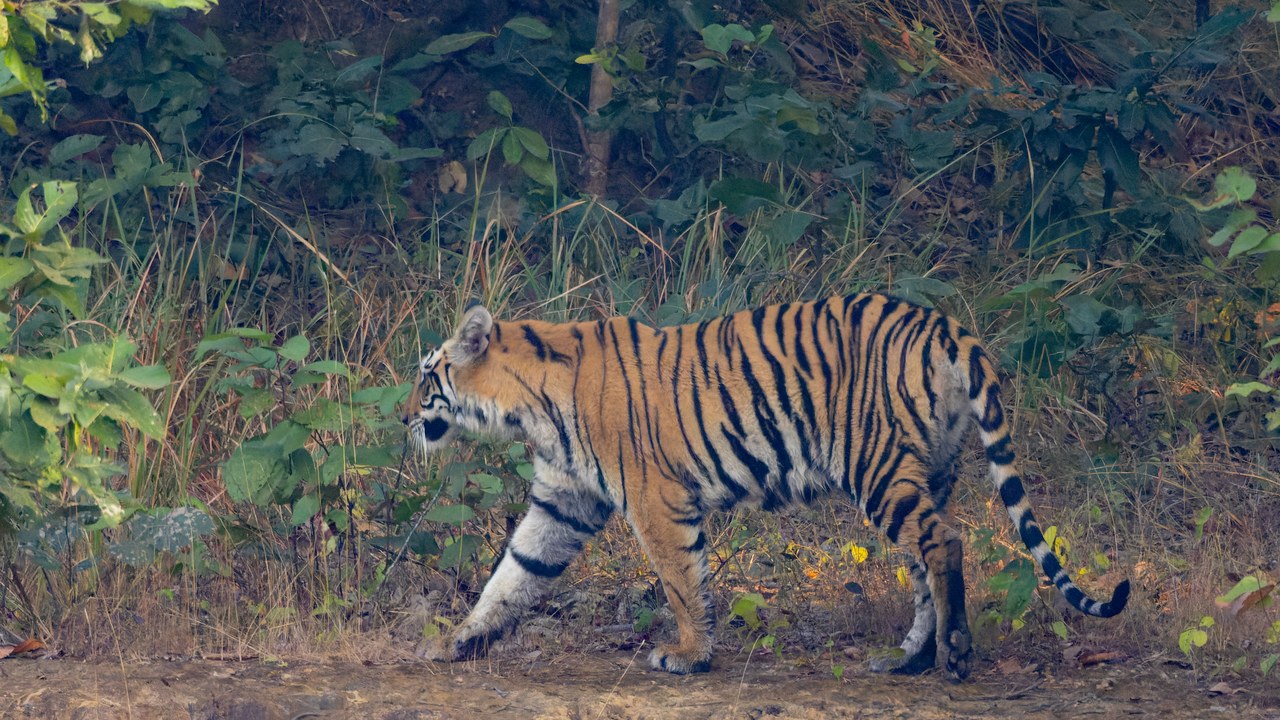
Field and Stream’s list puts Bengal tiger bite force at 1,050 PSI, listing it just below the hyena and well above the lion. The figure is notable given the tiger’s size and its reputation as the largest of the big cats, since raw weight does not translate into the highest pressure.
The number serves as a counterpoint to the jaguar. A smaller cat outbites the biggest one on this list, which shows that skull shape and jaw muscle matter as much as body mass.
12. Lion: Lowest on the List
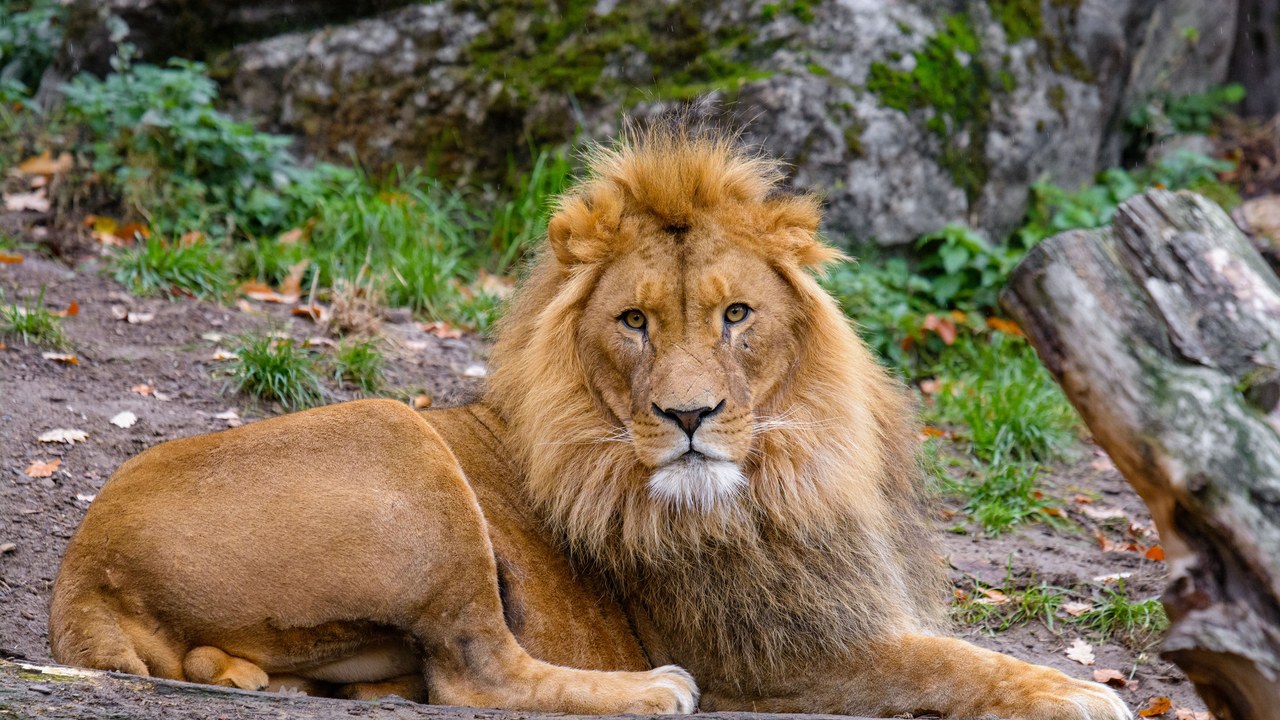
The lion’s bite force is listed at 650 PSI by Field and Stream list, the lowest figure among the twelve animals here. A lion is still a formidable hunter, and the number says more about how extreme the animals above it are than about any weakness in the species.
Lions rely on size, strength and group hunting more than on jaw pressure alone. Even the bottom of this list is a powerful bite, and it closes a ranking dominated by crocodilians and sharks.
More from Morning Overview
- Common allergy, bladder and sleep pills tied to sharply higher dementia odds
- NOAA now gives this winter a 75% chance of the strongest El Nino since 1950
- Doctors warn a silent liver disease now affects one in three American adults
- The FBI told the rest of ShinyHunters to surrender after a 24-year-old was arrested
