
Few carmakers are tied to a single idea as closely as Volvo is tied to safety. The company’s own heritage pages trace that reputation through sedans, wagons, a sports coupe and SUVs across several decades. Here are twelve landmark Volvos, from a 1944 debut in Stockholm to the last diesel the company built.
The tech news worth your time: 400,000+ professionals from Google, Apple and OpenAI read Techpresso, a free daily email with the most interesting tech news and insights.
Subscribe to Techpresso free →
We may earn a commission if you sign up.
1. Volvo PV444: Stockholm Debut
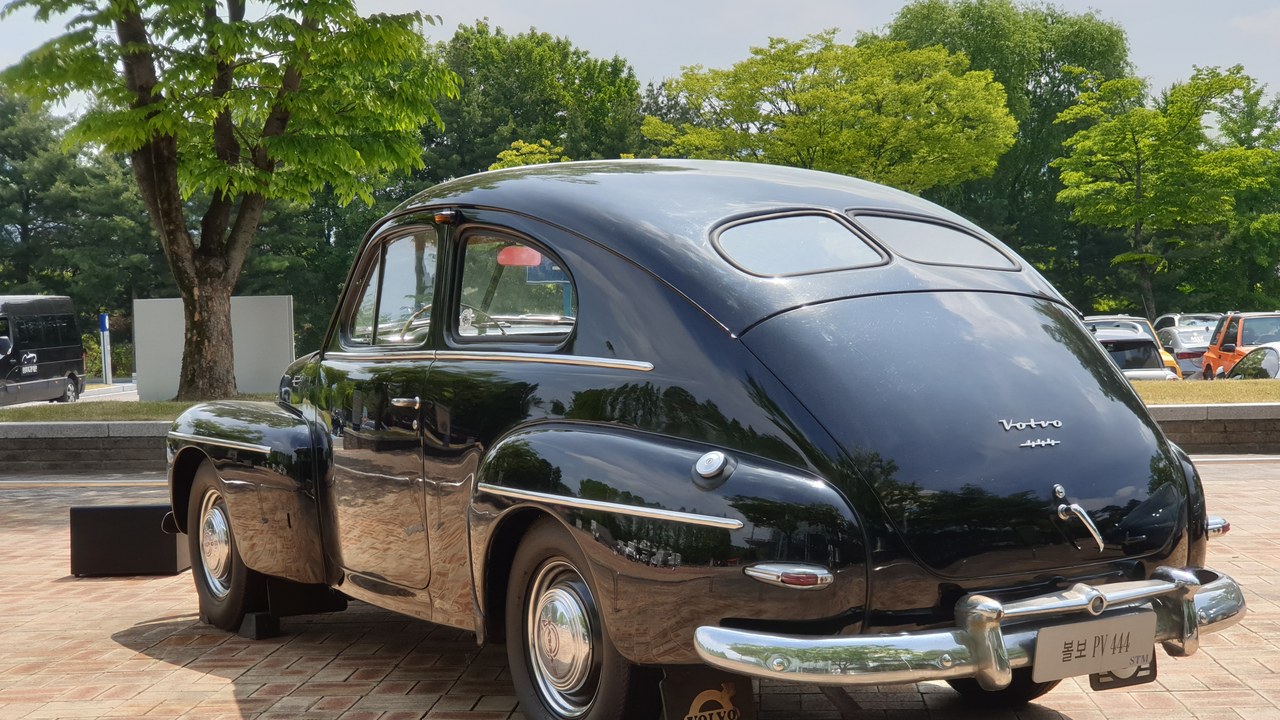
The story starts with a car unveiled in Stockholm on September 1, 1944, when the PV444 drew orders from 2,300 people within two weeks. Volvo’s heritage page adds that the first one reached Long Beach, California, in August 1955, an early point in the brand’s U.S. history.
That gap of roughly a decade between debut and arrival shows how long the PV444 took to reach U.S. shores. For collectors, it is the foundation of everything Volvo later built, a small postwar sedan whose popularity at home set the company on its way.
2. Volvo PV544: The Belt That Saved Lives
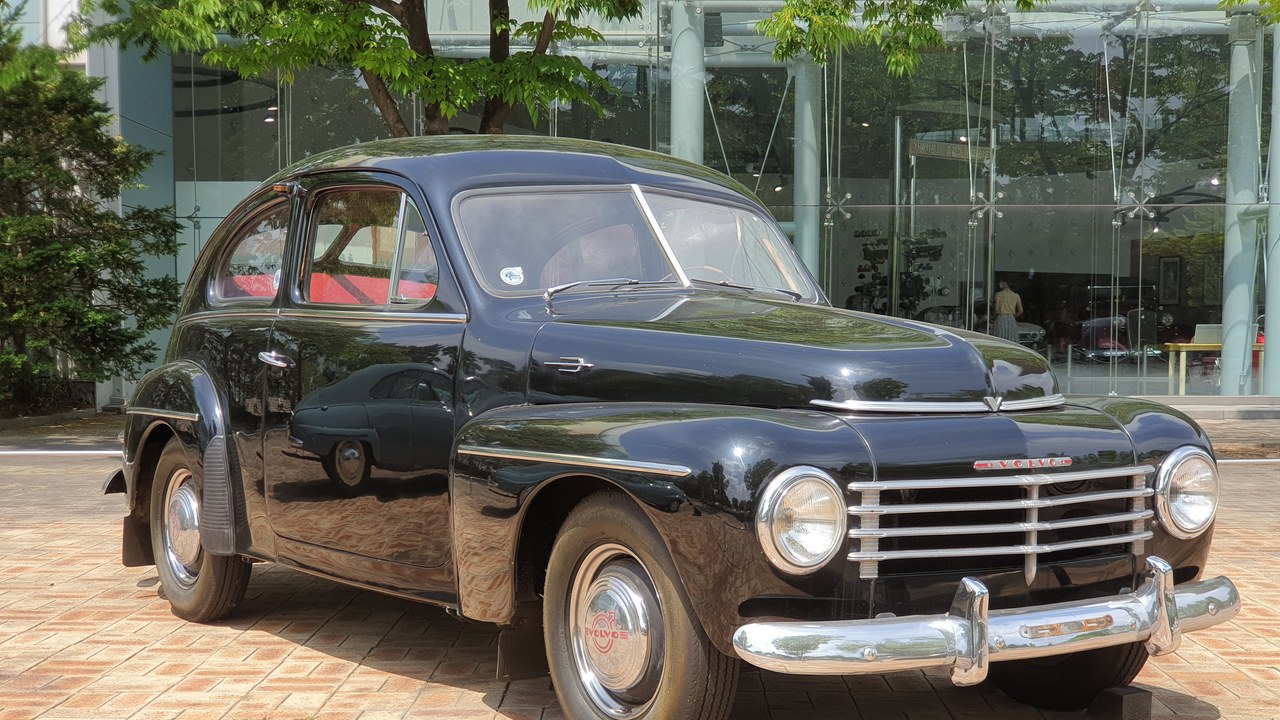
In 1959, engineer Nils Bohlin put the three-point belt into series production on the PV544, and Volvo then waived its patent so other manufacturers could use it. The company estimates the belt has saved over a million lives, an achievement that anchors its safety image.
Few single components have shaped an industry so widely, which is why the PV544 carries weight well beyond its modest looks. An owner of one holds the car that introduced a feature now fitted to virtually every passenger vehicle on the road.
3. Volvo Amazon (120 series): A Long Run for Amazon
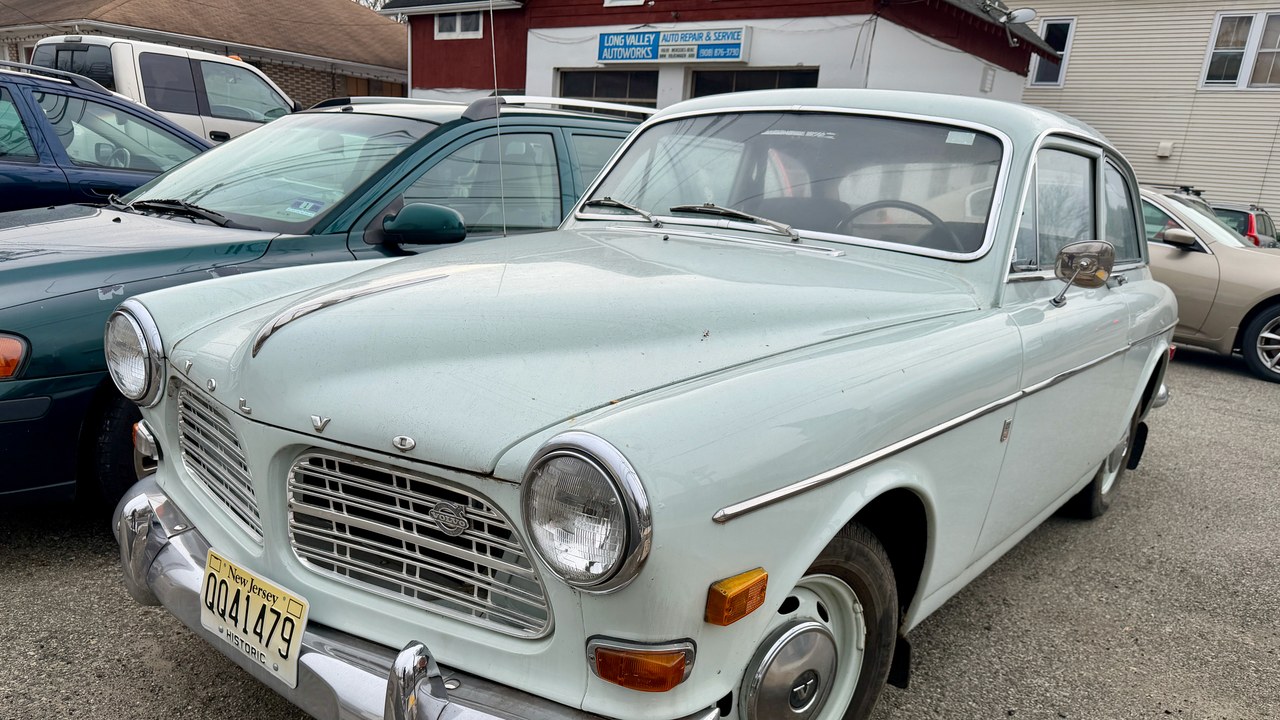
Volvo’s legacy models list dates the Amazon sedan from 1956 to 1967, with a two-door version added in 1960. The wagon version, known as the P220 Amazon, was built later, from 1962 to 1969, so the nameplate stayed in showrooms through much of the 1960s.
The span of body styles makes the Amazon an easy entry point for anyone shopping for a classic Volvo, since sedan, two-door and wagon variants all exist. Production years matter when hunting for one, because the wagon outlasted the sedan by two years.
4. Volvo P1800: Hero of The Saint

Television gave the P1800 its fame, because a white 1962 car served as the hero car of The Saint. Volvo built 47,492 of the sports coupe from 1961 to 1973, and Irv Gordon’s P1800 went on to pass 3.2 million miles by 2018.
That mileage record speaks to durability more than any brochure could, and it feeds the brand’s reputation for cars that keep going. Buyers of classic Volvos often cite the P1800 as the stylish exception in a lineup otherwise known for sensible sedans and wagons.
5. Volvo 144 (140 series): The 140 Series Begins
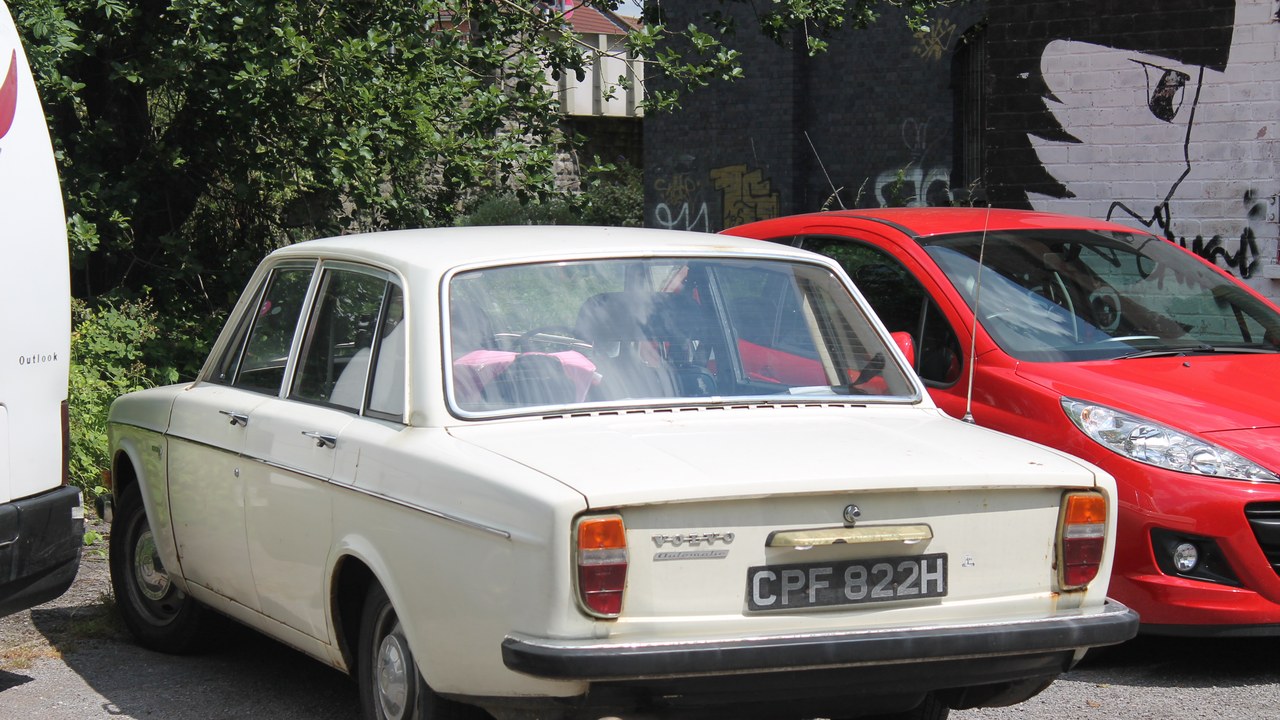
Volvo’s legacy page lists the 144 as the sedan that launched the 140 series in 1966, and it stayed in production until 1974. The 145 wagon joined the family for 1967, giving buyers a practical alternative alongside the four-door.
Boxy and upright, the series represents the era when Volvo settled into the sturdy, no-nonsense design language that later cars built upon. Anyone tracing the lineage from the Amazon to the 240 will find the 140 sitting squarely in the middle.
6. Volvo 240: Nearly Three Million Built
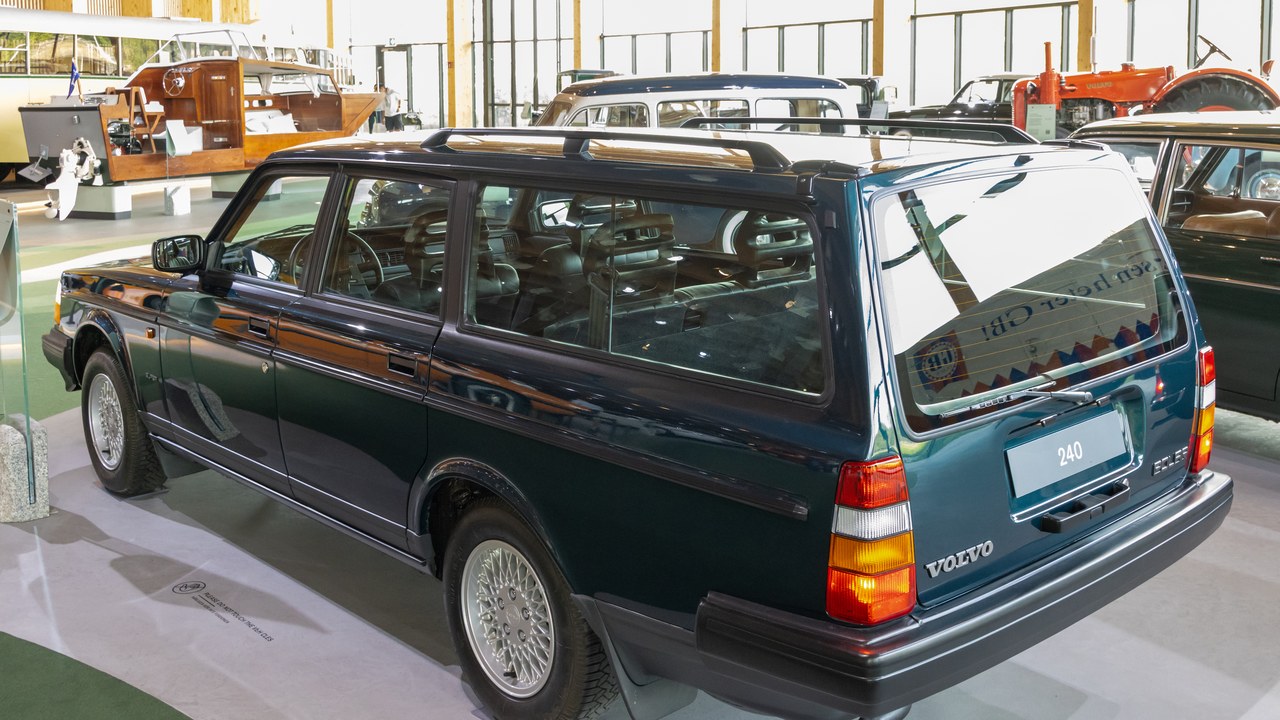
By the time the last 240 was built on May 5, 1993, Volvo had made 2,862,573 of them. The company’s own release calls it the people’s favourite, a description that fits a model sold in such volume over so many years.
Numbers like those mean parts, knowledge and survivors are plentiful today, which is a real advantage for anyone considering one as an old car. The 240 shows that Volvo’s safety message paid off commercially as well as reputationally.
7. Volvo 760: Opening the 700 Series
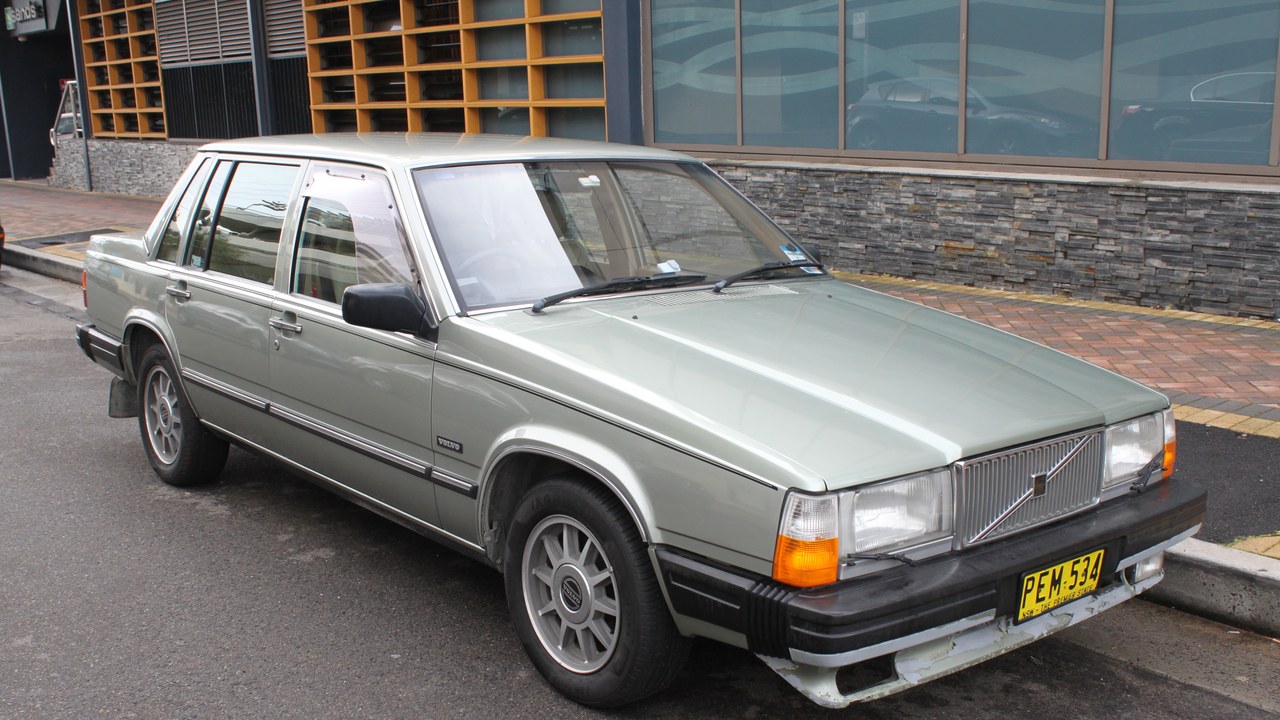
The 760 sedan opened Volvo’s 700 series in 1982 and ran to 1990. The 740 sedan followed in 1984, wagons arrived in 1985, and the 740 lasted until 1992, so the family overlapped with the 240 for years before the older car ended.
For shoppers, the model numbers can confuse, since the 760 and 740 share a series but not an identical production span. Knowing which year a given car came from helps sort the flagship from the more common variant.
8. Volvo 850: Four World-Firsts
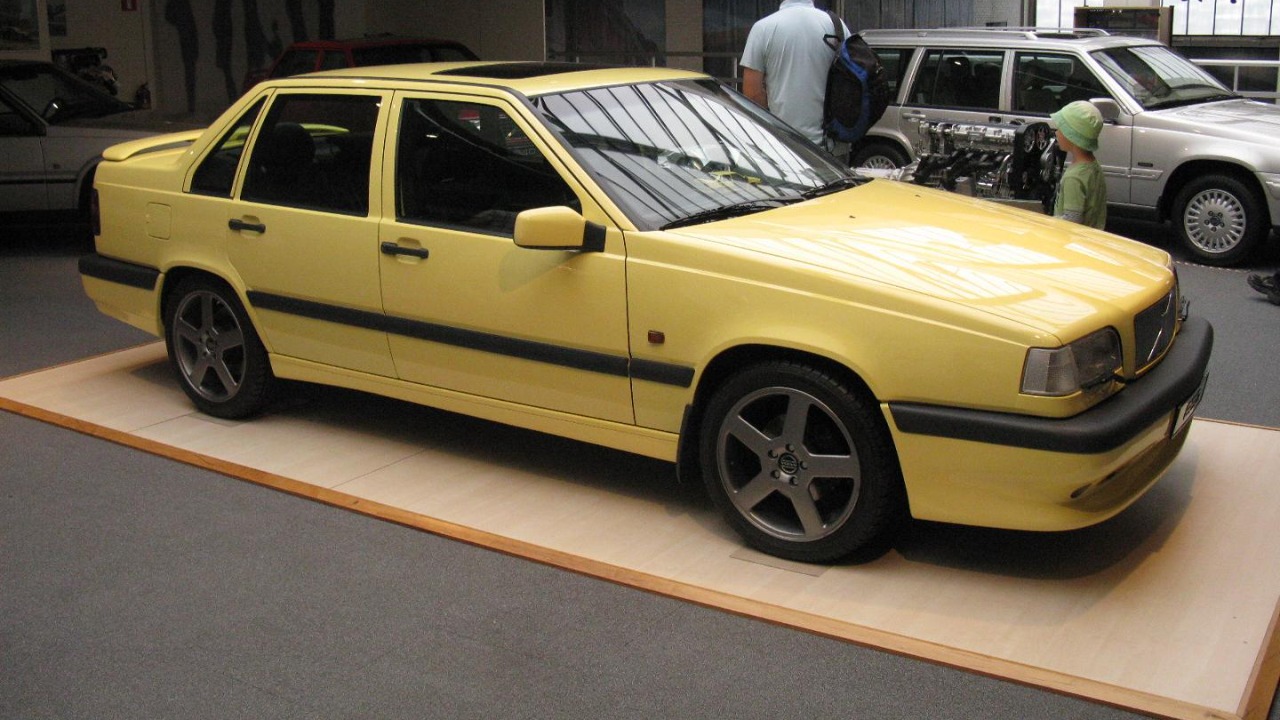
Presented in 1991, the 850 arrived with four world-firsts, among them a transverse five-cylinder engine and the Side Impact Protection System. It was also Volvo’s first larger model with front-wheel drive, a sharp break from the rear-drive cars that came before.
That combination of engineering changes makes the 850 a turning point rather than a simple replacement. Safety remained the headline, but the car showed Volvo willing to rebuild its layout from the ground up.
9. Volvo V70: From 850 to Cross Country
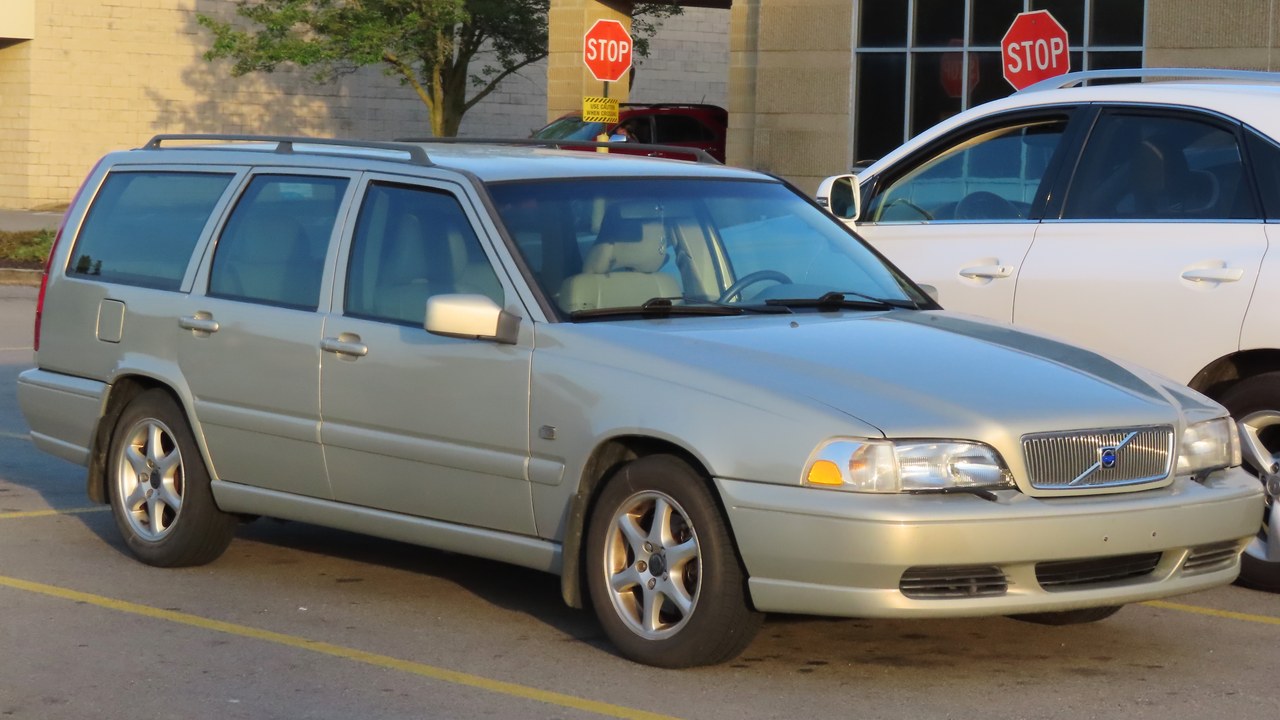
The V70 wagon arrived in 1996 just as the 850 wagon bowed out, taking over its role. Its V70XC offshoot later became the XC70 Cross Country, which Volvo sold from 1998 to 2016, giving the wagon a rugged, raised-up sibling.
The Cross Country idea proved long-lived, with sales running to 2016. Buyers who wanted wagon practicality with extra ground clearance had a Volvo answer well before SUVs took over showrooms.
10. Volvo XC90 (first generation): First Volvo SUV
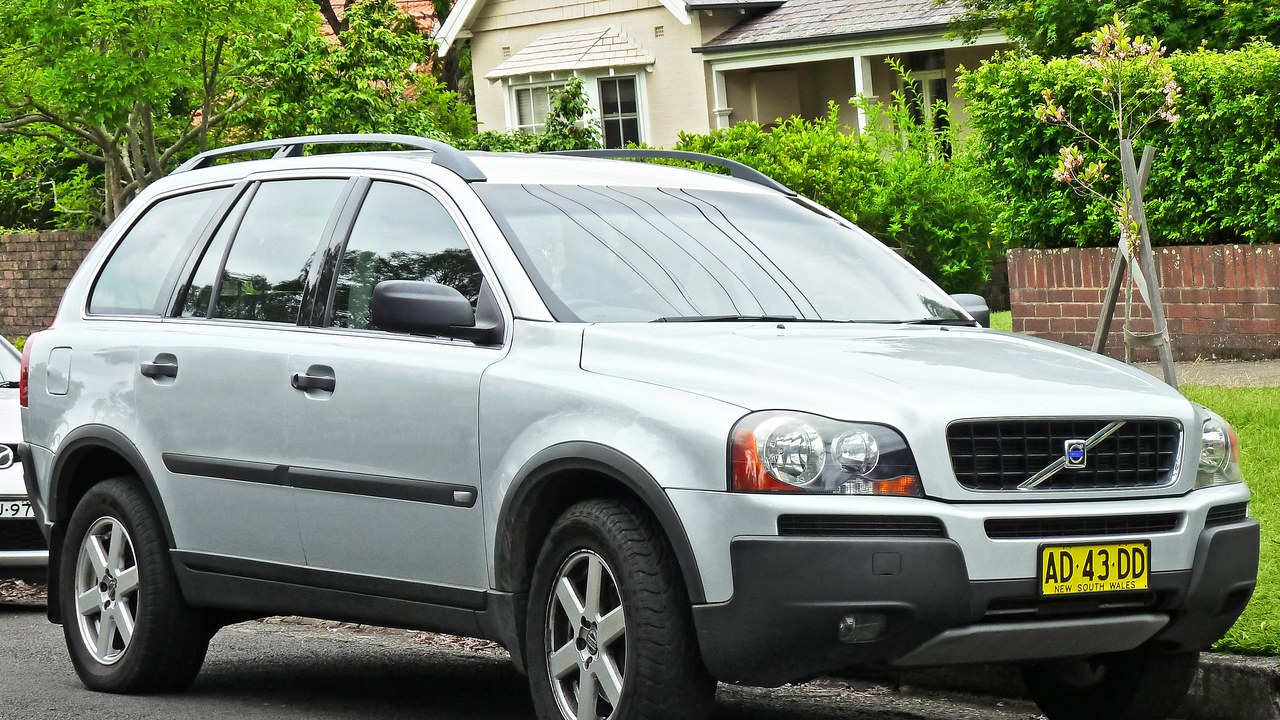
Volvo launched its first SUV, the XC90, in 2002, and the company describes it as an instant success worldwide. Within a few years it became Sweden’s most important export product, an unusual distinction for a single model.
The XC90 moved Volvo’s safety identity into the segment that was reshaping the market. Its success explains why the brand’s lineup today leans so heavily on tall vehicles rather than the sedans and wagons of earlier decades.
11. Volvo XC60: Geneva Debut, Sales Leader
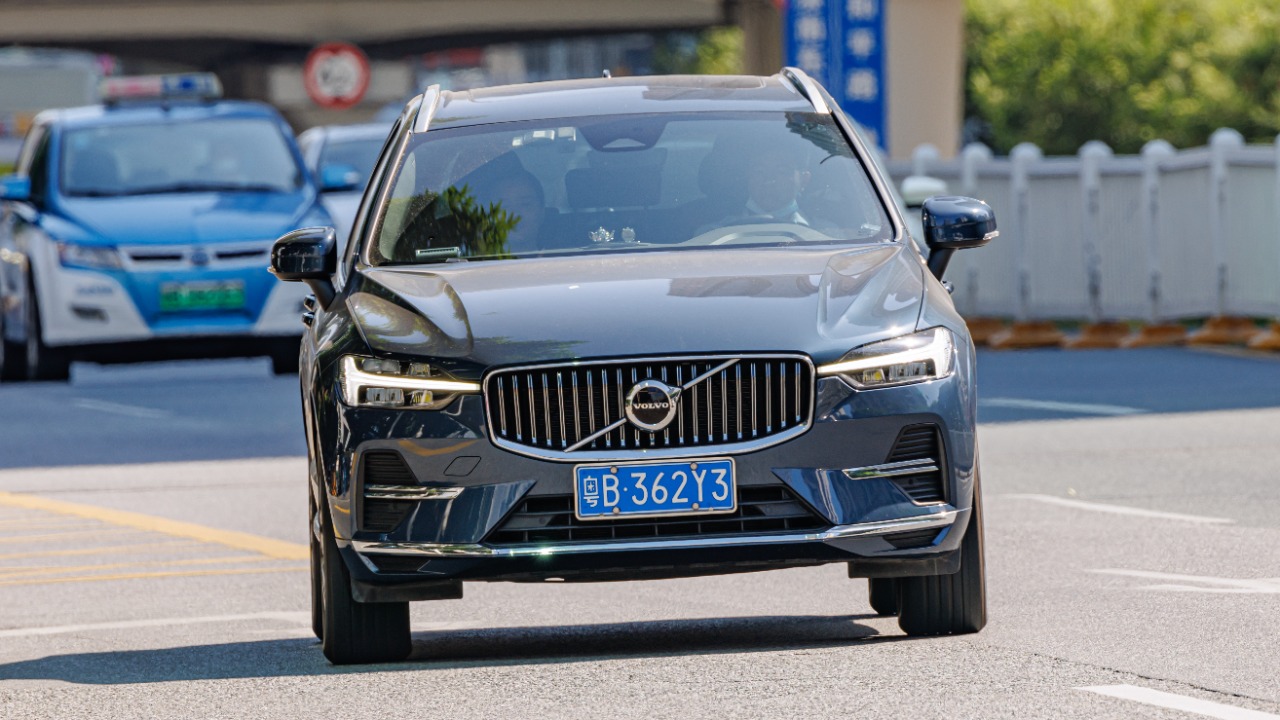
The XC60 was unveiled at the 2008 Geneva Motor Show with Volvo’s City Safety low-speed collision technology. It has been the brand’s best-selling car since 2009, and 230,853 were sold worldwide in 2024.
Sales at that scale show how completely the crossover has replaced earlier mainstays. For a buyer, the XC60 is the most direct expression of Volvo’s current formula, pairing family-friendly size with the safety technology the badge promises.
12. Volvo XC90 (second generation): Last of the Diesels
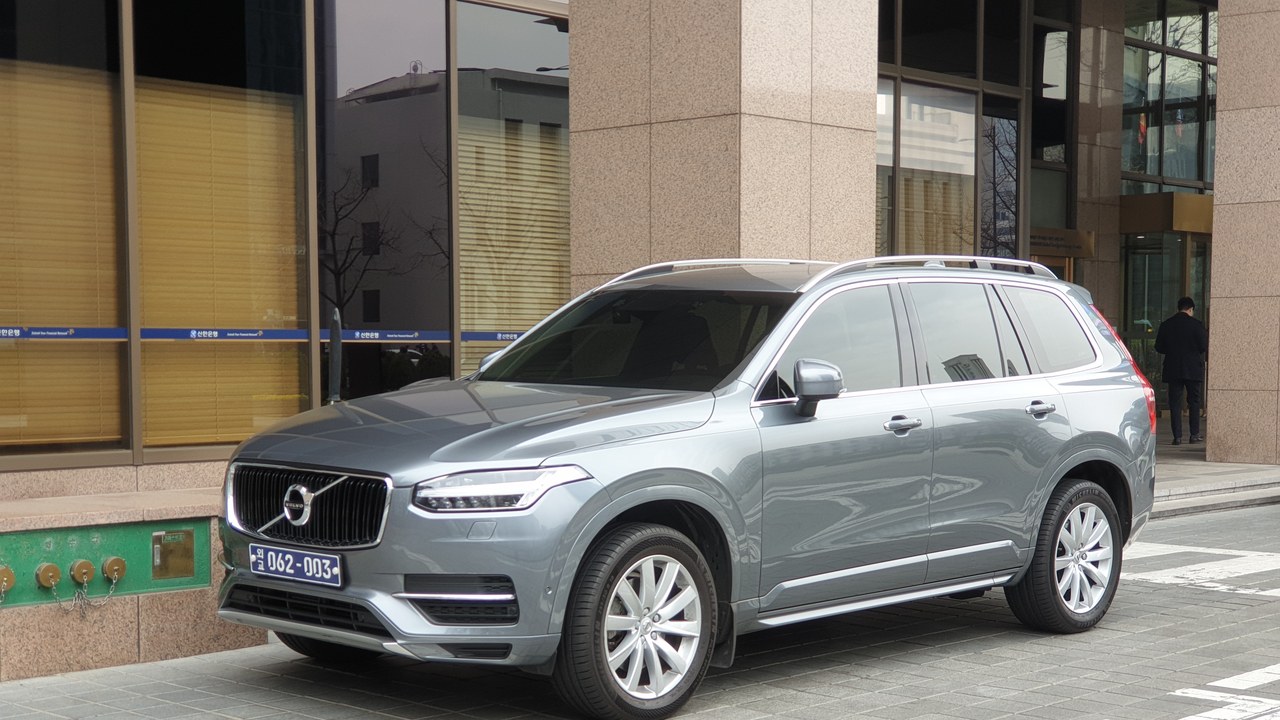
The second-generation XC90 closed a chapter for the brand: in March 2024 it was the final Volvo car built with a diesel engine. That milestone closed out diesel production for the brand, and the car now sits as a marker of that shift.
The change reflects the broader industry move away from diesel, and it leaves the XC90 as a marker of the transition. Diesel examples of that model now stand as the last of their kind from the company.
More from Morning Overview
- Hybrids have 15% fewer problems than gas cars, while EVs and plug-in hybrids have about 80% more, Consumer Reports finds
- Regulators cleared the first U.S. small modular reactor, 4 months early
- Lake Powell sank to a record 3,517 feet, nearing the level that stops Glen Canyon Dam’s turbines
- Seven of Earth’s nine planetary boundaries are breached, and all seven are worsening
