
Dodge revived the Challenger name more than once, and each return brought a different idea of what a muscle car could be. The story runs from a Hemi-powered original through a Japanese-built detour to the supercharged finale that closed out production in Ontario. Here are ten Challengers that mark the run.
Free newsletter: The Cool Down makes it easy to help yourself while helping the planet, with smart, simple changes to save more and waste less in your everyday life.
We may earn a commission if you sign up.
1. Dodge Challenger R/T Hemi (1970): Hemi Hero
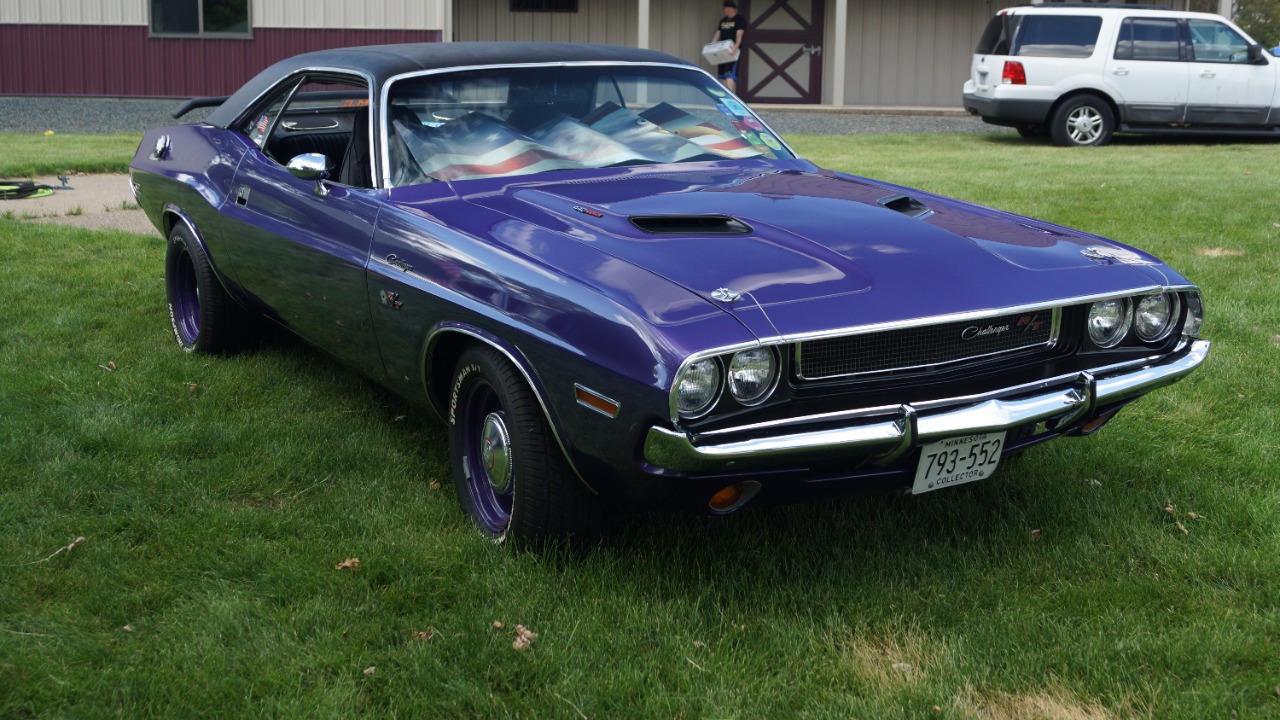
The 1970 Challenger R/T could be ordered with the 426 Hemi V-8, rated at 425 bhp, and Hagerty’s valuation notes credit it with a 6.3-second 0-60 mph time and a 13.1-second quarter mile at 107.1 mph. Those figures put it among the quickest cars of its day.
That performance explains why the Hemi version sits at the top of the first-generation hierarchy. Few buyers ordered the engine when the car was new, which keeps these cars scarce and makes the numbers a benchmark for everything that followed under the same badge.
2. Dodge Challenger T/A (1970): Trans Am Roots
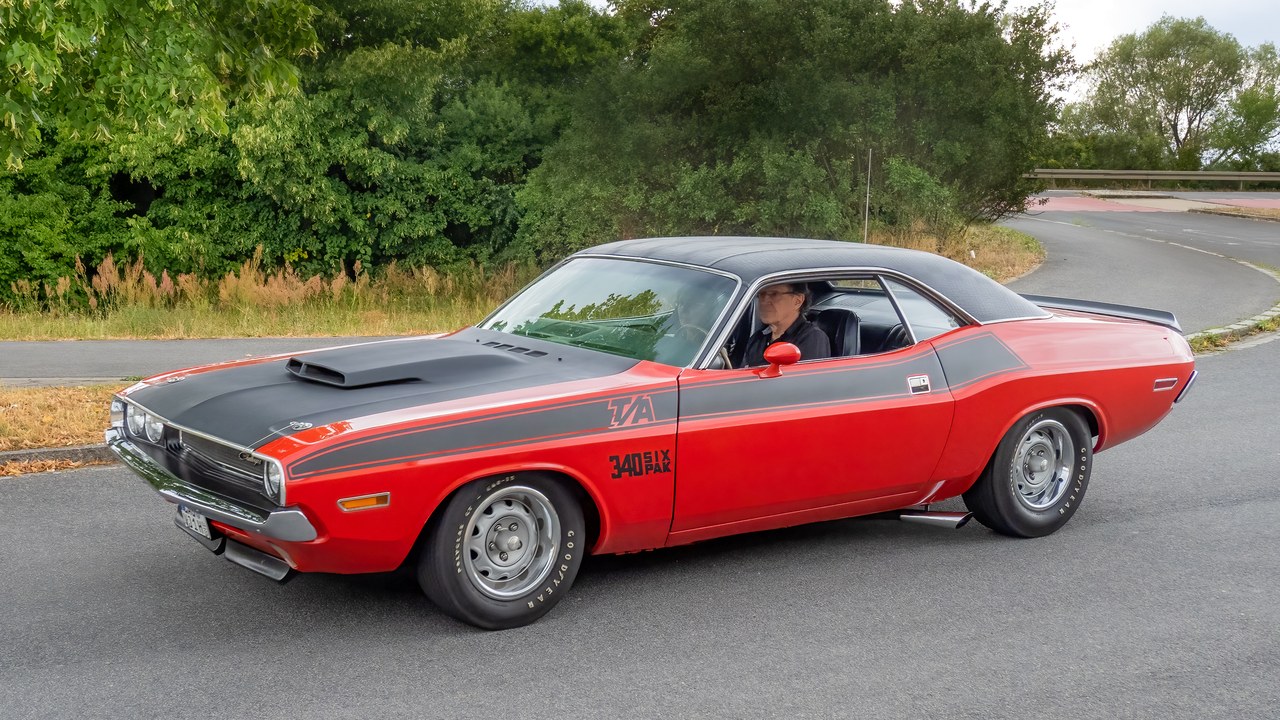
Dodge built the 1970 Challenger T/A as a street version of its Trans Am racer, and Hagerty counts only about 2,400 of them for that year. The model came from a car line that never came near its hoped-for 200,000 sales a year.
That low count makes the T/A one of the rarer early Challengers for collectors to chase. It also shows the gap between what Dodge expected from the nameplate and what showrooms actually delivered, a gap that shaped the car’s short first life.
3. Dodge Challenger (1974): First Run Ends
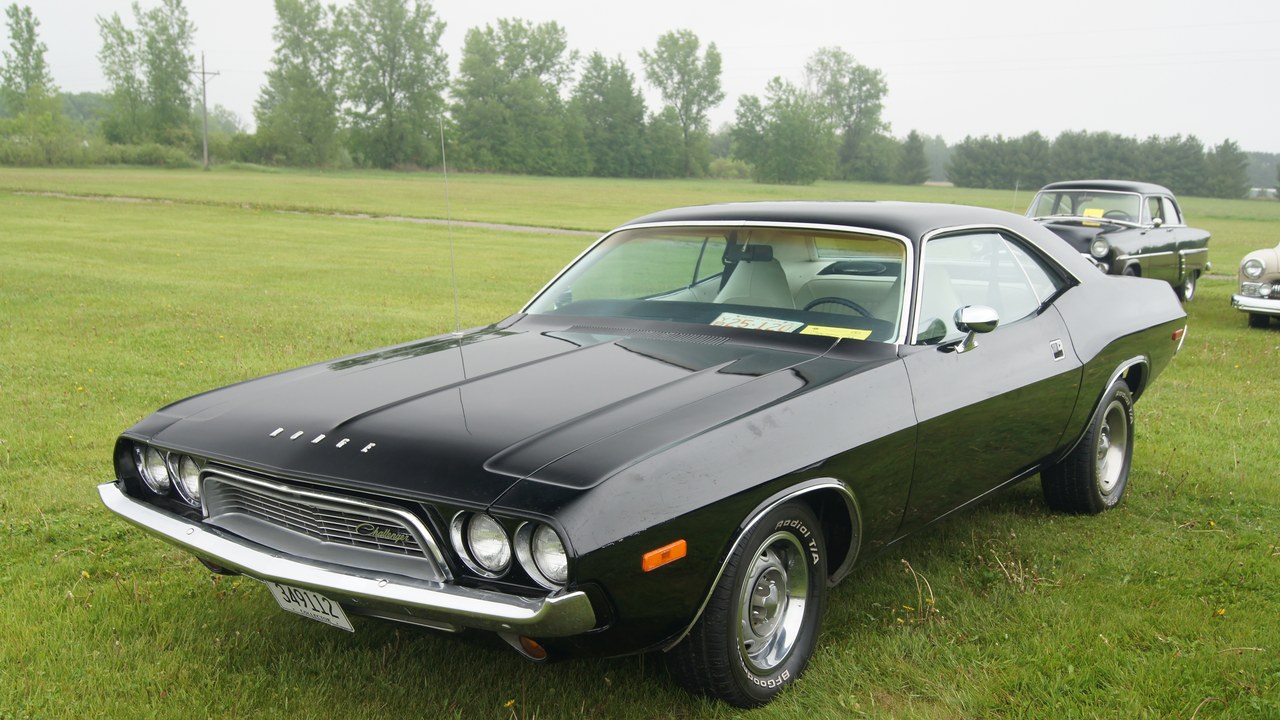
Production stopped midway through the 1974 model year, closing a first generation that sold 165,437 cars in total. The run had opened strongly, with 76,925 sold in the 1970 debut season alone, so later years contributed a smaller share.
Sales were strongest at the start and faded afterward, so the original ended well short of its early promise. The name then went quiet for years before returning in a very different form, which makes 1974 a clear dividing line in the story.
4. Dodge Challenger (1978): Mitsubishi in Disguise
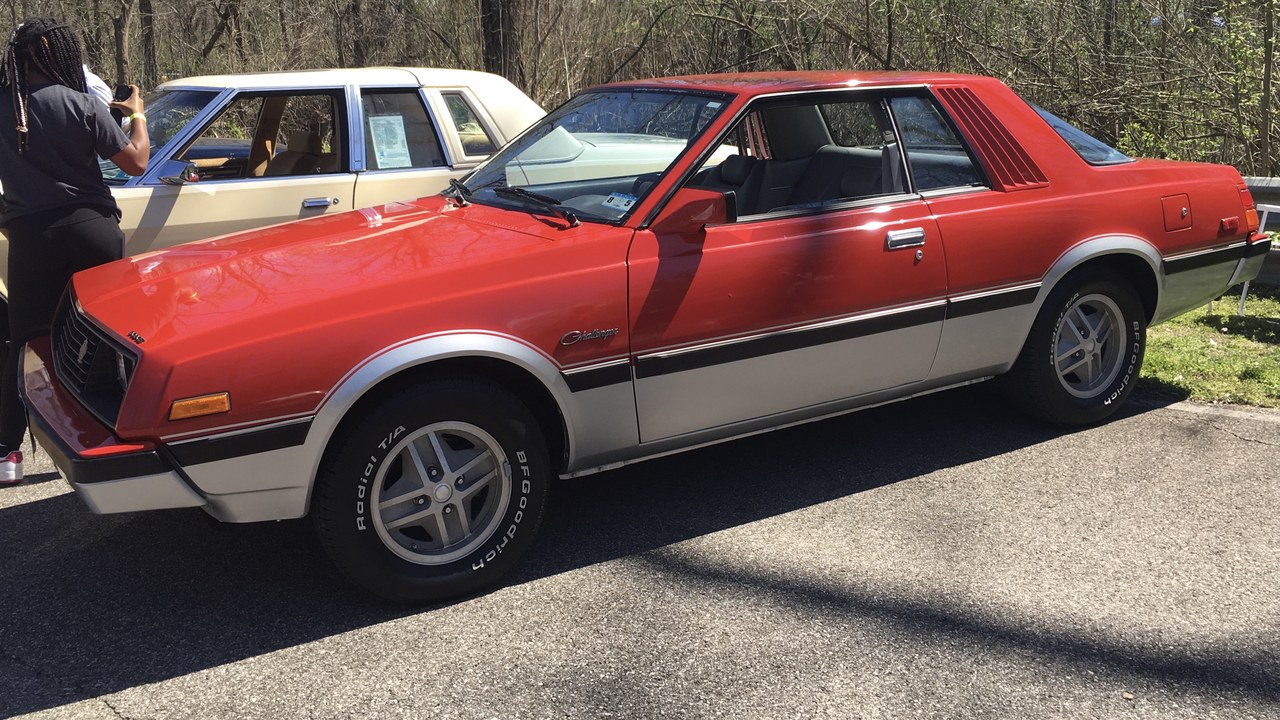
From 1978 to 1983, the Challenger was a rebadged Mitsubishi Galant Lambda, first sold as the Colt Challenger with four-cylinder engines making between 77 and 105 hp. It shared nothing with the big V-8 coupes that had carried the name earlier.
Nothing about it resembled the muscle car of the early 1970s, so collectors treat this stretch as a curiosity of the nameplate rather than a continuation of the original idea. It remains a useful reminder that the badge once meant economy-minded imports.
5. Dodge Challenger SRT8 (2008): Retro Reboot
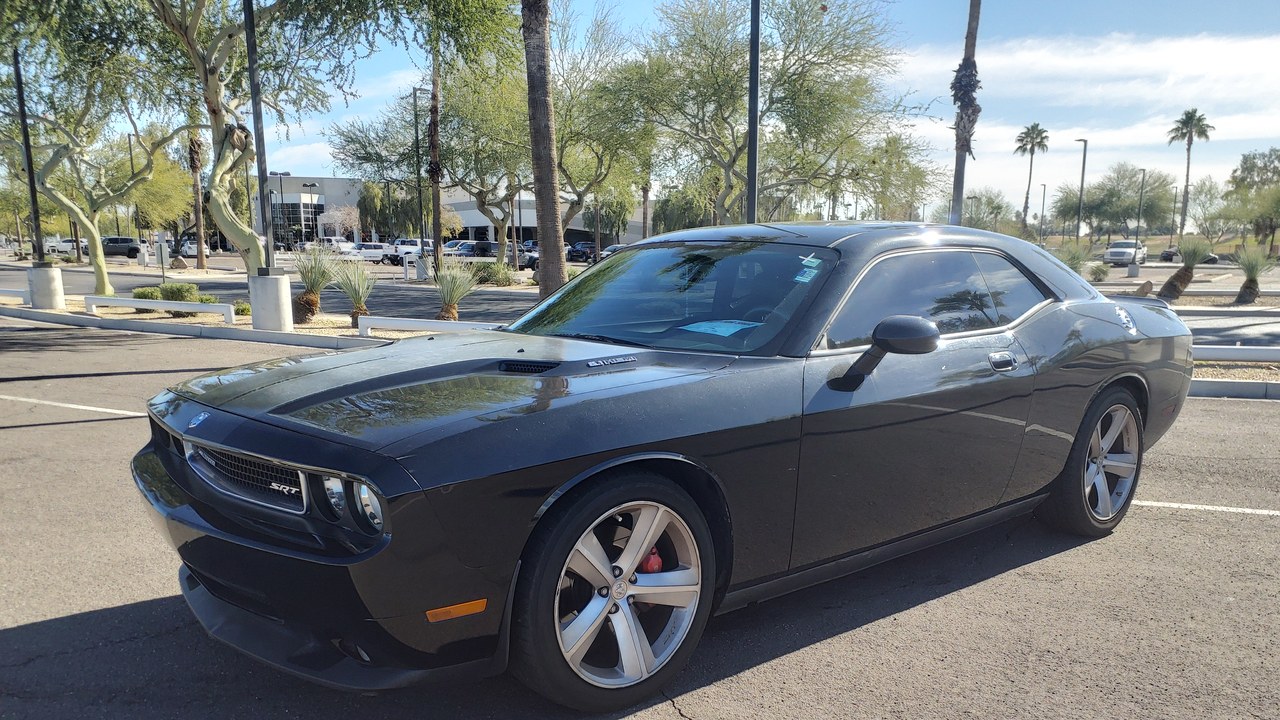
Every Challenger built for 2008 was an SRT8, with a 6.1-liter Hemi V8 and a five-speed AutoStick, and 7,119 were made after a February 2008 launch at a listed $40,095. The single-trim first year left no doubt about the car’s intent.
The revival returned the Challenger to rear-drive V8 territory after decades away. It set the template that later models pushed to ever higher power, and early cars like these are the starting point for anyone tracing how the modern lineup developed.
6. Dodge Challenger SRT Hellcat (2015): Most Powerful Ever
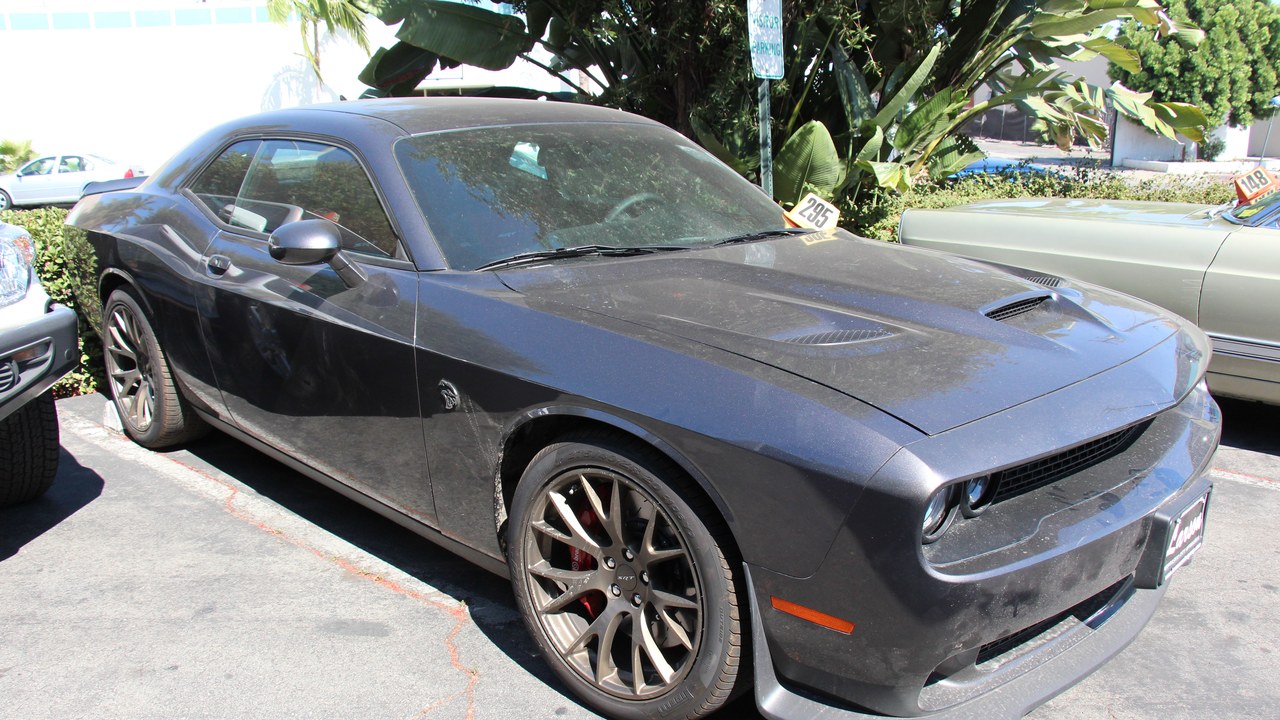
For 2015 Dodge introduced the SRT Hellcat, with 707 hp and 650 lb-ft of torque, and billed it as the most powerful muscle car ever. The Hellcat name soon became shorthand for the whole modern Challenger performance push.
That claim reset expectations for the segment and started a horsepower escalation within the model family that other manufacturers had to notice. Buyers could now get supercar-level output in a coupe with a familiar muscle shape, and later versions would keep raising the bar from this foundation.
7. Dodge Challenger SRT Demon (2018): Banned Quarter-Miler
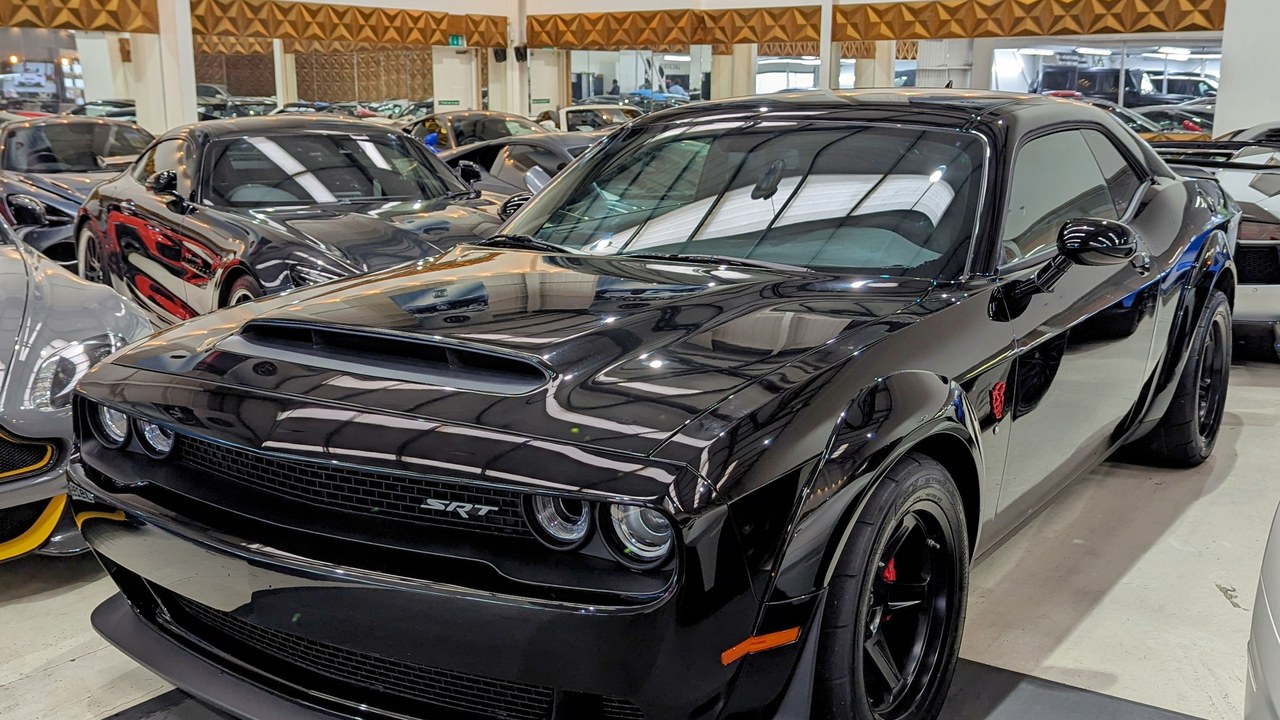
The 2018 SRT Demon made 840 hp on 100-octane fuel and ran a 9.65-second quarter mile at 140.09 mph, a performance that led the NHRA to ban it from competition. Only 3,300 of the cars were made, a small number for a car with such fame.
The ban became part of the Demon’s identity, since a factory car was simply too quick for the sanctioning body’s rules. The limited run, combined with that reputation, keeps it among the most sought-after modern Challengers on the market.
8. Dodge Challenger SRT Hellcat Redeye (2019): Redeye Steps Up
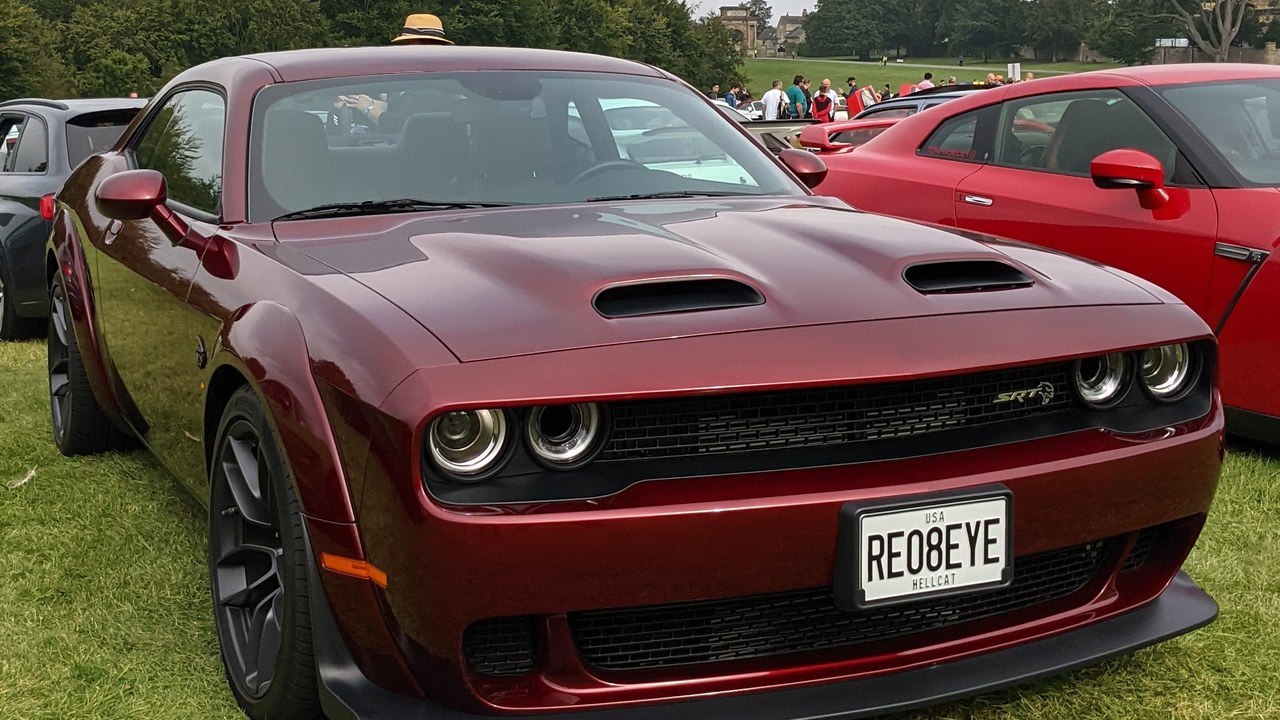
Introduced for 2019, the SRT Hellcat Redeye raised output to 797 hp and 707 lb-ft of torque, a 90-horsepower jump over the standard Hellcat. It arrived as the escalation of power inside the lineup continued to build year by year.
The Redeye gave buyers a step between the regular Hellcat and the limited Demon, with no need to chase a rare production run. It showed that Dodge kept finding more power in the same basic platform well into the model’s later years.
9. Dodge Challenger Shakedown (2023): Last Call Begins
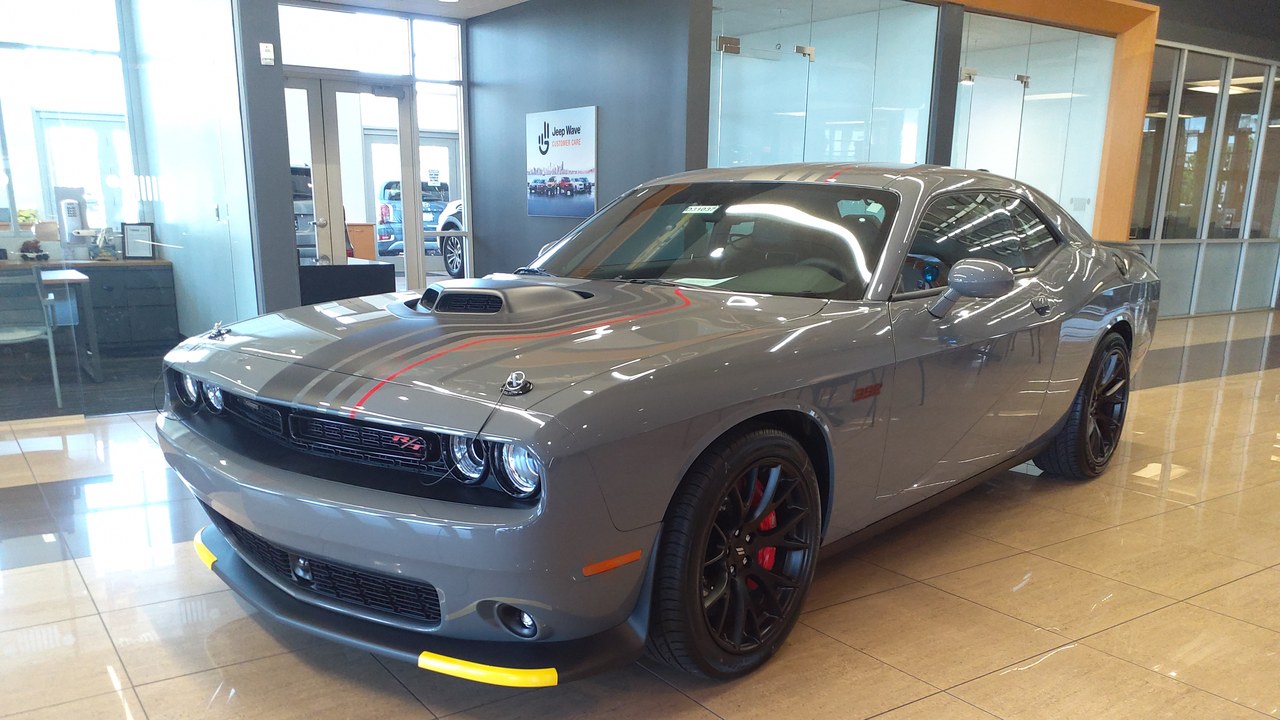
Revealed on Aug. 24, 2022, the Shakedown kicked off seven Last Call models that Dodge intended as farewell editions, with only 1,000 planned and underhood plaques reading Assembled in Brampton. Each edition marked a step toward the end of the line.
The special editions turned the end of Challenger production into a series of collectibles with their own stories. Each one signaled that the muscle car era at Dodge was winding down on purpose, and this first edition opened that final chapter.
10. Dodge Challenger SRT Demon 170 (2023): Final Brampton Build
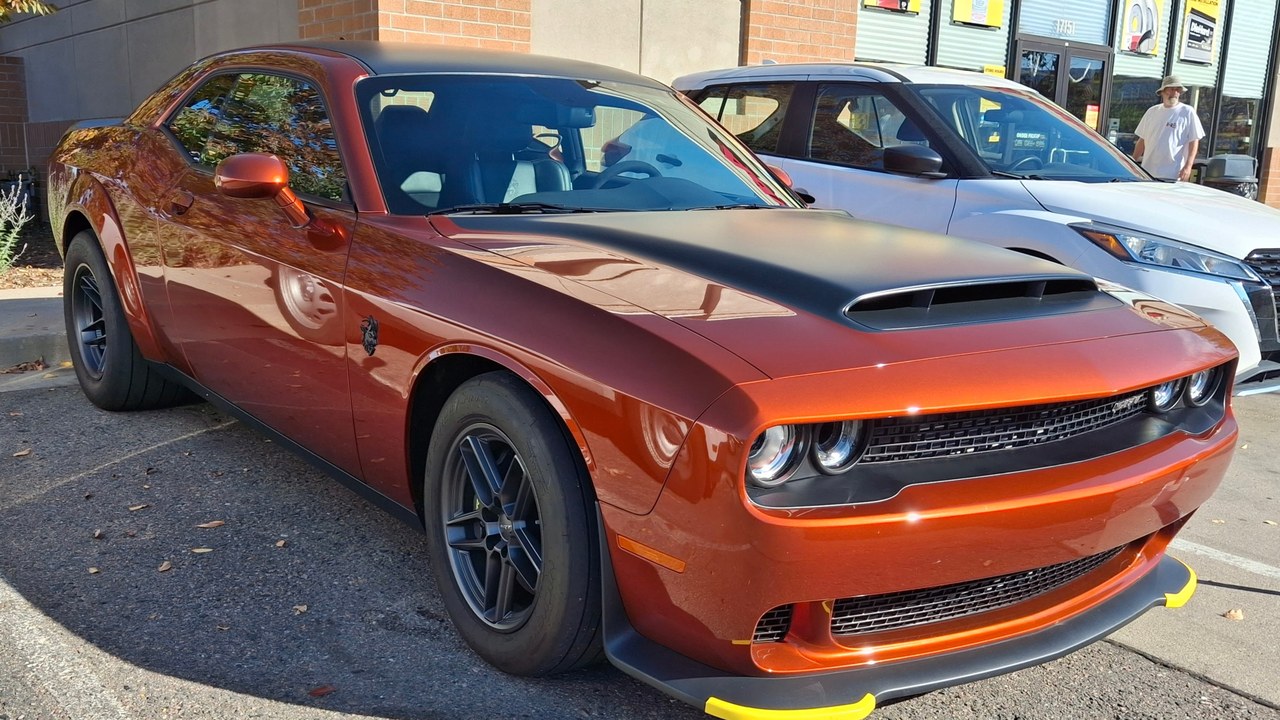
The Demon 170 produced 1,025 hp and claimed 0-60 mph in 1.66 seconds, and a Pitch-Black Demon 170 became the last Challenger built in Brampton, Ontario, on December 22, 2023. That date closed production of the modern car.
As an ending, it paired the highest output of the whole line with the final car off the line. The Challenger’s run closed at its absolute peak rather than fading out, which is why this one stands as the capstone of five decades.
More from Morning Overview
- Long use of a common prostate pill is tied to a higher chance of glaucoma
- Ford is recalling 223,472 F-150 pickups because the fuel tank can leak or detach
- Hybrids have 15% fewer problems than gas cars, while EVs and plug-in hybrids have about 80% more, Consumer Reports finds
- Regulators cleared the first U.S. small modular reactor, 4 months early
