
Chrysler has taken more than a few risks across its history, from engineering firsts to styling gambles that split opinion. Some of those bets became icons, while others faded quickly. Here are ten Chryslers that show how bold the brand has been, beginning with a wind-tunnel pioneer.
Free daily tech newsletter: TLDR is the free daily newsletter with links and TLDRs of the most interesting stories in startups, tech and programming.
We may earn a commission if you sign up.
1. Chrysler Six (1924): Walter’s First
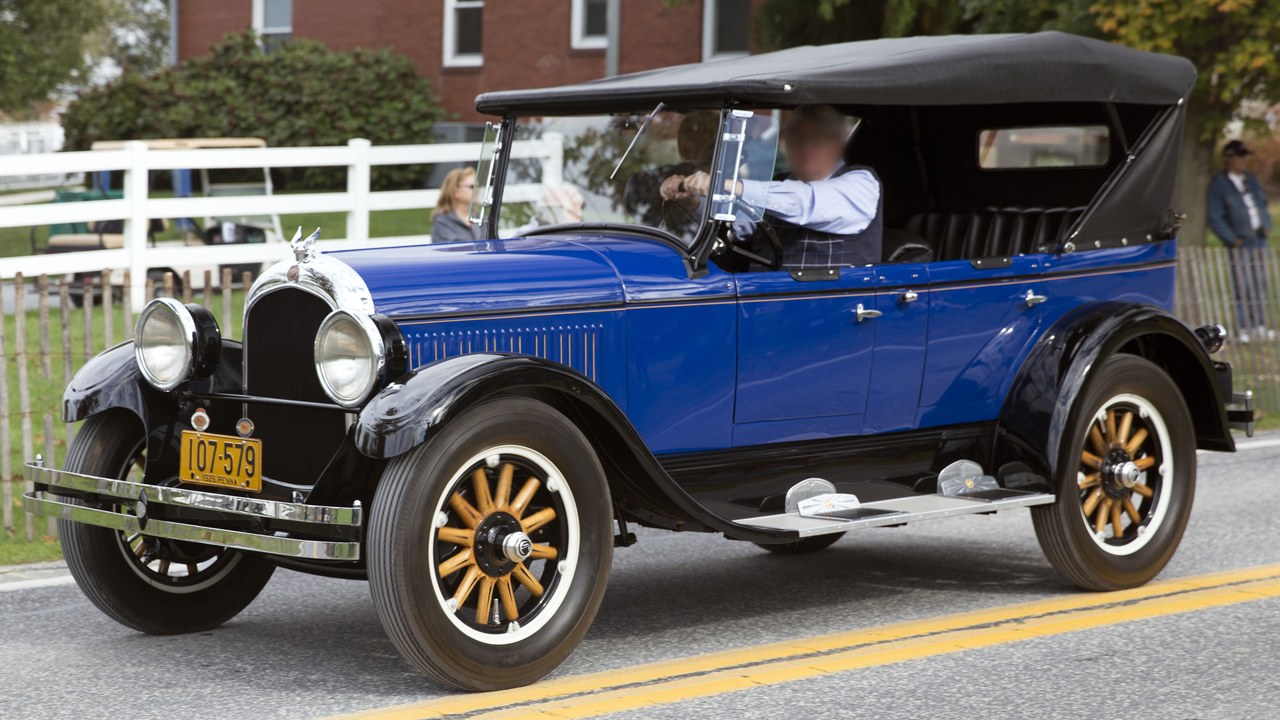
Walter P. Chrysler’s first car arrived with an L-head six-cylinder engine and four-wheel hydraulic brakes, features that were unusual for the 1920s. It cost $1,565 in 1924.
Putting a six and hydraulic brakes in a car at that price gave the new company an engineering identity from day one. For anyone tracing the brand’s roots, the Six explains why Chrysler built its name on mechanical substance rather than flash alone. The result was a car that looked ahead of its time for a new automaker, and it set an engineering tone that later Chrysler models would be measured against.
2. Chrysler Airflow (1934): Wind Tunnel Shape
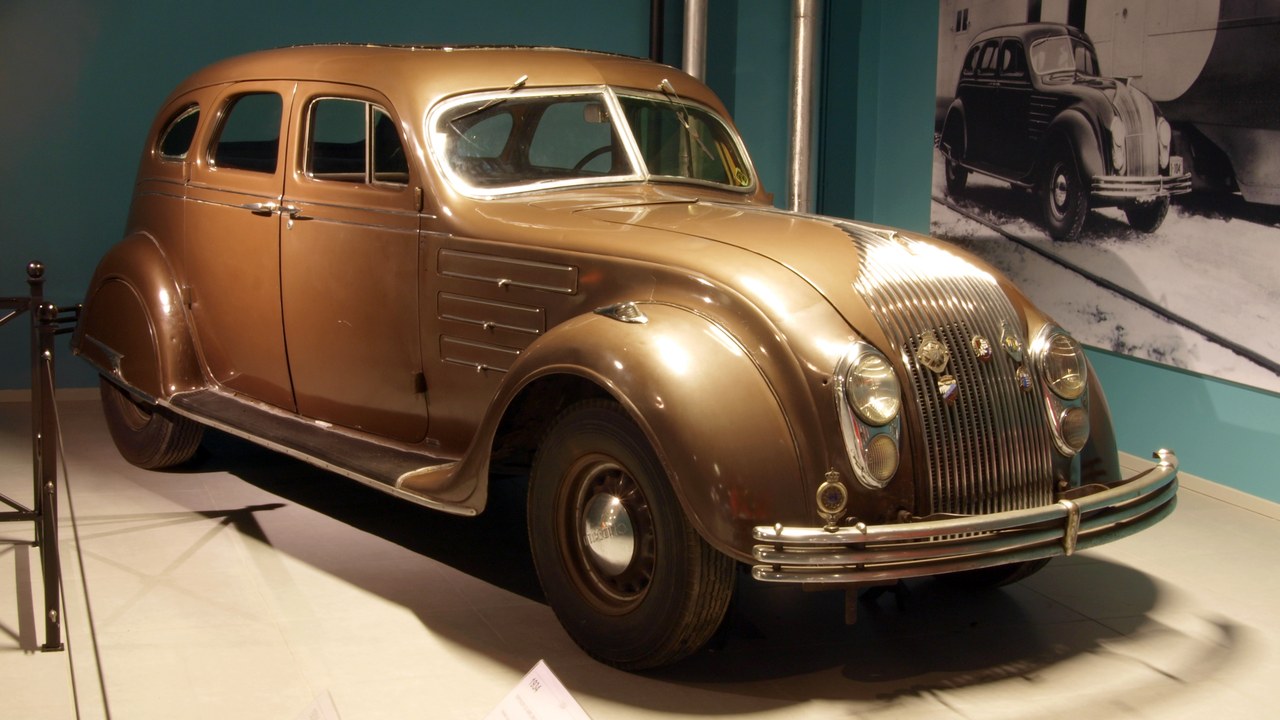
Built at Chrysler’s Highland Park, Michigan, headquarters, the 1934 Airflow was the first production vehicle designed in a wind tunnel, Chrysler says.
The claim makes the Airflow a landmark in how cars are shaped, since aerodynamic testing is now routine. The design was a big swing for its time, and the car remains a favorite among collectors who appreciate ambitious engineering over safe styling. Its reputation as a forward-looking design has made it a regular subject for historians and enthusiasts who follow the story of automotive aerodynamics.
3. Chrysler C-300 (1955): Hemi Arrives
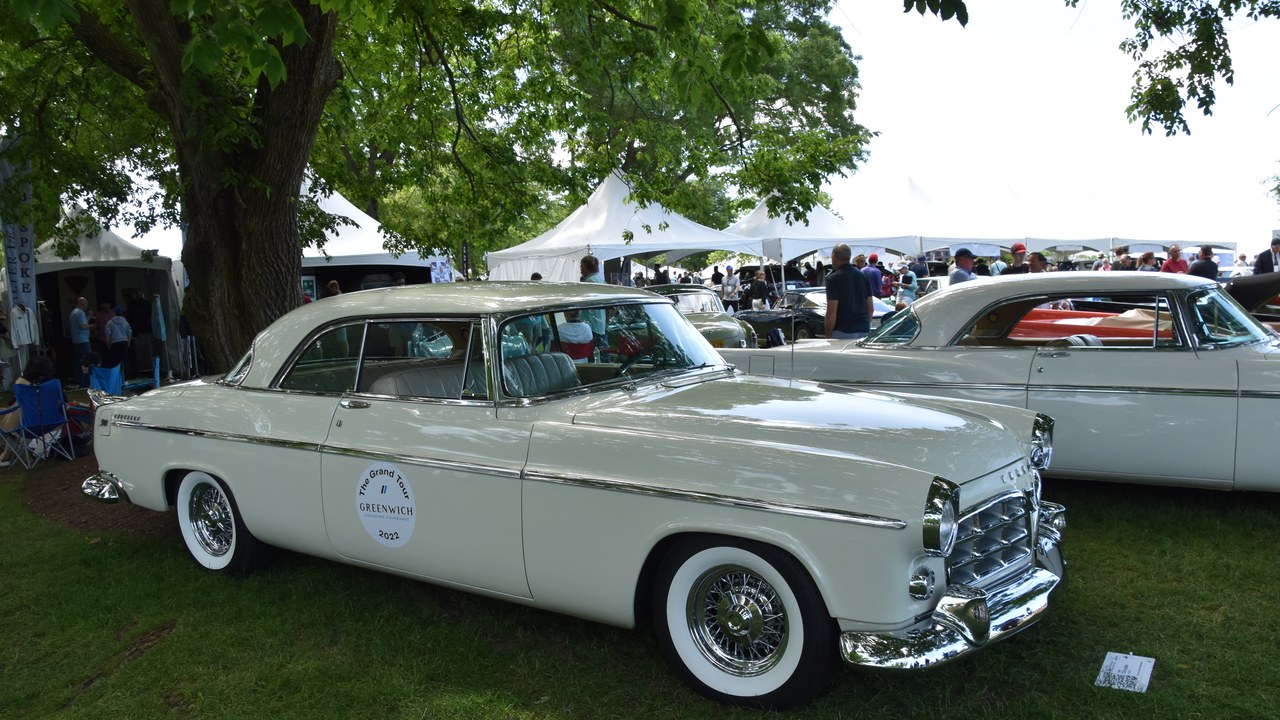
One of the first muscle cars, the 1955 300 hardtop carried a 300-hp HEMI V-8 with dual four-barrel carburetors. Chrysler billed it as the most powerful full-size car in the world.
The C-300 tied the HEMI name to big performance early in the brand’s story. Enthusiasts regard it as a forerunner of the muscle era, and its place in the history books rests on that combination of size, power and a confident marketing claim. Later HEMI-powered Chryslers carried that heritage forward, so the C-300 is often the first stop for readers curious about where the badge’s performance image began.
4. Imperial (1956): Spun Off to Fight Cadillac
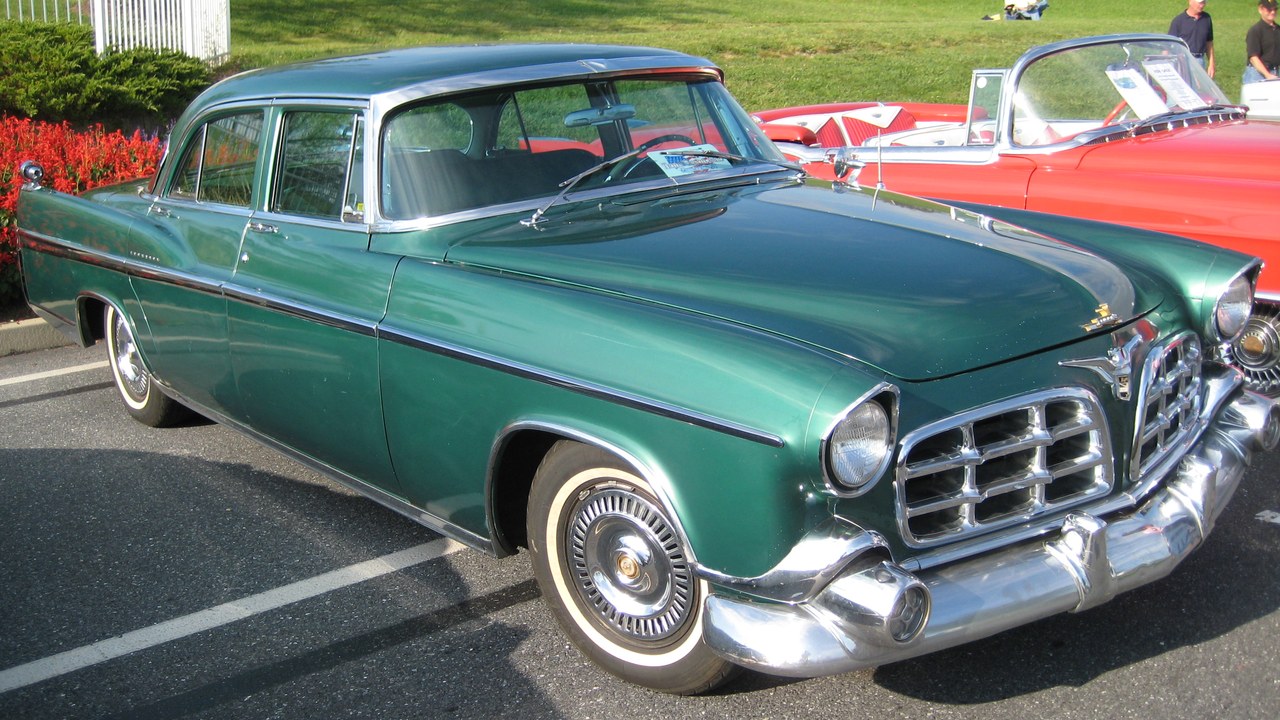
Chrysler made Imperial its own make in 1955 to fight Lincoln and Cadillac. A Philco all-transistor radio was a $150 option on the 1956 Imperial, and the make ended in 1975 apart from a 1981-83 revival.
The separate badge showed how seriously Chrysler took the top end of the market. Its long run, with a brief return in the early 1980s, makes Imperial a distinct chapter that collectors often study on its own terms. The radio option is a small detail, but it hints at how Chrysler wanted Imperial to feel: a showcase for new technology as well as a rival to the established luxury names.
5. PT Cruiser (2001): Retro Rise and Fall
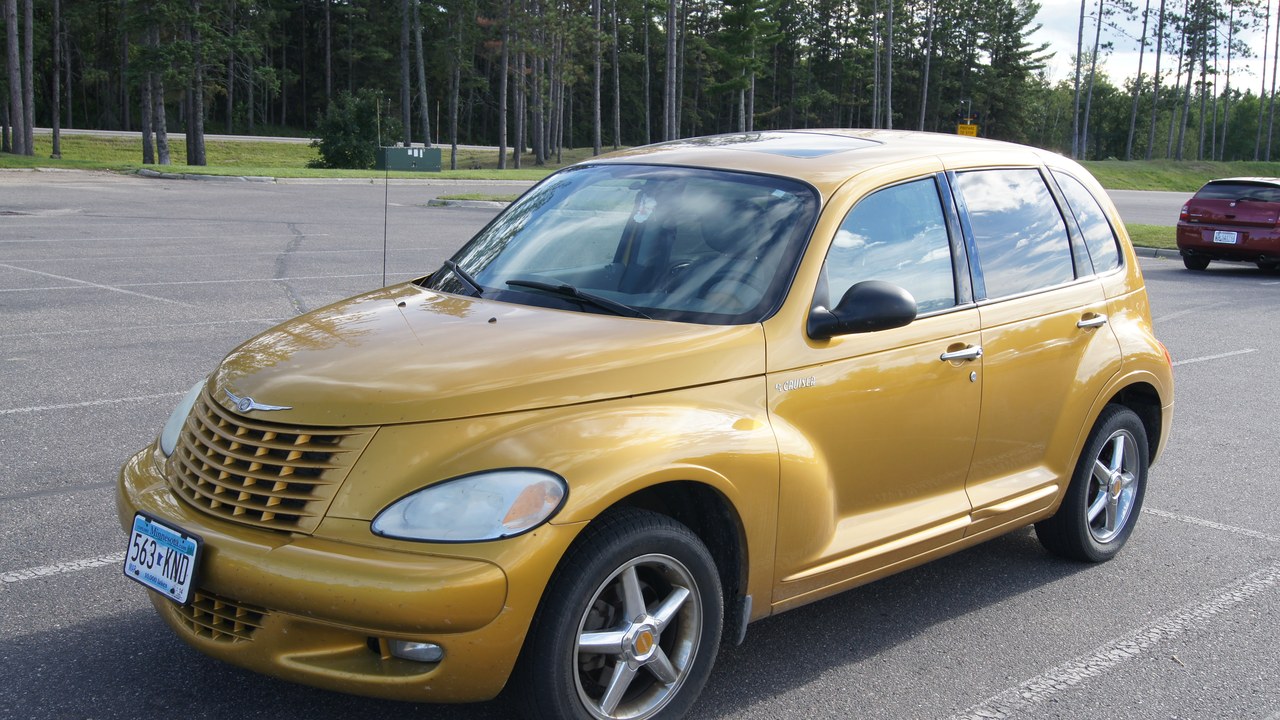
The retro PT Cruiser peaked at roughly 145,000 sales in 2001 but fell to about 18,000 by 2009, and Chrysler ended production in July 2010.
Few modern designs captured attention as quickly, and few cooled off as sharply. The decline from the 2001 peak is a clear lesson in how fashion-driven models can burn bright and fade, even as the PT Cruiser keeps a loyal following among owners. Chrysler ending production in 2010 closed the book on a model that had been a sales phenomenon, and its distinctive shape still marks it as a product of the early 2000s.
6. Chrysler Crossfire (2004): Mercedes Underneath
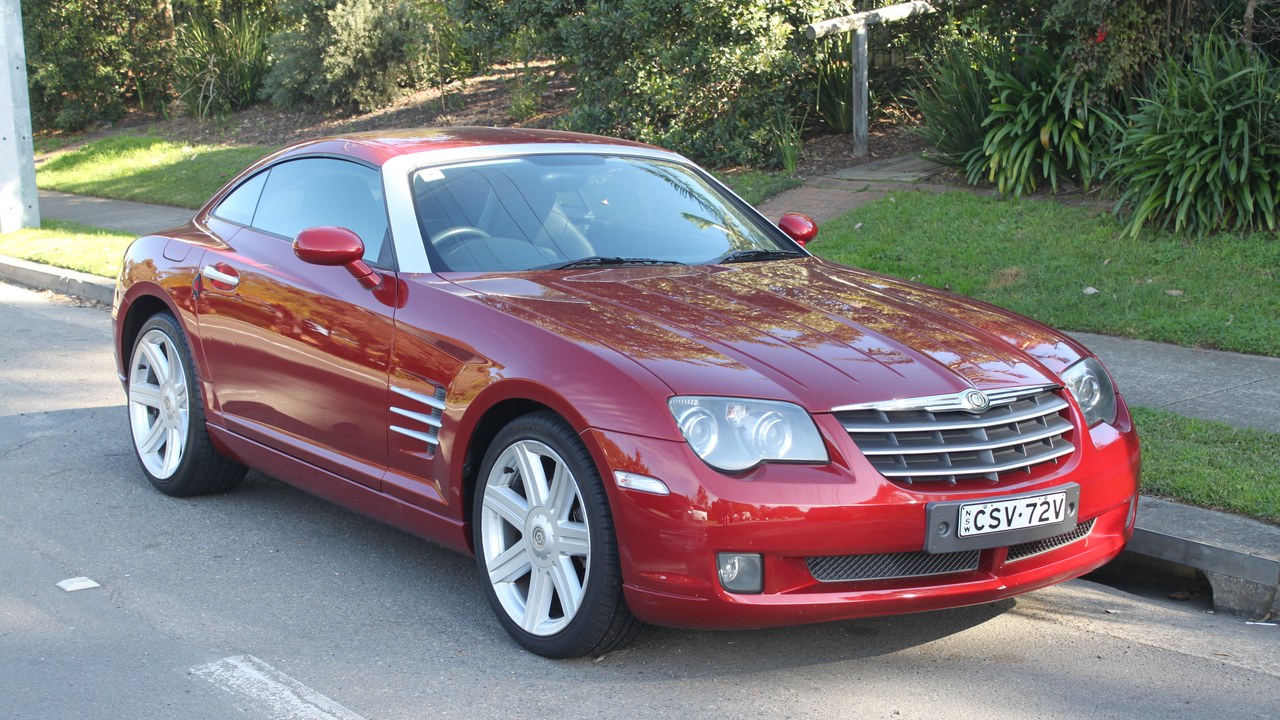
The two-seat Crossfire rode on the Mercedes-Benz R170 platform, shared 80% of its parts with the first-generation SLK and used a Mercedes 3.2-liter V-6.
That German hardware gave the Crossfire an unusual pedigree for a Chrysler. Shoppers interested in it should know the underpinnings come from the SLK family, which shapes how the car drives and what parts it shares with its Mercedes cousin. A Crossfire can appeal to buyers who want something unusual, since its mix of American branding and German engineering is not found elsewhere in the lineup.
7. Chrysler 300C (2005): Austrian-Built Sedan
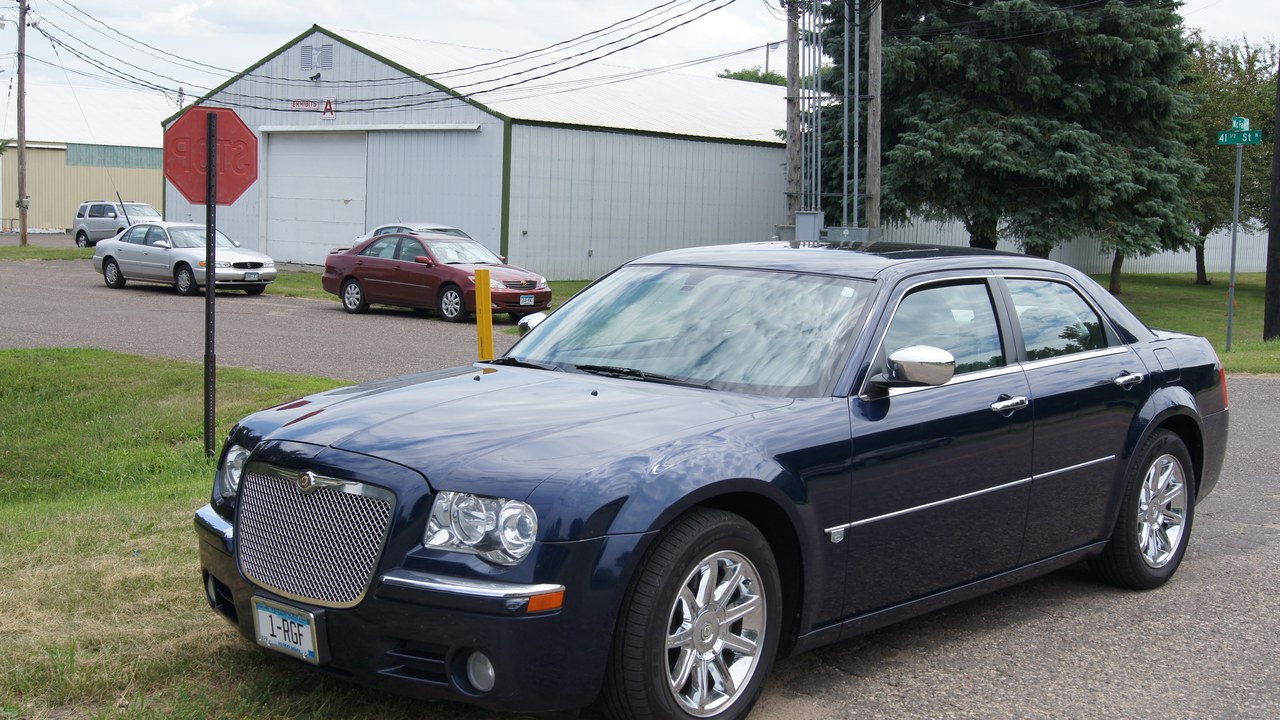
The modern 300C sedan was built at Chrysler’s Austrian plant from 2005 until 2010 alongside Jeep models, and the 300 was sold badged as the Lancia Thema in some European markets.
The Austrian production and the Lancia badge show a car designed to travel well beyond Detroit. Anyone researching a European-market 300 can expect a different badge on a familiar shape, a quirk that adds some interest to the nameplate’s history. Cars like this illustrate how global platforms and shared nameplates blurred the line between American and European brands during the 2000s.
8. Chrysler Aspen Hybrid (2008): Short-Lived Hybrid SUV
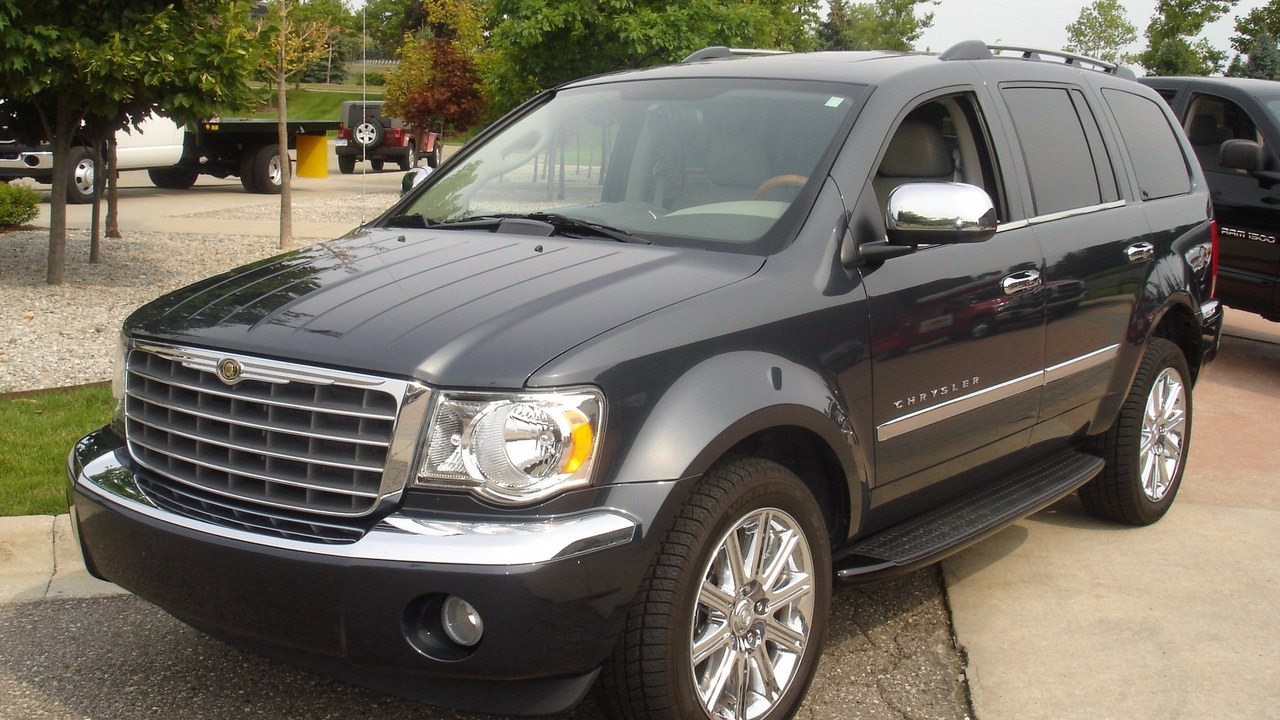
One of the first hybrid models from Chrysler, the Aspen hybrid SUV was discontinued just a few months after its production began in 2008.
The Aspen hybrid is an example of an early green effort that never got time to build momentum. As a result, it stands as a brief footnote in Chrysler’s electrification story, and one that later models would pick up with more staying power. Buyers who come across one should treat it as a curiosity, since the short window after production began leaves it with a very small place in the Aspen story.
9. Chrysler 200 (2015): America’s Import
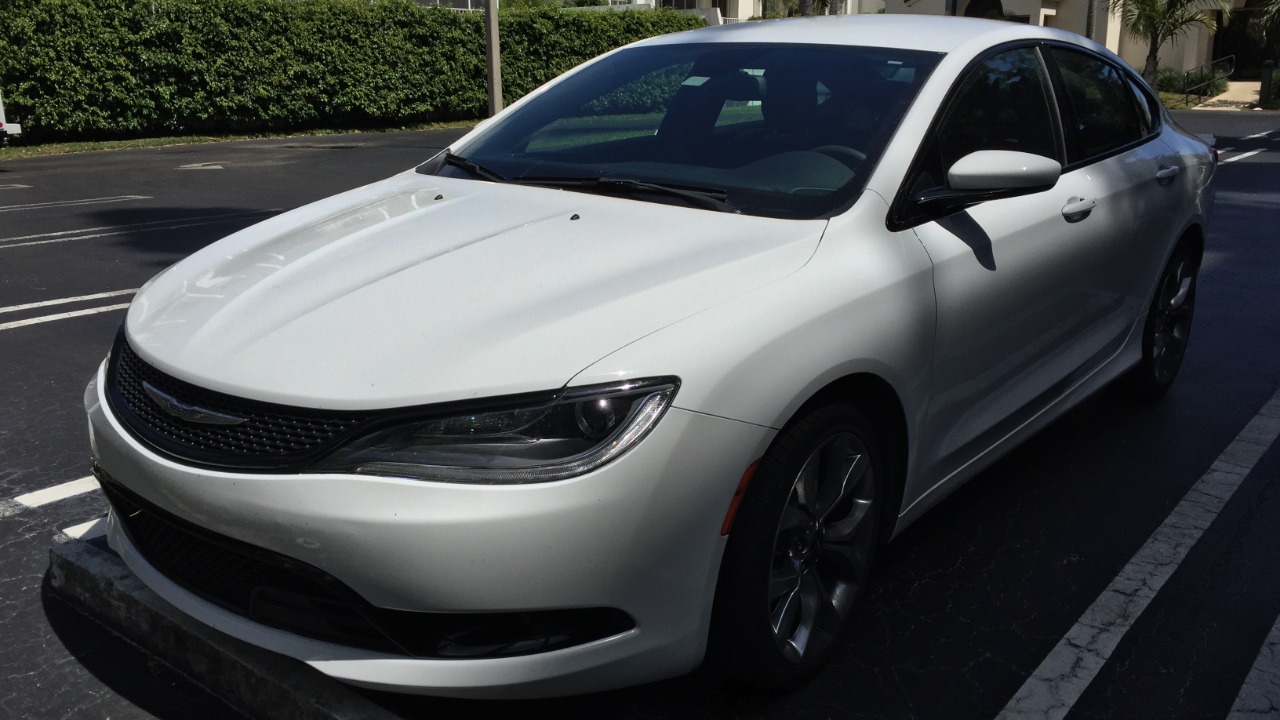
A completely redesigned 200 launched in January 2014 under the slogan America’s Import. When production of the 200 and the Dodge Dart ended, fleet fines reached $77 million for 2016.
The slogan captured an effort to compete with imported midsize sedans. The fines tied to the end of production show the financial pressure behind the decision, a reminder that even a full redesign can struggle in a changing market. Whether the strategy fit the market or not, the 200 remains a notable attempt to reposition a Chrysler sedan against well-established foreign rivals.
10. Chrysler Pacifica Plug-in Hybrid (2017): Plug-In Minivan
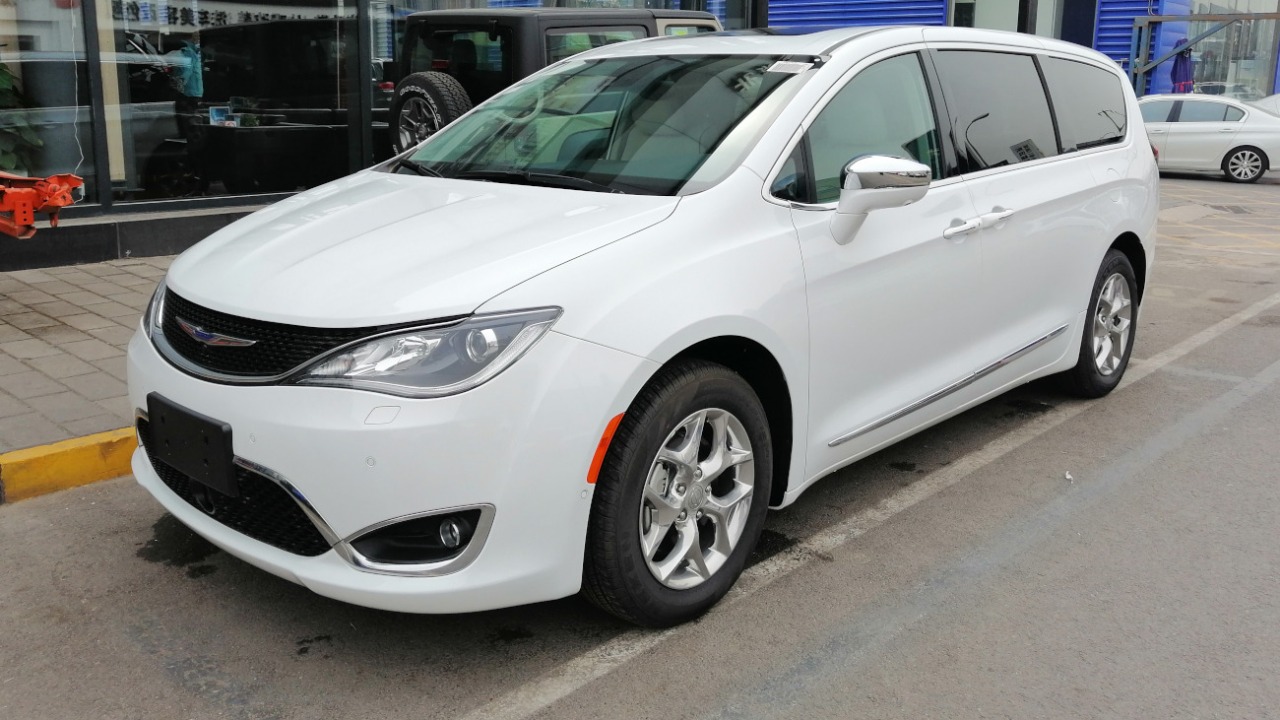
Launched for the 2017 model year, the Pacifica Plug-in Hybrid remains the first and only plug-in hybrid minivan, and Chrysler calls Pacifica the most-awarded minivan ever.
For families looking at electrified practicality, the Pacifica stands alone in its niche. It closes this list on a high note, pairing the brand’s long minivan tradition with a powertrain that no other minivan has offered. Chrysler’s own claim of most-awarded status adds to that standing, and it makes the Pacifica a sensible reference point for anyone comparing family haulers.
More from Morning Overview
- Hurricane Hunter radar shows four warning signs that a tropical cyclone is about to strengthen, a University of Miami study found
- Tropical Storm Rachel is dumping up to 12 inches on four Mexican states on its way to major hurricane strength
- The FTC says Lens.com doubled the price shoppers saw in Google ads
- Common allergy, bladder and sleep pills tied to sharply higher dementia odds
