
Plymouth spent decades as Chrysler’s entry-level brand, covering everything from family compacts to muscle cars before it was retired. The nameplate left the market in 2001, yet its models still draw crowds at shows and in pop culture. Here are ten Plymouths, running from a 1958 Fury to the final Neon.
Save more, waste less: The Cool Down’s free newsletter sends smart, simple changes that help you and the planet in your everyday life.
Subscribe to The Cool Down free →
We may earn a commission if you sign up.
1. Plymouth Fury (1958): Christine’s Real Car
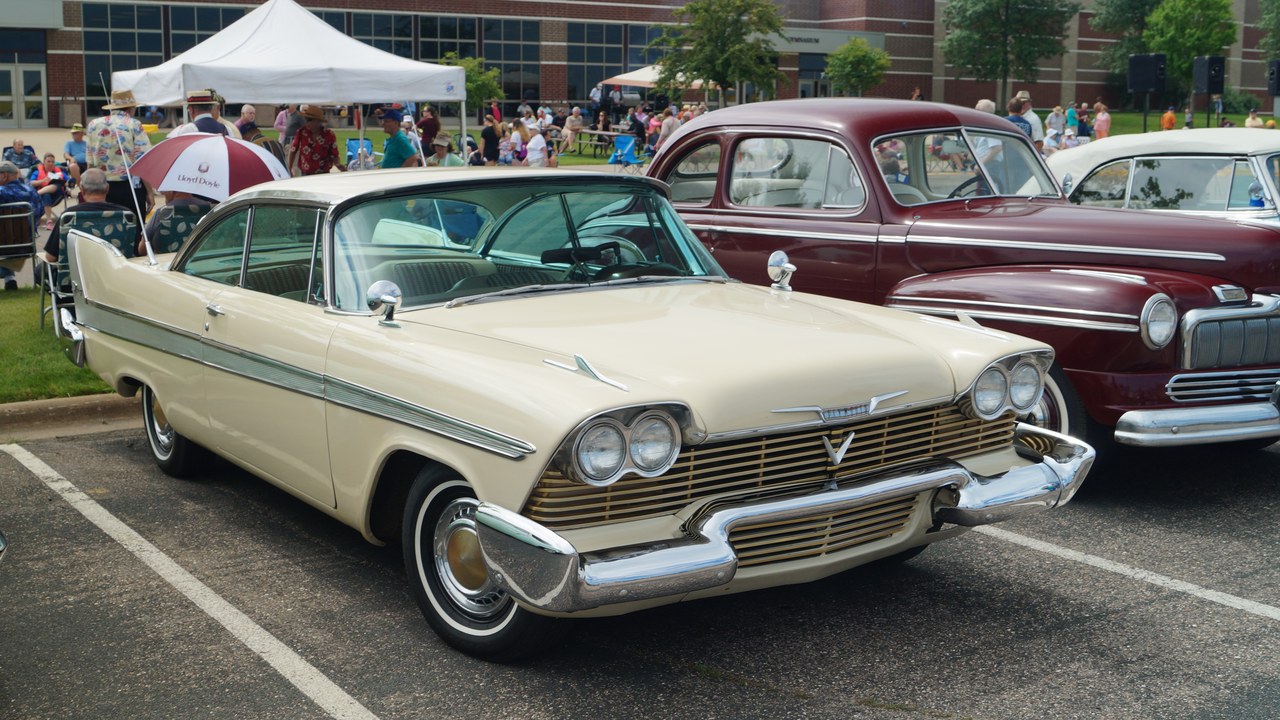
Only one color was offered on the 1958 Fury, buckskin beige, and it came with a 290-hp V-8. A 1958 Fury later became the killer car of Stephen King’s Christine, which is how many people first learned the model.
The single color makes the Fury easy to identify, and the horror-novel connection gives it an unusual fame among 1950s cars. Collectors tend to value the combination of limited options and a famous fictional role, which sets it apart from ordinary full-size sedans of its day.
2. Plymouth Valiant (1960): Early American Compact
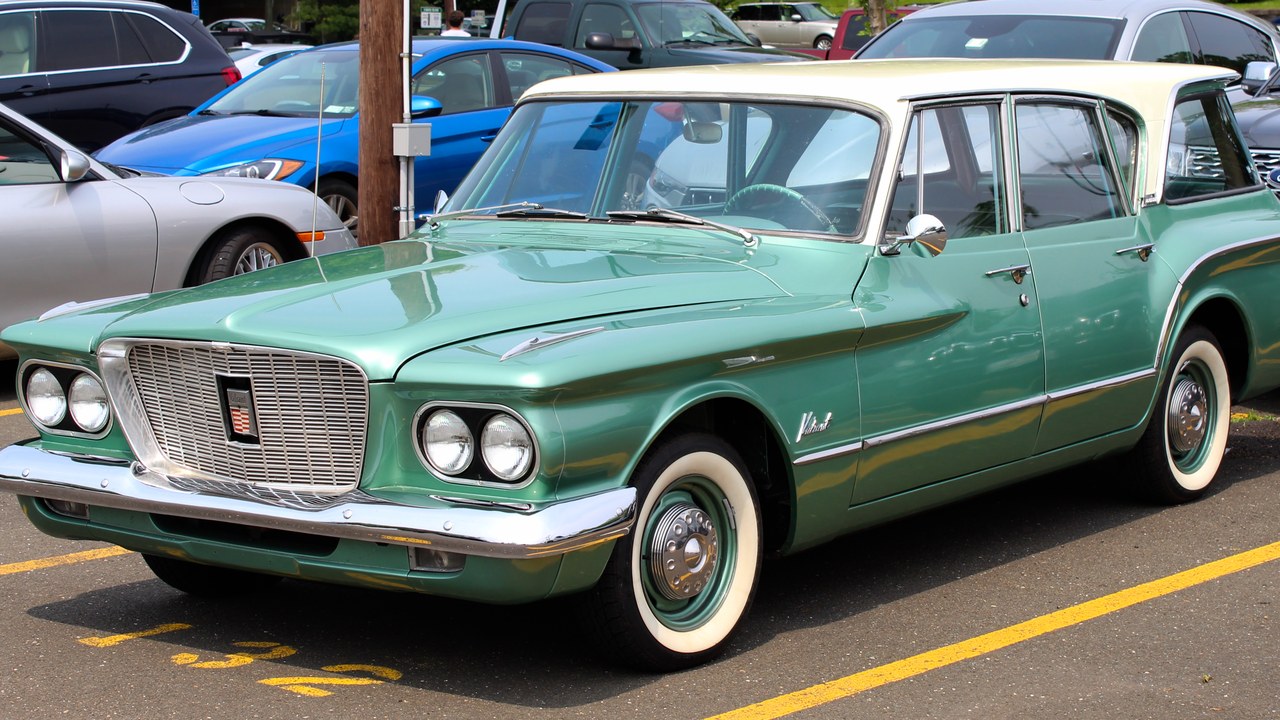
Supercars.net’s Plymouth history describes the Valiant as one of the first compact cars produced by an American manufacturer. It ran from 1960 to 1976, a stretch of sixteen years that kept the nameplate in dealerships through major changes in the market.
That longevity suggests the formula worked for buyers wanting something smaller and cheaper than a full-size sedan. For classic shoppers, the Valiant offers an affordable and approachable way into Plymouth ownership, with a long production span giving plenty of choice between years.
3. Plymouth Barracuda (1964): Ten Years to the Day
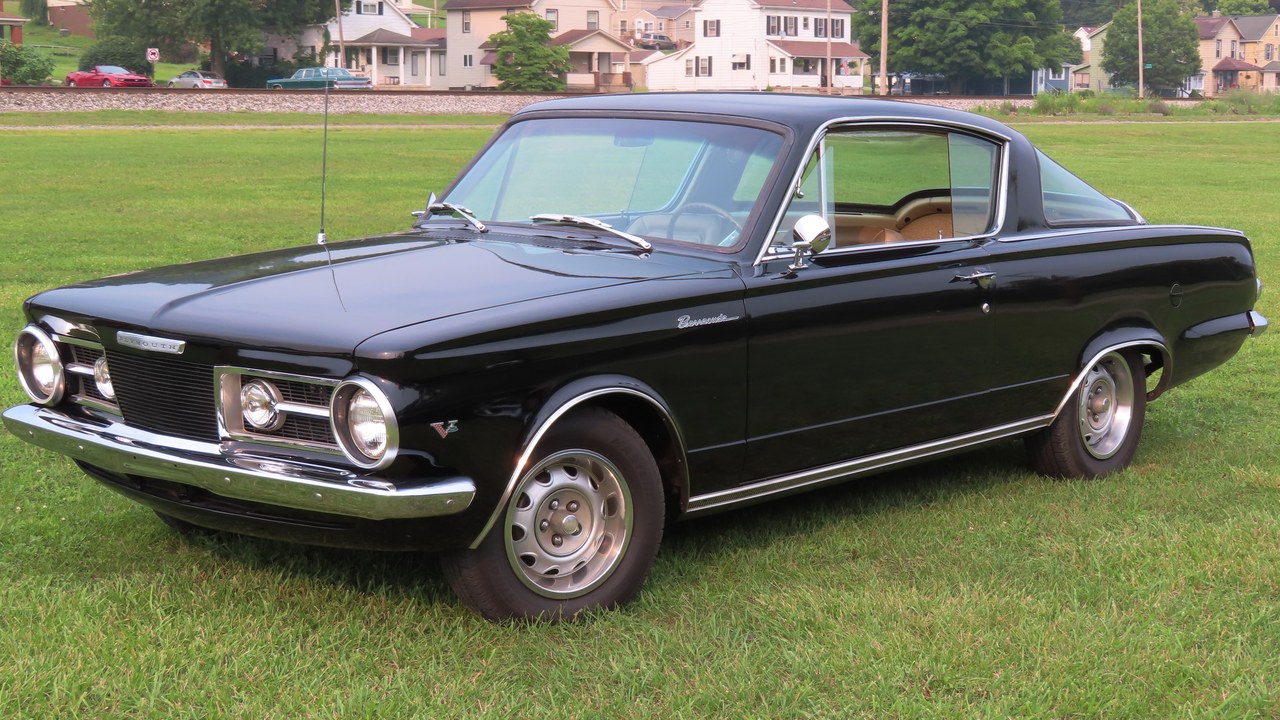
Considered Plymouth’s first sporty car, the Barracuda was a fastback that ended production on April 1, 1974, ten years to the day after it began. That tidy symmetry gives the car an unusually neat life story.
Its run spanned a decade in which American buyers increasingly wanted sportier cars, and Plymouth had its own answer. Anyone researching a Barracuda should note the 1964 start and 1974 end, since the span covers several distinct looks and trims under one name, so the date matters when comparing cars.
4. Plymouth GTX (1967): Bucket Seats and Hemi
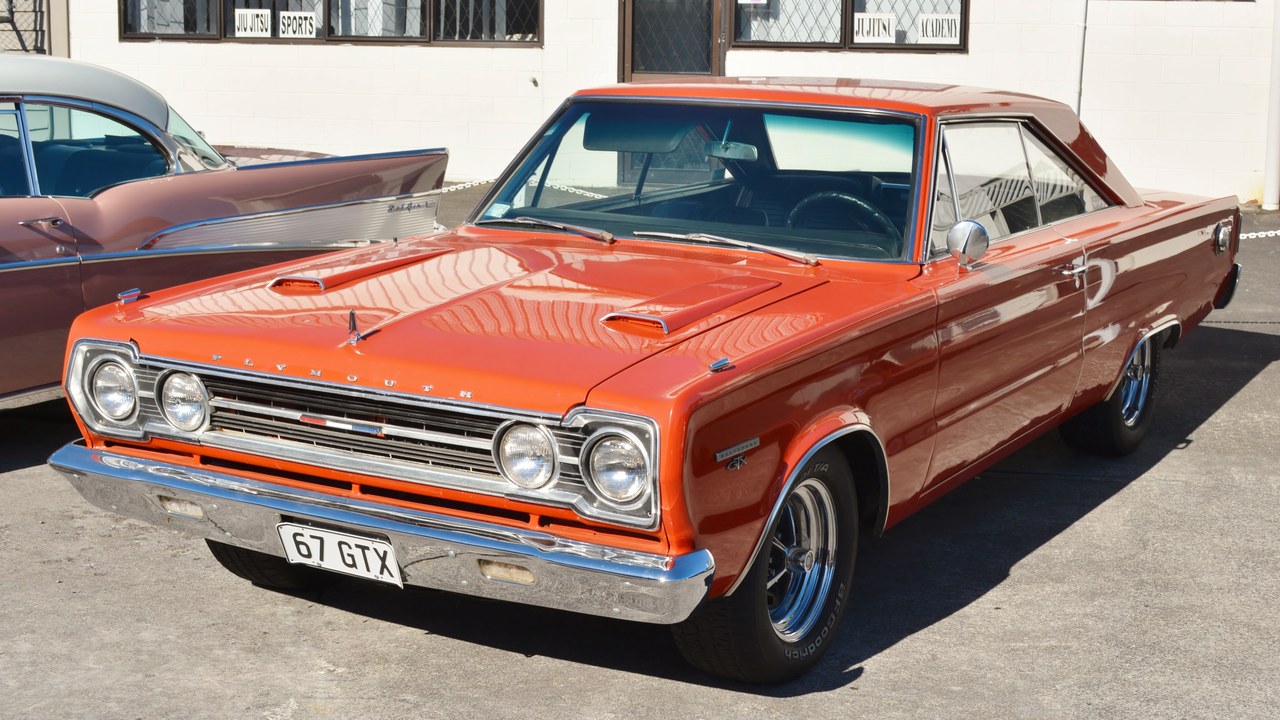
Sold from 1967 to 1971, the GTX was Plymouth’s bucket-seat, high-style hardtop. It could be ordered with the 440 or the 426 Hemi, giving buyers a choice between a big wedge V-8 and one of the most famous engines in Detroit history.
The GTX sat at the upscale end of Plymouth’s performance offerings, aimed at people who wanted speed with some polish. Because the engine choice changes the car’s character and value so much, a prospective owner should confirm exactly what is under the hood.
5. Plymouth Road Runner (1968): The Horn That Went Beep Beep
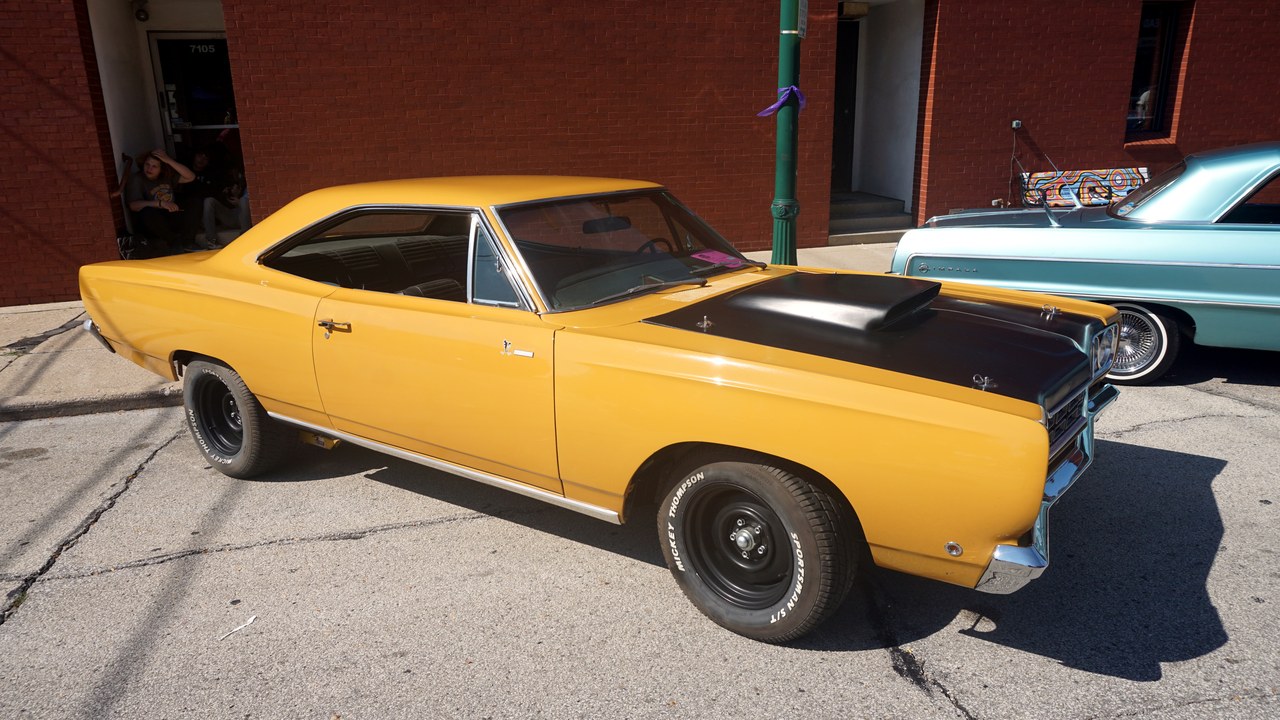
Built from 1968 with a powerful V-8 and a minimalist interior, the Road Runner was a stripped-down performance car. Its horn made a cartoon-style beep beep sound, a playful touch that became part of its identity through the 1968 to 1980 production run.
The humor made the car memorable, and the no-frills approach kept the focus on speed. Owners and fans still celebrate that sound, which is a rare example of a muscle car winning hearts through personality as much as through horsepower.
6. Plymouth Superbird (1970): Built for NASCAR
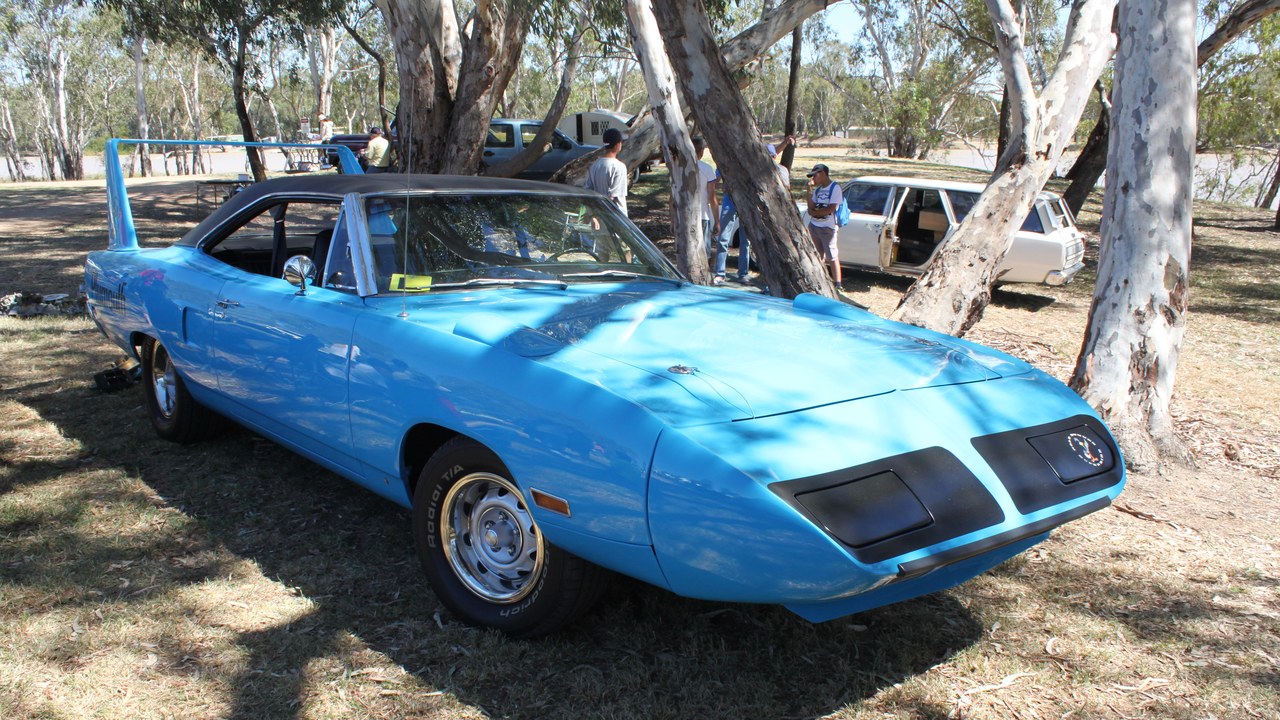
A modified Road Runner, the Superbird carried an aerodynamic nosecone and a tall rear wing. Supercars.net says Richard Petty drove it and that it dominated the circuit in NASCAR, which explains why the odd body was built at all.
The Superbird ties a road car directly to the racetrack, with its nosecone and wing serving a clear aerodynamic purpose. Its shape is unmistakable at any gathering, and the connection to a famous driver gives it enduring appeal for collectors who follow motorsport.
7. Plymouth Reliant (1981): K-Car Award Winner
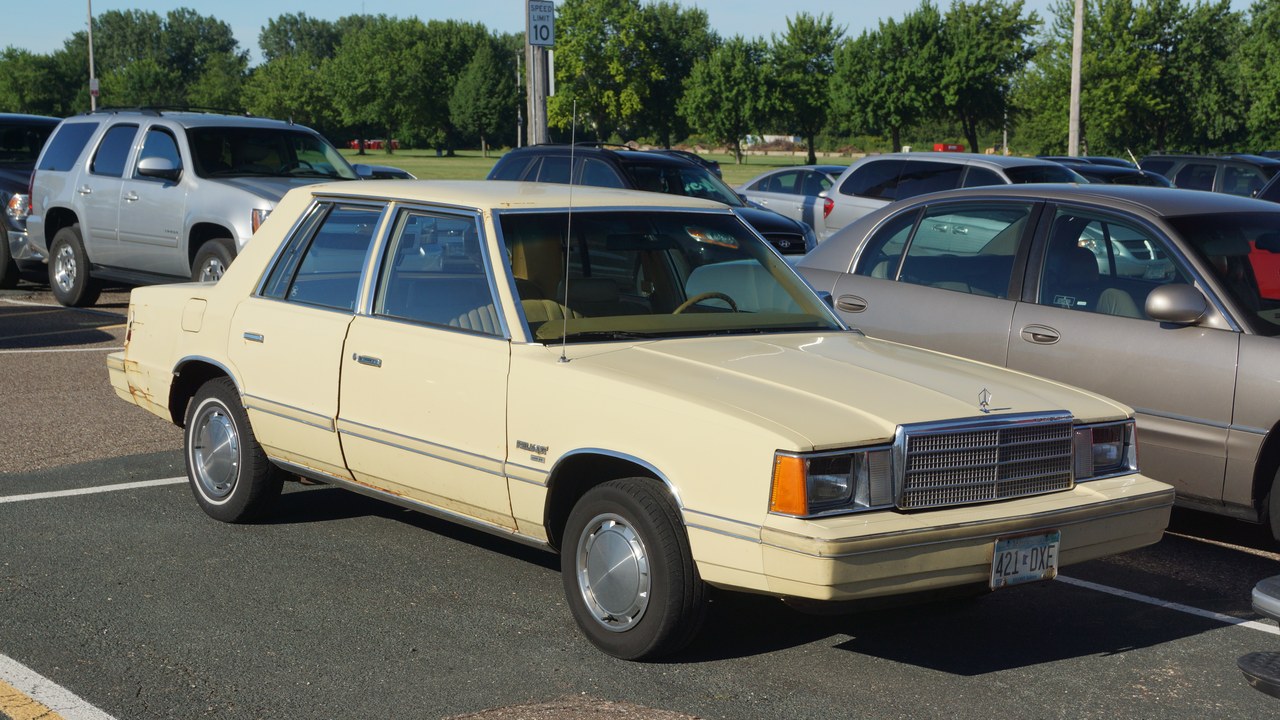
The Reliant, the first K-car, shared Motor Trend’s 1981 Car of the Year award with the Dodge Aries. It went on to sell about 1.1 million units over its run, a strong total for a compact family car.
The Reliant is the plain, practical entry on this list, and its sales show how many ordinary households chose it. For anyone interested in Chrysler-family history, it is a central car, even if it lacks the glamour of the muscle models, and its shared award with a Dodge sibling shows how closely the two brands were linked.
8. Plymouth Voyager (1984): Minivan Debut
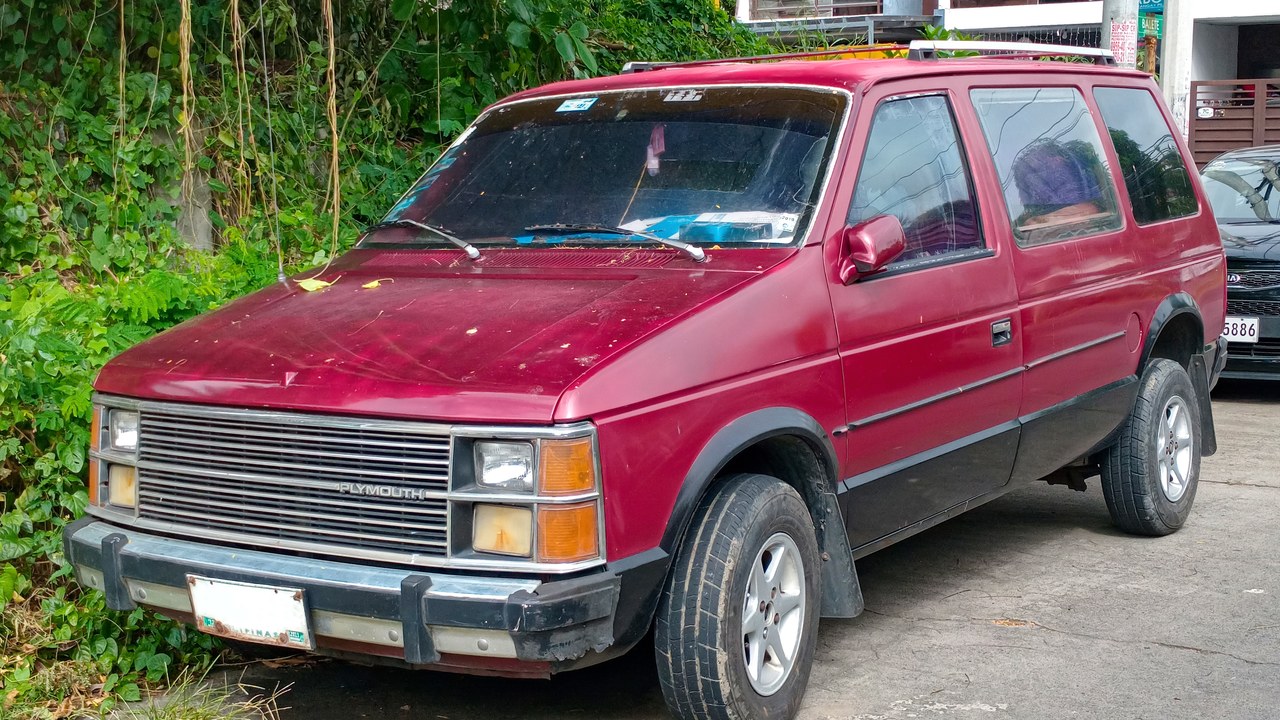
The first Voyager minivan rolled off the line on Nov. 2, 1983, with Lee Iacocca at the wheel. Chrysler sold 210,000 of its new minivans that first year, a figure that suggests the new body style had found an audience from the start.
Minivans became a defining family vehicle for years afterward, and the Voyager sits near the start of that story, with its Iacocca-driven first example. Plymouth carried the Voyager name on the new body style, which gave the brand a share in a segment that remains familiar.
9. Plymouth Prowler (1997): Retro Hot Rod
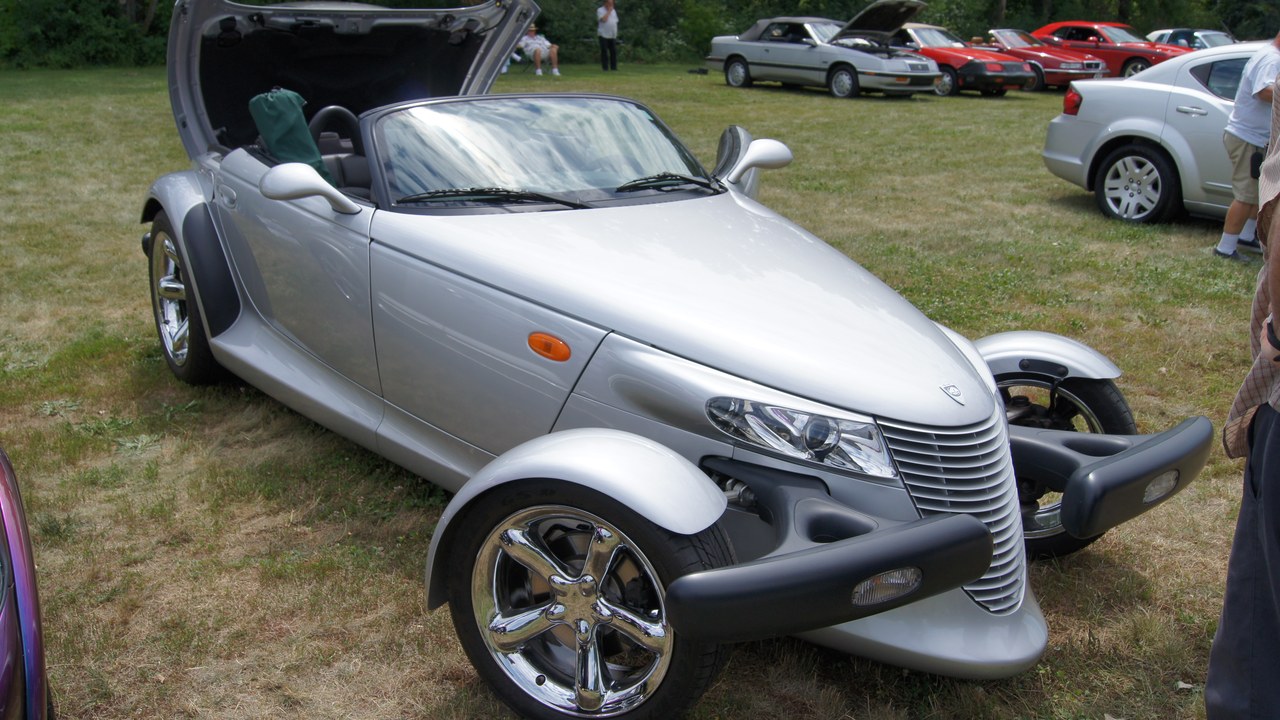
Built from 1997 to 2001, the Prowler was a retro-styled take on 1930s hot rods and one of Plymouth’s last models. Its exaggerated shape was a deliberate departure from the sensible sedans that filled most of the brand’s catalog.
The Prowler showed that Plymouth could still surprise buyers near the end, even as the brand’s future was uncertain. Its short production window and odd looks make it an eye-catching find, and it closes a chapter on the brand’s willingness to experiment.
10. Plymouth Neon (2001): The Final Plymouth
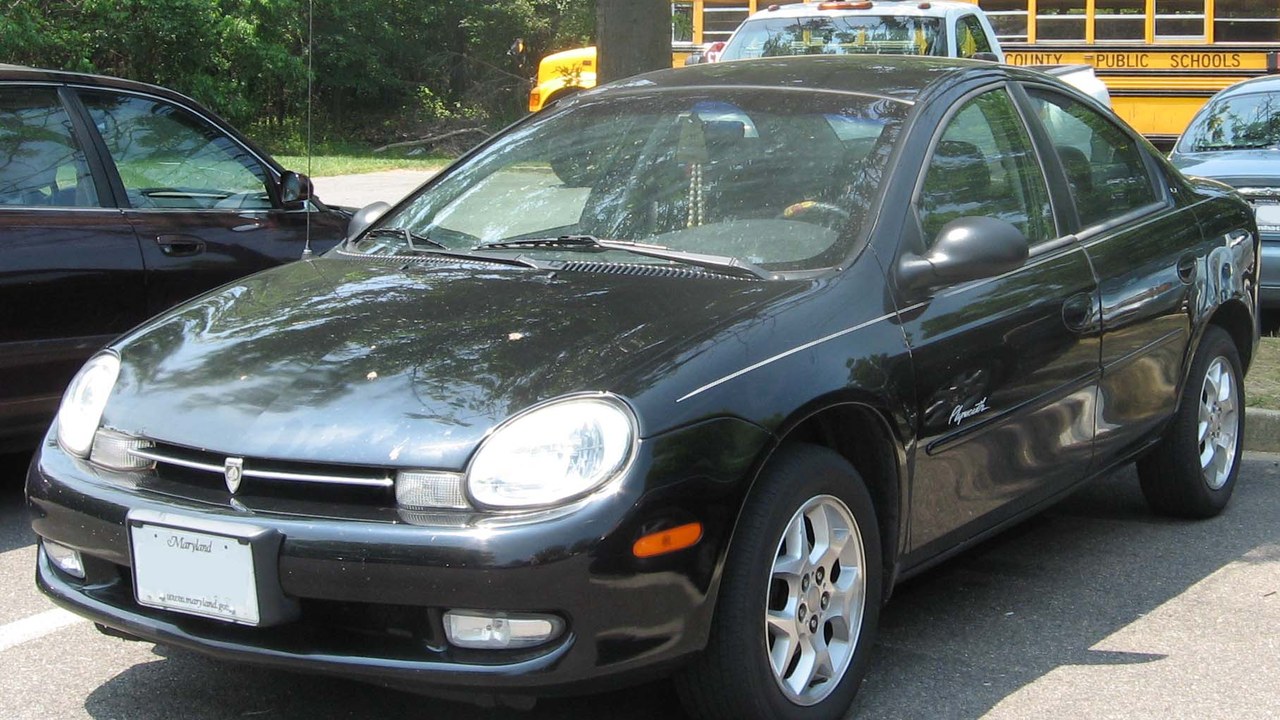
DaimlerChrysler announced in November 1999 that it would drop Plymouth. The last one, a Neon, was assembled on June 28, 2001, after 38,657 Neons were built that final model year.
The Neon thus carries the weight of marking the end of the brand, and the 38,657 built that final model year mean it is far from a rare find. It is a modest car for such a role, but that humility suits a make that served everyday drivers, and the date makes it an easy car to place in history.
More from Morning Overview
- Lake Powell sank to a record 3,517 feet, nearing the level that stops Glen Canyon Dam’s turbines
- Seven of Earth’s nine planetary boundaries are breached, and all seven are worsening
- The NSA says three phone features should be off whenever you aren’t using them
- Hurricane Hunter radar shows four warning signs that a tropical cyclone is about to strengthen, a University of Miami study found
