
Mercury was created to sit in the space between a Ford and a Lincoln, and it filled that role for 69 model years. The brand produced chrome-heavy dream cars, hot-rod favorites and plenty of sensible family haulers along the way. Here are ten Mercurys, from the 1939 original to the last Grand Marquis.
Free AI newsletter: The Deep View is the go-to daily newsletter for 600,000+ founders, knowledge workers and professionals who want to stay up to date with artificial intelligence.
We may earn a commission if you sign up.
1. Mercury Eight (1939): Edsel Ford’s Gap Filler
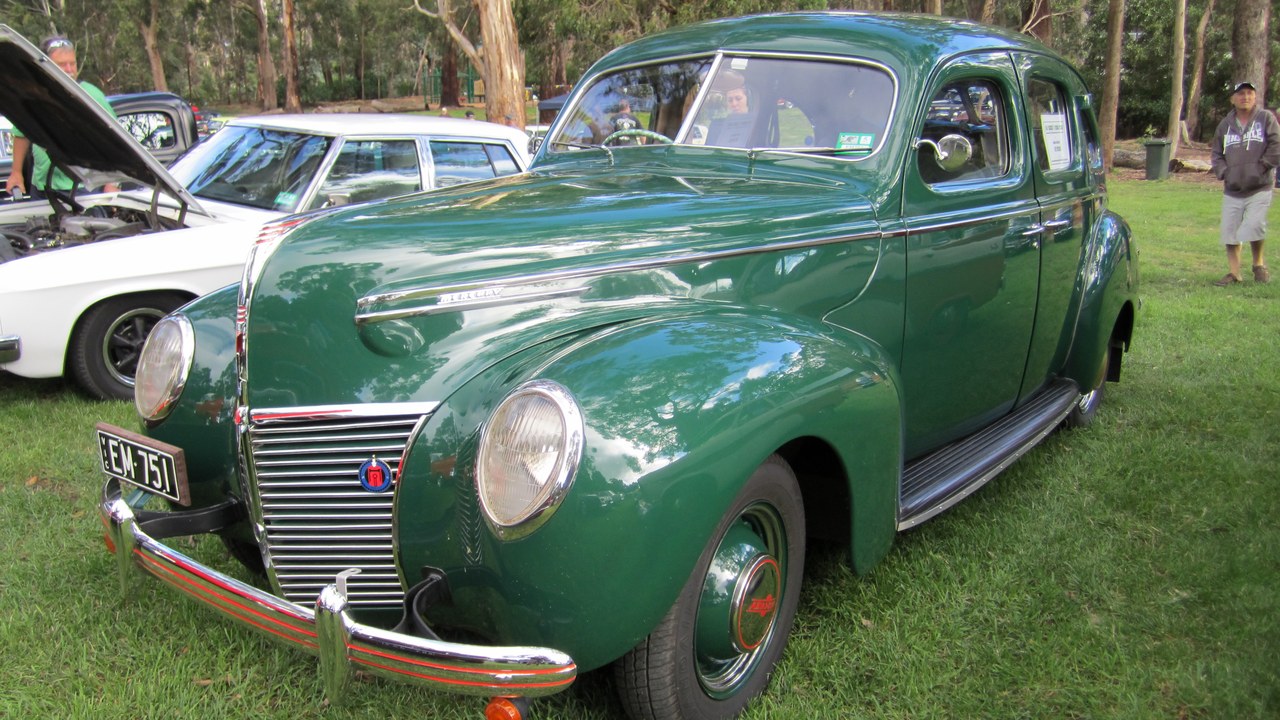
Launched by Edsel Ford to fill the gap between the deluxe Ford V-8 and the Lincoln Zephyr, the 1939 Mercury 8 sold for $916 with a 95-hp V-8. More than 65,000 were built in that first year, a strong start for a new brand.
The numbers show that the in-between slot had real demand from the beginning. As the car that defined Mercury’s purpose, the Eight is the natural starting point for anyone tracing how the brand bridged its two corporate neighbors.
2. Mercury Series 9CM (1949): James Dean’s Choice
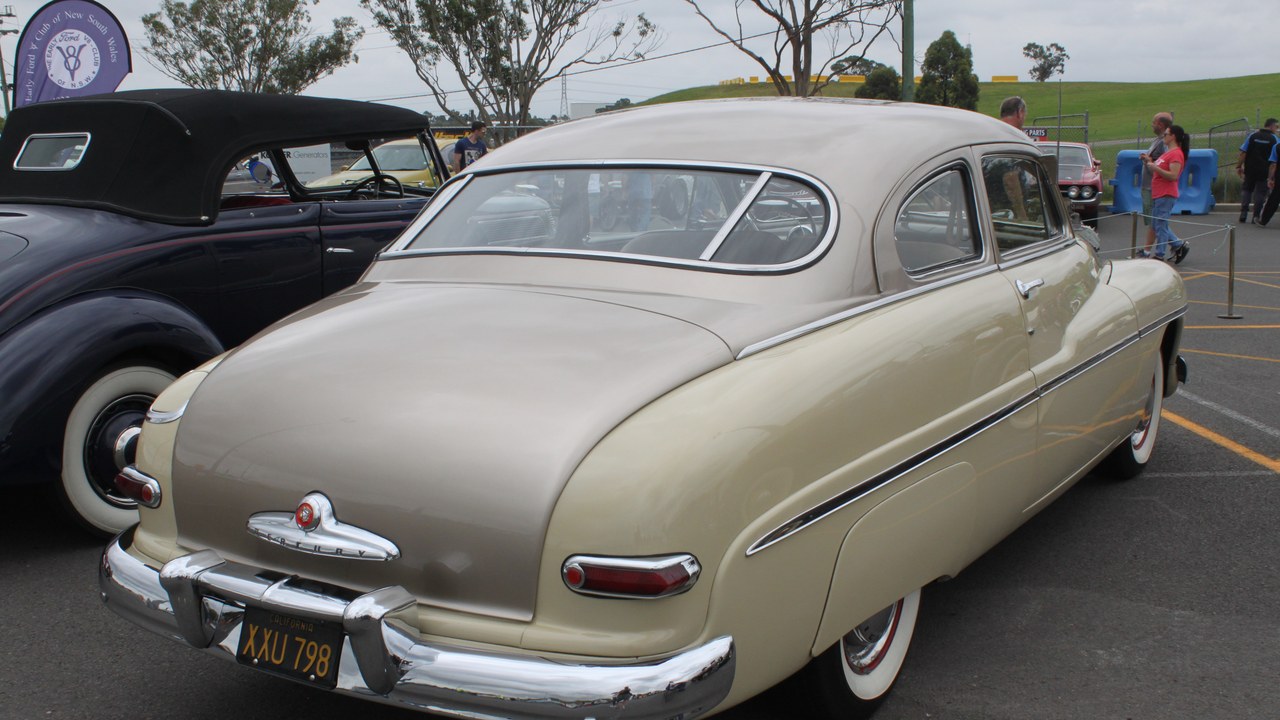
Mercury’s first new-look integrated bodies arrived for 1949 and became hot-rodder favorites. James Dean drove a de-chromed 1949 Mercury in Rebel Without a Cause, which cemented the car’s rebellious image on screen.
The film connection explains why this body style still draws attention at custom shows. Anyone drawn to the customizing tradition will find the 1949 cars central to it, since the smooth lines invite exactly the kind of de-chroming seen in the movie. The 1949 model year therefore stands as a milestone for the brand, marking a clear break from the styling that came before it.
3. Mercury Monterey Sun Valley (1954): Glass Above the Driver
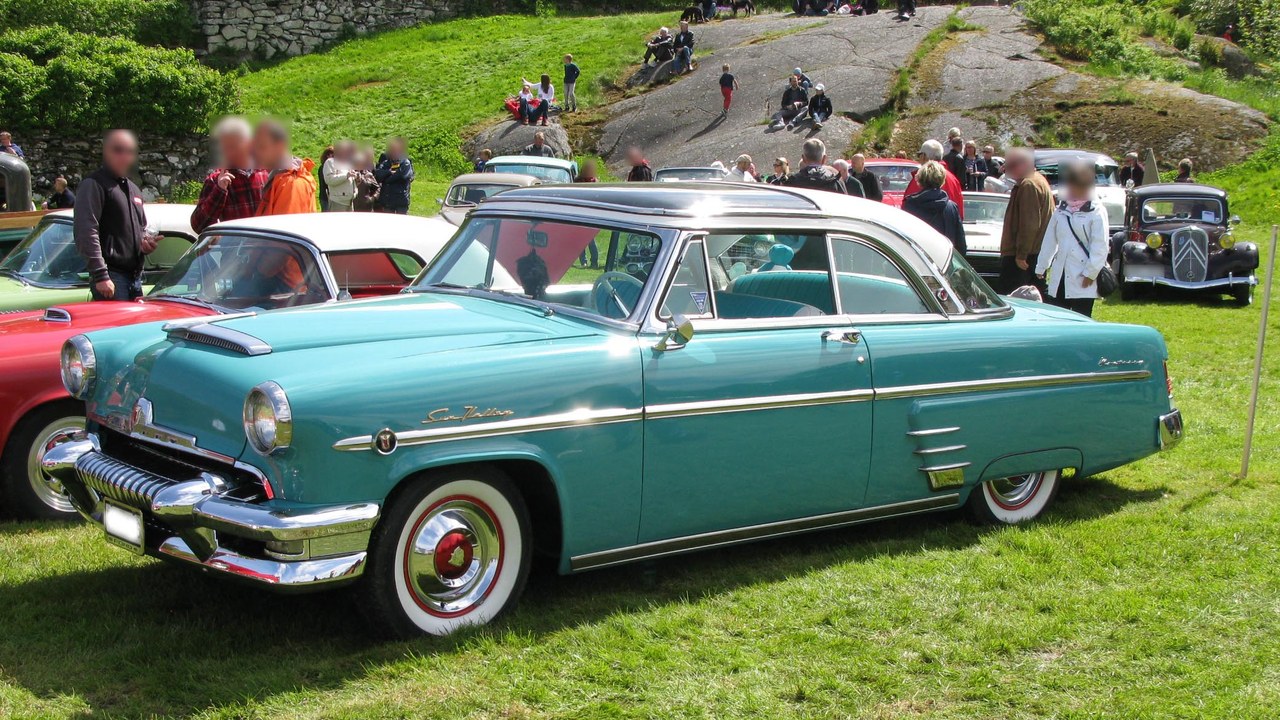
The 1954 Mercury Sun Valley had an industry-first fixed sunroof, a transparent Plexiglas roof panel, according to Ford’s own history of the Mercury brand. It was a novel way to bring light into the cabin of a closed car.
Being first in the industry gives the Sun Valley a place in design history that its sedan-like proportions might not suggest. For collectors, the unusual roof makes it one of the more distinctive Mercurys of the 1950s and a good conversation starter.
4. Mercury Turnpike Cruiser (1957): Retractable Rear Window
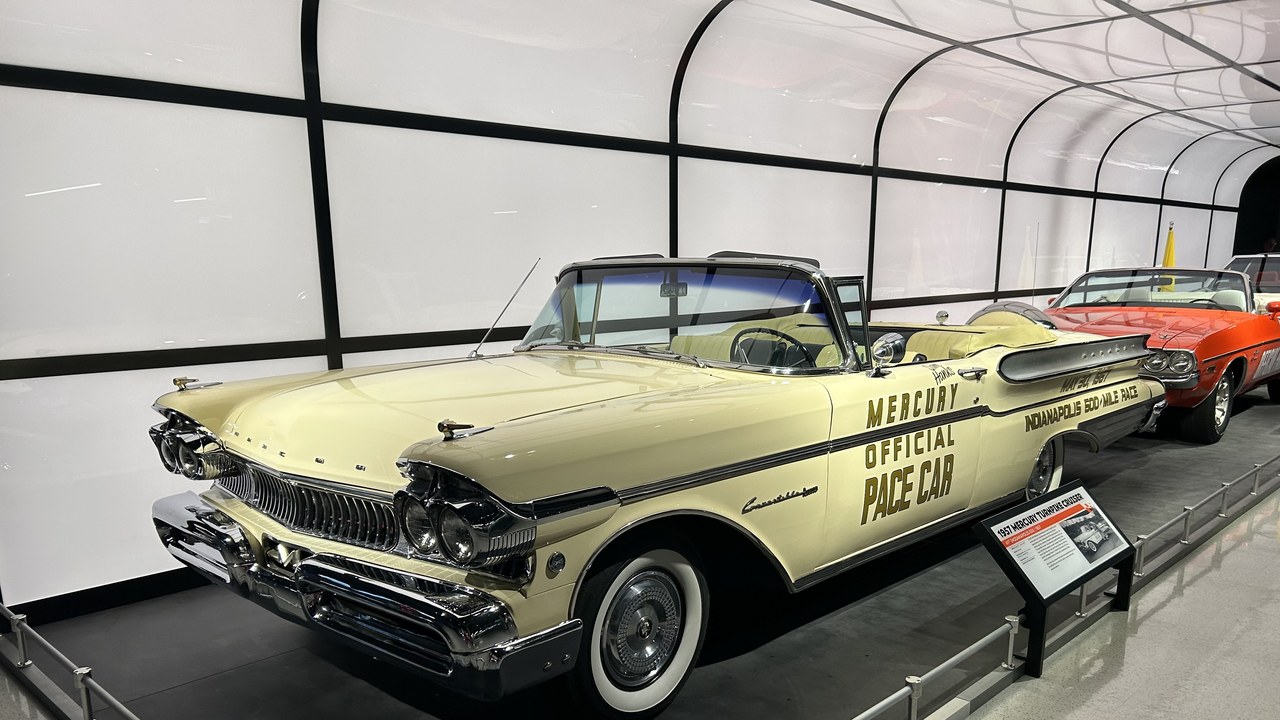
Introduced in 1957 with quad headlamps and a retractable rear window, the Turnpike Cruiser paced the 1957 Indianapolis 500. Mercury dropped it in 1959 as a slow seller, so the model lasted only a brief window.
Ambitious styling did not guarantee sales, as the Cruiser’s short life shows. That short run is exactly what makes it appealing now, because few cars from the period combine such novel features with a role at one of America’s best-known races. Its 1957 to 1959 availability also makes the model year an easy way to date a surviving car.
5. Mercury Cougar (1967): Between Mustang and Thunderbird
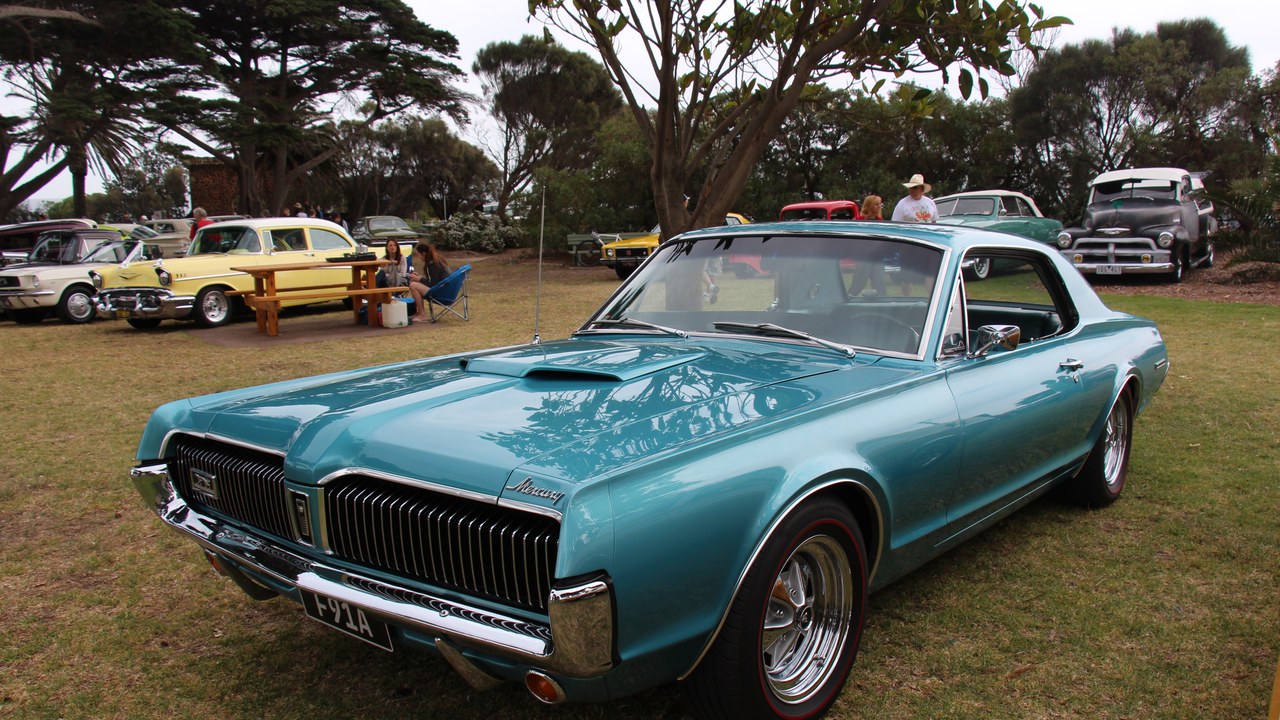
The Cougar debuted in 1967 to bridge the Ford Mustang and Thunderbird, and it became the most popular Mercury of the 1970s. Mercury revived the name in 1999 as a compact coupe, and the car was retired in 2002.
Its role mirrors the brand’s whole purpose, sitting in between two better-known Ford products. Buyers will find both the original Cougar and the revived compact on the used market, and the two cars are very different in concept and size. The 1967 original and the 1999 compact are separated by decades, so shoppers should be clear about which generation they want.
6. Mercury Sable (1986): Taurus Sibling’s Decline
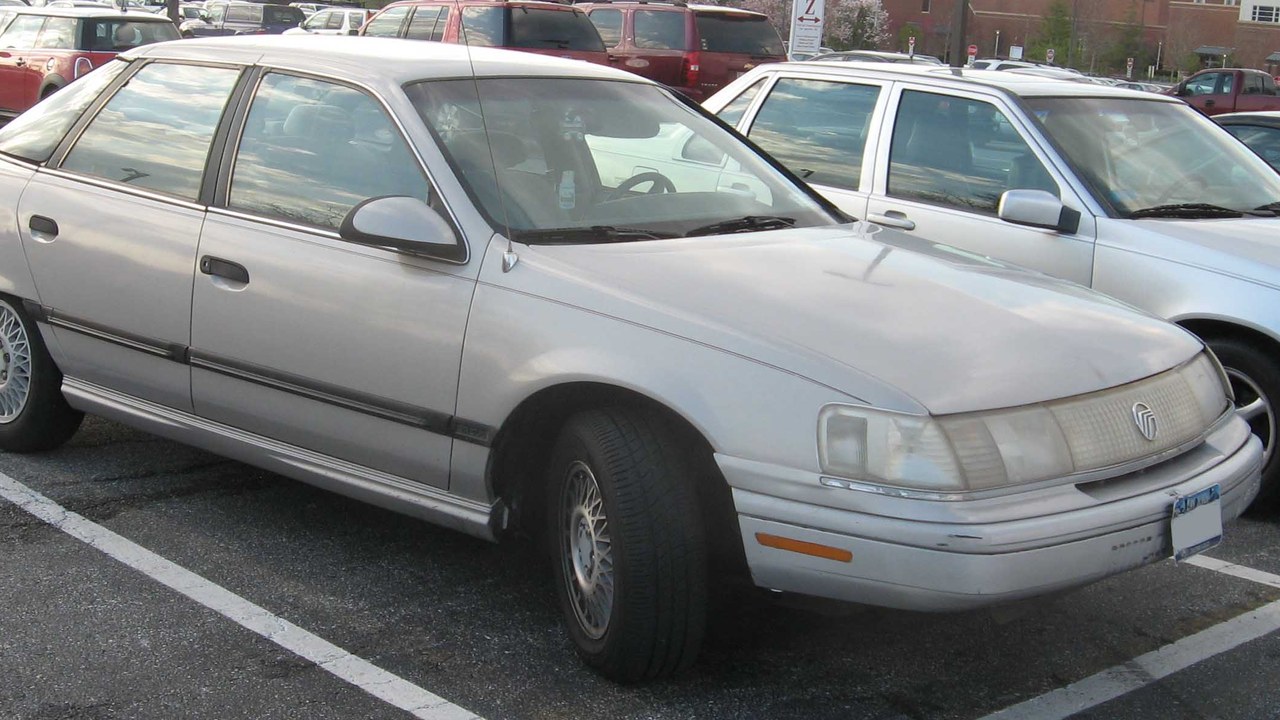
The Sable replaced the Marquis in 1986 and shared much of its body with the Ford Taurus. Its sales fell from 103,030 in 2000 to 37 in 2010, a steep drop that tracks the decline of the brand itself.
Sharing a body with a popular Ford made the Sable practical, but it also blurred how different a Mercury really was. The collapse in sales over a single decade offers a clear picture of the brand’s final years. Falling from five figures to two digits in ten years leaves little doubt about how the market treated the model by the end.
7. Mercury Villager (1993): Ford and Nissan Together
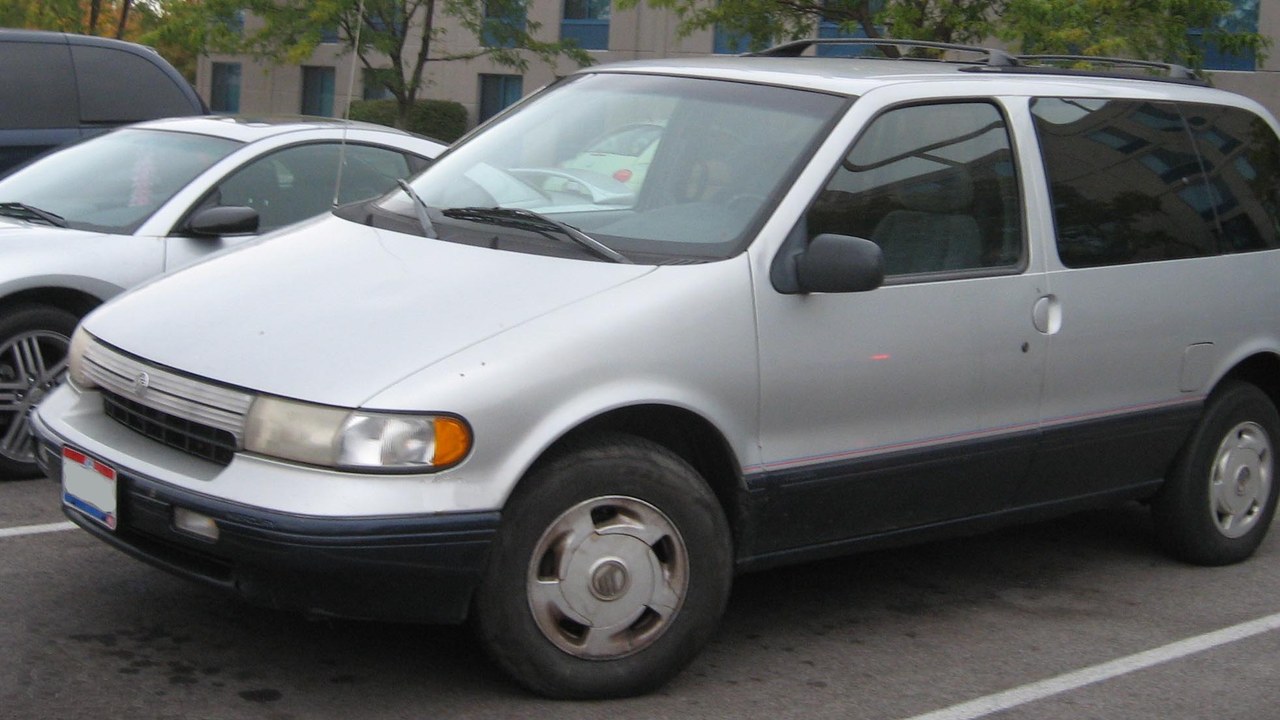
The Villager came from a joint venture between Ford and Nissan, which sold the same vehicle as the Nissan Quest. It used a 3.0-liter Nissan V-6 shared with the Maxima, a notable ingredient for a Mercury.
Badge engineering was common, and the Villager is a clear example of two automakers pooling resources. Shoppers interested in one should note the Nissan engine, since parts and service knowledge may overlap with that company’s cars. The joint venture also explains why the Villager looks so similar to the Nissan Quest, since the two were essentially the same vehicle.
8. Mercury Mountaineer (1997): First Mercury SUV
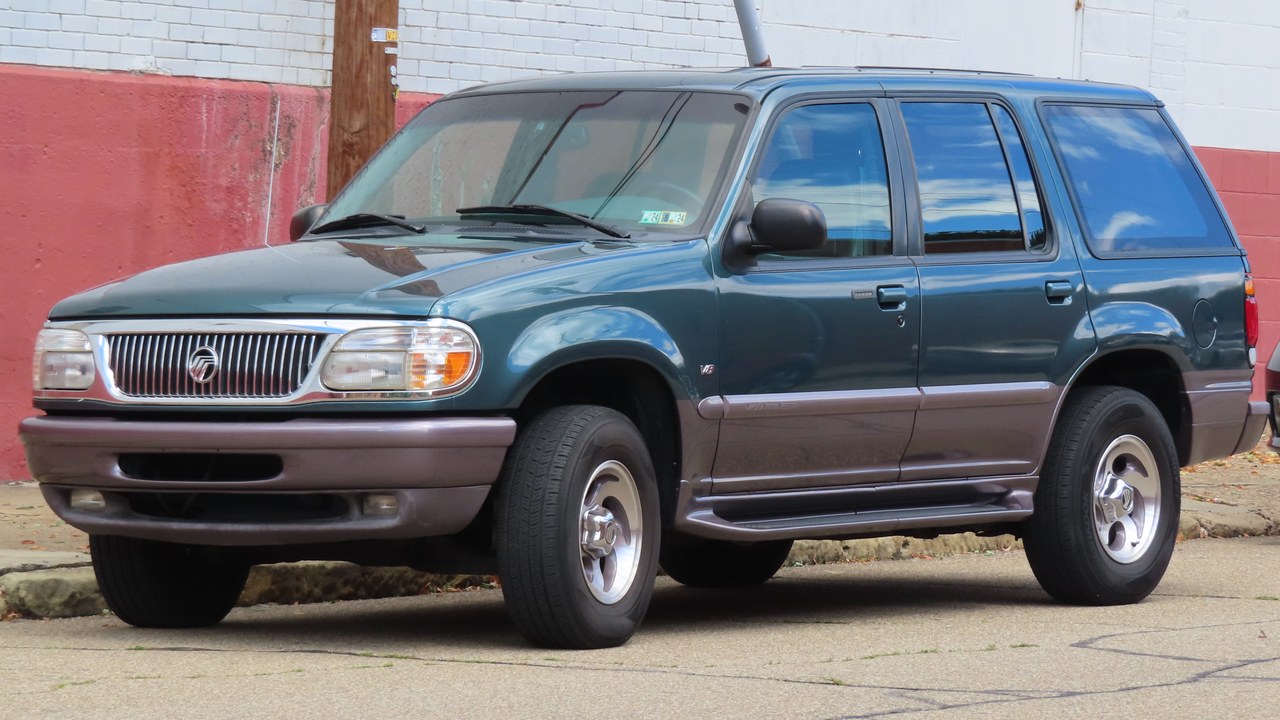
Mercury’s first SUV, the Mountaineer, shared its body with the Ford Explorer but used all-wheel drive. Sales totaled 341,336 from 2000 to 2010 before the model was retired, giving it a respectable run for a brand in decline.
The Mountaineer shows Mercury following the market toward utility vehicles in its later years. It remains a common sight on used lots, and its Explorer relationship tends to make mechanical familiarity easy to find. For buyers seeking an all-wheel-drive Explorer alternative, the Mountaineer offers the same basic body with a different badge.
9. Mercury Marauder (2003): Hot-Rodded Grand Marquis
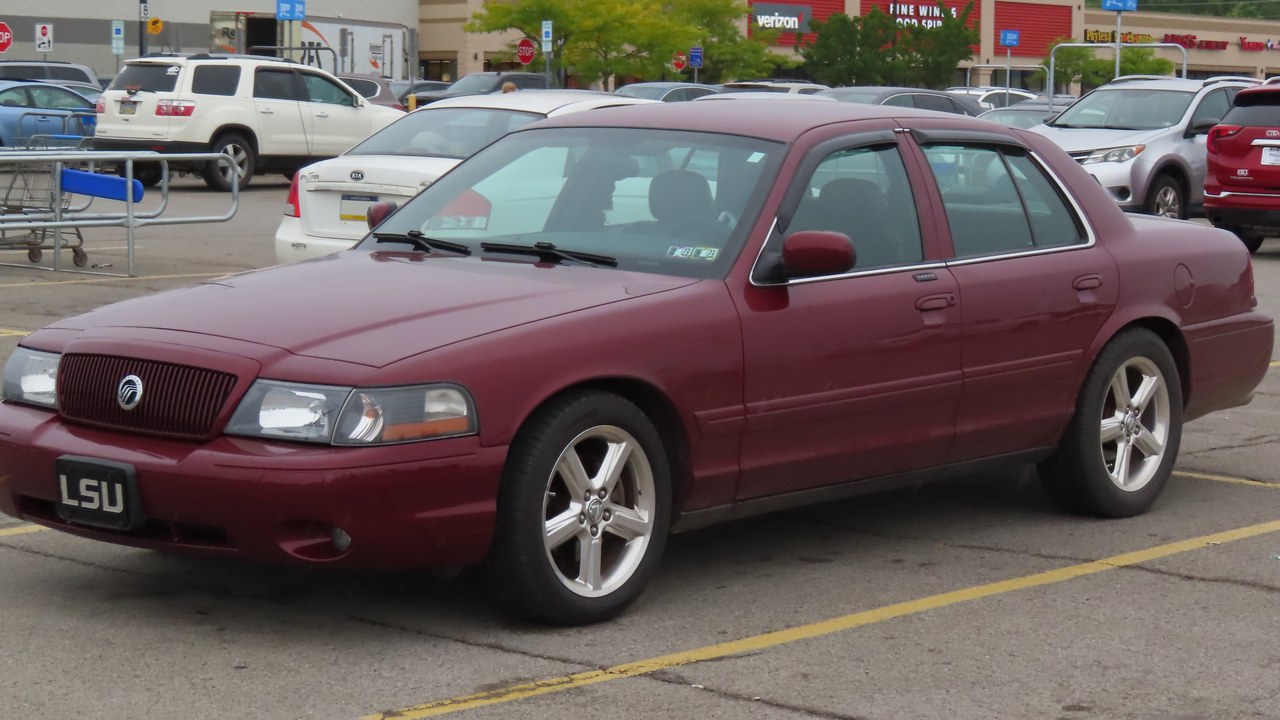
The Marauder name returned for 2003 on a hot-rodded Grand Marquis, built on a platform shared with the Ford Crown Victoria, as Ford’s Mercury history recounts. The revival gave a sedate full-size car a more aggressive edge.
Shared underpinnings with the Crown Victoria mean the Marauder is a cousin of a very familiar car. For enthusiasts, it offers a rare performance-flavored take on a body style most associated with quiet comfort. The Marauder name coming back for 2003 also gives the car a link to Mercury’s earlier history for anyone who follows such details.
10. Mercury Grand Marquis (2011): Last Off the Line
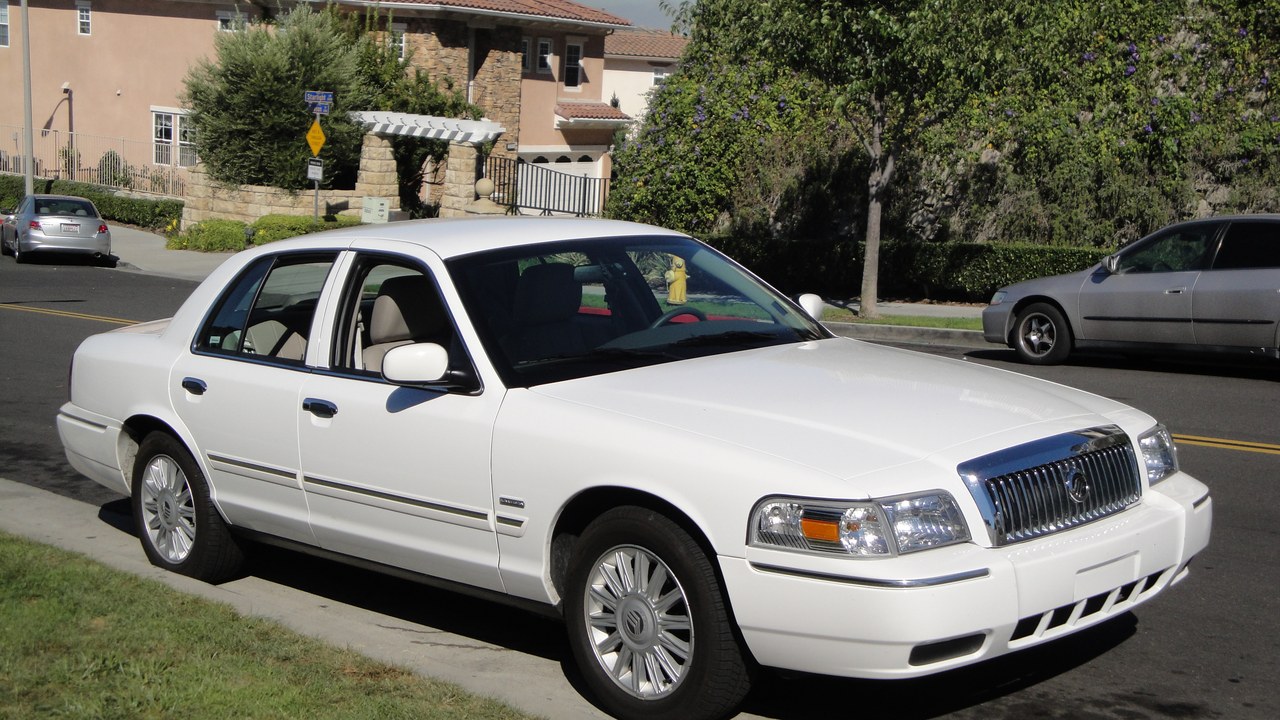
The last Mercury, a Grand Marquis sedan bound for fleet service, left Ford’s St. Thomas, Ontario, plant at 8 a.m. on Jan. 4, 2011. That moment ended a brand that ran 69 model years.
A fleet-bound sedan is a modest final car for such a long-running brand, and the early-morning timing makes the event easy to place. The Grand Marquis thus closes the story that began with the 1939 Eight. Anyone looking at the long arc of the brand will find that its first and last cars bracket 69 model years of Ford-family history.
More from Morning Overview
- Seven of Earth’s nine planetary boundaries are breached, and all seven are worsening
- The NSA says three phone features should be off whenever you aren’t using them
- Hurricane Hunter radar shows four warning signs that a tropical cyclone is about to strengthen, a University of Miami study found
- Tropical Storm Rachel is dumping up to 12 inches on four Mexican states on its way to major hurricane strength
