
Horses in American life range from sprinters bred for the quarter-mile to ponies small enough to fit in a child’s story. Some breeds were shaped on this continent, while others arrived with long histories from Arabia, Scotland and Belgium. Here are eleven breeds that Americans admire, ending with a miniature that stands no taller than 34 inches.
Free daily tech email: Get Techpresso, the free daily email with the most interesting tech news and insights, read by 400,000+ professionals from Google, Apple and OpenAI.
We may earn a commission if you sign up.
1. American Quarter Horse: Six Million and Counting
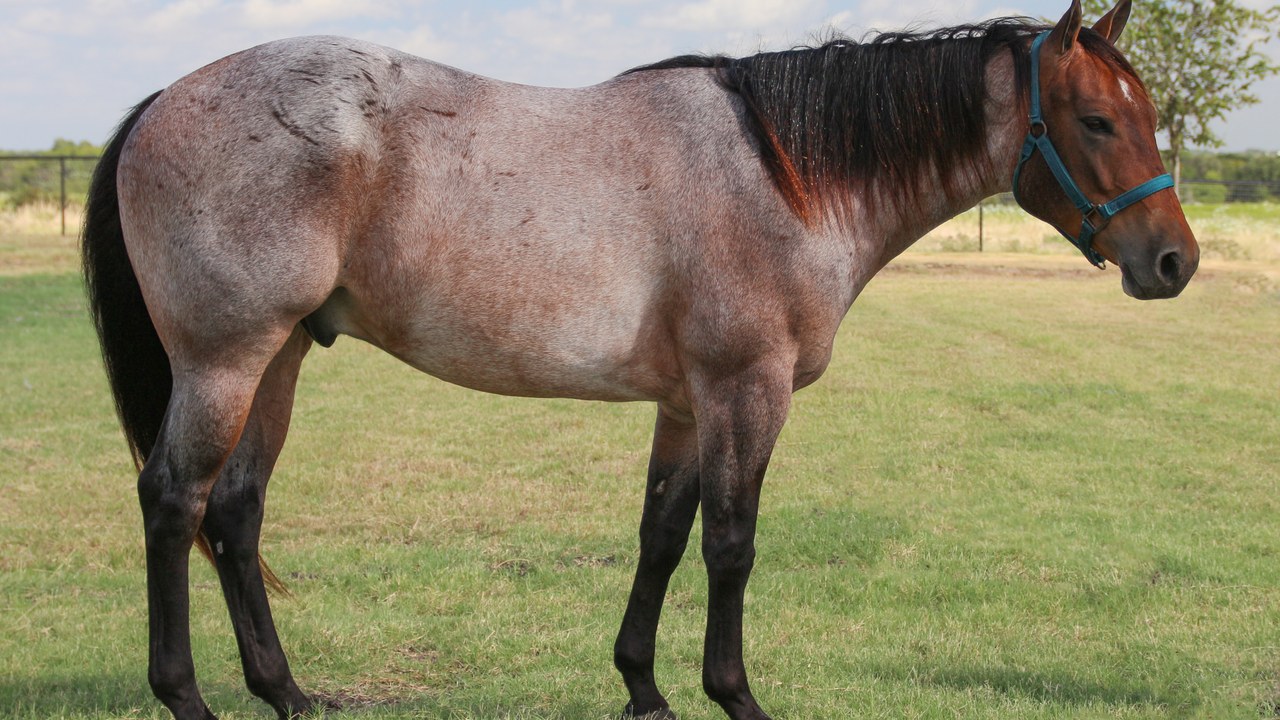
Prized for speed over short distances, the American Quarter Horse has had more than 6 million registered in the U.S. since 1940, Purdue Extension’s breed guide says.
That registration total makes the Quarter Horse a benchmark for popularity among American breeds. Its reputation for quick bursts of speed explains much of the appeal, and the sheer number of registered animals suggests it is a common sight wherever horses are kept and ridden.
2. Thoroughbred: Three Sires, One Breed

Every Thoroughbred traces back to three foundation sires, the Darley Arabian, Godolphin Arabian and Byerly Turk, and the breed ranks second in U.S. popularity, per Purdue Extension.
A pedigree built on just three founders gives the breed an unusually tight family tree. Its second-place standing among American horses shows that the lineage remains in strong demand, and anyone studying the breed will keep running into those same three famous names.
3. American Miniature Horse: Small by Design
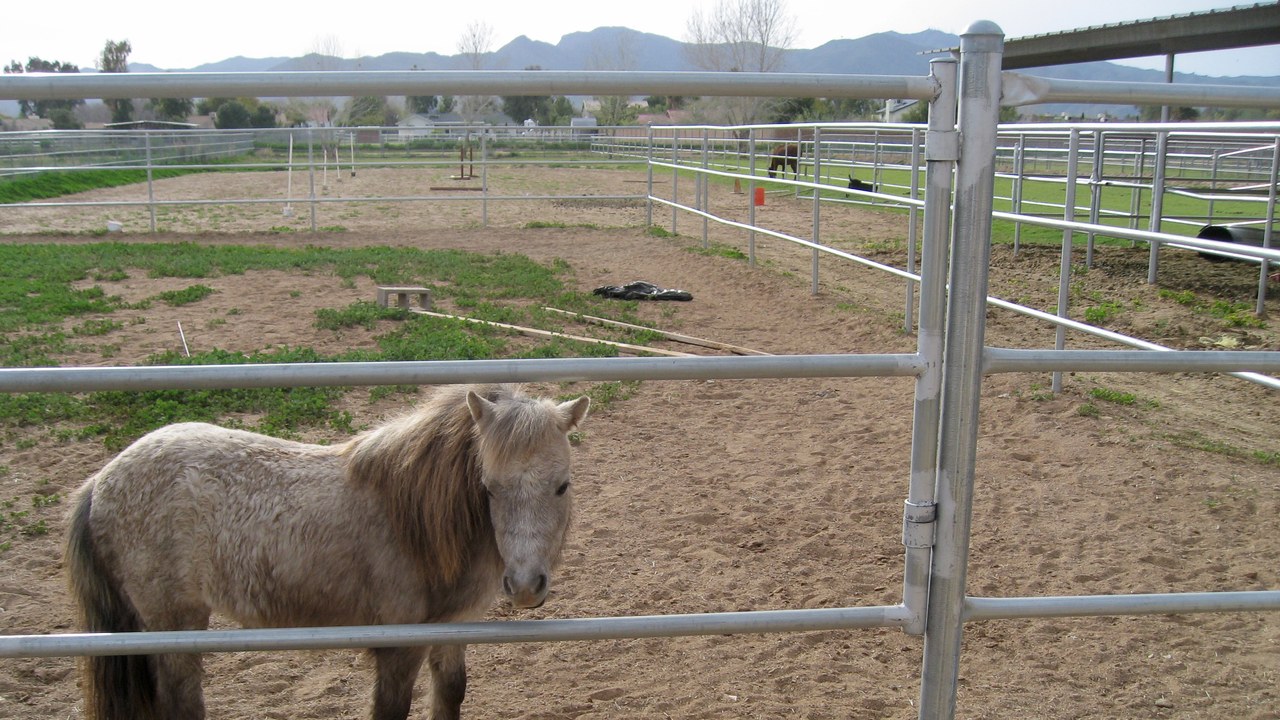
Miniature horses measure no more than 34 inches tall at maturity, bred down in size rather than dwarfed, and now work as pets, therapy animals and show horses.
That 34-inch ceiling defines the breed and frames this whole list of favorites. Because the size comes from careful breeding and not from dwarfism, the animals are true small horses, and their varied jobs show how much owners value a gentle companion of manageable size.
4. Morgan horse: Named for a Founder
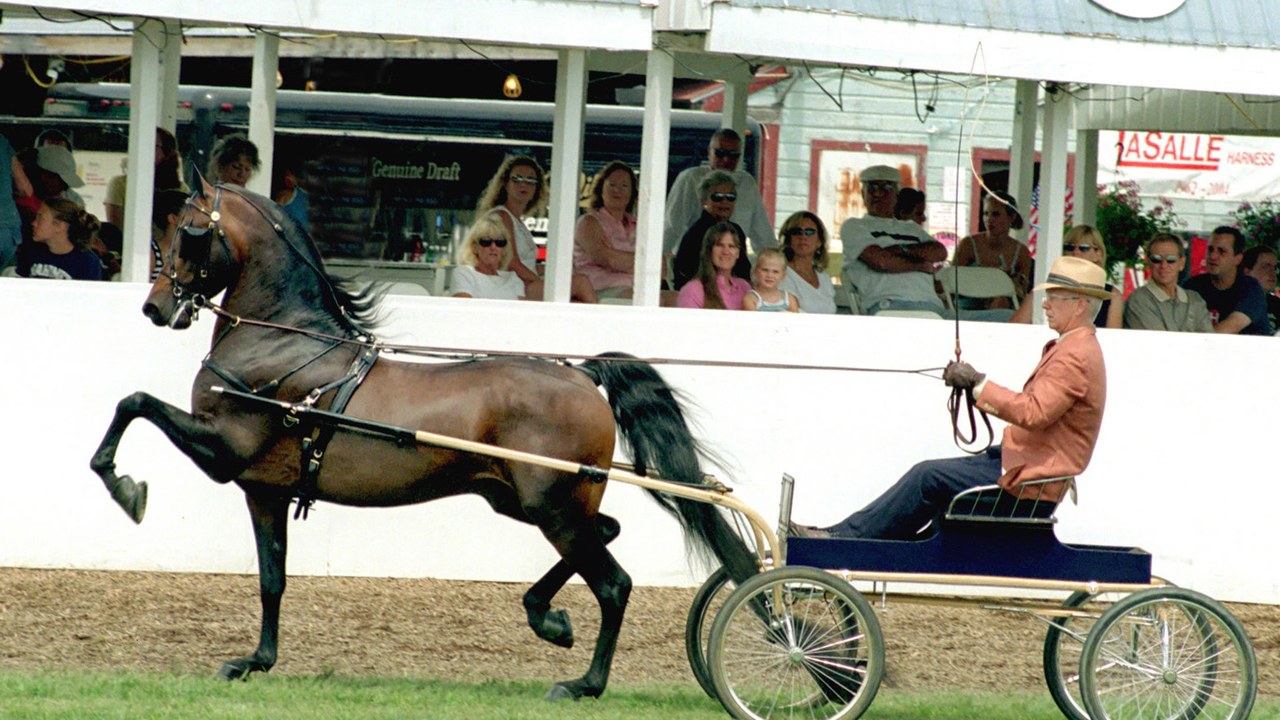
The Morgan breed takes its name from its founder, an 18th-century sire called Justin Morgan, and is one of the horse breeds native to America.
Few breeds are so closely tied to a single animal. Carrying the founder’s name down the generations, the Morgan stands as a homegrown American breed, and that origin story gives owners and admirers a clear sense of where the lineage began. For a buyer weighing native breeds, the Morgan offers a well-documented starting point, and the 18th-century sire at the root of it all is part of the appeal.
5. Appaloosa: Idaho’s Spotted State Horse
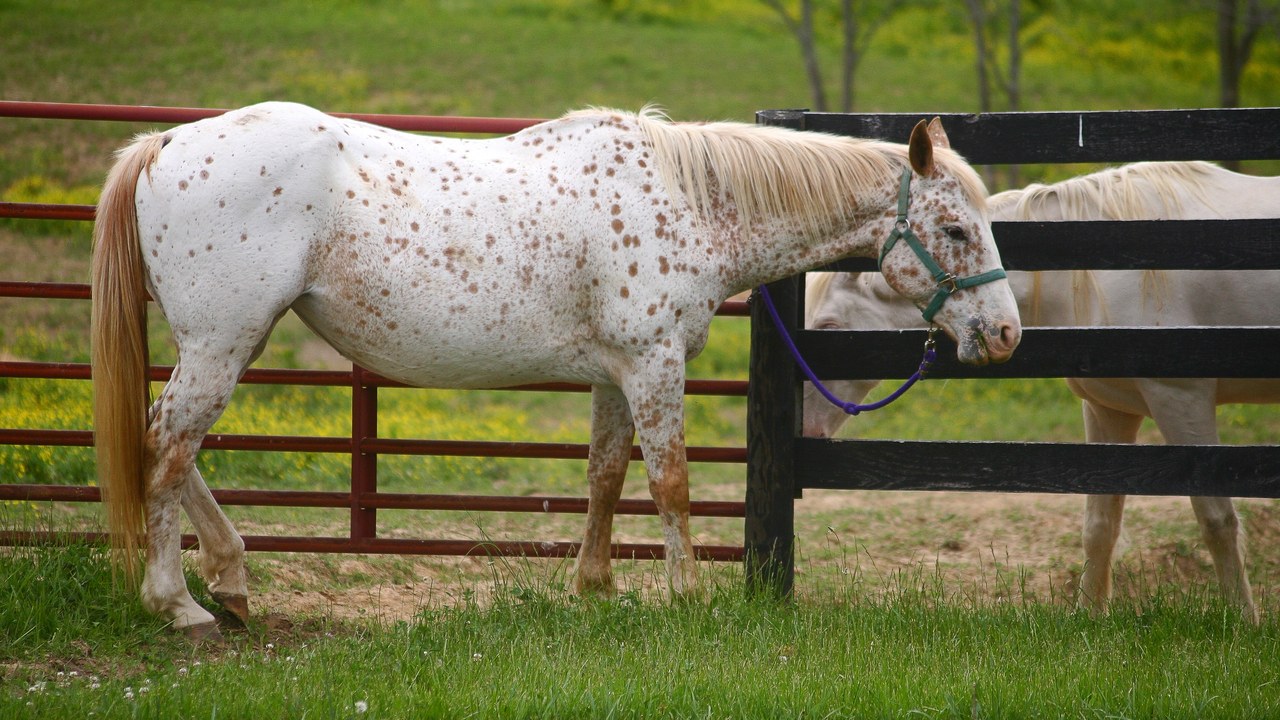
The spotted Appaloosa is Idaho’s state horse; PetsRadar says the modern breed was developed in the United States around a century ago.
The distinctive spotted coat makes the breed easy to pick out in any pasture. Official state recognition in Idaho underlines its standing as a native American breed, and a development history of roughly a century places it among the younger names on this list. Admirers who want a native breed with an instantly recognizable look often start with the Appaloosa, since the spots do much of the introducing.
6. Mustang: The Stray from Spain
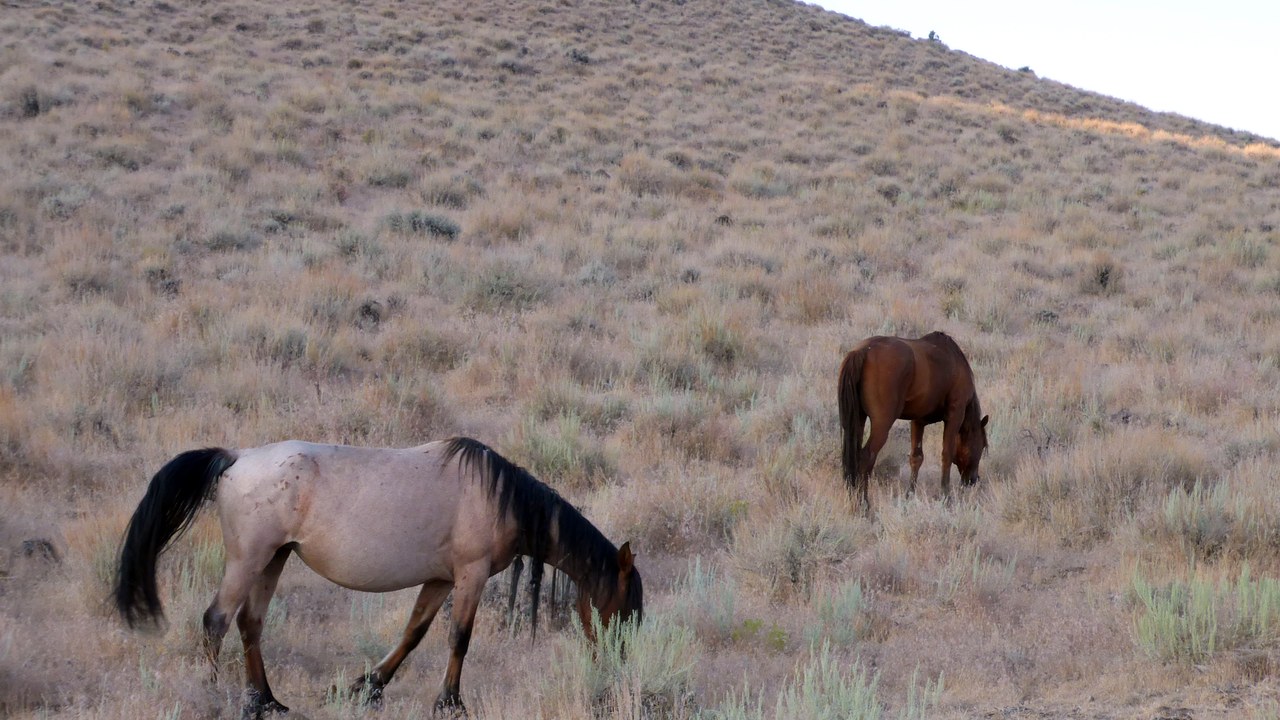
America’s free-roaming feral Mustang gets its name from the Spanish word for “stray”, PetsRadar notes.
The name fits an animal that roams without owners, which sets the Mustang apart from every other breed here. Its feral lifestyle is part of its appeal for admirers, and PetsRadar counts it among the horses native to America. The Spanish roots of the word hint at the animal’s long and unsettled history on the continent, and the idea of a stray horse still carries a powerful pull for anyone who loves the open range.
7. Chincoteague pony: Famous for Its Swim
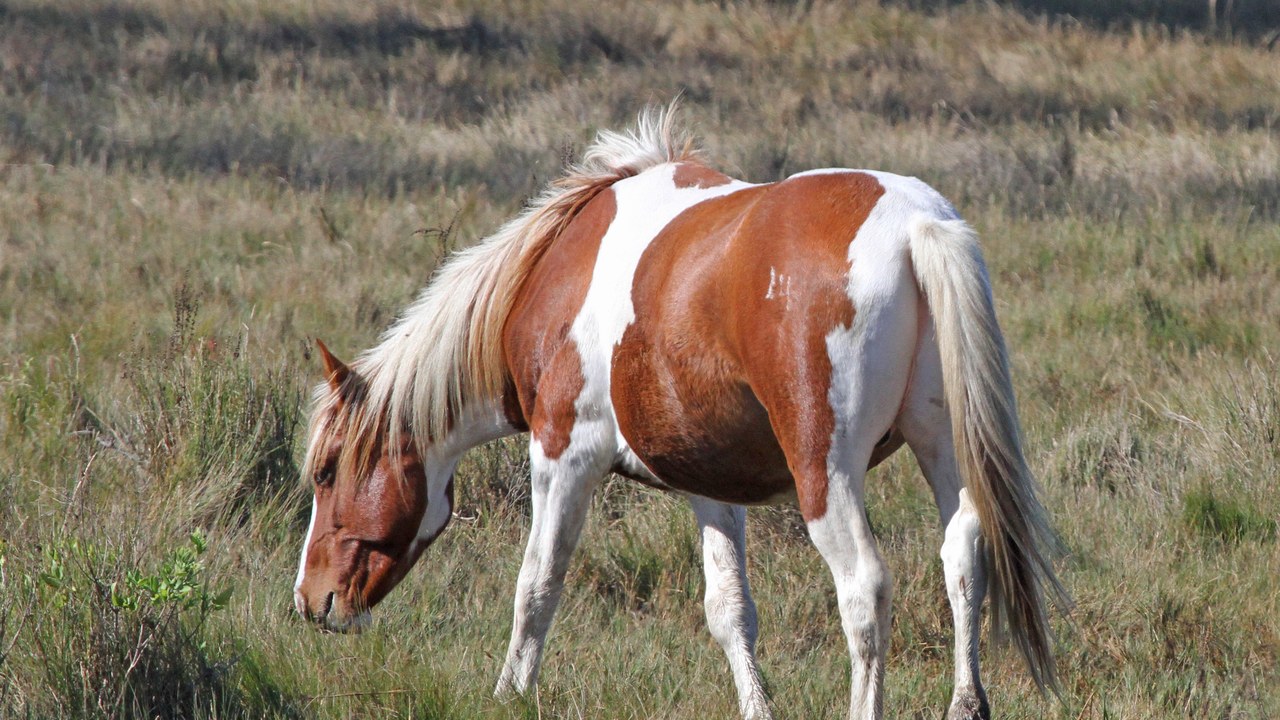
Virginia’s state pony, the Chincoteague pony is famous for its annual swim to Chincoteague island.
Few ponies have an event so closely tied to their identity. Its status as the state pony of Virginia shows how much affection the breed commands, and the yearly crossing keeps it in the public imagination well beyond the island itself. For readers new to horse breeds, the Chincoteague pony shows how a single tradition can make a small animal a celebrated symbol of a place, a state and a spirited coastal community.
8. Arabian horse: The Oldest Breed
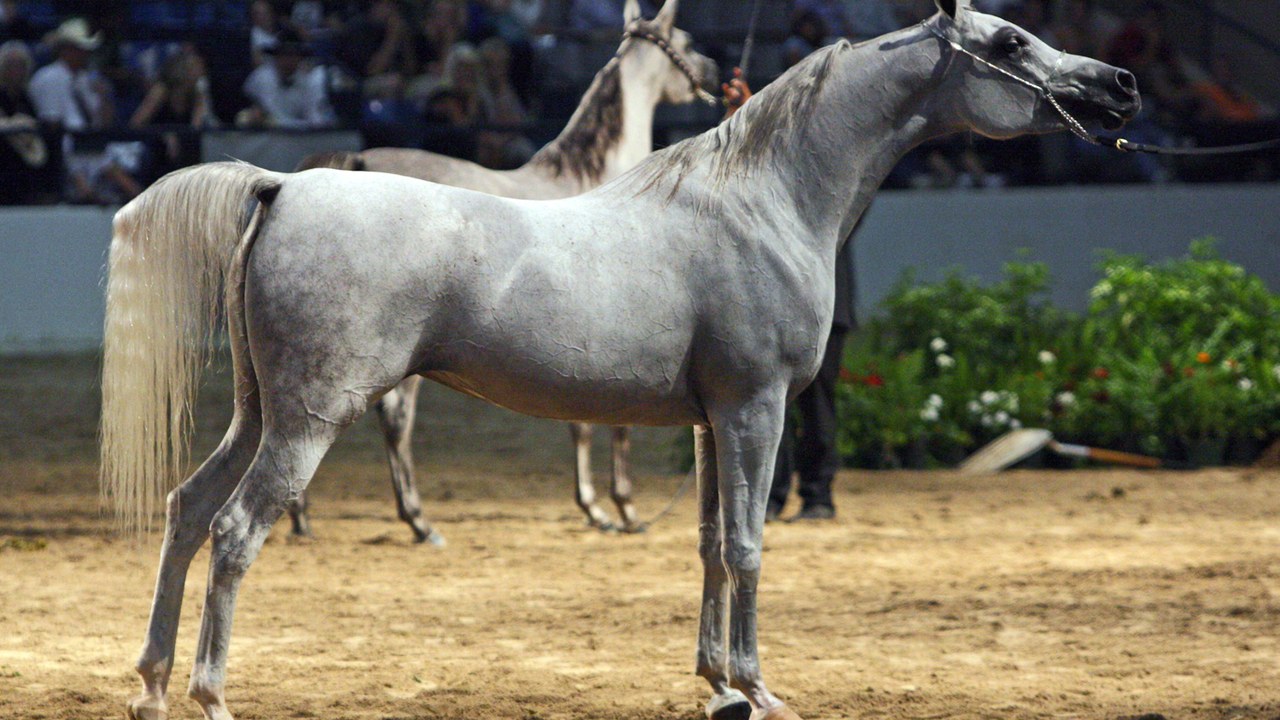
Britannica calls the Arabian the oldest recognized breed of horse in the world; it stands 14 to 15 hands and excels in endurance competitions.
Age and stamina together explain the breed’s long reputation. At 14 to 15 hands it is not a large horse, yet its strength over long distances has kept it prominent, and its place on any list of respected breeds is secure. For riders drawn to competition over long courses, the Arabian’s record of excelling in endurance events is a strong point in its favor, and its claim to be the oldest recognized breed adds a sense of history.
9. Clydesdale: Feathered and High-Stepping
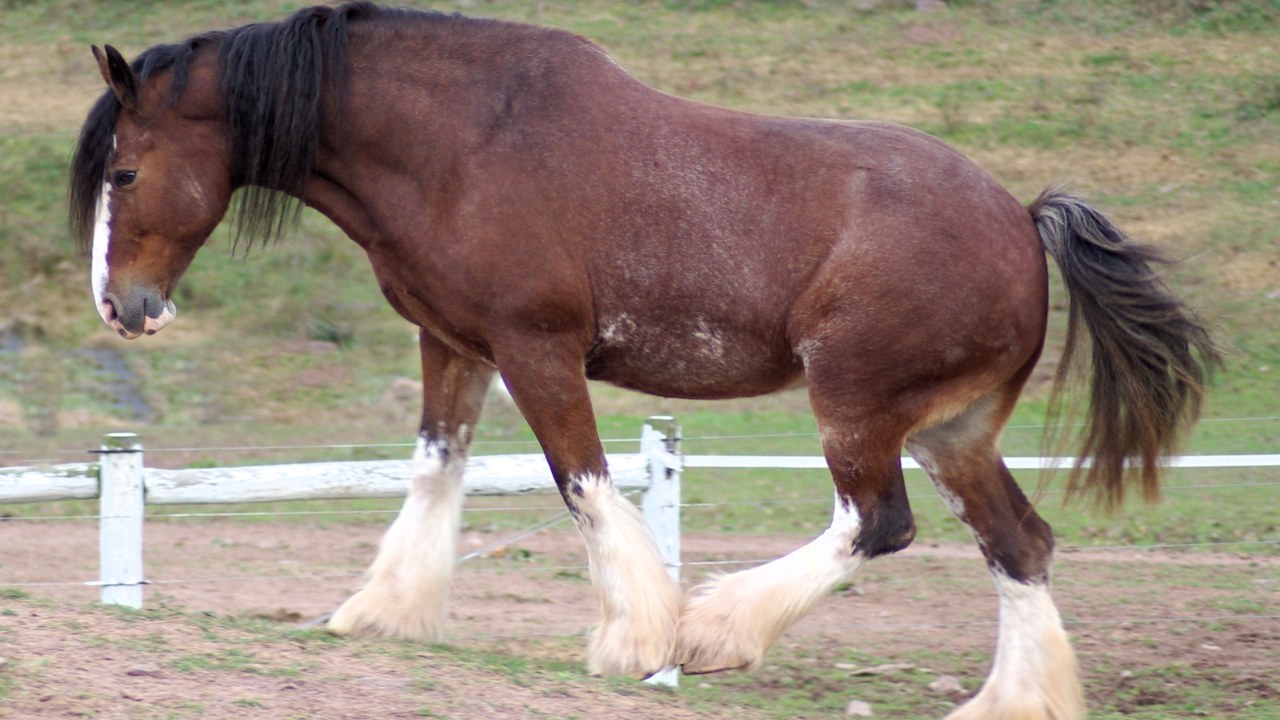
A Scottish heavy draft breed standing 16.1 to 18 hands, the Clydesdale is known for sound legs and feet and a high-stepping gait, Britannica says.
Size and showy movement make the Clydesdale easy to recognize. Sound legs and feet matter a great deal in a horse of such weight, and the high-stepping gait gives the breed a presence that draws attention wherever it appears. Anyone considering a draft horse can take the Scottish origin, the impressive height range and the reputation for soundness as good reasons the Clydesdale is so widely admired.
10. Belgian horse: Chestnut Draft Power
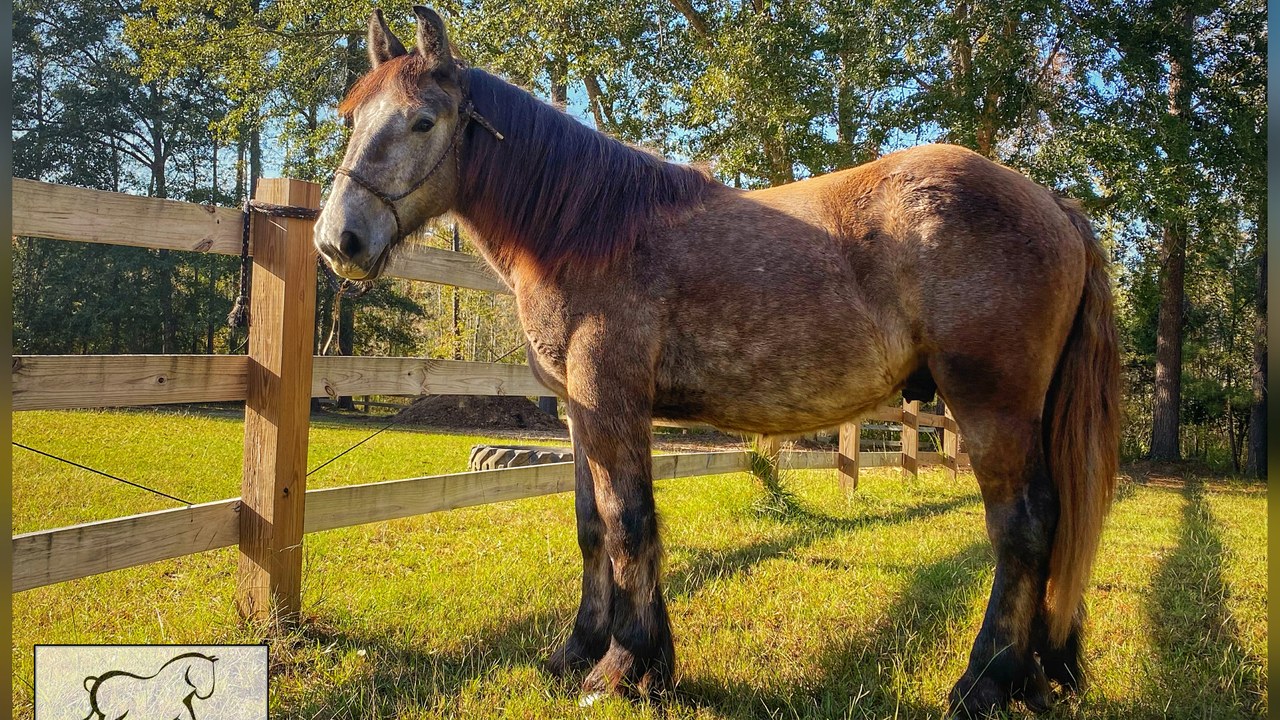
The Belgian heavy draft horse stands 15.3 to 17 hands; the American Belgian is typically chestnut and sorrel with a flaxen mane and tail.
A flaxen mane against a chestnut coat gives the American Belgian a warm, uniform look. As a heavy draft horse it ranks among the powerful breeds covered here, and Britannica’s description helps buyers know what the typical type looks like. The height range of 15.3 to 17 hands also gives a useful yardstick, since a horse well outside it may be a different type of draft animal altogether from the classic American Belgian.
11. Shetland pony: Bronze Age Pony
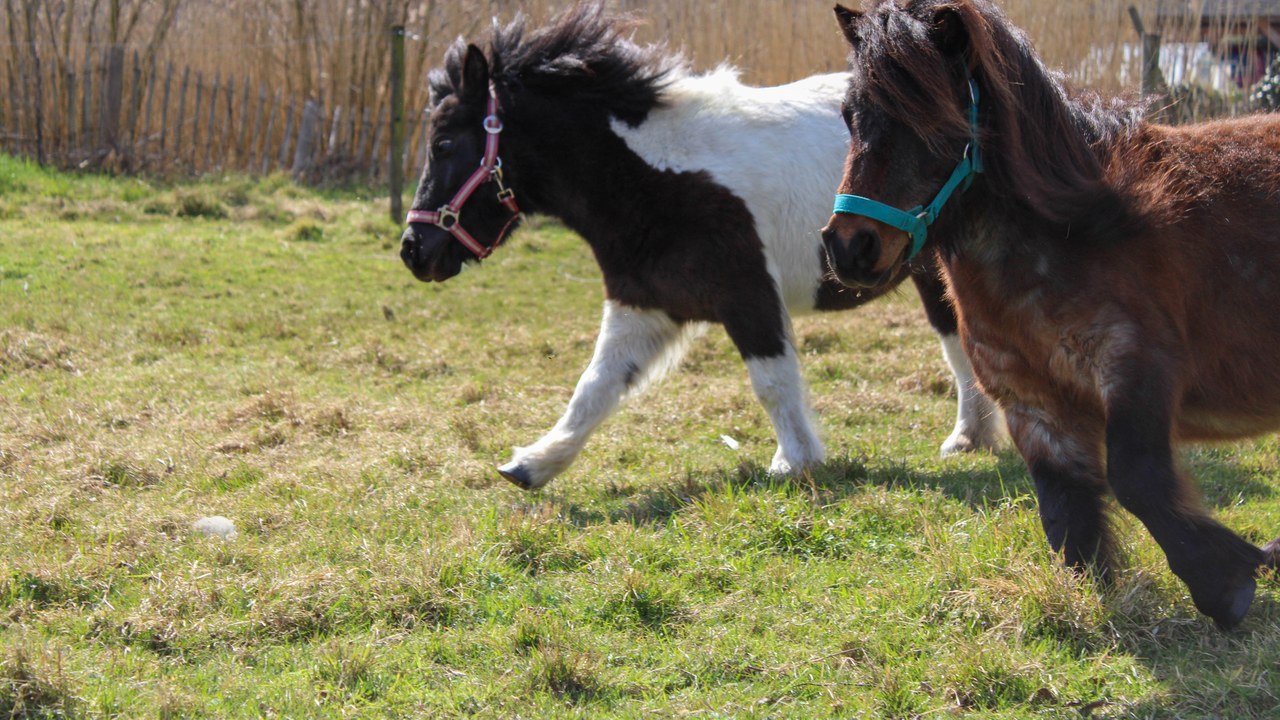
Only about 10 hands tall, the Shetland pony is thought to date to the Bronze Age and worked as a pit pony in Britain’s 19th-century mines.
Small stature served the breed well underground, where low tunnels demanded compact animals. That long history, reaching back to the Bronze Age, shows that a pony of about 10 hands can carry a heritage as deep as that of any larger horse. Its work in 19th-century British mines also reminds readers that small breeds have long earned their keep, not only as pets or children’s mounts.
More from Morning Overview
- Two passengers died at an Ohio toll plaza, and the NTSB now wants the cash lanes shut
- Long use of a common prostate pill is tied to a higher chance of glaucoma
- Ford is recalling 223,472 F-150 pickups because the fuel tank can leak or detach
- Hybrids have 15% fewer problems than gas cars, while EVs and plug-in hybrids have about 80% more, Consumer Reports finds
