
The Dodge Charger has worn many bodies, from a 1966 fastback to a modern two-door electric coupe. Along the way it picked up a television role, a NASCAR winner’s wing and a supercharged sedan reputation. Here are eleven Chargers that mark its biggest shifts, beginning with the year it launched.
The day in tech, in one email: TLDR is the daily newsletter with links and TLDRs of the most interesting stories in startups, tech and programming.
We may earn a commission if you sign up.
1. Dodge Charger (1966): Dodge’s First Fastback
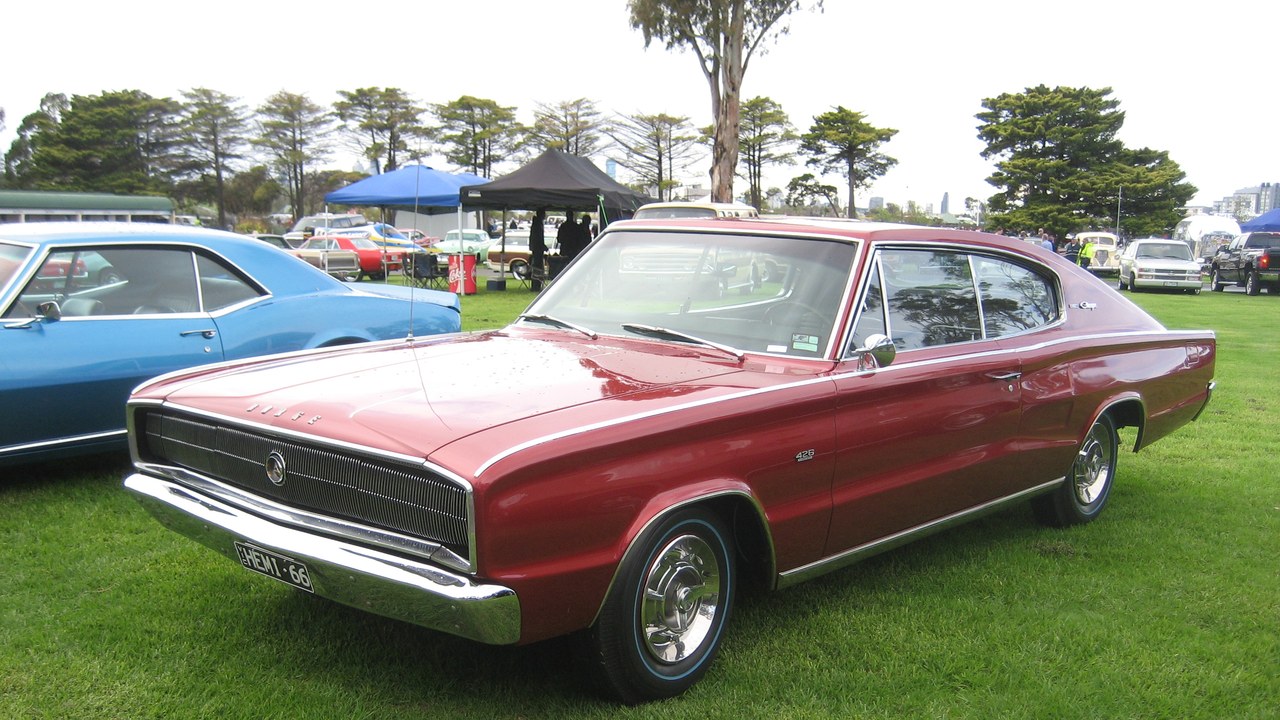
Launched Jan. 1, 1966, the Charger was Dodge’s first fastback street racer, with four bucket seats, a standard 230-hp 318 V-8 and an optional 425-hp 426 Street HEMI, per Dodge’s Past Masters release.
The optional 426 HEMI nearly doubled the standard engine’s output, which signaled the performance intent from the start. The four-bucket-seat cabin gave the fastback a distinctive interior that set it apart from other Dodge models, and the launch date at the start of 1966 makes the Charger an easy car to place in history.
2. Dodge Charger R/T (1968): Bumblebee Stripes
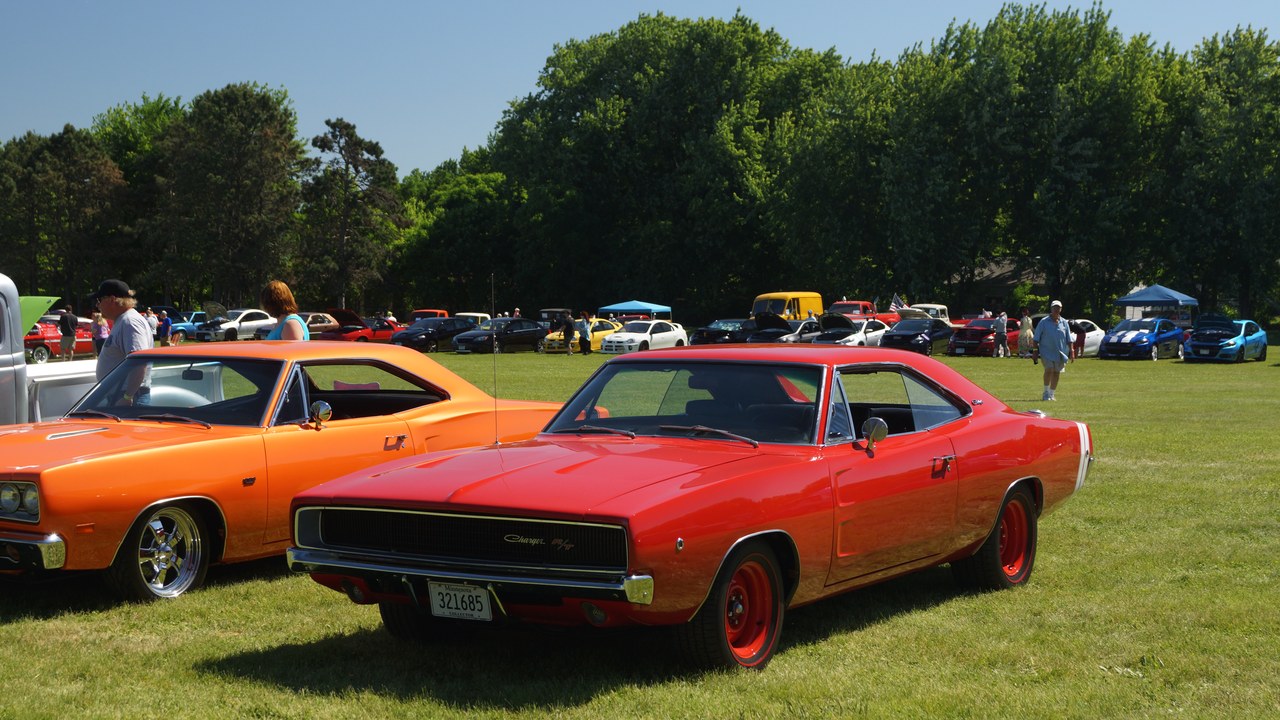
The restyled 1968 R/T came standard with the 440 Magnum V-8, offered the rarer 426 HEMI, wore bumblebee stripes and could reach a claimed 132 mph, according to HotCars’ Charger evolution.
The 1968 redesign gave the Charger a muscular look that many fans still identify with the nameplate. The top speed is a claimed figure rather than a tested one, so collectors usually treat it as a marketing-era benchmark, and the standard engine was the more common choice for buyers of the period.
3. Dodge Charger ‘General Lee’ (1969): Getaway Car for Seven Seasons
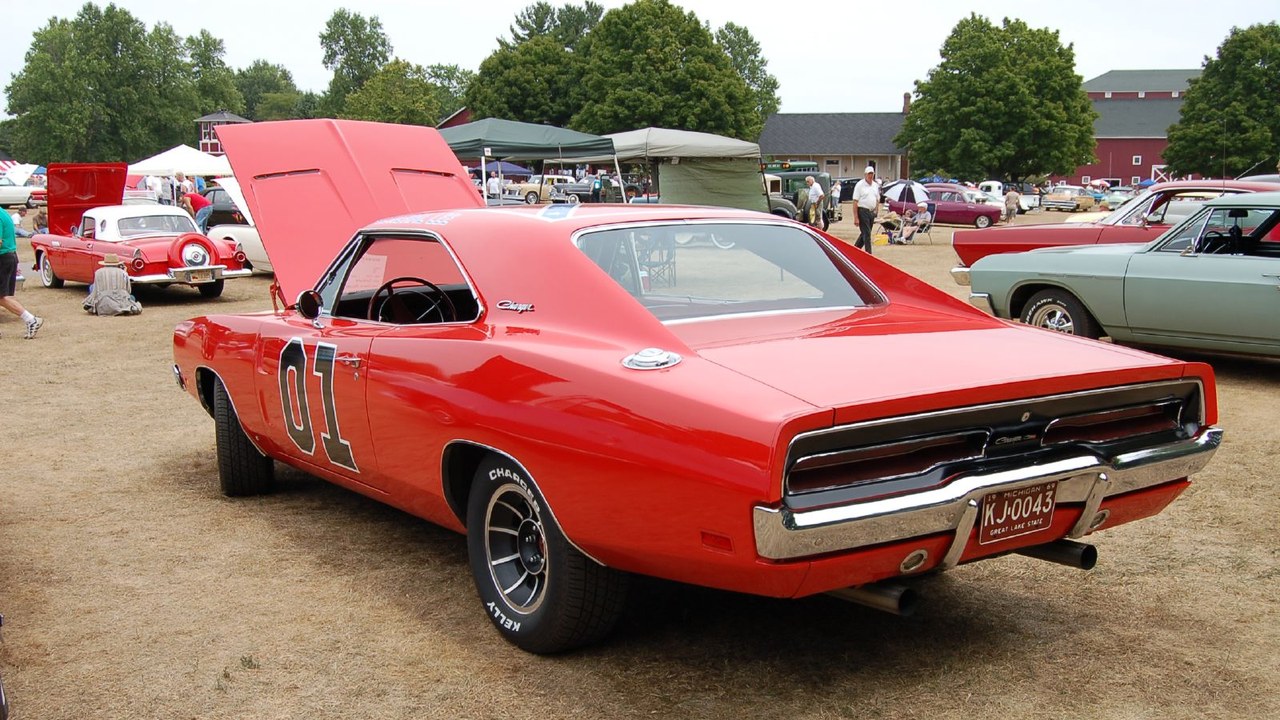
A 1969 Charger became the getaway car on The Dukes of Hazzard for seven seasons. Dodge’s press release adds that the HEMI went into fewer than two percent of 1969 Chargers.
The television role made a single model year famous with audiences who never set foot in a showroom. The low HEMI share means a real factory-HEMI car from that year is a rare find, which separates it from the many tribute cars.
4. Dodge Charger Daytona (1969): The Wing That Won
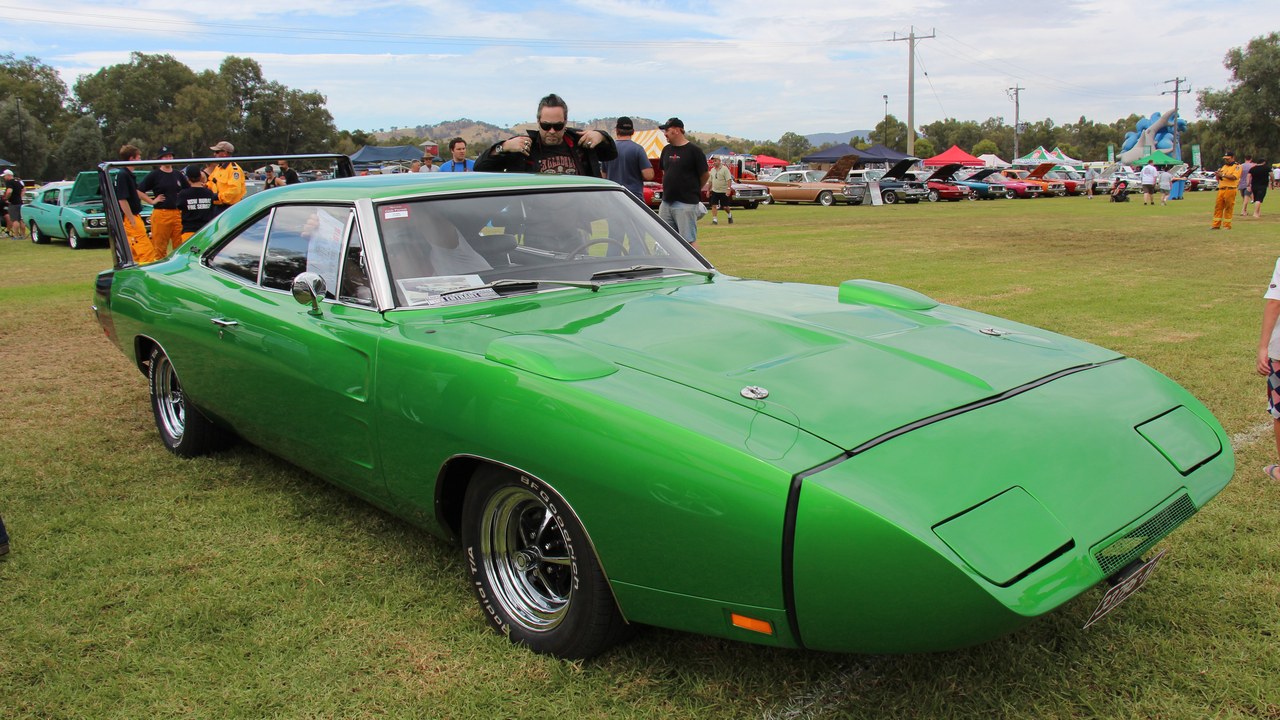
With a pointed nose and a rear wing standing 58 inches above the trunk, the Charger Daytona won its first NASCAR race at Talladega in September 1969. Dodge’s historical release says Daytonas and Charger 500s then won 45 of the next 59 races.
The extreme aerodynamics were built for a single purpose, and the race record shows they worked. The tall wing remains one of the most recognizable shapes in American automotive history, and the race wins give the model a competition story few road cars can match.
5. Dodge Charger Super Bee (1971): A Bee Beside the R/T
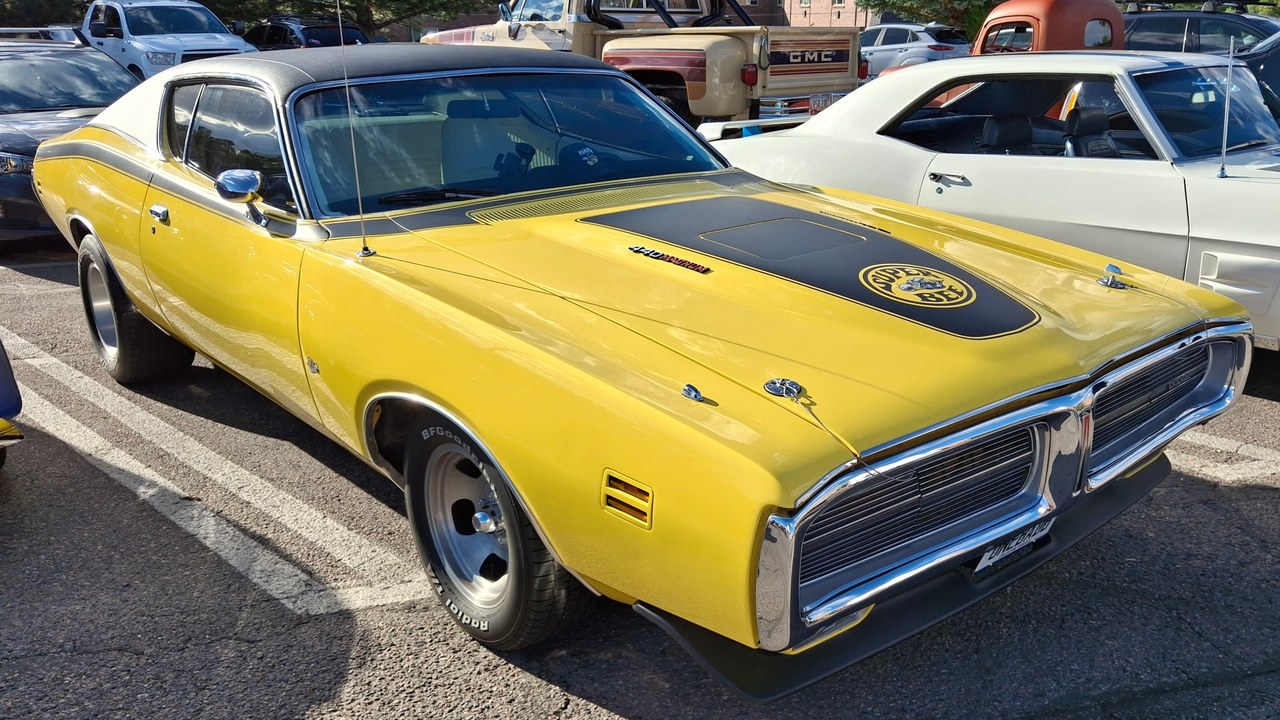
The redesigned 1971 Charger added a Super Bee package beside the R/T, a semi-fastback roof and a Ramcharger hood scoop. Dodge’s Charger history notes that 1971 was the last year a factory HEMI could be ordered.
That final HEMI year gives the 1971 Charger special standing among collectors. The new body and the Super Bee badge show how the Charger adapted its look while keeping a performance focus alive, and the hood scoop added visual drama.
6. Dodge Charger SE (1975): Luxury Instead of Muscle
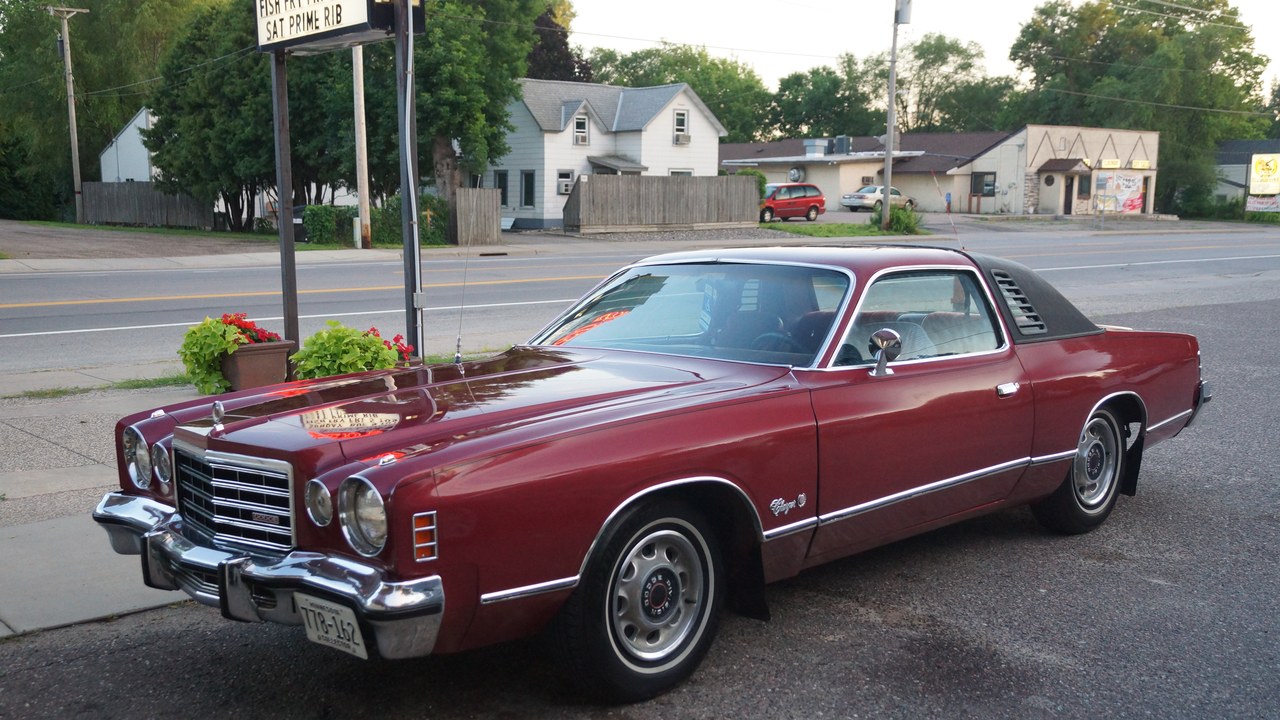
The fourth generation pivoted to luxury on the same platform as the Chrysler Cordoba, with a V-8 producing 190 hp, HotCars’ Charger overview notes of the 1975 SE.
The change from performance to comfort shows how the market of the mid-1970s pushed the Charger into a new role. The 190-hp V-8 is a long way from the 425-hp HEMI of the 1966 car, which makes this one the contrast on the list.
7. Shelby Charger (1983): Front-Drive Shelby
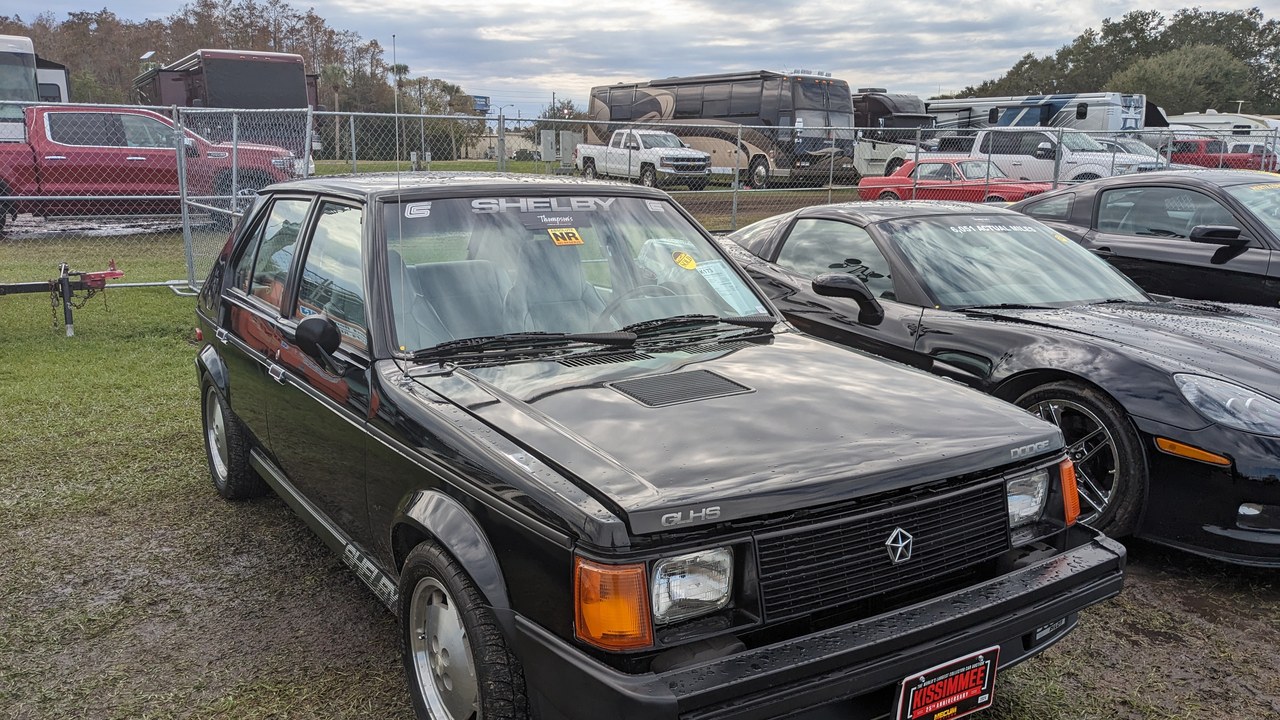
Carrying the Shelby name, the 1983 Charger was a front-wheel-drive hatchback with a new camshaft and exhaust that raised its four-cylinder to 107 hp, plus vented front disc brakes and a 117-mph top speed, per HotCars’ evolution piece.
This was a drastically different car from the rear-drive muscle of the 1960s, aimed at a different kind of enthusiast. The figures are modest by modern standards, yet the Shelby treatment gave a small hatchback a sportier identity.
8. Dodge Charger (2006): Back as a Sedan
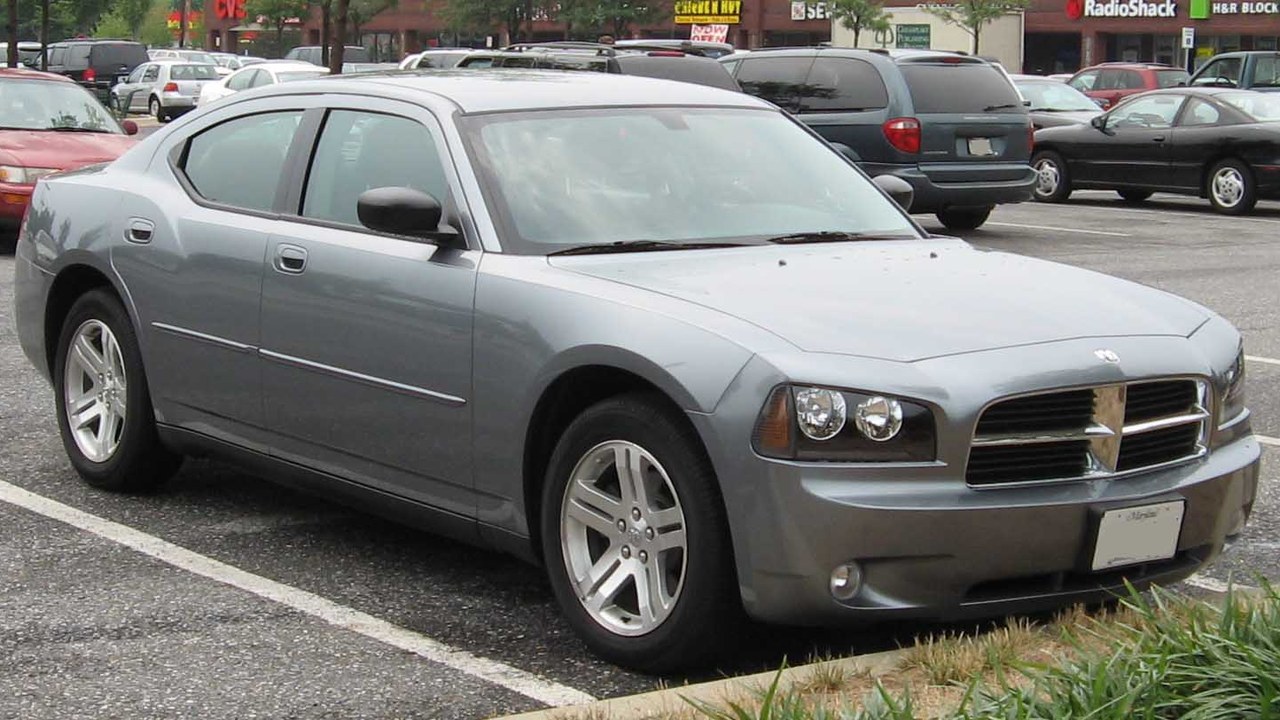
After the 1980s and early ’90s hiatus, the Charger came back in 2006 as a sedan with a modern, aggressive design, V-6 and V-8 options and newly available all-wheel drive, as Motorious’ short history recounts.
The four-door body marked a clear break from the coupes of the past, and it opened the nameplate to a wider range of buyers who wanted a practical sedan. The 2006 revival came after a long gap. Availability of all-wheel drive also broadened its usefulness in places where weather matters.
9. Dodge Charger R/T (2011): Improved Visibility
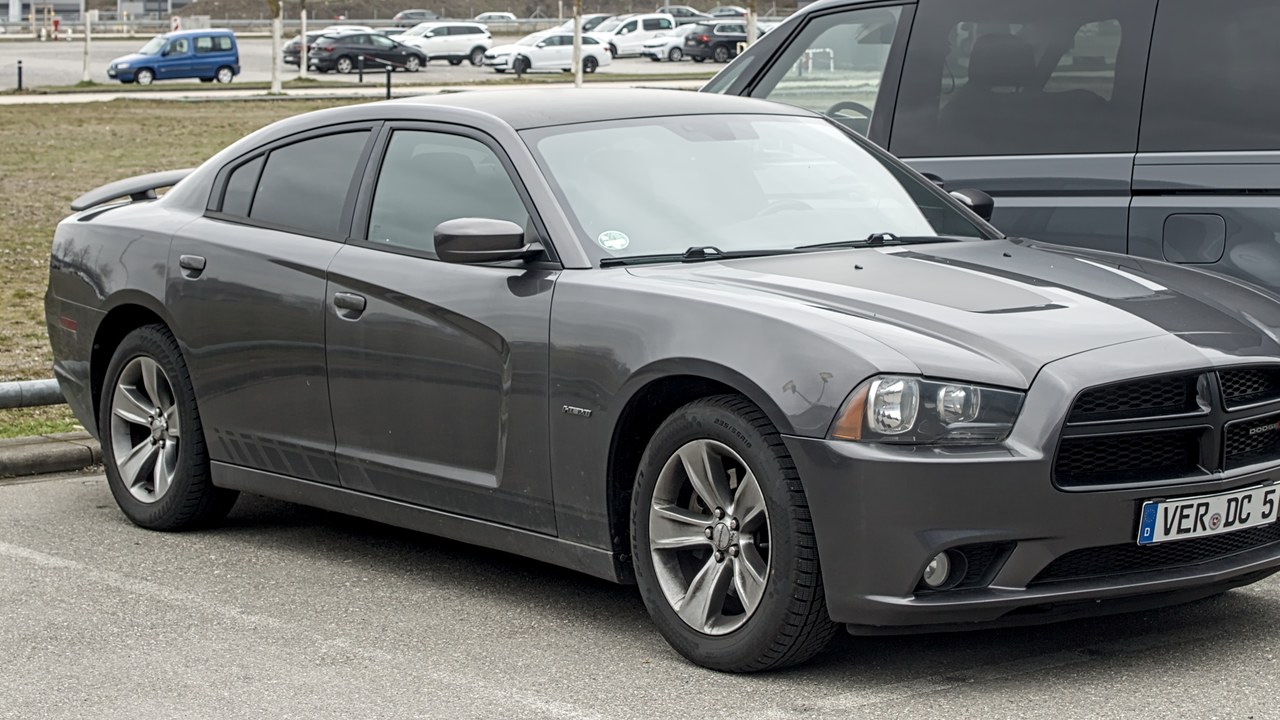
The 2011 redesign kept a similar shape to the 2006 car but improved visibility. HotCars’ Charger evolution reports that the R/T’s 370-hp V-8 reached 60 mph in 5.2 seconds.
The sedan’s second modern chapter focused on usability while retaining the look that buyers already knew. Better sightlines are a practical improvement that owners notice daily. A 5.2-second run to 60 mph gave the R/T credible performance for everyday driving, and the unchanged shape kept the car familiar to shoppers who remembered the 2006 sedan.
10. Dodge Charger SRT Hellcat (2015): Supercharged Sedan
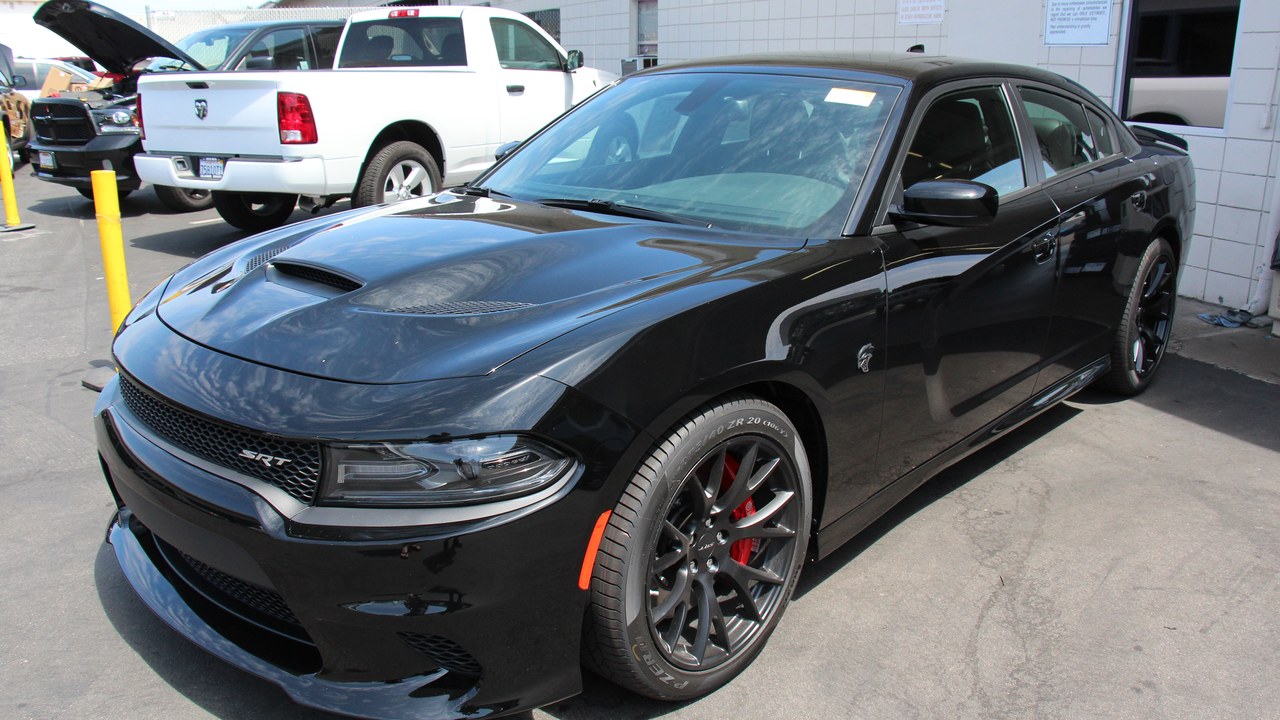
Introduced in 2015 with a supercharged 6.2-liter V-8 rated at 707 hp, the SRT Hellcat was called the fastest and most powerful production sedan in the world at the time, according to Motorious’ history of the Charger.
The Hellcat turned a family four-door into a headline performance car. Because the title was bestowed at the time of its debut, it describes the 2015 market rather than today’s standings, so the 707-hp figure is best read as a statement about that moment.
11. Dodge Charger Daytona Scat Pack (2024): Electric Muscle
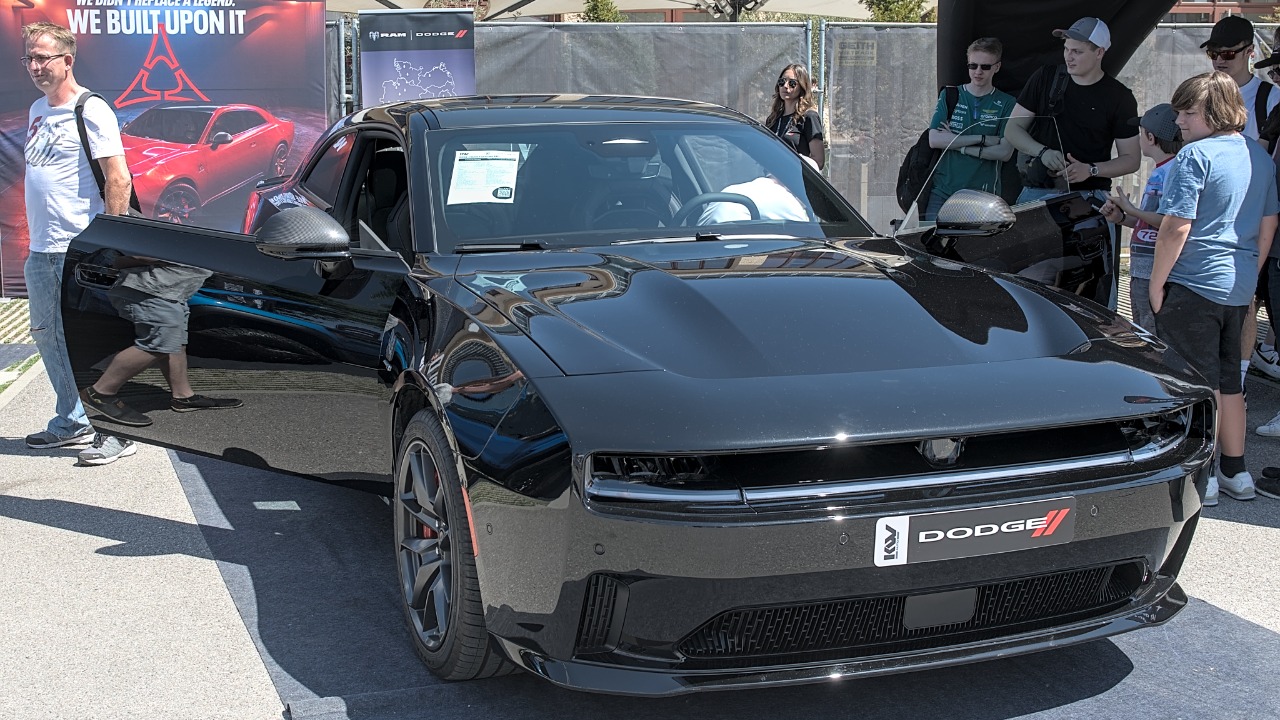
The two-door electric Charger Daytona Scat Pack makes 670 hp and 627 lb-ft and runs 0-60 mph in 3.3 seconds, priced from $73,190, according to Electrify News. The 496-hp R/T starts at $59,595.
A battery-powered coupe marks the biggest break in the Charger’s history, trading the supercharged V-8 for electric torque. The gap between the two trims, and between this car and the 1966 original, shows how far the nameplate has traveled.
The day in tech, in one email: Get TLDR →
We may earn a commission if you sign up.
More from Morning Overview
- Two passengers died at an Ohio toll plaza, and the NTSB now wants the cash lanes shut
- Long use of a common prostate pill is tied to a higher chance of glaucoma
- Ford is recalling 223,472 F-150 pickups because the fuel tank can leak or detach
- Hybrids have 15% fewer problems than gas cars, while EVs and plug-in hybrids have about 80% more, Consumer Reports finds
