
Every autumn, animals across North America set out on journeys that dwarf an ordinary commute. Some cross oceans, some walk across mountain country, and a few cross open water without a single rest. Here are twelve US animals whose migrations stand out for sheer distance and endurance.
1. Arctic tern: Pole-to-Pole Champion
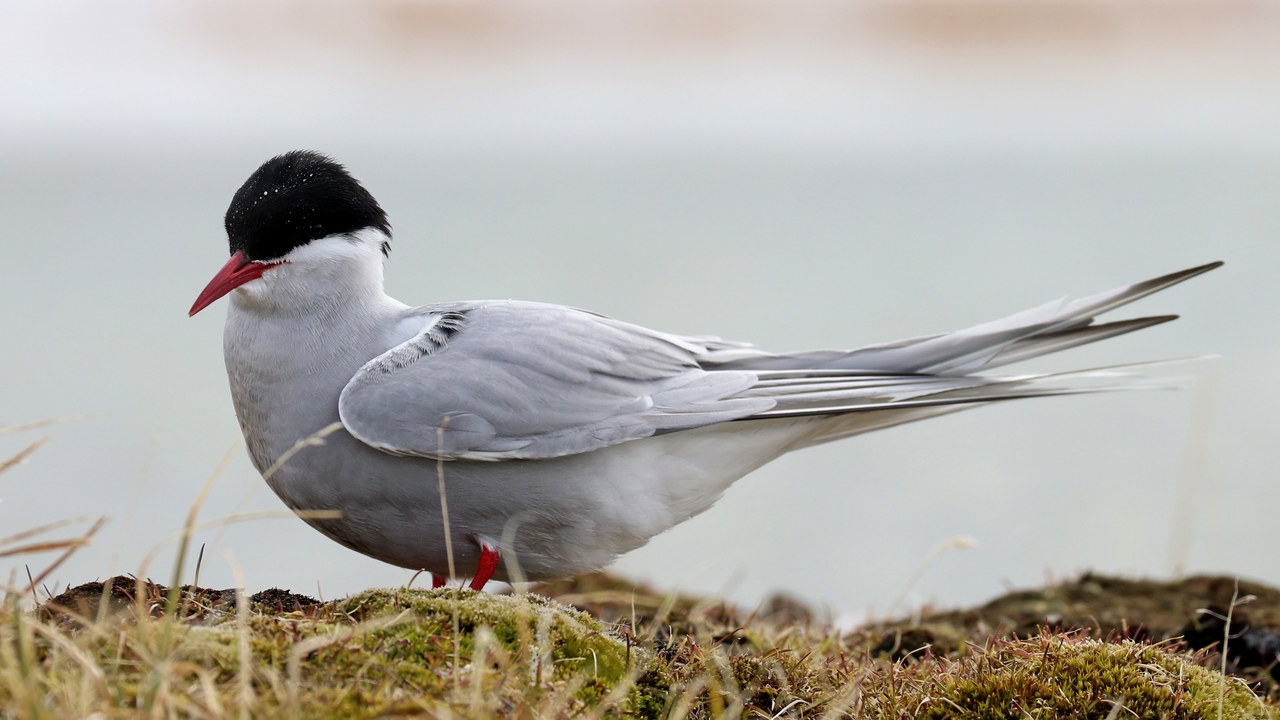
Few journeys in the animal world rival the Arctic tern’s, which covers about 55,000 miles in a pole-to-pole migration, according to Mental Floss.
That distance dwarfs the annual trips of nearly every other bird on this list. The figure is an approximate total for the full cycle, so individual birds will vary, but the tern remains the benchmark against which other long-distance migrants are measured. Watchers of northern coastlines in summer may spot one before it starts south. Few other animals commit to a route that runs the length of the planet and back.
2. Gray whale: A Mammal Marathon
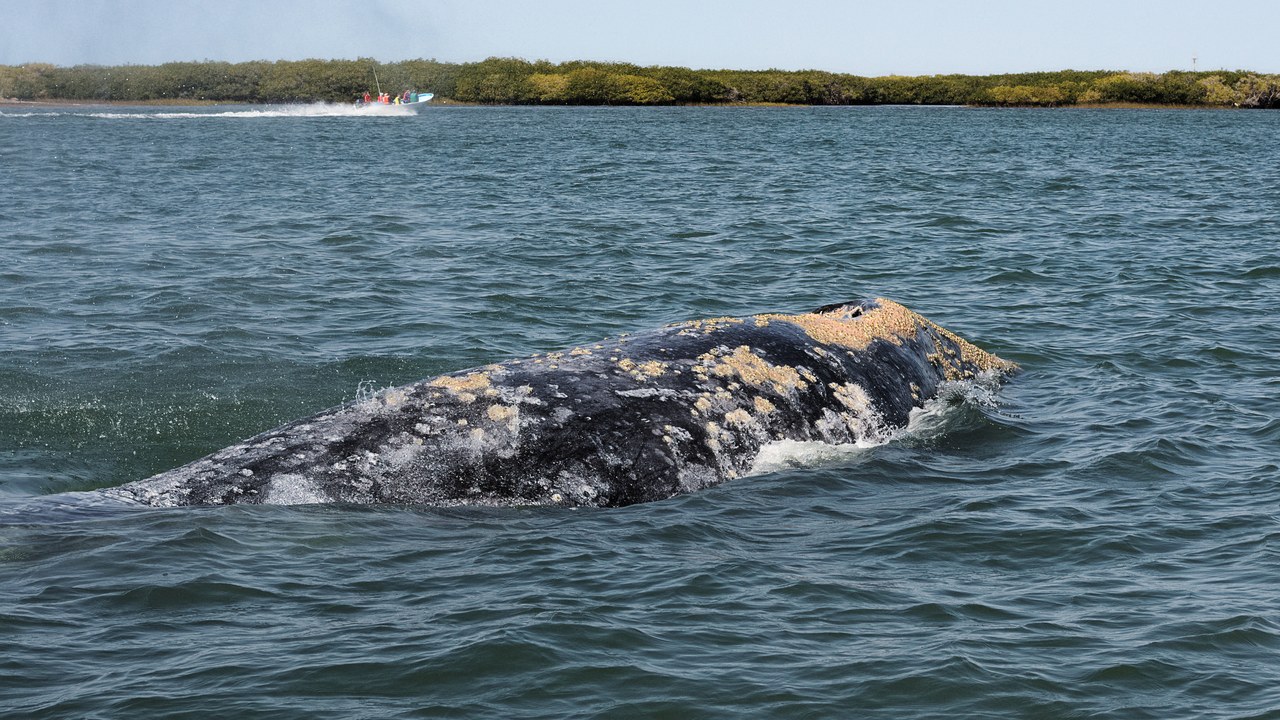
Among mammals, the gray whale ranks near the top for distance, and NOAA Fisheries puts its round trip at about 10,000 miles.
Some trips stretch upwards of 14,000 miles, according to the same agency. Gray whales follow the Pacific coast of North America during the journey, which makes shoreline whale-watching in the passing seasons a realistic way to witness one of the longest mammal migrations. The trip also ties calving areas in warm lagoons to feeding waters far to the north, so the species depends on protected habitat at both ends.
3. Northern elephant seal: Heavyweights on the Move
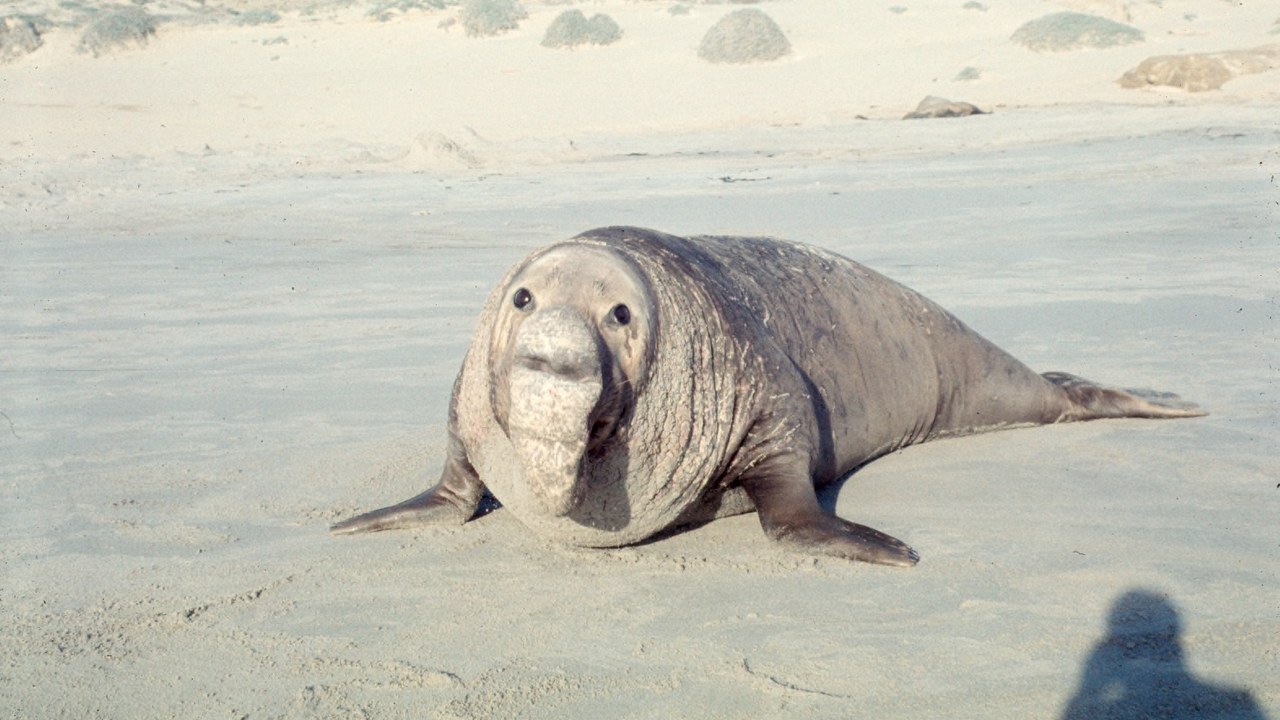
Northern elephant seals pair bulk with endurance: males can weigh up to 5,000 pounds, and the National Park Service reports a recorded migration total of 12,800 miles each year.
Those figures come from the Channel Islands off California, where the seals haul out on beaches. Visitors to such colonies see animals that spend most of the year far out at sea, so a beach appearance is only one stage of a very long annual cycle. Even at that size, the animals manage the full circuit, a reminder that bulk and stamina are not opposites in the sea.
4. Leatherback sea turtle: Pacific Crossing
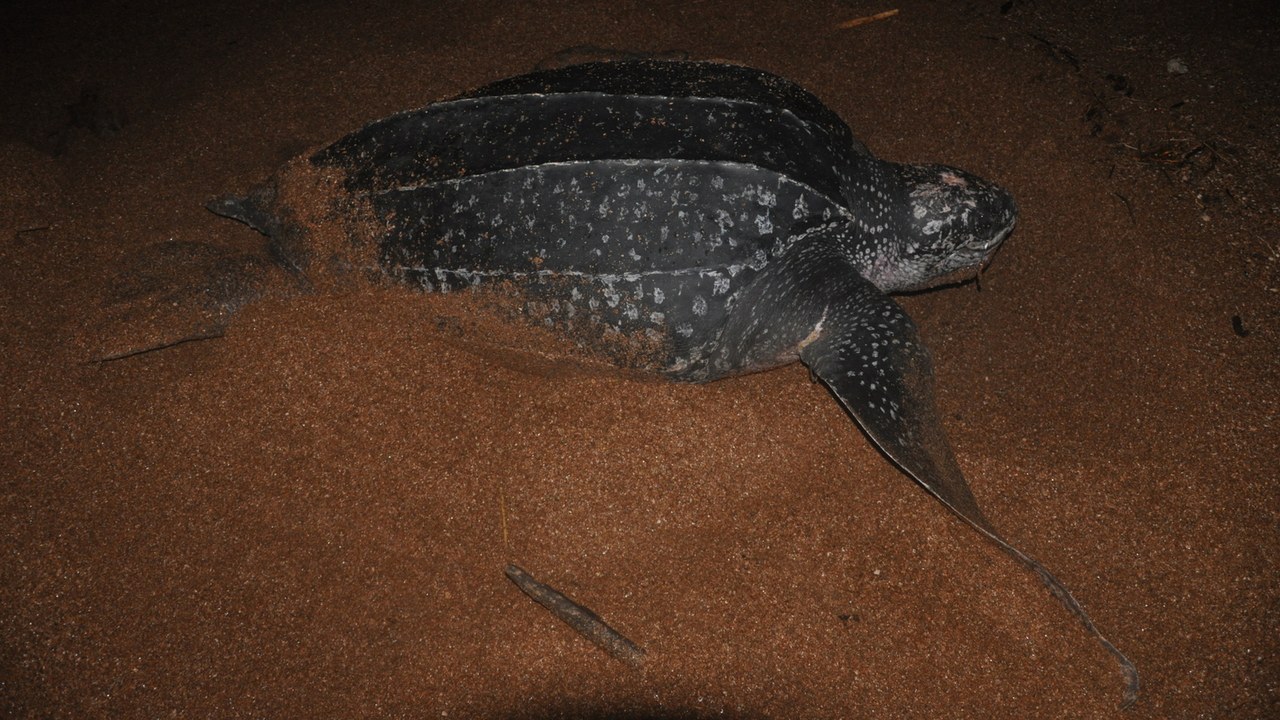
Leatherback sea turtles cross entire ocean basins, with a Mental Floss roundup reporting trips of more than 10,000 miles across the Pacific each year.
The species is the largest of the sea turtles, and its range reflects that. Nesting beaches and feeding grounds can sit on opposite sides of an ocean, so protecting a single nesting site covers only a slice of the animal’s real habitat. A route that spans an ocean also crosses many jurisdictions, which turns a single turtle’s journey into an international conservation matter.
5. Humpback whale: Song and Distance
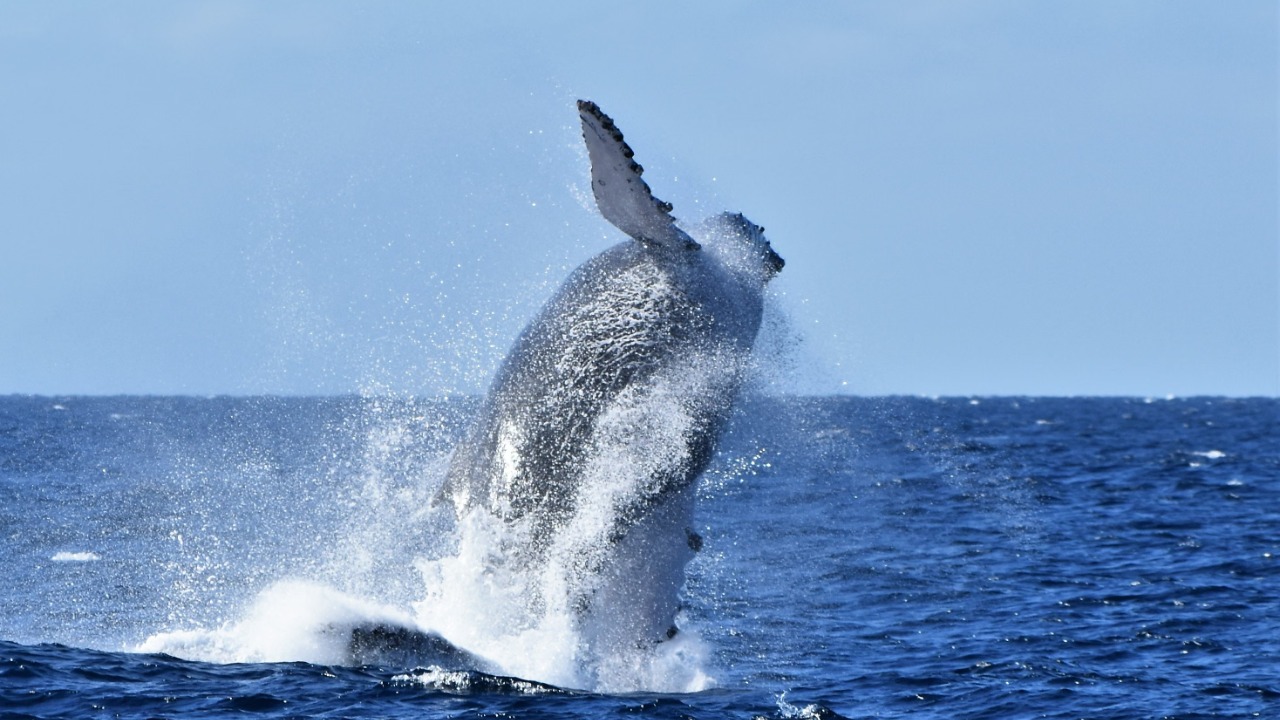
Humpback whales are best known for breaching, yet their annual migration is the larger feat, stretching across more than 5,000 miles of ocean.
Travel on that scale links cold feeding waters with warmer breeding areas. Whale-watch boats along US coasts often meet humpbacks mid-journey, so seasonal timing matters for anyone hoping to see a breach rather than an empty stretch of sea. Because the route is so long, a whale seen off one coast in winter may be thousands of miles from where it fed a few months earlier.
6. Rufous hummingbird: Tiny Body, Huge Trip
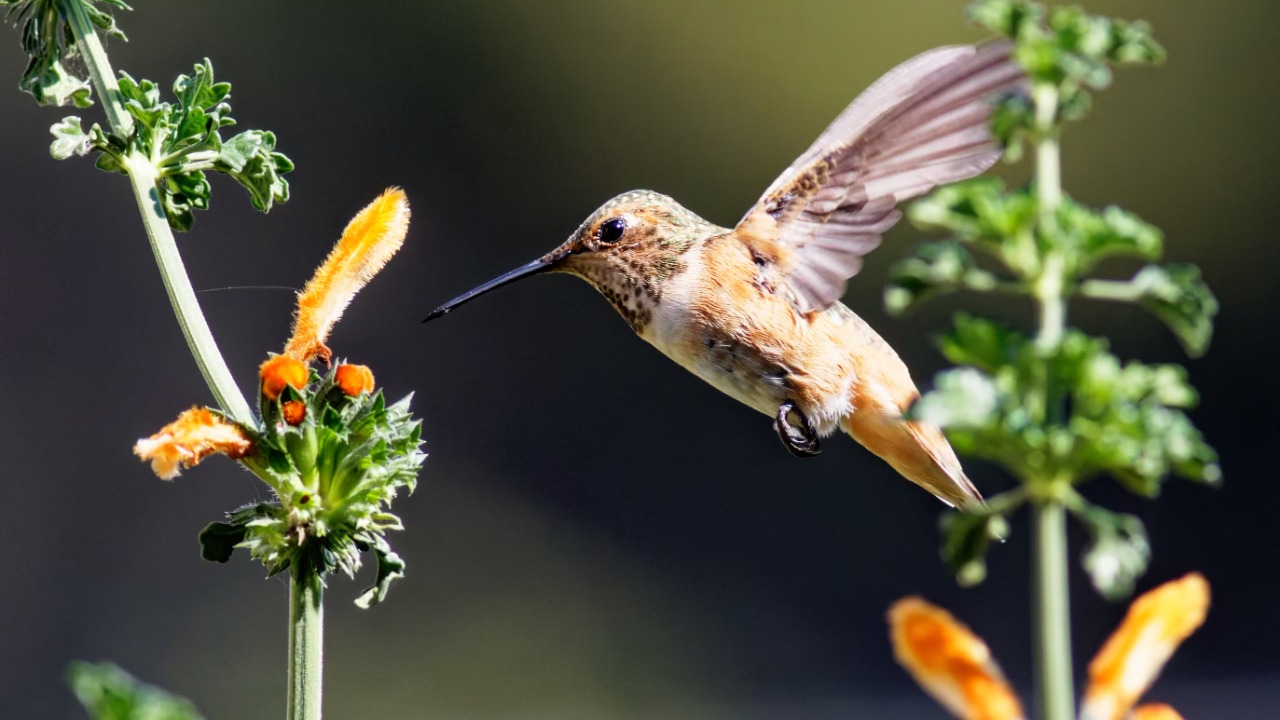
No bird measured so far travels farther relative to its size than the rufous hummingbird, and the Fish and Wildlife Service puts the one-way trip at about 4,000 miles from Alaska or Canada to Mexico.
That works out to 78,470,000 body lengths, the longest bird migration measured that way. Feeders and flowering plants along the route matter to a traveler this small, so late-season nectar sources are a useful help to passing birds. Its tiny size makes the trip far more demanding than the raw mileage suggests, and the bird must refuel repeatedly along the way.
7. Monarch butterfly: Generations in Flight
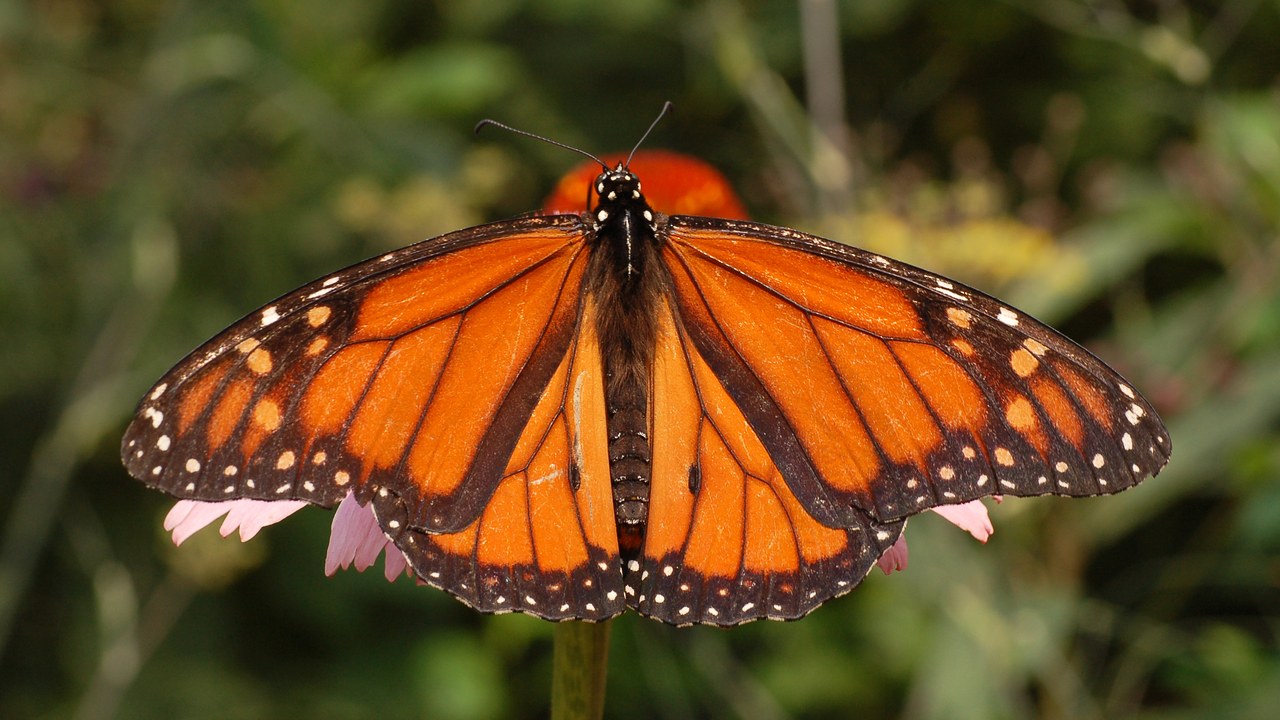
Monarch butterflies fly upwards of 3,000 miles on migration, a distance a Mental Floss list counts among the longest animal journeys.
Few insects attempt anything comparable, and the trip is one reason monarchs draw so much conservation attention. Planting native milkweed and late-blooming flowers gives fall travelers fuel and gives the species a better chance at completing the trek. Unlike the other travelers here, monarchs complete the full cycle over several generations, so the butterfly that arrives is not the one that left.
8. Caribou: Land Migration Record Territory
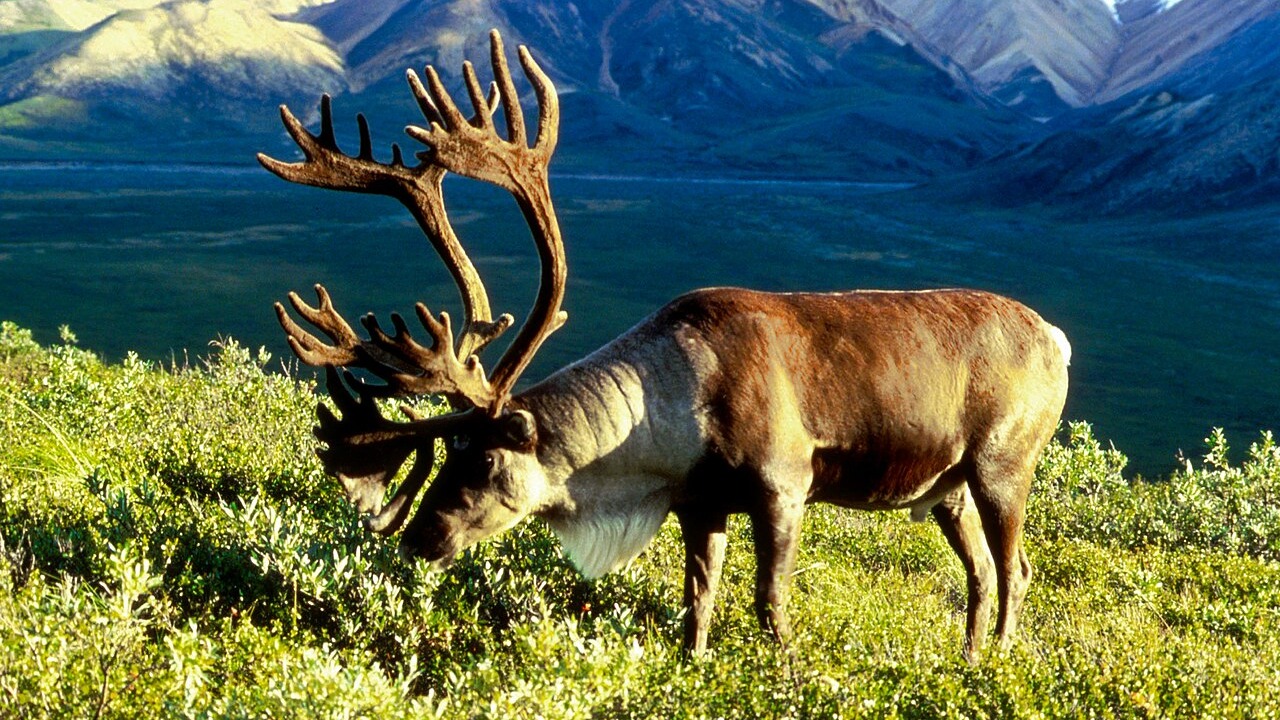
Caribou round trips exceed 745 miles, or 1,200 kilometers, and the National Park Service describes them as among the longest existing land migrations in the world.
Herds move across open northern country in large numbers, which is why aerial counts and tracking collars matter to managers. Roads, pipelines and other barriers can interrupt such movements, so unbroken terrain is central to the animal’s way of life. The 745-mile figure marks a floor for round trips, so the animals’ real travel can run well beyond it.
9. Mule deer: Wyoming’s Long Walker
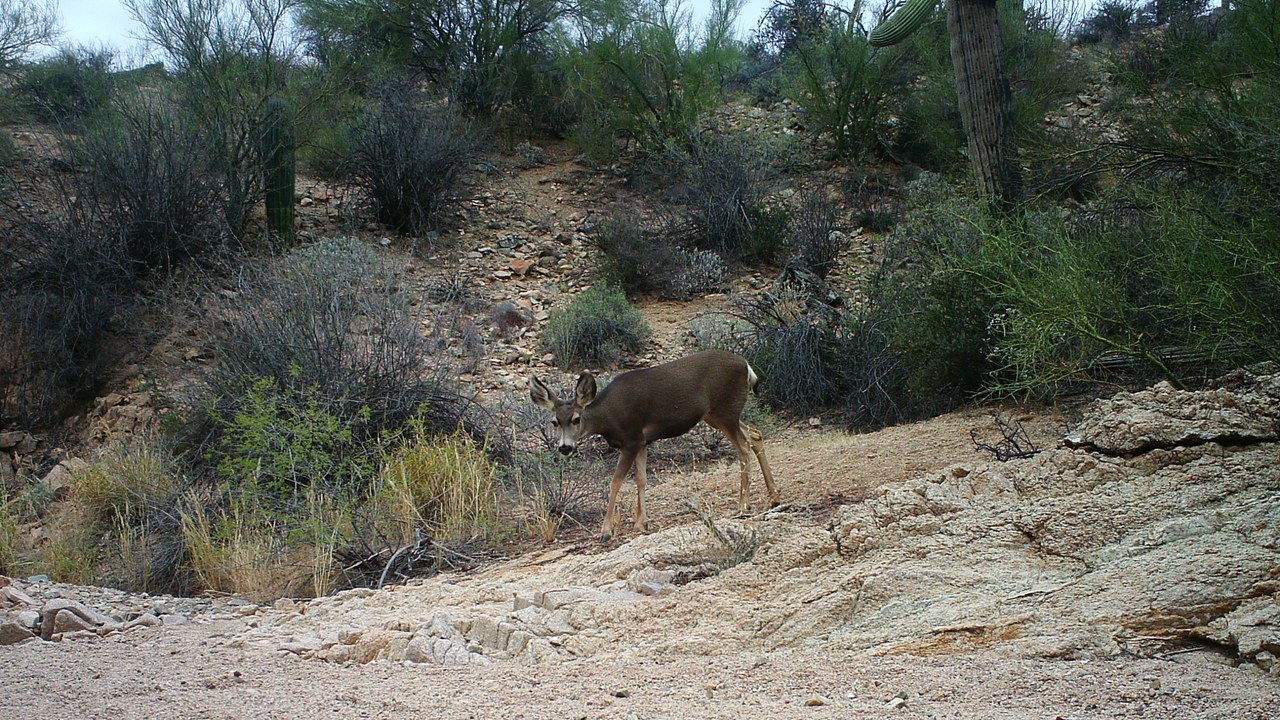
A GPS-collared mule deer doe walked 242 miles one way from Wyoming’s Red Desert to the Hoback Basin, which the USGS tool page calls the world’s longest recorded mule deer migration.
Collar data like this reveal routes that earlier surveys could not see. Corridors crossing fences, highways and private land need to stay passable, since a single doe’s path shows how far a herd may depend on connected habitat. That single trek, tracked by GPS rather than estimated, shows how far one animal may go between seasonal ranges.
10. Pronghorn: Speed Meets Stamina
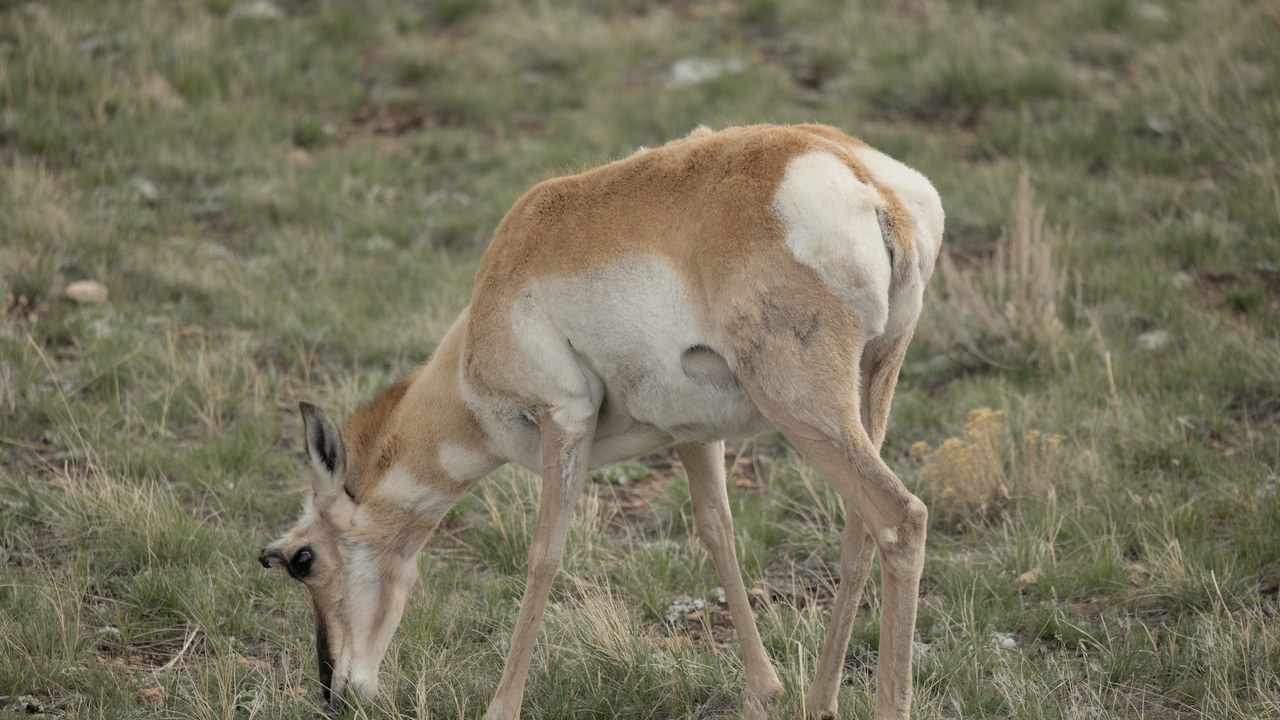
Grand Teton pronghorn migrate up to 150 miles, which the National Park Service ranks as North America’s second-longest land migration.
The animals can also sprint at 60 mph, a pairing of speed and endurance that few hoofed mammals match. Fences along the route can block that movement, which is why overpasses and open corridors feature in conservation work around the region. Its land record trails only one other North American migration, a ranking that elevates a species often seen simply grazing along roadsides.
11. Ruby-throated hummingbird: Across the Gulf
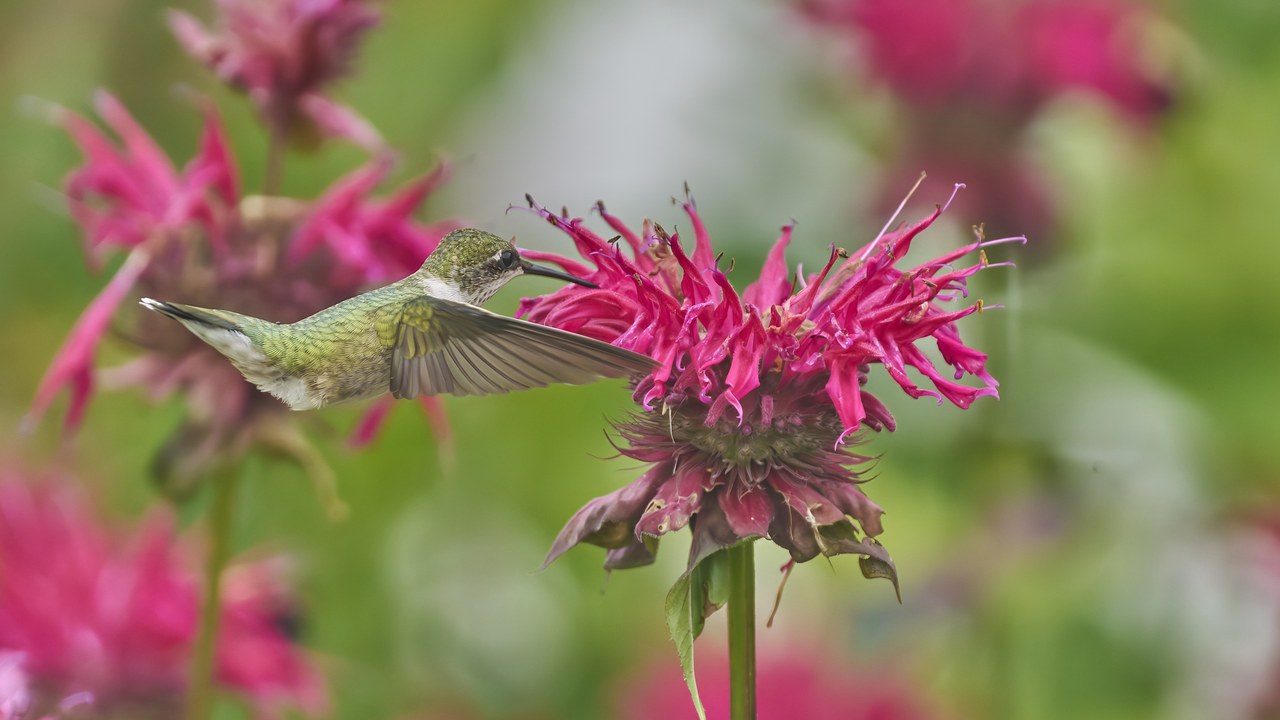
Ruby-throated hummingbirds cross open water in a single push, and the Fish and Wildlife Service says they can fly non-stop for up to 18 to 20 hours across the Gulf of Mexico.
No island or shoreline offers a rest during that stretch. Birds depend on fat stored beforehand, so fall nectar sources across the eastern states, from feeders to garden flowers, serve as pre-crossing fuel stops. The bird makes the crossing without food, which helps explain the intense feeding before departure.
12. Chinook salmon: One Way Home
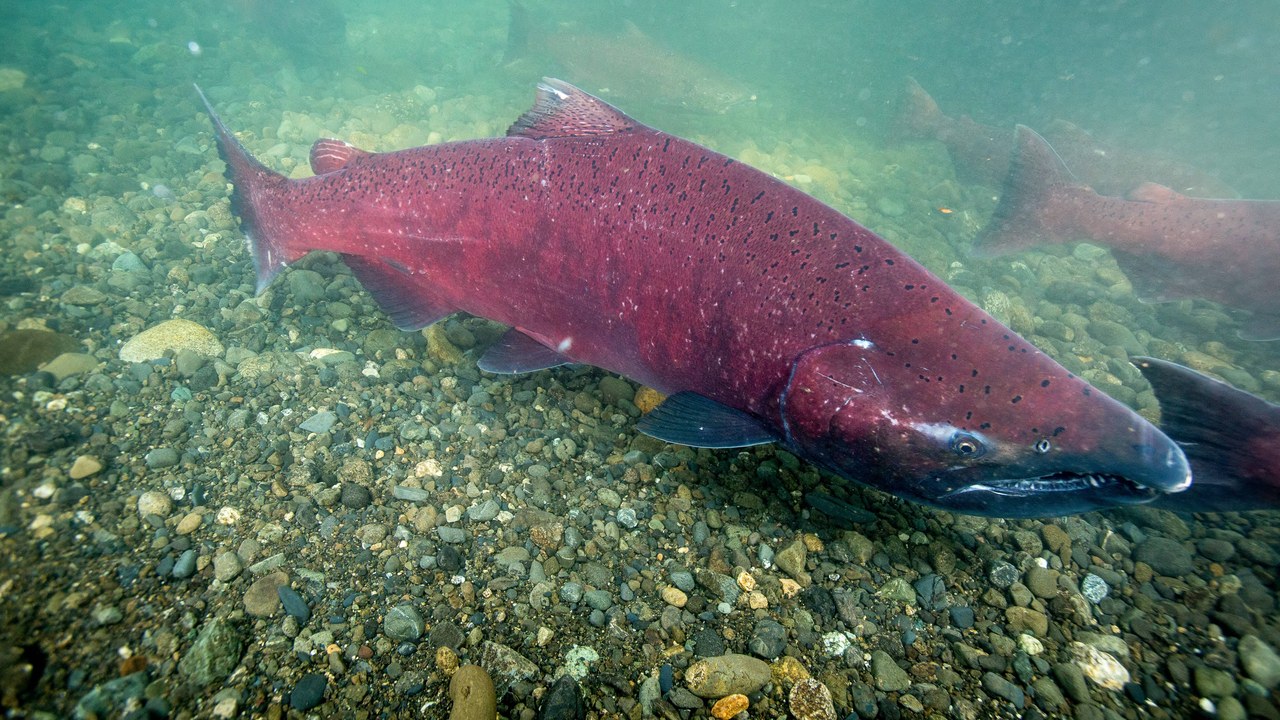
Chinook salmon grow up to 129 pounds at sea, then return to their home rivers to spawn, and NOAA Fisheries notes that all die after spawning.
That one-way finish makes the river return the defining moment of the life cycle. Dams, warming water and habitat loss along the route shape how many fish reach the spawning gravel, and the species is a focus of regional management plans. Each fish therefore gets exactly one return, and the gravel beds where adults spawn are where the next generation begins.
More from Morning Overview
- Tropical Storm Rachel is dumping up to 12 inches on four Mexican states on its way to major hurricane strength
- The NSA is again telling phone owners to switch off one location setting
- Card skimmers hidden on gas pumps and ATMs are draining accounts, and here’s the tell
- Hurricane Hunter radar shows four warning signs that a tropical cyclone is about to strengthen, a University of Miami study found
