
Beneath streets, deserts and hillsides, people have carved out shelters, churches, mines and burial halls that still draw visitors today. These sites range from Turkish cave levels to a Cold War bunker in Beijing. Here are eleven underground cities and tunnel worlds, each tied to a published figure or description.
Read next on Morning Overview: The sub that hit an undersea mountain has a new bow dome, but won’t sail until summer
1. Derinkuyu: A Vertical Refuge
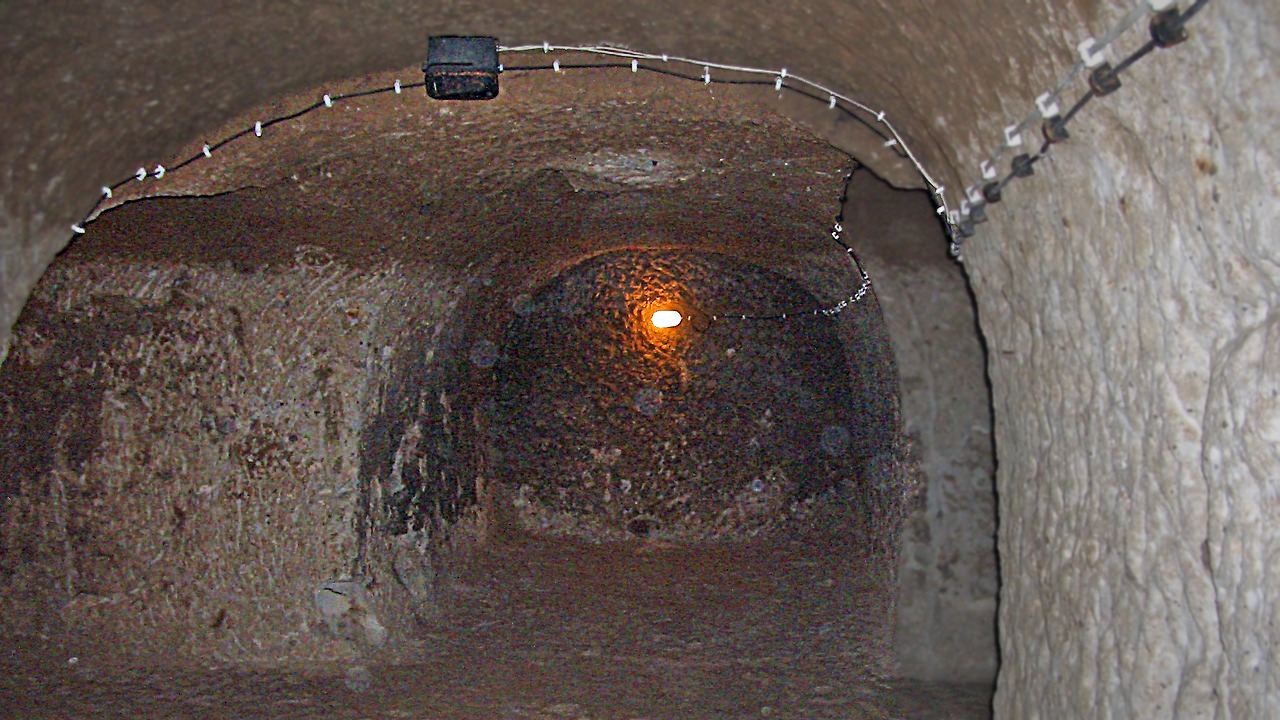
Remitly’s underground-cities roundup describes Derinkuyu in Turkey as stretching more than 250 feet below the surface across 18 levels. The same account says the complex could shelter up to 20,000 people, a scale that makes it feel less like a cellar and more like a buried town.
Numbers like these come from a travel-oriented summary rather than an excavation report, so the depth and capacity are best read as reported estimates. Even so, the 18-level layout explains why Derinkuyu is the usual starting point for any list of tunnel worlds.
2. Naours: Soldiers’ Graffiti Gallery

The tunnels at Naours in northern France sit about 100 feet under a forested plateau, according to a HISTORY feature. They run for two miles and include more than 300 rooms. Allied soldiers later left more than 2,000 pieces of graffiti on the walls.
That inscribed record gives Naours a human texture that many underground sites lack, since the marks come from visitors passing through rather than from the original builders. The figures are those given in the 2016 HISTORY article and may differ in other sources.
3. Coober Pedy: Life in the Dugouts
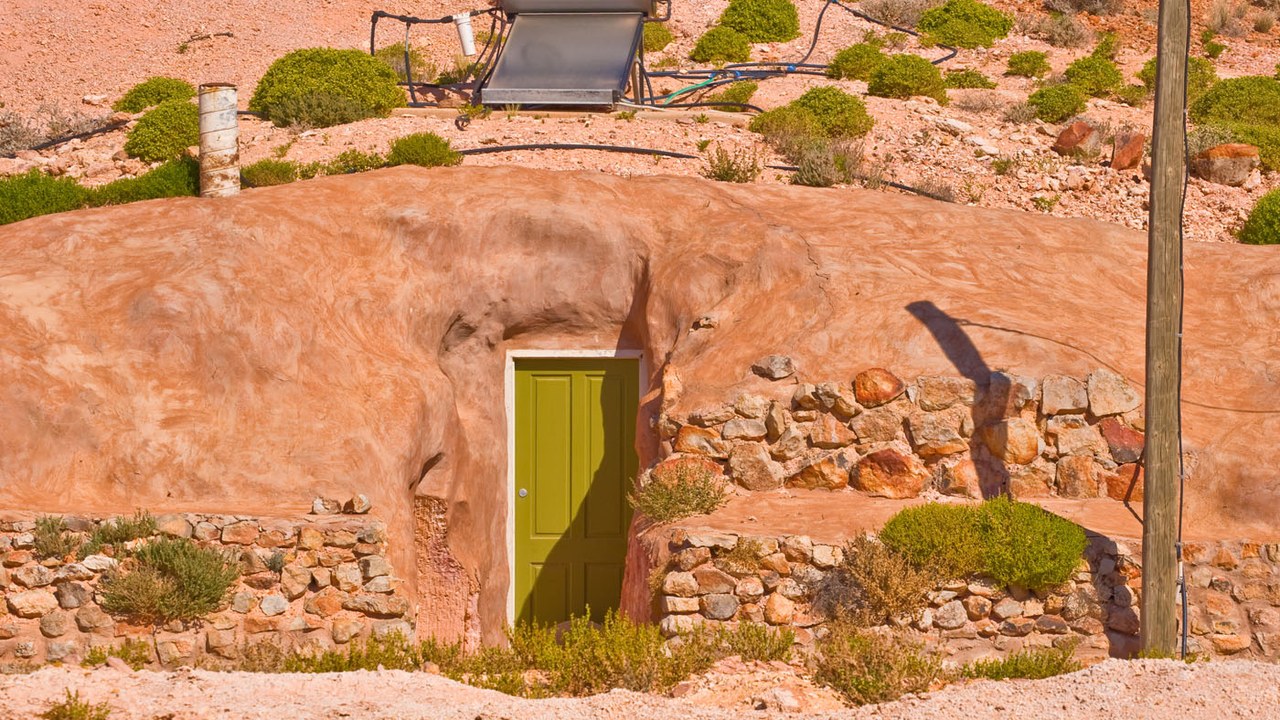
In Coober Pedy, South Australia, an estimated 1,500 residents live beneath the surface in dugouts, according to the Remitly blog. That is roughly half the population. The dugouts hold a steady temperature of 66 to 77 F.
The appeal is easy to see in a desert town, where the ground itself does the work of an air conditioner. The resident count is an estimate as reported in 2025, and the share living underground can shift as the town changes.
4. Sassi di Matera: Caves Turned Neighborhoods
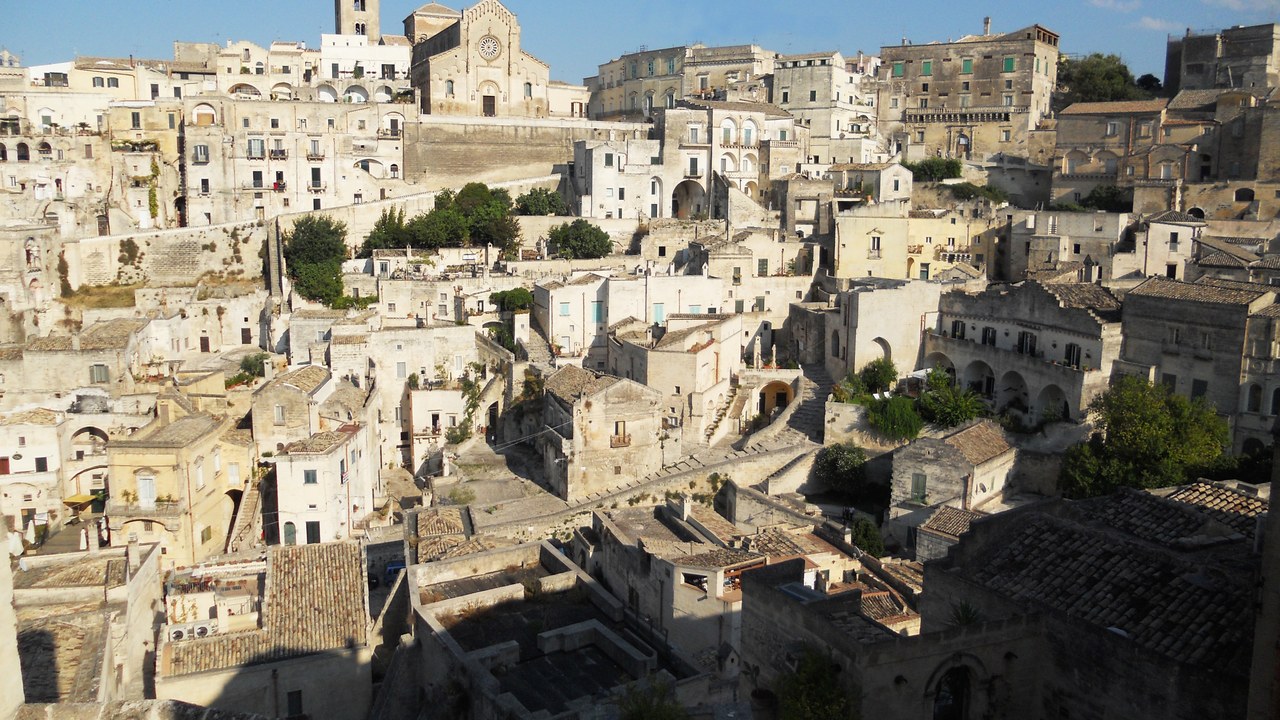
The Sassi di Matera in southern Italy are filled with thousands of cave dwellings that were inhabited since the Paleolithic period, History Cooperative reports. The dwellings are spread across two districts, and the stone houses and cave homes together form a continuous hillside neighborhood.
Because the claim covers a span from the Paleolithic onward, it describes long habitation of the area rather than a single unbroken settlement. The reported figure of thousands of dwellings is approximate, and the source gives no exact count.
5. Wieliczka Salt Mine: Salt Carved Downward
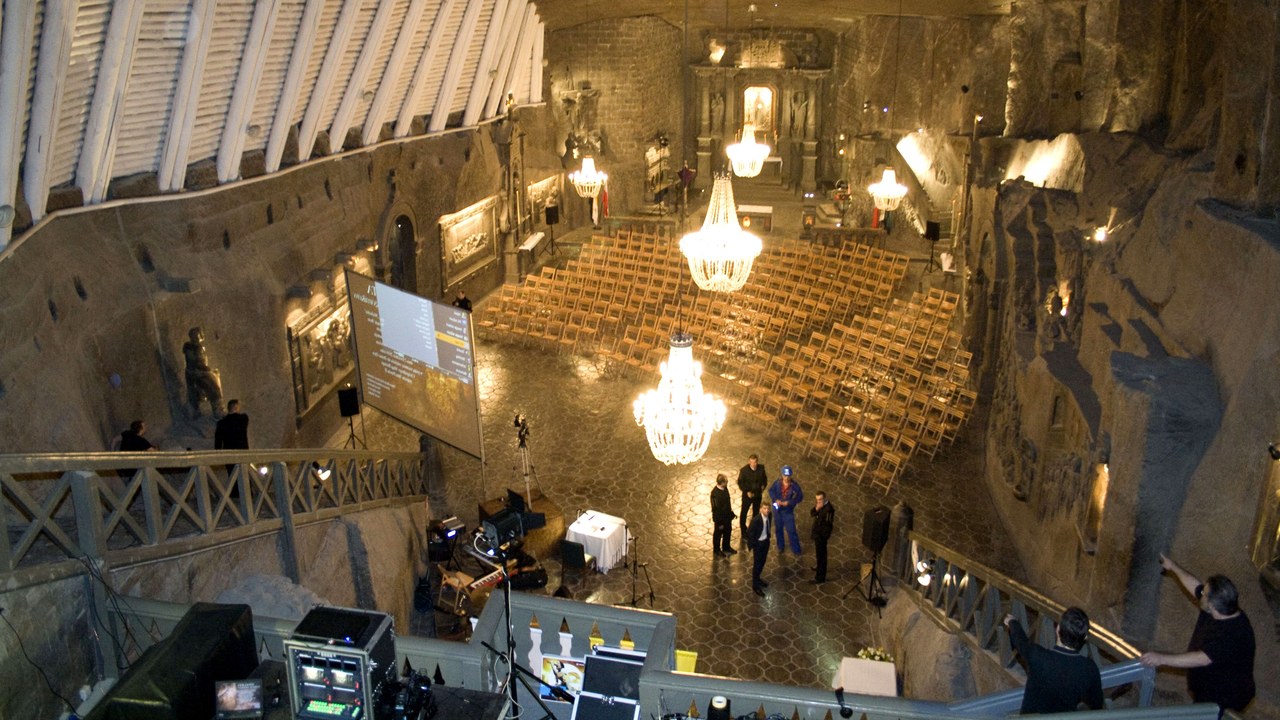
Wieliczka Salt Mine in Poland has nine levels stretching down over 327 meters, as noted by History Cooperative. The mine has operated since the 13th century, which makes it one of the longest-running industrial sites on the list.
Salt extraction is what shaped the underground spaces, so this entry is a working-mine story more than a dwelling story. The depth is the figure given by the source, and the mine’s long operating history is the main reason it earns a place among underground worlds.
6. Lalibela: Churches Cut From Rock
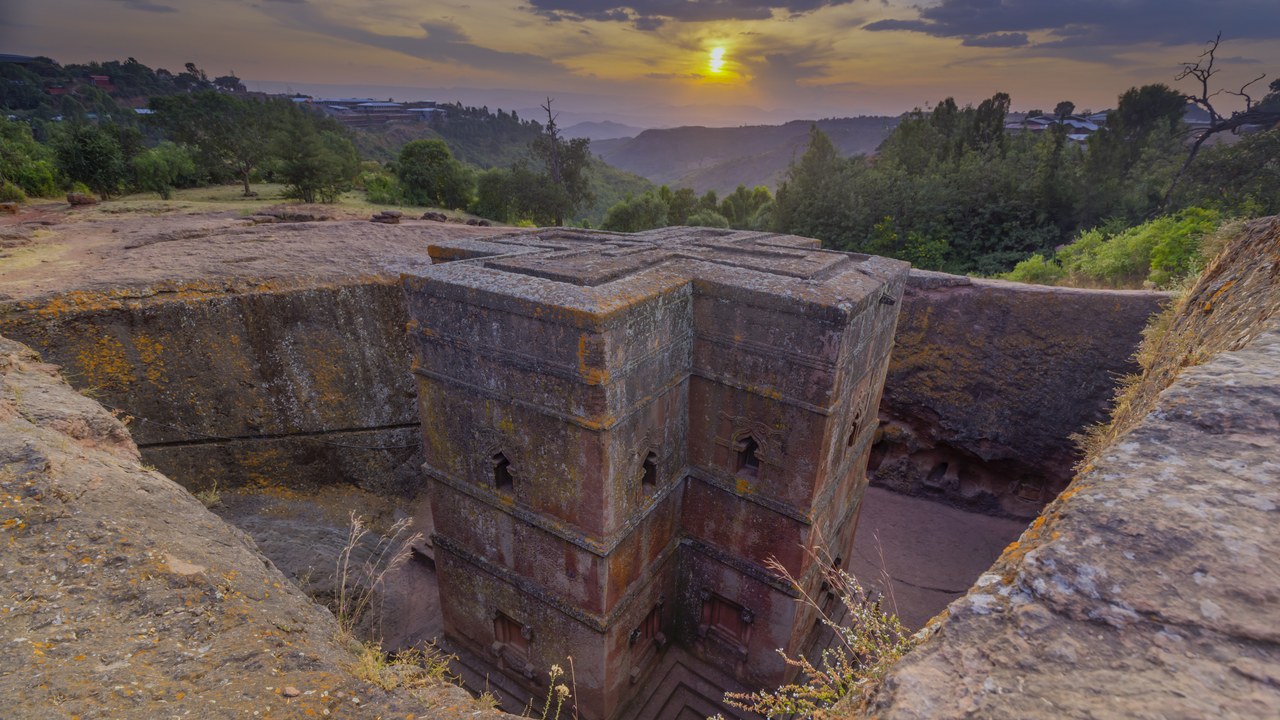
Lalibela in Ethiopia centers on eleven rock-hewn churches from the 12th and 13th centuries, and History Cooperative’s overview says they are interconnected through a network of tunnels. The churches are cut downward from the rock rather than built up from the ground.
That method links Lalibela to the other sites here, even though much of the complex is open to the sky. The tunnels tying the churches together are what bring it under the tunnel-world heading, and the dates are those cited by the source.
7. Beijing Underground City: The Shelter Never Needed
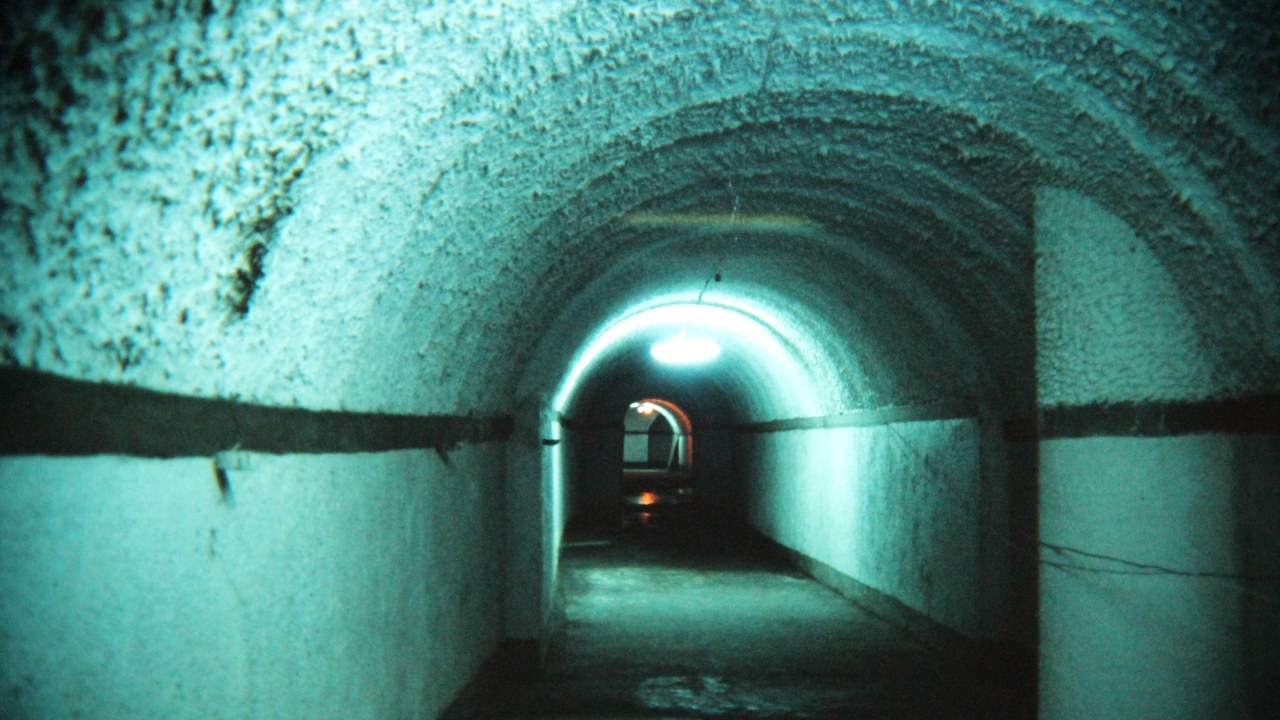
Built in the 1960s and 1970s as a fallout shelter, the Beijing Underground City was capable of safeguarding around one million people for up to four months, according to HISTORY. The shelter was never used for its intended purpose.
Estimates differ between sources: the research for this gallery found other accounts giving a smaller population figure of 300,000, so the one million number is best read as one reported claim. The site shows how Cold War anxiety shaped construction below a major city.
8. Cu Chi tunnels: Tight Passages, Long Reach
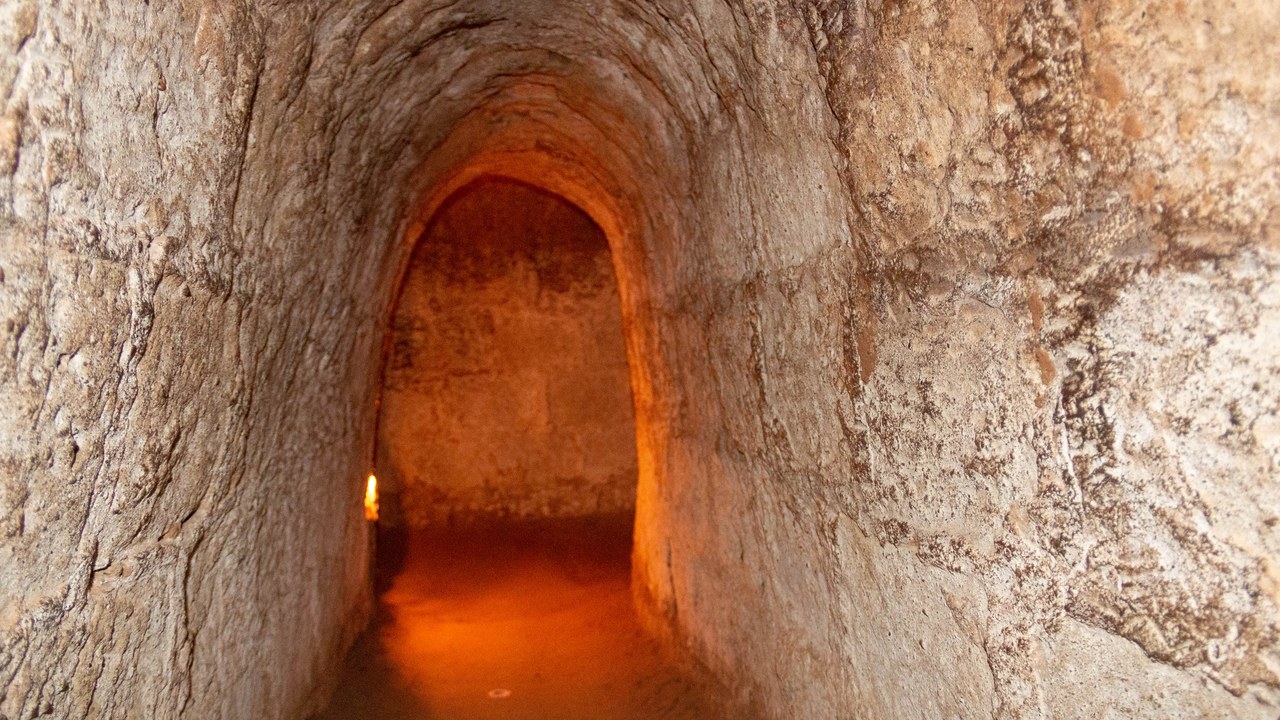
The Cu Chi tunnels in Vietnam formed a network that stretched over 155 miles at its peak, according to the Remitly blog. The original passages were about 28 inches high, narrow enough that moving through them meant crouching or crawling.
Those tight dimensions explain why many visitor sections are widened today. The length is the peak figure reported by the source, and it describes the network at its largest rather than what remains open to visitors now.
9. Catacombs of Paris: Bones Beneath the Streets
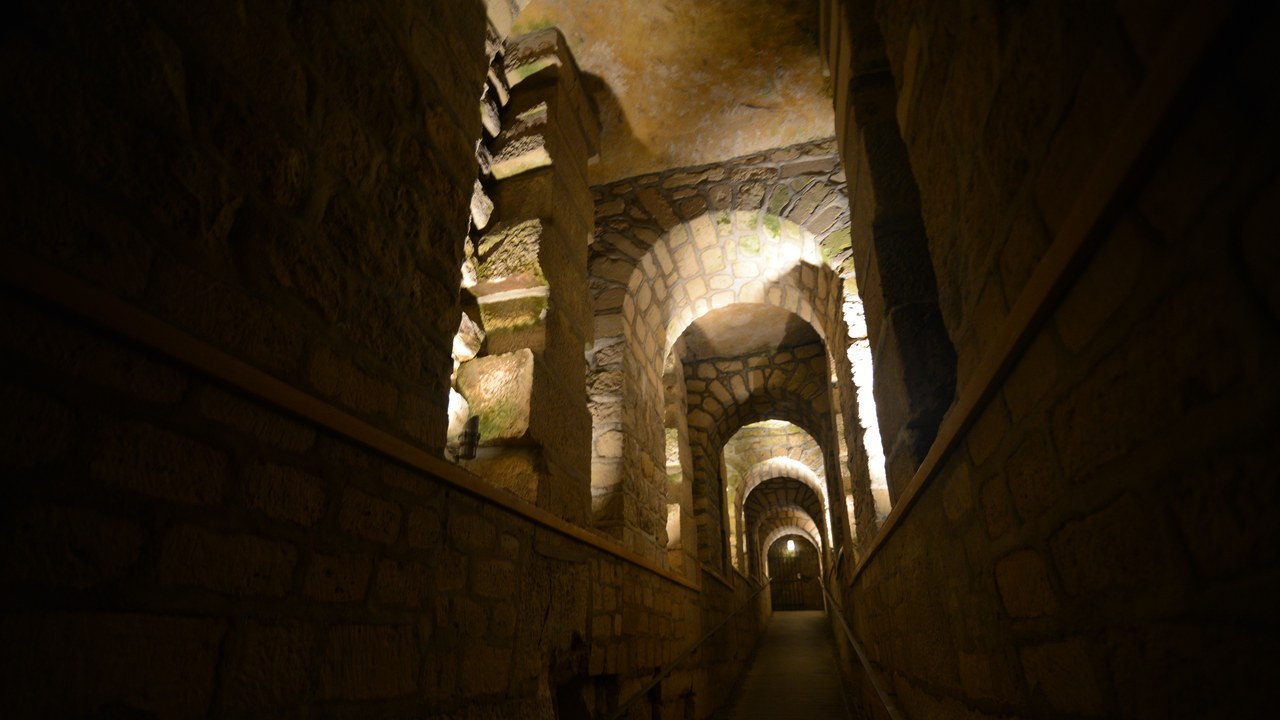
The Catacombs of Paris hold the bones of more than 6 million people, according to HISTORY. The remains line the passages beneath the city, turning former quarry space into an ossuary that is among the most visited underground sites in Europe.
The figure is large enough that it is worth treating as the source’s estimate, since no precise count of the remains is cited. It places the catacombs in a different category from the dwelling cities on this list, as a place of burial rather than habitation.
10. Setenil de las Bodegas: Homes Tucked Under Rock
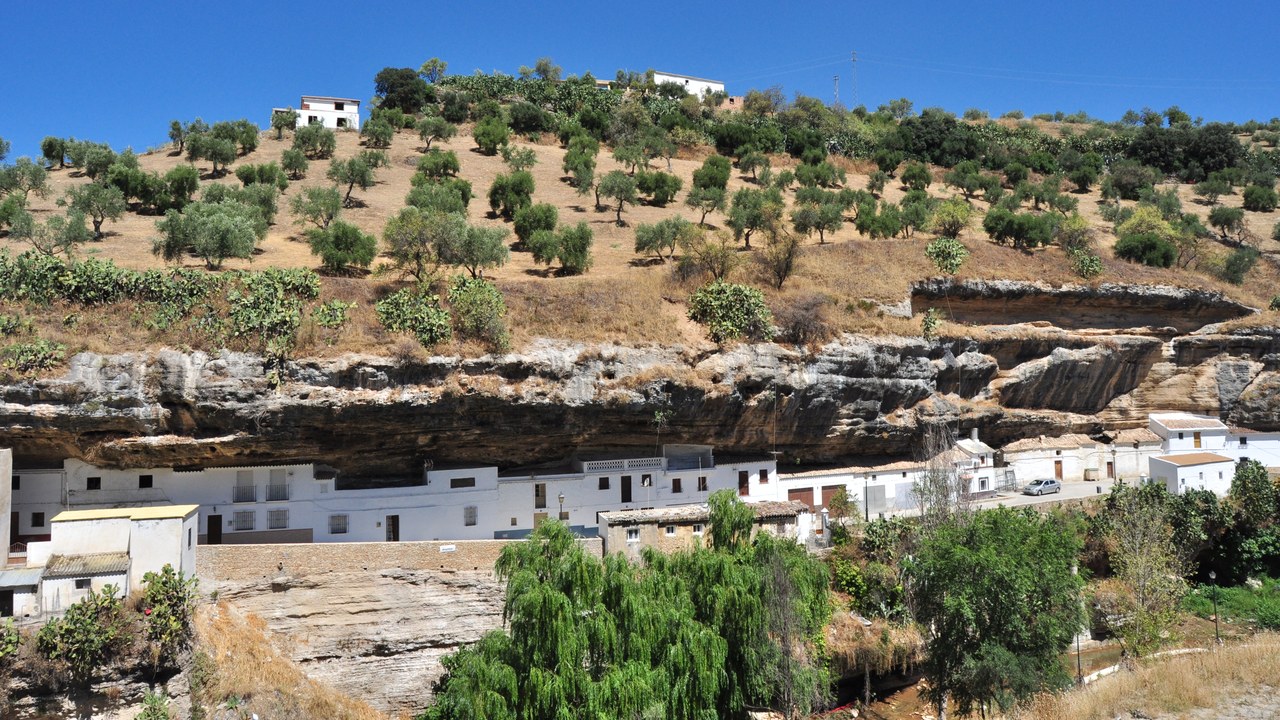
Setenil de las Bodegas is a Spanish village built directly into natural rock overhangs along a gorge, as 24/7 Tempo’s list of homes describes it. Most of the homes are still inhabited, so the village functions as a living town rather than a ruin.
The rock acts as a roof and a wall for many houses, which is the feature that earns the place its spot among underground dwellings. The source gives no date or population figure, so the description rests on its general account.
11. Matmata: Courtyards Dug Down
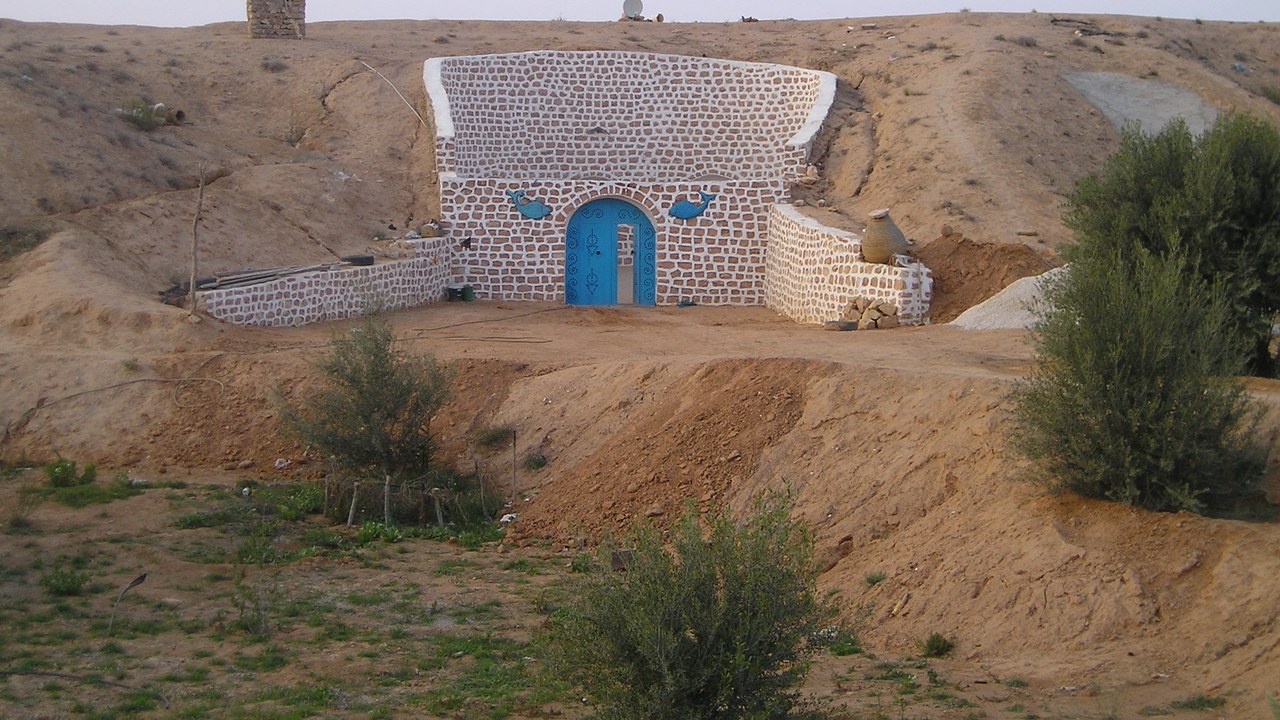
Matmata in Tunisia is known for homes dug vertically into the ground around central courtyards, and 24/7 Tempo’s roundup says the design protects residents from desert extremes. It also allows airflow and natural insulation.
The pit-style layout is a different approach from tunnels or caves, since the courtyard brings light and air down into the rooms. The source offers no counts or dates for Matmata, so the claim is limited to how the design works.
More from Morning Overview
- Jeep’s new Recon sold just 19 units in 45 days, the fewest of any model on CarEdge’s worst-sellers list
- New York picked its finalists to build a big new nuclear plant upstate
- Washington is forcing coal plants from Colorado to Washington state to keep running
- A Utah county approved a massive nuclear and data center project without residents’ input
