
Spacecraft have sent back images and measurements from places that look nothing like home. Storms bigger than Earth, volcanoes towering over any mountain here, and moons with oceans or lakes all appear in the record. Eleven of the strangest sights follow, each tied to a published source.
Read next on Morning Overview: Apple quietly pushed security fixes to nearly every iPhone, even ones stuck on iOS 18
1. Great Red Spot: The Storm Bigger Than Earth
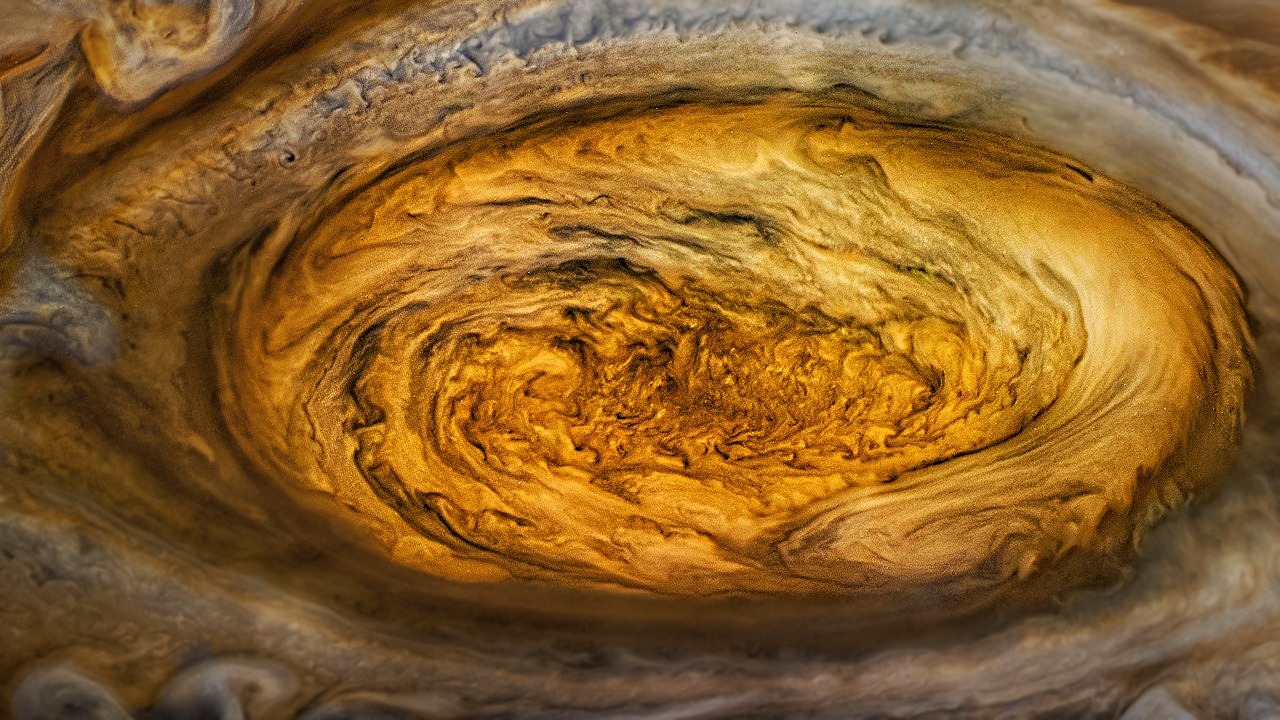
Live Science’s roundup of weird solar system objects describes Jupiter’s Great Red Spot as a colossal storm larger than Earth. The feature is a weather system in the giant planet’s atmosphere, not a mark on a surface, which sets it apart from nearly everything seen on the rocky worlds.
The comparison comes from a 2019 article and rests on size alone, since the source gives no measurement. Seen up close in spacecraft imagery, a storm of that scale reads as an enormous atmospheric system, and it remains one of the most recognizable sights on any planet.
2. Olympus Mons: The Mountain Above Everest
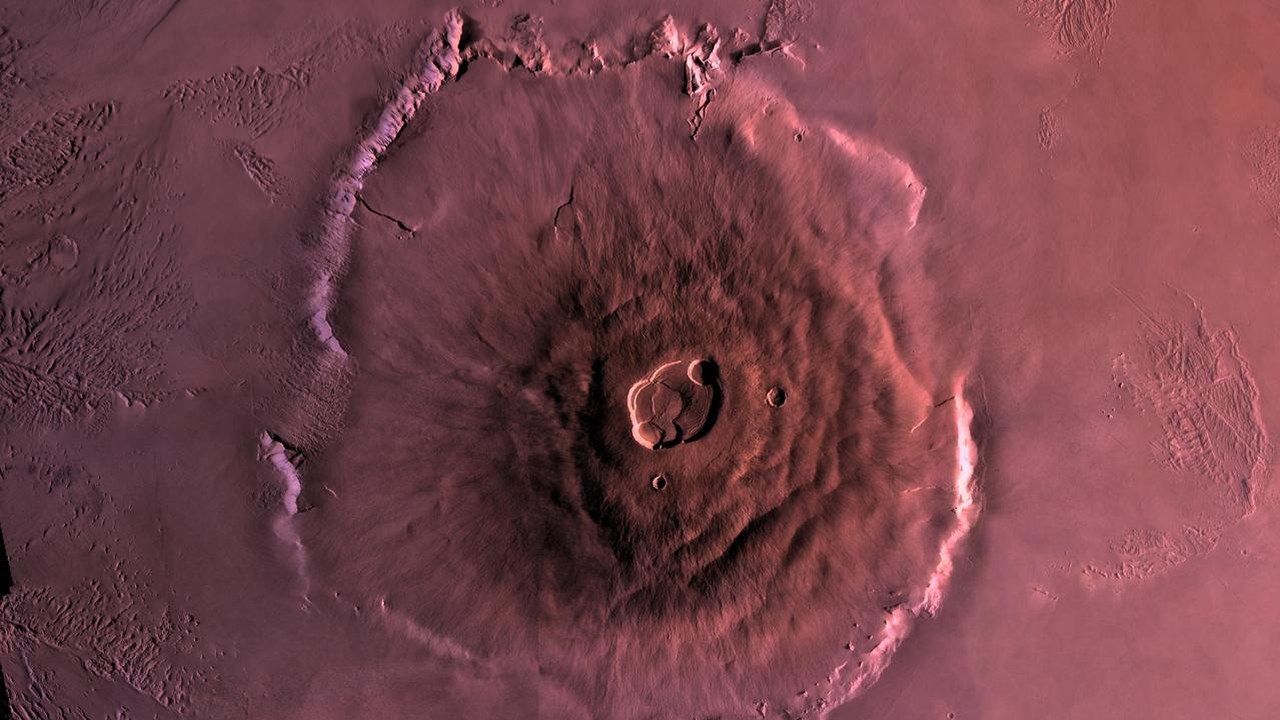
The same Live Science list calls Olympus Mons the largest mountain on any planet, standing about three times higher than Mount Everest. The volcano sits on Mars, where spacecraft have mapped its enormous bulk from orbit.
A mountain that dwarfs the tallest peak on Earth is hard to take in from the ground, and the Everest comparison is the source’s way of giving it scale. The article is dated 2019, and the claim concerns planets, so moons and asteroids are outside that ranking.
3. Valles Marineris: The Canyon That Swallows the Grand Canyon
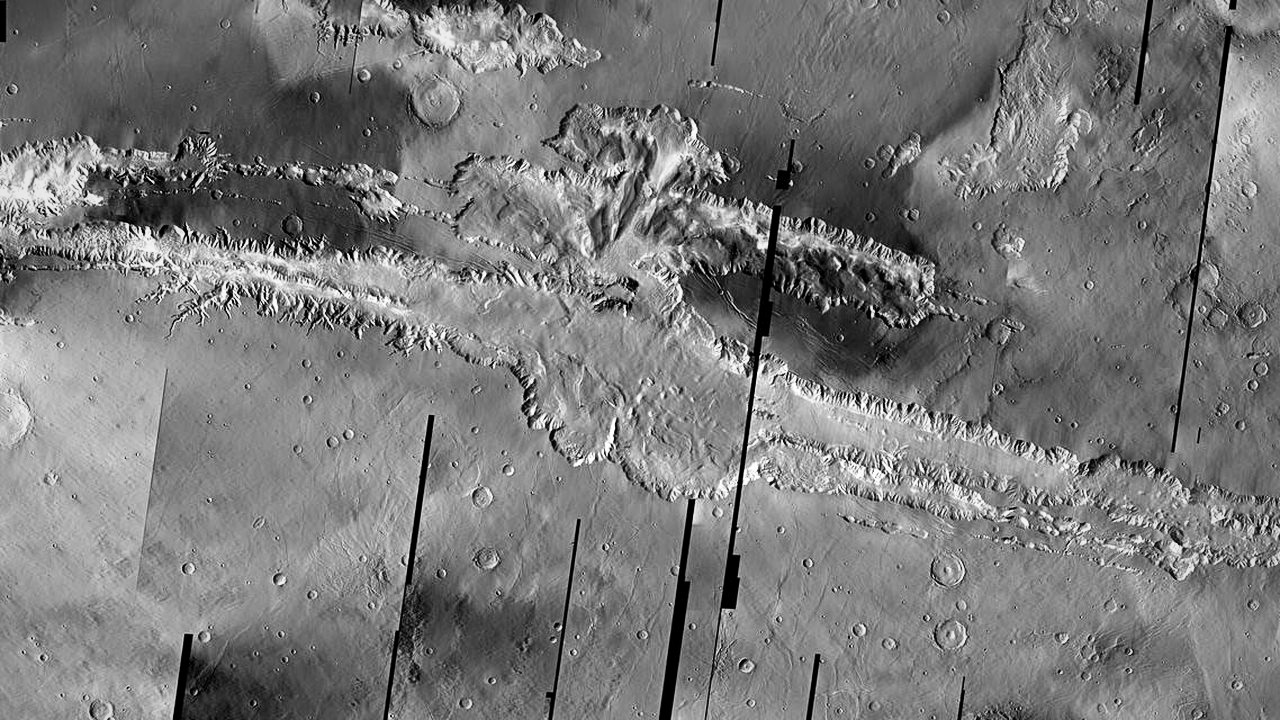
Space.com’s collection of weirdest solar system facts puts the Martian canyon system Valles Marineris at about 2,500 miles, or 4,000 kilometers, long. That is more than 10 times the length of the Grand Canyon on Earth.
Length is the measure the source uses, so the comparison says nothing about depth or width. The Space.com page carries a 2022 date, and the figures are as reported there. Even so, a single scar spanning a good part of a planet’s face stands out among the sights spacecraft have recorded.
4. Enceladus: Plumes Over a Salty Ocean
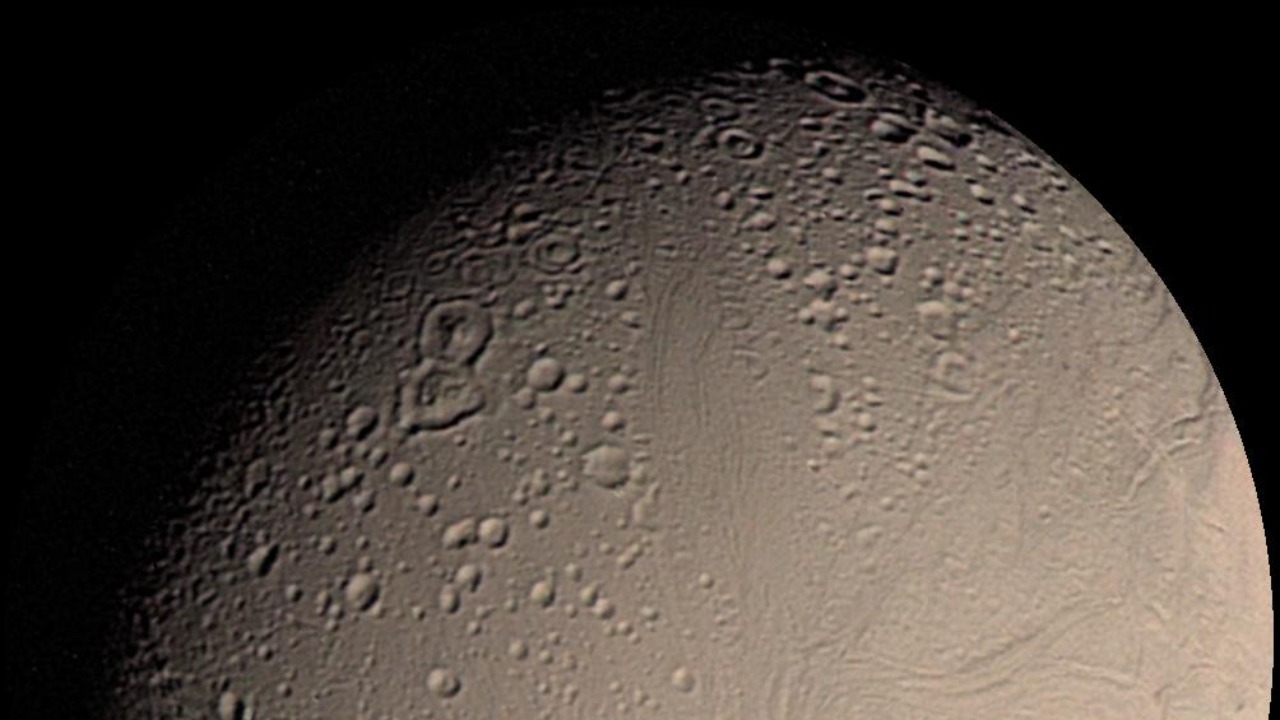
NASA’s Jet Propulsion Laboratory notes in its gallery of solar system mysteries that Cassini found plumes on Saturn’s moon Enceladus reaching as high as 300 miles above the surface. After 23 passes, the spacecraft’s measurements also pointed to a salty ocean.
The result matters because it ties jets seen from space to liquid water beneath an icy shell. The figures come from a 2017 JPL page and describe what Cassini measured during that flyby campaign, so they are a record of the mission’s findings rather than a live reading of the moon.
5. Io: The Volcano Moon
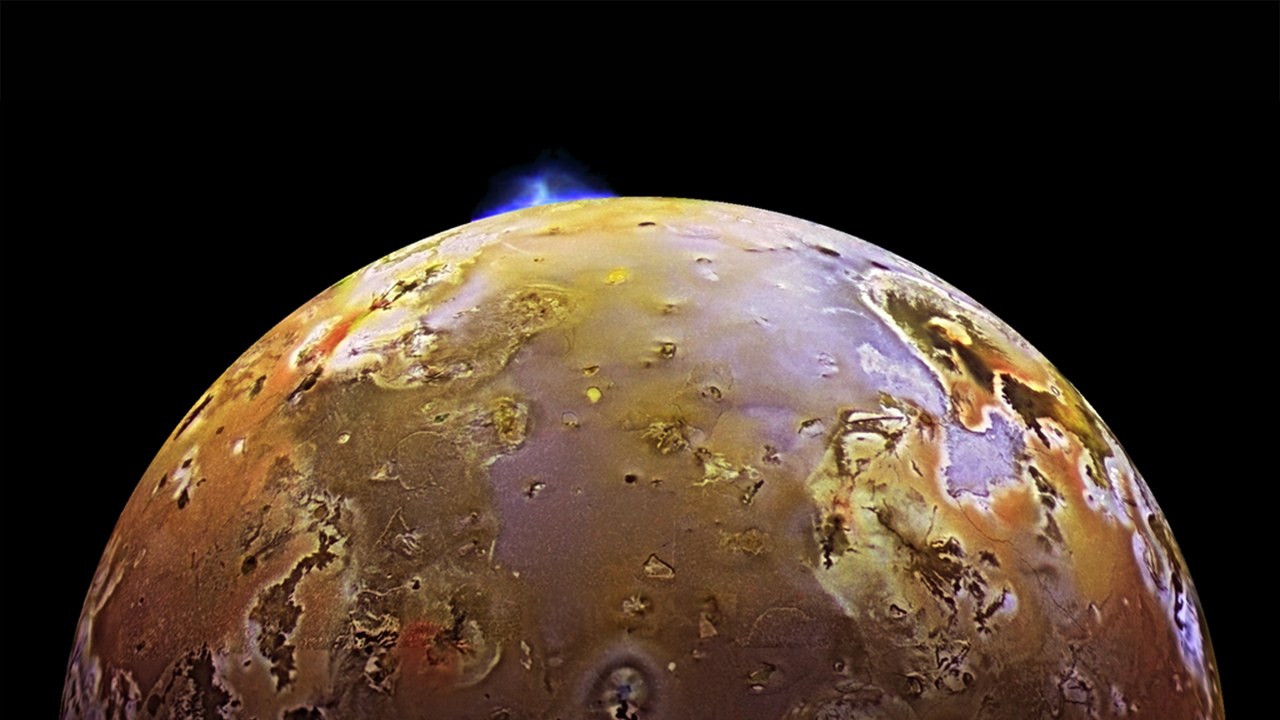
According to Space.com’s list of weird facts, Jupiter’s moon Io has hundreds of active volcanoes, with plumes reaching up to 190 miles. That makes it a world where eruptions are a constant feature of the landscape.
Few bodies in the solar system are described in such terms, and the plume height gives a sense of how far material is thrown from the surface. The numbers are as reported in a 2022 article, which gives a rounded count of volcanoes instead of a precise tally.
6. Europa: A Hidden Global Ocean
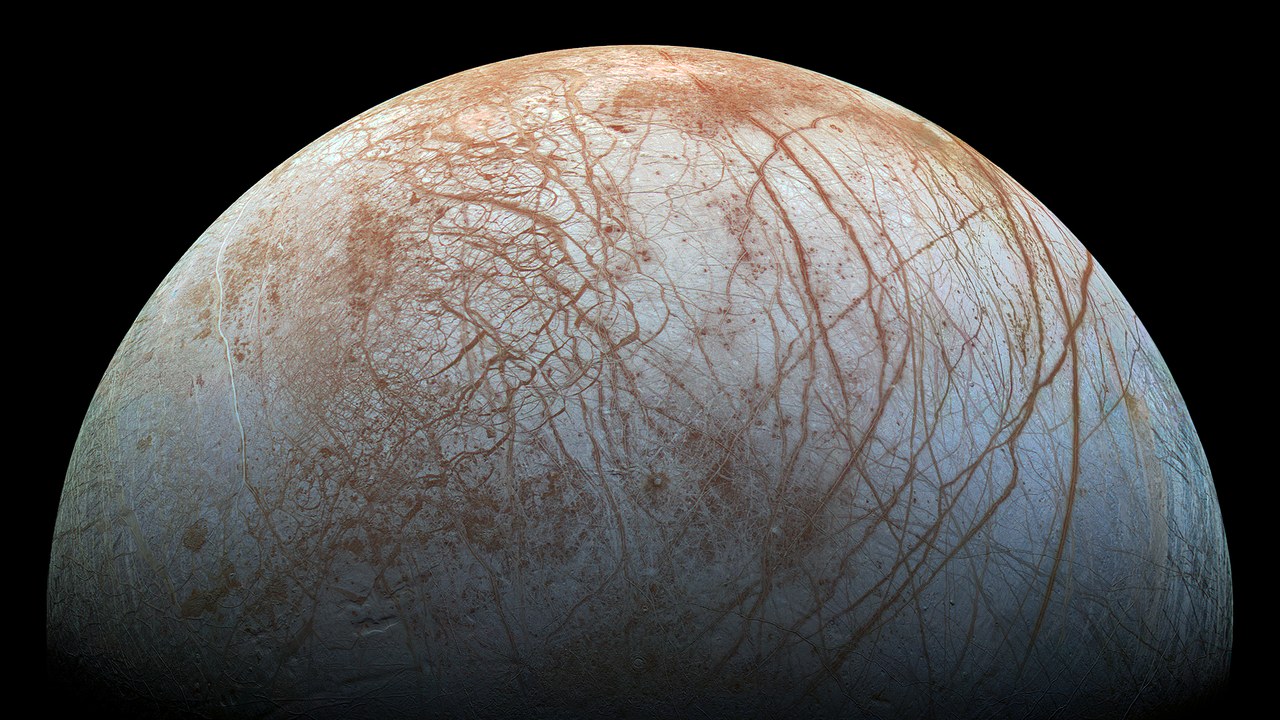
Data from the Galileo spacecraft suggested that Jupiter’s moon Europa holds a global ocean, as NASA JPL explains in its page on solar system mysteries. The Hubble Space Telescope later detected possible plumes there, too.
The wording in the source is cautious: the ocean was suggested by the data and the plumes are described as possible. That makes Europa a candidate rather than a confirmed case, and it explains why the moon keeps drawing attention in discussions of worlds that might hold liquid water.
7. Titan: Lakes of Methane and Ethane
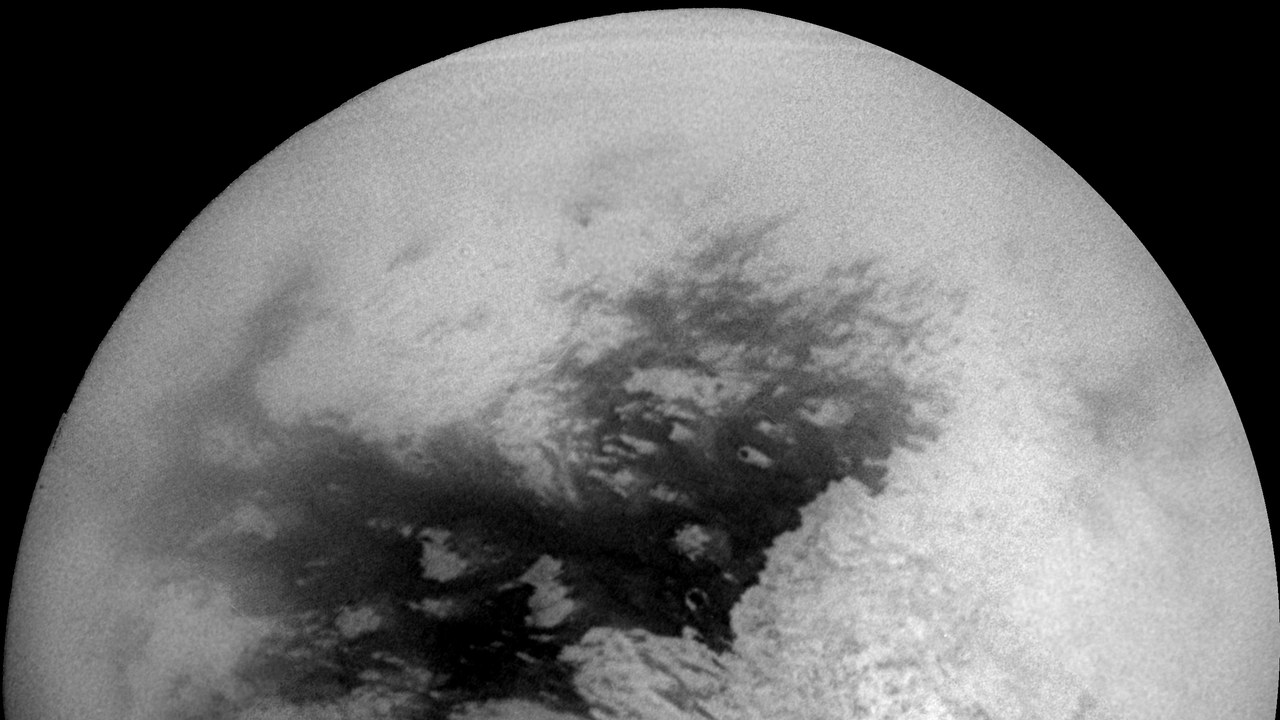
Space.com notes that Titan has immense lakes filled with methane and ethane. The Saturn moon therefore has liquid on its surface, but the liquid is a hydrocarbon rather than water.
The source offers the detail as one of its weird facts and does not give lake sizes or depths. The page is dated 2022. What stands out is the familiar look of lakes on a world where the chemistry behind them is entirely different from anything on Earth.
8. Iapetus: The Two-Faced Walnut
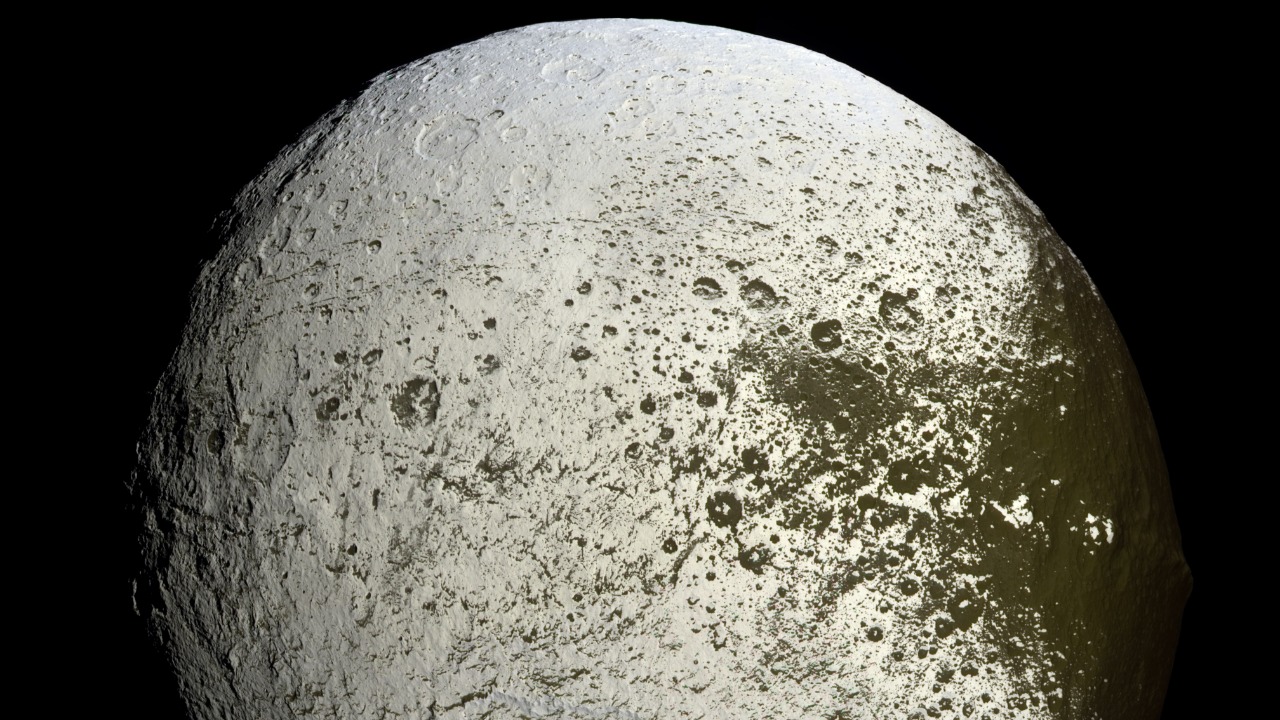
Live Science describes Saturn’s third-largest moon as a walnut-shaped wonder. Iapetus has sharply different bright and dark hemispheres, along with a mountain range running around its equator.
The article says the two-tone look is not fully explained, so the contrast remains an open question as of the 2019 piece. A moon with a ridge girdling its middle and one side far darker than the other is an odd combination even among its neighbors.
9. Occator Crater: Bright Salt on Ceres
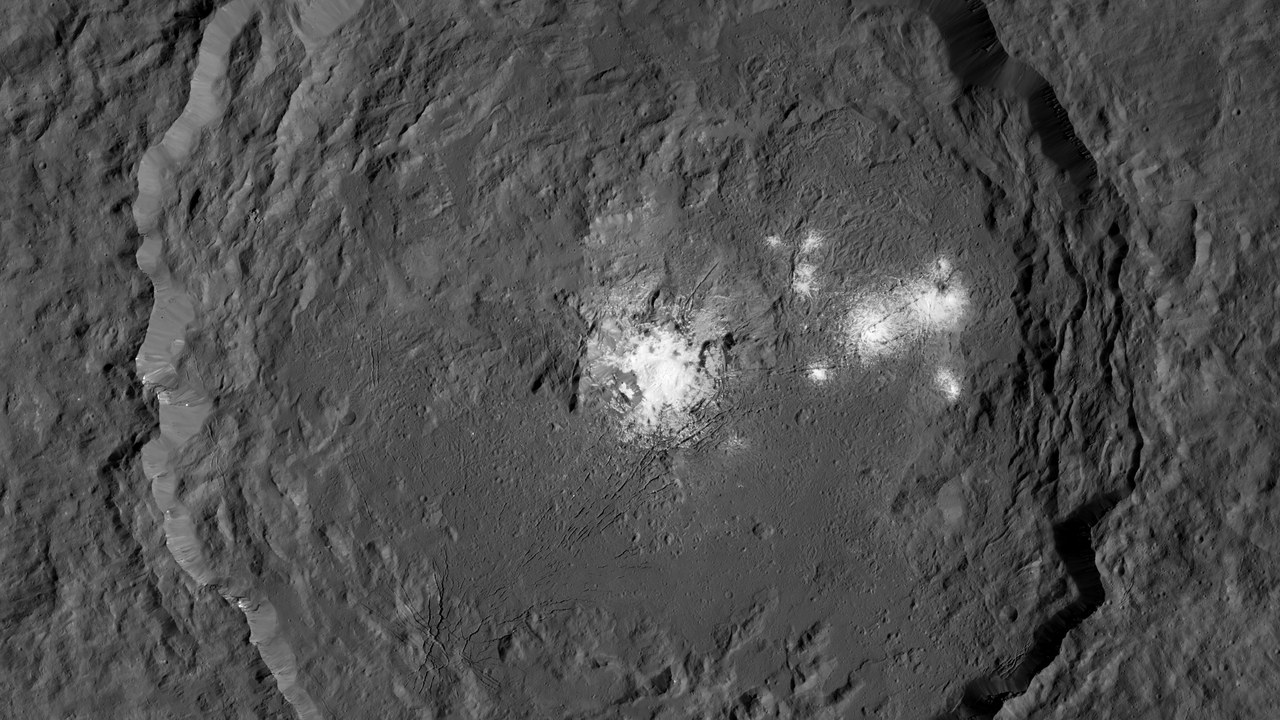
NASA JPL reports in its mysteries gallery that the Dawn spacecraft descended to an altitude of just 240 miles above Ceres. It found salt-rich brine rising from a deep reservoir, linked to the dwarf planet’s Occator Crater.
The finding is notable because Ceres is a small, cold body, yet the evidence points to briny material moving upward from below. The details come from a 2017 JPL page, and the image for this entry shows Ceres as a whole rather than the crater alone.
10. Triton: Neptune’s Backward Moon
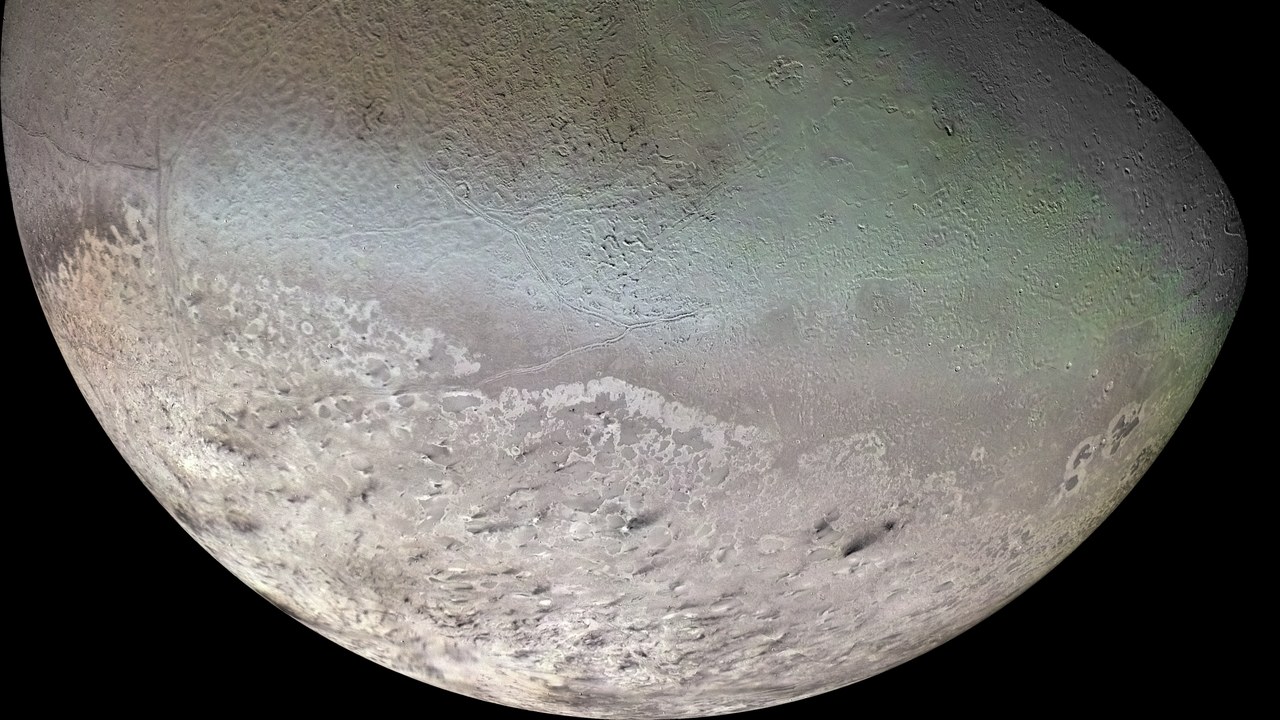
Live Science’s solar system oddities list calls Triton the largest of Neptune’s moons, and the only round one. Its orbit runs in a retrograde direction, opposite to the planet’s spin, and it has active ice volcanoes.
Ice volcanoes erupt frozen material rather than molten rock, which is part of what makes the moon so unusual. The description appears in a 2019 article and is a general summary, so it gives no figures for how often or how high the eruptions occur.
11. Tharsis: The Volcano Chain on Mars
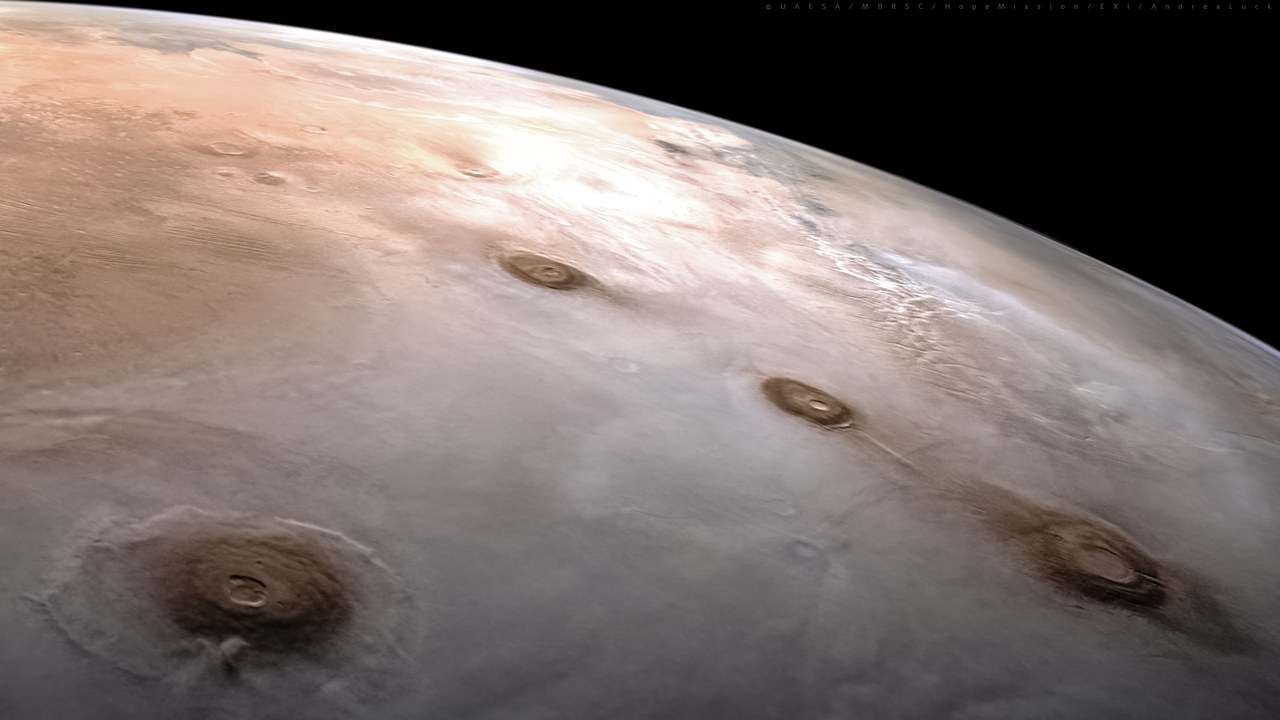
Space.com mentions the Tharsis Ridge as a chain of volcanoes on Mars that includes Olympus Mons. The article adds that the region may have helped form Valles Marineris, the giant canyon system nearby.
That link is stated as a possibility, not a settled result. If it holds, one bulge of volcanoes would account for two of the planet’s most dramatic features. The page dates from 2022 and does not give dimensions for the region itself.
More from Morning Overview
- New York picked its finalists to build a big new nuclear plant upstate
- Washington is forcing coal plants from Colorado to Washington state to keep running
- A Utah county approved a massive nuclear and data center project without residents’ input
- The sub that hit an undersea mountain has a new bow dome, but won’t sail until summer
