
Small pickups reshaped the American truck market in the 1970s and 1980s, arriving first as imports and rebadged models and later as Detroit-built compacts. The trucks below span that shift, from the Chevy LUV to the Ford Ranger and beyond. These are ten small pickups worth knowing.
The day in tech, in one email: TLDR is the daily newsletter with links and TLDRs of the most interesting stories in startups, tech and programming.
We may earn a commission if you sign up.
1. Chevrolet LUV: Detroit’s Light Utility Vehicle
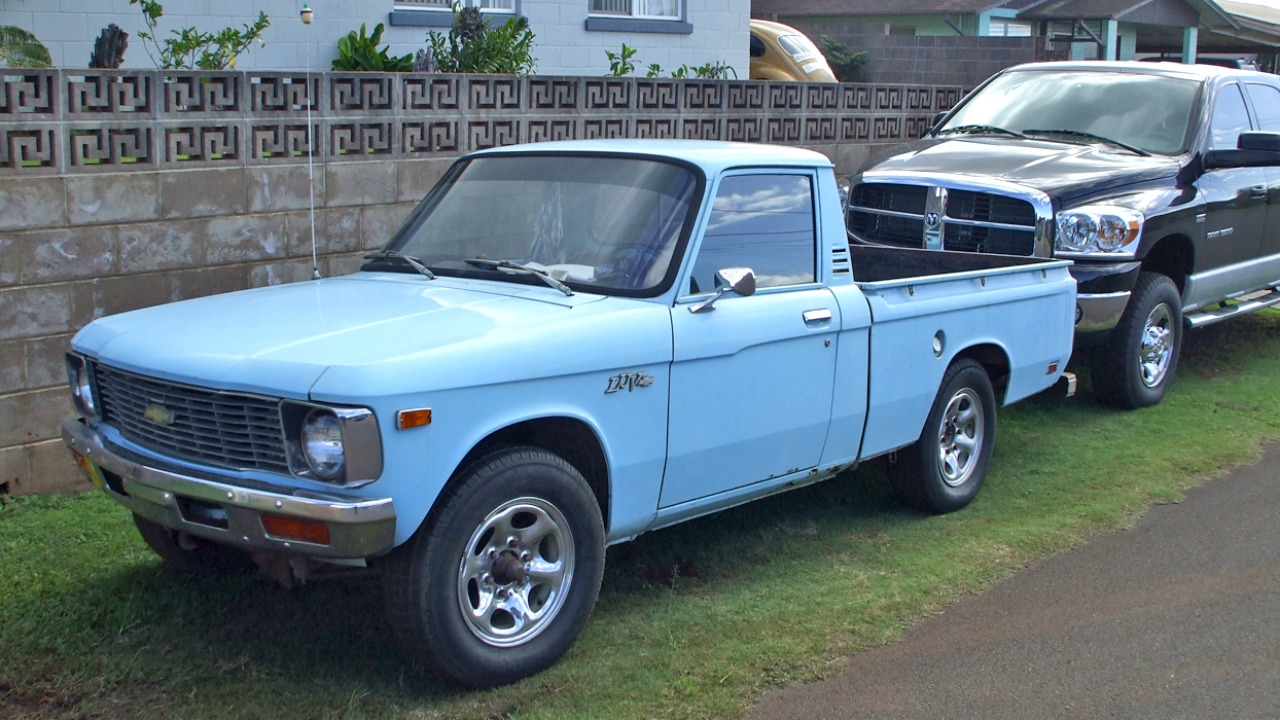
Introduced for 1972 as the Light Utility Vehicle, the LUV gave Chevrolet a small pickup to sell in an era when compact trucks were a new idea for American buyers. According to Hagerty’s mini-truck history, Chevy sold 462,000 LUVs in total over the model’s run, a figure that anchors this entire list.
That total makes the LUV a genuine volume seller rather than a curiosity. Anyone searching for a classic small truck today is looking at one of the best-documented examples of how Detroit first tested the compact segment, and the sales record shows buyers were willing to try it.
2. Ford Courier: A Mazda in Ford Clothes
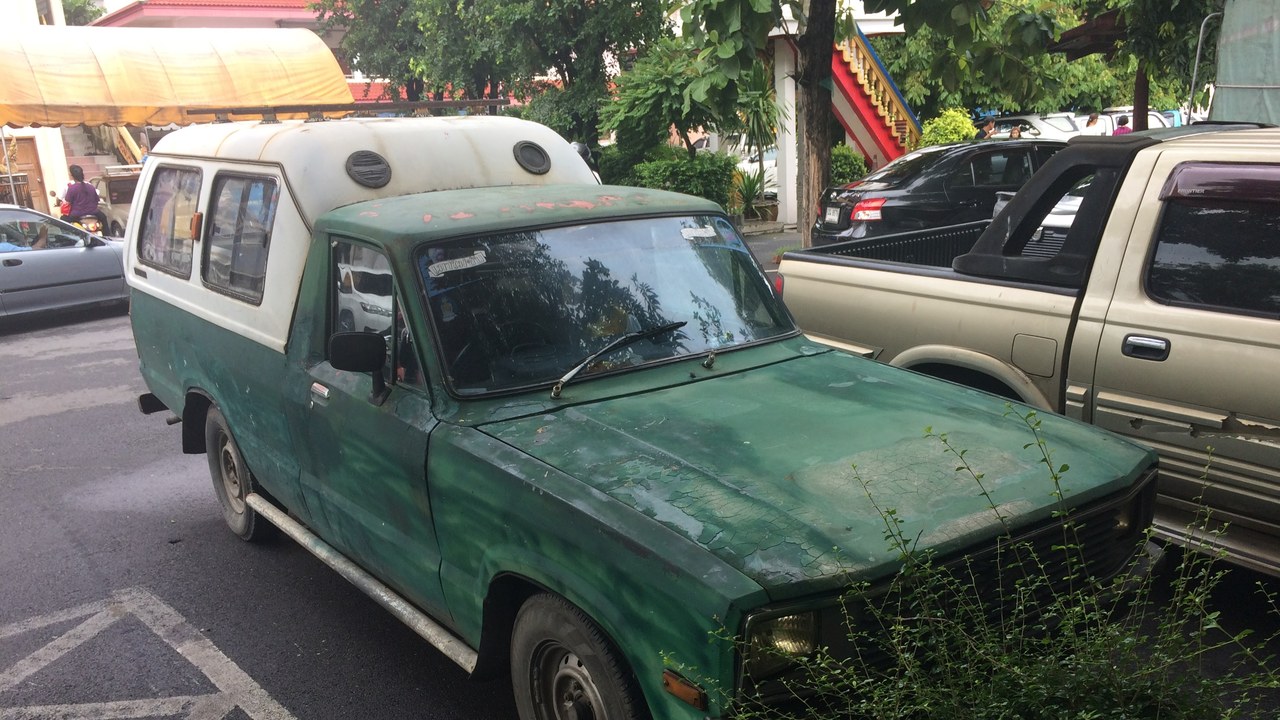
The Courier was a rebadged Mazda, and the Hagerty comparison of the two shows how that arrangement could cost a buyer. Ford advertised 1,400 pounds of cargo capacity for the Courier, while the supposedly identical Mazda was rated at 2,250 pounds.
The gap is a reminder that badge engineering did not always carry the numbers across intact. The Courier ended in 1982, when the Ranger took over as Ford’s small pickup, so its run closes just as the domestic compact era begins.
3. Toyota Hilux: The Pickup That Went Global
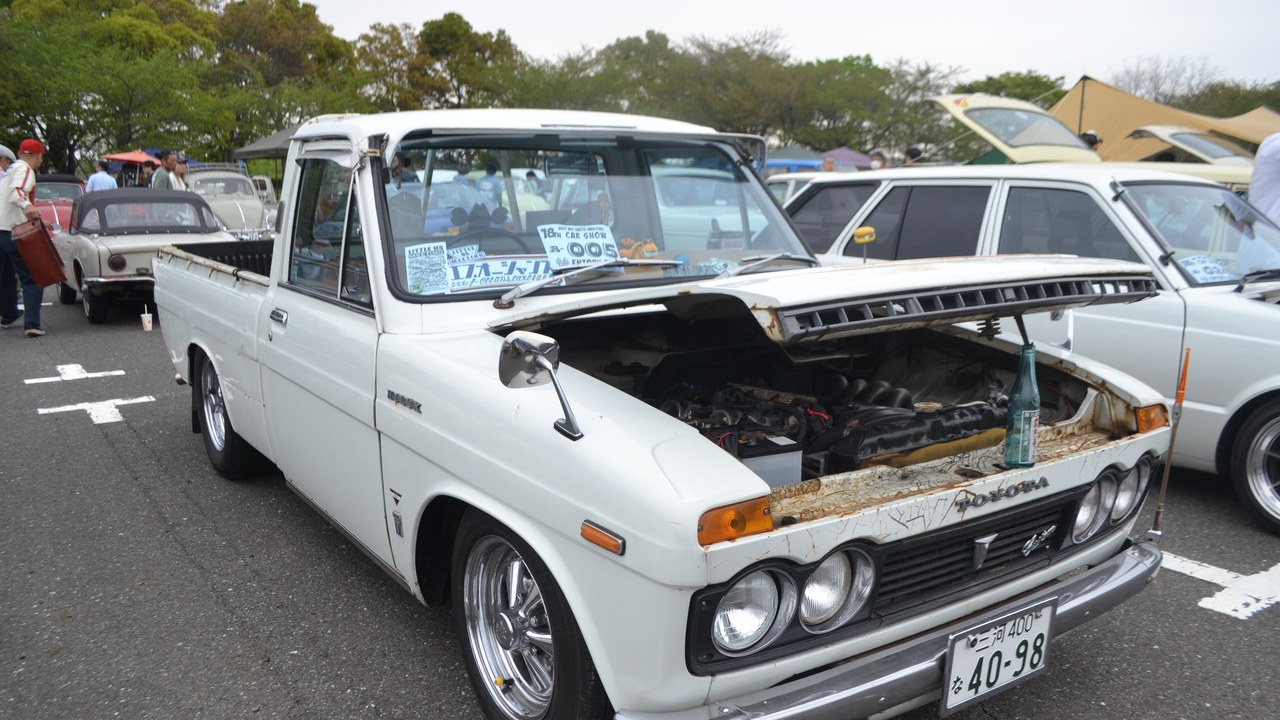
The 1969 Hilux arrived with an 84-hp, 1.5-liter four-cylinder engine, according to Hagerty’s profile of small trucks, and a payload rating of 2,200 pounds. Those are modest numbers by modern standards, yet together they describe the formula of a compact import pickup: a small, frugal four-cylinder engine paired with a bed meant to carry a genuine load.
The payload figure stands out beside the Courier’s advertised 1,400 pounds, and the 1969 date places the Hilux well ahead of most trucks on this list. The Hilux sets the benchmark that the Detroit-built rivals later on this list were chasing.
4. Dodge D-50: Mitsubishi by Way of Dodge
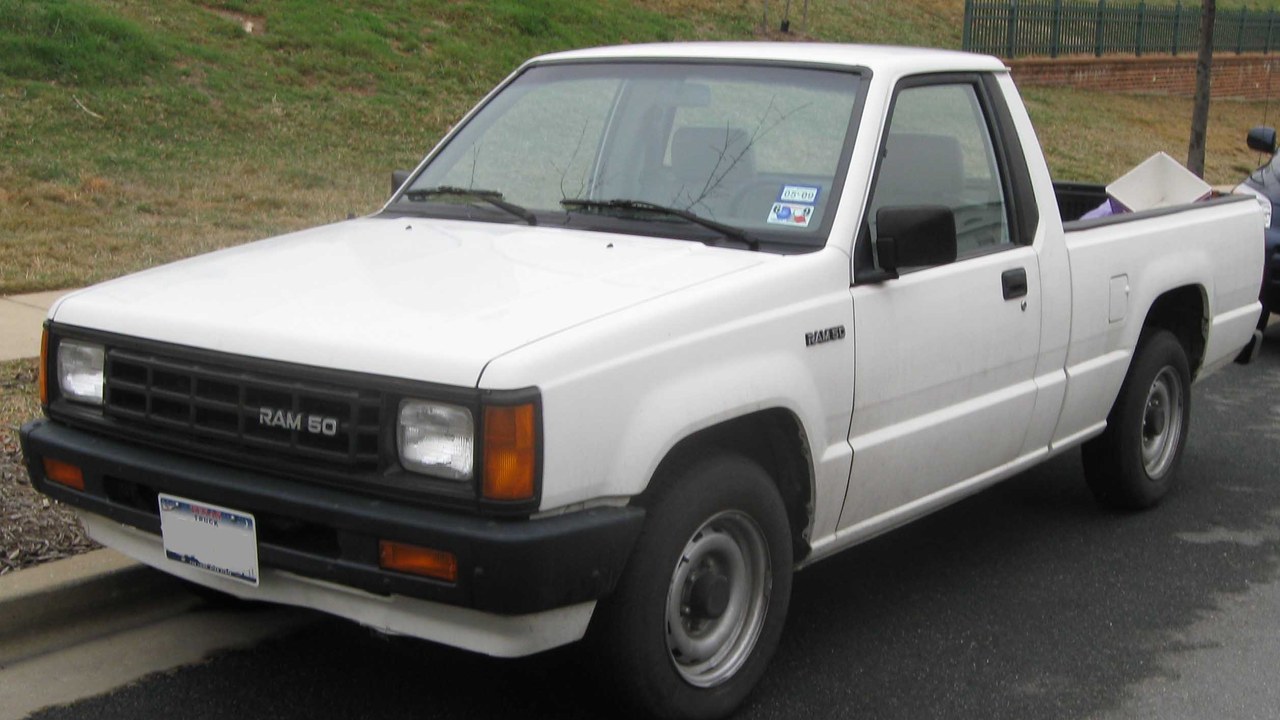
Dodge did not build its own small truck at first. As Hagerty’s account of imports notes, it was not until 1979 that Dodge would import the Mitsubishi Forte, which wore the D-50 name.
Renamed Ram 50 in 1981, the truck stayed on sale until 1994, a long career for a captive import. The arrangement let Dodge offer a compact pickup quickly, though it also meant the company’s smallest truck was a Mitsubishi design rather than a Dodge original. Buyers in the early 1980s could therefore choose it under two names, D-50 and Ram 50.
5. Ford Ranger: The Compact That Sold in Volume
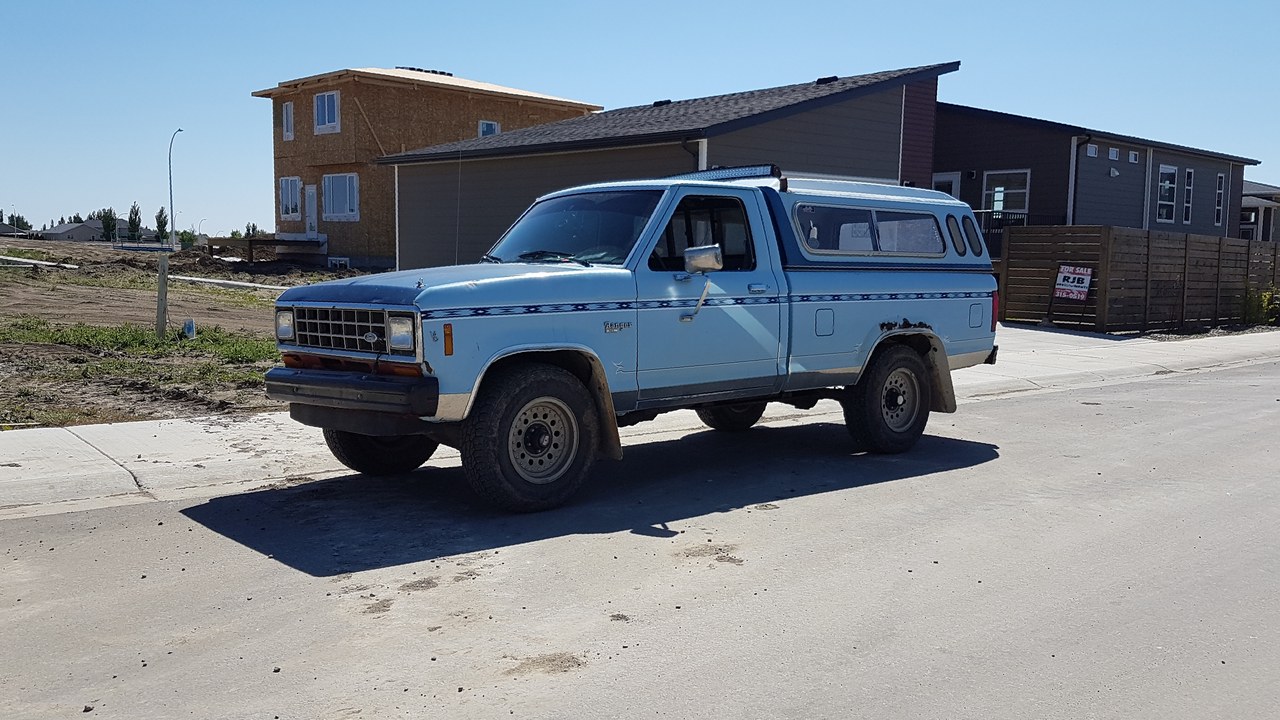
The Ranger went on sale very early in 1982, as Drivingline’s Ranger retrospective confirms, offering a 73-hp four-cylinder or a 115-hp V6. By 1988 sales had reached about 300,000 a year.
That pace is the volume hook behind the headline and shows how quickly buyers took to a domestic small pickup once one was available. The Ranger replaced the imported Courier, so Ford’s compact truck business moved to a domestic design by 1982. Together with a choice of four-cylinder or V6 power, that gave buyers a more flexible truck than the Courier had been.
6. Chevrolet S-10: First Domestic Compact of the Big Three
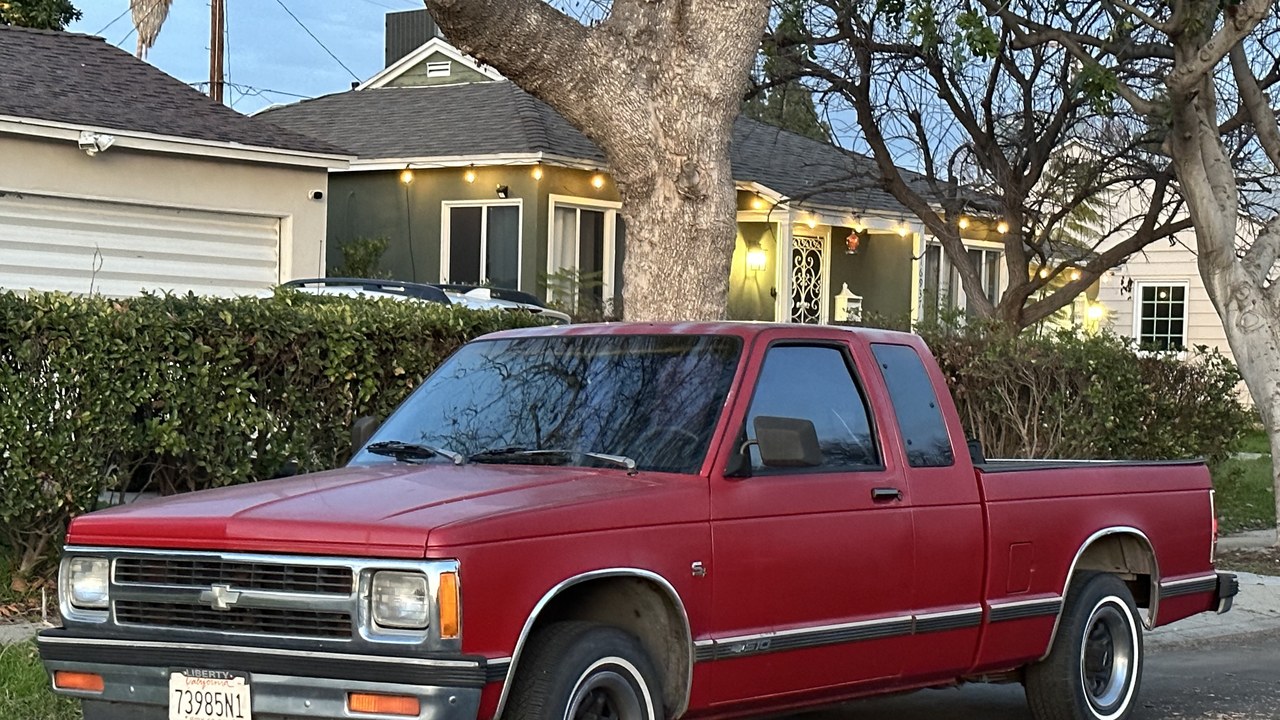
The 1982 S-10 was the first domestically built compact pickup from the Big Three, according to the Wikipedia entry on the truck. That distinction places it at the turning point of the era, when Detroit stopped relying on imports and rebadged trucks.
Chevrolet had already tested the segment with the LUV, but the S-10 moved the work onto domestic assembly lines. It arrived the same period as the Ranger, so the early 1980s saw two American-built compact pickups competing for the same buyers.
7. Nissan Hardbody: The Double-Wall Bed
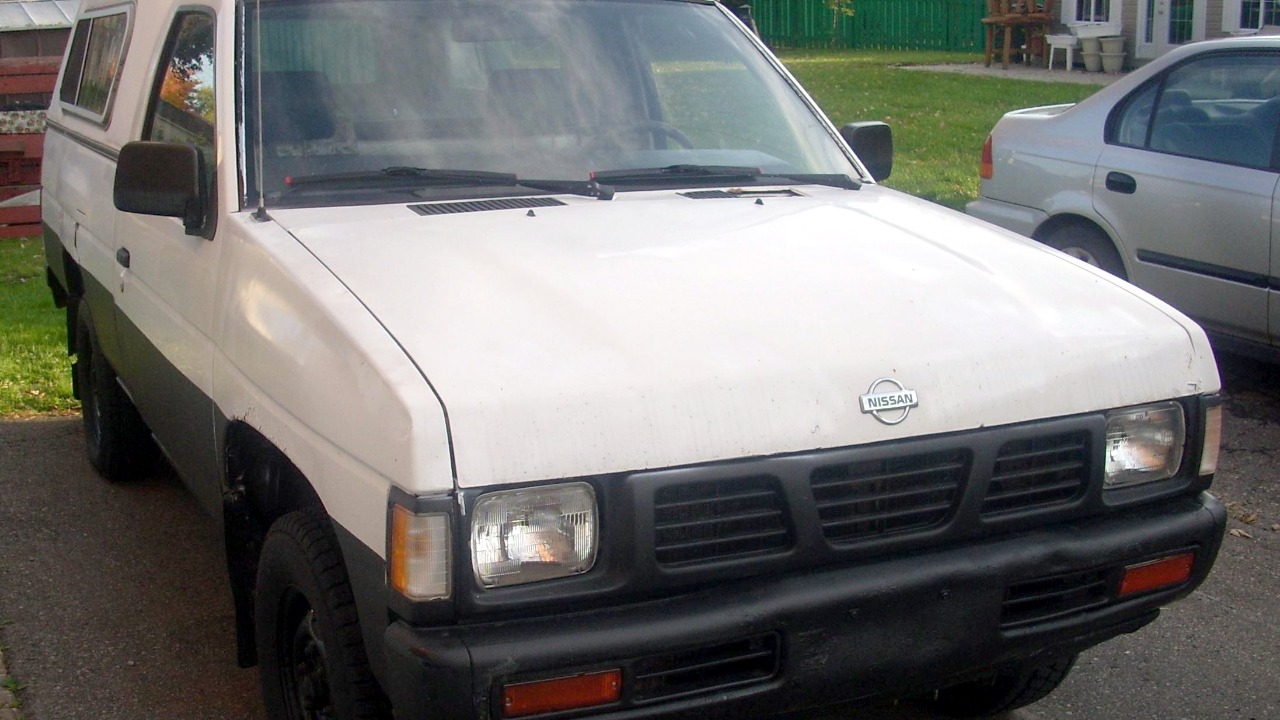
Built for the United States from November 1985 until 1997, the Hardbody takes its name from its double-wall bed, according to Wikipedia’s Hardbody entry. The nickname stuck because the feature was easy to see and easy to explain to buyers in a showroom or an advertisement.
A run of roughly a dozen years kept the truck on dealer lots well past the decade this list covers. It overlapped with the Ranger and S-10, so buyers in the late 1980s could pick between Detroit and Japanese compacts.
8. Dodge Dakota: Bigger Than the Minis
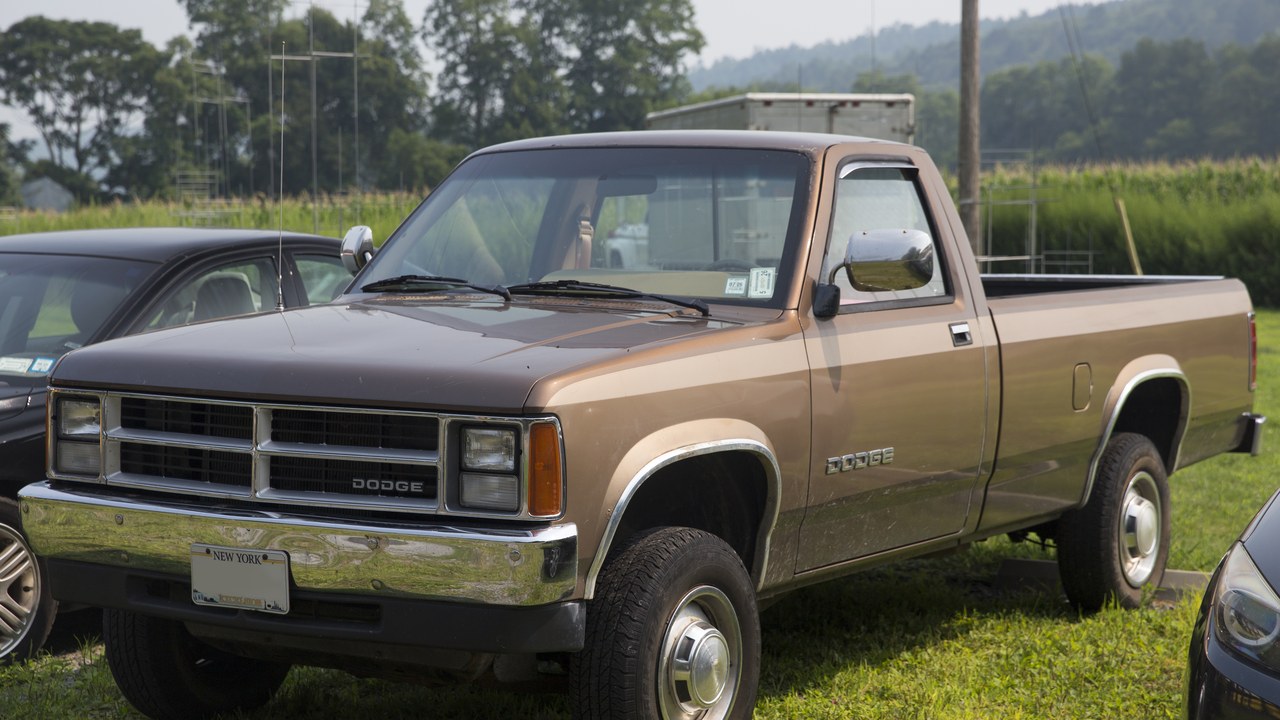
Dodge launched the mid-size, full-frame Dakota in 1987, a step up in scale from the imported minis described in Hagerty’s overview. Its frame and size set it apart from the small trucks that preceded it in the Dodge lineup, and the full-frame construction is the detail that the Hagerty piece singles out.
That makes the Dakota the point where the compact class started growing, and the entry that sits furthest from the original mini-truck idea. A buyer who found the D-50 too small now had a Dodge pickup with more truck underneath.
9. Jeep Comanche: Cherokee Bones Under a Bed

Built on the XJ Cherokee platform, the Comanche could tow up to 5,000 pounds, which HotCars’ list of Comanche facts describes as the best in its class. Sharing its underpinnings with a popular sport utility gave the pickup an edge in capability.
The towing claim comes from a single secondary source, so it is best read as the marketing-era reputation of the truck rather than a laboratory result. Even so, the figure explains why the Comanche is remembered as a capable choice among small pickups.
10. Subaru BRAT: The Odd Truck With a Flat-Four
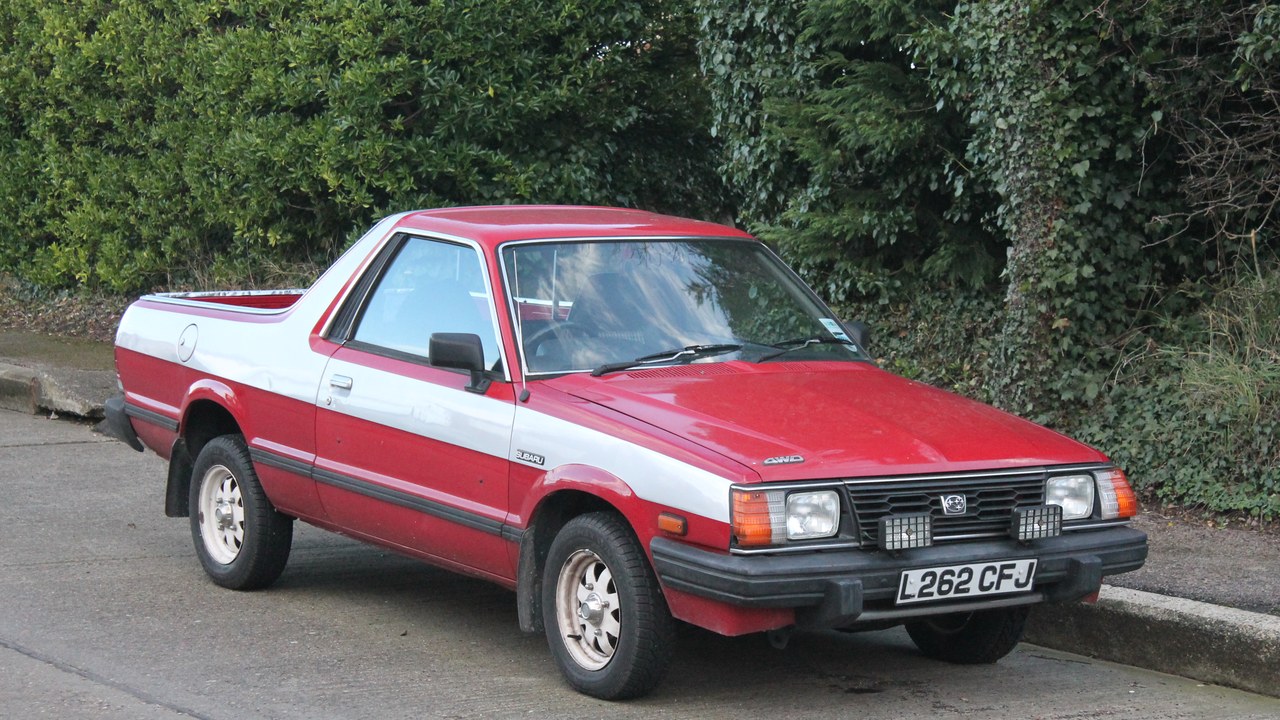
The 1978 BRAT carried a 67-hp, 1.6-liter flat-four engine, and Hagerty’s retrospective notes that Subaru imported BRATs stateside through 1987. It is the quirkiest vehicle on the list, with a layout unlike any Detroit compact.
Modest power is part of the story, since the small engine suited a small, light truck. Imports continuing through 1987, nearly a decade after the 1978 model, show that the BRAT stayed in the American market well past its debut, an unusually long run for such an unconventional truck.
The day in tech, in one email: Get TLDR →
We may earn a commission if you sign up.
More from Morning Overview
- Hurricane Hunter radar shows four warning signs that a tropical cyclone is about to strengthen, a University of Miami study found
- Tropical Storm Rachel is dumping up to 12 inches on four Mexican states on its way to major hurricane strength
- The FTC says Lens.com doubled the price shoppers saw in Google ads
- Common allergy, bladder and sleep pills tied to sharply higher dementia odds
