
Car brands vanish for many reasons, from bankruptcy to a corporate decision to retire a nameplate. Each of these disappearances left behind models that American buyers once found on dealer lots. Here are twelve cars tied to brands that can no longer be bought new, with the sales, production and power figures that show what each one meant when it was current.
Tech news worth reading: Get Techpresso, the daily email with the most interesting tech news and insights, read by 400,000+ professionals from Google, Apple and OpenAI.
We may earn a commission if you sign up.
1. Renault Fuego: Sold Only at AMC Stores
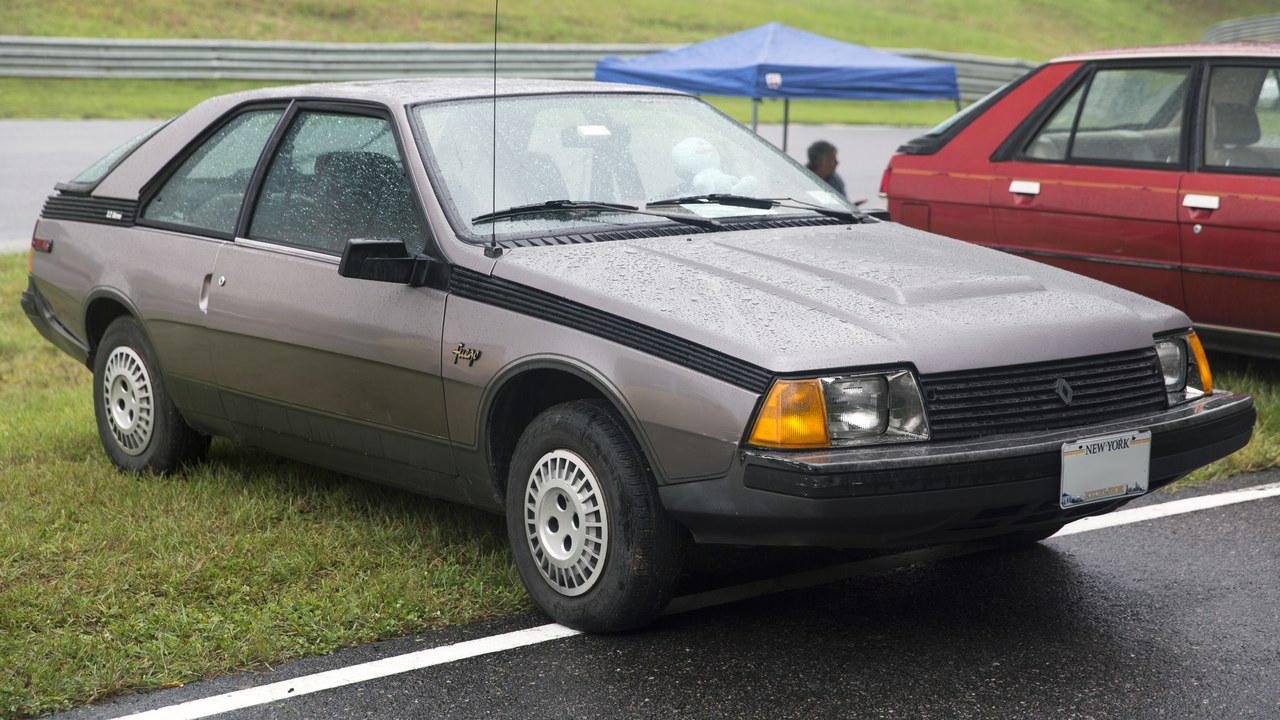
The American Fuego Turbo made 107 hp from a 1.6-liter four and was sold only at AMC dealers from 1982 to 1985, according to The Truth About Cars profile. That narrow sales channel limited how many buyers could even see one.
The Fuego belongs to a brand that left the American market entirely. Its short run and tied dealer network help explain why it is now a curiosity rather than a common sight, and why a surviving example draws attention.
2. Opel GT: Sold by Buick Dealers
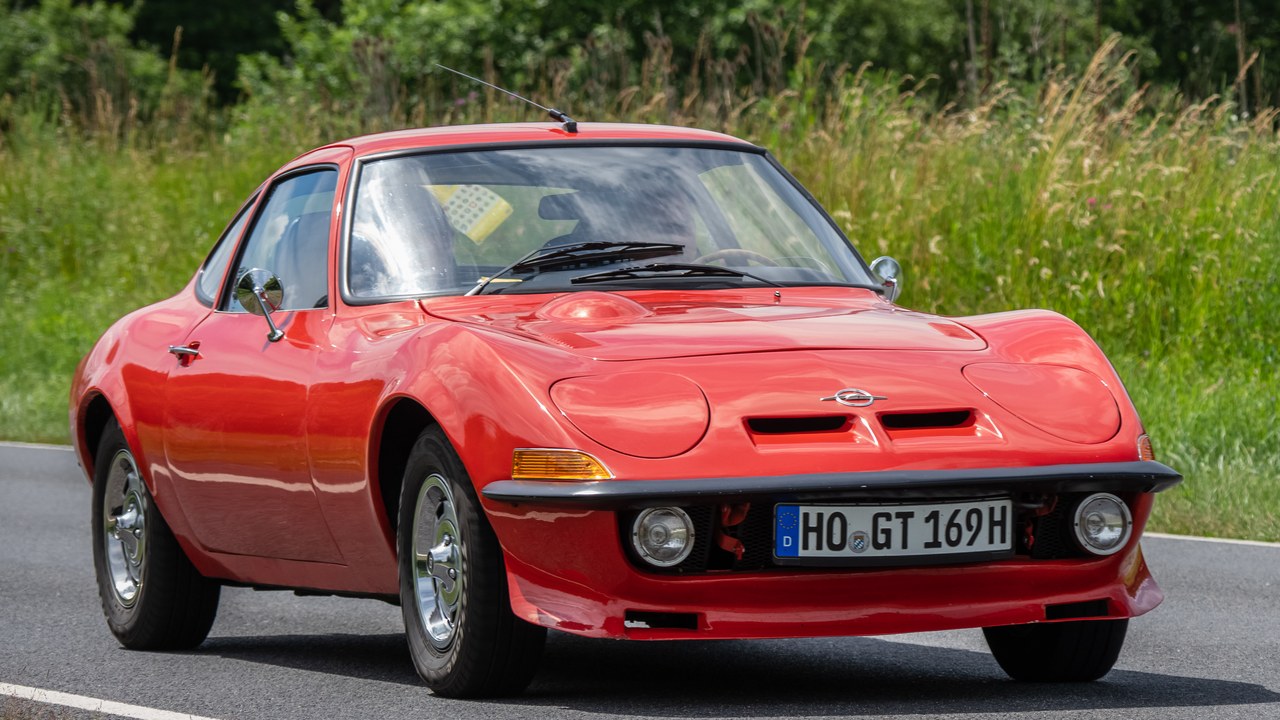
Opel sold the GT in America through Buick dealers, a pairing noted in the Hagerty profile of the GT. A total of 103,463 were built, and the 1,897 cc engine made 89 hp.
The arrangement shows how a German brand reached American buyers without its own network. Modest power and a small production total make the GT a compact piece of a brand that no longer sells new cars here, and used buyers meet it as a rare sight.
3. MG MGB: Abingdon’s Last Roadster
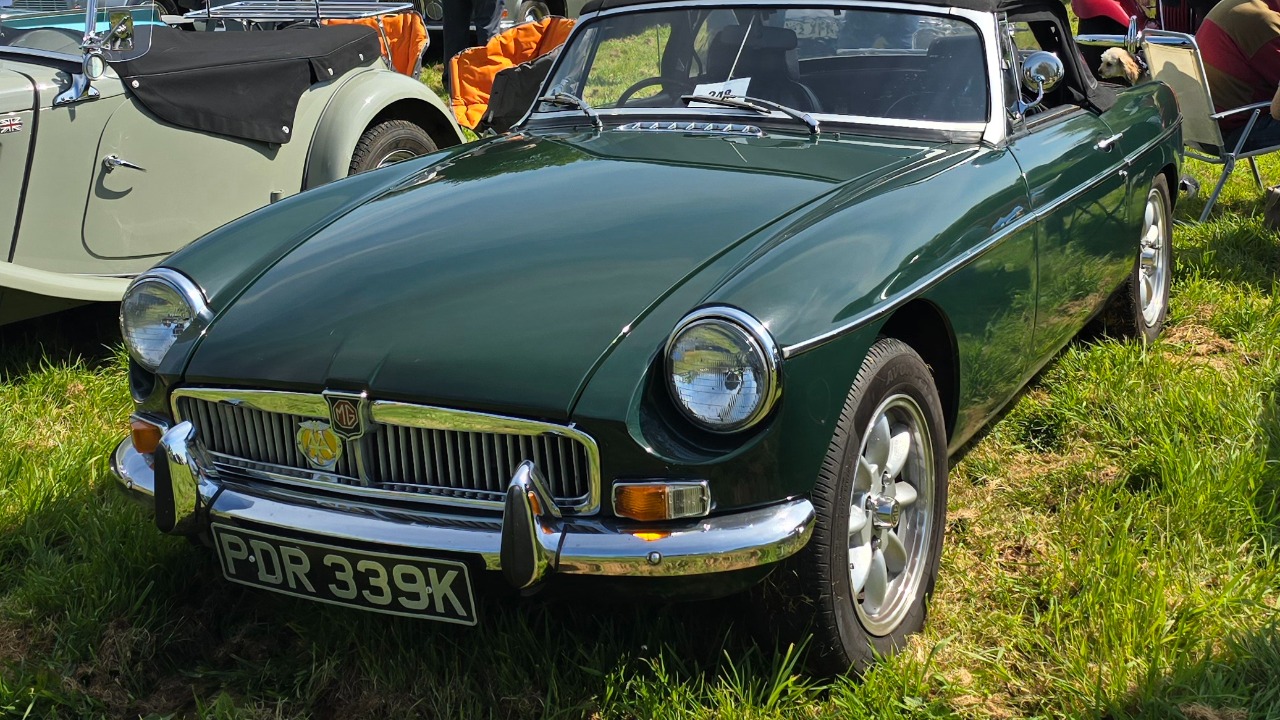
MG closed the Abingdon works in October 1980, after 513,276 MGBs were built between 1962 and 1980, as Hagerty UK’s factory photo story records. The MGB had been the mainstay of the factory for almost two decades.
A production run above half a million shows how well the roadster sold before the factory shut. The closure date is the end point for a car that remains a staple of vintage rallies and a symbol of a lost British brand.
4. Saab 900: A Turbo Brand Folds
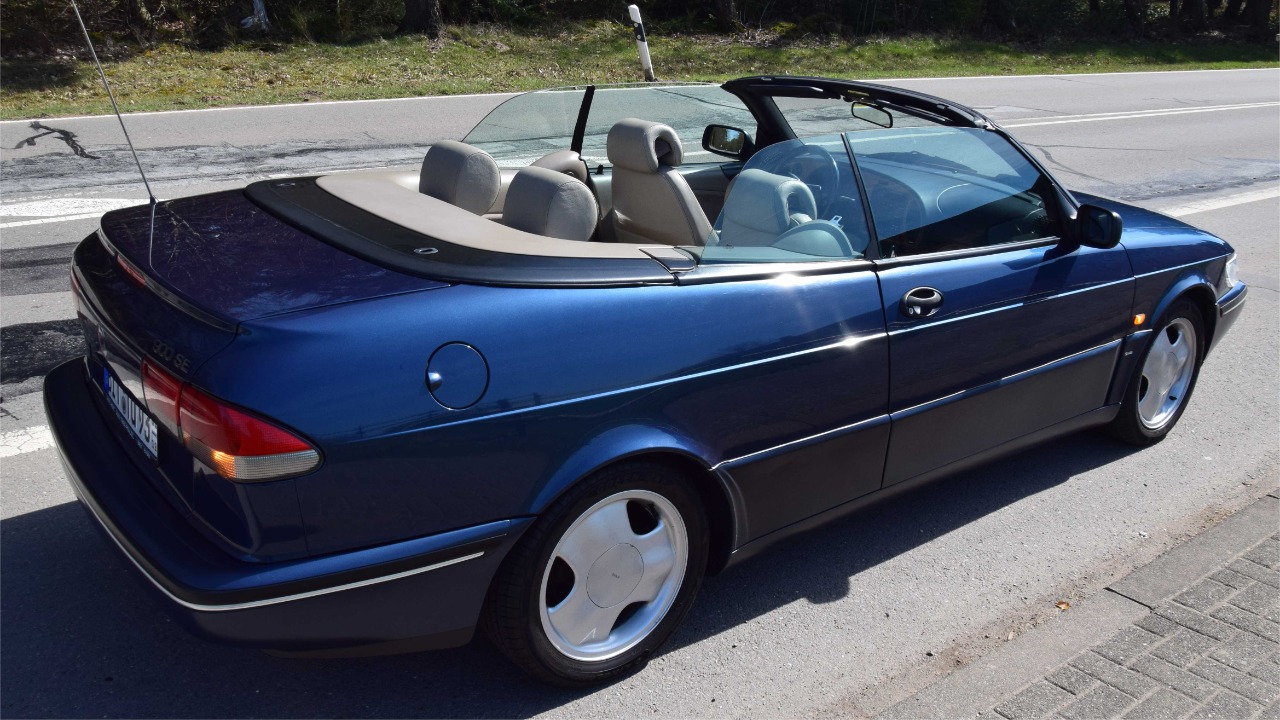
Saab’s American sales peaked above 47,000 in 1986, and Saab Automobile declared bankruptcy in December 2011, as Capital One’s Saab history explains. The 900 was a central model in the lineup during the sales peak.
The gap between a sales high and a bankruptcy filing spans a quarter century. The 900 remains the face of a brand that built a loyal following and could not sustain it, a pattern that still colors how enthusiasts remember Saab. Used examples of the 900 are the main way to experience the brand now.
5. Pontiac Firebird: The Brand GM Shut Down
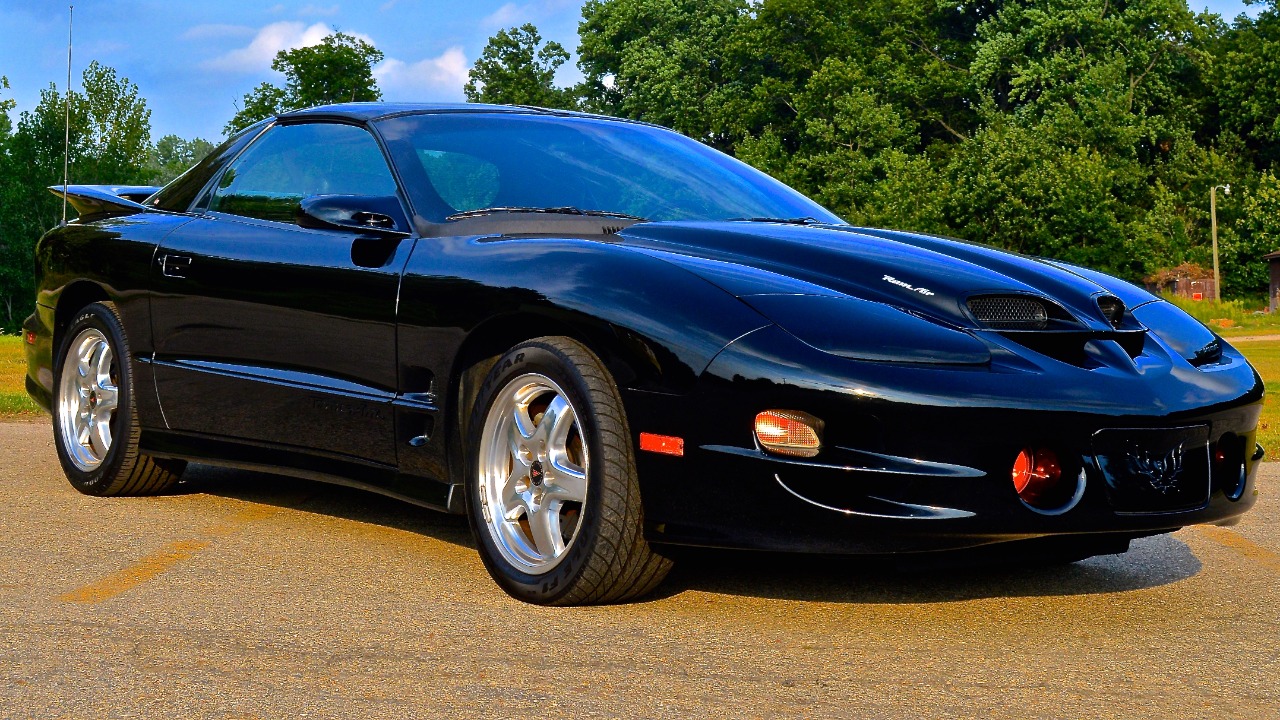
GM shut the 84-year-old Pontiac brand in 2010, when its dealer contracts expired, according to Marketplace’s Pontiac report. The Firebird, including the Trans Am, had carried the badge’s performance image to many buyers.
A brand lasting 84 years ended not through a single dramatic event but through the lapse of dealer contracts. The Firebird stands as the most recognizable symbol of what Pontiac was selling when it still had a future.
6. Peugeot 505: French Sedan, American Exit
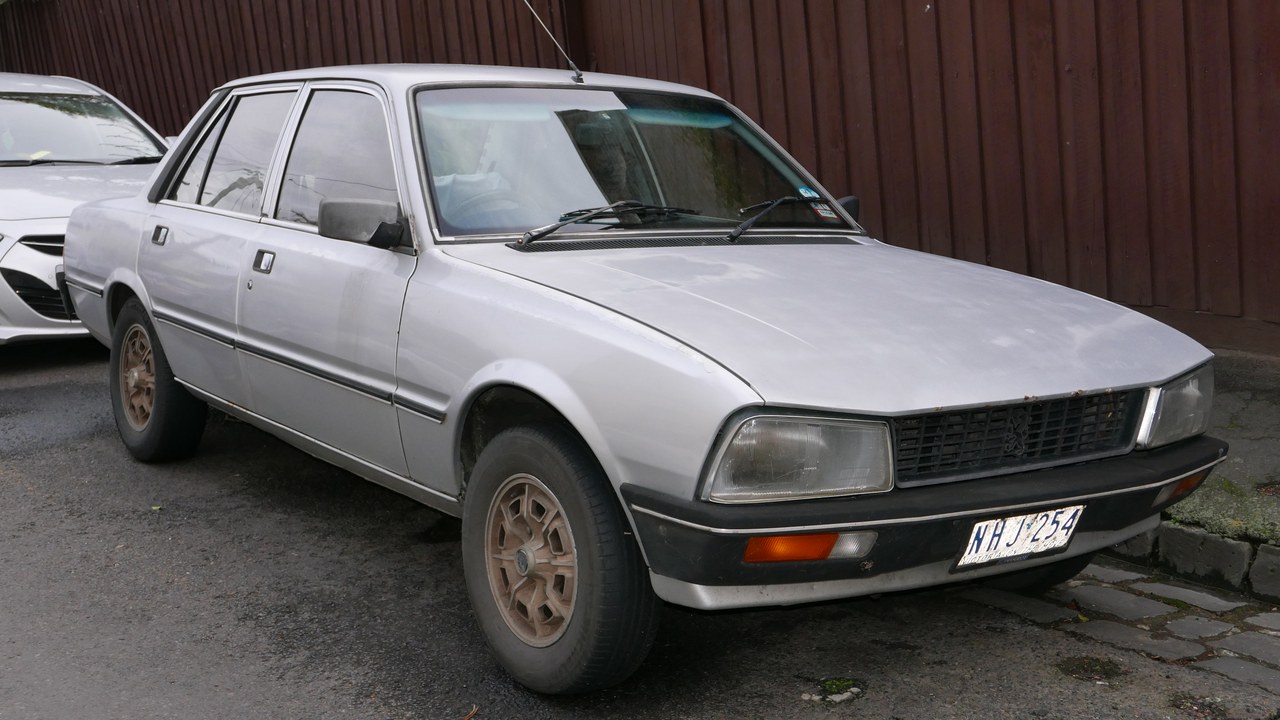
A total of 1,351,254 Peugeot 505s were produced between 1978 and 1992, and the Peugeot 505 article notes that American sedan sales ended in 1990 and wagons in 1991. The car outlasted its American run by only a year or so.
Production far beyond a million shows that the 505 was a success at home even as the brand left the American market. Buyers who remember the wagons will recall one of the last Peugeot models sold here.
7. Yugo GV: From 48,812 to 1,412
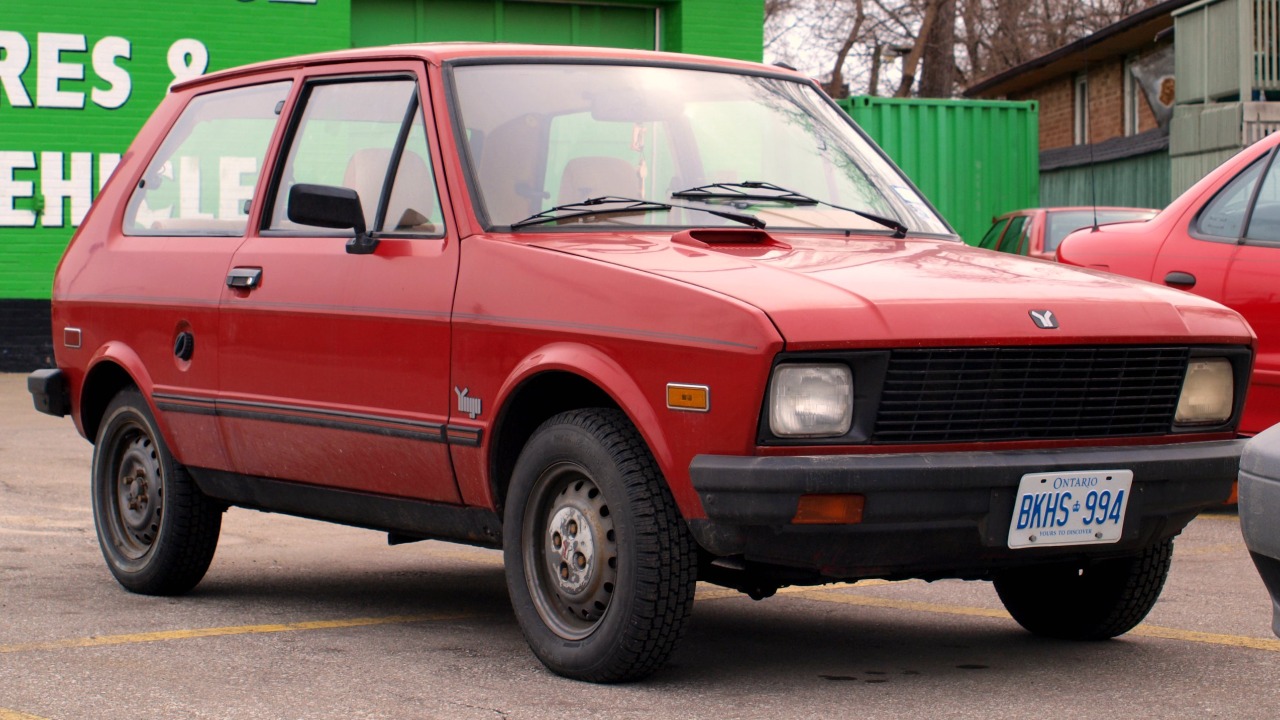
The Yugo sold 141,651 cars in America between 1985 and 1992, peaking at 48,812 in 1987 and falling to 1,412 in its last year, according to the Yugo GV article. The drop from peak to finish was steep.
That collapse tells the story of a budget import that never held its audience. The numbers show a brief rush of curiosity followed by a long fade, a pattern that has made the Yugo shorthand for a short-lived brand.
8. Plymouth Barracuda: Chrysler Retires Plymouth
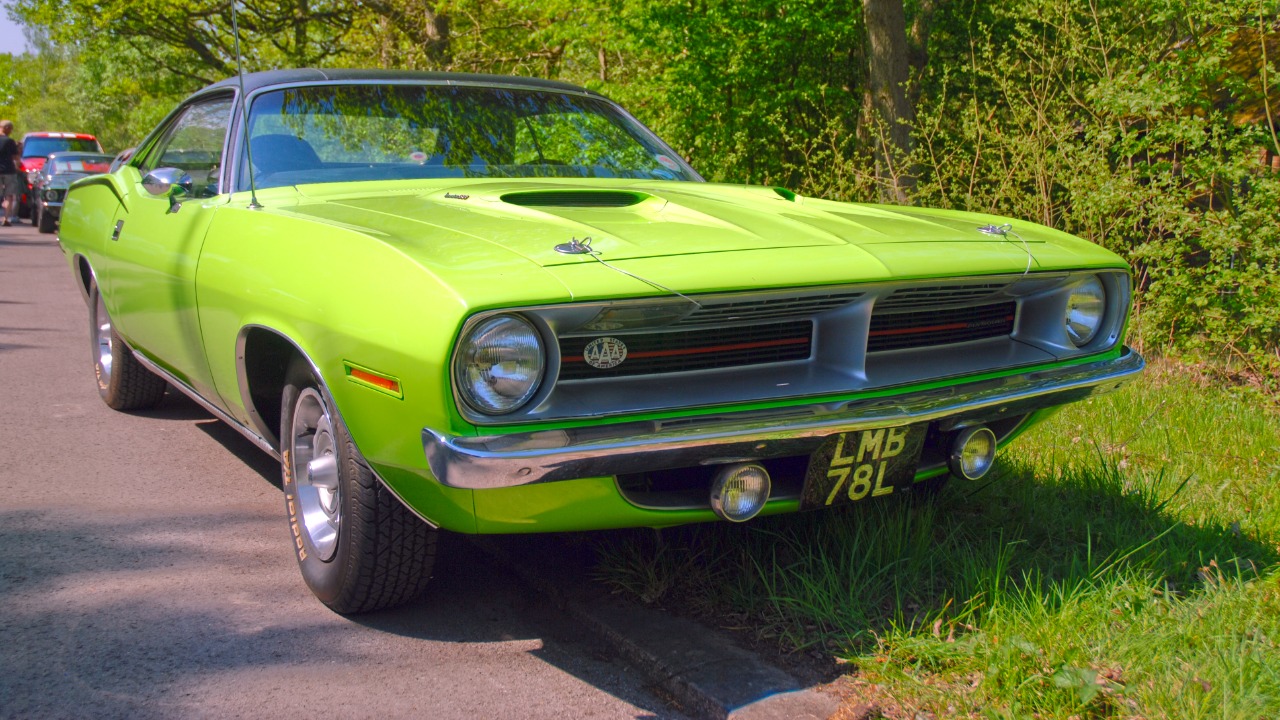
Chrysler phased out Plymouth in 2001, as the Plymouth Barracuda article notes. The 1970 Barracuda had been offered with a 426 Hemi rated 425 hp, a rating that defined the muscle-car era for the model.
The gap between that power rating and the brand’s fate is striking. A name that once sold a high-performance muscle car disappeared as a division, leaving the Barracuda as one of its best-remembered products. For anyone browsing used listings, the model is a reminder that a brand’s end does not erase its most memorable cars.
9. Hummer H2: Heavy Truck, Big Numbers
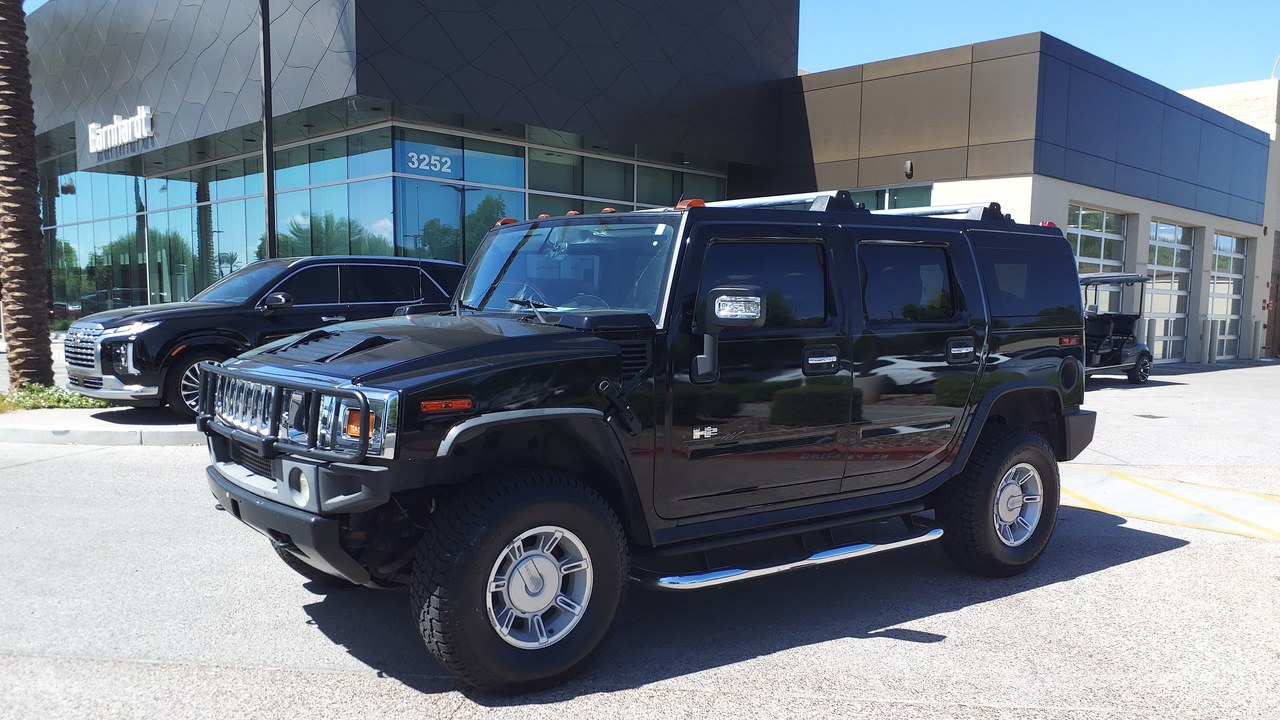
American H2 sales totaled 153,026, and the 2008 model’s 6.2-liter V8 made 393 hp in a truck weighing up to 6,614 lb, according to the Hummer H2 article. The figures describe an unusually large civilian vehicle.
Those sales numbers show the H2 found a sizable audience. The original brand has since been retired, which leaves a heavy, powerful truck as the best-known reminder of what it stood for. Buyers shopping the used market today still meet the H2 as a vehicle defined by sheer size and weight.
10. Mercury Grand Marquis: The Last Mercury
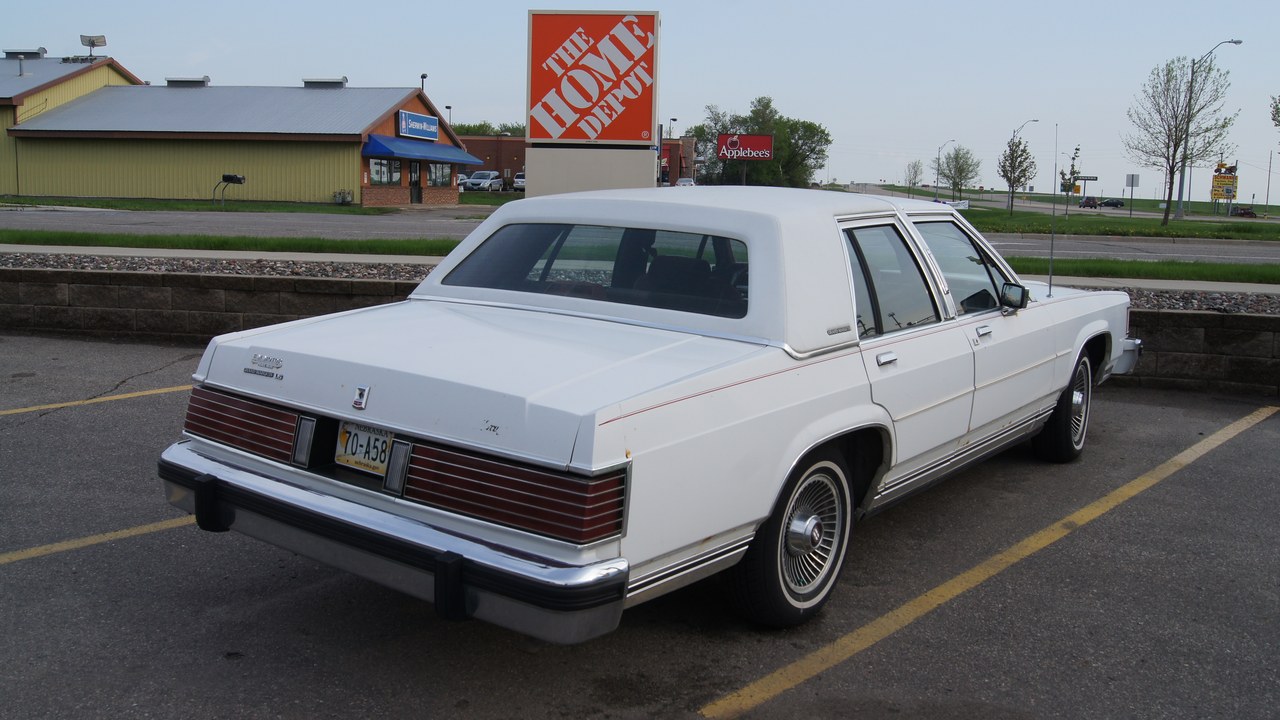
Ford built the last Grand Marquis on January 4, 2011, and it was the very last Mercury the company produced, per the Mercury Grand Marquis article. The date marks the end of the brand’s production.
A single car carrying the final badge gives the Grand Marquis a special place in the story. Anyone looking for the end of the Mercury name can point to that January day and that sedan, which closed the book on the division for good.
11. Suzuki Samurai: Samurai’s American Debut
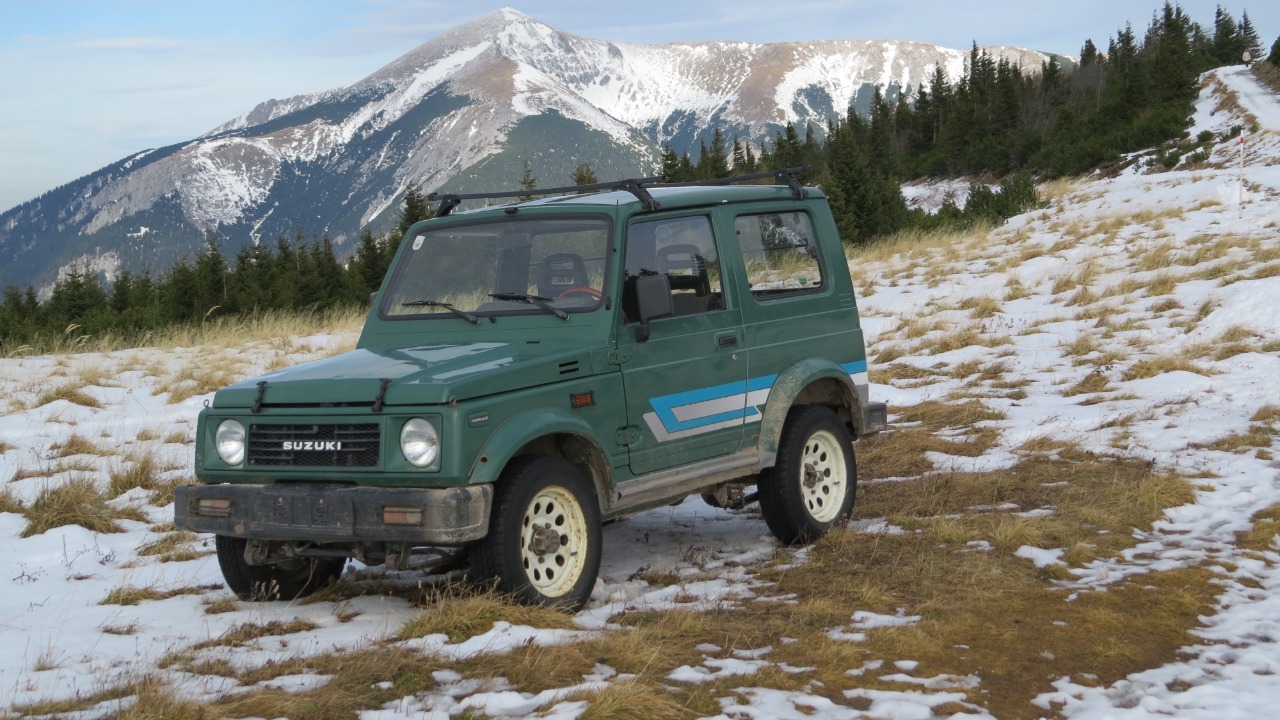
The Samurai sold 47,000 in its first American year with a 1.3-liter making 63 hp, according to the Suzuki Samurai article. Those figures set a strong start for a small four-wheel-drive vehicle.
Suzuki is no longer selling new cars in America, which makes the Samurai a nostalgic piece of its history. The first-year total shows that the brand once found real enthusiasm among American buyers, and the modest 63 hp rating shows how little power the vehicle needed to win them.
12. Oldsmobile Cutlass: Peak Year for the Cutlass
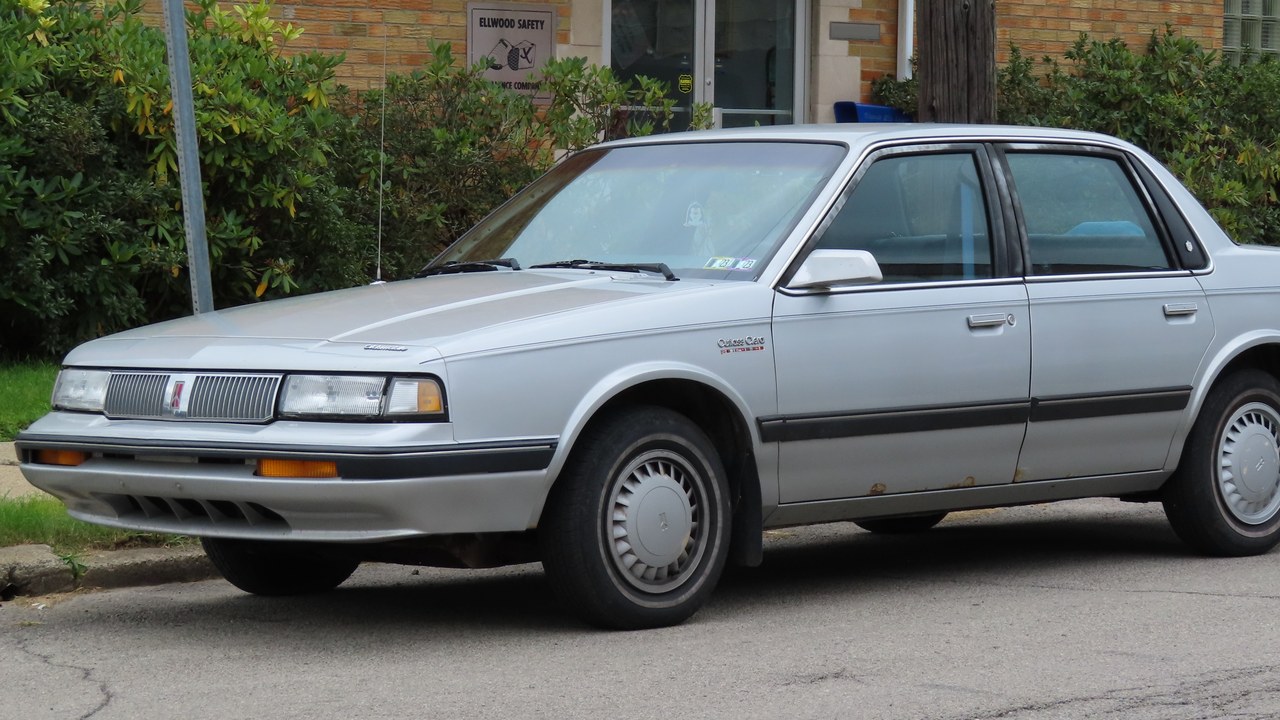
Oldsmobile built 632,742 Cutlasses in 1977, the model’s highest production year, before GM wound the brand down, as the Oldsmobile Cutlass article explains. The number is large for any single nameplate.
A peak above 630,000 in one year shows how central the Cutlass was to the division. When the brand was wound down, it took with it a nameplate that had once been built in very large numbers. Used examples are the only way to buy one now.
Tech news worth reading: Get Techpresso →
We may earn a commission if you sign up.
More from Morning Overview
- The NSA says three phone features should be off whenever you aren’t using them
- Hurricane Hunter radar shows four warning signs that a tropical cyclone is about to strengthen, a University of Miami study found
- Tropical Storm Rachel is dumping up to 12 inches on four Mexican states on its way to major hurricane strength
- The FTC says Lens.com doubled the price shoppers saw in Google ads
