
Lamborghini has spent six decades turning outlandish ideas into production cars, from a mid-engine V-12 coupe to a hybrid flagship. Some of those models sold in the thousands, while one military-flavored truck barely reached a few hundred buyers. Here are twelve Lamborghinis that mark the milestones, in the order they arrived.
Save more, waste less: The Cool Down’s free newsletter sends smart, simple changes that help you and the planet in your everyday life.
Subscribe to The Cool Down free →
We may earn a commission if you sign up.
1. Lamborghini Miura (1966): The Original Supercar
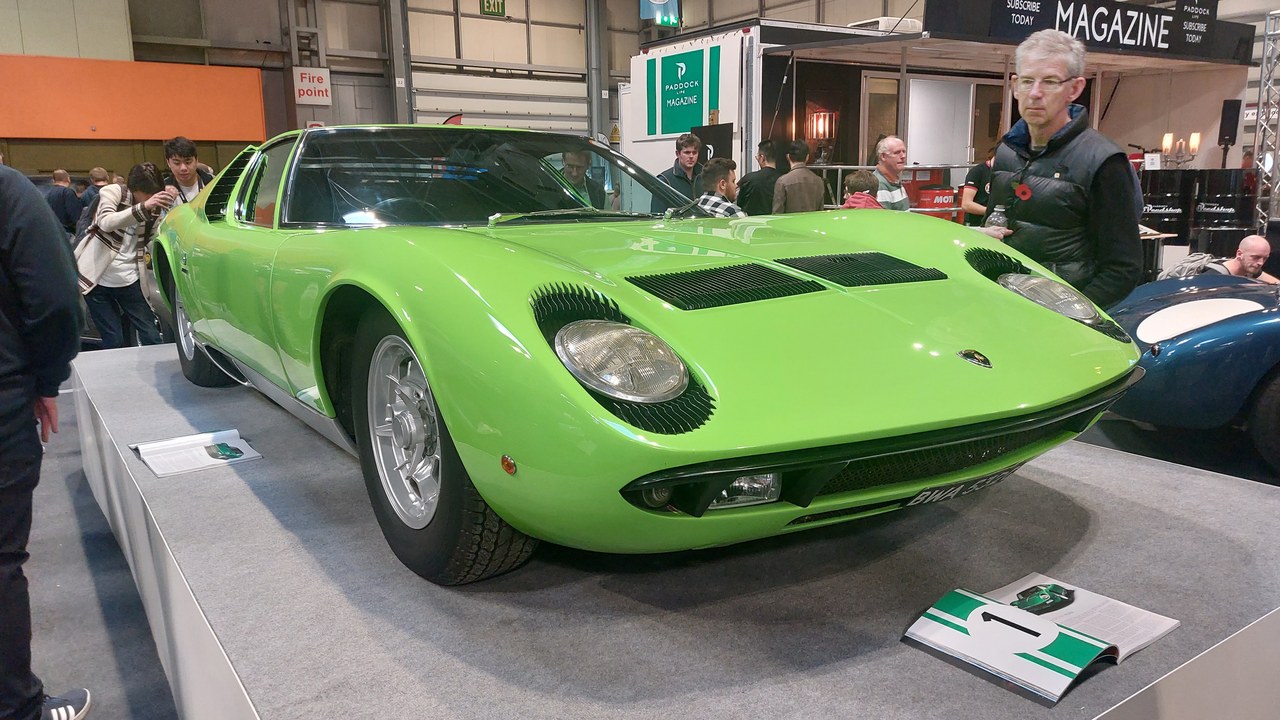
Often called the first supercar, the Miura put a transverse, rear-mounted V-12 behind its driver in 1966. Production figures from Lambocars’ model tally count 275 P400 cars through 1969, followed by 338 P400 S and 150 P400 SV examples.
Those three variants show a design refined over several years rather than a one-off stunt. For collectors, the counts give a clear sense of how few Miuras of each type exist, which helps explain why the car carries so much weight in Lamborghini history.
2. Lamborghini Espada (1968): Four Seats, Twelve Cylinders
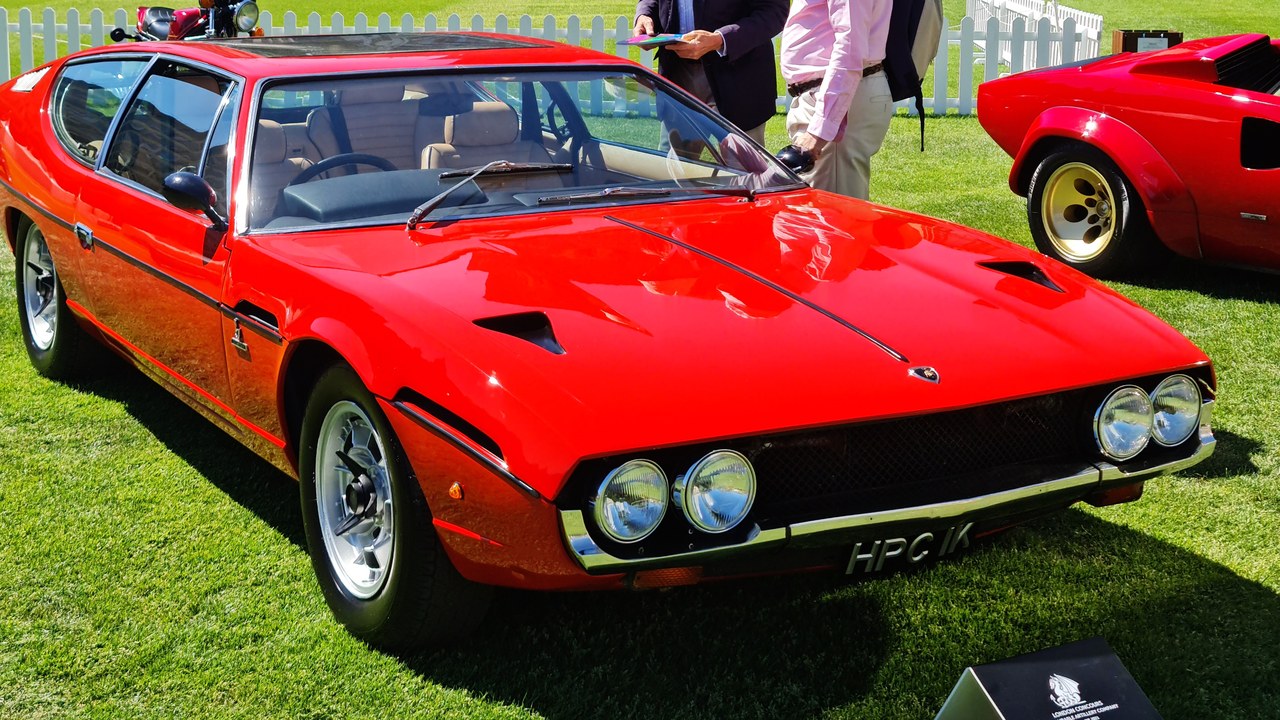
A front-engine V-12 four-seater, the Espada ran from 1968 to 1978 in three series. Lambocars’ production tally lists 168 first-series cars, 575 second-series and 456 third-series cars, so the middle series was by far the most common.
The Espada showed that a Lamborghini could carry a family-size cabin without giving up the V-12 character. Buyers hunting for one today can use the series counts to judge rarity, with the earliest cars being the scarcest of the three.
3. Lamborghini Countach (1974): An Exclamation in Metal
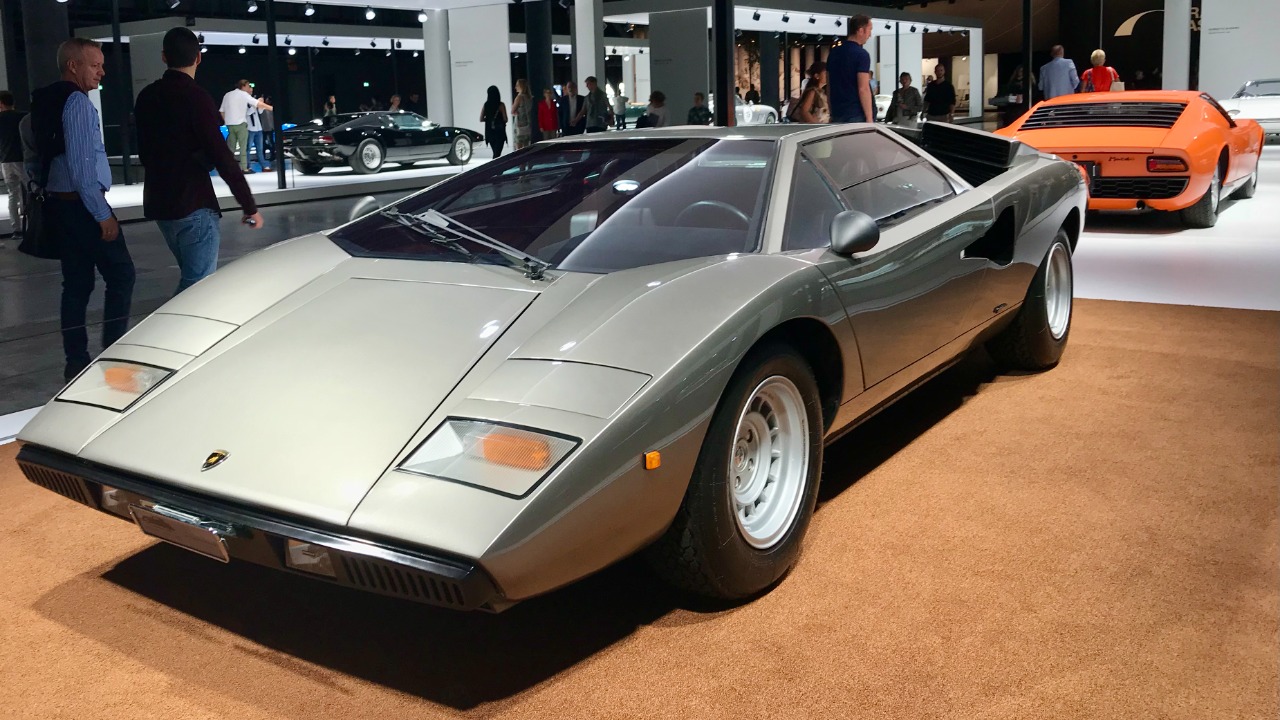
Shown as the LP500 prototype at Geneva in 1971, the Countach took its name from an exclamation in Piedmontese dialect. Production of the 4.0-liter V-12 Countach LP400 began in 1974, according to Lamborghini’s milestones timeline.
The gap between the 1971 show car and the 1974 production start illustrates how long a radical concept can take to reach customers. The name alone, a surprised shout, captures the reaction the wedge-shaped design was meant to provoke.
4. Lamborghini Jalpa (1982): A Smaller Bull
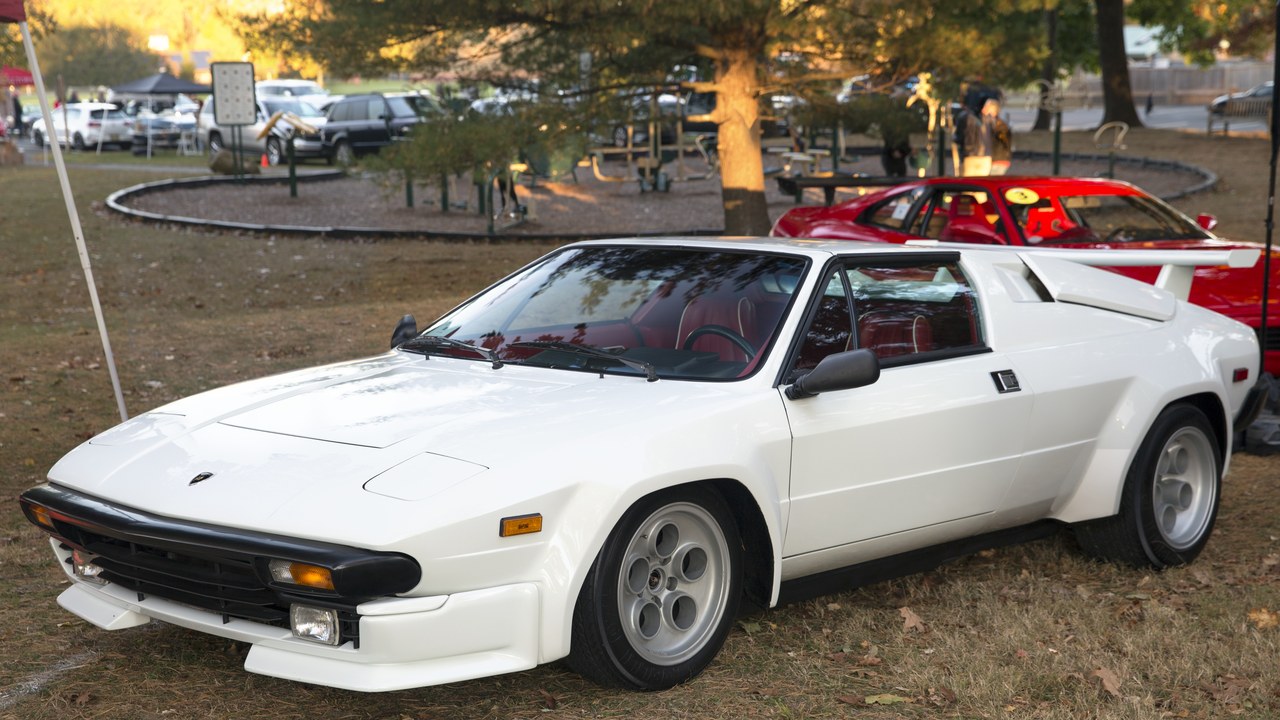
Introduced in 1982 and named for a bull breed, the V-8 Jalpa arrived under the Mimran brothers’ ownership. As Wikipedia’s Lamborghini history notes, Chrysler dropped it after the Diablo replaced the Countach.
Positioned below the V-12 flagships, the Jalpa gave the brand a more approachable V-8 option during a period of changing owners. Its story is a reminder that Lamborghini’s lineup was shaped as much by corporate ownership as by engineering.
5. Lamborghini LM002 (1986): The Truck That Barely Sold
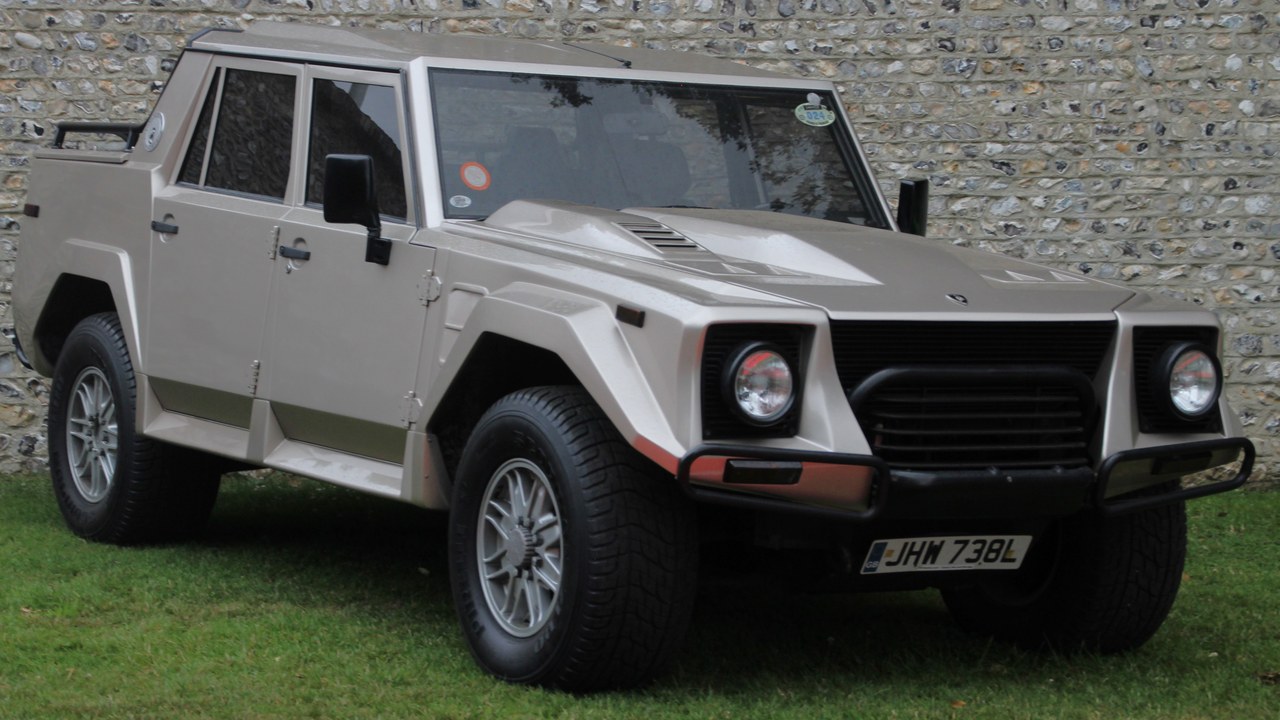
Lamborghini’s four-wheel-drive off-roader borrowed the Countach V-12, and only 328 were built between 1986 and 1992, according to Lambocars’ production records. The LM002 remains the rarest model on the list.
A V-12 truck is an unusual proposition, and the small build total shows how niche the idea proved. That scarcity is the reason the LM002 draws attention today, and it anticipates the later Urus, which revisited the utility idea for a modern audience.
6. Lamborghini Diablo (1990): Chrysler’s Countach Successor
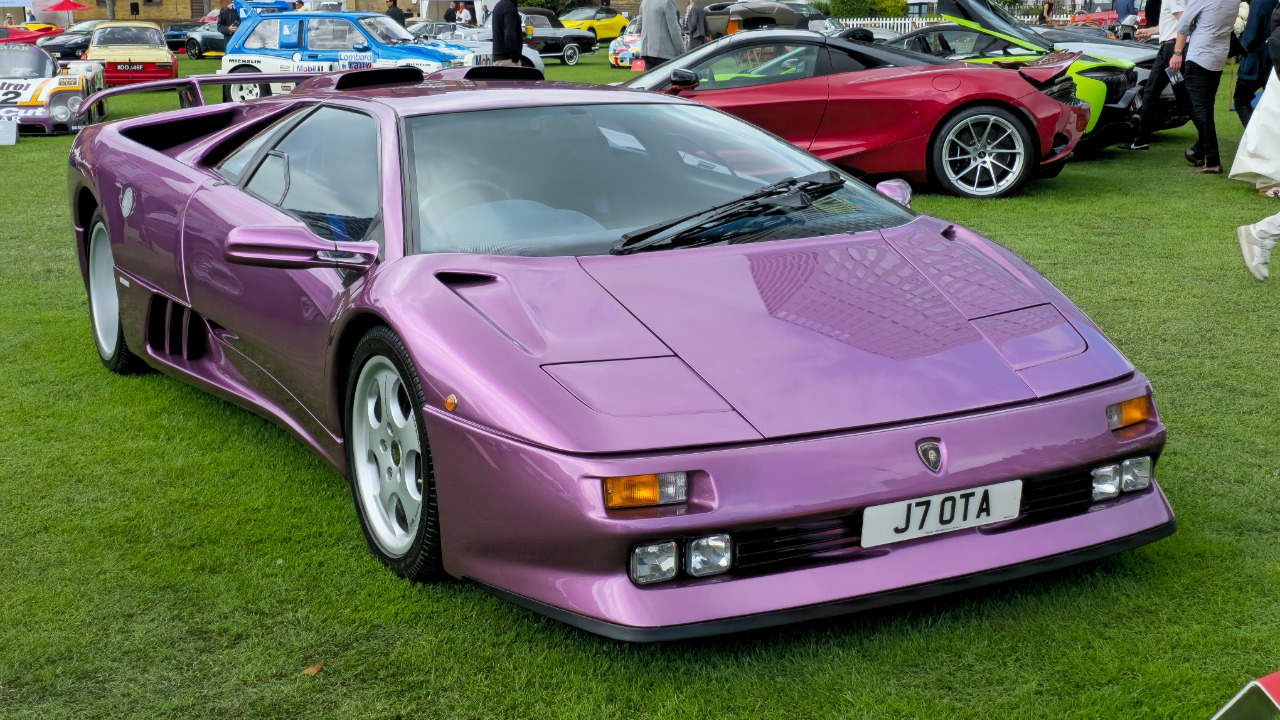
The Countach’s replacement, the Diablo was finished under Chrysler ownership and used a 5.7-liter V-12 good for more than 320 km/h, about 199 mph. Lamborghini’s milestones page notes that more than 2,900 were built, Roadsters included.
The Diablo kept the flagship tradition alive through a change of corporate hands. A top speed of roughly 199 mph put it firmly in the elite of its time, and the Roadster option widened its appeal beyond the coupe.
7. Lamborghini Murcielago (2001): Spared by a Matador
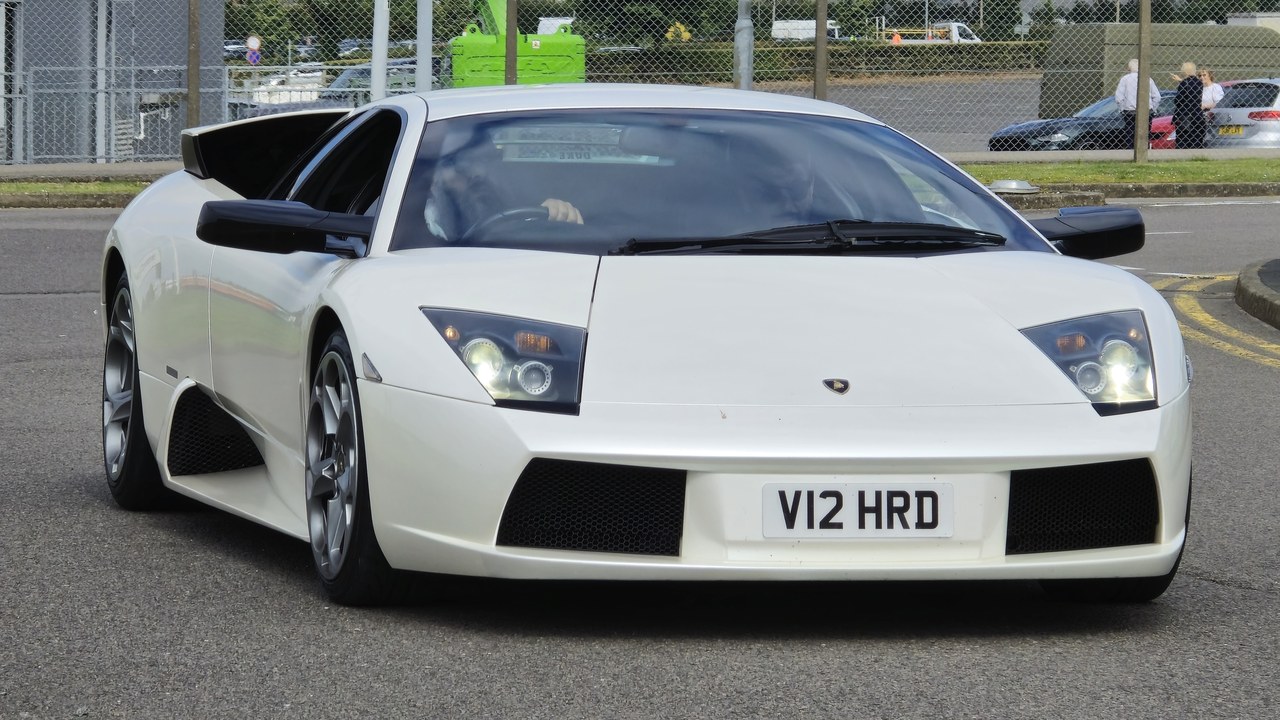
The first all-new car of the Audi era, the Murcielago was named for a bull whose life was spared in 1879. Its R-GT racing version gave Lamborghini its first major international race win, at Zhuhai, as Wikipedia’s company overview recounts.
The bull-themed name continues a naming habit the brand has followed for decades. The Zhuhai result also shows that the Murcielago was more than a road car, giving Lamborghini a competition story during the start of its Audi-backed era.
8. Lamborghini Gallardo (2003): The Volume Hit
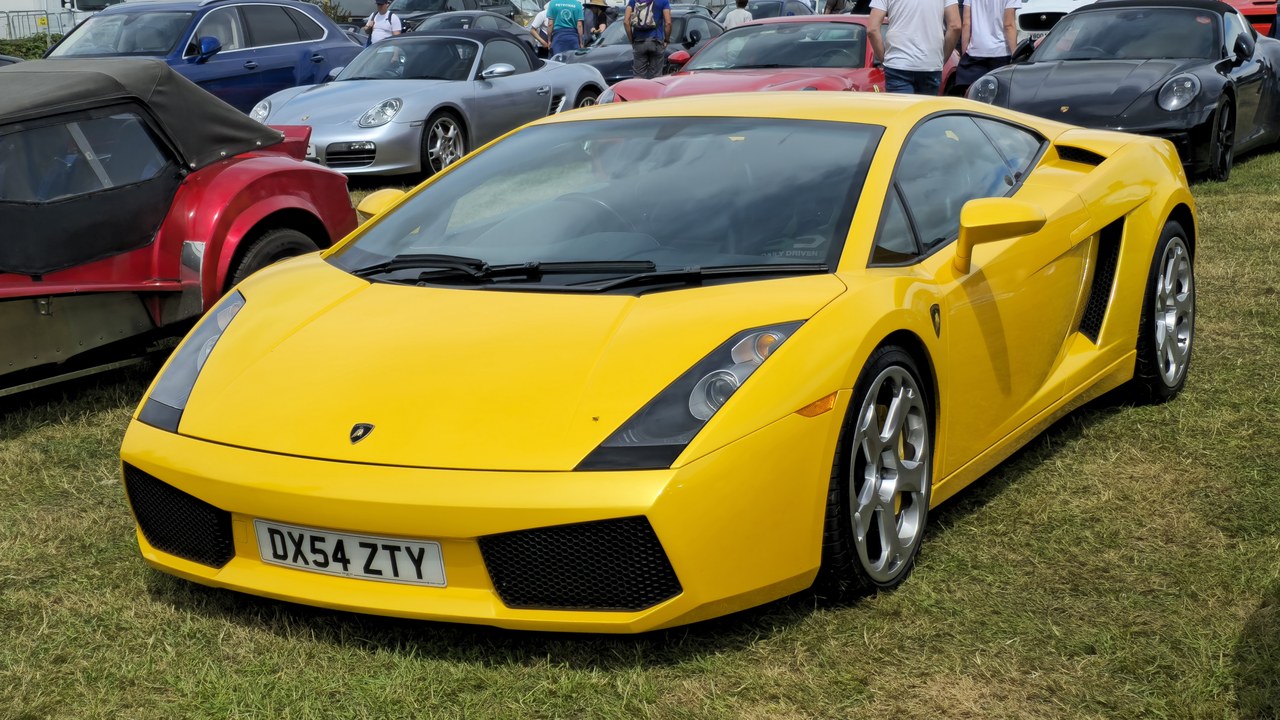
The V-10 Gallardo was Lamborghini’s volume hit. Lambocars’ production numbers count 14,022 Gallardos among the 26,208 cars the company built from 1963 through 2014, which means the model accounts for more than half of all output across that span.
That share shows how much a single approachable model can change a small manufacturer. The Gallardo gave the brand a steady base of buyers, and its popularity set the stage for the Huracan that followed.
9. Lamborghini Aventador LP 700-4 (2011): Carbon and Twelve Cylinders
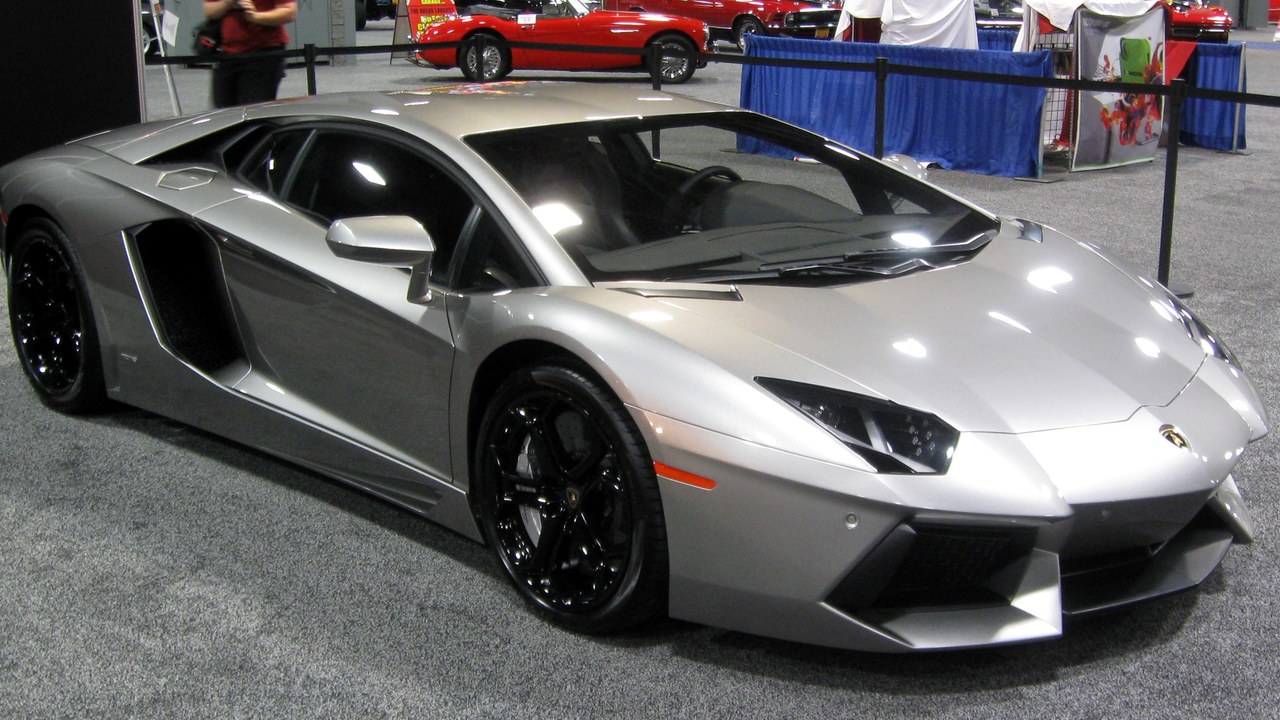
Built around a carbon-fiber chassis, the 2011 Aventador carried a new mid-mounted V-12 generating 700 CV, according to Lamborghini’s own timeline. The LP 700-4 name reflects both the output and the four-wheel-drive layout.
The carbon-fiber structure signaled a shift toward lighter, stiffer construction for the flagship. As the Murcielago successor, the Aventador kept the V-12 tradition going through the 2010s and became the template for how Lamborghini presented its top model.
10. Lamborghini Huracan (2014): Gallardo’s Heir
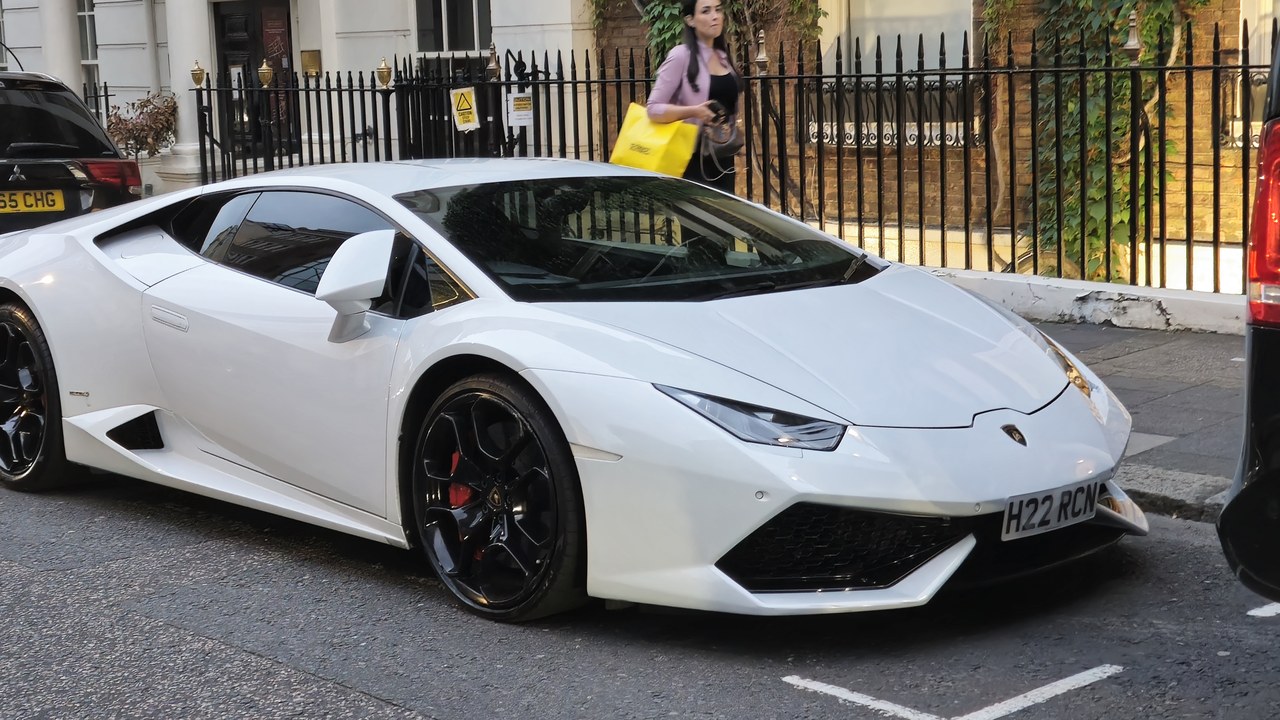
The Gallardo’s successor arrived in 2014 with a 610-CV V-10, a seven-speed dual-clutch transmission, all-wheel drive and all-LED lighting, per Lamborghini’s milestones timeline. The Huracan packaged modern hardware into the brand’s V-10 supercar slot.
The shift to a dual-clutch gearbox and LED lighting reflected how much the technology had moved on since the previous V-10. Shoppers comparing generations can see that the Huracan kept the same recipe while updating nearly everything around it.
11. Lamborghini Urus (2018): A Bull in SUV Territory
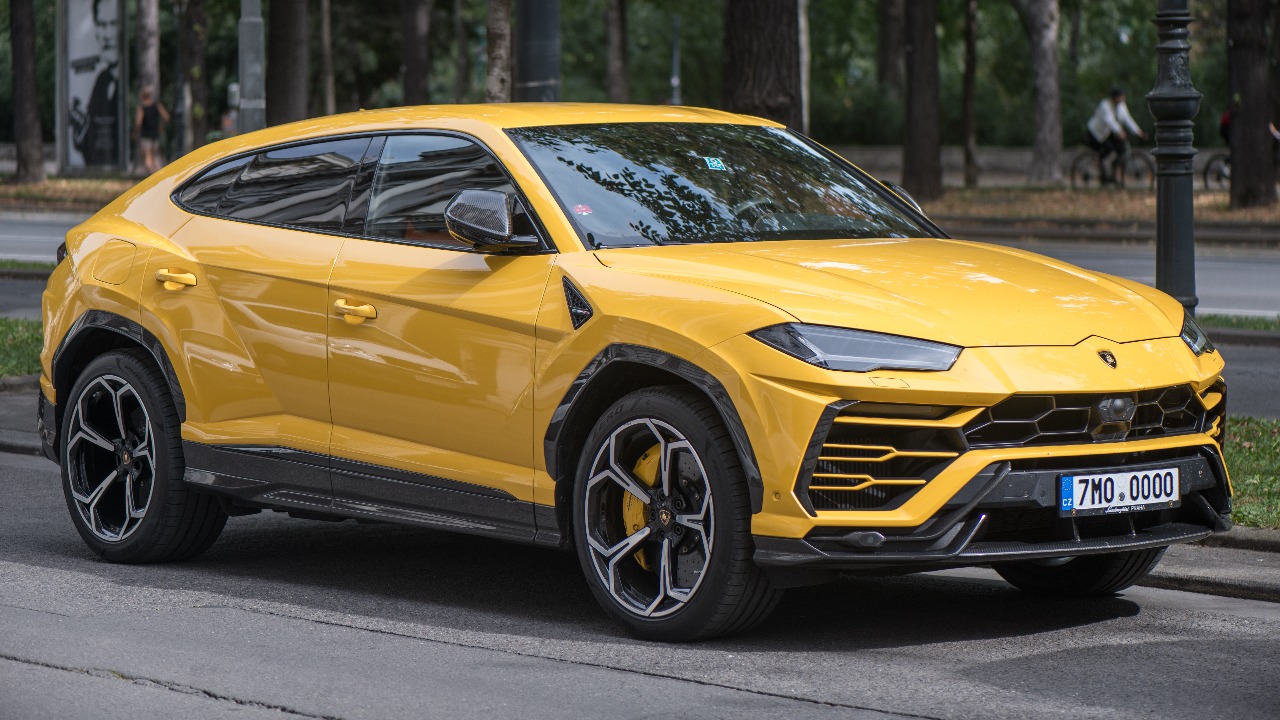
Unveiled as a concept at the 2012 Beijing show, the twin-turbo V-8 Urus was Lamborghini’s first SUV since the LM002. Wikipedia’s Lamborghini article adds that its launch doubled the factory site to 160,000 square meters.
Doubling the factory site to that scale shows how seriously the company treated a high-riding model, and a twin-turbo V-8 replaced the V-12 of the earlier truck. The Urus links back to the 1980s off-roader but took the idea into a far more mainstream, higher-volume product.
12. Lamborghini Revuelto (2024): Twelve Cylinders Plus Three Motors
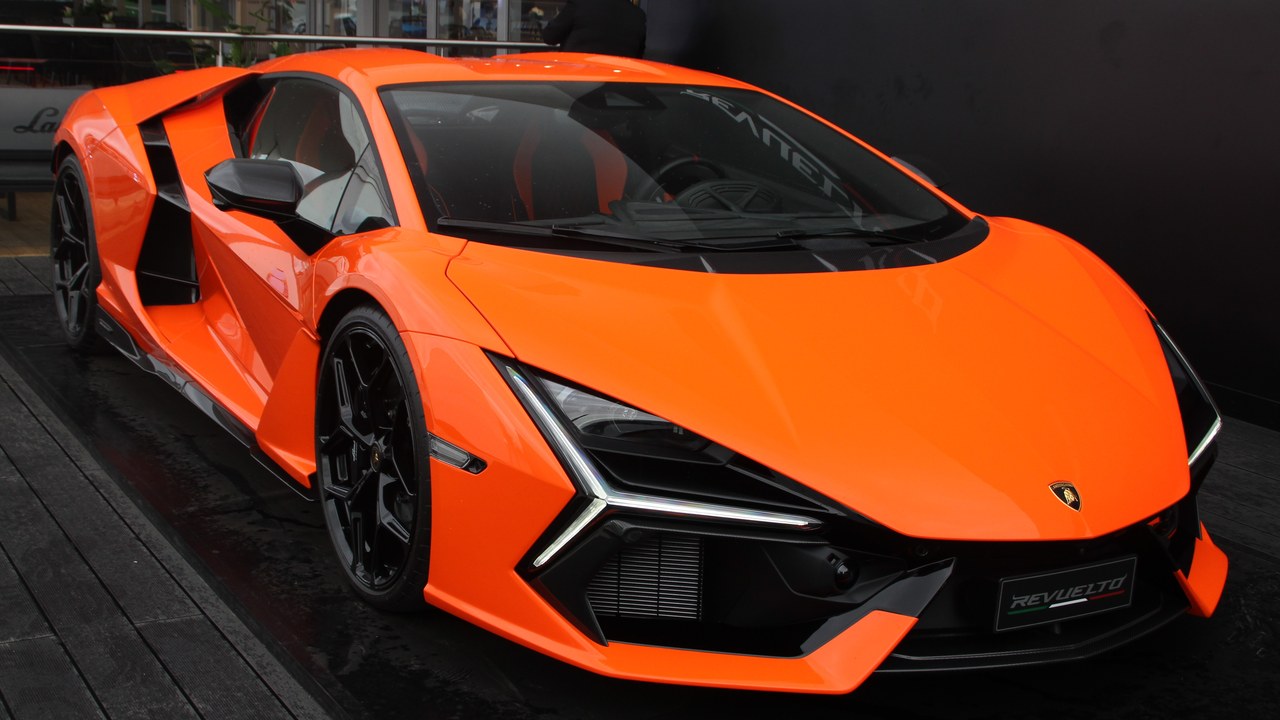
The Aventador’s successor, the Revuelto, began production in mid-2023, pairing a 6.5-liter naturally aspirated V-12 with three electric motors for 1,001 hp combined, as Wikipedia’s Lamborghini entry records.
Keeping the naturally aspirated V-12 while adding electric power marks a new chapter for the flagship, and it replaces the Aventador after more than a decade. The 1,001 hp combined figure caps a list that began with a 1966 coupe, showing how far the supercar template has traveled in under six decades of road cars.
More from Morning Overview
- NOAA now gives this winter a 75% chance of the strongest El Nino since 1950
- Doctors warn a silent liver disease now affects one in three American adults
- The FBI told the rest of ShinyHunters to surrender after a 24-year-old was arrested
- Two passengers died at an Ohio toll plaza, and the NTSB now wants the cash lanes shut
