
The removable T-top roof was a signature feature of American and Japanese coupes for decades before it faded away. Chevrolet, Ford, Pontiac, Toyota, Nissan and others all offered it, and the last factory examples left the line in 2002. Here are twelve T-top cars that show how the feature spread and how long it lasted.
1. Chevrolet Camaro (fourth generation): Fourth-Generation Camaro Held On Longest

Chevrolet’s fourth-generation Camaro kept its removable roof panels until the car was discontinued in 2002, according to Jalopnik’s last-T-top rundown. Chevrolet even bragged that more than half of 2000 Camaro buyers preferred the T-top over the fixed roof.
That preference explains why the option lasted so long. For a shopper tracking the feature’s final chapter, this generation is the last mainstream place to find one, and it closes out the era the headline describes.
2. Toyota MR2: Mid-Engine Fun With a Lift-Off Roof
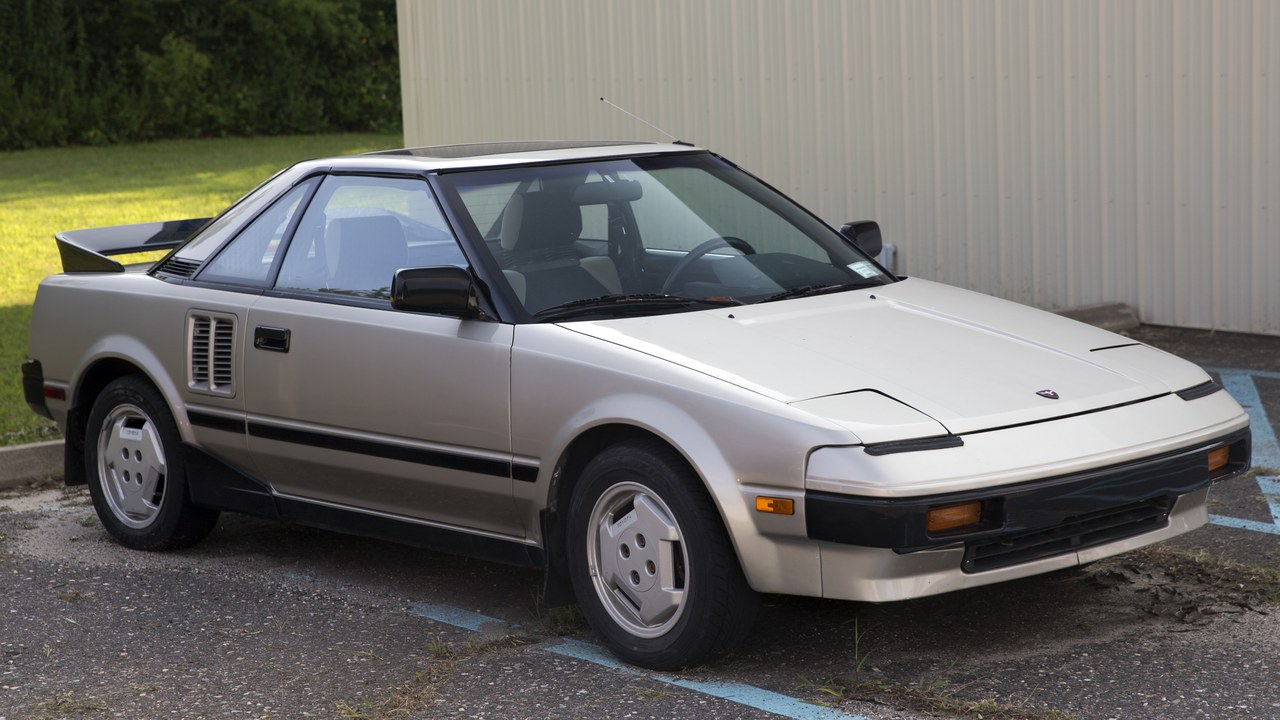
The Toyota MR2 was offered with optional T-tops, a detail listed in Jalopnik’s roundup of last T-top cars. The roof panels were an extra rather than standard equipment, so not every MR2 left the factory with open-air capability.
Anyone shopping for a used MR2 who wants the roof feature should confirm that a particular car actually carries the option instead of assuming. The listing photos and the roofline settle the question quickly.
3. Nissan 300ZX: Z-Car Sports Car With Optional Panels
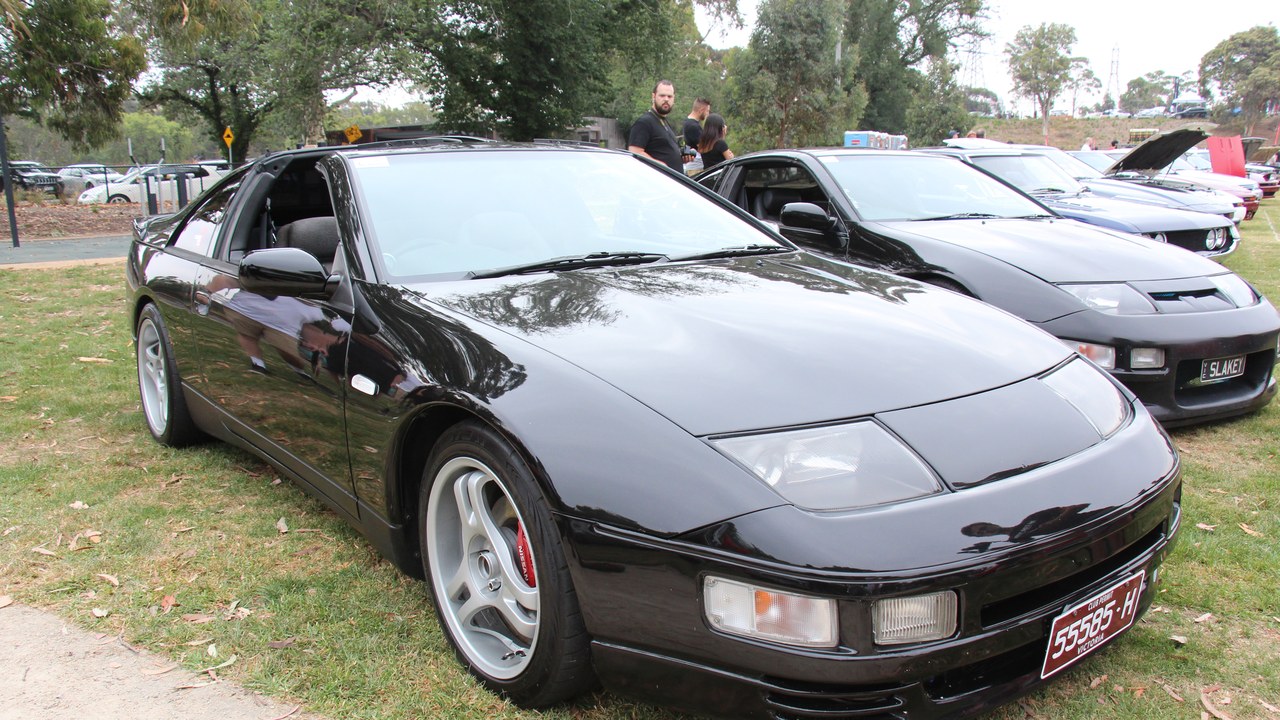
Nissan’s 300ZX was another sports car offered with optional T-tops, as the same Jalopnik list of T-top cars records. The roof was a choice on the order sheet, which put the 300ZX alongside the MR2 as a Japanese coupe that let owners open the cabin.
Because the panels were optional, the 300ZX market includes both open-roof and fixed-roof cars. Buyers who want the full T-top experience need to verify which version a given car is.
4. Subaru BRAT: The Pickup With a Removable Roof
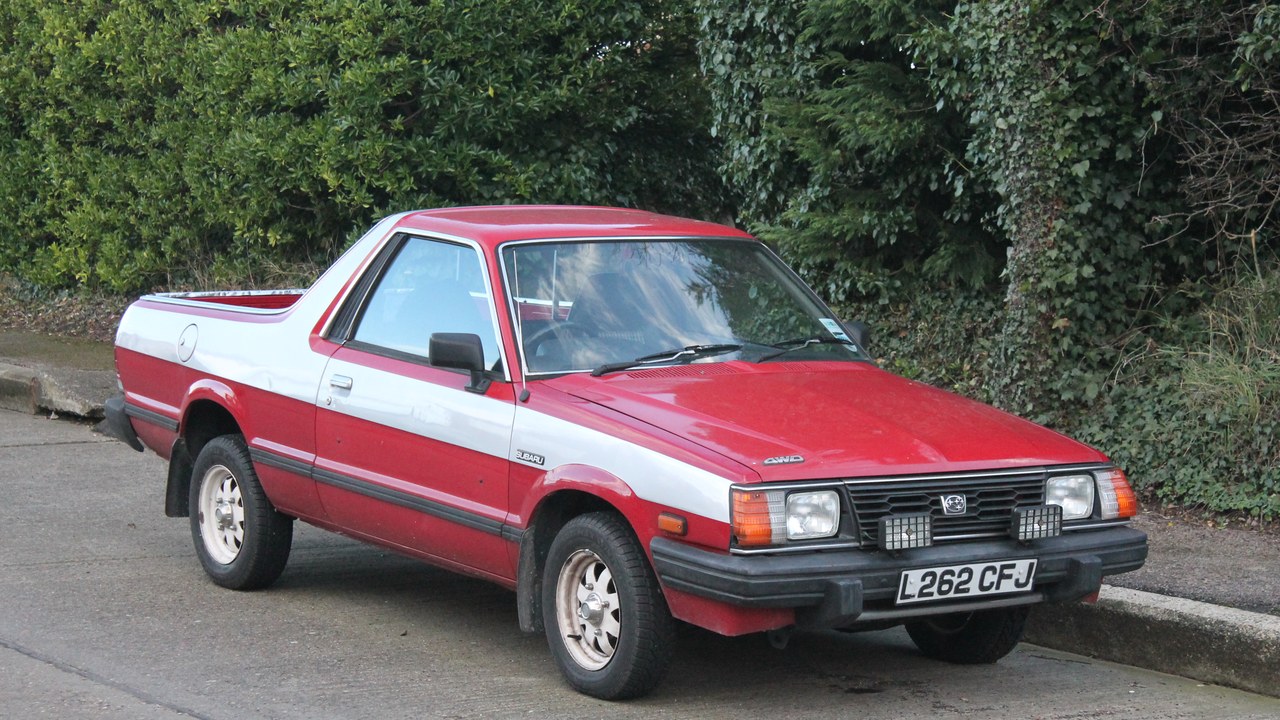
The Subaru BRAT shows up among the T-top examples named by Jalopnik’s T-top coverage, which makes it the oddest entry on the list. A small pickup sharing a roof feature with sports coupes is the kind of detail that keeps the BRAT a favorite of collectors.
For an enthusiast, it is proof that the removable roof was not limited to muscle cars and sports cars. The BRAT is a reminder that the feature reached some unexpected corners of the market.
5. Chevrolet Corvette (C3): The Car That Started It in 1968
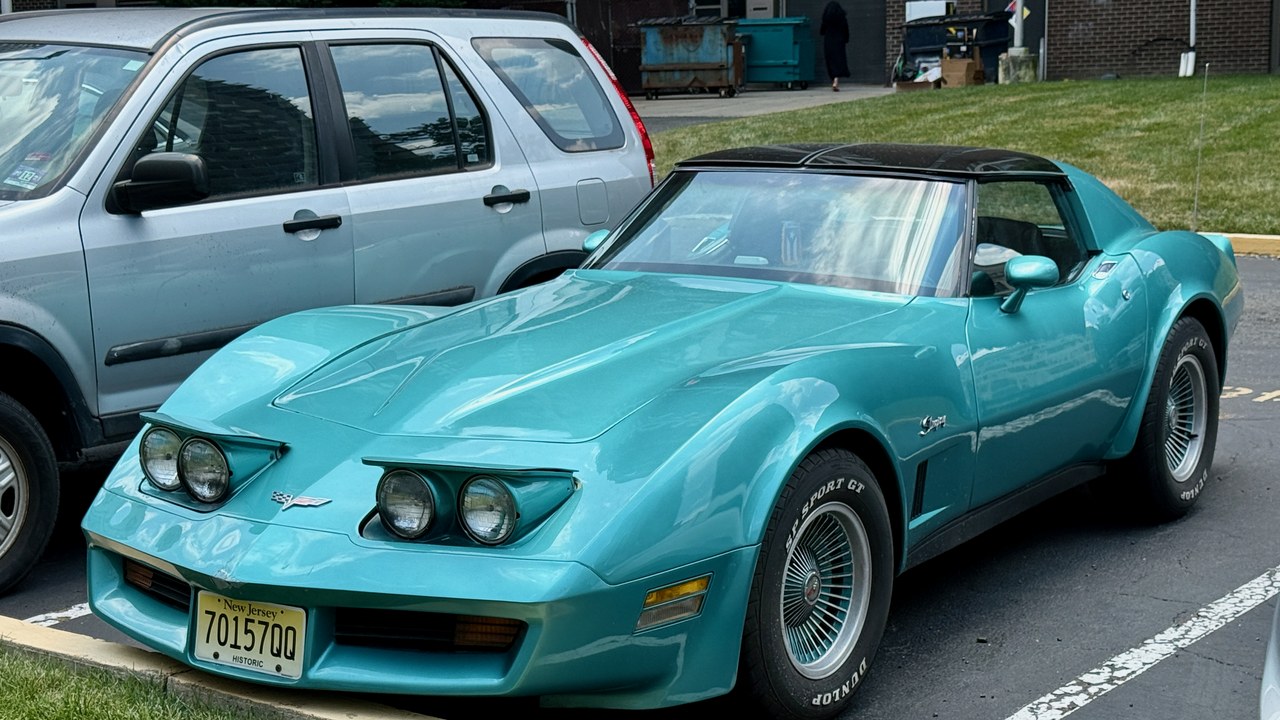
The Corvette was the first U.S. production car with T-tops, arriving in 1968, according to Classic Industries’ T-top history. T-top Corvettes soon outsold the convertible, a sign of how quickly buyers took to the open-air alternative. The 1968 date makes it the earliest entry on this list.
That sales result helps explain why other makers copied the idea through the following decades. The third-generation Corvette is therefore the natural starting point for anyone tracing how the removable roof spread.
6. Ford Mustang II: The Pony Car Goes Small
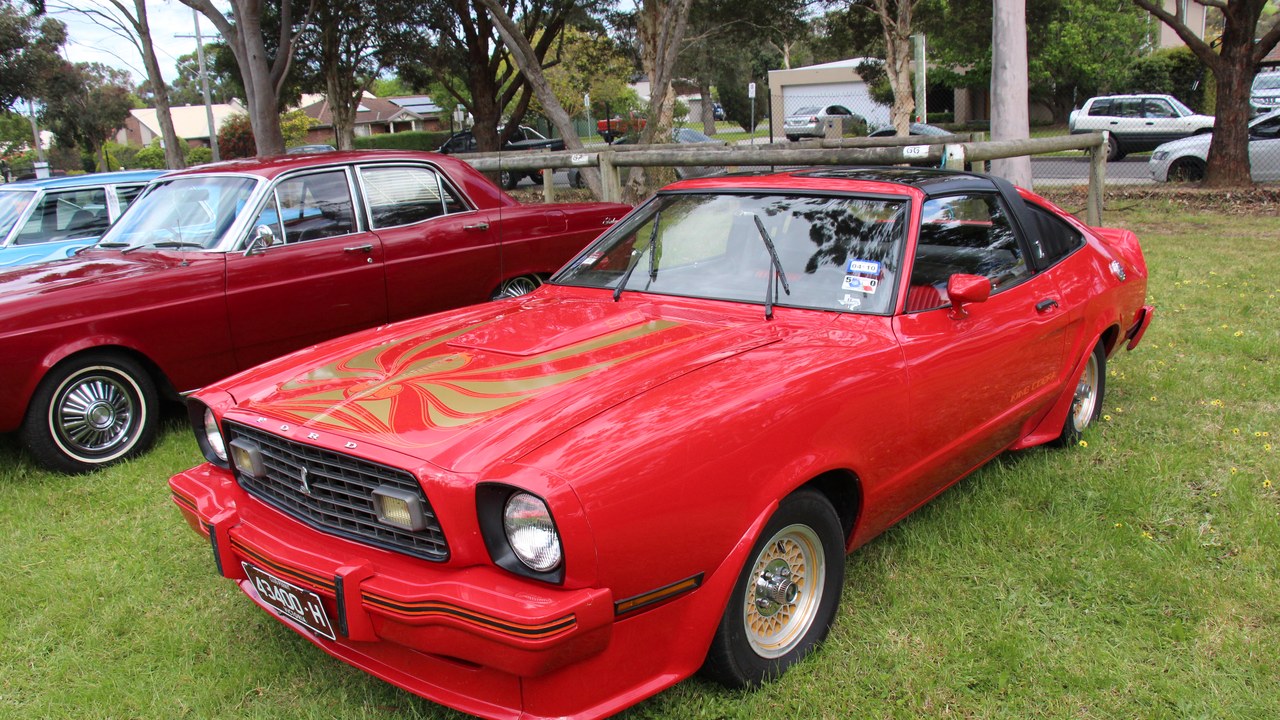
Ford’s Mustang II, the 1974-1978 generation of the Mustang, offered T-tops, according to Classic Industries’ T-top history. The option put a removable roof on a compact Mustang that was built for a very different market than the original.
Among the cars on this list, the Mustang II shows the feature reaching a smaller, more economical sports coupe. Buyers and collectors looking at one should check that the roof panels are present and in good order.
7. Buick Grand National: Turbo Muscle Under Glass Panels
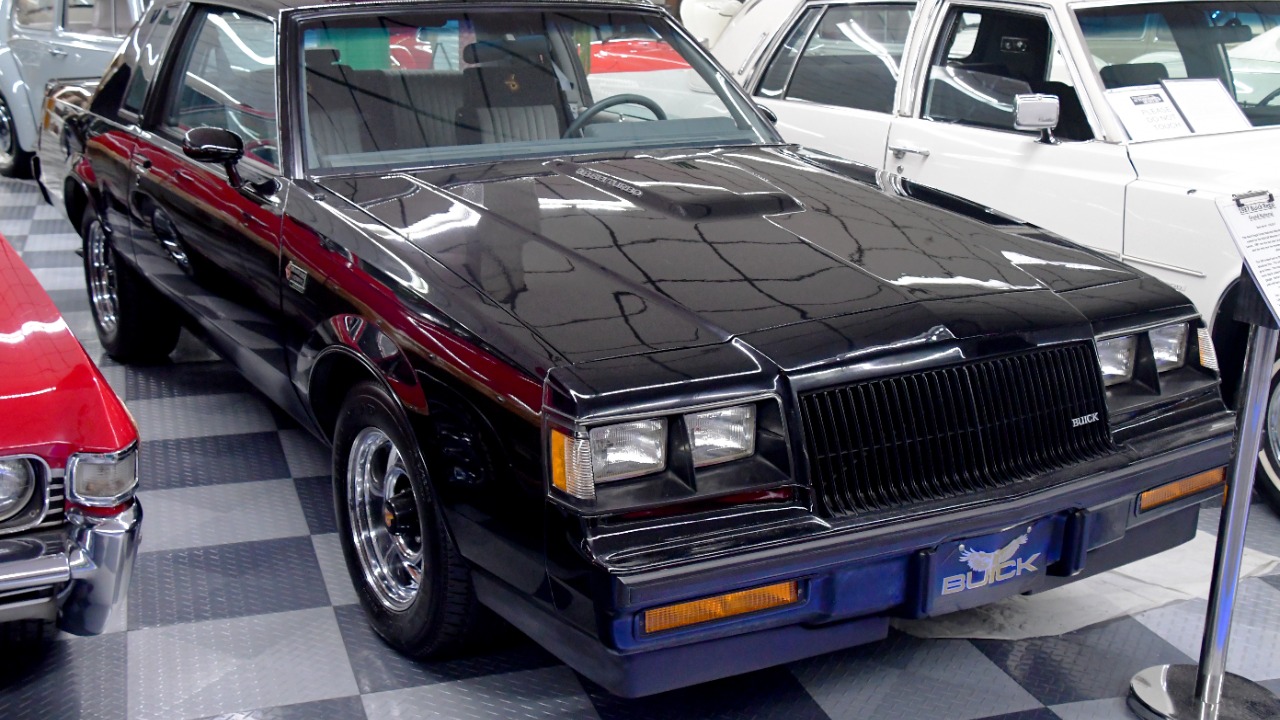
The Buick Grand National is named among the cars that offered T-tops in Classic Industries’ look at the feature. Its inclusion shows the roof panels were available on performance models as well as on cars chosen for their looks.
A Grand National with the T-top is a combination of two things buyers of the period prized, speed and an open roof. Prospective owners should check the paperwork on any example claiming the option.
8. Datsun 280ZX: Datsun’s Z Car Joined the Trend
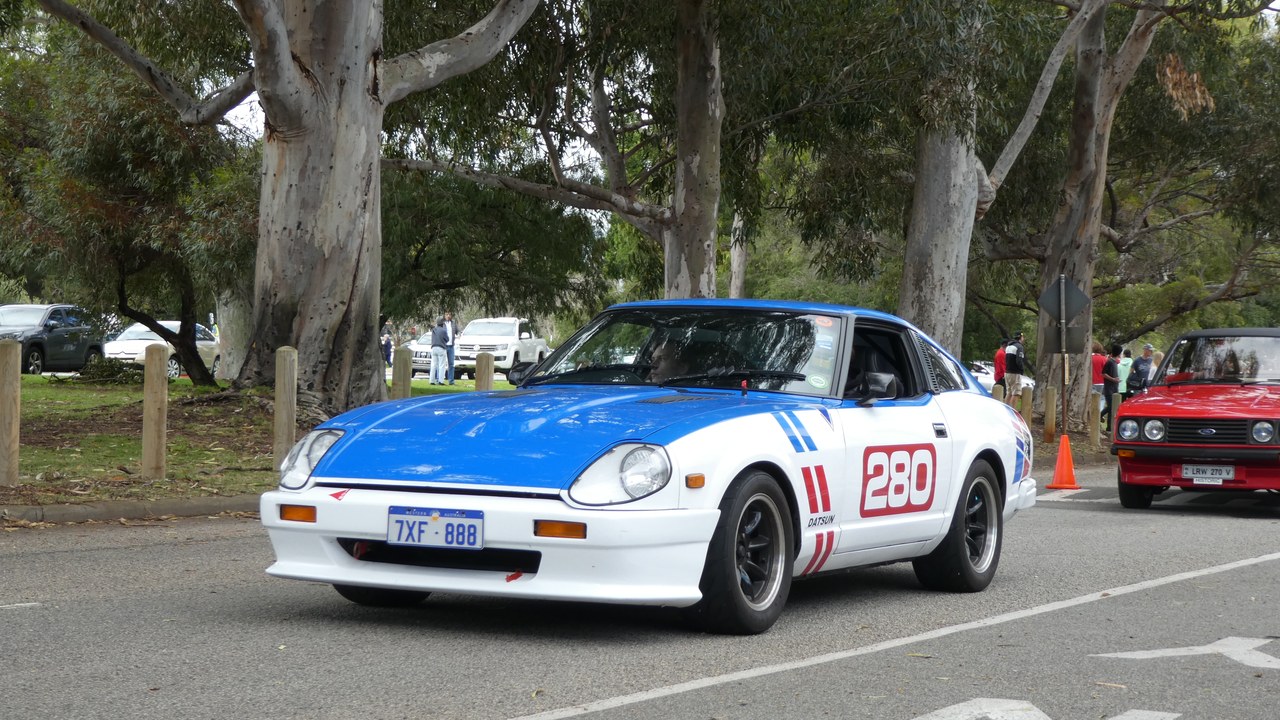
Datsun’s Z car, the 280ZX, was among the T-top offerings noted by Classic Industries on T-top history. It gave the Japanese sports coupe a roof configuration that American muscle cars had already made popular.
The 280ZX therefore sits in the same conversation as the Corvette and Trans Am, even though its origin is very different. Shoppers will find examples both with and without the panels, so a close look at the roof is worthwhile.
9. Pontiac Firebird Trans Am: The Bandit’s Black and Gold Roof
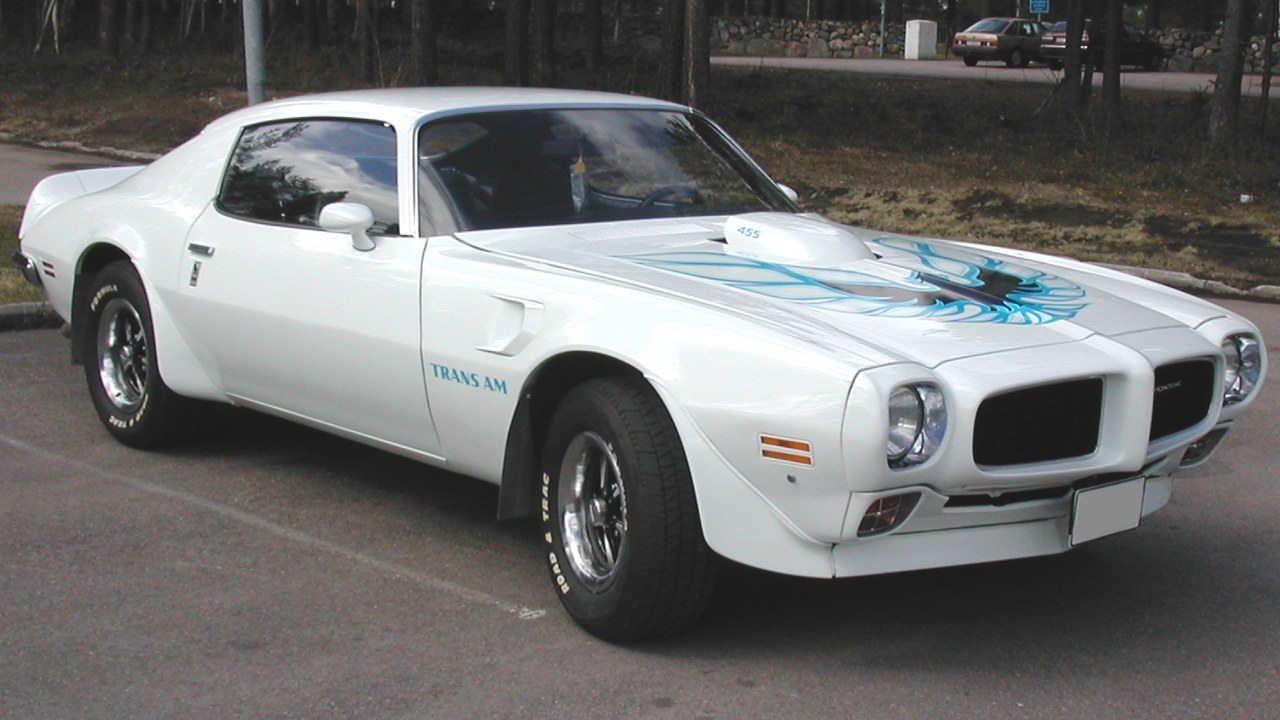
The black and gold Trans Am from Smokey and the Bandit wore T-tops, as SlashGear’s piece on vanished features points out. That film role tied the removable roof to one of the most recognizable Pontiacs ever built.
It is a big reason the T-top is remembered with such affection today. Anyone hunting for a Firebird Trans Am with the film-style look will want the roof panels to be present and intact.
10. Ford Thunderbird (1978): Ford Followed GM With Panels
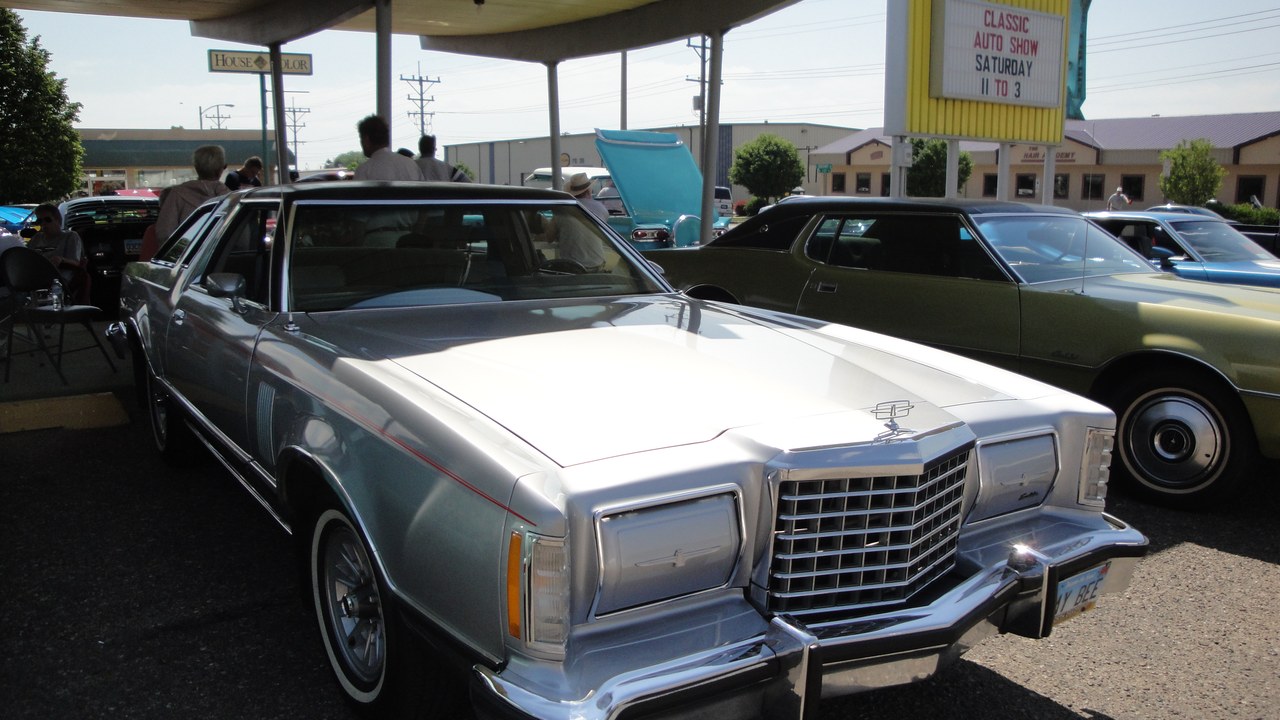
Ford followed General Motors by putting T-tops on its Thunderbird, a move recounted by SlashGear’s feature-loss list. The Thunderbird brought the roof style to a personal coupe rather than a performance car.
It shows that the removable roof was not just a GM idea for long. Buyers of a 1978 Thunderbird who want the roof feature should look for a car that was built with it, since the panels were not on every example.
11. Fox-body Ford Mustang: Ford Put T-Tops on the Pony Car Too
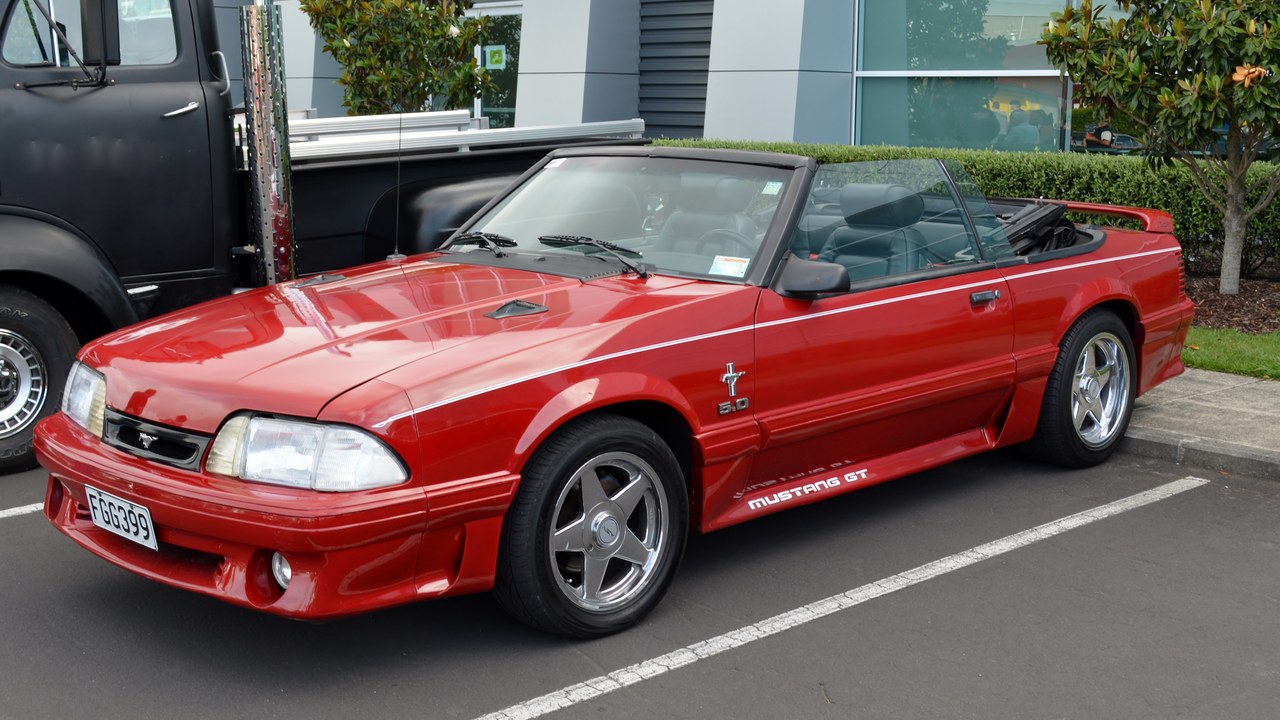
Ford also put T-tops on the Mustang, according to SlashGear’s article on lost features, giving the Fox-body pony car an answer to the GM models. The roof option let the Mustang compete for buyers who wanted open air without a convertible.
The Fox-body Mustang remains easy to find, so a car with the panels is a realistic target for enthusiasts. Checking that the roof is original to the car is a sensible step.
12. Suzuki X-90: The Quirky One From Red Bull Ads
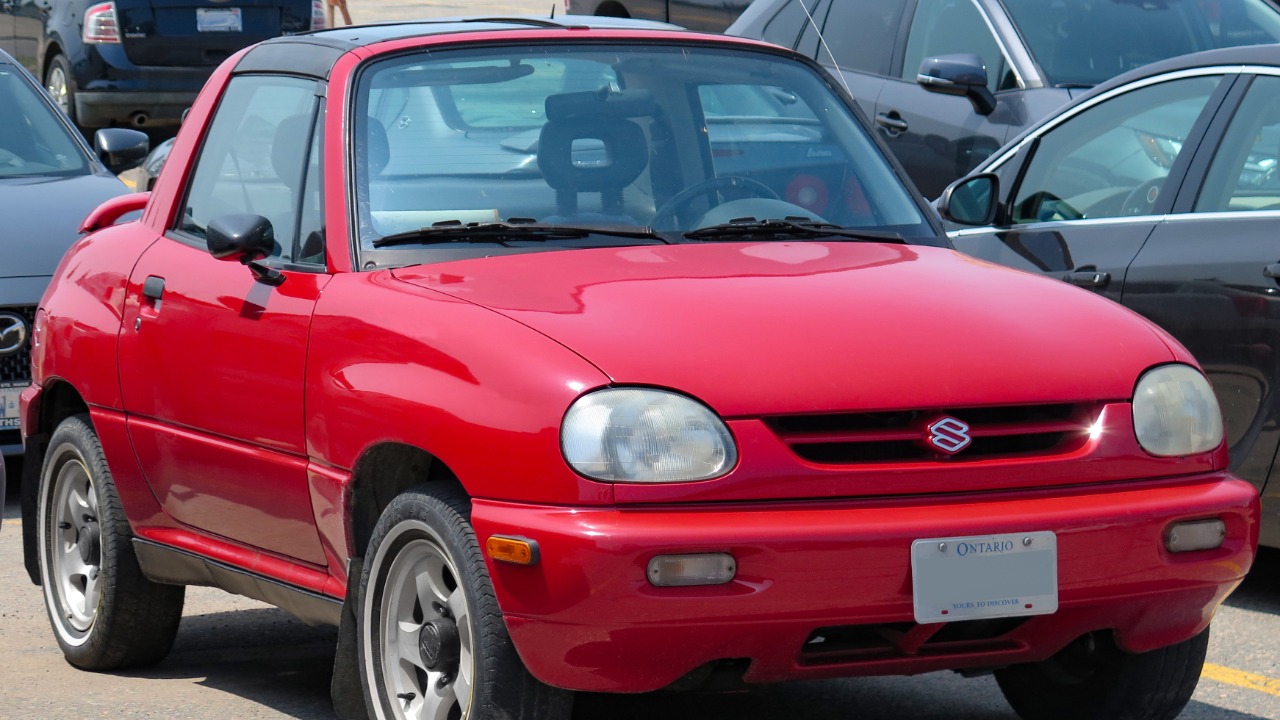
The Suzuki X-90 is described in SlashGear’s disappearing-features story as the quirky X-90 of Red Bull advertising fame, and it had T-tops. Few cars on this list are as unusual, which makes it a fitting final entry.
The X-90 proves the feature appeared on small, offbeat vehicles as well as on famous muscle cars. For collectors of oddities, the roof panels add to its appeal, and the Red Bull association keeps the little two-seater memorable.
More from Morning Overview
- Tropical Storm Rachel is dumping up to 12 inches on four Mexican states on its way to major hurricane strength
- The FTC says Lens.com doubled the price shoppers saw in Google ads
- Common allergy, bladder and sleep pills tied to sharply higher dementia odds
- NOAA now gives this winter a 75% chance of the strongest El Nino since 1950
