
Racing rulebooks have long required manufacturers to sell a minimum number of road cars before the competition version could race. Those rules produced some of the wildest machines ever to wear a license plate, from winged NASCAR giants to rally wedges and Le Mans bruisers. Here are eleven cars that exist because a sanctioning body demanded them.
1. Dodge Charger Daytona: Wing and Nose Cone
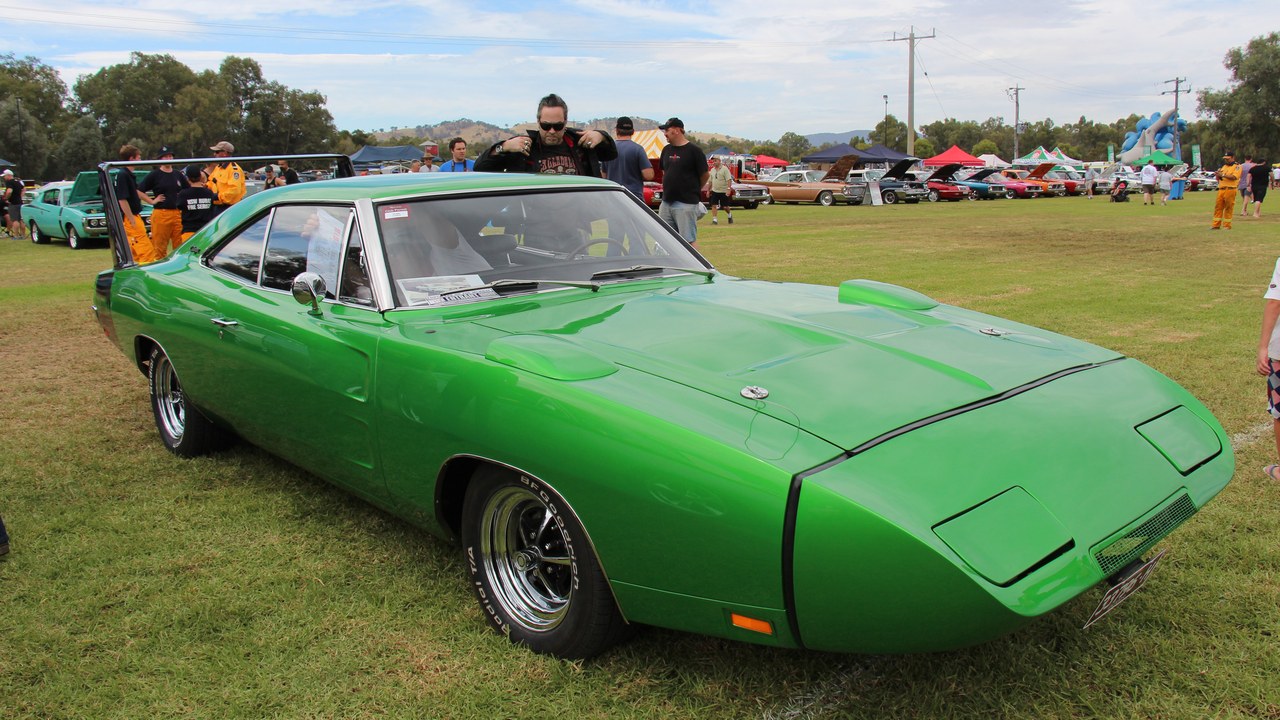
Only 503 were built, and Buddy Baker became the first driver to lap a closed course at more than 200 mph in one, on March 24, 1970. The NASCAR homologation roundup ties that milestone to the car’s towering rear wing and pointed nose, bodywork that existed to win on superspeedways while the rulebook still required showroom availability.
Owners today treat it as the benchmark aero warrior of the muscle era. Anyone shopping for one should expect auction-level pricing and verify documentation closely, since the look is among the most copied in the hobby and tributes are common.
2. Plymouth Superbird: Dealer-Count Math
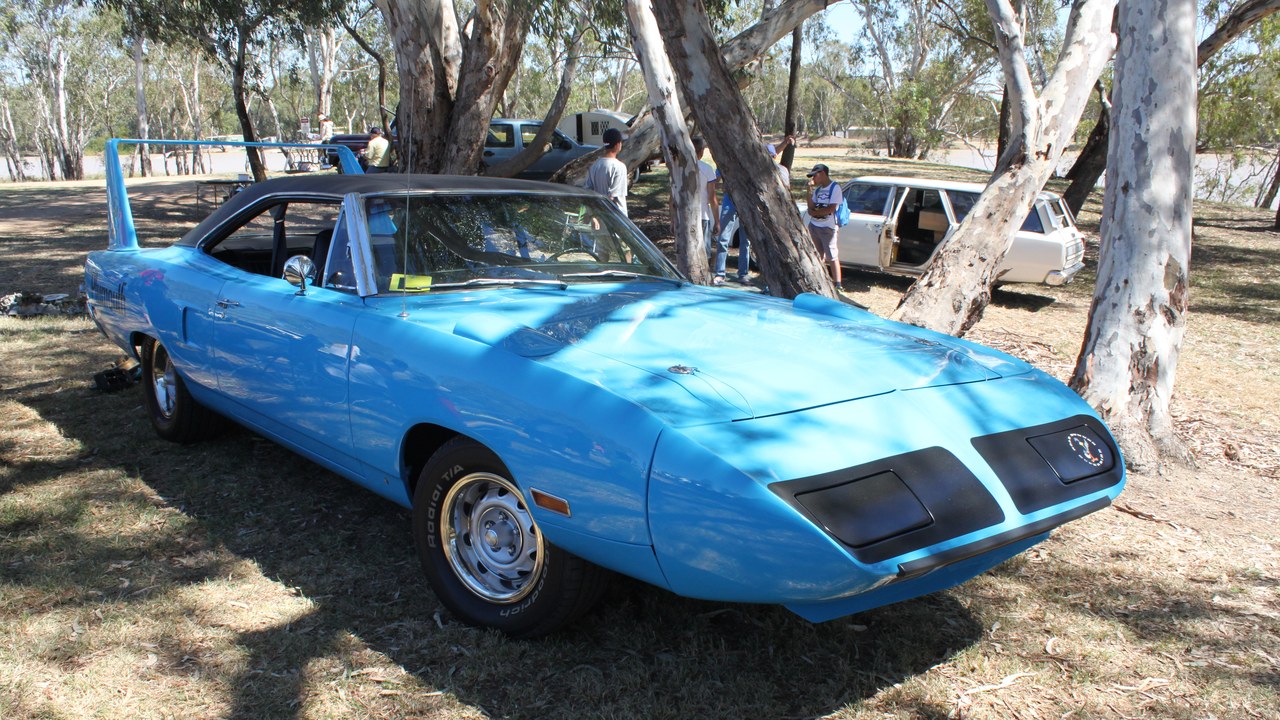
A total of 1,935 were built to satisfy NASCAR’s one-per-two-dealers rule, according to the Yahoo Autos feature. That arithmetic, tied to the size of Plymouth’s dealer network, explains why far more Superbirds exist than the minimum run of other aero specials.
The larger production run makes it comparatively easier to find than its Dodge cousin, though the nose cone and tall wing still make everyday use awkward. Buyers should check that the unique body panels are original rather than reproduction before paying a premium.
3. Mercury Cyclone Spoiler II: Spoiler II Special
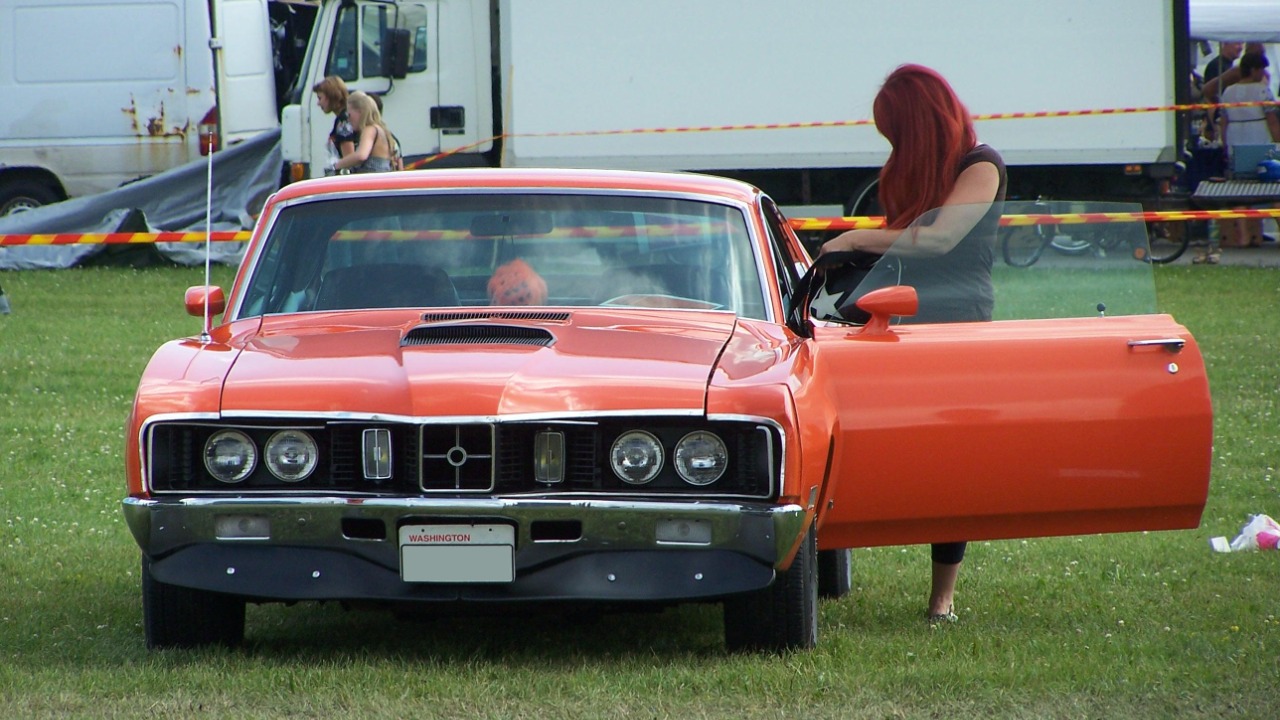
Production stopped at 503 cars, the number built to meet NASCAR’s 500-unit requirement, as the same NASCAR-focused piece notes. The Spoiler II package gave Mercury a sloped, aerodynamic nose for the high-speed ovals rather than a bigger engine.
Rarity is the point here. A genuine Spoiler II is far scarcer than a regular Cyclone, so documentation matters, and buyers should confirm the package through build records because ordinary Cyclones are easy to dress up as the rarer version.
4. Chevrolet Monte Carlo SS Aerocoupe: Aero Body for the Ovals
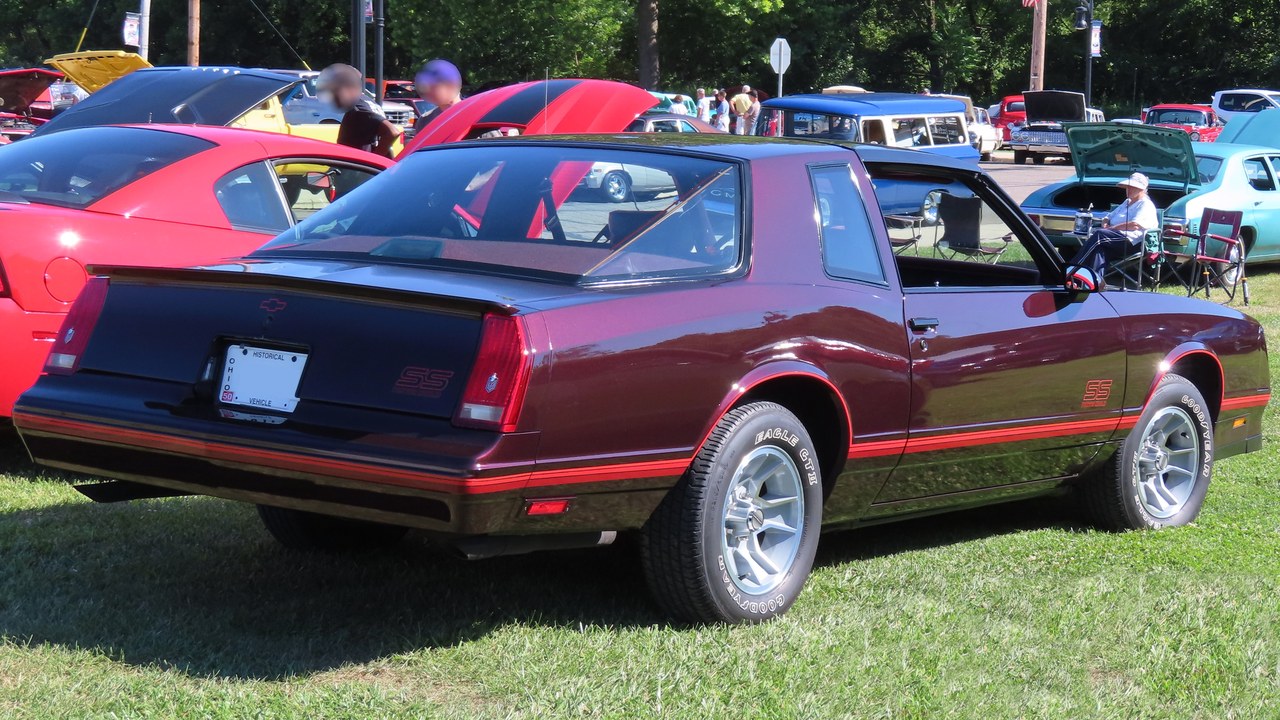
Just 200 were built for 1986, then 6,052 for 1987, according to the list of NASCAR-derived road cars. The sloped rear glass and fastback roofline were designed to cut drag on the track, and the road cars carried that shape to dealers.
The tiny first-year run makes 1986 cars the collectible ones, while the 1987 volume keeps prices friendlier. Shoppers should compare production years carefully, because the two model years differ sharply in availability and in what owners can expect to pay.
5. BMW M3 (E30): Homologation Hero
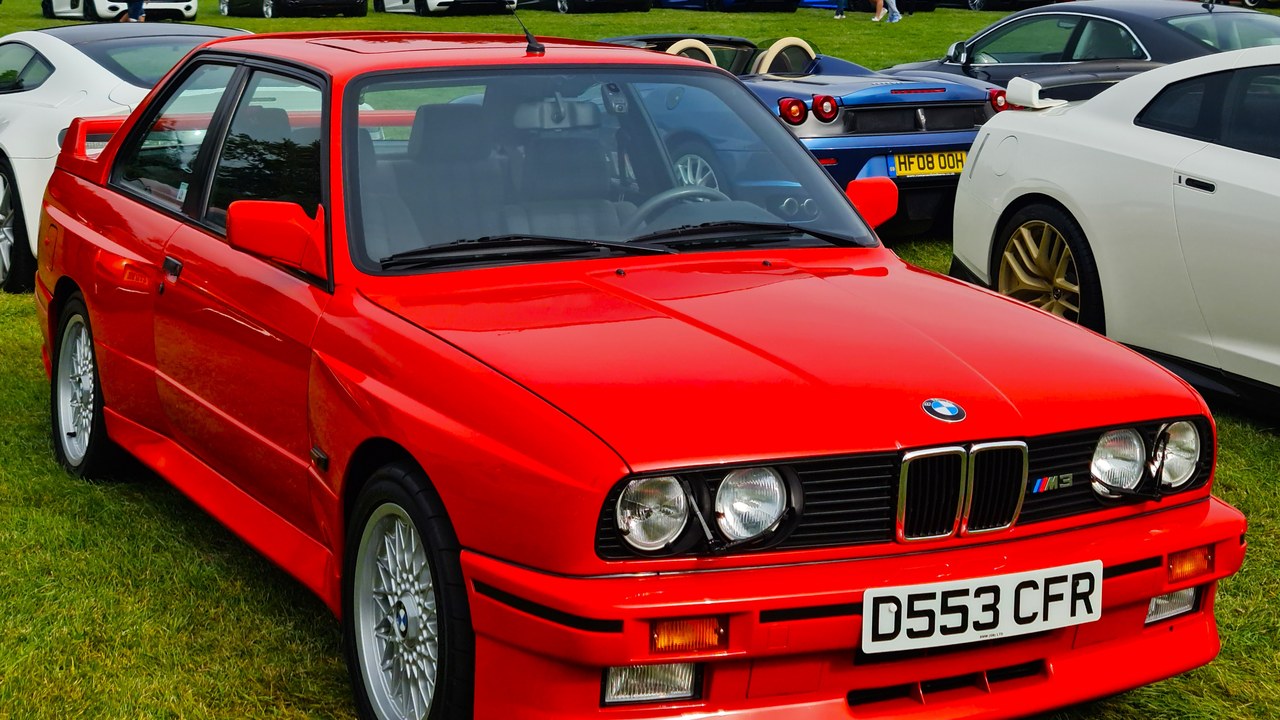
The rulebook required 5,000 road cars, and BMW built 16,949, as the Racer homologation feature recounts. That gap shows how a touring-car requirement turned into one of the brand’s most successful sports models, since demand carried it far beyond the minimum.
Because so many were made, the E30 M3 is not scarce, but clean and unmodified examples have climbed steeply in value. Buyers should check for accident repair and for replaced original body panels, which are the usual condition issues.
6. Lancia Stratos: Rally Wedge

A 190-hp wedge, the Stratos won the World Rally Championship three years running, 1974 to 1976, according to the Racer rally section. The short, mid-engined shape was built purely for stages, with the road version existing to make the race car eligible.
It remains one of the clearest cases of a car designed backward from competition rules. Road-going examples are expensive and rare, so owners usually keep them for shows and historic events rather than daily errands.
7. Toyota GR Yaris: Rally Foundation
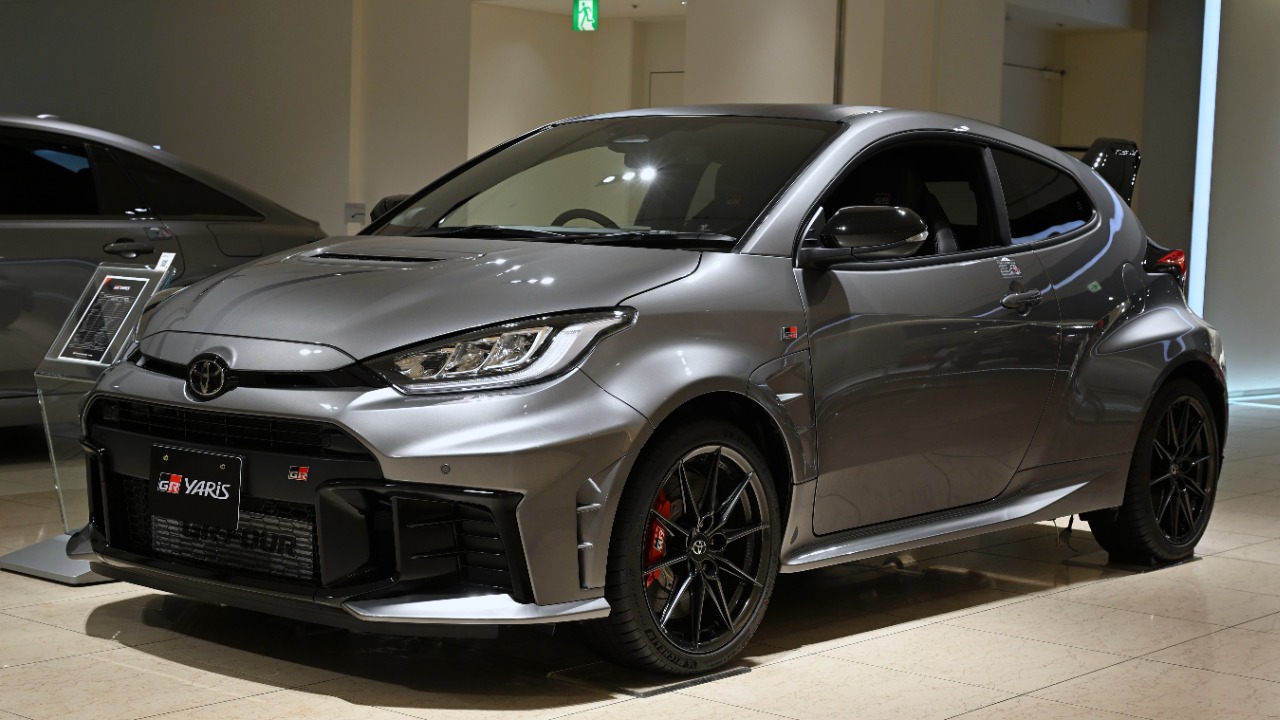
Toyota built the car because it wanted what the Racer feature on homologation cars quotes as the strongest possible foundation for its WRC effort. It is a compact hatchback aimed at rally, not a mild warm hatch dressed up with badges.
For buyers, that intent shows in the engineering rather than the styling. Anyone considering one should treat it as a performance machine first, with the practicality of a small hatchback secondary to its competition purpose.
8. Porsche 911 GT1: Road Car Built for GT1
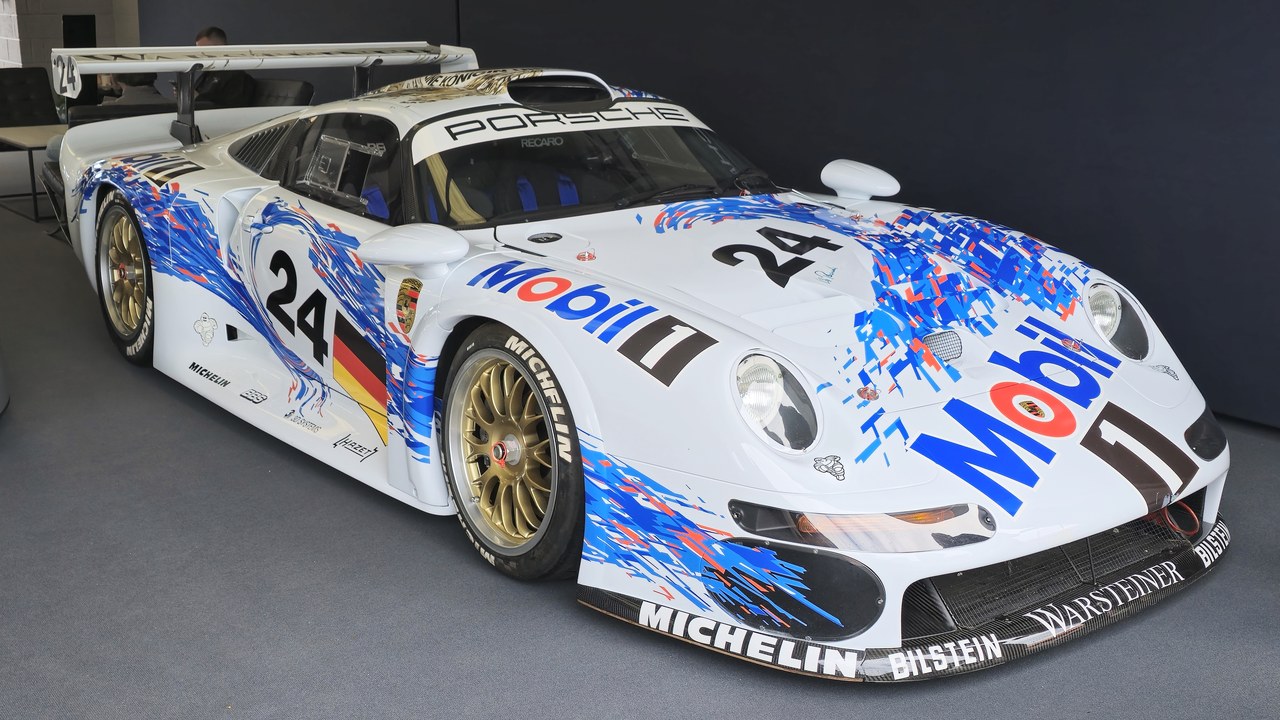
Porsche had to build 25 road-going versions to race in GT1, as the Goodwood list of homologation specials explains. The street car was the legal ticket to Le Mans-style competition, with the production minimum met in tiny numbers.
The road version is among the rarest Porsches of its era, so it is a museum and collector piece rather than something for commuting. A buyer of one of those 25 cars was, in effect, helping Porsche satisfy a rulebook, since the racing program could not exist without the street-legal run. That link between showroom and grid is the purest form of the homologation idea that defines this list.
9. Mercedes-Benz CLK GTR: Twenty-Five Required
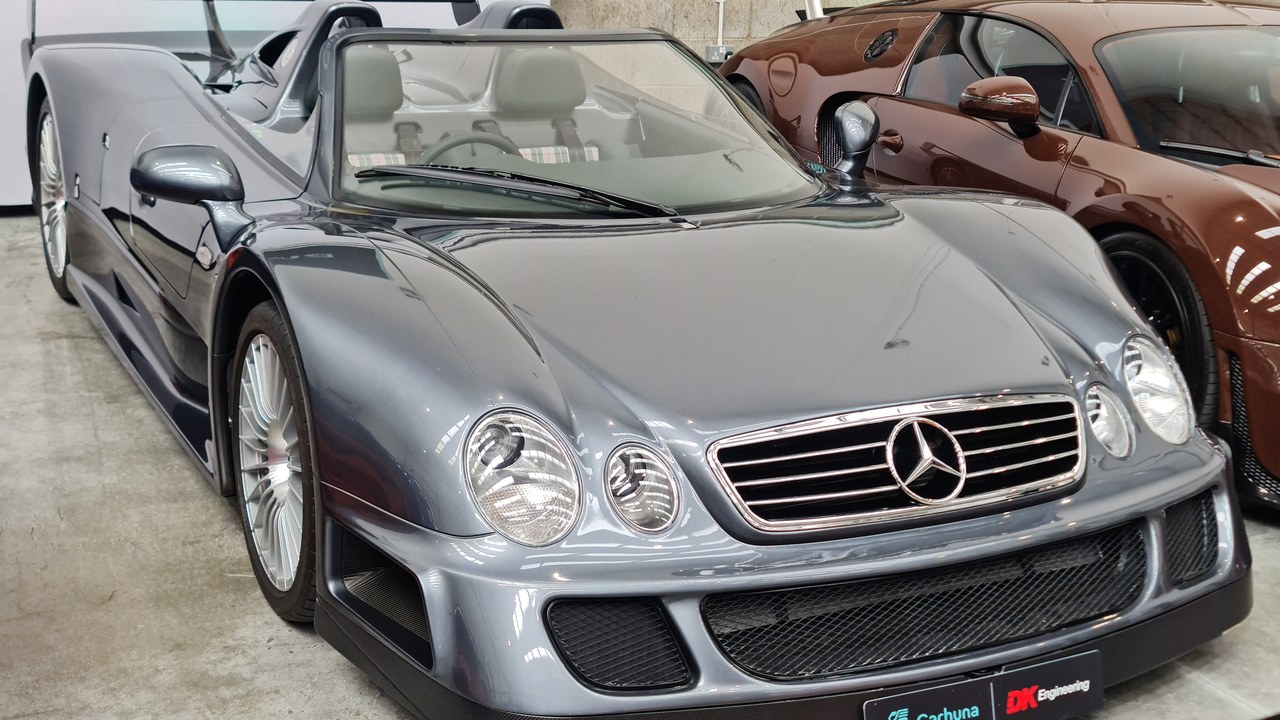
Mercedes had to build all 25, five of them Super Sports, according to the Goodwood roundup of homologation cars. The CLK GTR was conceived as a race car first, with the road version produced to satisfy the sanctioning body’s rules.
That count makes it one of the scarcest Mercedes ever sold to the public. Values reflect the rarity, and a roadster variant, like the one shown, adds yet another layer of exclusivity for collectors tracking the model.
10. Audi Sport Quattro: Group B Brute

The Group B era credited the car with two World Championship Rally victories, a figure the Goodwood feature cites for the short-wheelbase Sport Quattro. It trimmed the original Quattro’s length to make the car quicker and more agile on twisting stages.
It arrived as a road car because the regulations demanded one, and the compact, boxy shape remains among the most recognizable of the Group B period. Collectors prize it for that rally history, and prices reflect how few were made.
11. Ford Sierra RS500 Cosworth: Five Hundred for Touring Cars
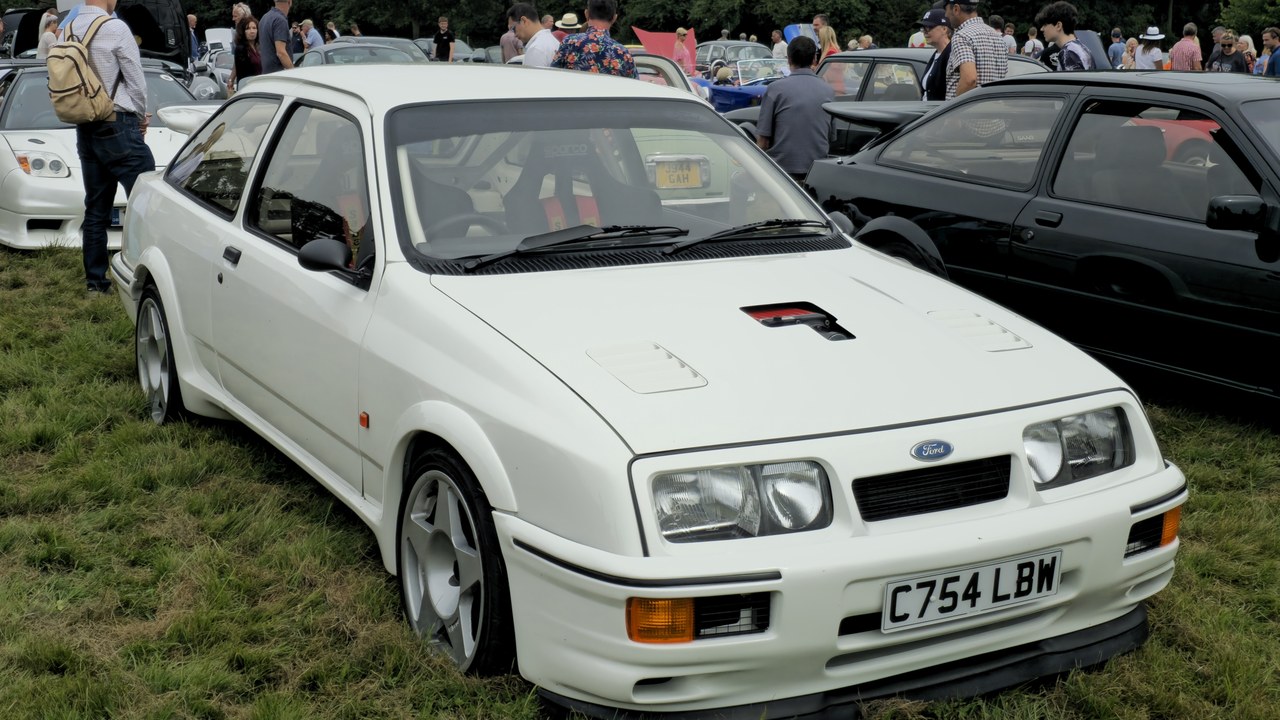
Ford built 500 to homologate it for touring-car racing, as the Goodwood best-of list notes. The RS500 was a rarer, more powerful follow-up to the Sierra RS Cosworth, and its run was set by the touring-car rulebook.
Its limited run makes it a sought-after Ford performance classic. Buyers should expect careful verification of chassis numbers and build records, since the standard RS Cosworth looks similar and the RS500 carries a noticeable premium.
More from Morning Overview
- Regulators cleared the first U.S. small modular reactor, 4 months early
- Lake Powell sank to a record 3,517 feet, nearing the level that stops Glen Canyon Dam’s turbines
- Seven of Earth’s nine planetary boundaries are breached, and all seven are worsening
- The NSA says three phone features should be off whenever you aren’t using them
