
Ford’s pony car has covered an enormous price range since the first hardtop reached showrooms in 1964. Sticker prices, sales totals and horsepower figures mark the generations that defined the nameplate and the halo trims that topped each era. Here are twelve milestone Mustangs that show how far the car has traveled.
1. 1964 Ford Mustang hardtop: Pony Car Day One
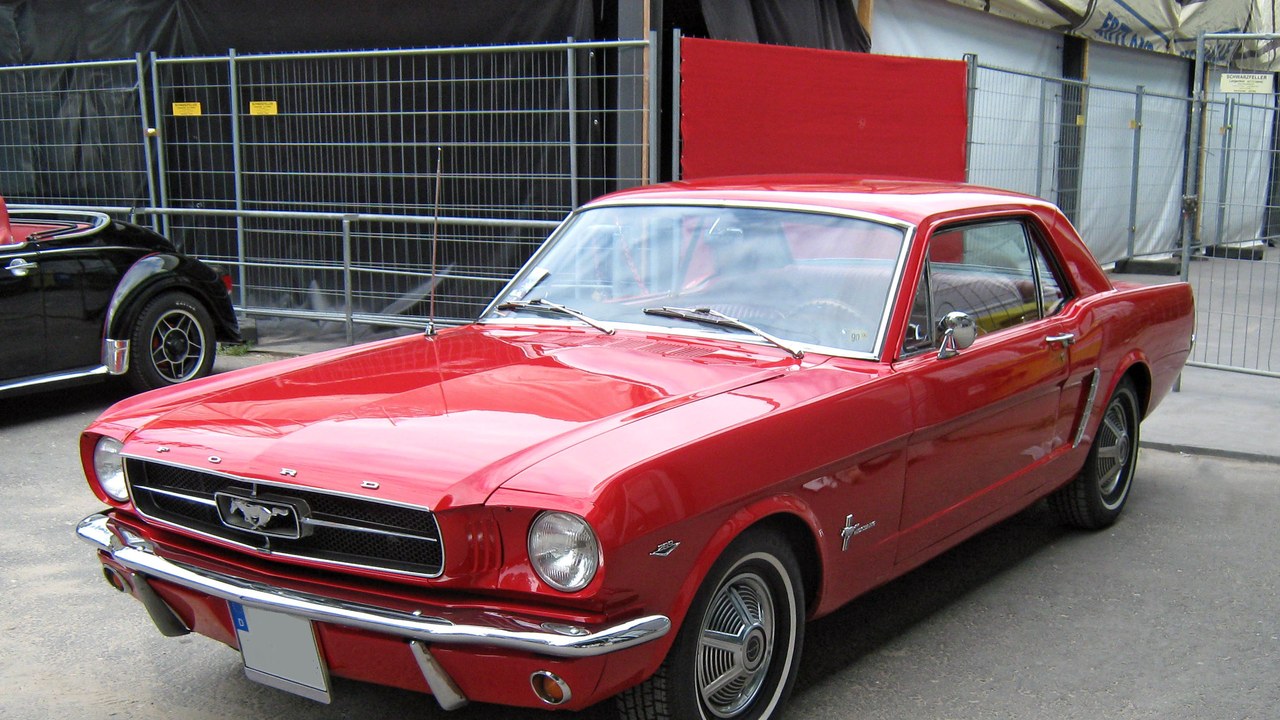
Ford’s first Mustang hardtop carried a $2,368 starting price, a figure that works out to about $24,344 once adjusted for inflation. That modest entry price was the whole pitch: a sporty two-door priced for ordinary households.
The base hardtop remains the reference point for every later price on this list. Measured against it, the $327,960 GTD costs roughly 138 times as much, which shows how far the nameplate has moved from its starting position in six decades.
2. 1969 Mustang Boss 429: Homologation Heavyweight
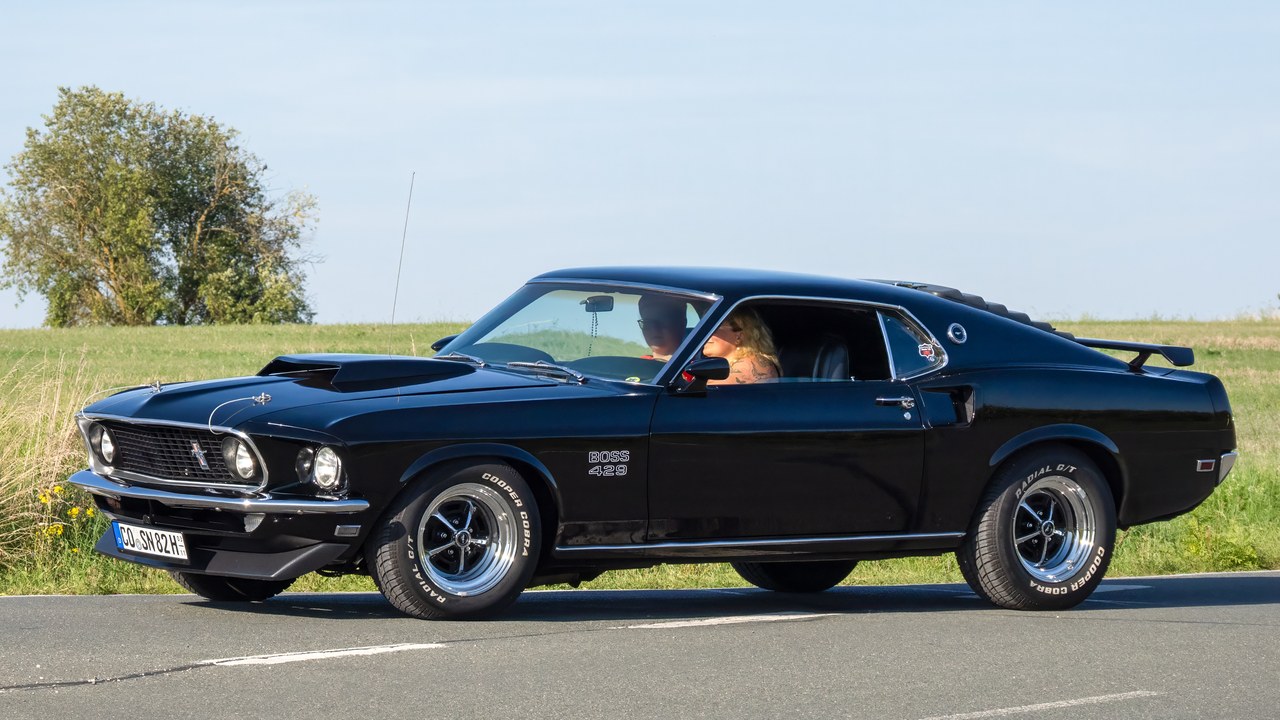
Buyers of the 1969 Boss 429 faced a much higher sticker of $4,798 for the SportsRoof body, a much heftier figure than the hardtop’s start. That was more than $2,400 above the original 1964 hardtop price, only five model years earlier.
The jump shows how quickly the Mustang range stretched beyond basic transportation. Shoppers paying that premium were buying exclusivity and performance hardware, a pattern that has repeated with halo trims ever since, up to the six-figure cars at the end of this list.
3. 1993 Mustang SVT Cobra: Fox-Body Finale
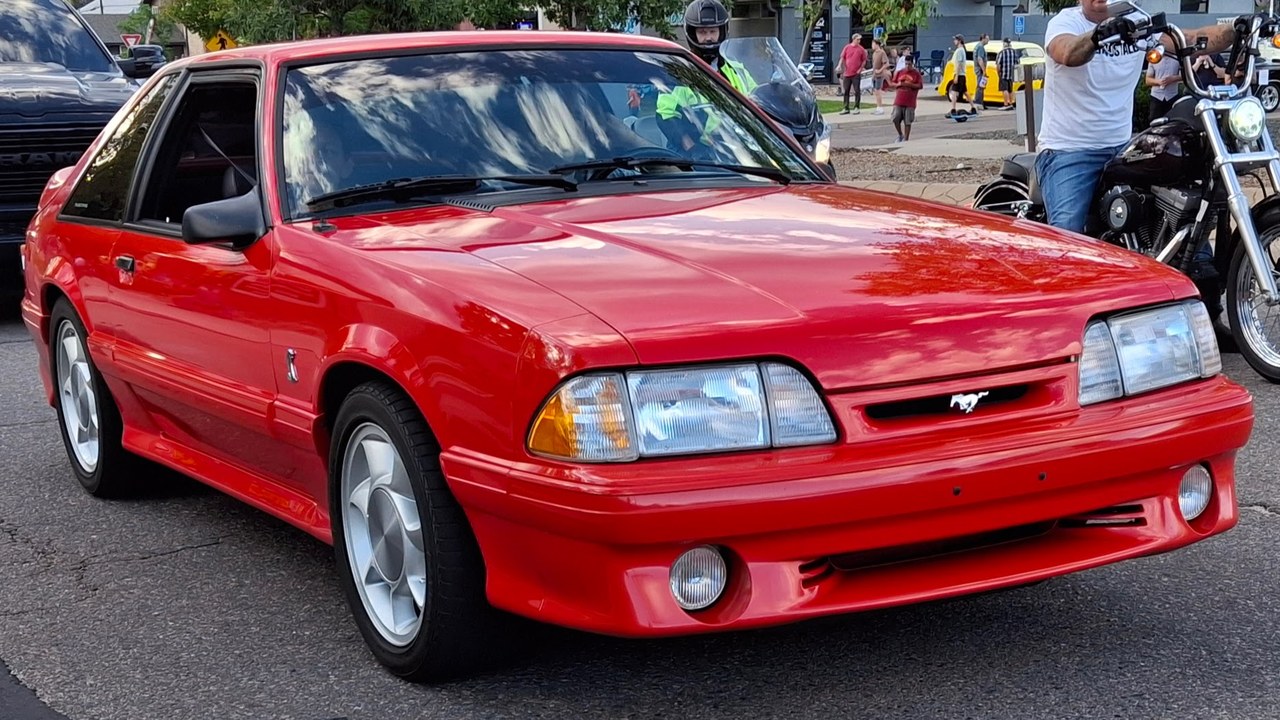
Ford priced the 1993 SVT Cobra at just over $18,000, which the price survey puts at about $40,000 in today’s money. It sat at the top of the Fox-body lineup as the performance flagship of its year.
Even after the inflation adjustment, that price sits far below what current high-performance Mustangs command. Anyone pricing the era should keep both numbers in mind: the original sticker was modest, while the adjusted figure is the fairer comparison with modern cars.
4. 2007 Shelby GT500: Supercharged Sticker Shock
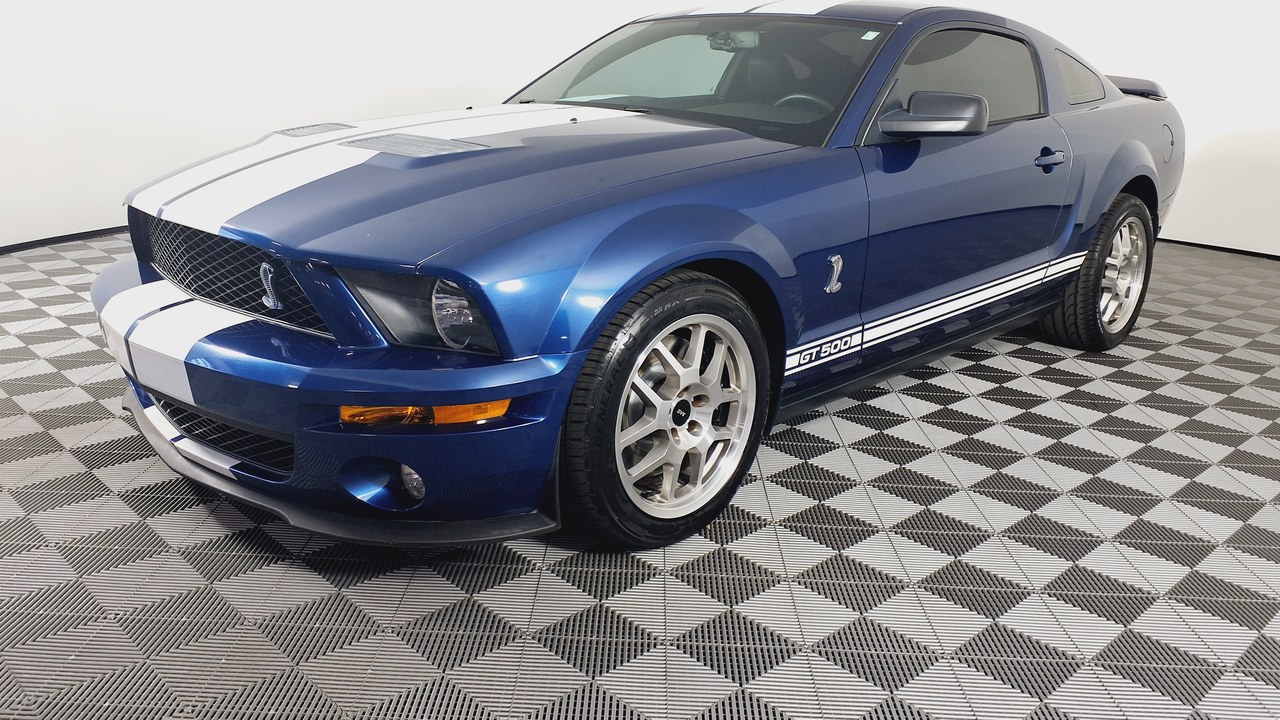
The 2007 Shelby GT500 rolled off the lot at a $40,930 sticker price. That is more than seventeen times the 1964 hardtop’s starting price, and it marked a new tier for factory Mustang performance in the modern era.
The car revived a famous Shelby badge for a new generation of buyers. By the mid-2000s the Mustang range already stretched from affordable coupes to cars priced like entry-level sports cars, with this one near the top of the order.
5. 1984 Mustang SVO: Turbo Four Gamble
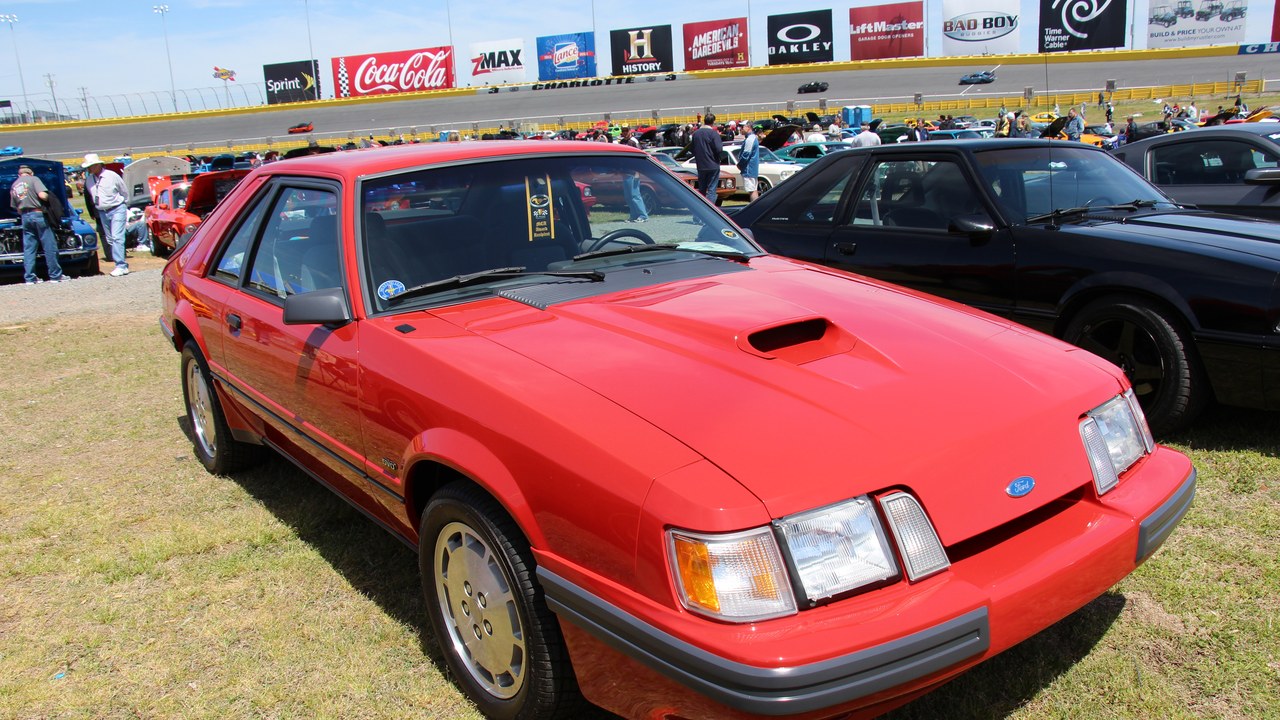
The 1984 SVO hatchback carried a $15,585 list price, according to a catalog of Mustang prices through the years. That is roughly $13,200 more than the 1964 hardtop, though it arrived two decades later.
The figure placed it well beyond a typical Mustang of its time and made it a niche choice. For collectors the SVO is a notable rung on the price ladder, a car whose significance rests on its positioning at the top of the range rather than on sales volume.
6. 2000 Mustang SVT Cobra R: Priciest of the Fourth
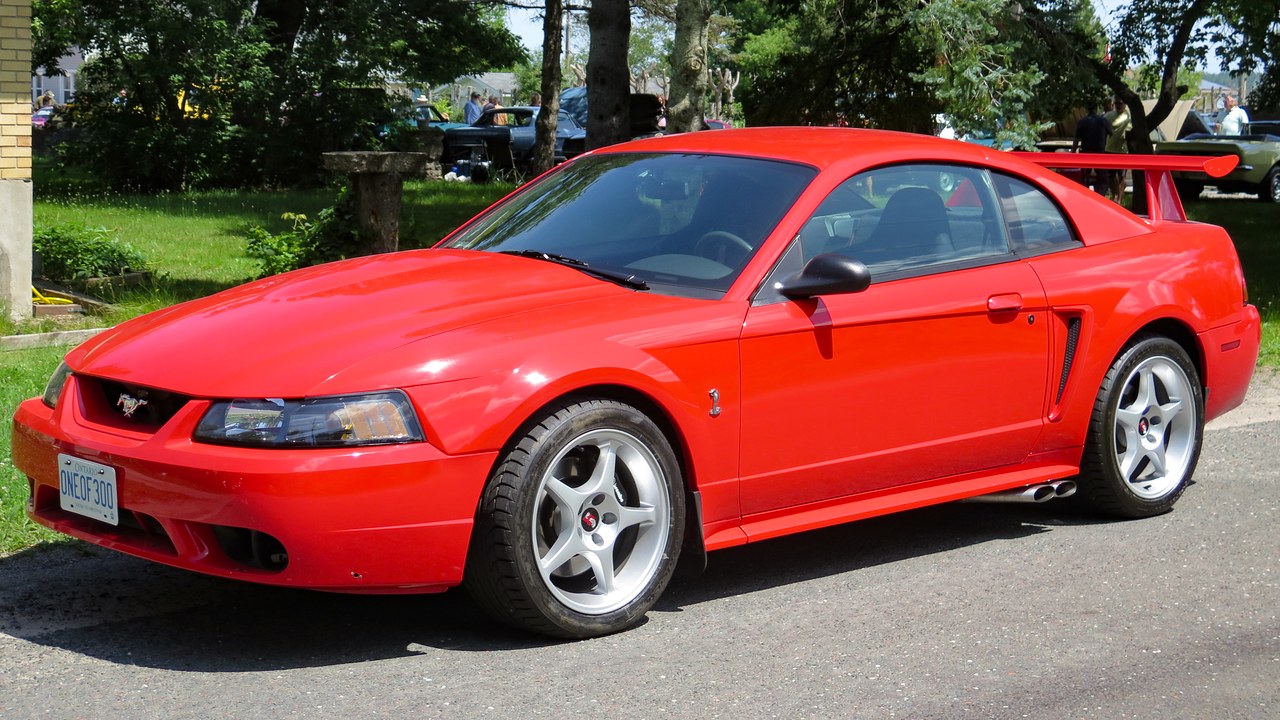
No Mustang built from 1994 through 2004 cost more than the 2000 SVT Cobra R, which listed for a $54,995 price. It topped that entire generation’s price list.
That figure is roughly three times the 1993 Cobra’s sticker of just over $18,000, showing how aggressively the performance halo had climbed in seven years. Anyone cross-shopping later track-focused Mustangs can use it as a benchmark for how the top of the lineup was priced.
7. 2017 Shelby GT350: Track-Bred Fastback
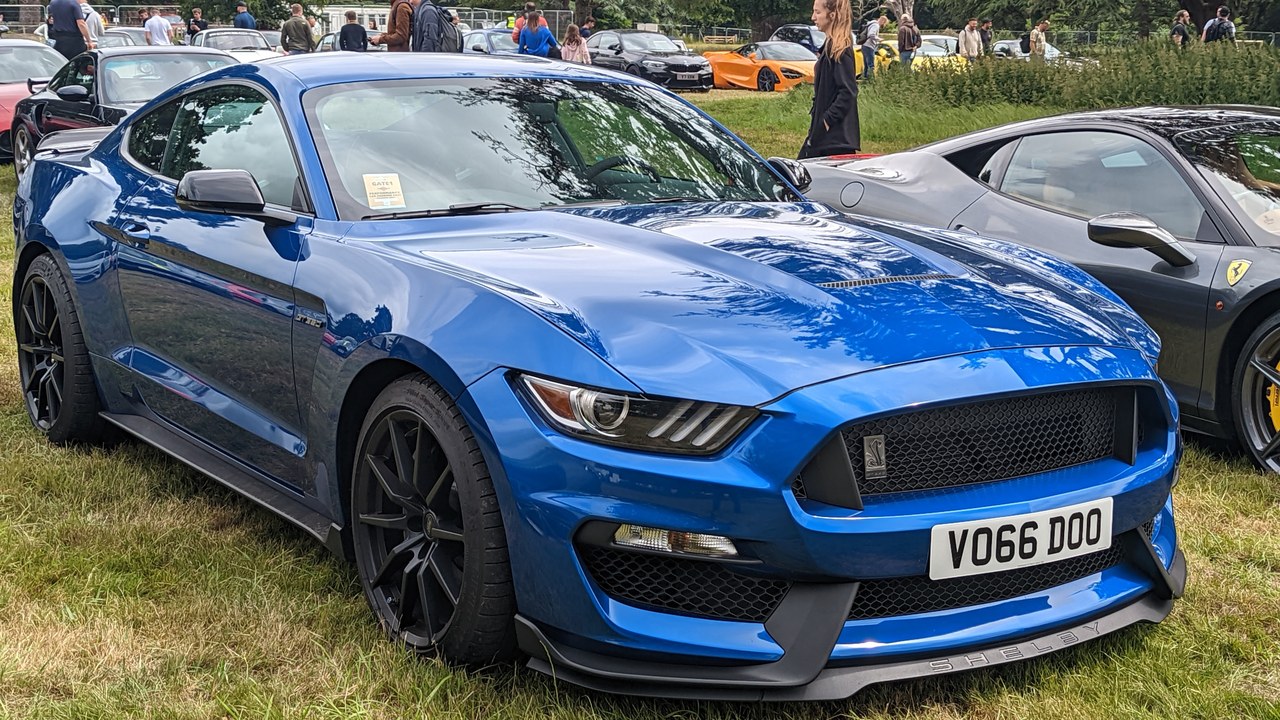
The 2017 GT350 fastback listed at a $54,845 price tag. It sat well above the standard Mustang range as the Shelby choice for anyone wanting a track-oriented car from the showroom.
That sticker is within about $150 of the 2000 Cobra R’s $54,995, even though seventeen years separate them. Both are unadjusted original prices, so the later car was effectively cheaper in real terms, a useful caveat when comparing halo Mustangs across eras.
8. 2025 Mustang Dark Horse: Premium Dark Horse
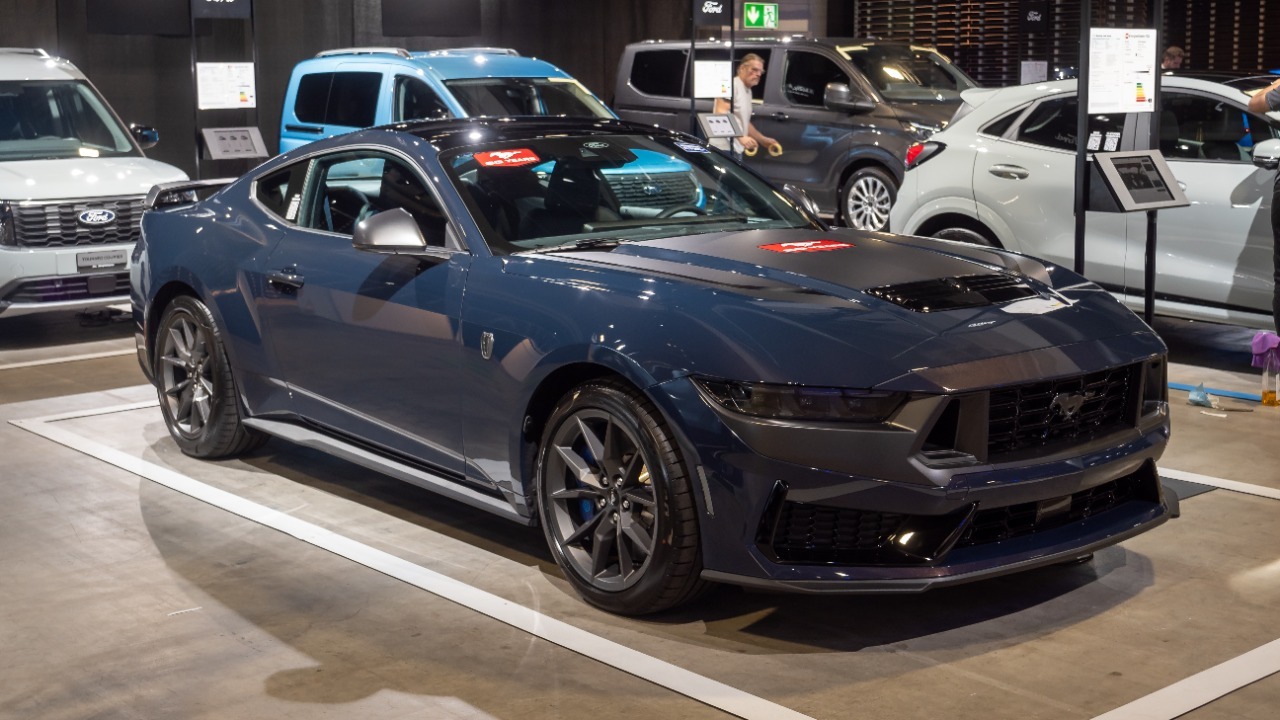
The 2025 Dark Horse cost a $69,375 price in Premium trim, about twenty-nine times the original hardtop’s price.
Buyers weighing the Dark Horse should treat that number as a Premium-trim price rather than an entry point. Against the 2017 GT350’s $54,845, it adds roughly $14,500, so the nameplate now spans a very different market than it did even a decade ago. The same trim ladder that began at a few thousand dollars now reaches deep into five figures before the GTD.
9. Mustang II: Gas Crisis Pony
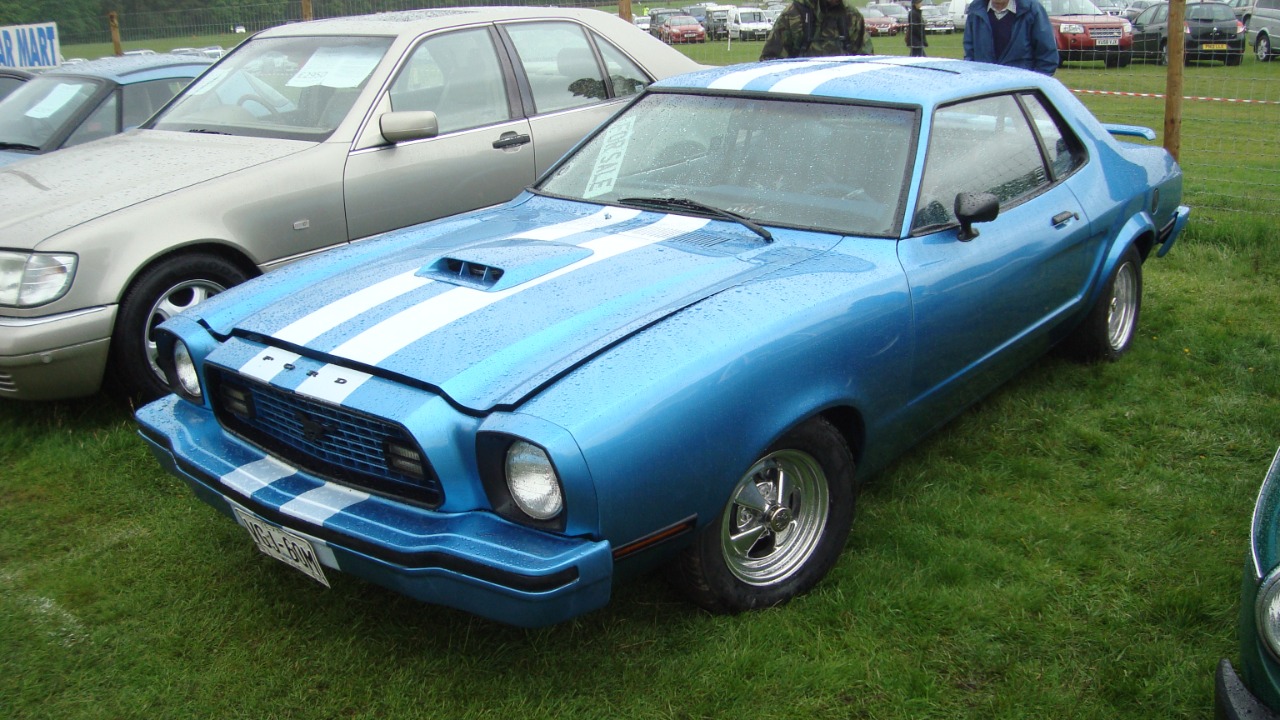
The Mustang II posted a huge sales total, more than 1.1 million over four years, and was 1974’s domestic Car of the Year. Those numbers make the smaller car a commercial success despite its reputation among performance fans.
The Mustang II is a reminder that a milestone does not always mean the fastest or the dearest. Its sales record shows that buyers of the mid-1970s wanted something other than the largest pony car, and Ford delivered it in volume.
10. Fox-body Mustang: Longest Running Platform
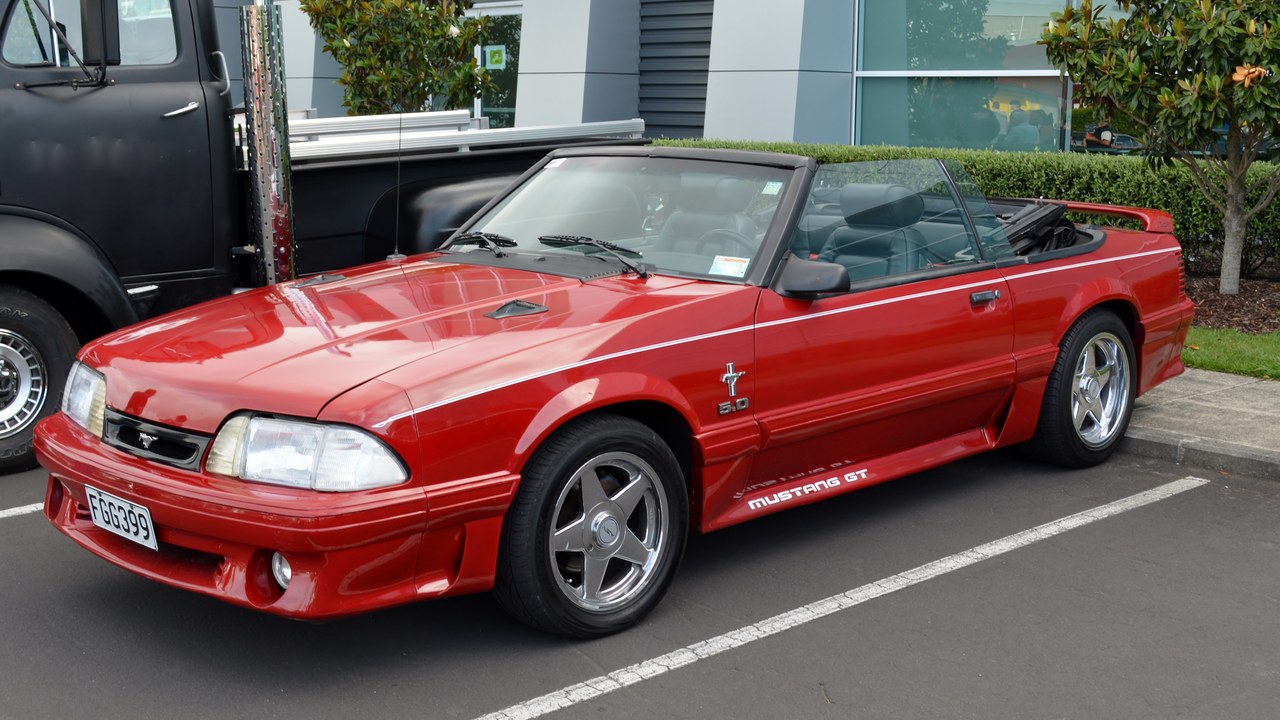
The Fox-body generation, built from 1979 to 1993, sold 2.5 million units. That total spans fifteen model years and makes it one of the largest sales stretches in the nameplate’s history.
The long production run explains why the car remains a fixture among used Mustangs. Prospective buyers will find a wide spread of conditions, and the 1993 SVT Cobra, at just over $18,000 new, was the top of the range when this generation ended.
11. 2005 Mustang (S197): Million-Seller Nine Years
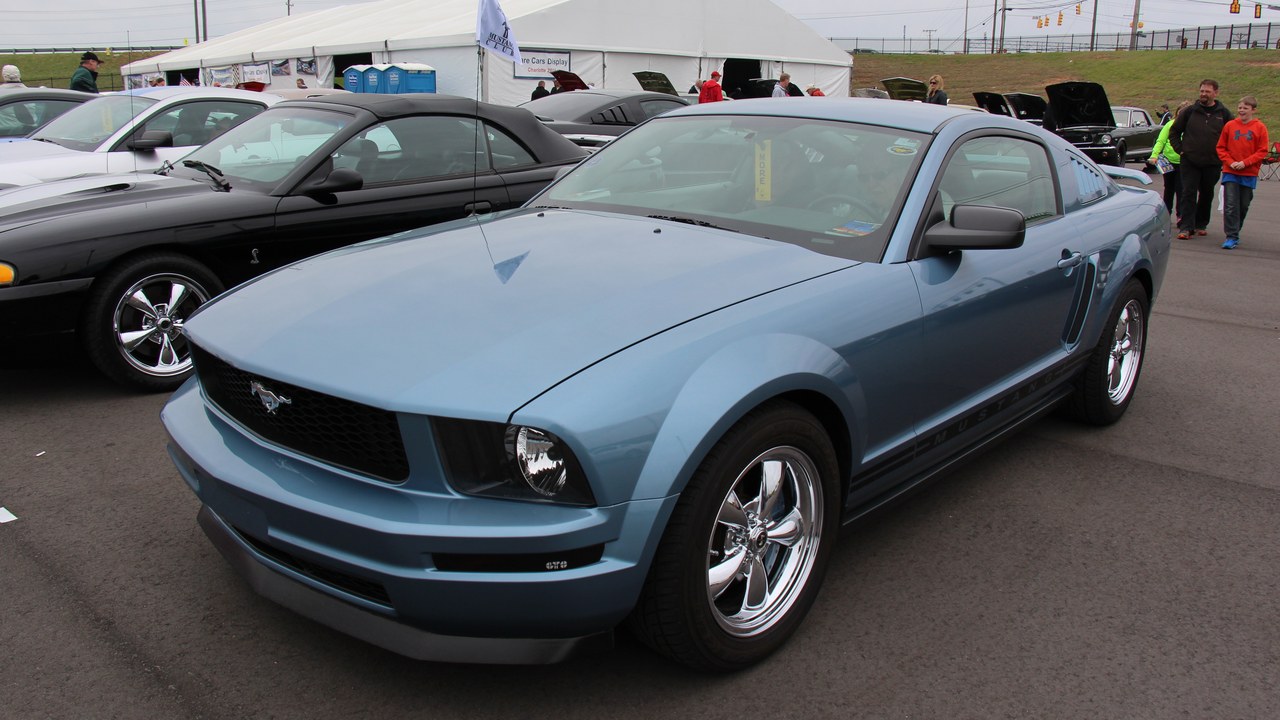
Ford delivered a million-plus sales run in the United States alone across nine years of the S197 generation, which began with the 2005 model year. That volume rivals the best stretches in the nameplate’s history.
Those totals mean buyers shopping the used market should find plenty of choice across model years and trim levels. The 2007 Shelby GT500 at $40,930 came from this generation, which shows the volume cars and the halo cars shared one platform.
12. Mustang GTD: Track-Only Flagship
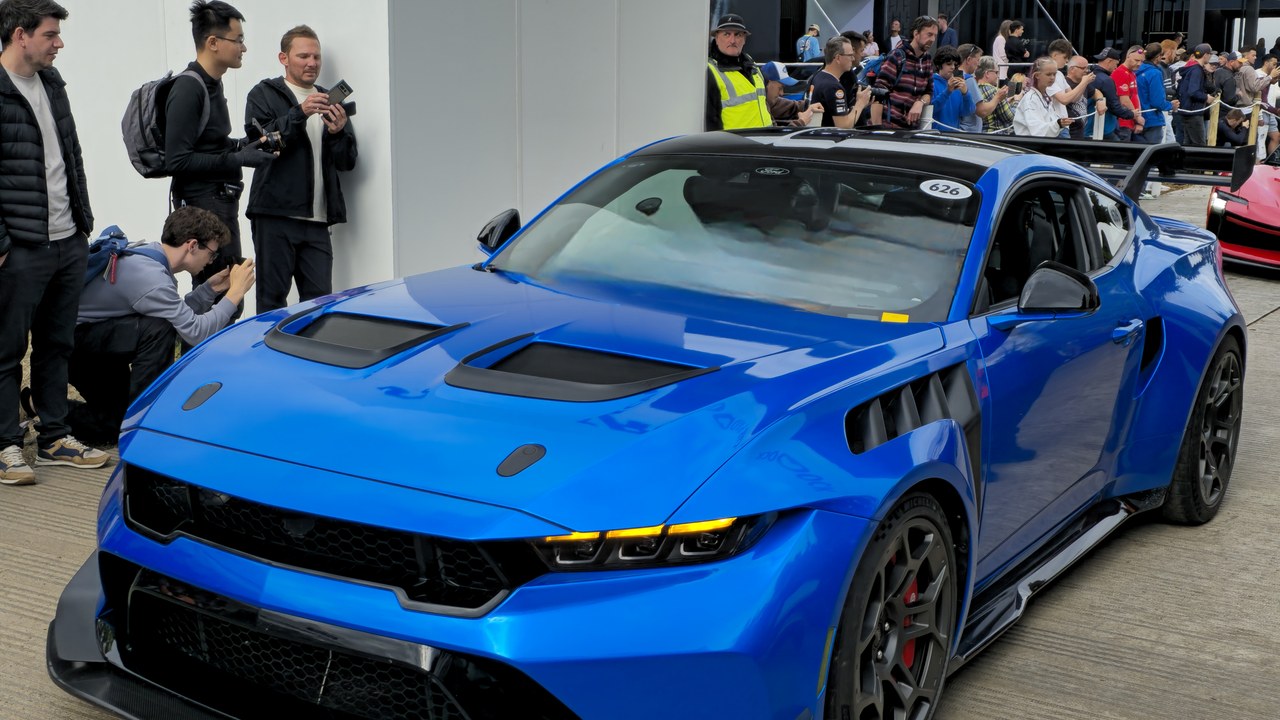
The Mustang GTD makes 815 hp and a $327,960 price, the high point of the ladder. It is a track-focused car at the opposite end of the lineup from the original hardtop.
Few owners will ever drive one, but the GTD shows how far the nameplate has stretched. Its price is roughly 138 times the 1964 starting figure, a gap that frames the entire history of the pony car from affordable promise to six-figure machine.
More from Morning Overview
- Hurricane Hunter radar shows four warning signs that a tropical cyclone is about to strengthen, a University of Miami study found
- Tropical Storm Rachel is dumping up to 12 inches on four Mexican states on its way to major hurricane strength
- The FTC says Lens.com doubled the price shoppers saw in Google ads
- Common allergy, bladder and sleep pills tied to sharply higher dementia odds
