
Every car on this list once wore the crown of the world’s fastest production machine, and each earned it with a number that stunned its contemporaries. The records span pre-war luxury, postwar sports cars and mid-engine exotics. Here are twelve one-time speed kings that show how quickly the ceiling kept rising.
1. Jaguar XK120: The Original Benchmark
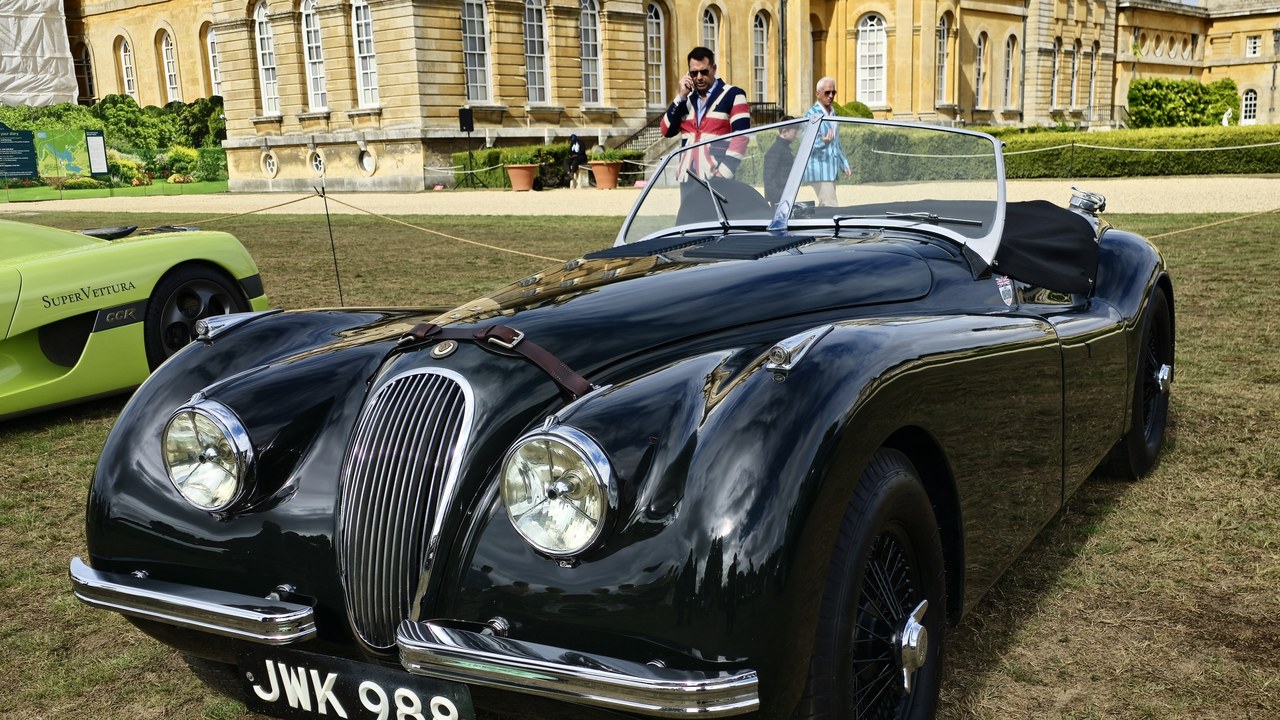
Jalopnik’s speed history credits the XK120 with taking the fastest-production-car crown in 1949, at a top speed of 124.6 mph. Jaguar’s twin-cam straight-six, wrapped in a streamlined aluminum-bodied roadster, pushed the benchmark well past what prewar sports cars could manage.
The figure sounds modest beside modern hypercars, yet it set the template: a lightweight body, a big engine and a published number that buyers could repeat. Surviving examples remain among the most collectable British sports cars of the postwar era.
2. Porsche 959: Group B Tech For the Road
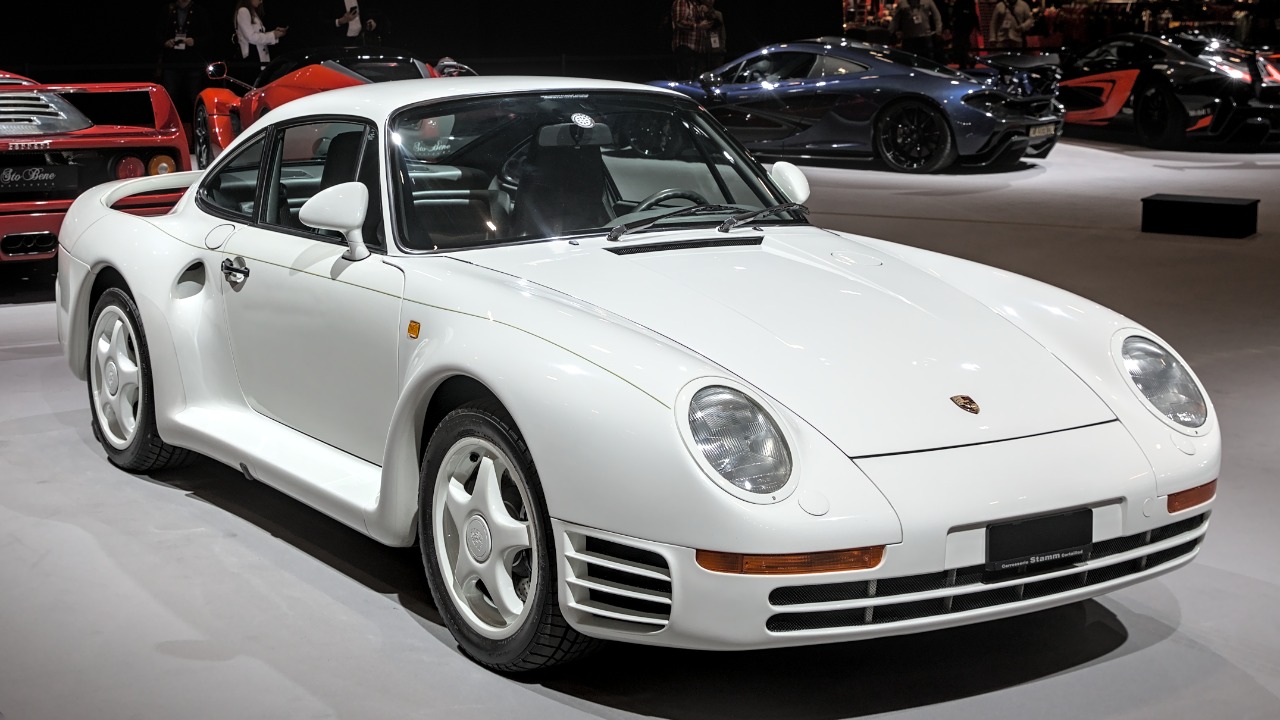
The same Jalopnik history records Porsche taking the crown at 195 mph in 1986 with the 959. The car arrived as a road-legal showcase for the company’s rally and endurance engineering, packing sophisticated all-wheel drive and twin-turbocharged power.
Few supercars of the mid-1980s paired that much speed with that much traction and stability. Collectors now treat the 959 as a landmark, because its electronically managed drivetrain foreshadowed systems that later reached mainstream performance cars.
3. Ferrari F40: Enzo’s Last Statement
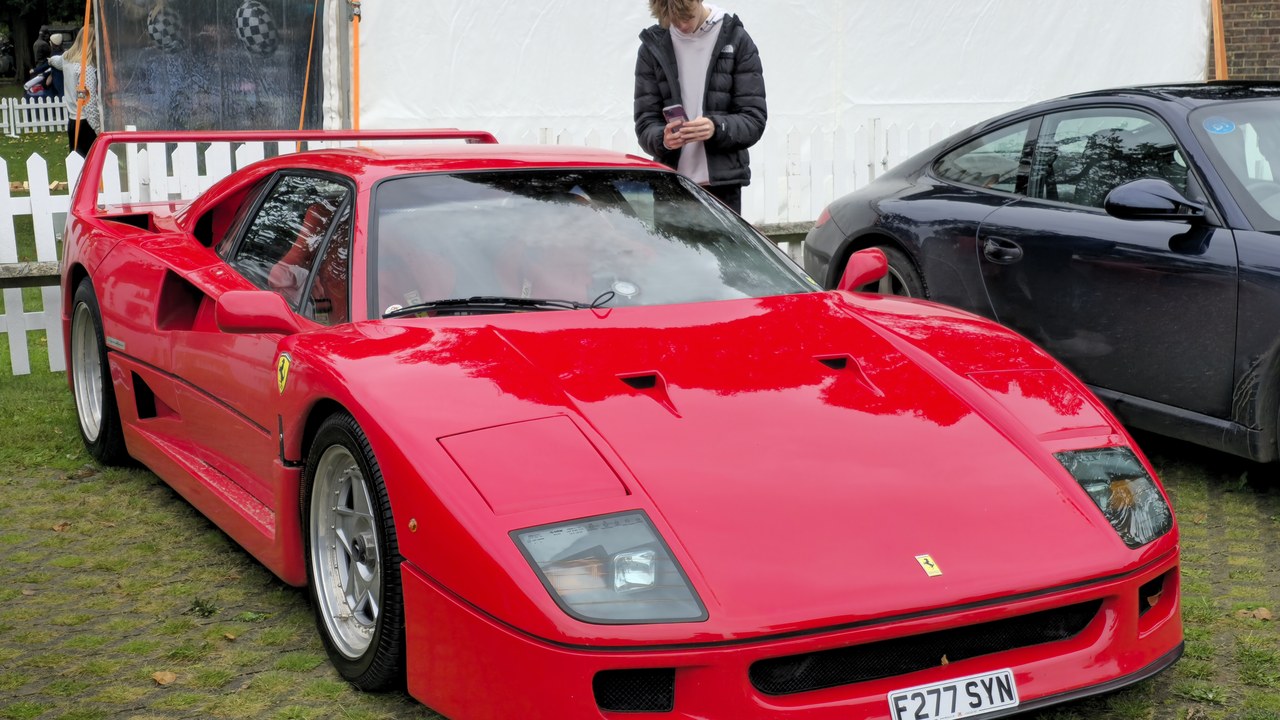
A Jalopnik timeline entry lists the F40 as claiming a 201-mph top speed in 1987, making it the first production car to be credited with passing the 200-mph mark. Twin turbochargers and a stripped, lightweight body did the work.
The F40 was also the last Ferrari approved by Enzo Ferrari himself, which adds to its mythology. Buyers who find one today are looking at a raw, unassisted machine, so the figure stands as a purist benchmark rather than a technology demonstration.
4. McLaren F1: The Record That Still Gets Argued
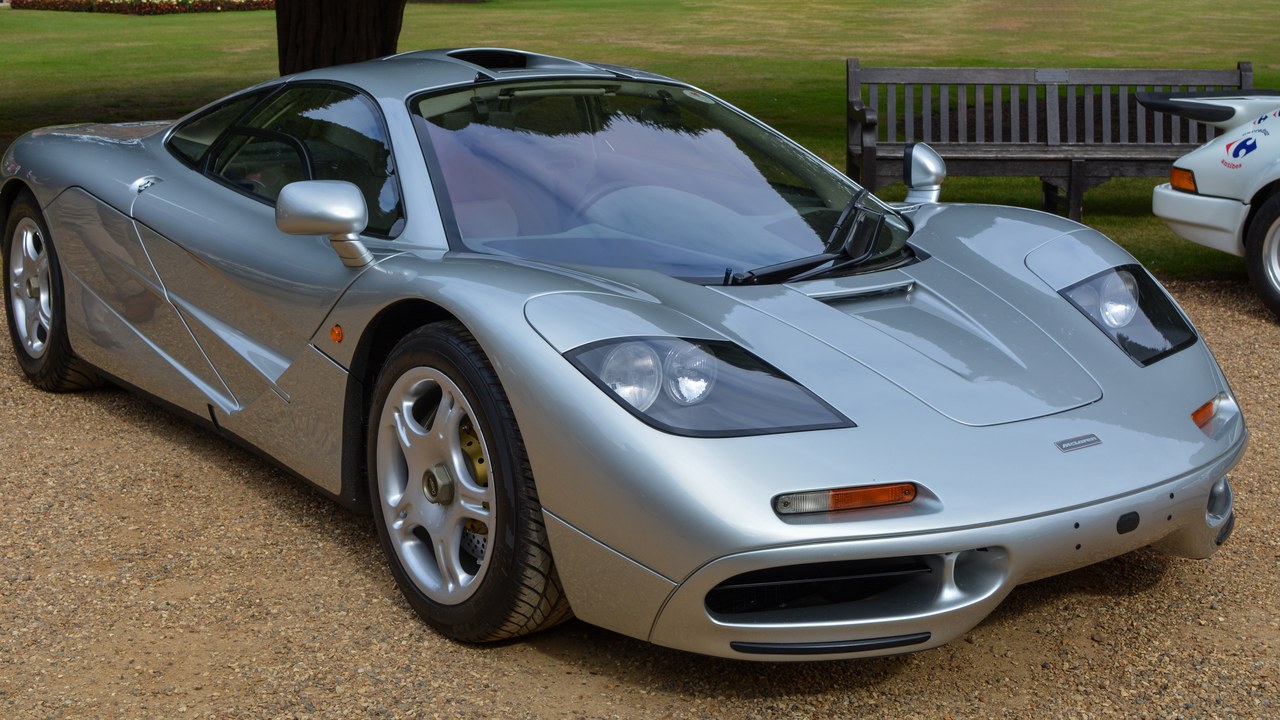
The Jalopnik history gives the F1 an official 231 mph in 1993, set against a disputed 240-mph run. That gap matters, because the lower number is the one the record books accept, and it was achieved by a naturally aspirated V12 with no turbochargers.
The F1 therefore holds a special place: it beat turbocharged rivals on aspiration alone. Its central driving position and carbon-fiber structure remain widely copied talking points, and the speed claim is still among the most debated in automotive history.
5. Aston Martin DB4: Beating the Gullwing by One
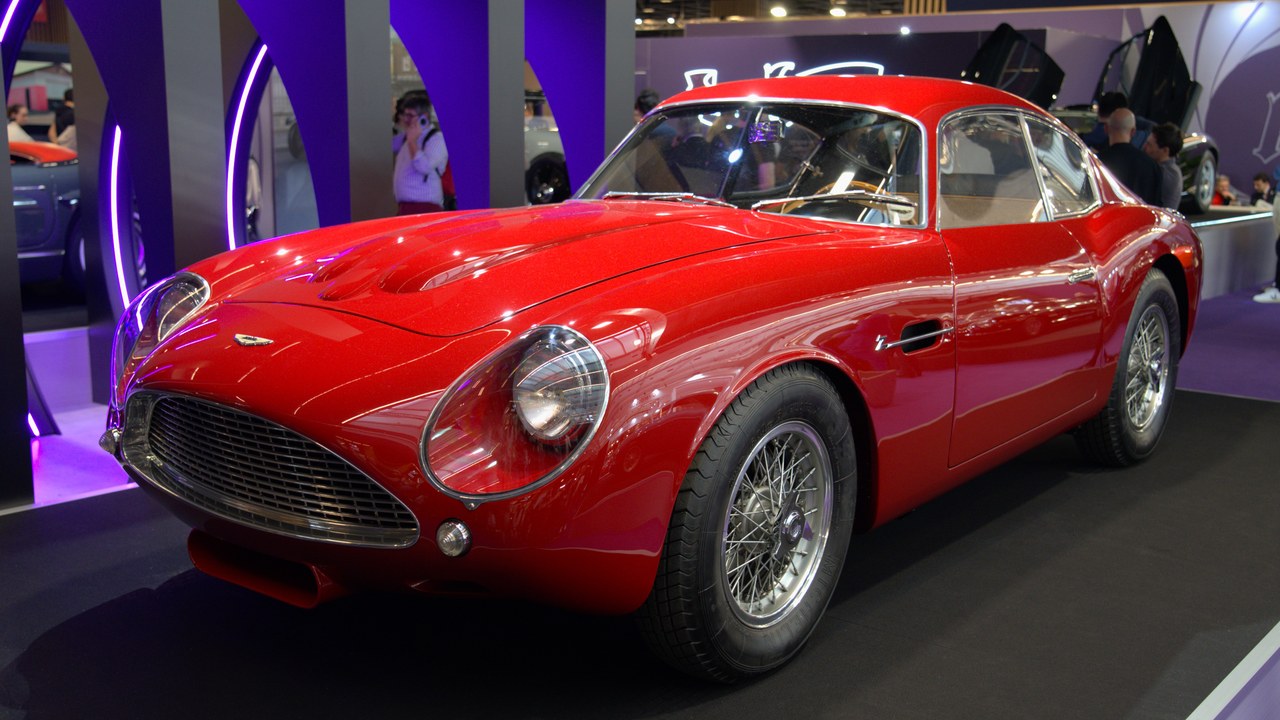
Car Keys’ record rundown has the DB4 hitting 141 mph in 1958, topping the 300SL’s record by a whole 1 mph. The margin was razor thin, but the claim was enough to hand the British grand tourer the title for a brief spell.
The shown car is the lightweight Zagato-bodied DB4 GT variant rather than the standard coupe. For an owner or enthusiast, the story is a reminder that record claims in the 1950s turned on single miles per hour and on whose test day went smoothly.
6. Ferrari Daytona: The Last Front-Engine V12 King
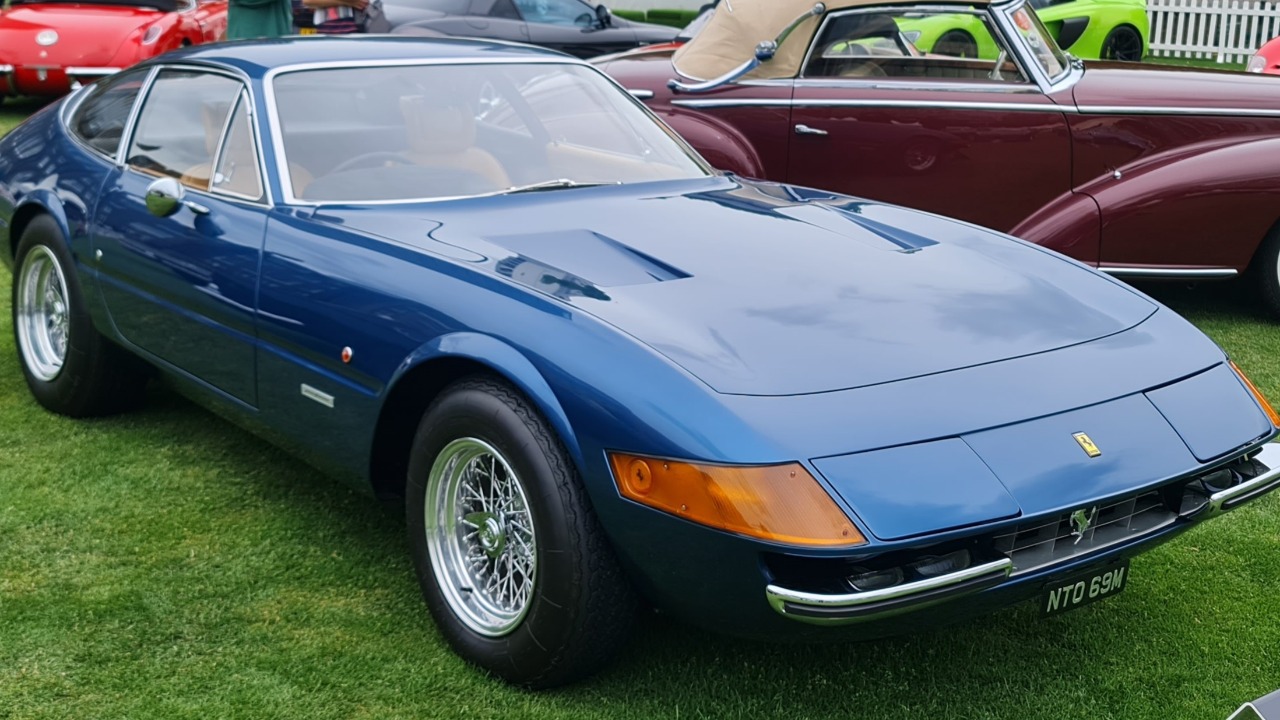
Car Keys’ list credits the 1968 365 GTB/4 Daytona with 174 mph, a speed delivered by a front-mounted 4.4-liter V12. The nickname came from Ferrari’s endurance racing success at Daytona, and the car’s long hood and sharp nose became a defining shape of the era.
Mid-engine layouts soon took over at the top of the speed ranking, which makes the Daytona the final front-engine car to hold the title on this list. Its blend of everyday usability and high velocity keeps it a favorite of grand touring collectors.
7. Ferrari 288 GTO: Eighties Homologation Special
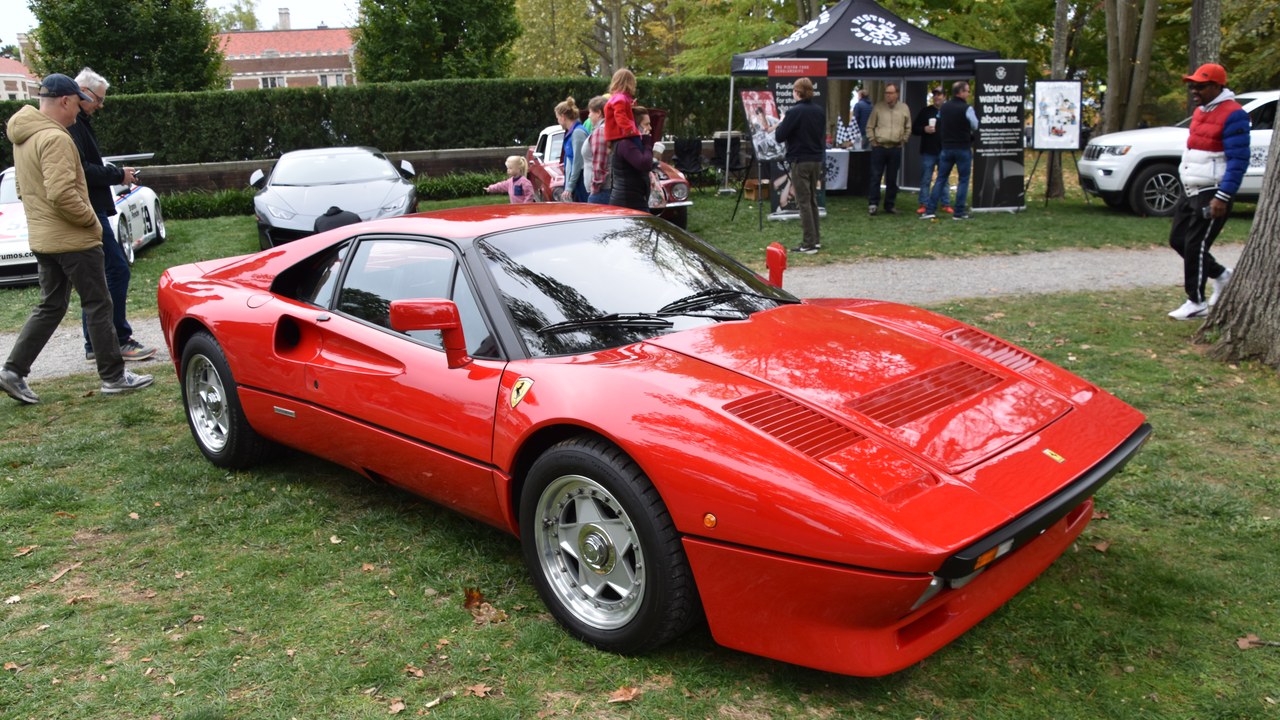
Car Keys’ history lists the 288 GTO as reaching 188 mph in 1984. Ferrari built it to meet Group B racing rules, using a twin-turbocharged V8 mounted longitudinally behind the cabin and a body that echoed the 308 but was far more aggressive.
Production was limited, and the car never competed in Group B because that series was canceled. It still became the direct ancestor of the F40, so the 288 GTO is the bridge between Ferrari’s classic grand tourers and its modern turbocharged supercars.
8. Jaguar XJ220: Britain’s Early Nineties Answer
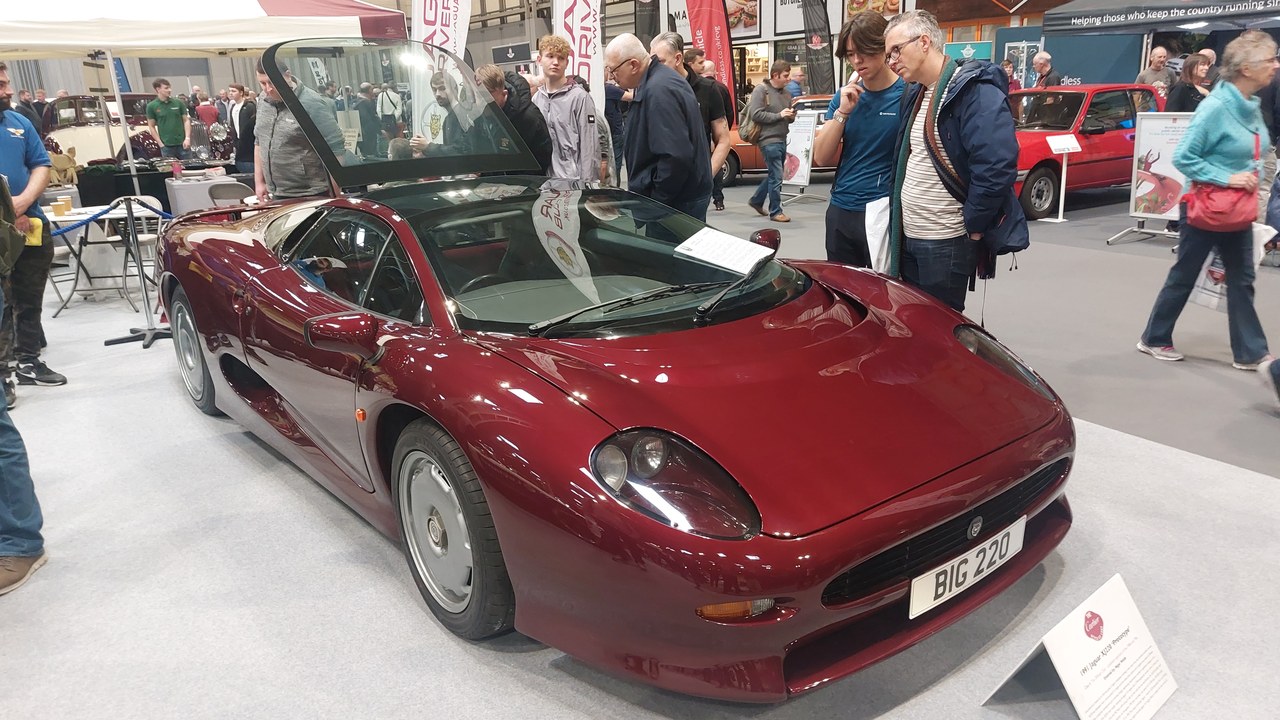
Car Keys’ rundown credits the XJ220 with a 213-mph top speed in 1992. Jaguar’s mid-engine coupe was among the largest supercars of its time, and it narrowly outran the Ferrari F40’s earlier claim of 201 mph.
The car’s V6 twin-turbo engine proved controversial, since early publicity had promised a V12. Even so, the speed number was real, and the XJ220 held the production-car crown until the McLaren F1 arrived with its own claim a year later.
9. Mercedes-Benz 300 SL: The Gullwing Decade Champion
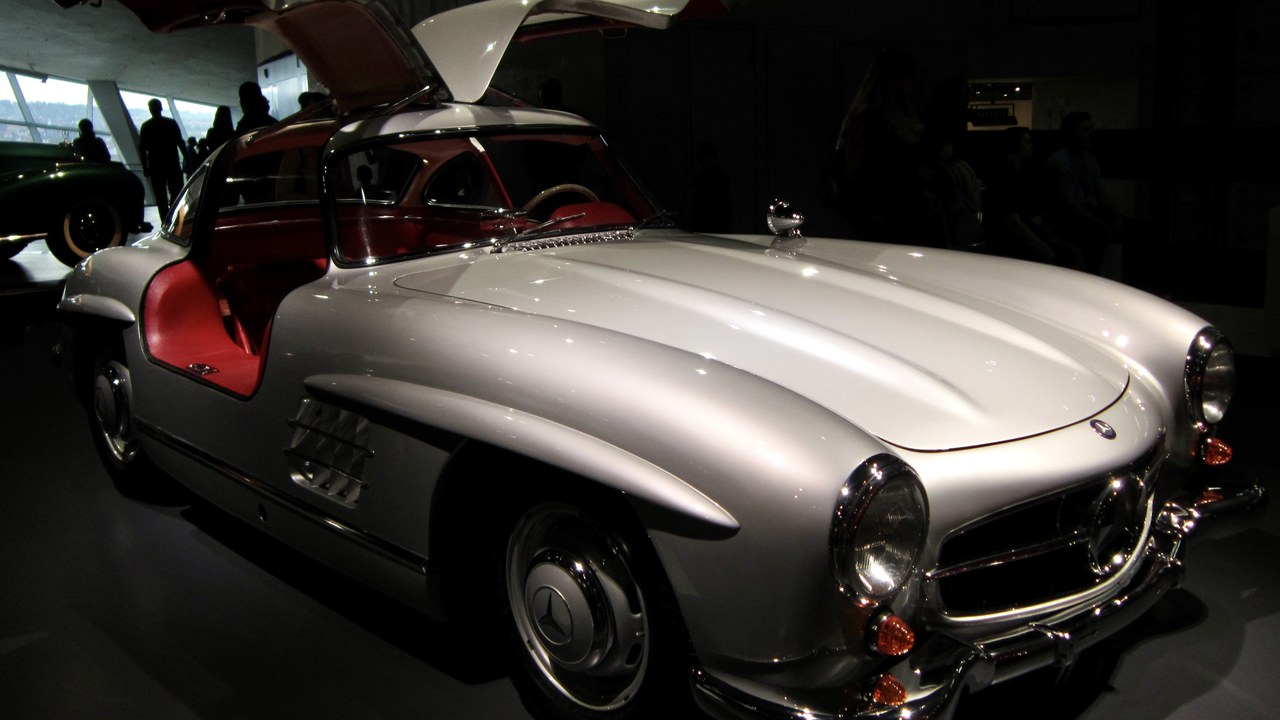
Autocar India’s decade ranking names the 300 SL as the fastest production car of the 1950s, at 246 km/h. Fuel injection was a world first for a production car, and the lightweight tubular frame forced the distinctive upward-opening doors.
That speed made the Mercedes a status symbol for wealthy drivers and a halo for the brand’s postwar recovery. Prices at auction have since climbed into seven figures, so the car now represents investment as much as engineering.
10. Lamborghini Miura: The First Mid-Engine Supercar
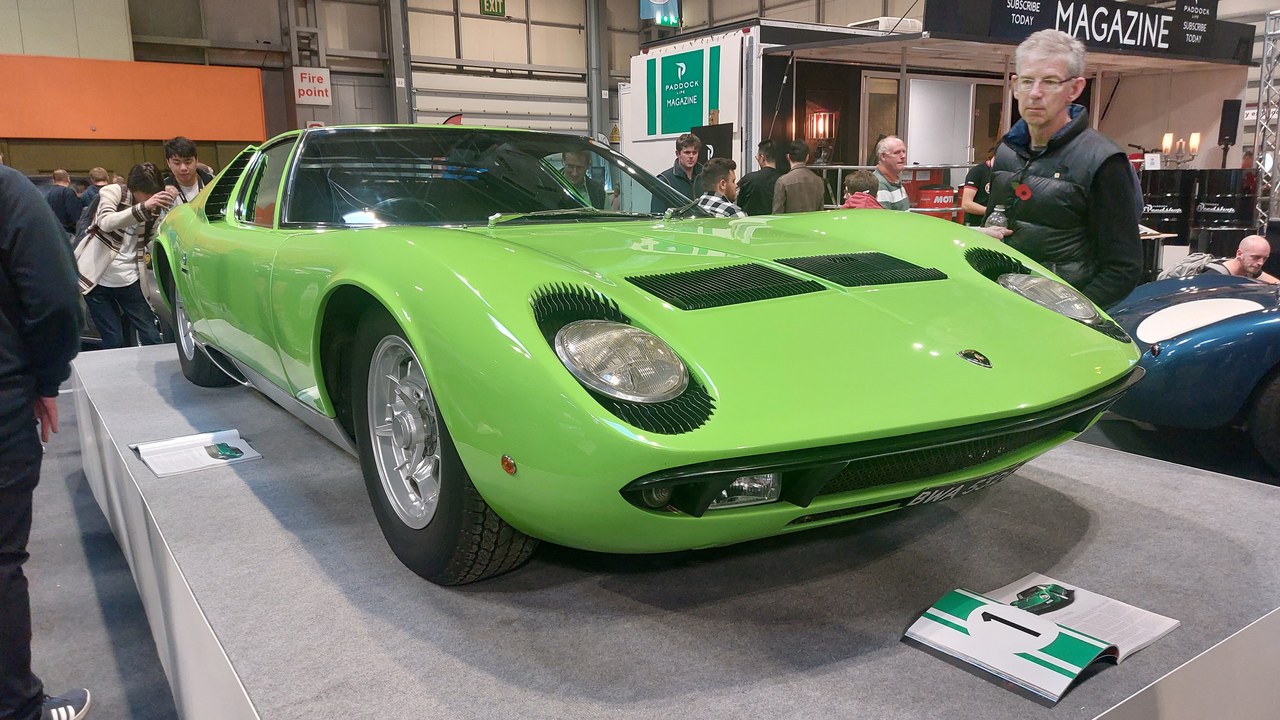
Autocar India’s list has the Miura as the fastest car of the 1960s, at 280 km/h. Lamborghini placed a transverse V12 behind the driver, a layout that rewrote expectations for what a road car could look like and how it could handle.
Nearly every modern supercar follows that basic mid-engine formula. Owners and fans credit the Miura with defining the genre, which explains why this one ranks among the most recognizable automotive designs of any decade.
11. Ferrari 512 BB: The Boxer Era Leader
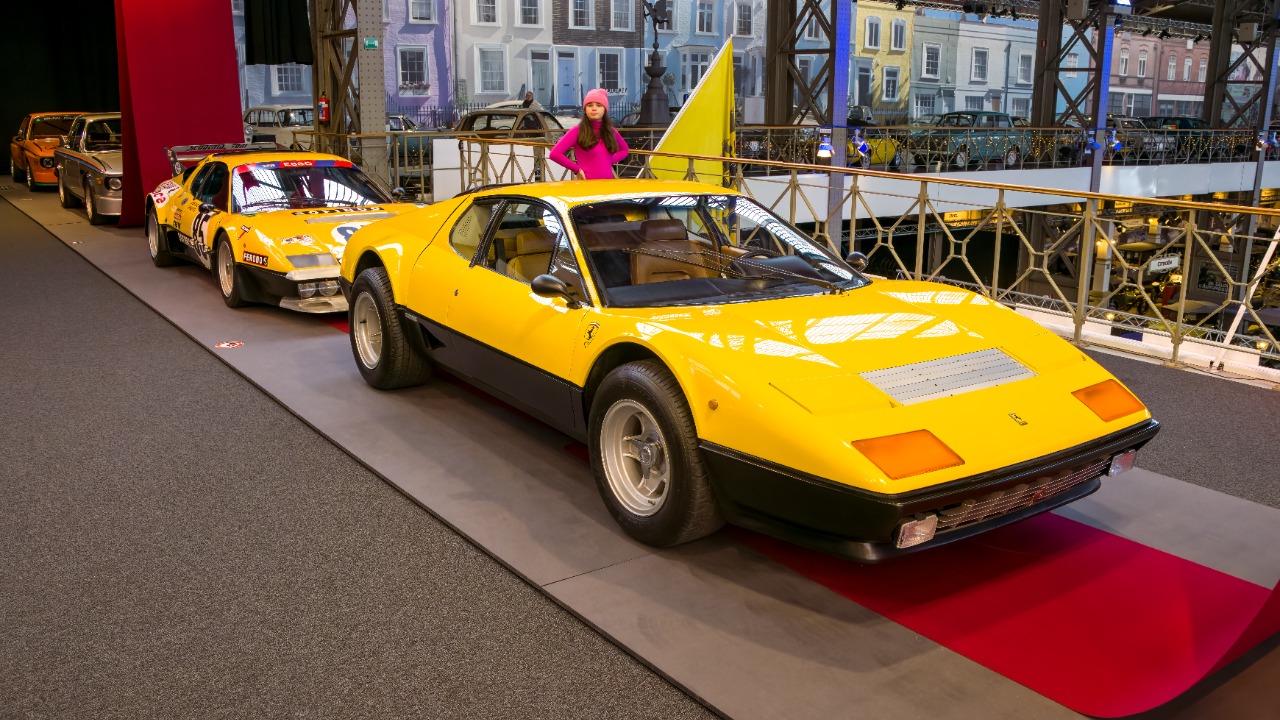
Autocar India’s ranking lists the 512 BB as the fastest car of the 1970s at 303 km/h, making it one of the first road cars to crack the 300 km/h mark. Ferrari used a flat-12 engine mounted behind the seats, which kept the center of gravity low.
The Berlinetta Boxer shifted Ferrari’s flagship from front-engine grand tourers to mid-engine exotics. Buyers considering one should note the complex engine, because servicing is demanding, and its clearest legacy is a template that later Ferraris refined.
12. Duesenberg Model J: The Prewar Heavyweight
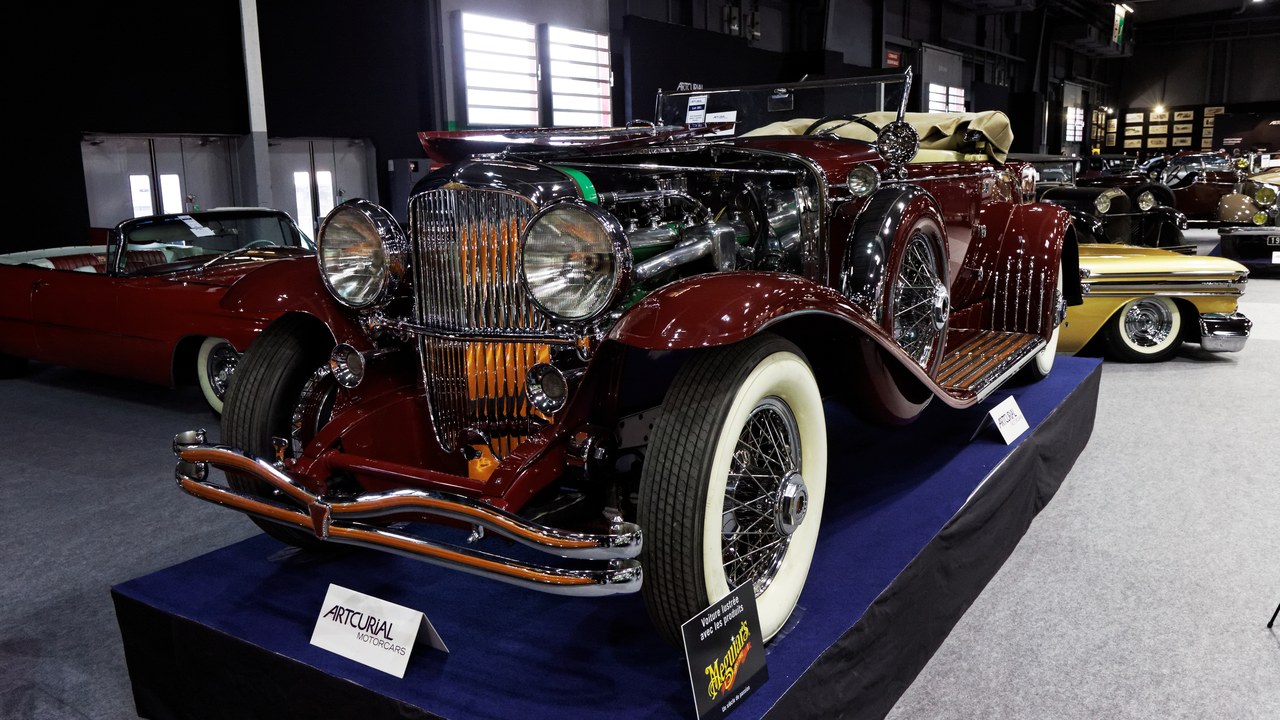
Autocar India’s decade list crowns the Model J as the fastest production car of the 1920s at 191 km/h, a pace made possible by a huge straight-eight engine. Duesenberg built the chassis and engine in-house and left coachbuilders to craft the bodies.
The Model J was aimed at wealthy buyers who wanted both prestige and power in an era before superhighways. It remains the oldest entry on this list and shows that the contest for speed supremacy began long before the jet age.
More from Morning Overview
- Lake Powell sank to a record 3,517 feet, nearing the level that stops Glen Canyon Dam’s turbines
- Seven of Earth’s nine planetary boundaries are breached, and all seven are worsening
- The NSA says three phone features should be off whenever you aren’t using them
- Hurricane Hunter radar shows four warning signs that a tropical cyclone is about to strengthen, a University of Miami study found
