
Fuel economy records are usually assumed to belong to the newest hybrids, but the EPA’s long history shows a more interesting mix. Featherweight hatchbacks from the 1980s and 1990s share the list with early hybrids and the latest efficiency specialists. Here are eleven cars that earned a place among the most frugal vehicles ever rated.
1. 2000 Honda Insight: America’s First Hybrid
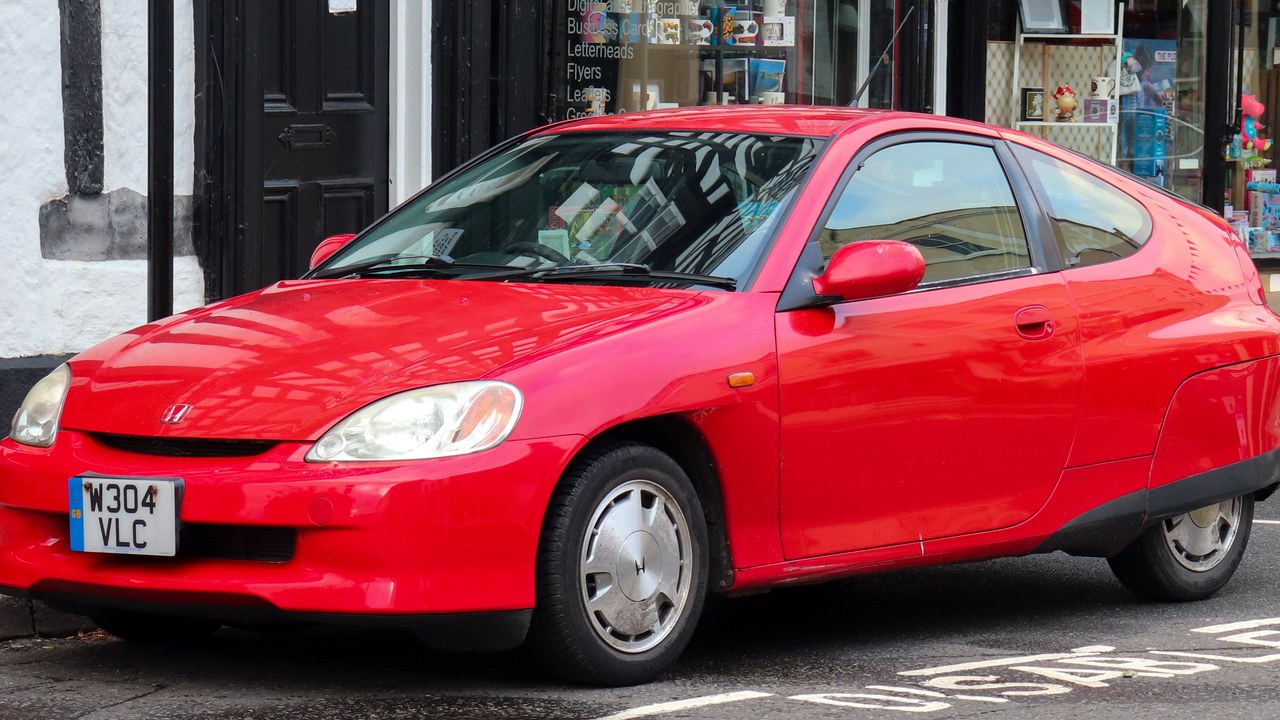
The original Insight earned 53 mpg combined and, according to Jalopnik’s all-time mileage ranking, was the first hybrid sold in America. Honda paired a tiny gasoline engine with an electric assist motor in a lightweight, aerodynamic two-seat body that put efficiency ahead of everything else.
Anyone considering one today should expect a cramped, quirky coupe with little cargo room. Aging hybrid batteries are the real risk, so a specialist inspection of the electric system matters more than the odometer reading.
2. 1987 Honda CR-X HF: Lightweight Gas Sipper
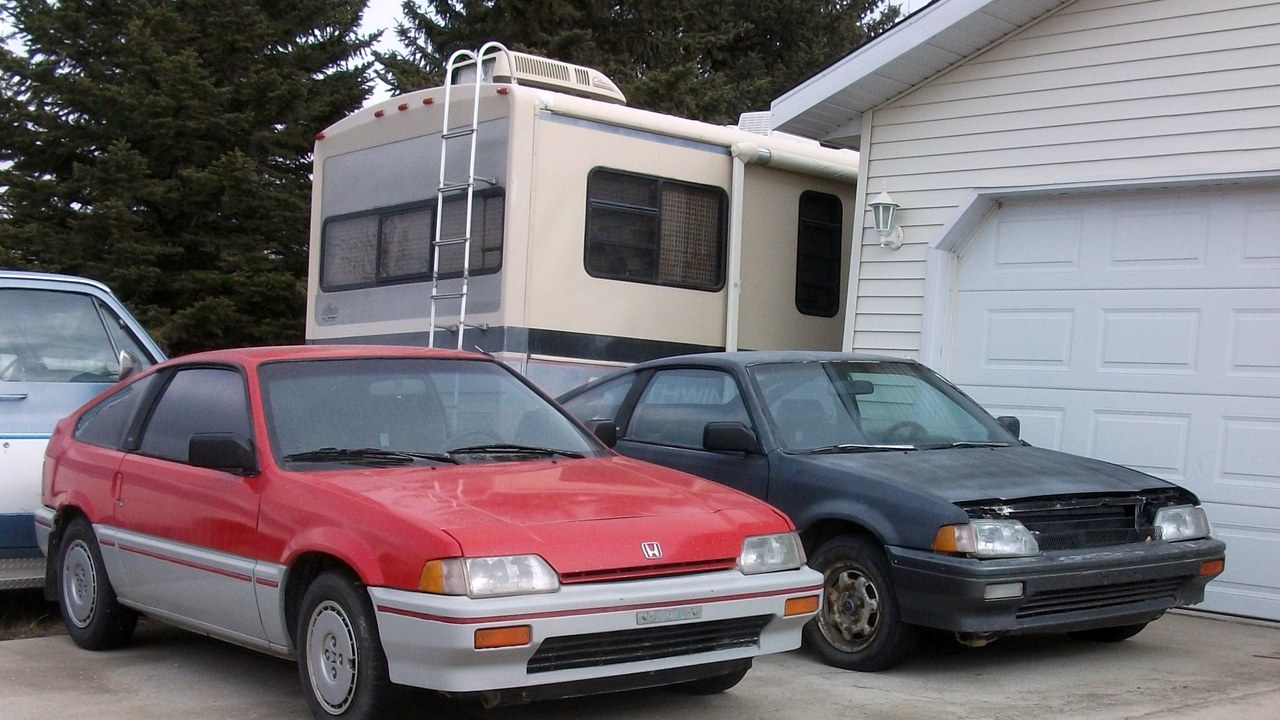
The CR-X HF returned 46 mpg combined while weighing less than 1,900 pounds, and, as Jalopnik’s record roundup shows, a place at the top can be won with low mass rather than electrification. Honda tuned a small engine for lean cruising and wrapped it in a slippery hatchback shell.
Light weight still pays off in ordinary driving: less metal means smaller brakes, narrower tires and a lighter engine load. Buyers hunting the HF should check for rust and tired original parts, since survivors are scarce.
3. 2017 Hyundai Ioniq Blue: Hybrid Record Holder
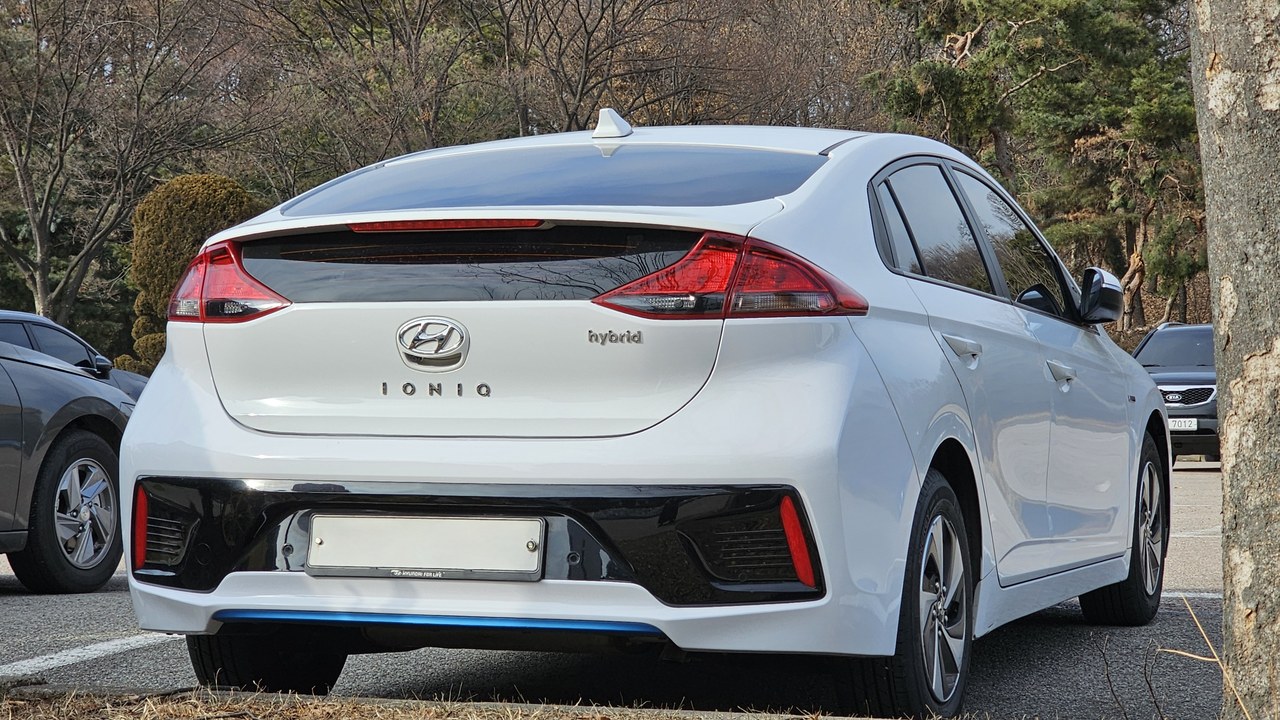
Rated at 58 mpg combined, the Ioniq Blue set a non-plug-in record for a hybrid that never plugs into the wall. Hyundai tuned a dedicated hybrid hatchback around slippery bodywork and efficient components rather than adding battery capacity.
For owners, the lesson is that a conventional hybrid can match the thrift many drivers assume requires a plug. The Blue trim is the efficiency specialist, so shoppers comparing used Ioniqs should confirm they are looking at that version.
4. 2016 Toyota Prius Eco: Fourth-Generation Eco Trim
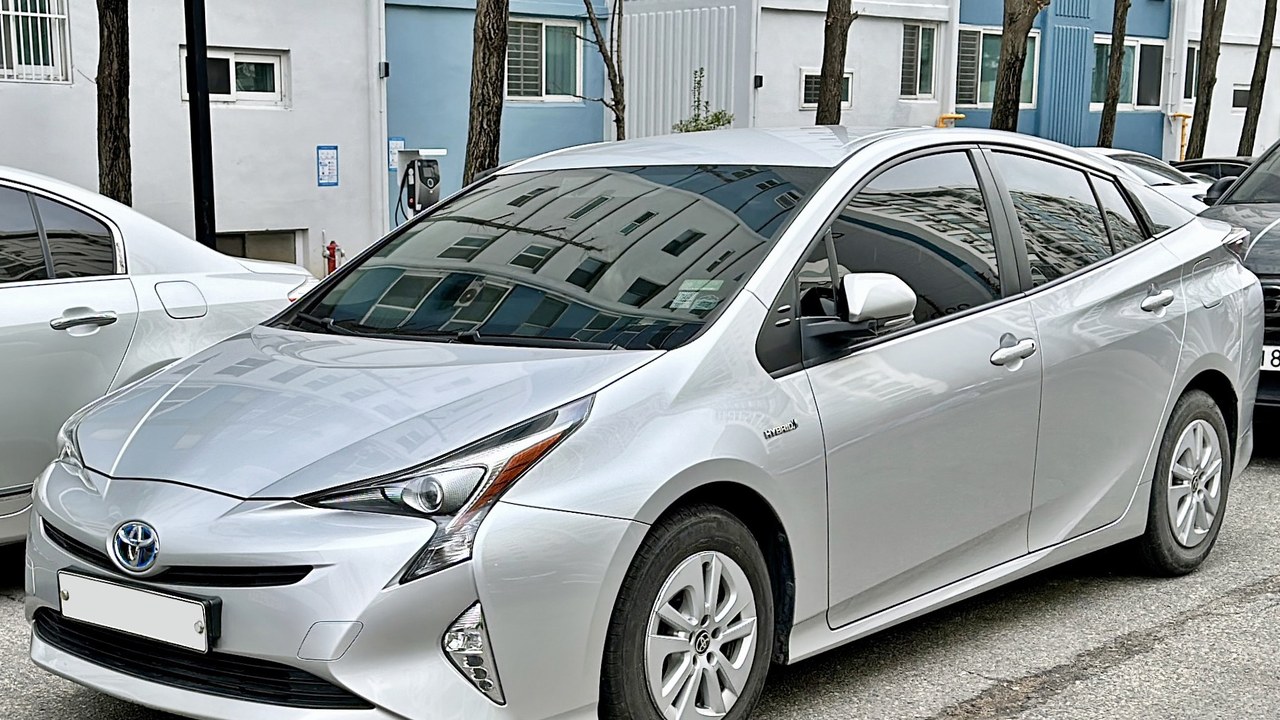
Toyota’s Prius Eco reached 56 mpg combined, placing it on Jalopnik’s mileage list alongside far older and smaller cars. It earned the figure as the efficiency-focused version of the fourth-generation Prius, a hatchback shaped with aerodynamics in mind.
That result shows how far a mainstream five-door hatchback can go without sacrificing everyday usability. Used-car buyers should note the Eco trim is the efficiency pick of the lineup, while other Prius versions rate a few mpg lower.
5. 1986 Chevrolet Sprint ER: Cheap Sprint, Big Mileage
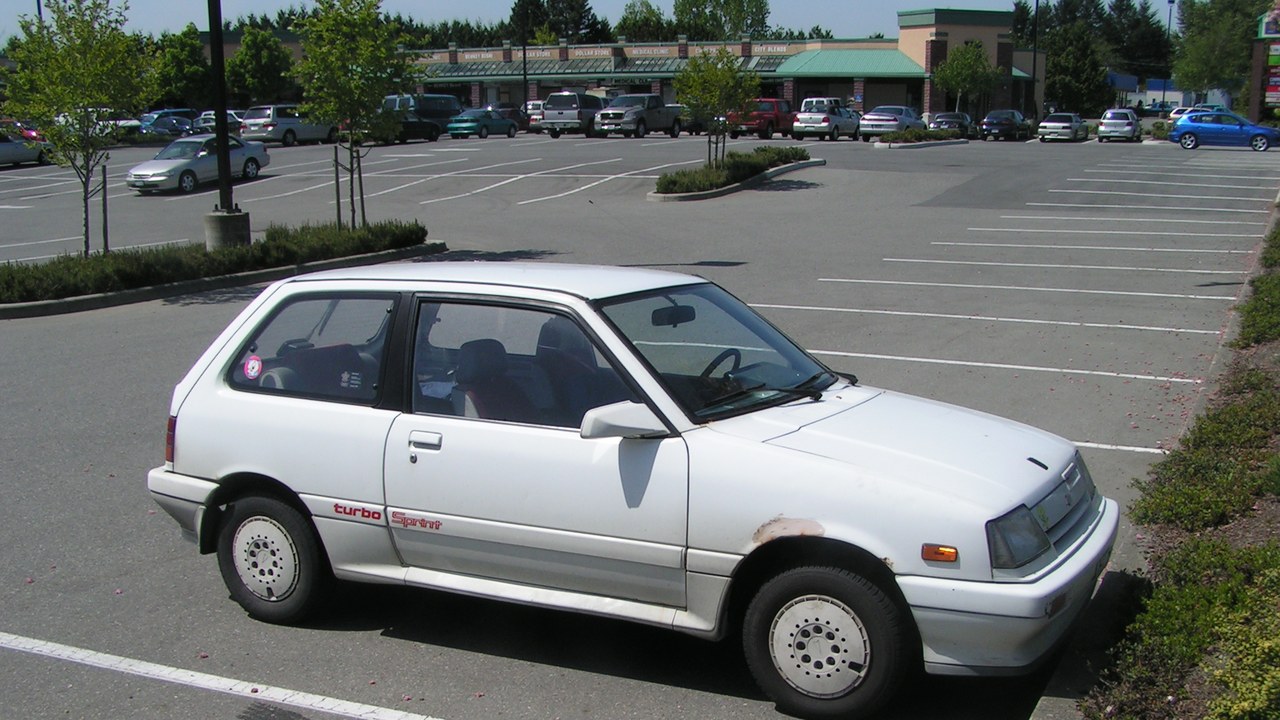
Chevrolet’s Sprint ER managed 48 mpg, which put it third on EPA’s all-time top 10 since 1984. The little three-cylinder hatchback was essentially a rebadged Suzuki, built to be light, simple and miserly rather than quick.
Its showing proves that decades-old econoboxes still beat most new cars at the pump. The trade-off was modest power, minimal crash protection by modern standards and a spartan cabin, which helps explain why few remain on the road.
6. 1990 Geo Metro XFi: Metro at the Top
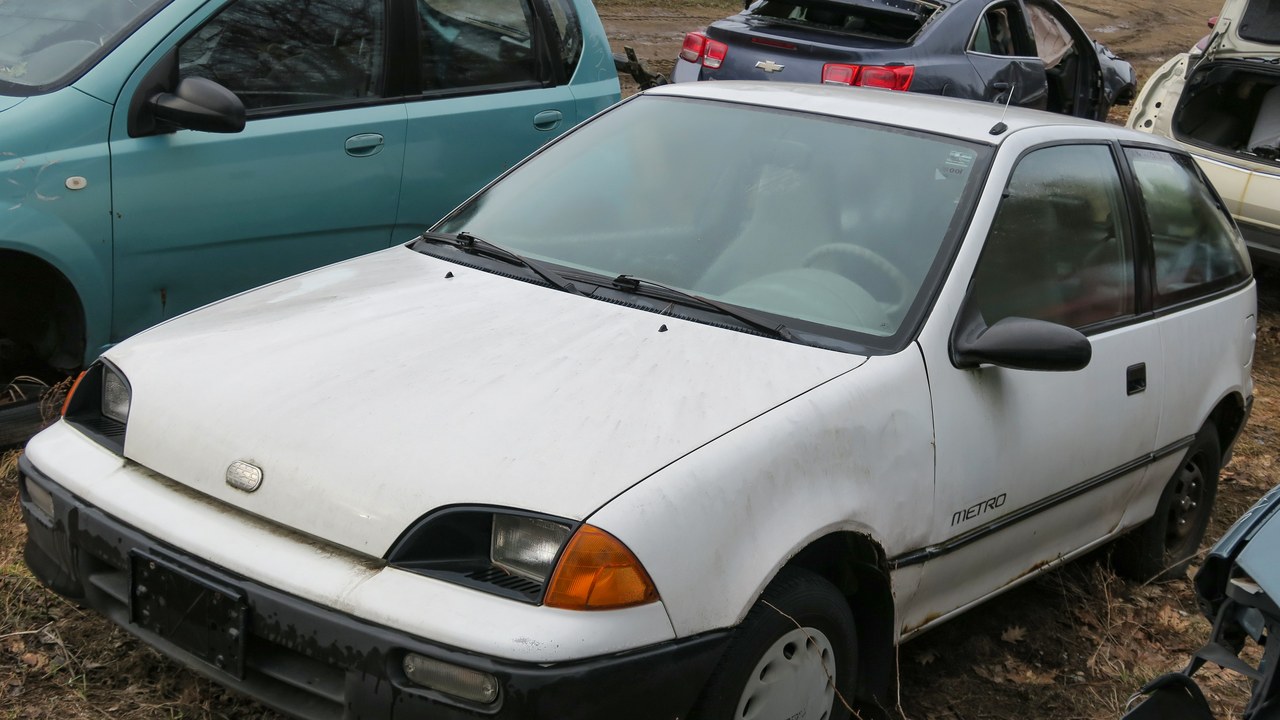
At 47 mpg, the Geo Metro XFi appears on the EPA’s historic list of fuel sippers dating back to 1984. The XFi was the thriftiest version of a tiny General Motors hatchback, built around a three-cylinder engine and very little weight.
Used examples remain popular with hypermilers because the formula is so simple: small engine, low mass, no complicated hardware. Prospective owners should expect slow acceleration and thin sound insulation in return for fuel bills that still look remarkable.
7. Honda Civic VX hatchback: The VX Trick
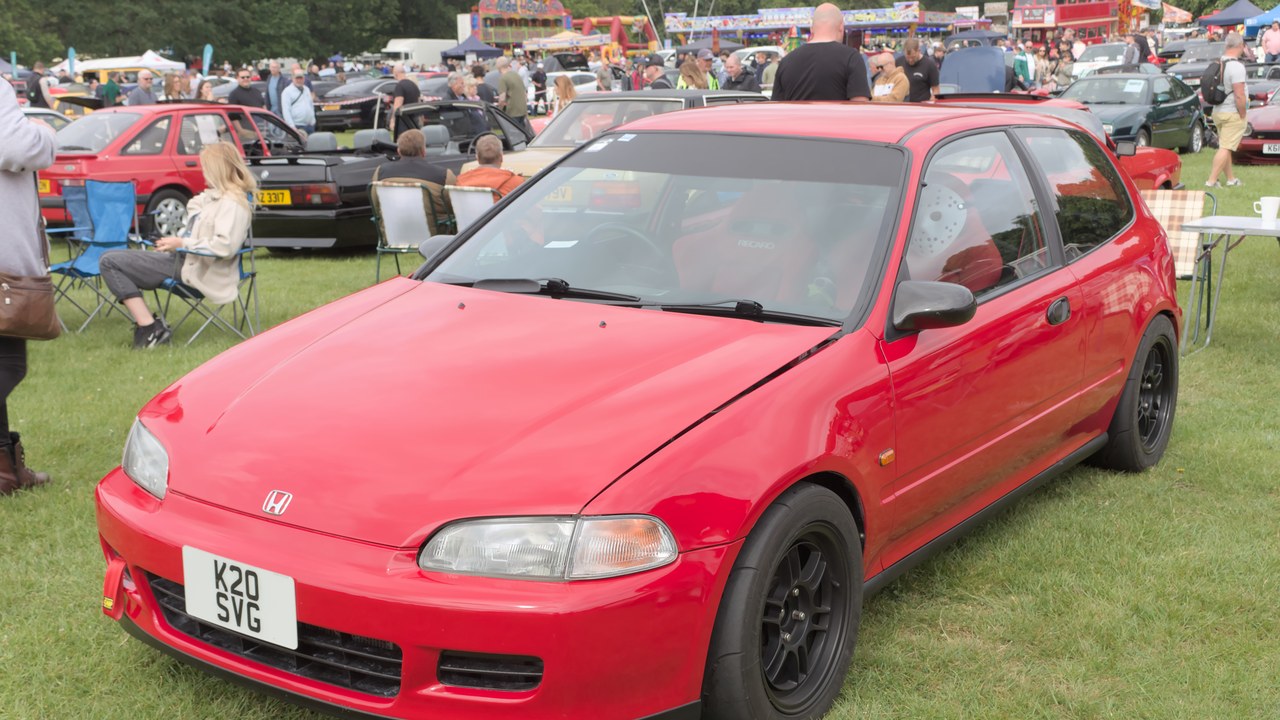
Rated at 43 mpg, the Civic VX hatchback holds a place in EPA all-time rankings of the most efficient cars sold since 1984. Honda used a lean-burn version of its small engine and an economy-minded gearing strategy to stretch each gallon.
The VX shows that careful engine calibration can deliver big savings in a car that still seats four and carries groceries. Collectors and thrifty buyers should check that the original lean-burn hardware has not been swapped out for a conventional engine.
8. Toyota Prius (third generation): Prius Goes Mainstream
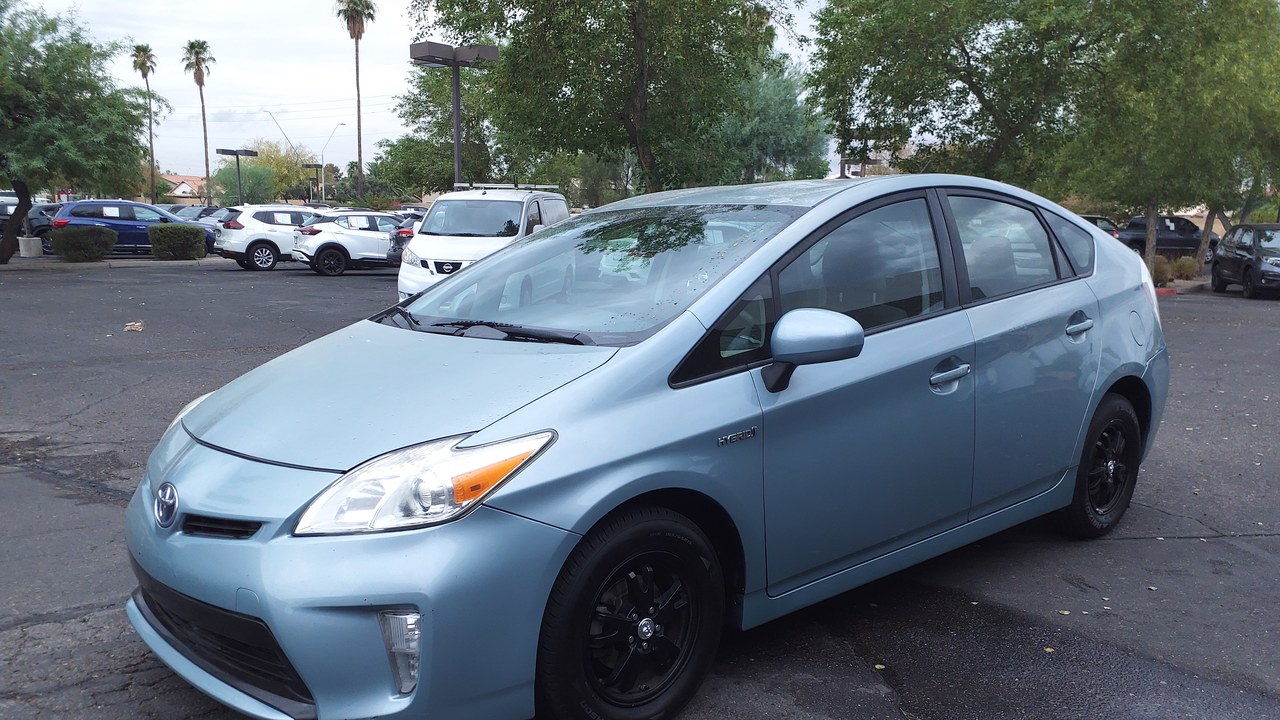
Rated at 50 mpg combined, the third-generation Prius ranked No. 2 on 2010 EPA list, trailing only the original Insight. It brought hybrid efficiency to a roomy five-door hatchback that families could use as their only car.
That blend of space and thrift explains why so many remain in service as taxis and commuters. Shoppers should still budget for eventual hybrid battery work on high-mileage examples and ask for service records covering the cooling system for that battery.
9. 2001-2003 Toyota Prius: Where Hybrids Began
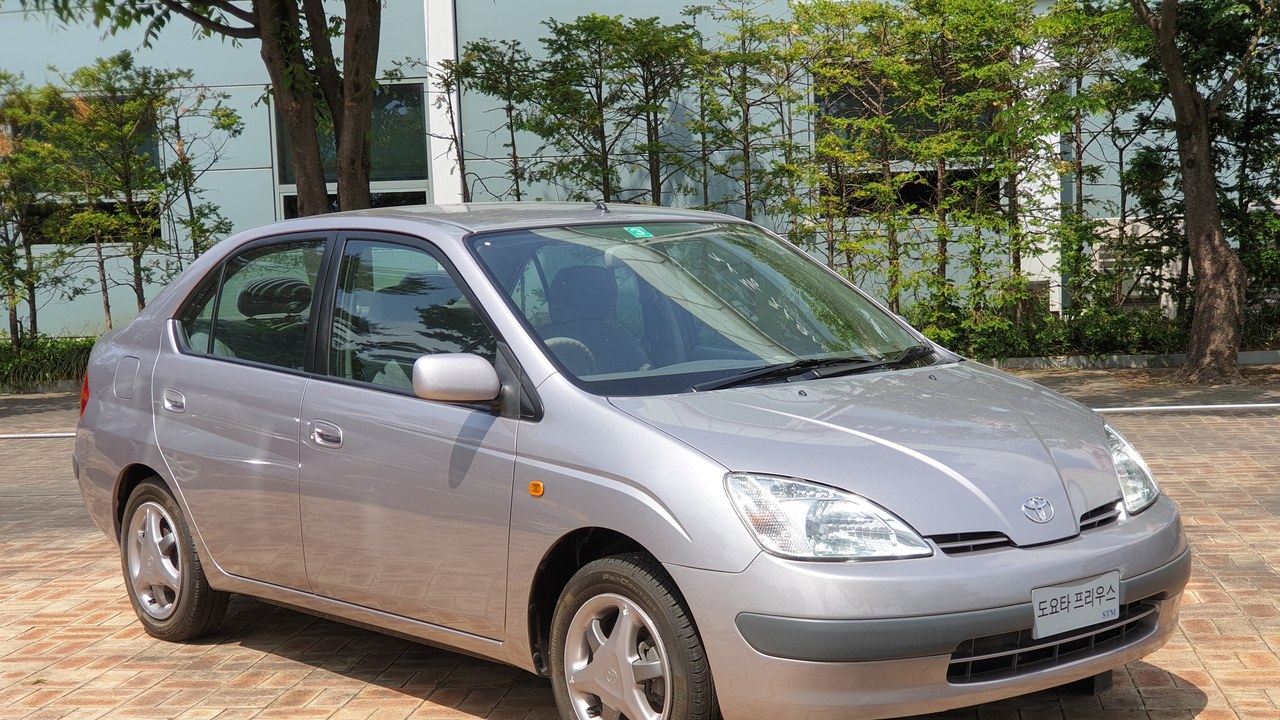
The first-generation Prius landed at No. 9 on EPA’s 2010 compilation of top fuel sippers since 1984. It was among the first mass-market hybrids available outside Japan, pairing a gasoline engine with an electric motor in a compact sedan.
Its ranking is less about the number than about the idea, since the car proved hybrid drivetrains could survive daily use. Anyone buying one now is paying for history and should expect aged batteries, slow acceleration and a dated cabin.
10. 2010 Honda Insight: Second-Generation Insight
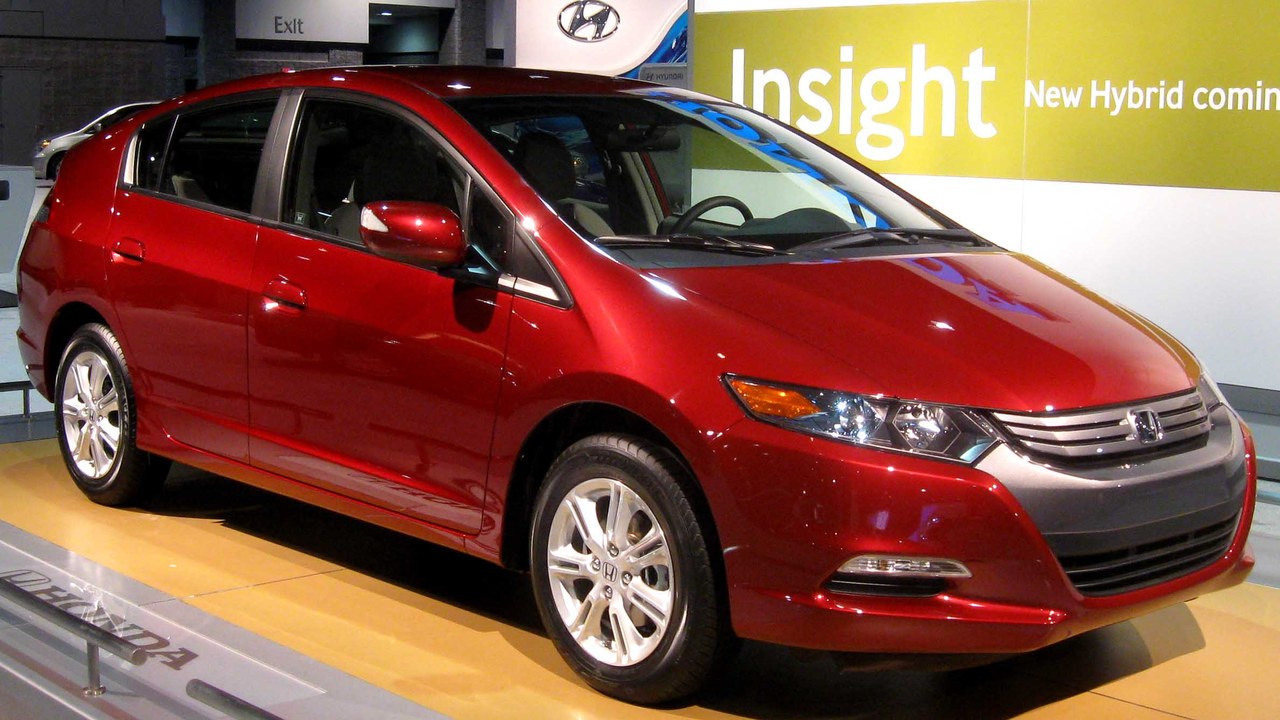
Honda’s 2010 Insight took No. 8 on top-fuel-sipper roundup, a showing that confirmed the nameplate’s return as a hybrid-only hatchback. It replaced the two-seat original with a conventional five-door body aimed at mainstream buyers.
The redesign traded the first car’s extreme efficiency for practicality and a lower price. Buyers should compare it directly with a Prius of the same period, since cargo space and ride comfort differ more than the fuel economy does.
11. 2006-2010 Honda Civic Hybrid: Hybrid Sedan Option
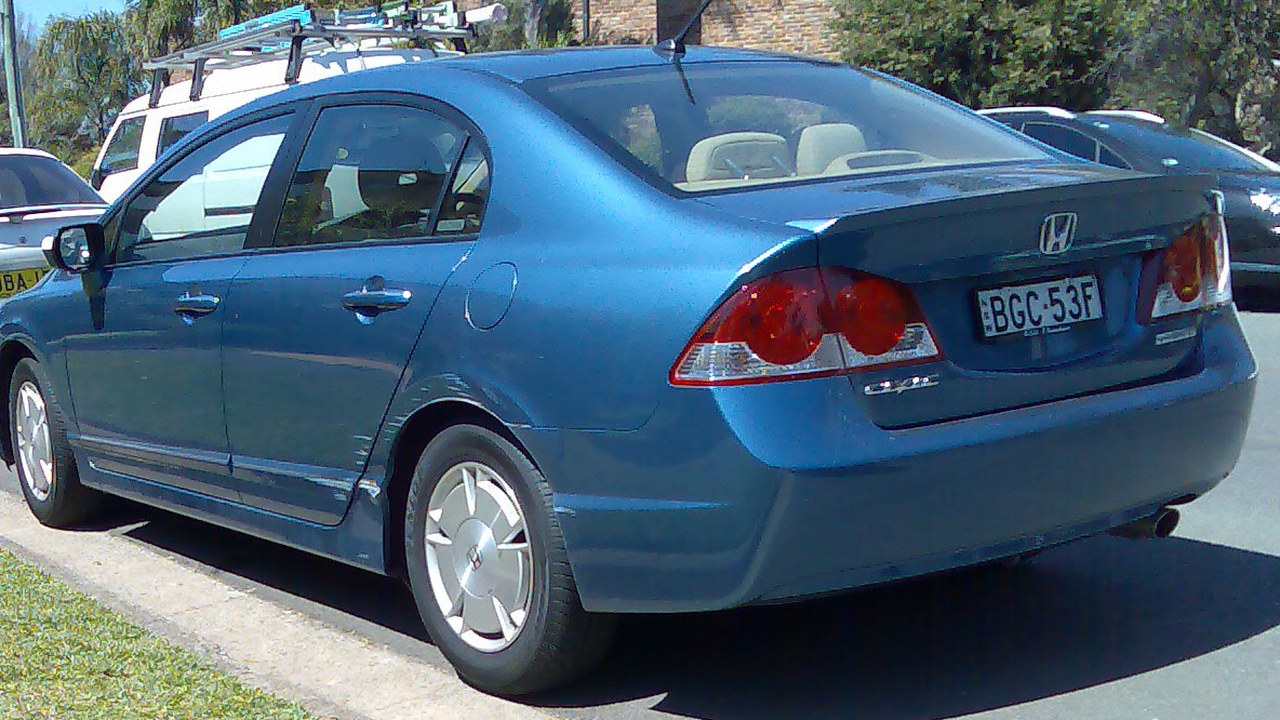
The 2006-2010 Civic Hybrid reached No. 7 on EPA ranking article, proving a hybrid did not need unusual styling. Honda added its assist motor to a regular Civic sedan, keeping the familiar look and interior.
For owners, that meant efficiency without the visual statement of a Prius. Used shoppers should research the integrated battery pack’s condition and warranty history, because replacement cost can approach a meaningful share of these cars’ modest resale values.
More from Morning Overview
- Hybrids have 15% fewer problems than gas cars, while EVs and plug-in hybrids have about 80% more, Consumer Reports finds
- Regulators cleared the first U.S. small modular reactor, 4 months early
- Lake Powell sank to a record 3,517 feet, nearing the level that stops Glen Canyon Dam’s turbines
- Seven of Earth’s nine planetary boundaries are breached, and all seven are worsening
