
Car makers have long reached for the animal kingdom when picking badges, from sea creatures to horses, cats and snakes. The stories behind those names include a near-miss Panda, a public poll that was overruled and one car sold under a different animal in America. Here are twelve animal-named cars and what makes each one memorable.
1. Plymouth Barracuda: Almost The Panda
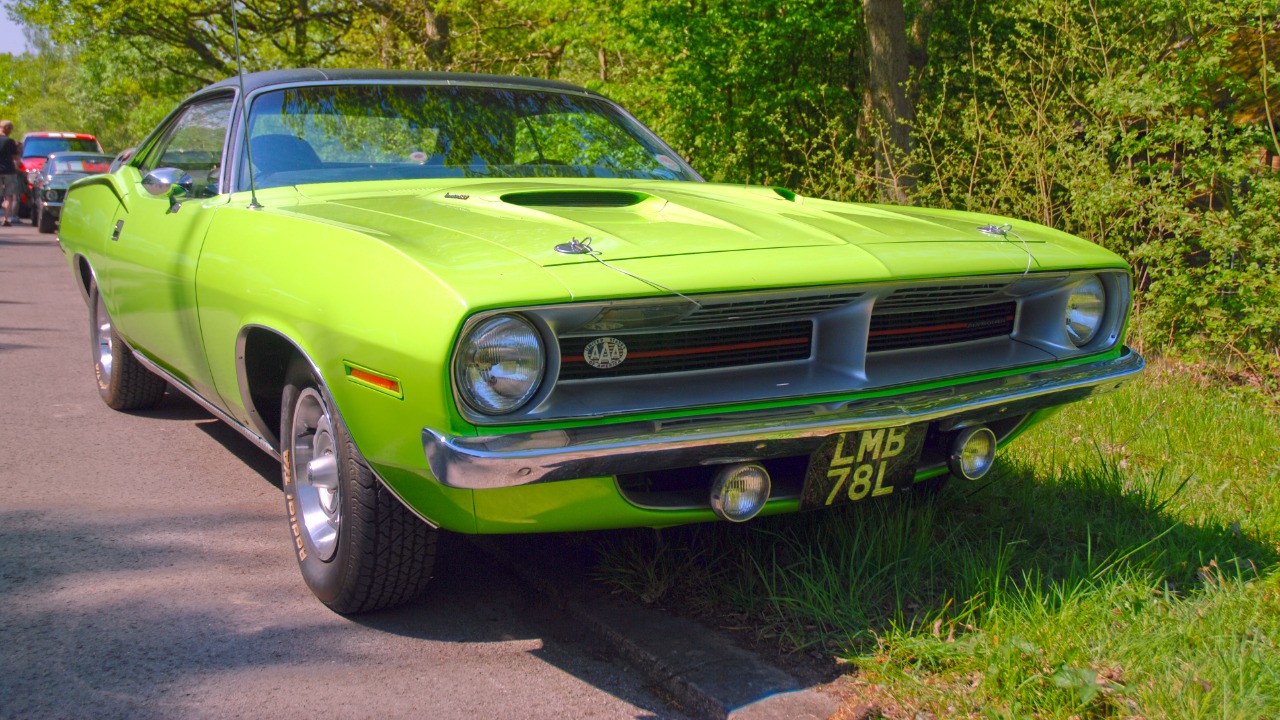
Plymouth’s pony-car entry reached showrooms 16 days before the Mustang, which gives it a genuine head start in the segment’s history. The name was nearly far less fierce, because the Jalopnik ocean-creatures roundup reports that the Barracuda was originally going to be called the Plymouth Panda. A fish with teeth won out over a bamboo-eating bear.
The naming story is the reason the car is remembered as more than a Mustang rival. Buyers and collectors can read the Barracuda badge as a deliberate choice of aggression, made at the last moment, and the shown car is a later, muscle-era example of that fish-themed identity.
2. Chevrolet Corvette Sting Ray (1963): The Stingray Gets Fuel Injection
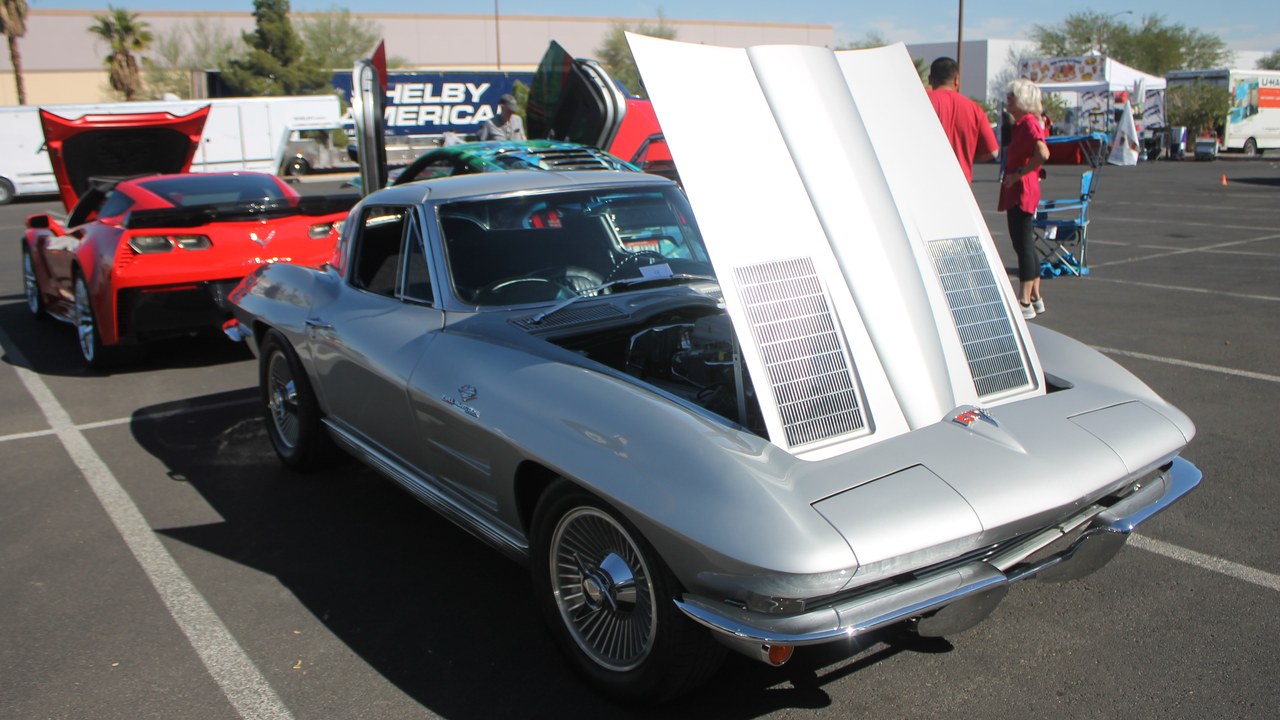
Chevrolet named its 1963 Corvette Sting Ray after the stingray, a flat, fast ocean predator that suited the car’s low, pointed shape. According to Jalopnik’s list of sea-named cars, the fuel-injected 327 V8 was rated at 360 hp, a serious figure for the period. The split rear window seen here marks the 1963 model year specifically.
For buyers, the animal name and the fuel-injected engine arrived together, so the Sting Ray badge also signals the performance flagship of the lineup. Cars with that injected 327 carry the strongest rating mentioned, while other engines in the model year made less power.
3. AMC Marlin: A Billfish With A V8
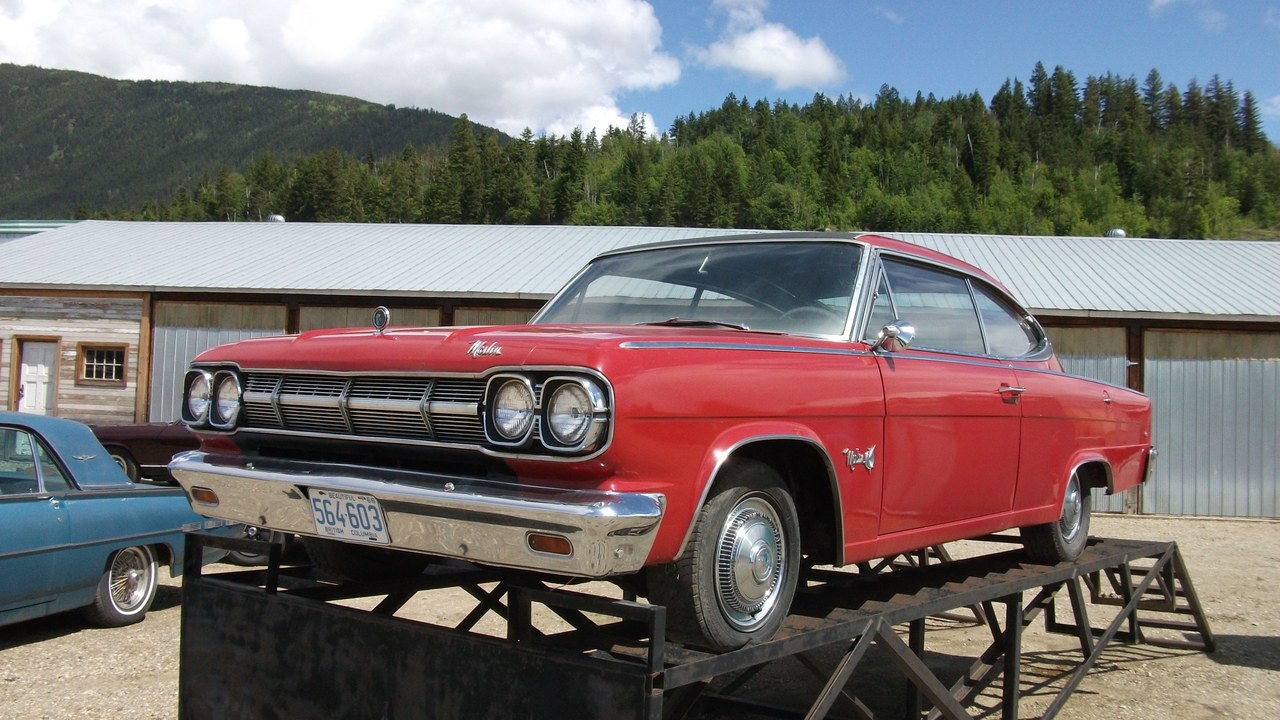
American Motors borrowed the marlin, the big, fast billfish of the open ocean, for a fastback aimed at buyers wanting something sportier than a standard sedan. The ocean-creatures article notes that the Marlin could be ordered with a 327 V8 making 270 hp, a respectable output that gave the fish name some muscle behind it.
The Marlin is one of the less famous names on this list, which makes it a useful reminder that animal badges were not reserved for Ford, Chevrolet and Plymouth. Collectors looking for a distinctive independent-maker fastback should note the V8 option, since that engine is what the 270 hp figure refers to.
4. Opel Manta: Manta Ray From Rüsselsheim
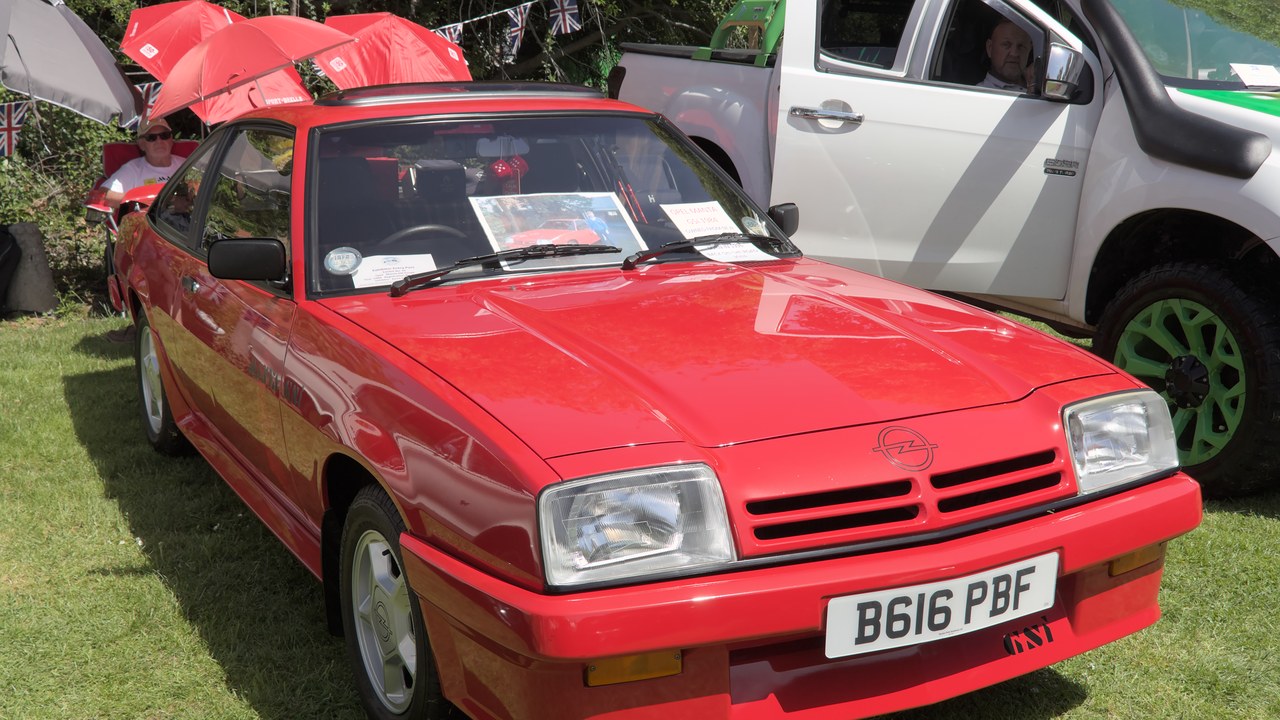
Opel took the manta ray for a coupe that stayed on sale for a long run, from 1970 to 1988. Jalopnik’s marine-name roundup lists it alongside the American fish cars, showing that animal naming was a transatlantic habit and not only a Detroit one.
That eighteen-year production span is the notable point: few sporty coupes keep one name for so long. Enthusiasts hunting for one today are choosing from a model that straddled two decades, so the production year matters more than the badge when judging style and rarity.
5. Ford Pinto: A Horse Name And A Recall
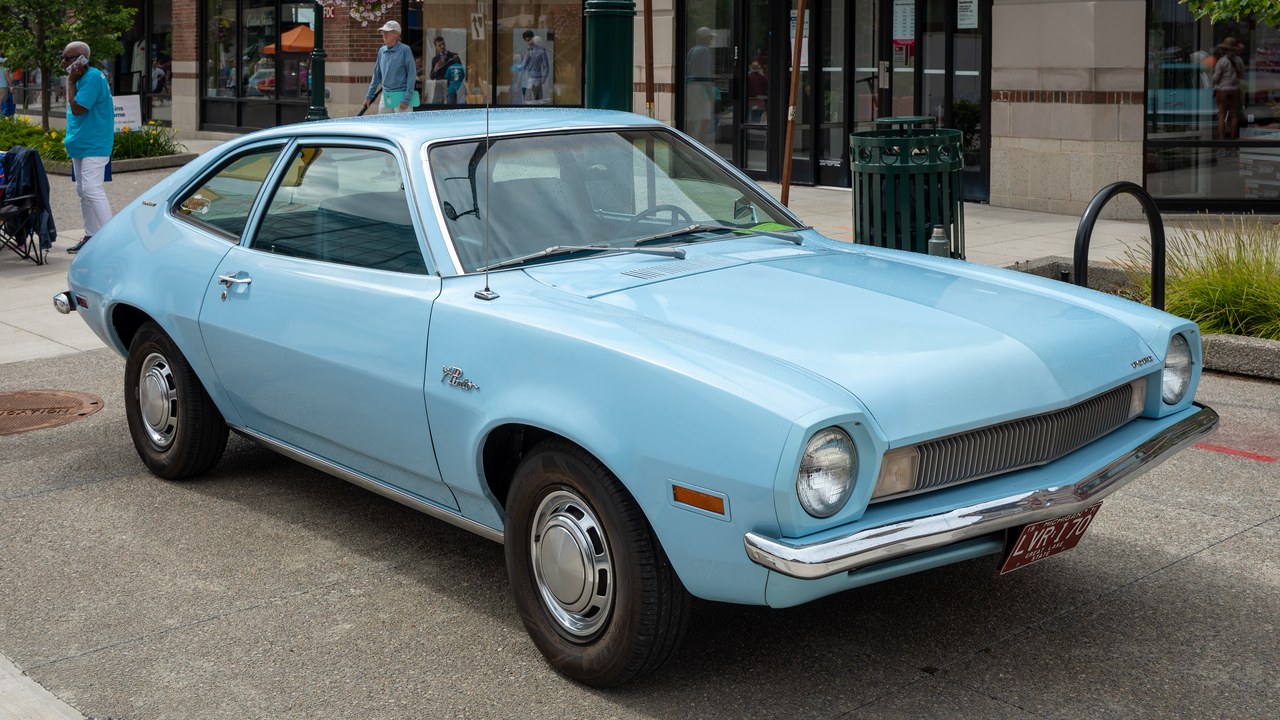
Ford gave its small car the name of a spotted horse, one of the more modest animals on the list. The label became famous for the wrong reasons, since Automotive Addicts’ animal-name list points out that the 1971 to 1976 models were recalled.
The recall history is what turned a friendly pony into a cautionary tale. Anyone looking at a Pinto from that period should treat the 1971 to 1976 window as the one tied to the recall, and check that any survivor has been dealt with before treating it as a casual classic.
6. Mercury Cougar: The Man’s Car
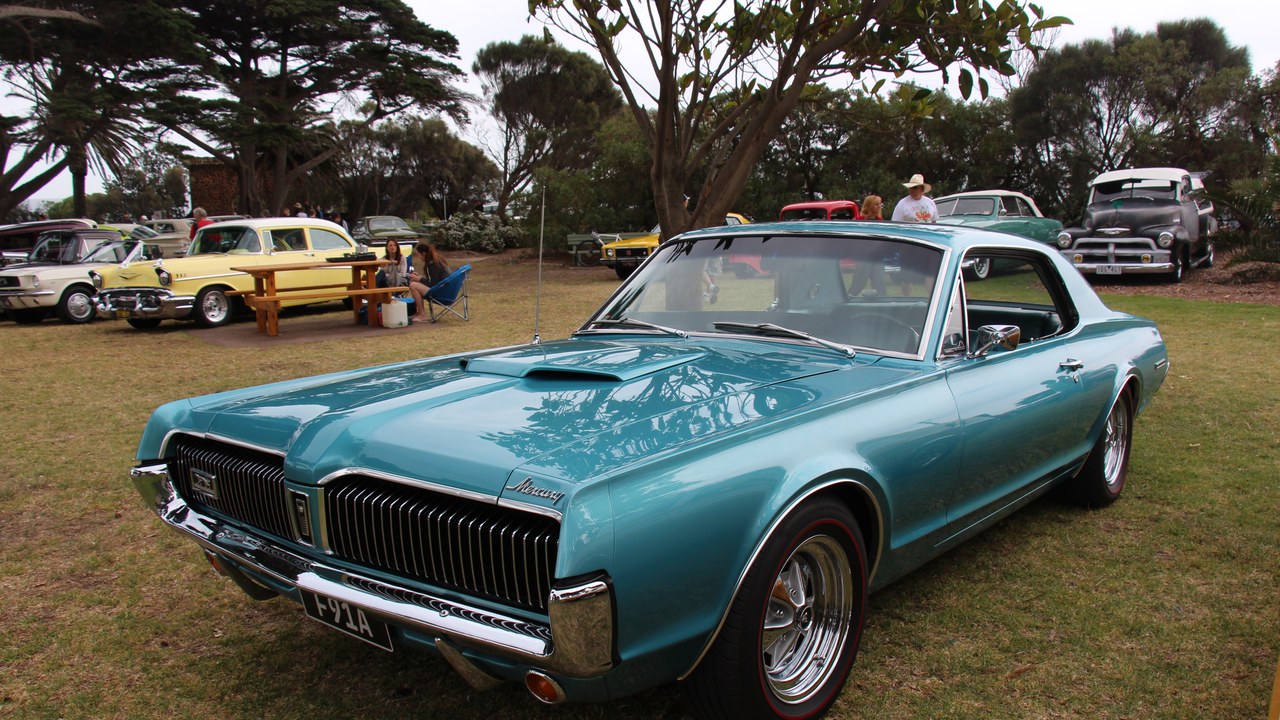
Mercury chose the cougar for a 1967 cat car and gave it a pitch that sounds blunt today. According to the Automotive Addicts feature, the company advertised it as the man’s car, leaning on the animal’s reputation for stealth and strength to sell a sporty coupe in its first model year.
The slogan shows how directly animal names were meant to carry a personality. Buyers in 1967 were being sold an attitude as much as a car, and the first-year Cougar remains the cleanest example of that approach for anyone studying how marketing departments tied animal imagery to a target audience.
7. Hudson Hornet: A Five-Thousand-Pound Stinger
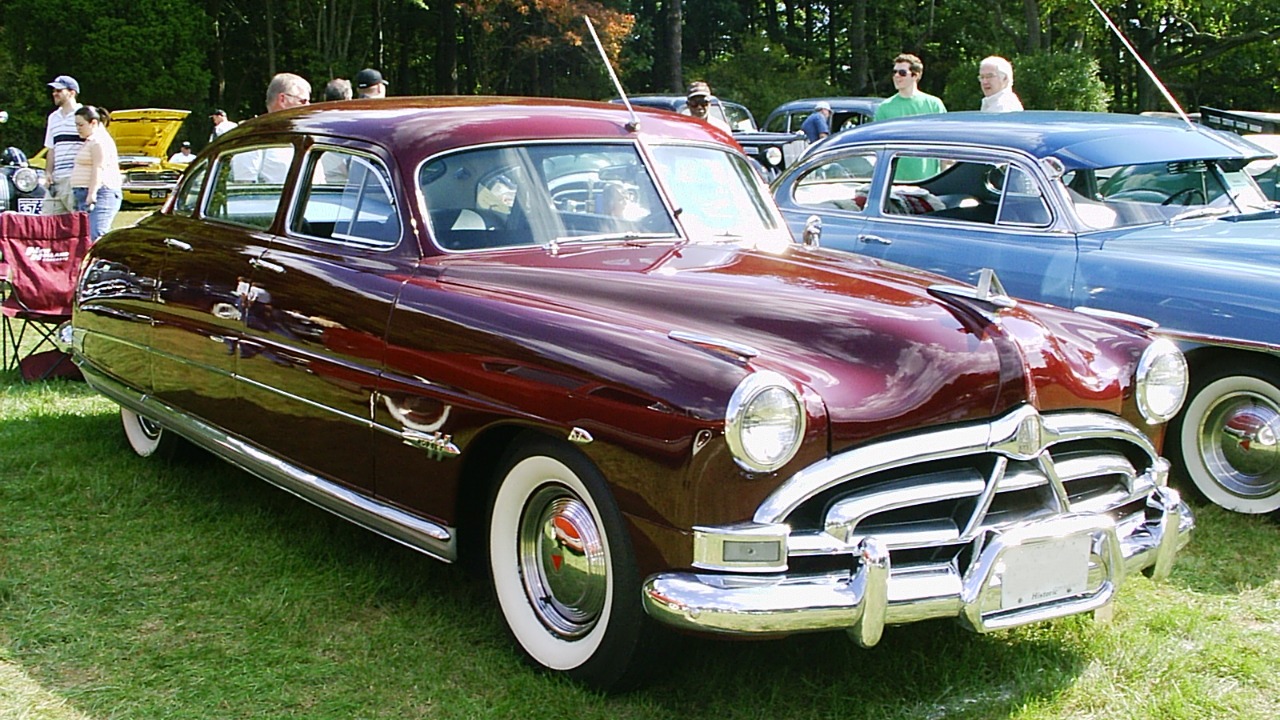
Hudson named its car for the hornet, a small insect with a painful sting, even though the car itself was no lightweight. The Automotive Addicts rundown notes that it weighed about 5,000 pounds, yet it still dominated 1950s stock car racing, which made the insect badge a fair description of its attitude on the track.
The Hornet is the list’s best case of a name being earned. The weight figure is the surprise, because a car of roughly 5,000 pounds is not the obvious candidate for racing success. Its record in 1950s stock car competition is what keeps the Hudson name in circulation decades after the company itself disappeared.
8. Volkswagen Beetle: The Insect With The Small Price
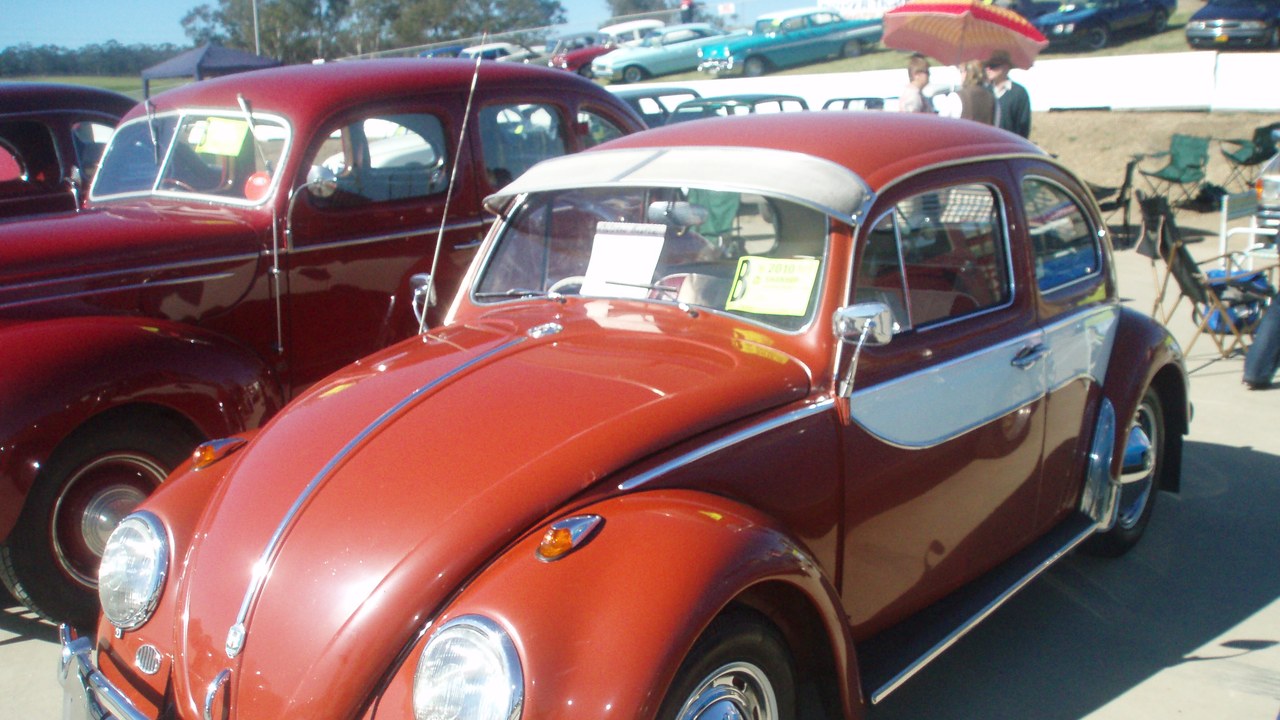
Volkswagen’s Beetle takes its name from an insect, and its appeal was always partly about cost. As Automotive Addicts’ animal-name list records, the 1960 versions sold for about $1,600, a modest sticker for a car that became a cultural icon.
That low entry price is a large part of why the Beetle spread so widely. Shoppers comparing it with larger American sedans of the period were weighing a small, simple car against bigger ones, and the animal nickname gave an unglamorous economy car a likable, memorable identity.
9. Ford Mustang: A Horse And A Fighter Plane

Ford’s Mustang carries a double meaning, since it was named after a feral horse and also after the P-51 Mustang fighter. Classic & Sports Car’s naming feature adds that the car was first shown as a 1962 concept, well before the production pony car reached showrooms.
The dual origin lets Ford claim both an animal and an aircraft heritage, which suits the car’s image of freedom and speed. For anyone tracing the badge, the 1962 concept is the starting point, and the original coupe remains the clearest visual link to that story.
10. Ford Taurus: The Bull Beat The Public
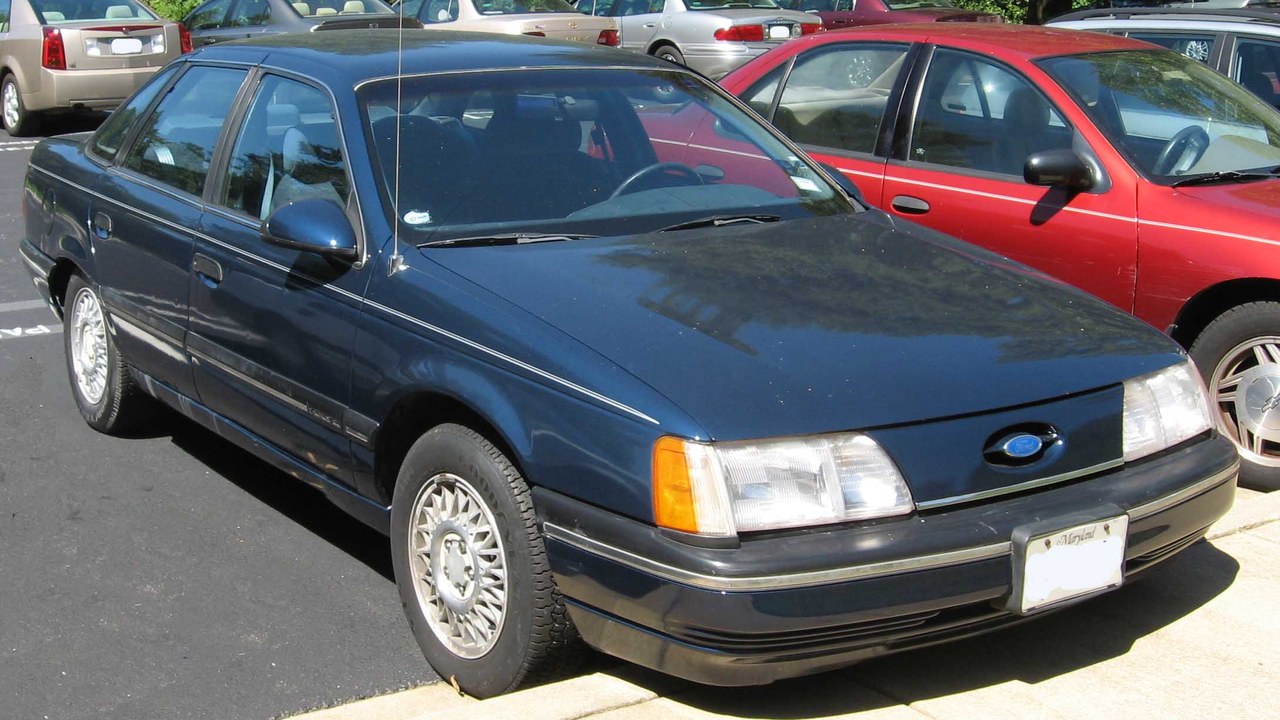
Ford’s mid-size sedan was code-named after a bull and its star sign, and the name stuck despite a public vote. The Classic & Sports Car piece explains that the public picked Integra from 20 names, but Ford kept its Taurus codename for the production car.
It is a rare case of a carmaker overruling a naming poll. Buyers who saw the Taurus badge on a showroom floor were looking at an internal project name that survived, and the story is a reminder that the most famous car names are not always chosen by customers.
11. Volkswagen Rabbit: The Golf Became A Rabbit
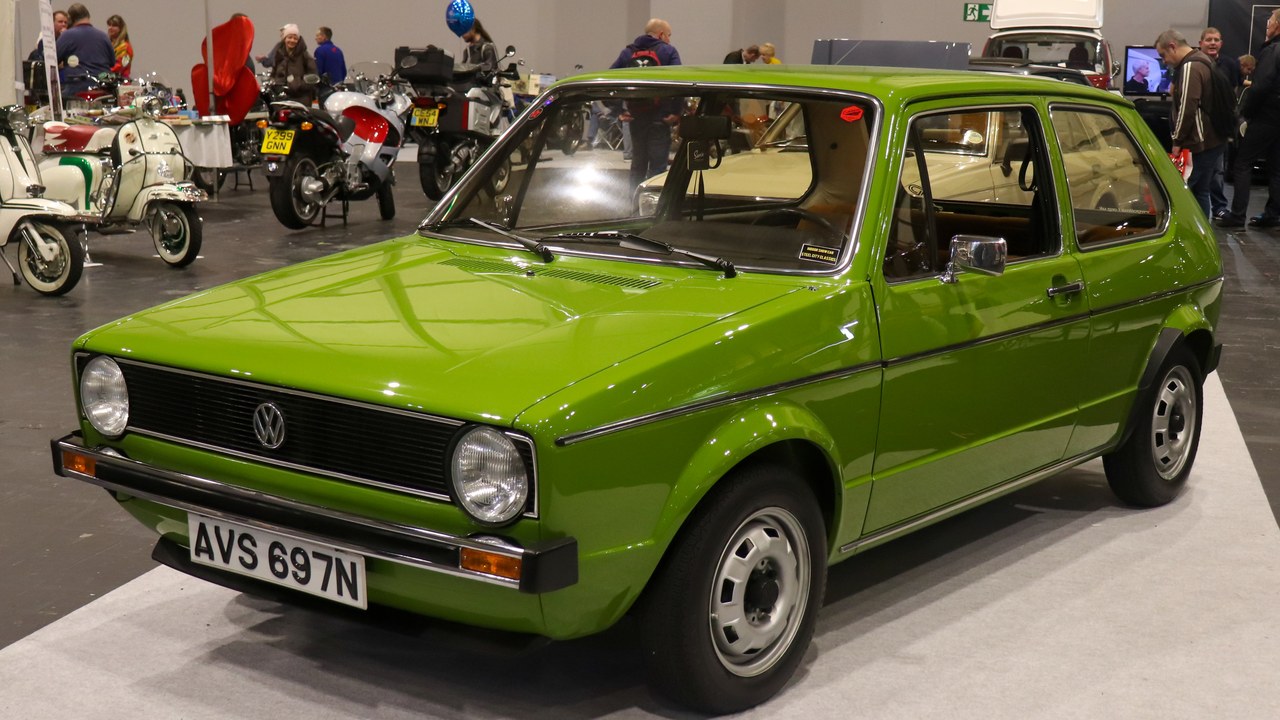
Volkswagen’s compact was an animal-named car only in one market. Classic & Sports Car’s list states that the Golf was sold as the Rabbit in the United States in its first generation.
The detail matters because the same car had a different identity depending on where it was sold. Buyers in the United States saw a Rabbit badge on a car that the rest of the world knew as the Golf, and the name lasted only through that first generation. It is a reminder that a model’s identity can be a marketing decision made country by country.
12. Dodge Viper: A Serpent With A V10
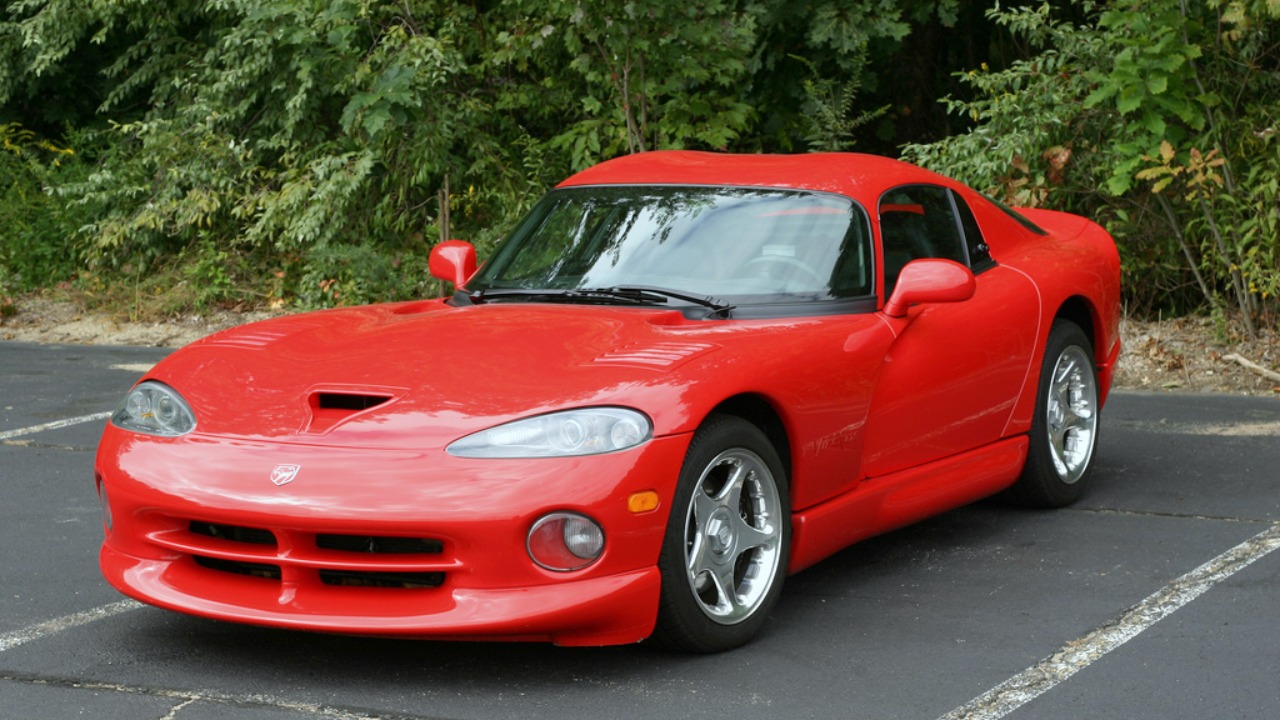
Dodge picked the viper, a venomous snake, for a sports car that became the brand’s most dramatic statement. By the end of production in 2017, Classic & Sports Car’s rundown notes, it carried an 8.4-liter V10 engine.
The long run from the early car to the 2017 finale gives the Viper a clear arc: the same snake badge ended up on a much larger engine than the first cars carried. Enthusiasts comparing eras should treat the 8.4-liter V10 as the final specification, and not the figure for every model year.
More from Morning Overview
- The NSA says three phone features should be off whenever you aren’t using them
- Hurricane Hunter radar shows four warning signs that a tropical cyclone is about to strengthen, a University of Miami study found
- Tropical Storm Rachel is dumping up to 12 inches on four Mexican states on its way to major hurricane strength
- The FTC says Lens.com doubled the price shoppers saw in Google ads
