
Invasive animals have destroyed ecosystems, spread diseases and damaged crops and buildings across the United States. The culprits range from tiny insects and shellfish to hogs, snakes and fish, each arriving by ship, pet trade or accident. Here are eleven that are wrecking American ecosystems.
Read next on Morning Overview: Jeep’s new Recon sold just 19 units in 45 days, the fewest of any model on CarEdge’s worst-sellers list
1. Emerald ash borer: A Beetle Killing Ash Trees
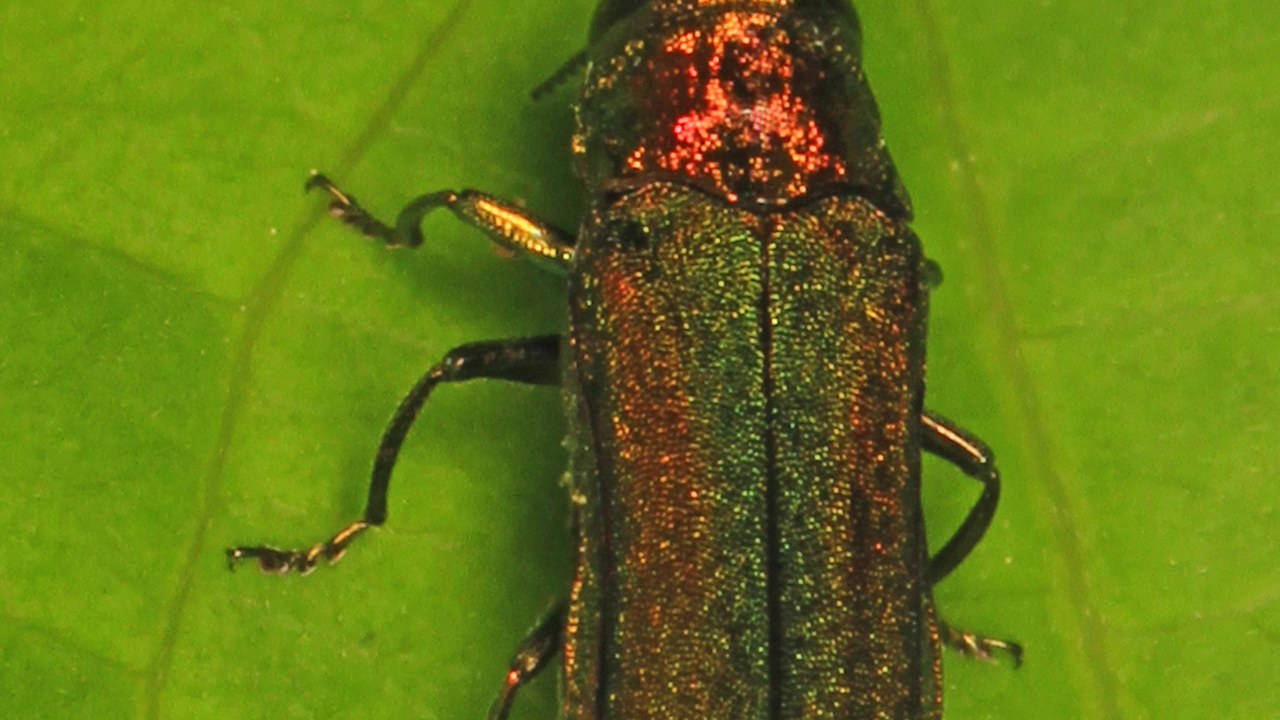
The emerald ash borer is a bright green beetle that feeds on ash trees. The National Park Service reports it was first found near Detroit, Michigan, in 2002, and is believed to have arrived in shipping materials from Asia. It has since spread to 35 states and continues to move west.
The damage comes from the larvae, which feed on the inner bark and cut off the tree’s water and nutrient flow, eventually killing it. Tens of millions of trees have already died in the United States. Ash shades cities, shelters wildlife and is used for baseball bats, furniture and flooring.
2. Feral swine: Rooting Hogs That Keep Coming Back
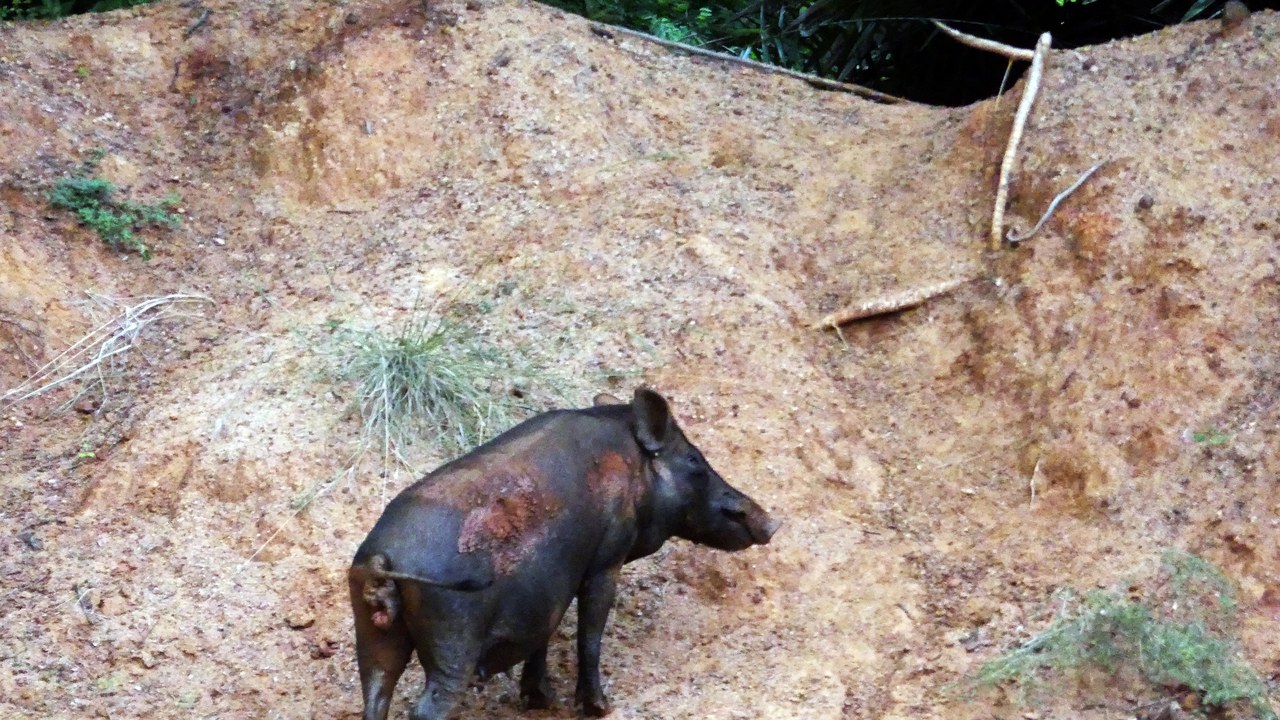
Feral swine, also called wild boars, hogs or pigs, were brought to North America by Europeans as food for early colonists or for hunting. According to the National Park Service, they reproduce readily, which makes them difficult to control once they establish at a site.
Most of the harm comes from rooting, which destroys native vegetation and crops, causes erosion and muddies nearby streams. The animals also carry at least 30 diseases and 40 parasites, and can be aggressive toward people. The agency notes that some hunters introduce hogs to new areas by relocating them.
3. Red imported fire ant: Rafts, Mounds and Painful Stings
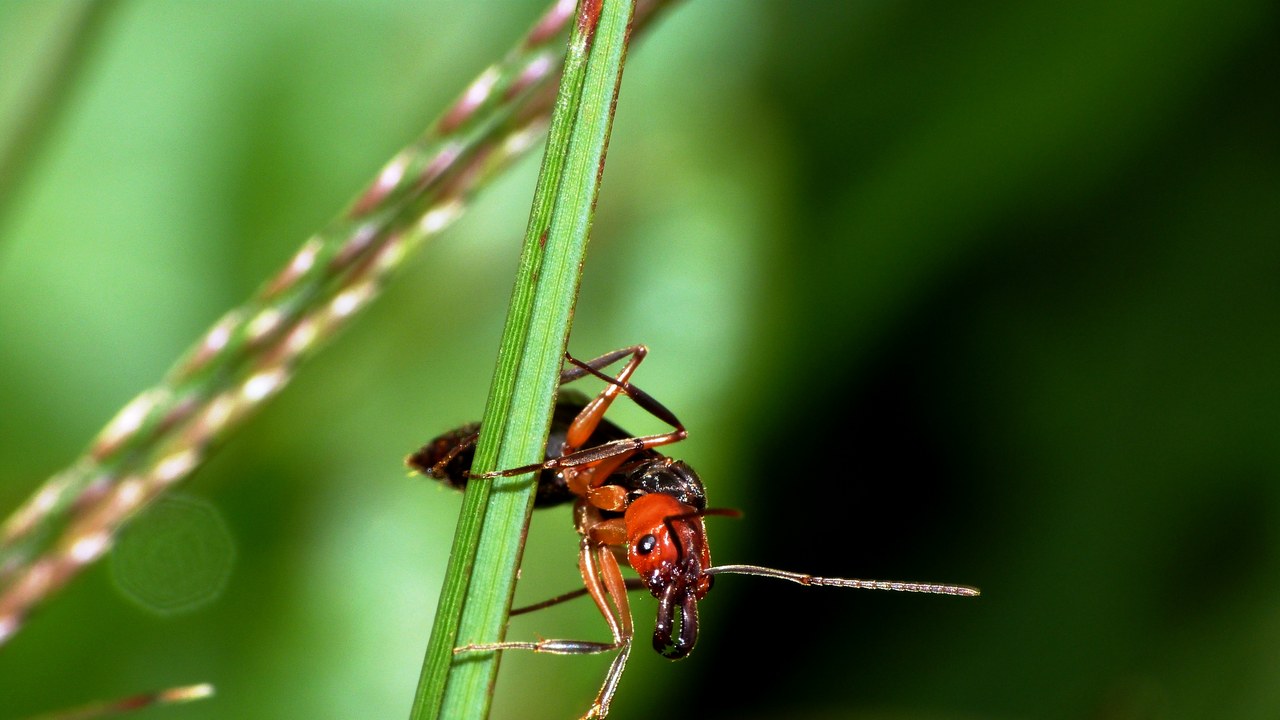
Red imported fire ants stowed away on cargo ships to the southeastern United States and spread from there. The National Park Service describes them as remarkably resilient, digging large mounds in disturbed ground and forming floating rafts of ants to escape flooding.
They are best known for painful bites and stings, which are rarely fatal but can trigger dangerous allergic reactions. The ants also attack pets and wildlife, have contributed to sea turtle nesting declines in some parks, and damage crops every year. Cleaning boots, gear and vehicles between locations helps limit their spread.
4. Zebra mussel: Small Shellfish, Big Bills
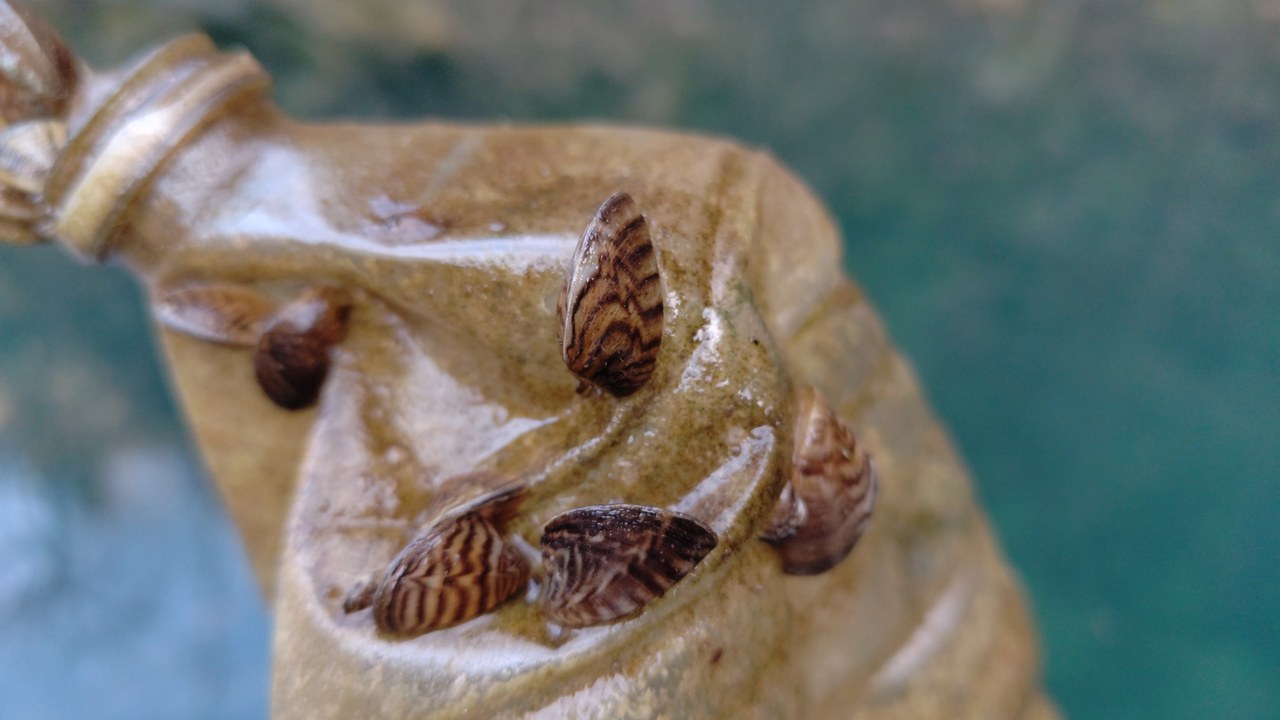
Zebra mussels look modest, but a A-Z Animals ranking describes them as deceptive shellfish that cover infrastructure of all types. Boat and coastal building maintenance turns into a constant chore wherever they take hold, which is why they make big bills for states.
They also strip plankton from waterways, shifting the food supply that native fish depend on. The article lists affected states from Michigan and Wisconsin to Nevada, Arizona and California. An Oregon invasive-species coordinator warned that related quagga mussels would forever change how the state uses water, so boaters are urged to check vessels for hitchhikers.
5. Silver carp: Plankton Eaters in the Mississippi Basin
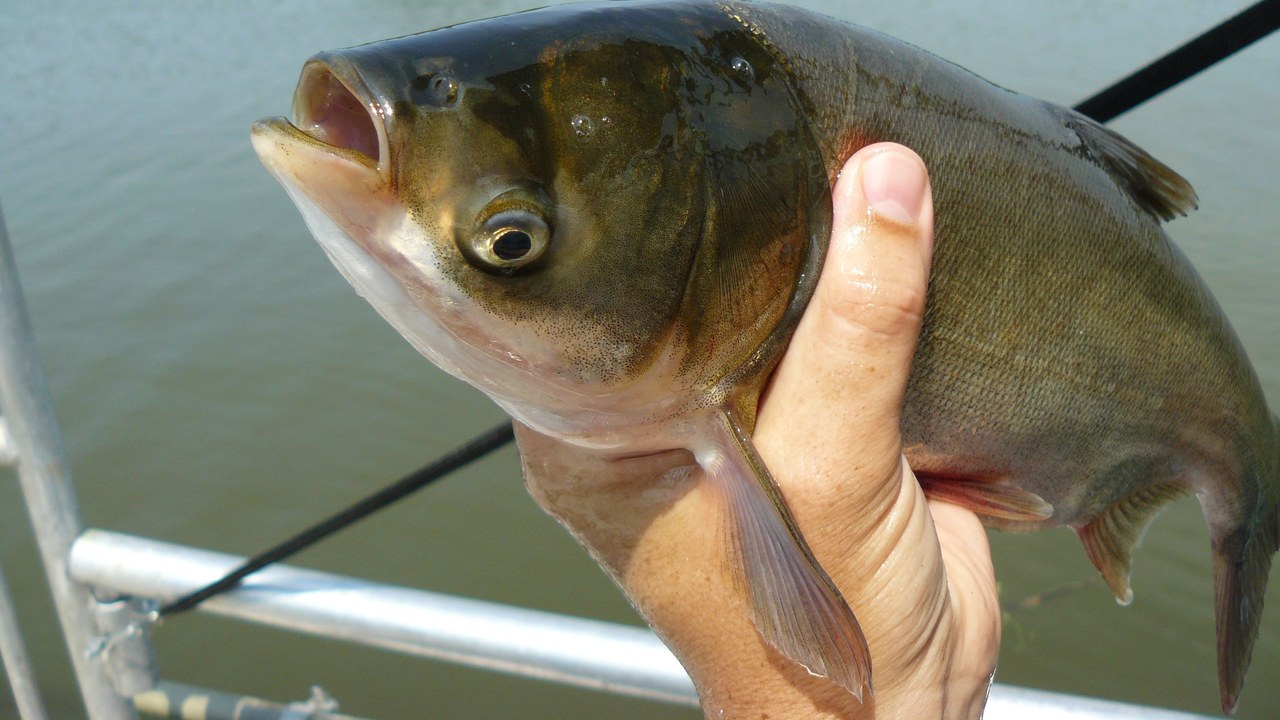
Bighead and silver carp compete with native fish by consuming plankton, and in high numbers they can change what a river system can support. According to a A-Z Animals ranking, they spread easily through connected waterways, so agencies treat them as both a fisheries problem and a containment challenge.
Kentucky has leaned heavily on removal. More than 15 million pounds of carp were harvested from Kentucky and Barkley lakes in 2024, and over 74 million pounds since 2013. The state raised payments to commercial fishers to keep harvest pressure high, protecting a regional tourism economy it puts at $940 million.
6. Burmese python: Everglades Apex Eater
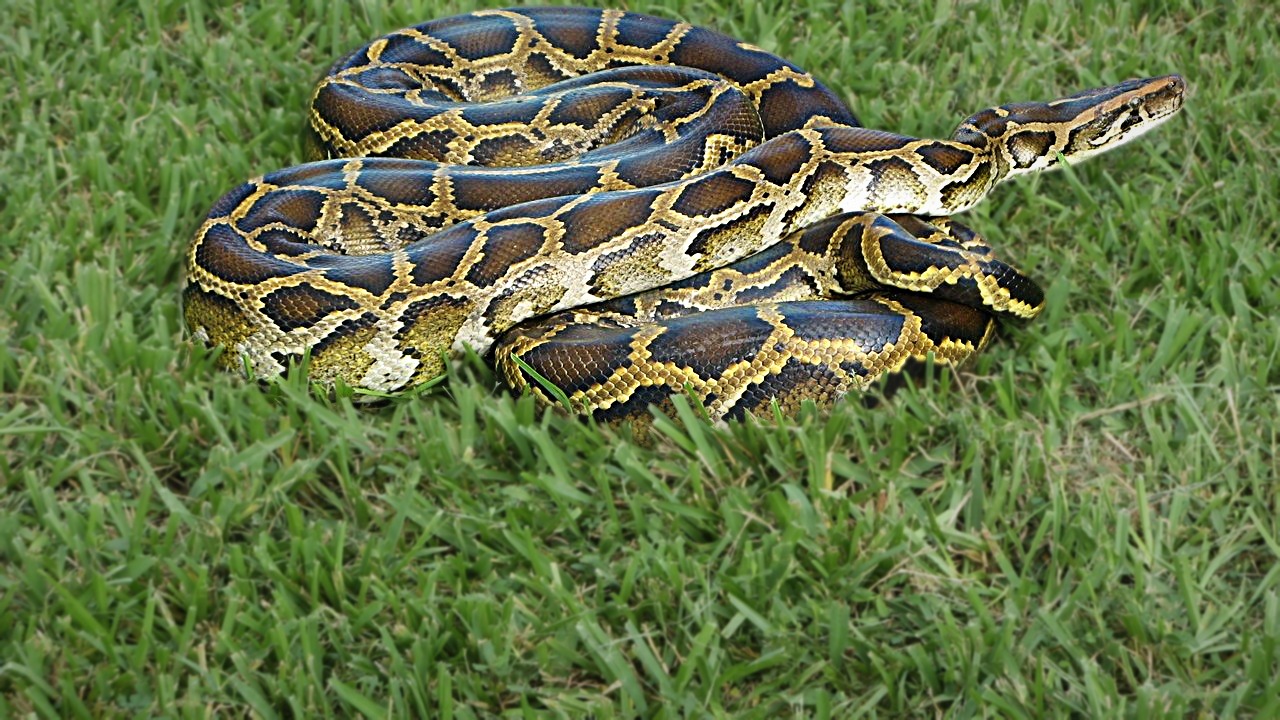
Burmese pythons are not widespread across many states, yet a A-Z Animals ranking calls them extremely destructive where they live. In South Florida and the Everglades they take mammals, birds and reptiles indiscriminately, in a place full of vulnerable prey.
Once a breeding population is established, removal becomes a long-term suppression effort rather than a simple fix. Florida’s wildlife agency treats the snakes as extremely invasive and allows them to be removed year-round on many managed lands, encouraging continual removal over seasonal recreational hunting.
7. Spotted lanternfly: Sap Feeder on the Move
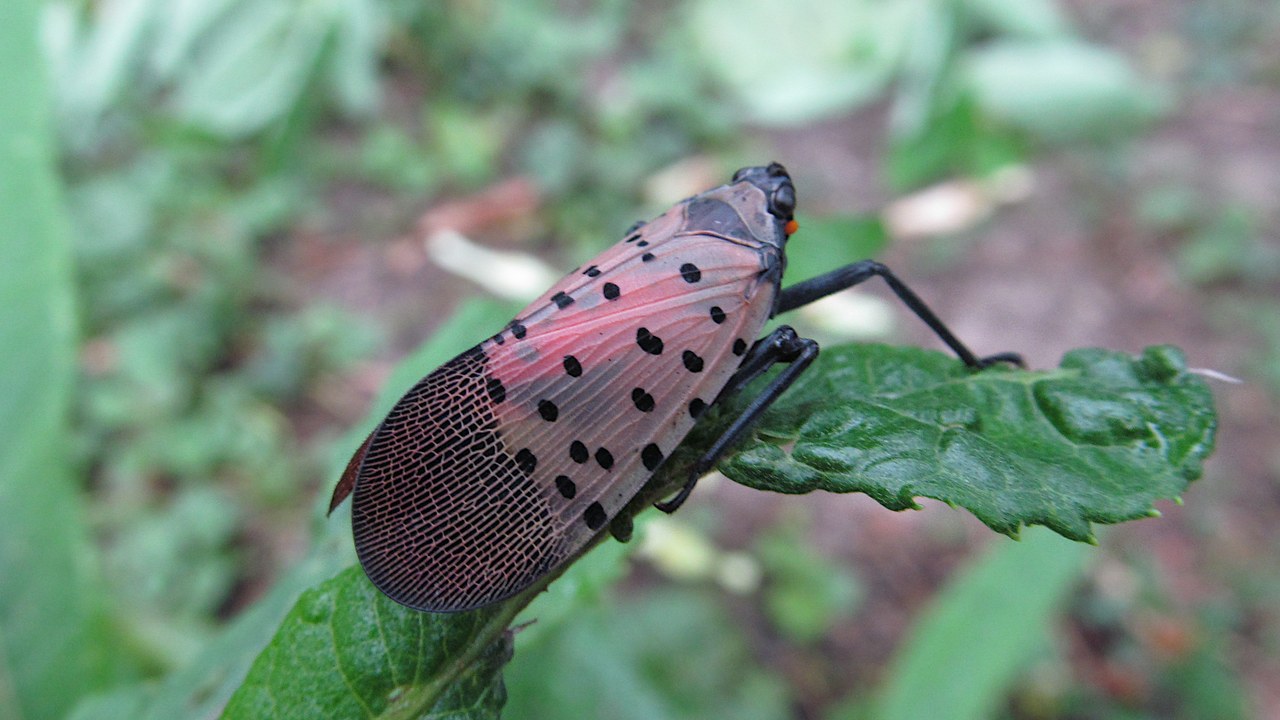
Spotted lanternflies damage plants in two ways, according to a A-Z Animals ranking. They feed heavily on plant sap, and they produce honeydew that leads to sooty mold buildup. Adults have pink-gray forewings and red hind wings covered in black spots.
The species also spreads through egg masses laid on everyday items such as vehicles and outdoor furniture, which makes human activity a key driver. Pennsylvania’s agriculture secretary has urged residents to scrape egg masses, saying each one means 30 to 50 pests will not hatch in May.
8. Asian giant hornet: The Murder Hornet Arrives
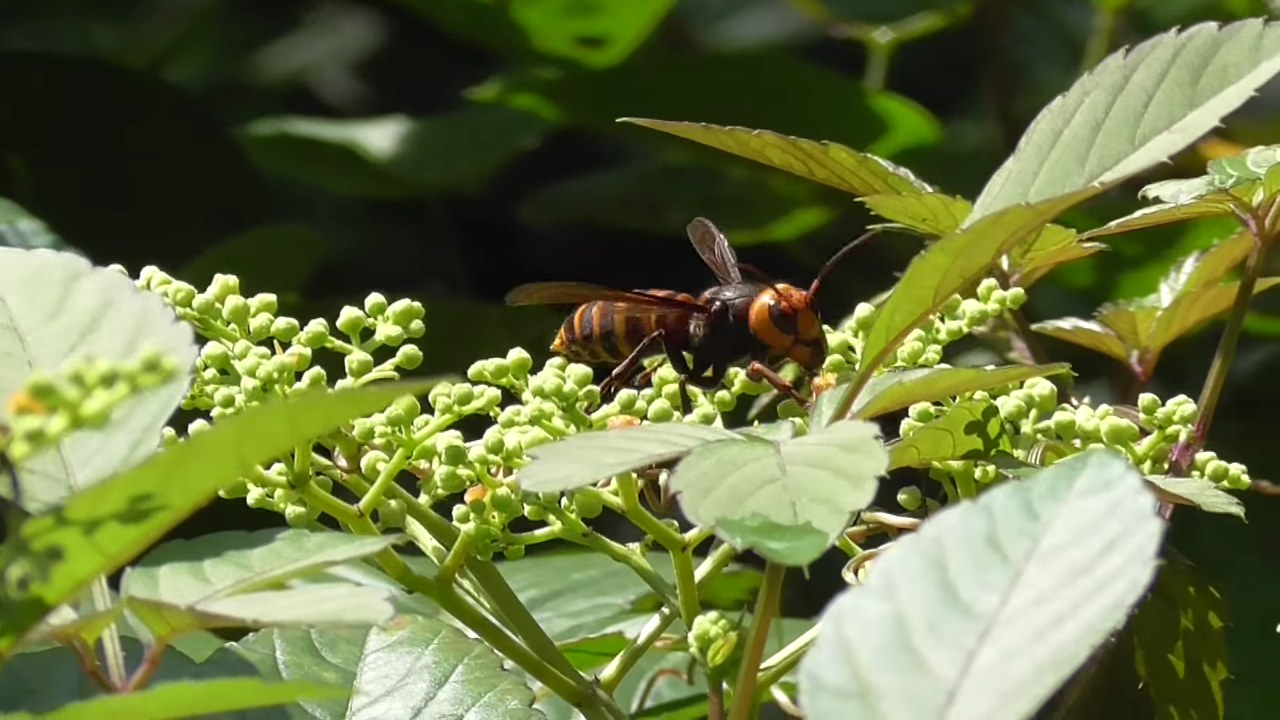
Often called the murder hornet, the Asian giant hornet is the largest hornet species in the world. A list from A-Z Animals reports that the first known North American sightings came in Washington State and British Columbia in 2019.
The species originates in eastern Russia, China, Korea and southern Asia. The list says it displaces and wipes out other bee and wasp hives, and that it stings repeatedly with highly toxic venom. That source adds that people were trying to stop its spread before it became established.
9. Northern snakehead: A Fish That Doubles in 15 Months
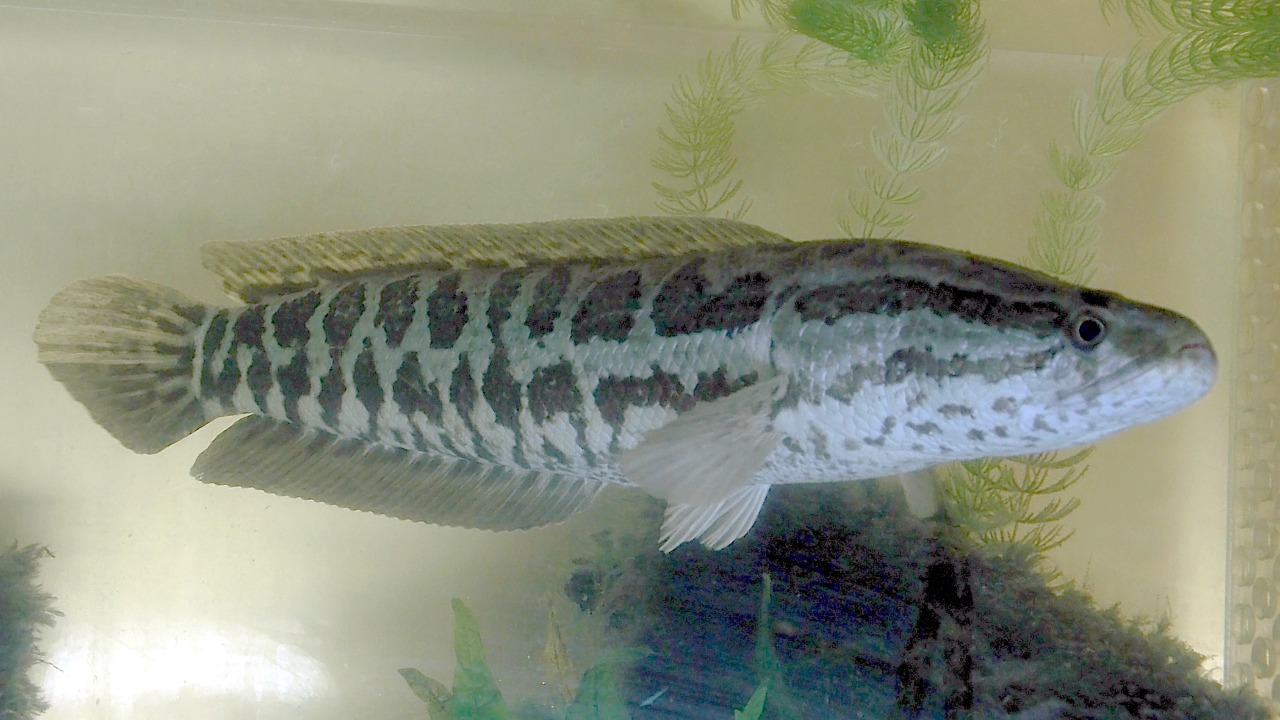
The northern snakehead is a large freshwater fish measuring 3 to 5 feet long, with an elongated body and a snake-like head. A list from A-Z Animals says this voracious predator can double its population in about 15 months by killing and consuming other freshwater animals.
It comes from China, Russia and the Koreas. The list notes it resembles the native bowfin but is unrelated, and can be told apart by large scales on the head, a much longer anal fin and more pronounced spots along the body.
10. European starling: Flocks That Take Over Nests
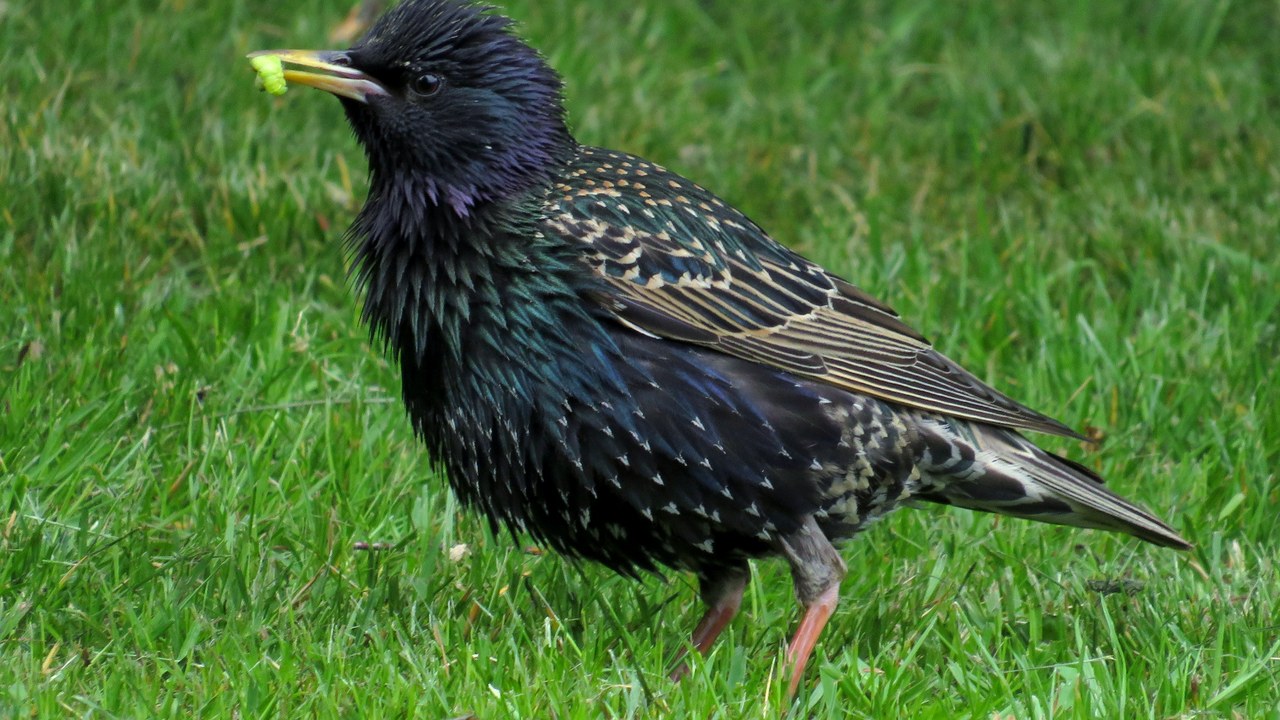
Glossy black with a metallic sheen, the European starling is, according to a list from A-Z Animals, one of the most successful and destructive invasive animals in the world. Massive flocks steal nesting sites from native birds, harass larger animals and cause some $800 million worth of agricultural damage per year.
The species was introduced to the United States in the late 19th century, and one disputed story credits Shakespeare enthusiasts trying to release every bird in the playwright’s works. Its population has grown to some 200 million, and around four million are killed each year as a nuisance.
11. Asian tiger mosquito: Striped Biter in Tire Imports
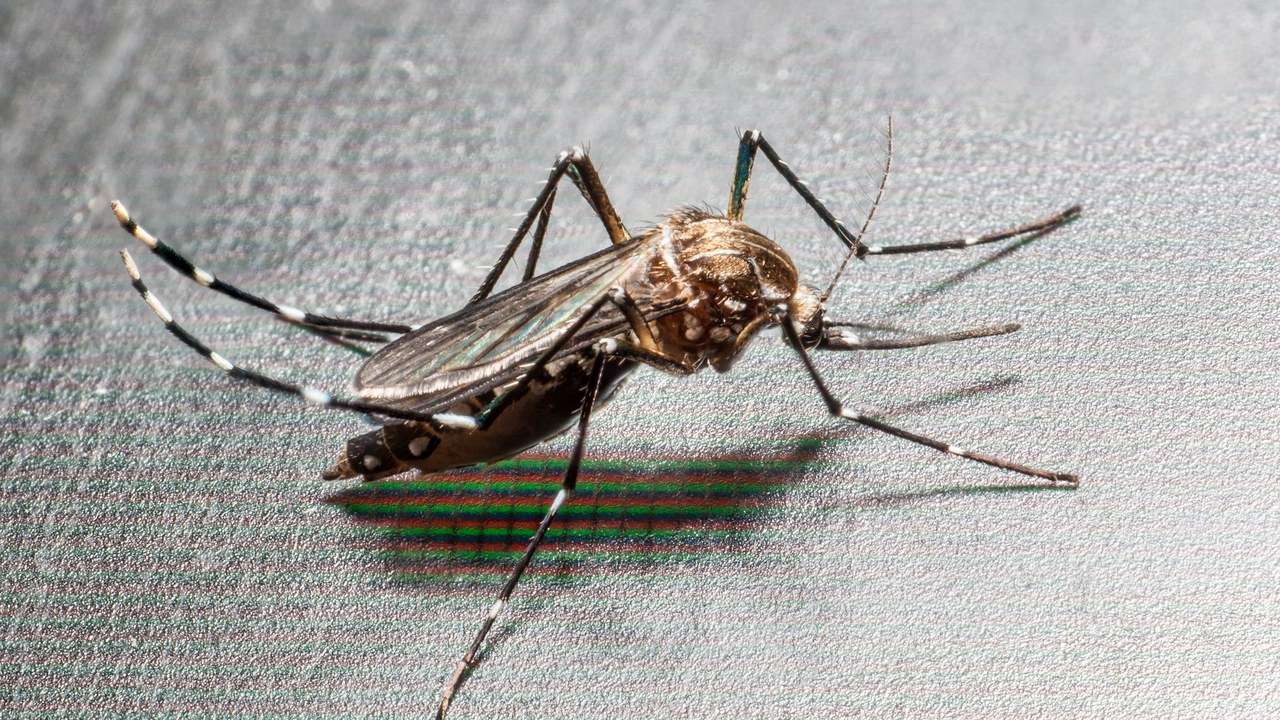
The Asian tiger mosquito has a black body with white bands. A list from A-Z Animals says it is native to tropical southeastern Asia and arrived accidentally, hidden amid tire imports, in the late 19th century. It is responsible for transmitting several diseases, including West Nile virus.
Its ability to survive winter by hibernating let it spread surprisingly far north, where it competes with and even displaces some native mosquitoes. The list also names yellow fever and dengue among the diseases it transmits, and warns that warming could make it active year-round.
More from Morning Overview
- A Cirrus SR22 declared an emergency a minute after departure clearance, its parachute still bagged
- Older Teslas mostly keep their batteries, and here’s what wears out instead
- A hunting-trip Piper spiraled down from the sky before a deadly crash in Iowa
- A 2,000-year-old nomad tomb in Mongolia held a glass cup that may have traveled from Rome
