
Scientists have spent decades devising puzzles, memory games and mirror tests to find out what animals can really do. The results range from chimpanzees outperforming college students to crows solving a water-displacement puzzle that stumps young children. Here are fourteen animals that aced the tests set for them.
Read next on Morning Overview: Tesla’s Cybercab has already crashed 8 times, and the worst one came at highway speed
1. Chimpanzee: The Photographic Memory Test
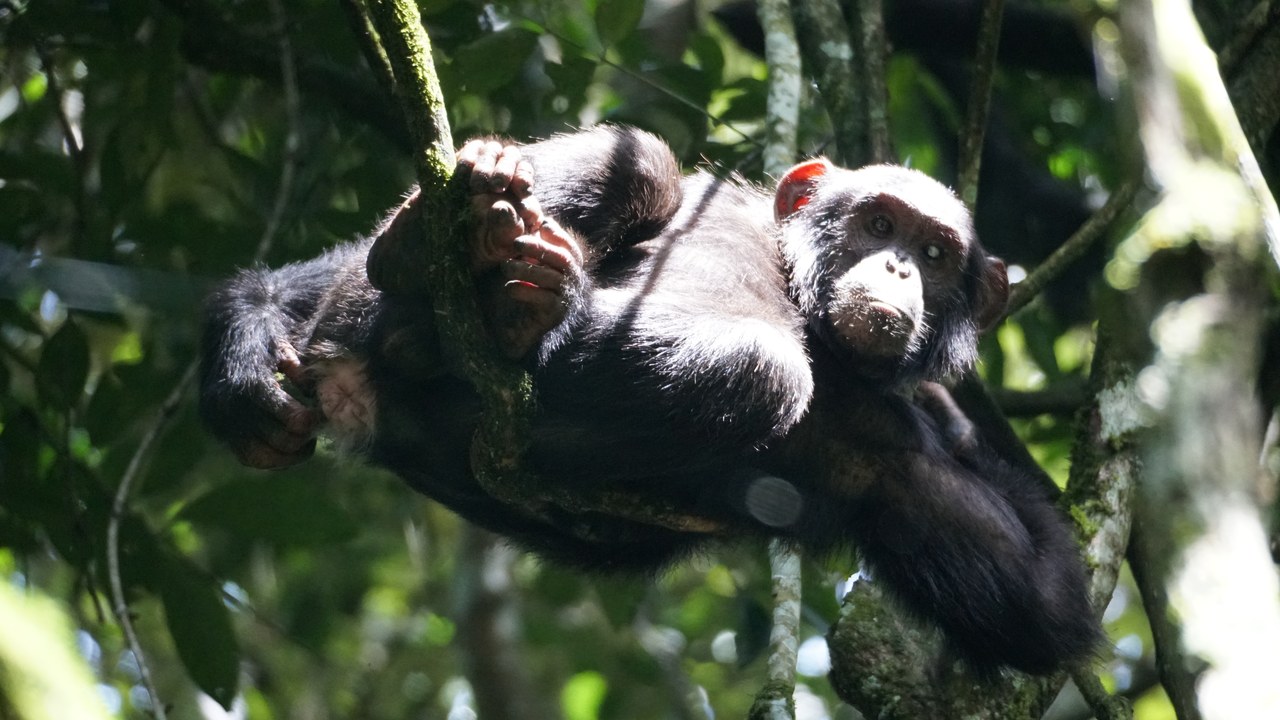
In a study published in 2007, researchers gave adult chimps, adolescent chimps and college students the same memory test, according to a Popular Science feature. Numbers from one to nine appeared at different spots on a touch screen for less than a second, and each participant then had to show where they had been.
The adults and the students performed about the same. The adolescent chimps beat both groups, recalling each number’s location with far better accuracy. The researchers suggested that the youngsters may have been using a type of photographic memory, which lets an individual recall an image precisely after only a split-second glance.
2. Goat: The Rope-and-Lever Puzzle
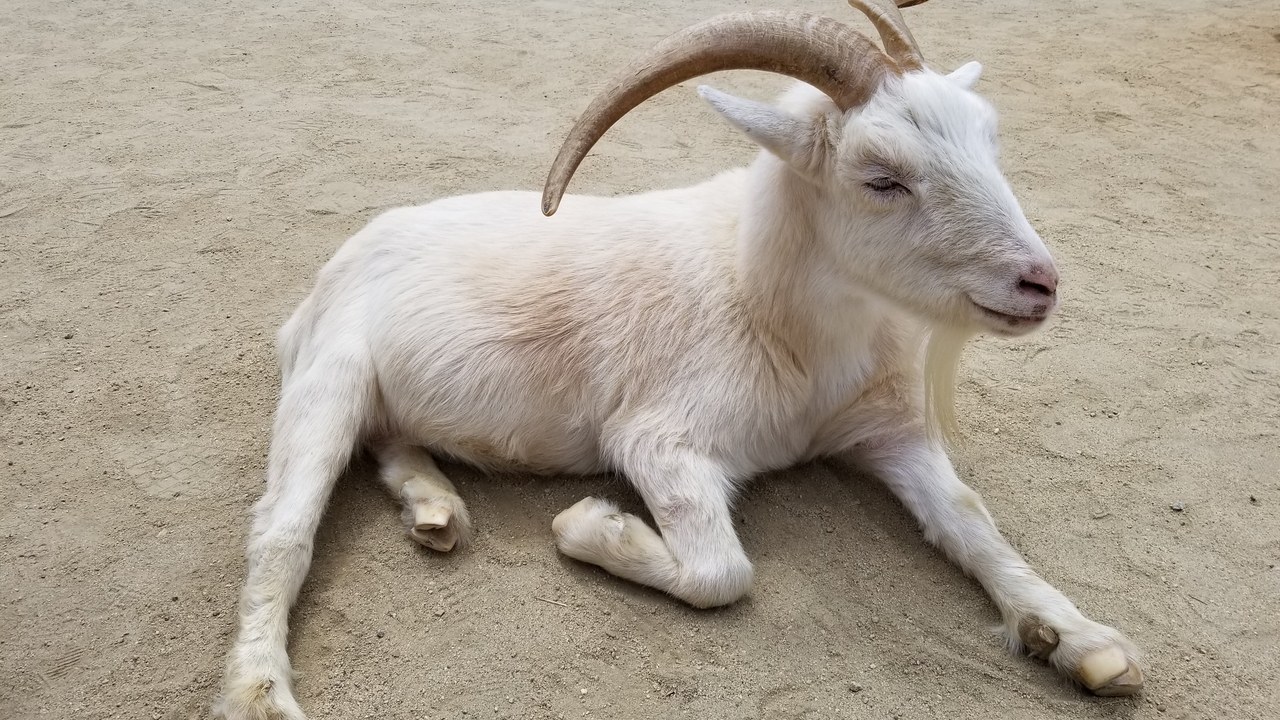
Researchers in Australia put goats through a physical puzzle, as described in a Popular Science report. Fruit sat at the end of a contraption, and the animals had to use their teeth to drag a rope down, which released a lever that then had to be lifted with their mouths before the reward was theirs.
Nine of the 12 goats mastered the task after around four tries. When the researchers had all of the goats attempt it again 10 months later, the majority still remembered how to work the system. The result backed up a long-held suspicion among scientists that goats are smarter than their unassuming manner suggests.
3. African elephant: Voices That Mean Danger
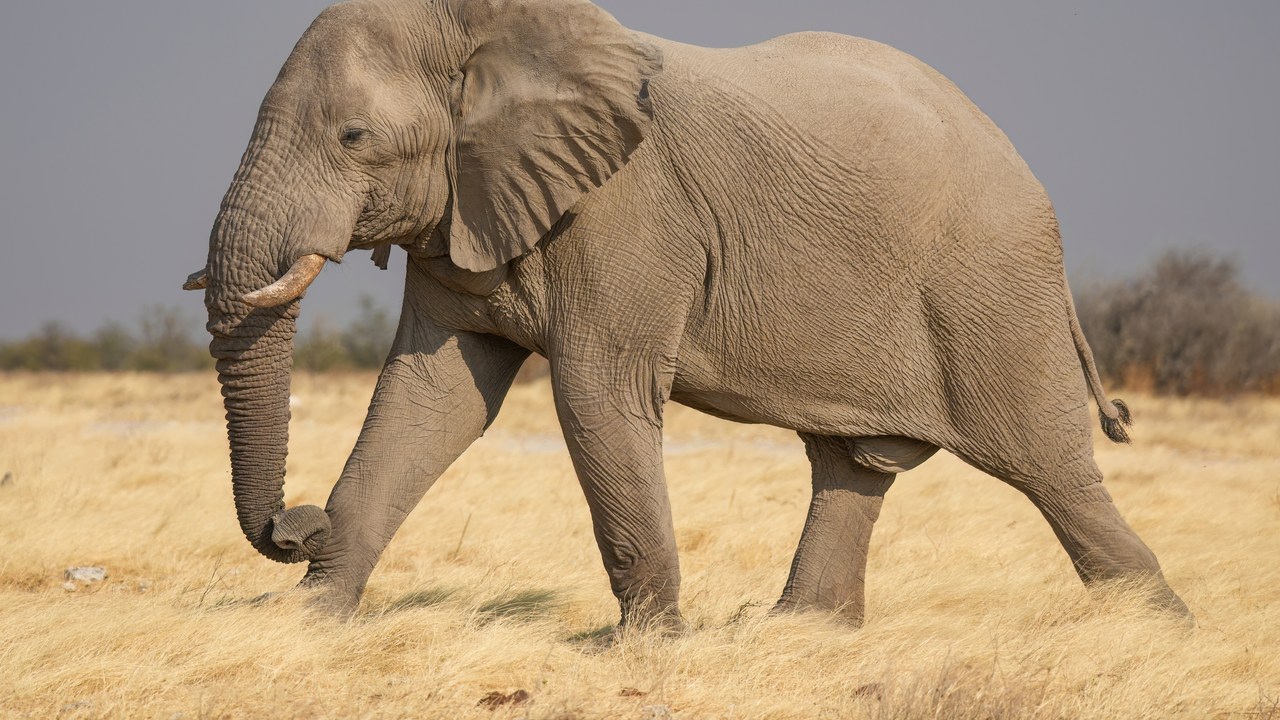
Elephants can tell languages apart and can tell whether a man, woman or child is speaking, according to Popular Science. In Africa only certain tribes hunt elephants, so scientists played the animals recordings of a group that does and a group that does not.
The elephants grew fearful and moved away from the voices of the hunting group, while the other group’s language caused no change in behavior. Researchers then played the frightening language spoken by women, children and men. The elephants became fearful only when the voice belonged to a man, which matches who does the hunting.
4. Crow: Pebbles in the Water Glass
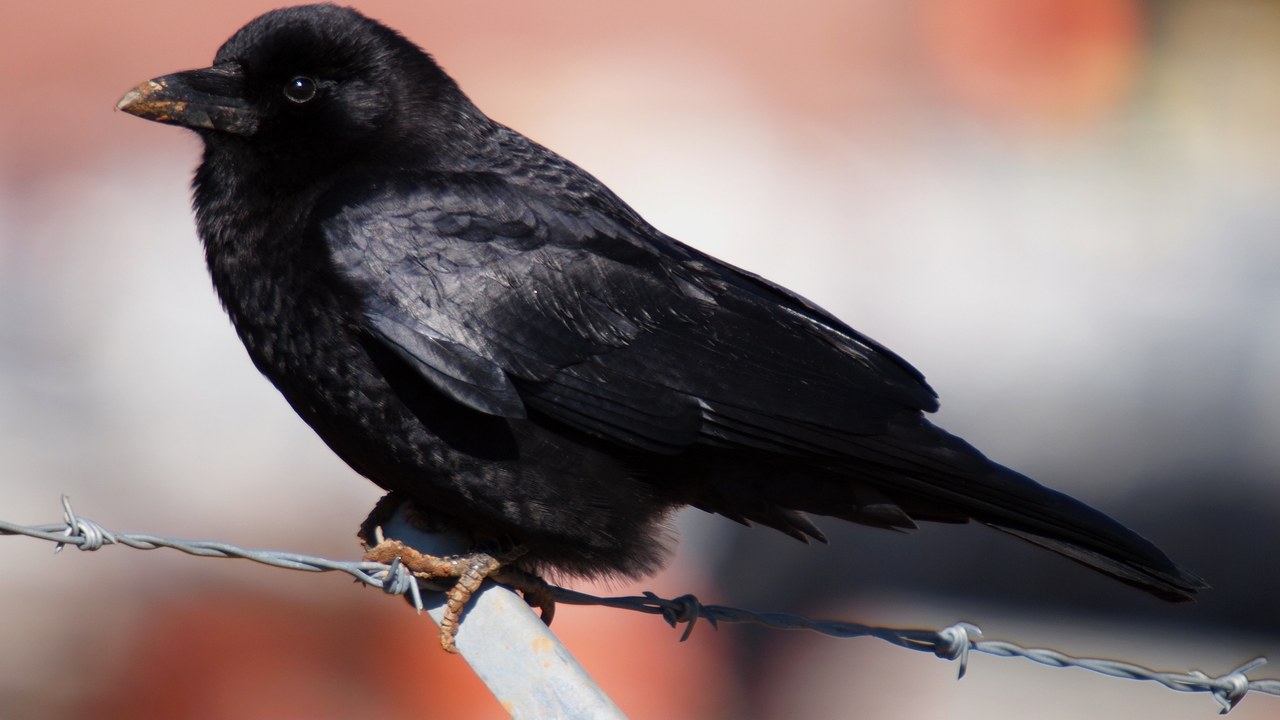
A well-known puzzle gave crows and humans the same problem, as Popular Science describes it. A toy floated on top of water inside a tall glass that was too narrow for a bird to reach in with its beak or for a small child to fit a hand into.
Children younger than eight were completely stumped and generally could not work out how to get the toy. The crows were not confused at all and simply dropped pebbles into the glass. Eventually the stones displaced enough water that the toy rose to the top, and the birds could quickly snatch it.
5. Octopus: The Friendly Visitor Test
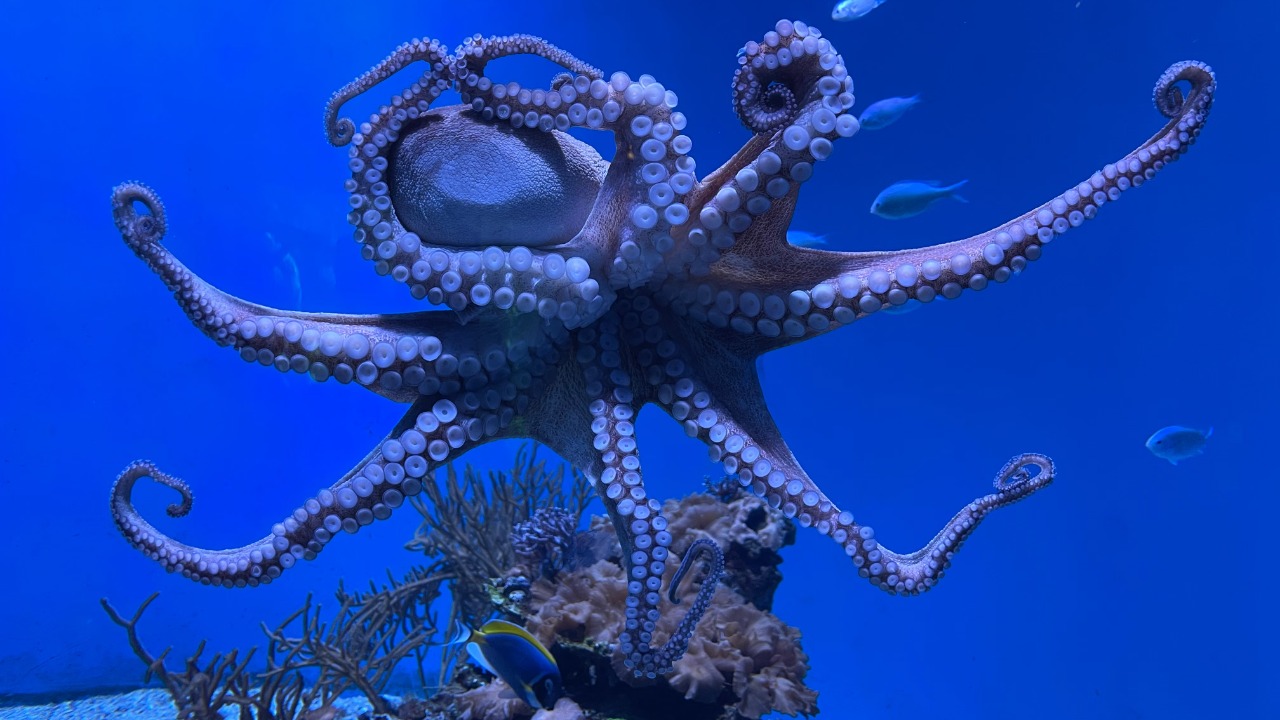
Researchers tested whether octopuses could distinguish between two different people, a study described by Popular Science. Two individuals interacted with an octopus, one acting extremely friendly and the other cold and standoffish.
After a short while, the two people would each enter the animal’s living area in turn. The octopus ignored the impersonal one in favor of the friendlier guest. The article points out that most invertebrates do not show this level of intelligence, which places octopuses in a league of their own among the animals it covers.
6. Dog: A Hundred-Word Vocabulary
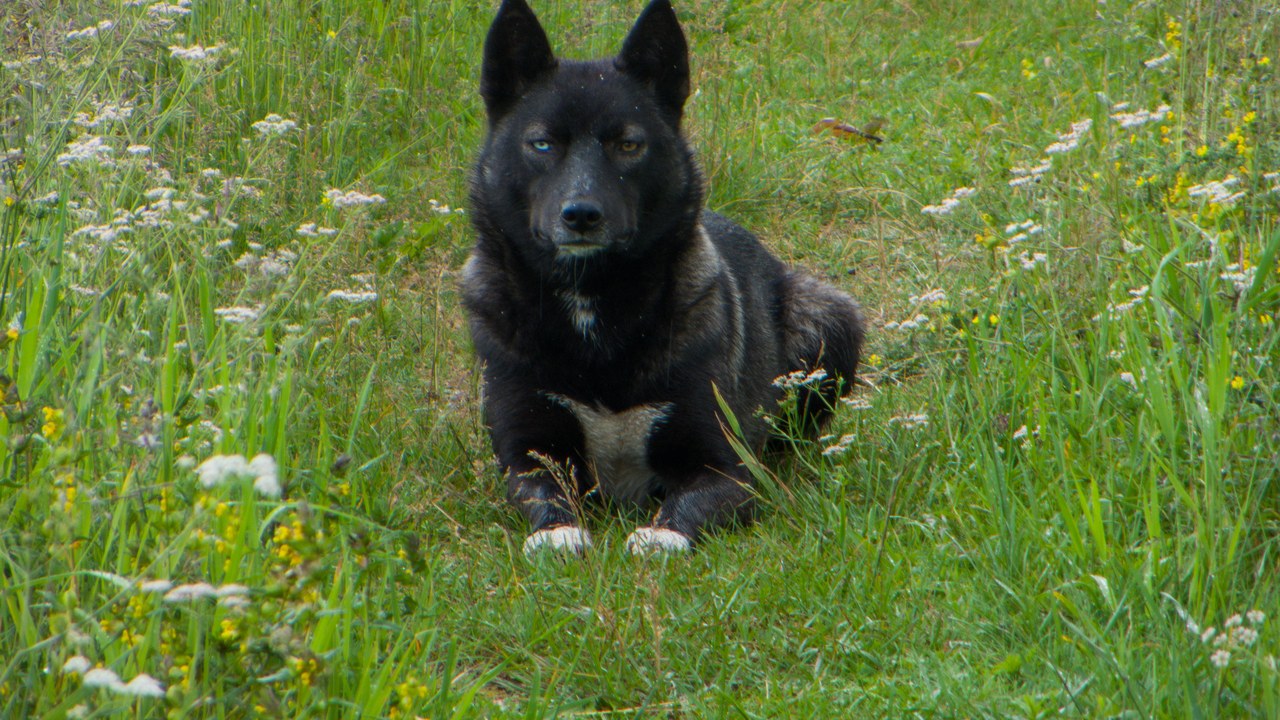
Dog owners tend to praise their animal’s intelligence with the enthusiasm of a new parent, and a 2024 Popular Science roundup says science gives them reasons. Researchers estimate that some dogs can learn a sort of meaning for over a hundred words, although measurable intelligence varies by breed and by individual.
Dogs are also described as skilled at implicitly understanding human emotions, and they can reportedly show signs of jealousy. At least some of that ability, researchers believe, is likely a byproduct of evolving alongside humans for thousands of years, which would help explain why the species reads people so well.
7. Pig: The Joystick Gamers
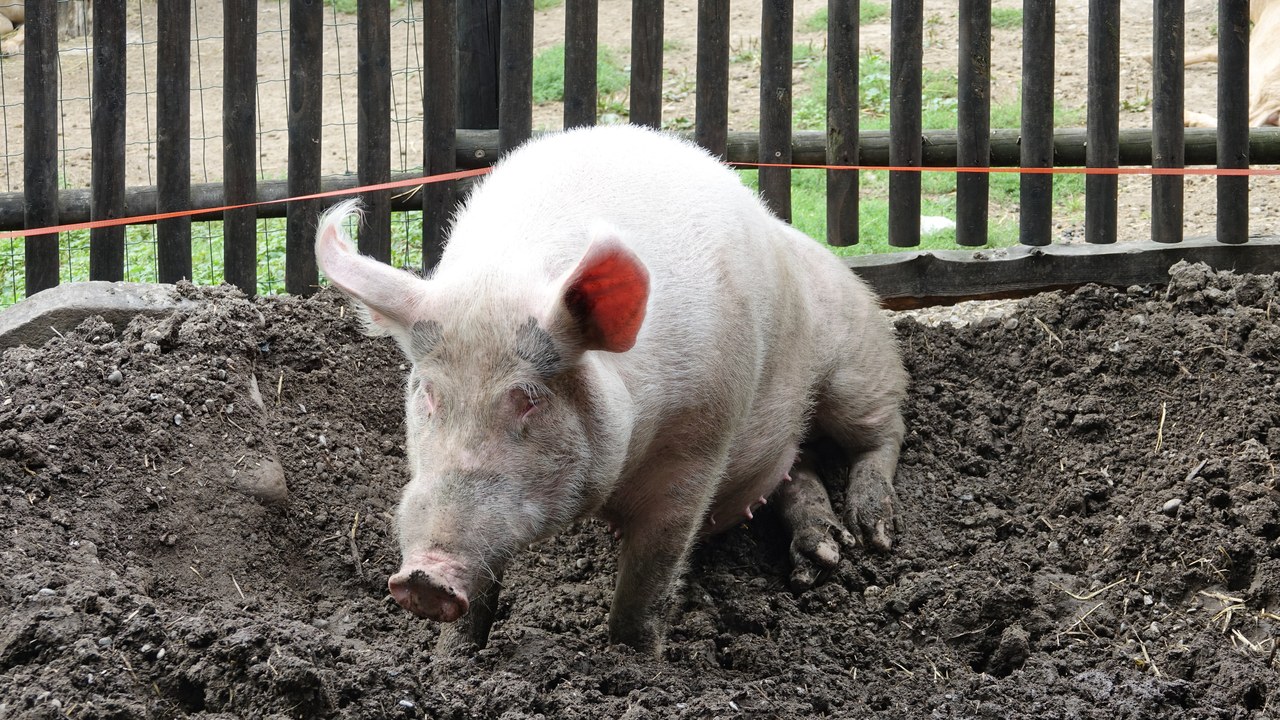
Pigs are among the most intelligent animals that are still commonly eaten by humans worldwide, according to Popular Science. Researchers have observed pigs using mirrors to examine their surroundings and ultimately find food, and a family of Visayan warty pigs was reportedly seen using sticks as tools to build nests.
Among the most striking work was published in Frontiers in Psychology in 2021, when researchers from Pennsylvania State University taught a pig to use a joystick to play a rudimentary video game. The study showed that an animal with no hands could still learn to control an on-screen task.
8. Parrot: Video Calls for Birds
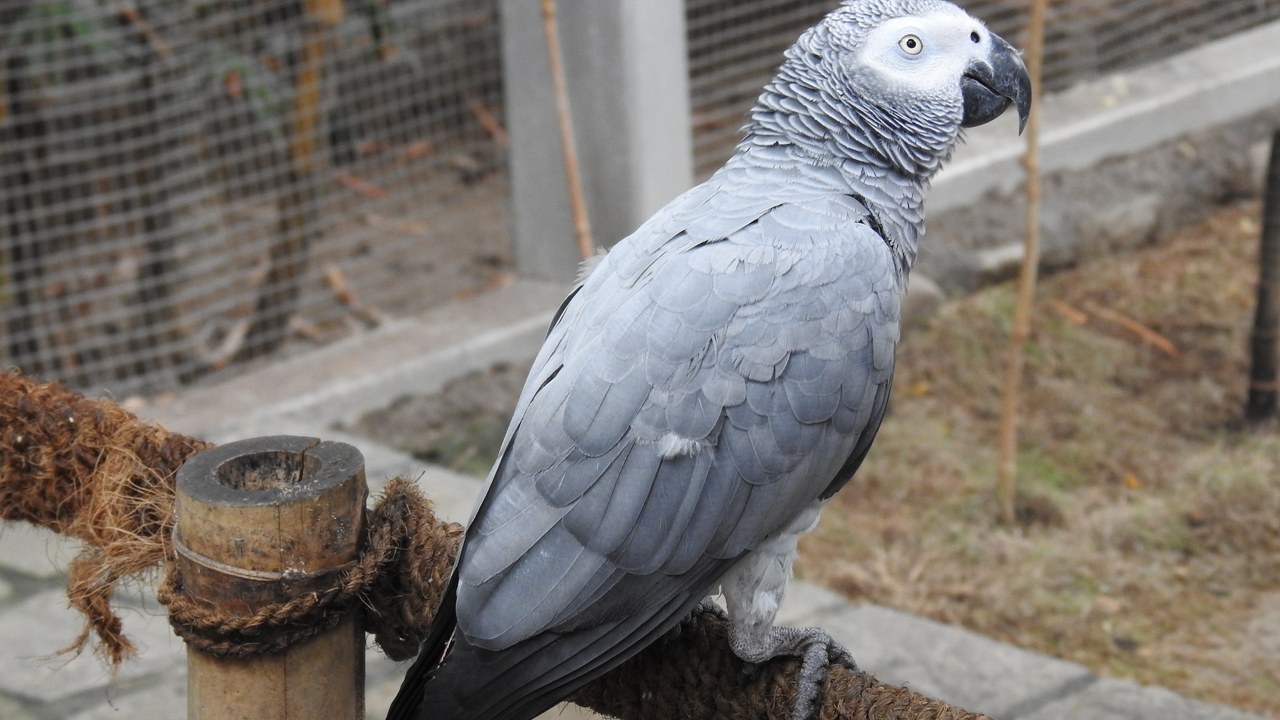
Parrots are mostly known for repeating human speech, but Popular Science says their intelligence reaches much further. Recent studies showed parrots succeeding at logic games that typically stump five-year-old humans, and some have worked out how to use video conferencing technology.
Researchers from Northeastern University, MIT and the University of Glasgow trained 18 parrots to use a specially designed tablet to communicate with one another. When a parrot rang a bell, its caretaker showed it the screen, which held pictures of other parrots it had previously video chatted with. The birds repeatedly asked to call their long-distance friends.
9. Bumblebee: The String-Pulling Students
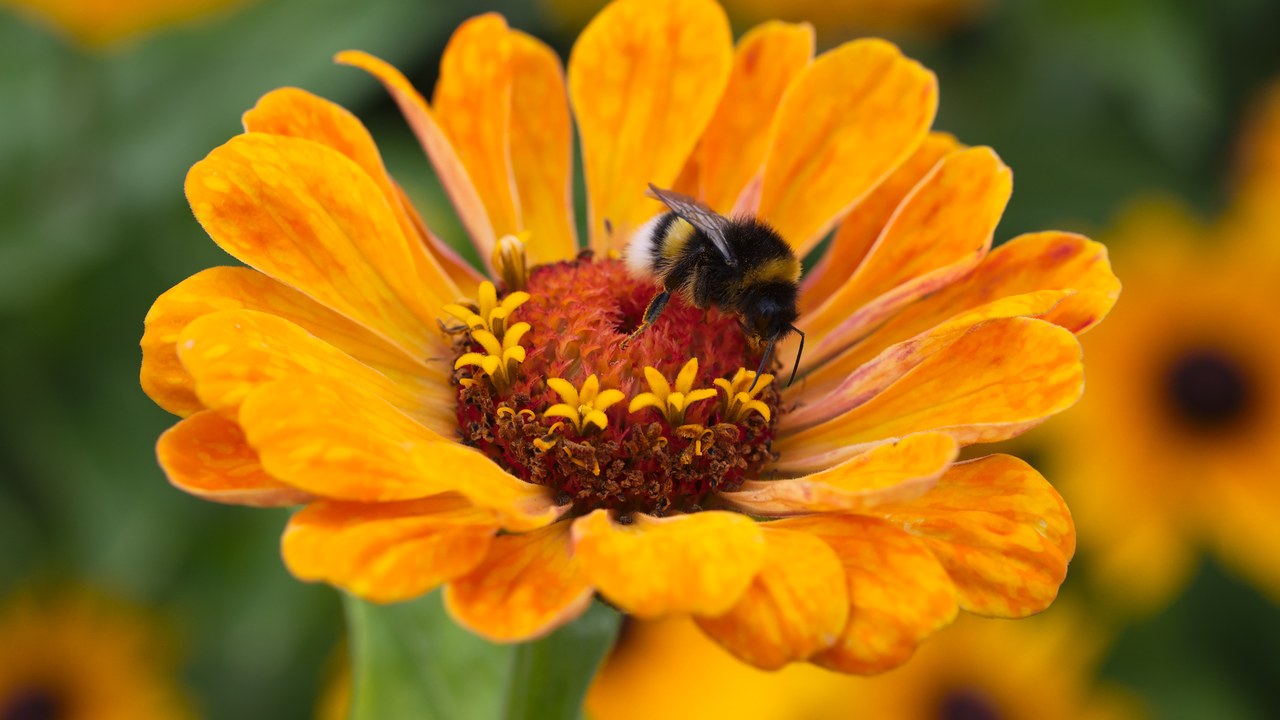
Insects are often left out of conversations about animal intelligence, but bumblebees and ants have repeatedly confounded the critics, as Popular Science notes. In 2016 researchers from Queen Mary University of London taught bumblebees to pull a string in order to receive a reward.
More impressively, other bees learned to perform the same task simply by watching their comrades. That social learning is what made the experiment notable, since it suggested that a bee does not have to work out a solution alone. The finding is one reason the article argues that the club of smart animals keeps getting bigger.
10. Bottlenose dolphin: Passing the Mirror Test
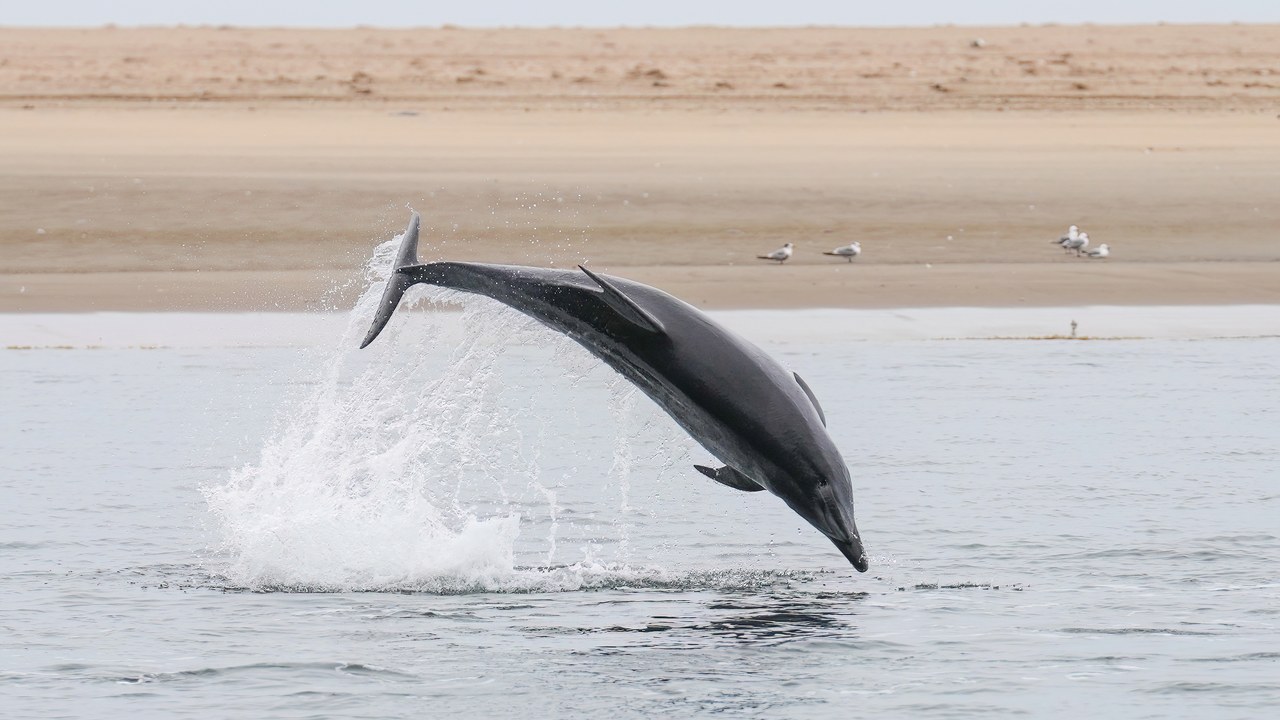
Measuring intelligence across species is so complex that it is impossible to pit one animal against another, National Geographic cautions. Even so, the magazine notes that bottlenose dolphins are among the few species that have passed the mirror test, which is commonly used to assess a capacity for self-awareness.
Popular Science describes how the test is run. Scientists place a colored mark on the animal, then show it a mirror. When the dolphins were marked, they investigated the smudges in their reflections, which suggested they knew the dolphin in the mirror was themselves. National Geographic adds that the test favors species that rely on vision.
11. Eurasian magpie: A Bird That Knows Its Reflection
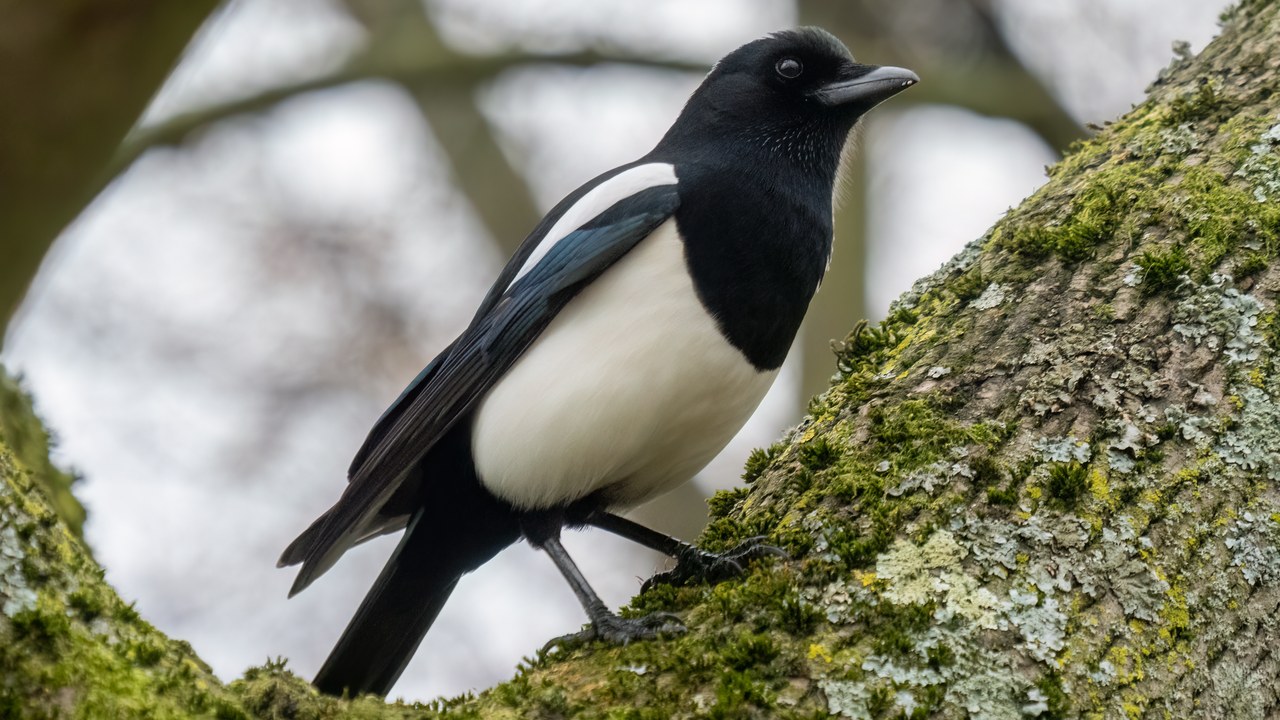
Magpies appear on a short list in a National Geographic photo gallery of species that have passed the mirror test, alongside bottlenose dolphins and manta rays. The test checks whether an animal can recognize itself in a mirror, and it is commonly used to assess a capacity for self-awareness.
The magazine also stresses the limits of the exercise. Psychologist Kristina Horback notes that vision is key to humans, so visual self-recognition is a natural default, but species that rely on smell for identification are disadvantaged. For that reason the mirror test does not offer an objective measure of self-awareness, even for the birds that pass it.
12. Bonobo: Kanzi and His Symbols
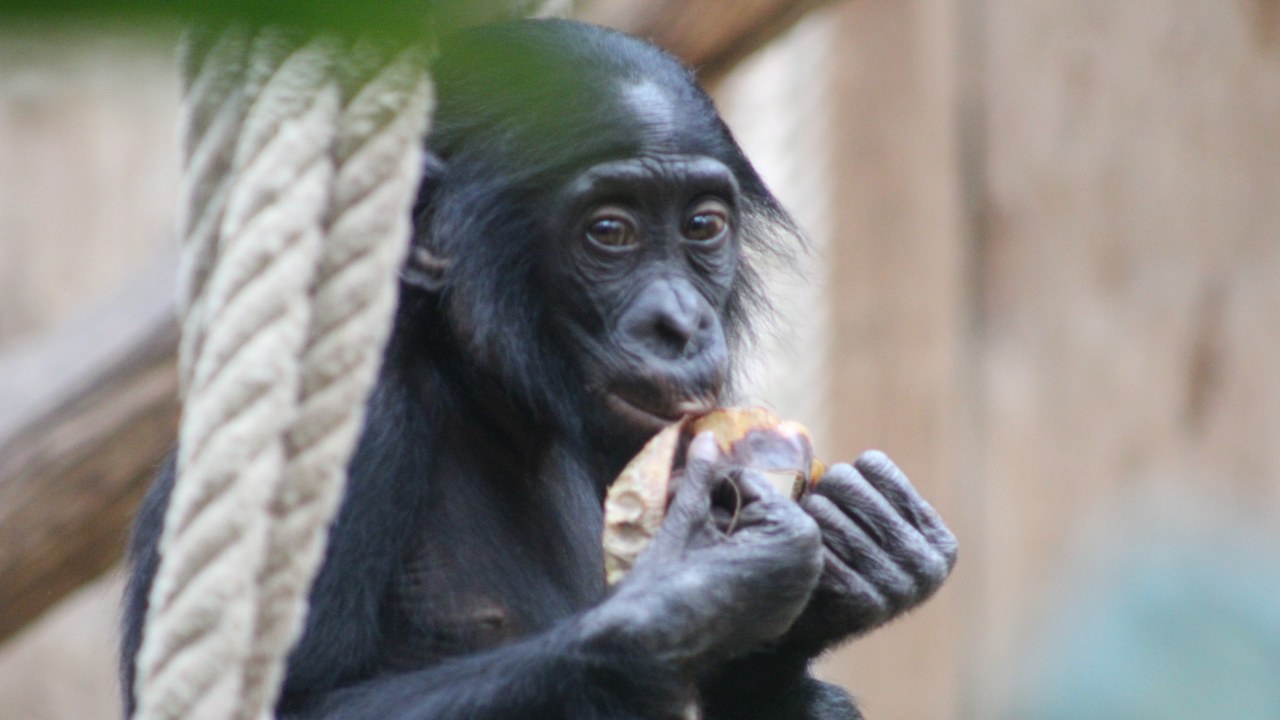
The first picture in National Geographic‘s gallery of 14 clever animals shows Kanzi, a bonobo. At the time of the 2019 article he was 39 years old and had become well-known for his language skills.
According to the caption, Kanzi can communicate using hundreds of symbols that correlate to words. The photograph is credited to Vincent J. Musi. The gallery opens with him as an example of the notable cognitive feats the magazine collects, even as it warns that no single species can be meaningfully ranked above another on intelligence.
13. Common raven: Birds That Plan Ahead
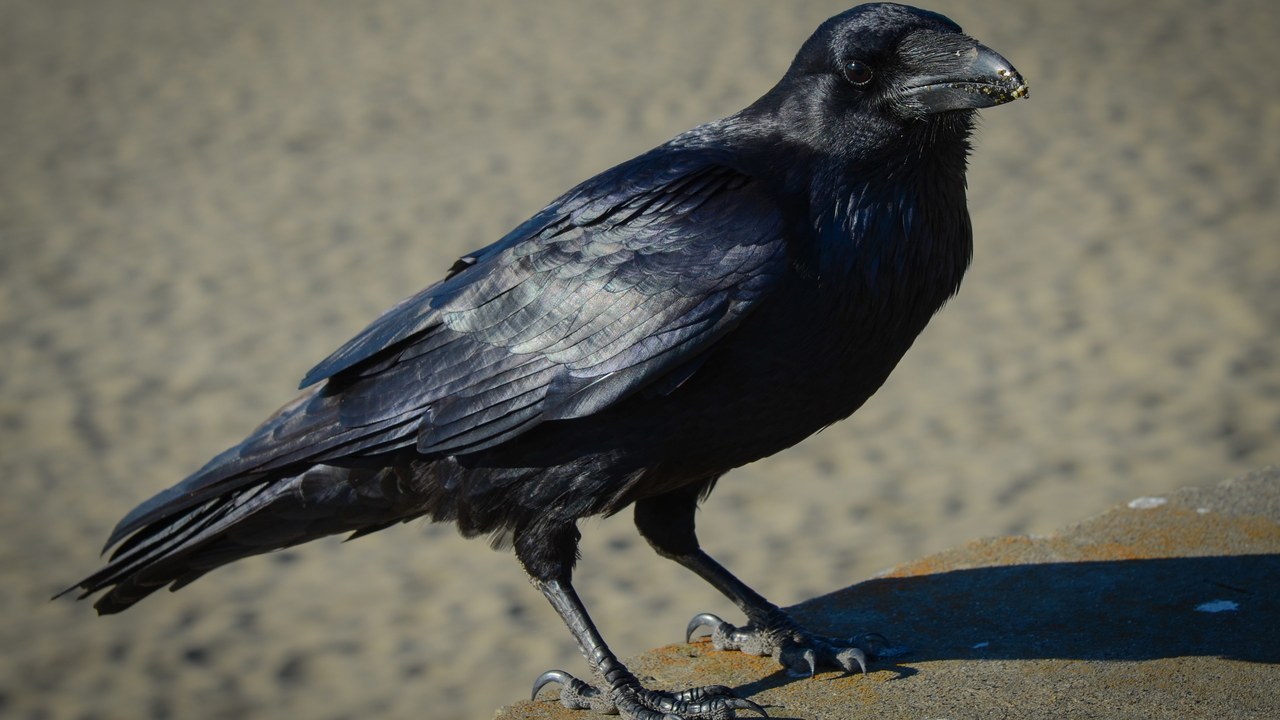
The opening lines of National Geographic‘s animal-smarts gallery state that ravens can plan for the future. The claim sits at the top of the piece as one of several examples of how scientific research constantly offers glimpses into new dimensions of animal cognition.
The article also explains why such findings are hard to compare. Psychologist Edward Wasserman says that how researchers contrive tests of intelligence may tell more about the sensory abilities of animals than their intellectual abilities. He adds that touchscreens are proving a real game changer, since animals can touch, nose or peck them.
14. Orangutan: Talking About the Past
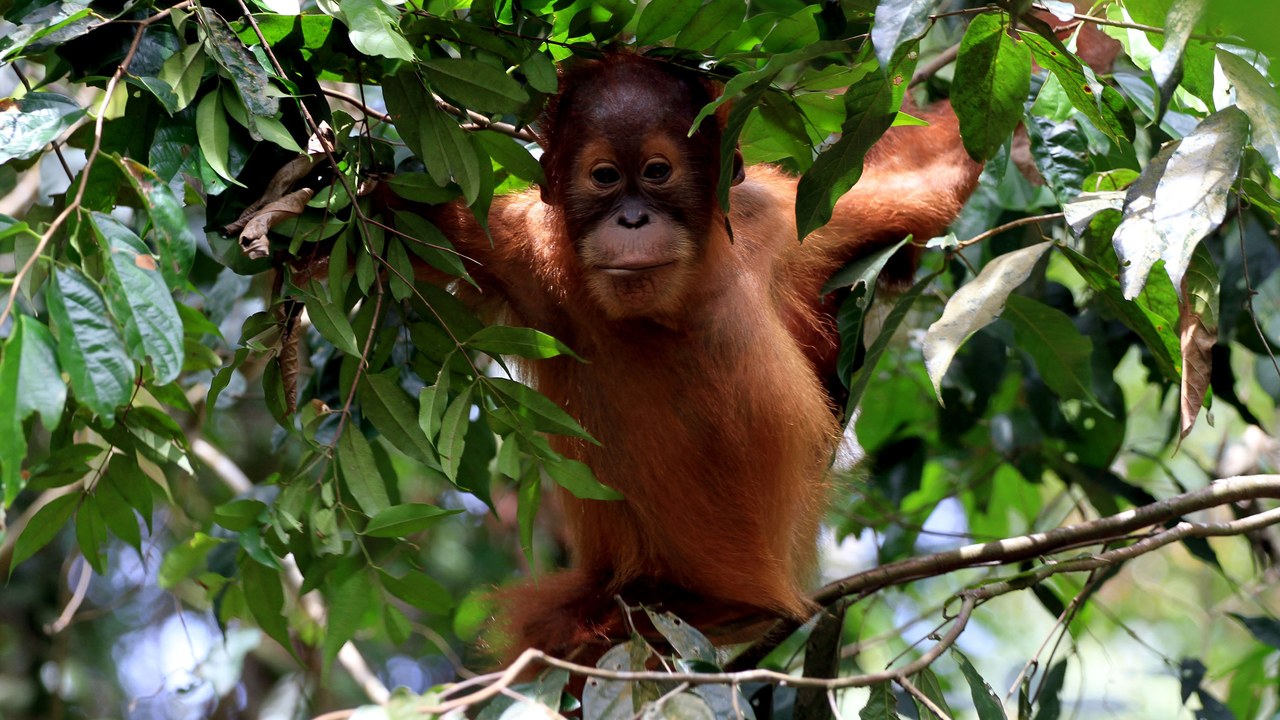
Orangutans can “talk” about the past, according to National Geographic. The line appears in the introduction to a 2019 photo gallery by Natasha Daly, which also lists ravens that plan for the future and octopuses that build armor out of coconut shells.
The gallery is built on the idea that intelligence is too complex and covers too wide a range of adaptive abilities to be measured on one scale. Each species is adapted to its own environment, the experts say, so animals generally have the cognitive abilities they need to thrive, and no more than that.
More from Morning Overview
- Hidden card skimmers on gas pumps and ATMs can be exposed with one quick shake
- Debris from the Greenacres Learjet crash landed on Florida rooftops, and the NTSB wants it
- GM’s big V8 trucks keep blowing engines after the recall fix, and NHTSA is digging deeper
- Up to 5 feet of snow is burying Donner Pass, and forecasters warn against Sierra travel
