
Shark attacks on people are rare, but the International Shark Attack File, kept by the Florida Museum since 1958, records which species have been involved. Some earned their place through sheer numbers, others through a single fatal encounter or a disputed identification. Here are ten sharks in the record books for attacks on people.
Read next on Morning Overview: Up to 5 feet of snow is burying Donner Pass, and forecasters warn against Sierra travel
1. Great white shark: The Species Behind 2025’s US Fatality
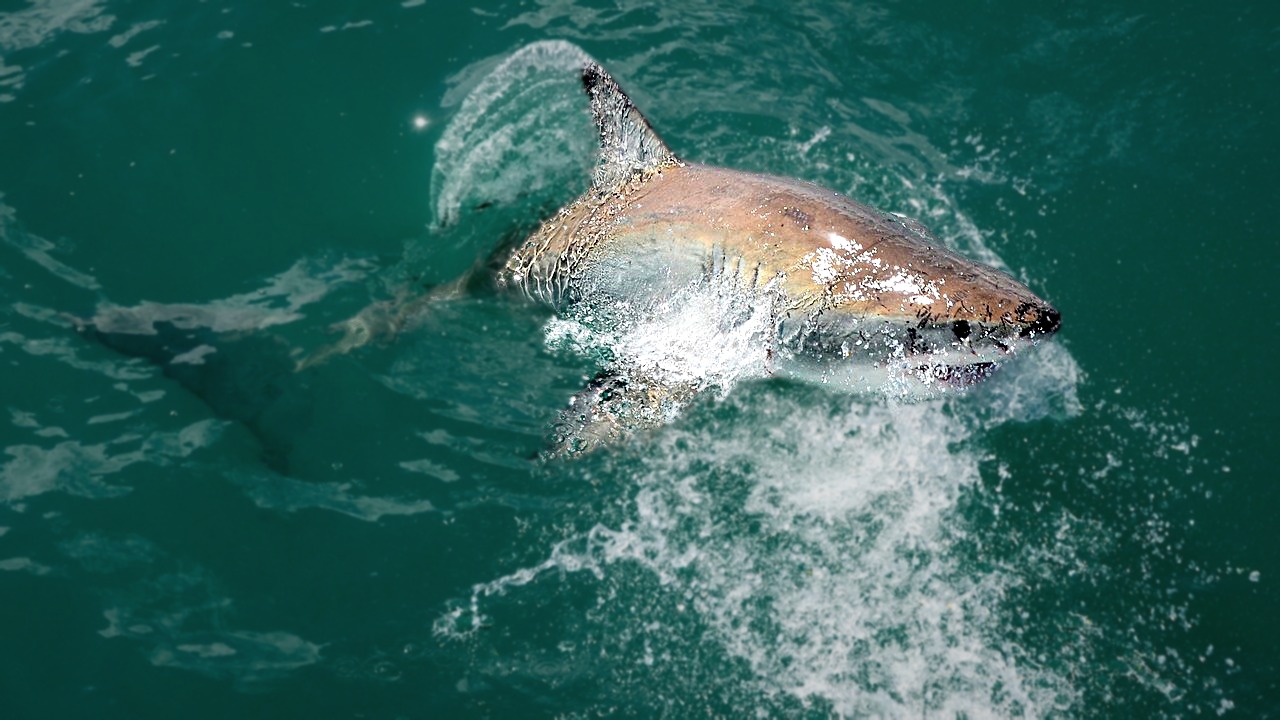
In central California, a 55-year-old triathlete was attacked by a white shark, also known as the great white shark, in Monterey Bay. According to a Florida Museum report on 2025 shark bites, that was the one fatal unprovoked bite in the United States in 2025.
The International Shark Attack File lists 351 confirmed unprovoked attacks by white sharks worldwide, 59 of them fatal. That is the largest total of any species on the list, which is why the great white heads any ranking of sharks in the record books.
2. Tiger shark: Second on the Attack List
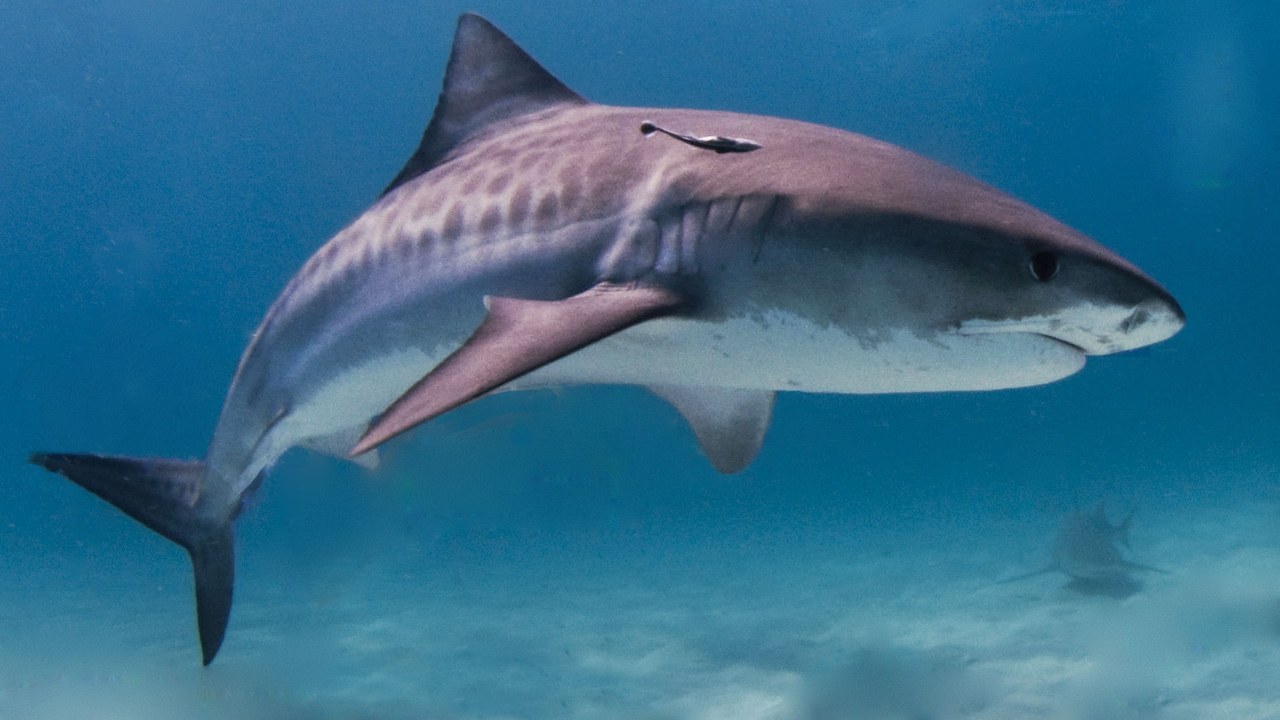
Tiger sharks are recorded at up to 550 centimeters, about 18 feet, and are named for the dark vertical bars along a gray body. the Florida Museum’s tiger shark profile calls the species second only to the white shark in the number of reported attacks on humans.
The International Shark Attack File lists 142 confirmed unprovoked attacks by tiger sharks, 39 of them fatal. The same profile notes that tiger sharks are often curious and unaggressive when encountered, and that they eat almost any marine animal, including garbage found floating at sea.
3. Bull shark: A Shark That Enters Fresh Water
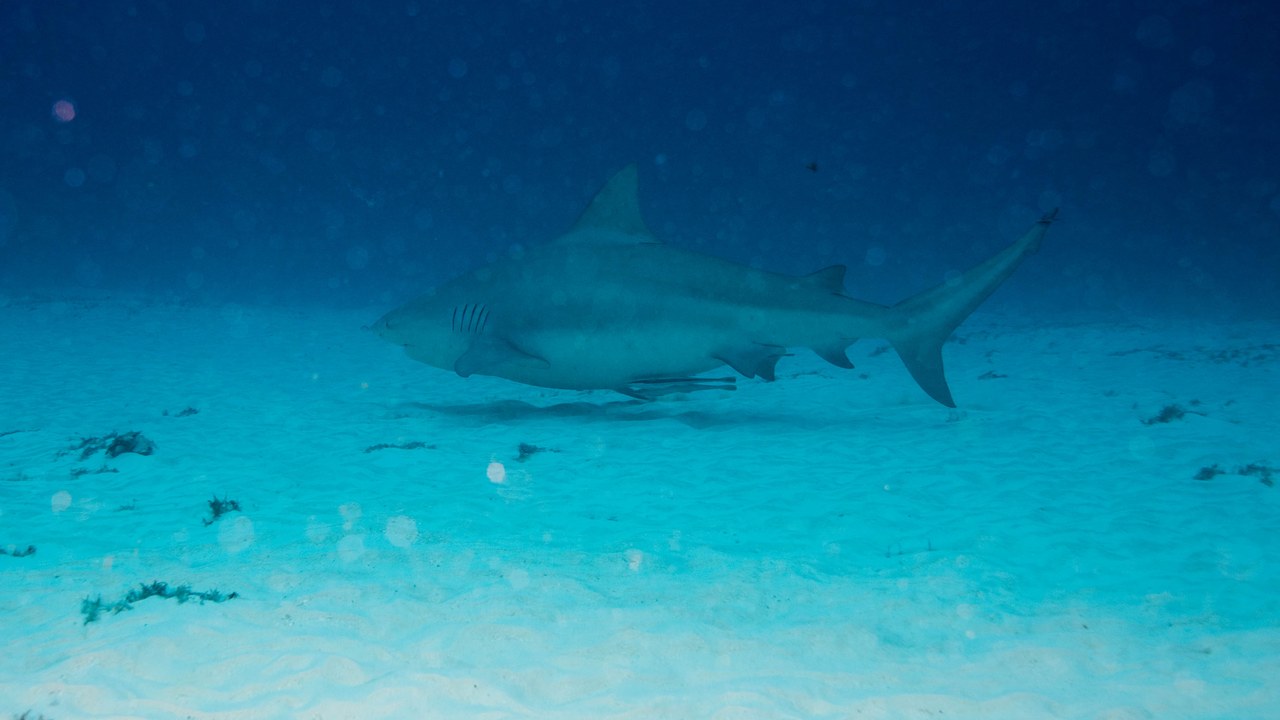
Bull sharks are stout, plain gray above and pale below, with broad rounded snouts, and they can grow to about 340 centimeters. the Florida Museum’s bull shark profile says the species is historically responsible for at least 100 unprovoked attacks on humans around the world, 27 of which have been fatal.
The species lives in salt and fresh water and has been recorded in rivers hundreds of miles from the sea. Because it favors shallow, nearshore water where people swim, it is counted with the white and tiger sharks as one of the so-called Big Three in the shark attack world.
4. Great hammerhead: The Genus With 17 Attacks
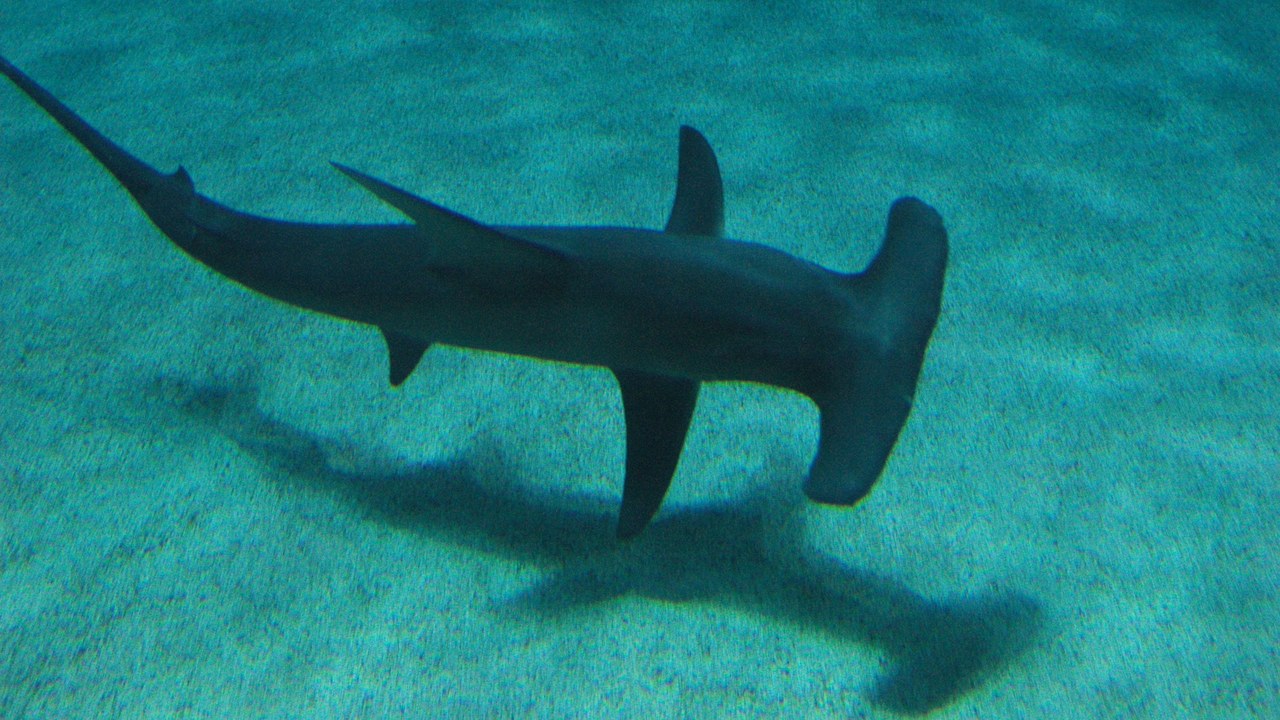
The great hammerhead is the largest hammerhead, with a straight, square head, a tall curved first dorsal fin, and a maximum length of 18 to 20 feet. the Florida Museum’s great hammerhead profile reports 17 unprovoked attacks with no fatalities for all species of the genus Sphyrna.
Few of those attacks can be pinned on this species in particular, because hammerhead species are hard to tell apart. Given its size and varied diet, the museum advises that the great hammerhead be treated with respect and caution, even though none of the recorded attacks were fatal.
5. Nurse shark: Calm, Until Disturbed
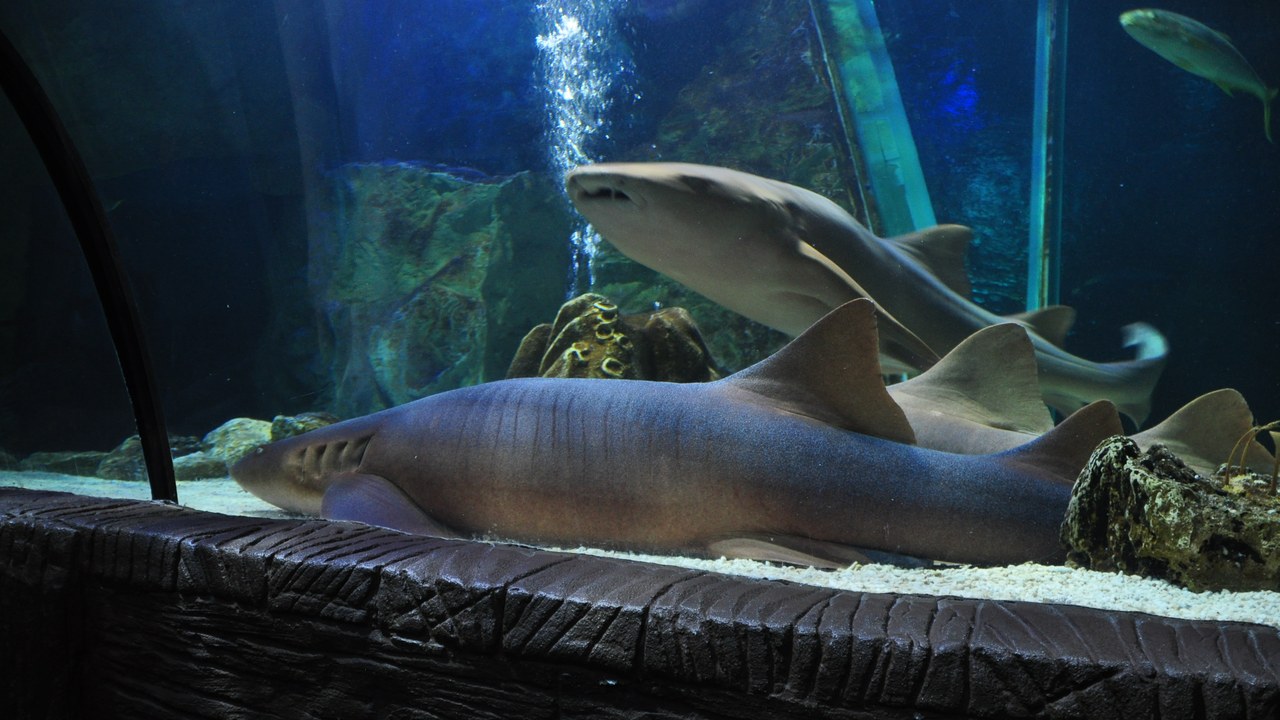
Nurse sharks are bottom dwellers that average 7.5 to 8 feet as adults and rest in caves or crevices by day. the Florida Museum’s nurse shark profile says they are not generally aggressive and usually swim away when approached, though some unprovoked attacks on swimmers and divers have been reported.
If disturbed, a nurse shark may bite with a powerful, vice-like grip, and in some cases the jaws lock. The museum says bites have become more frequent in recent years as a result of ecotourism feeding operations. The shark attack file lists nine confirmed unprovoked attacks by the species, none of them fatal.
6. Sand tiger shark: A Beach Bite on Long Island
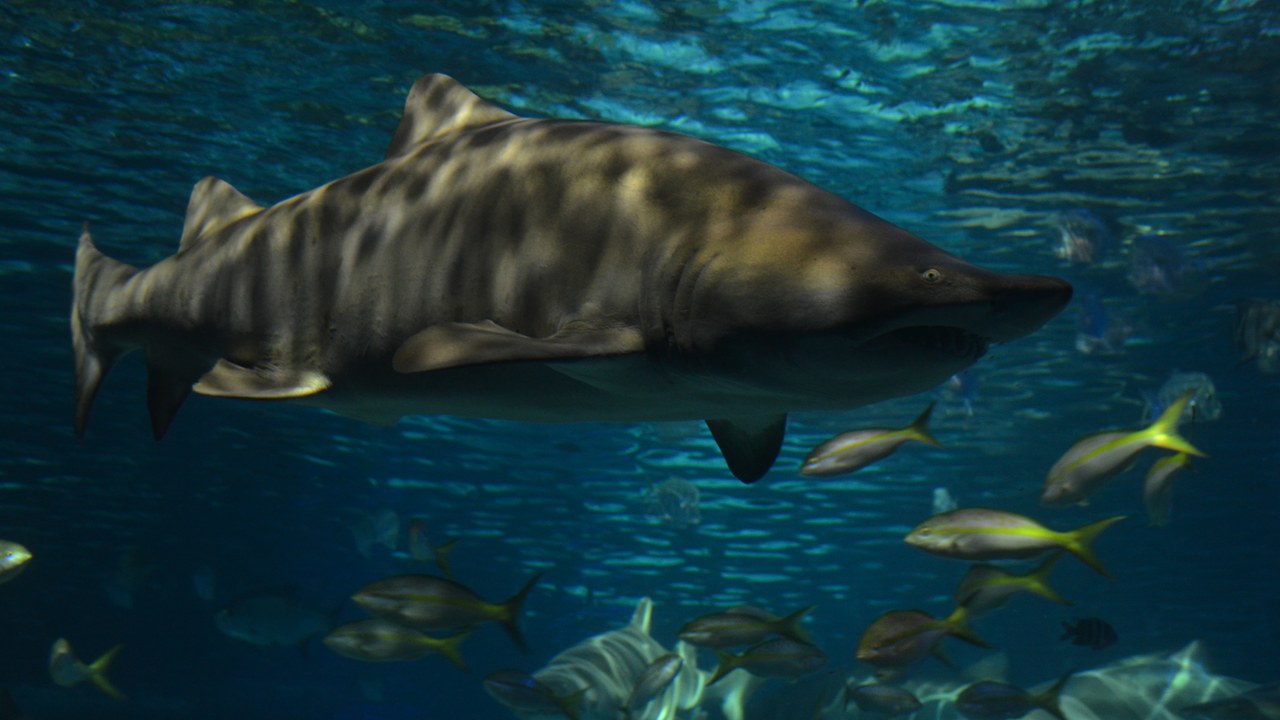
A woman wading at Jones Beach State Park on Long Island, New York, emerged from the water with a bite on her foot in the summer of 2025. Witnesses did not see the shark, but a Florida Museum report on 2025 shark bites says officials believe it was likely a juvenile sand tiger.
It was the only unprovoked bite reported in New York that year. The International Shark Attack File lists 36 confirmed unprovoked attacks by sand tigers over the years, all of them non-fatal, which places the species well down the list from the white, tiger and bull sharks.
7. Blacktip shark: The Suspect Behind Florida’s Small-Shark Bites
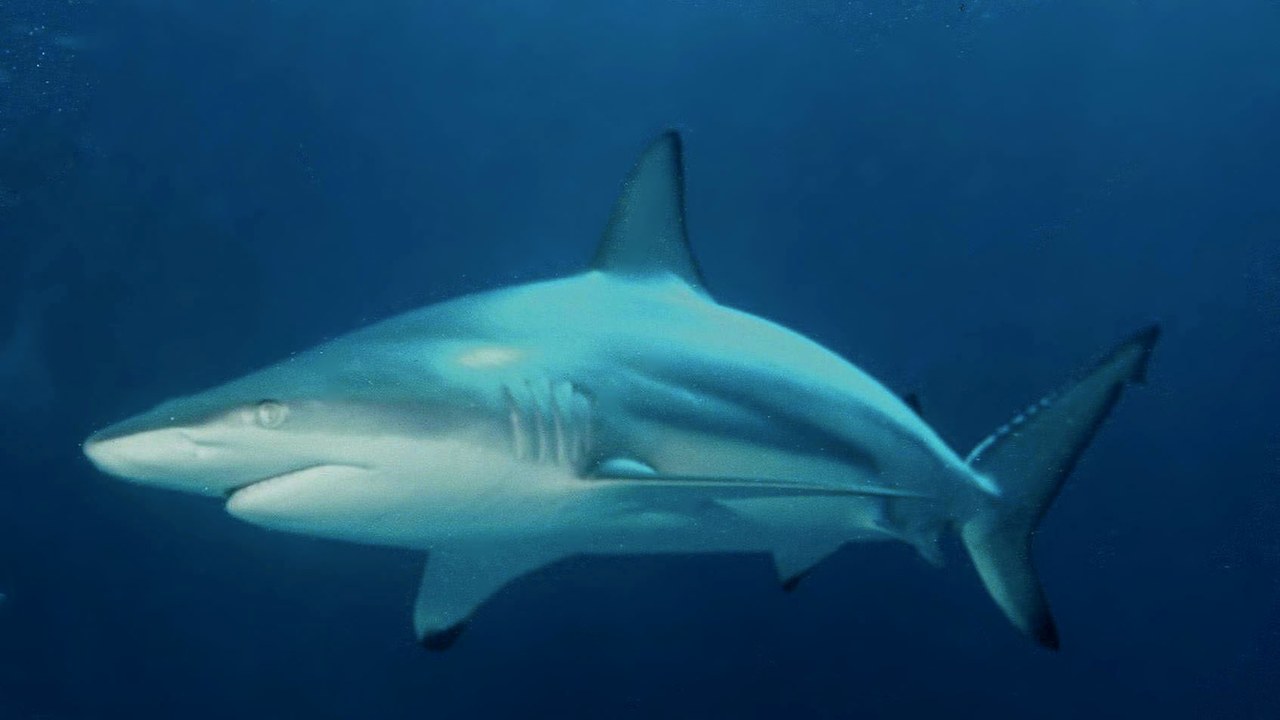
The International Shark Attack File credits blacktip sharks with 35 confirmed unprovoked attacks, none of them fatal. In its table of implicated species, the Florida Museum’s species list adds that the file suspects blacktips account for the majority of requiem shark bites in Florida.
Those suspicions are not conclusive. Small requiem sharks resemble one another in tooth shape, size and appearance, so the species behind a bite is hard to assign. The museum cautions that Carcharhinus sharks likely play a part in many more attacks than the table credits to them.
8. Lemon shark: Ten Bites, No Fatalities
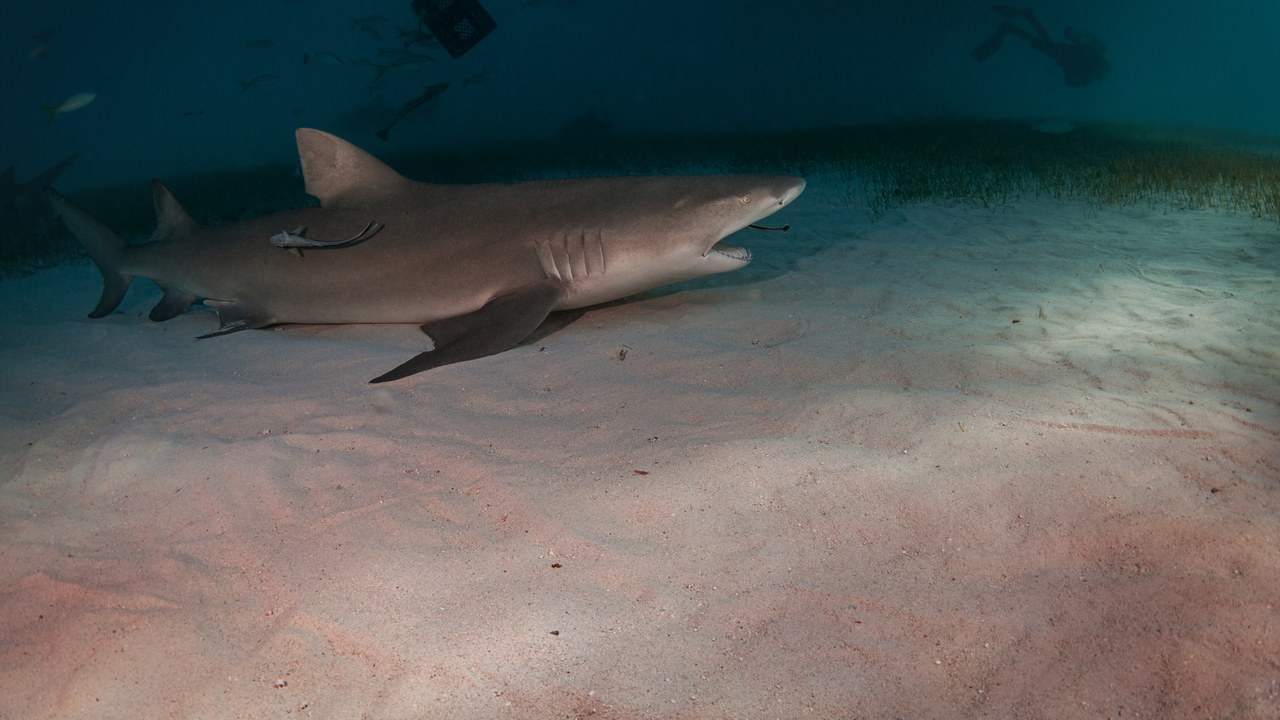
Lemon sharks appear in the International Shark Attack File with 10 confirmed unprovoked attacks, all of them non-fatal. The figure comes from the table of implicated species that the Florida Museum’s species list publishes, which counts only incidents confirmed to be unprovoked.
The museum warns that the table is skewed toward species that are easy to identify, and that almost any shark roughly six feet or longer is a potential threat to humans. A short list of bites for a species reflects what has been recorded and confirmed, not a guarantee of how any one animal will behave.
9. Oceanic whitetip shark: Fifteen Attacks, Three Fatal
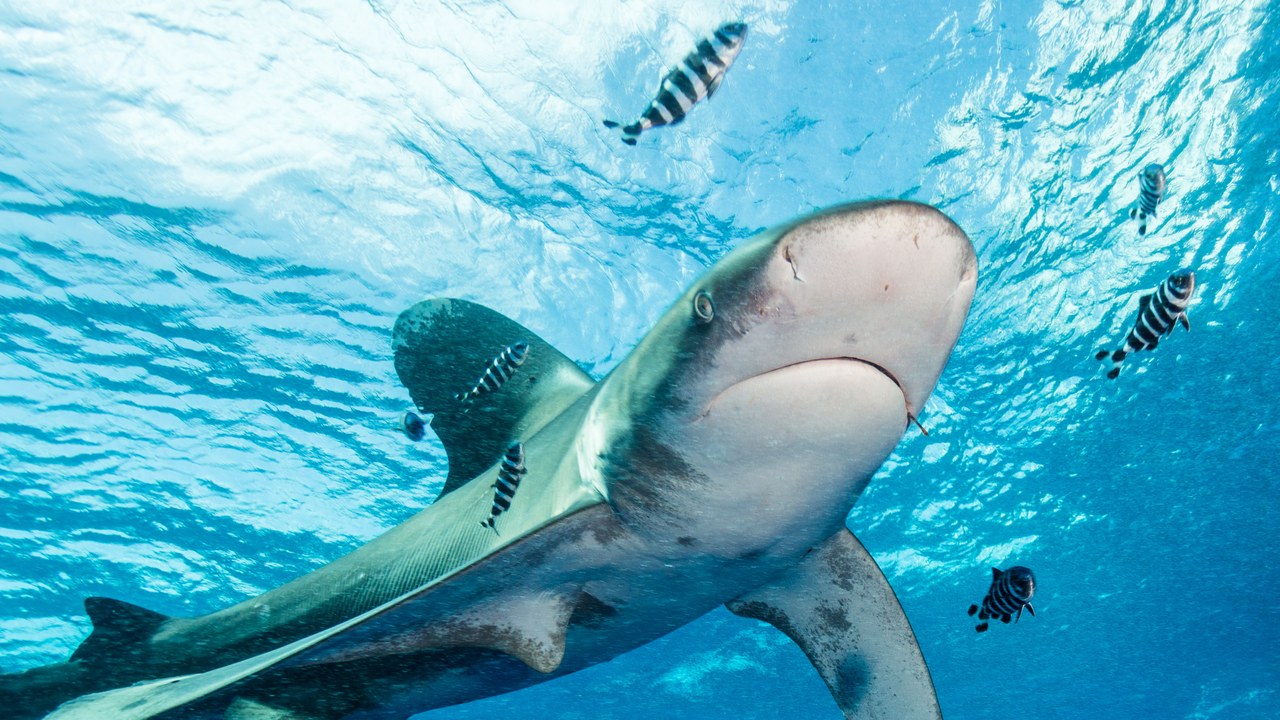
The oceanic whitetip appears in the International Shark Attack File with 15 confirmed unprovoked attacks, 12 non-fatal and 3 fatal. Those totals come from the table of implicated species that the Florida Museum’s species list publishes for incidents around the world.
The three fatalities are a small number beside the white shark’s 59 on the same list. As the museum notes, such counts depend on correct identification, which is often difficult for requiem sharks, the family to which the oceanic whitetip belongs.
10. Shortfin mako shark: A Fast Shark With a Short Record
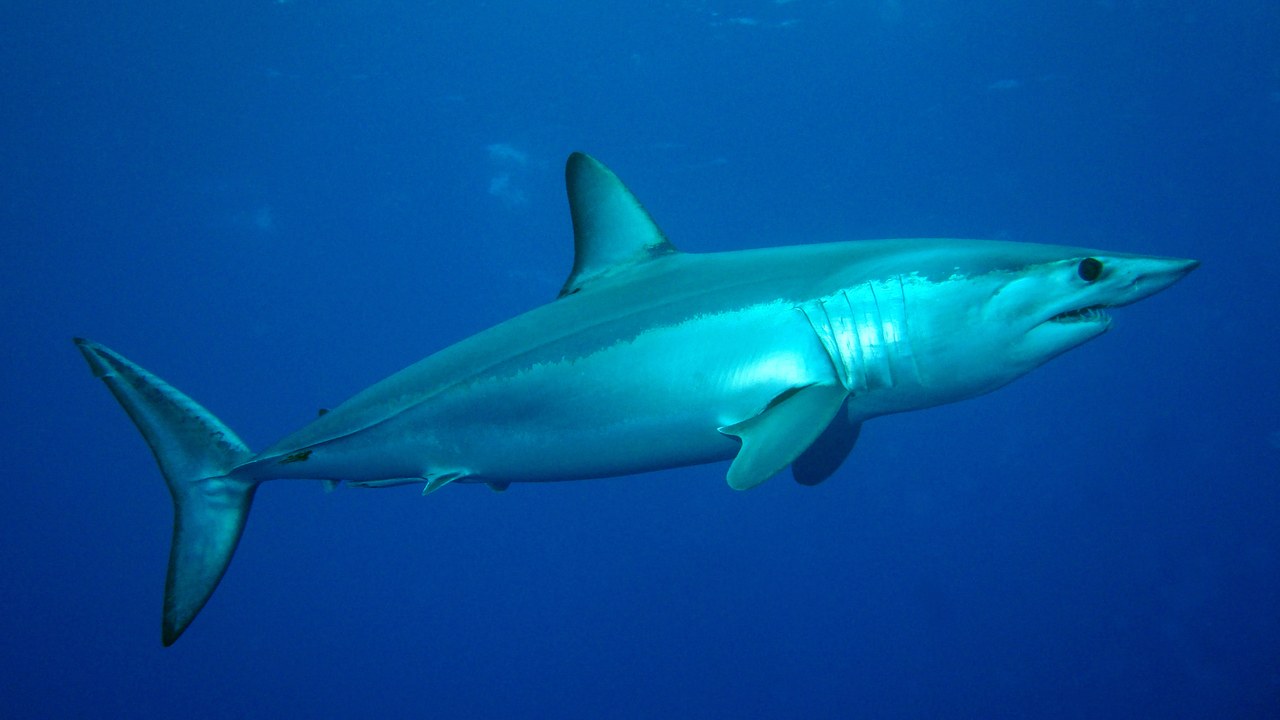
Shortfin makos are listed in the International Shark Attack File with 10 confirmed unprovoked attacks, nine non-fatal and one fatal. the Florida Museum’s species list publishes the figures in its table of species implicated in attacks around the world.
The count is modest, and the museum’s caution applies here as it does to every row of the table. Only confirmed, unprovoked incidents are included, and the list leans toward species that victims and witnesses can identify, so it is a record of what was confirmed rather than a full measure of risk.
More from Morning Overview
- Older Teslas mostly keep their batteries, and here’s what wears out instead
- A hunting-trip Piper spiraled down from the sky before a deadly crash in Iowa
- A 2,000-year-old nomad tomb in Mongolia held a glass cup that may have traveled from Rome
- Jeep’s new Recon sold just 19 units in 45 days, the fewest of any model on CarEdge’s worst-sellers list
