
Some of the loudest sounds on Earth come from animals that humans rarely hear at full volume, from whales calling across oceans to a frog smaller than a hand. Decibel figures are not directly comparable, since underwater levels use a different reference than levels in air. Here are fourteen of the loudest animals and the decibels the sources give for each.
Read next on Morning Overview: A Cirrus SR22 declared an emergency a minute after departure clearance, its parachute still bagged
1. Sperm whale: The Loudest of All
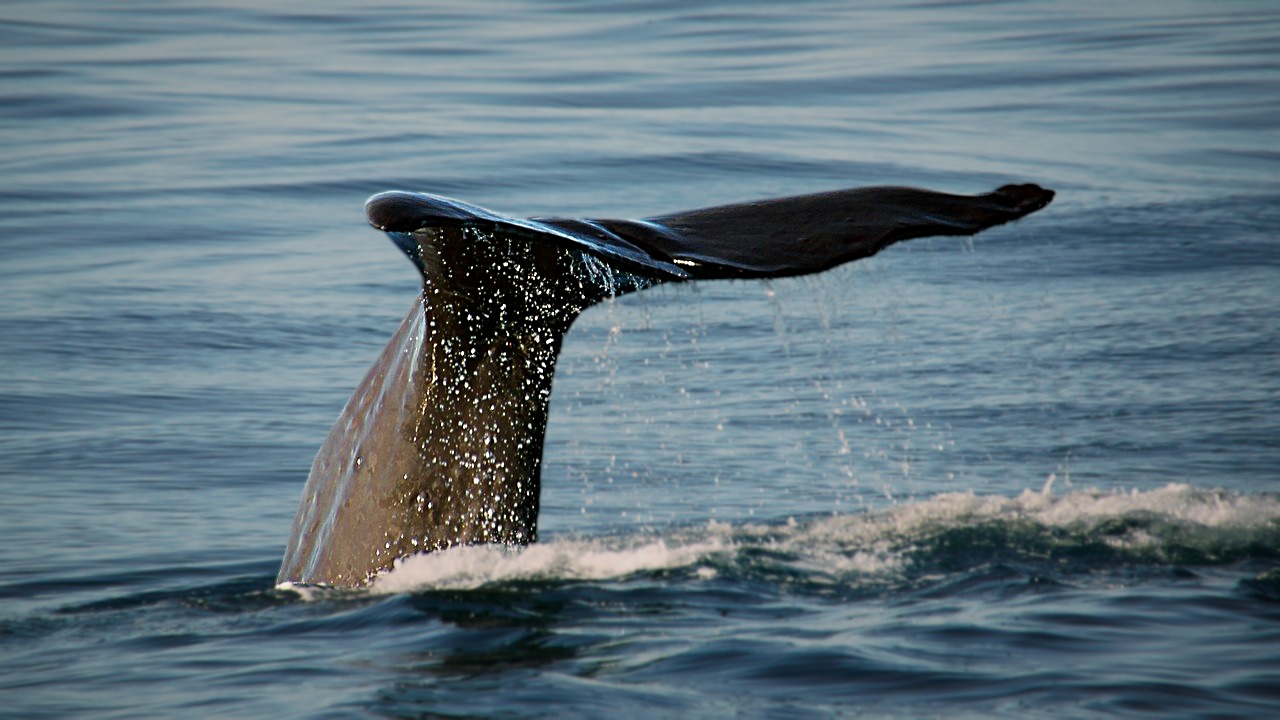
Sperm whales are regarded as the loudest animals on the planet, and IFAW lists them as capable of making sounds up to 230 decibels. That is louder than a jet engine, which sits at about 150 decibels.
The figure applies to sound underwater, where levels are measured differently than in air. The whales also use rapid clicking for echolocation, locating prey such as giant squid in deep, dark water, and their calls are estimated to travel thousands of miles through the ocean.
2. Pistol shrimp: A Claw That Stuns
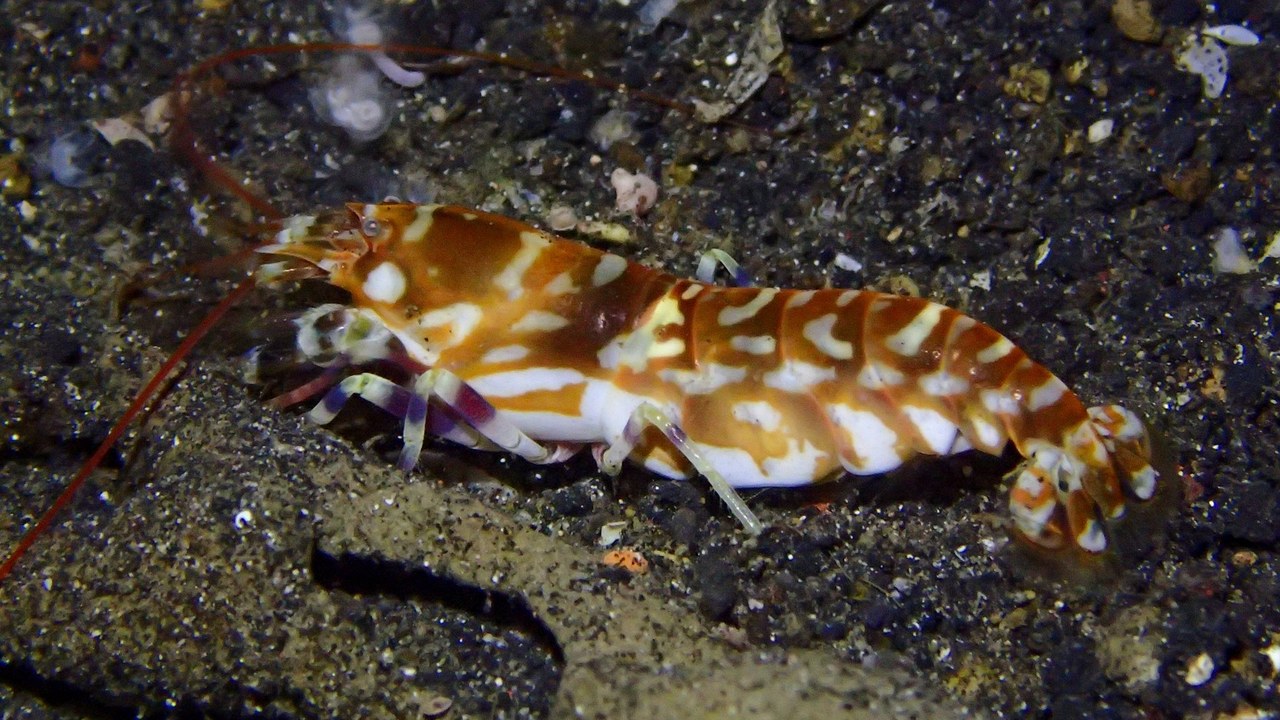
Pistol shrimp, also called snapping shrimp, belong to the family Alpheidae and can produce sounds up to 189 decibels with the snap of a large claw, according to IFAW. One claw is always much larger than the other, and that oversized claw makes the sound.
The snap is powerful enough to stun prey. The shrimp wait in burrows for fish to swim past, detect them with their antennae, and then fire their shot. Other sources put some species well above 200 decibels, so the figure here is the one this page gives.
3. Northern elephant seal: Calls in a Crowded Colony
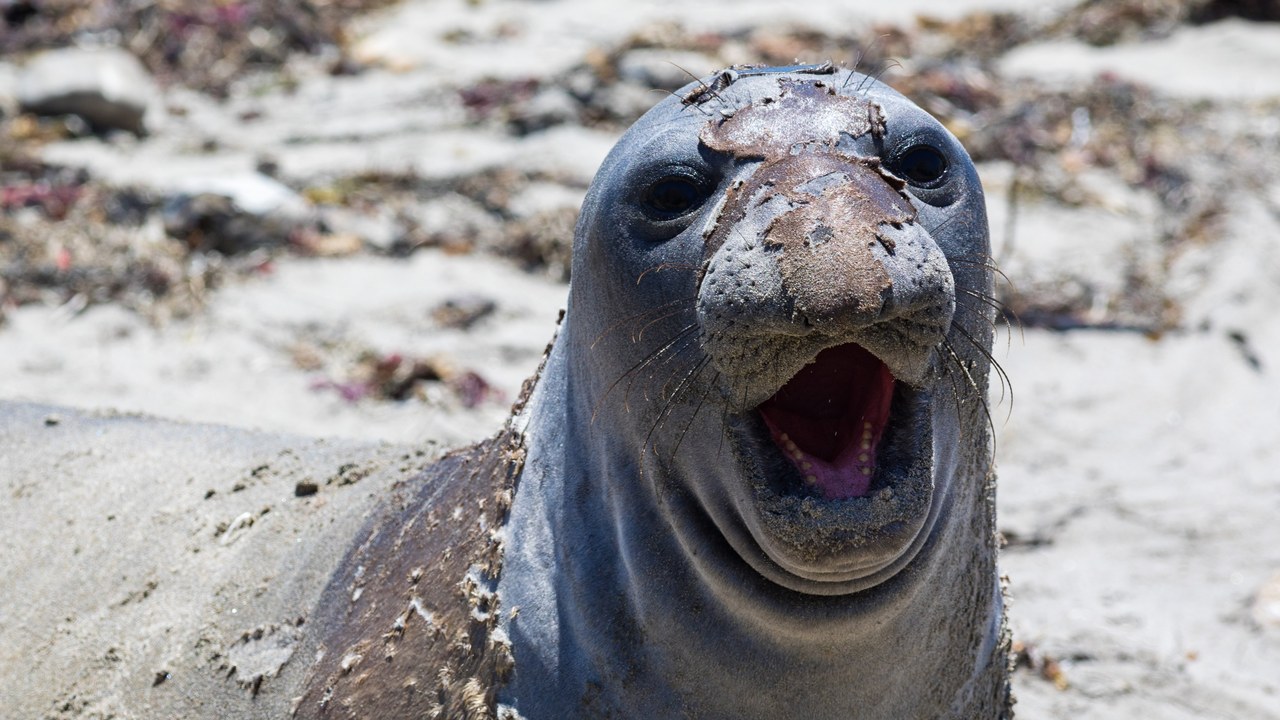
During the breeding season, northern elephant seals produce calls that reach up to 131 decibels, IFAW reports. Males use these calls to set themselves apart as individuals in a busy, noisy breeding crowd.
The seals breed on the Channel Islands of California from December to March. In the warmer months they travel as far north as Alaska’s Aleutian Islands. The decibel figure refers to the loudest calls recorded rather than to everyday sounds the animals make.
4. Rooster: The Natural Alarm Clock
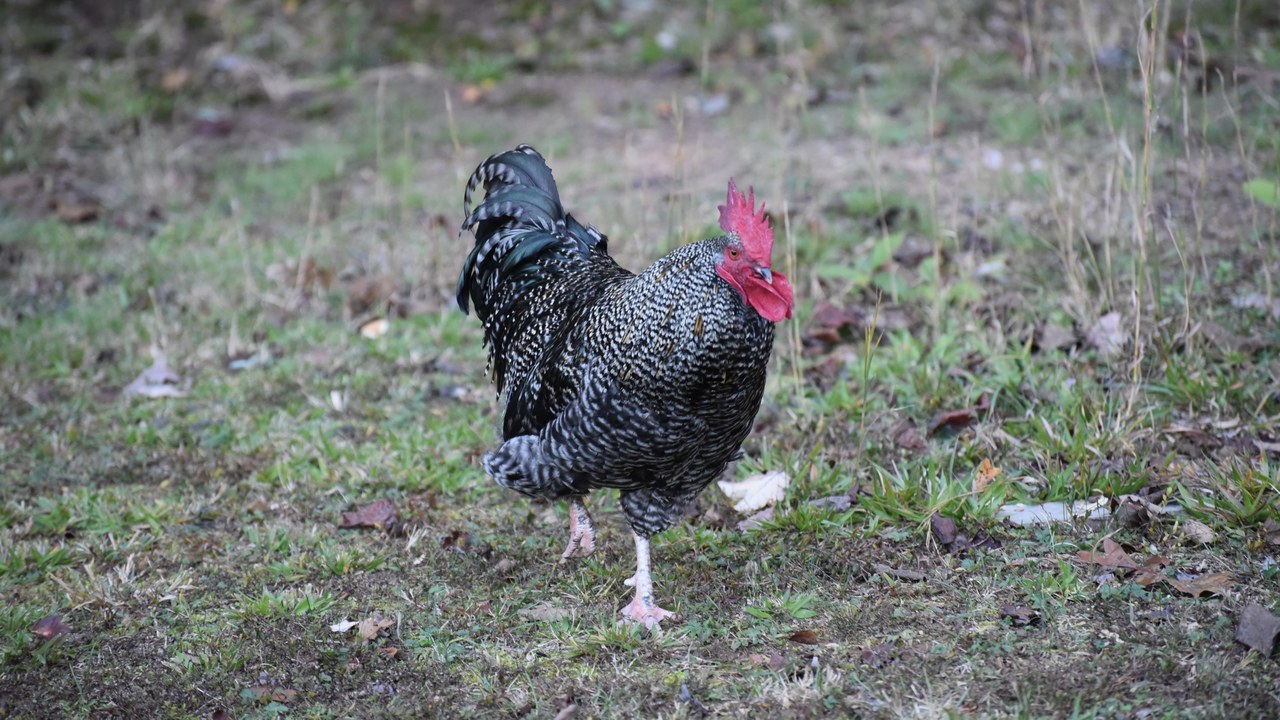
Roosters have served for centuries as natural alarm clocks, and IFAW notes that a crow averages around 130 decibels. One rooster in a study reached 136 decibels.
These domesticated birds crow to announce the new day, to lead their hens out to forage, to mark territorial boundaries and to warn others of predators. The page also notes how differently people around the world write the sound, from cock-a-doodle-doo in English to cocorico in French and kikeriki in German.
5. Bottlenose dolphin: Whistles at Close Range
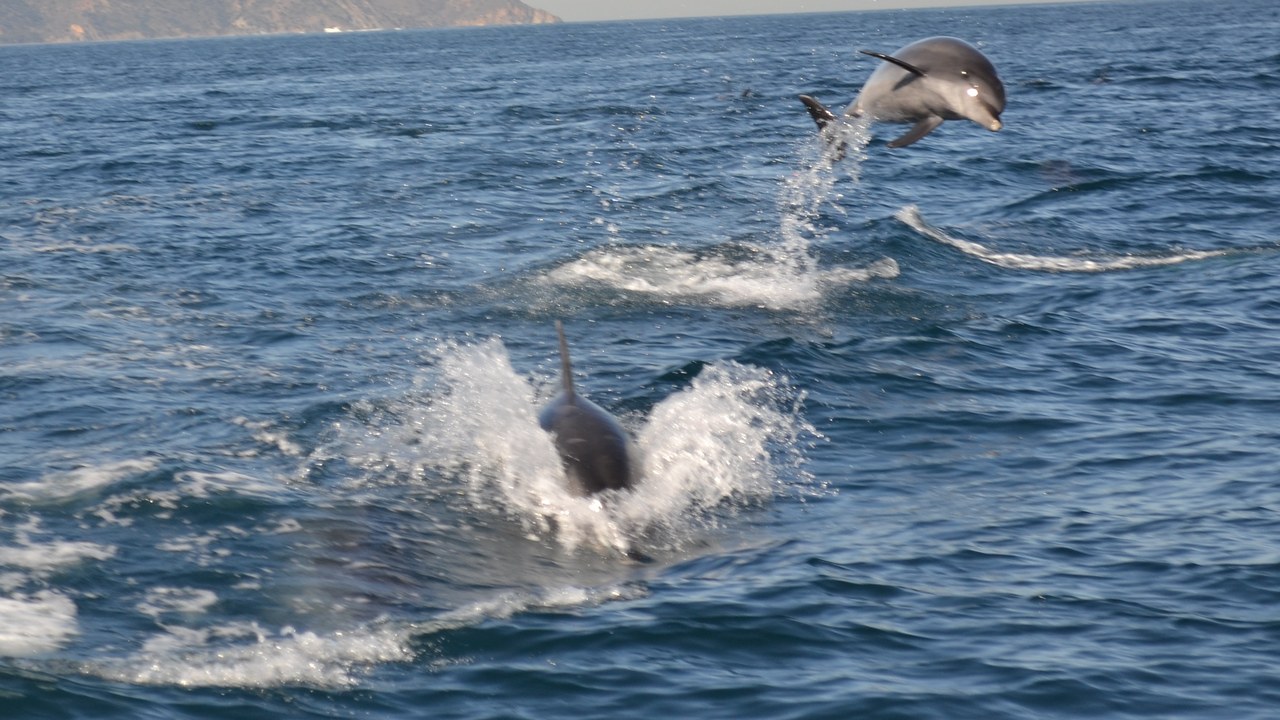
Bottlenose dolphins can produce whistles up to 163 decibels, measured from one meter away, IFAW states. The page gives the same figure for Atlantic spotted dolphins.
The dolphins are highly intelligent and use a range of sounds for communication, along with high-frequency echolocation to find prey that includes fish, squid and crustaceans. Communication matters because they often hunt in groups, herding fish or cornering them against the edge of a sandbar.
6. Blue whale: Loud as the Largest
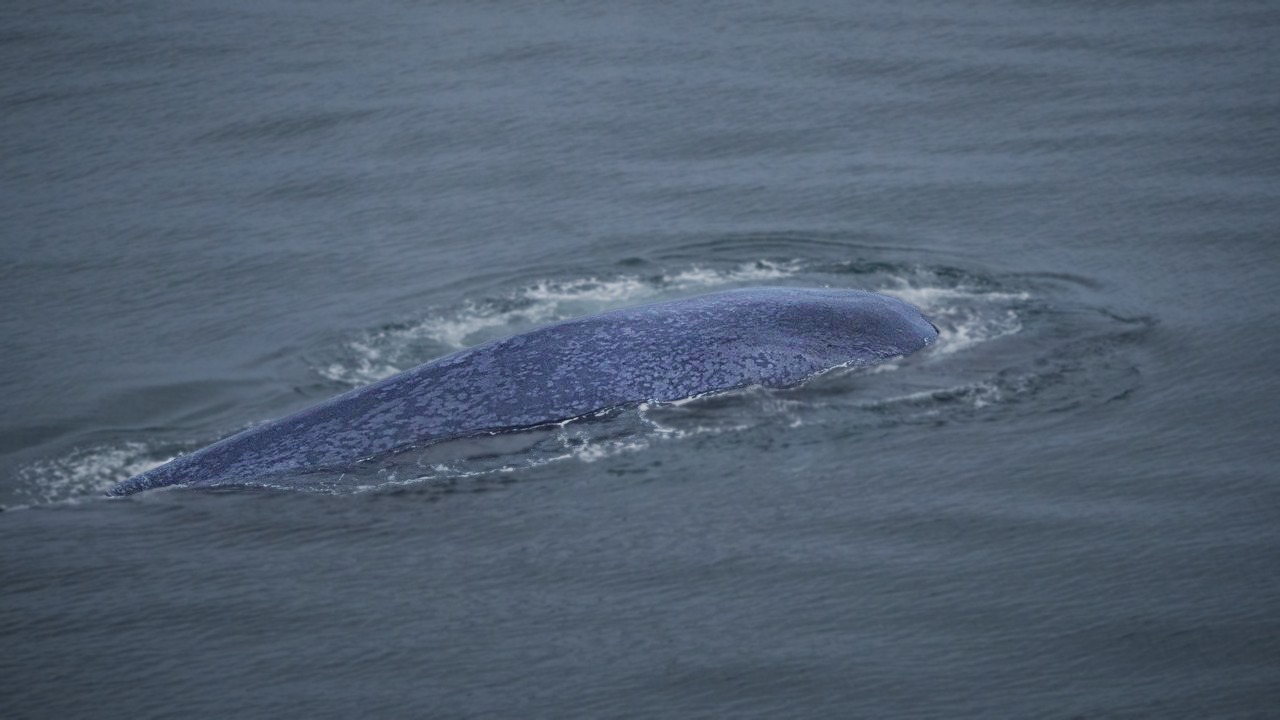
The largest living animal is also among the loudest. Australian Geographic says blue whale sirens can reach 188 decibels, louder than a jet engine or a grenade explosion.
Sound carries further underwater, so the whales can be heard over 800 kilometres away. The magazine puts blue whales at up to 33 metres long and up to 200 tonnes in weight. IFAW describes their calls as pulses, grunts, groans and moans used to reach other blue whales across hundreds of miles.
7. Gray wolf: A Howl Across the Distance
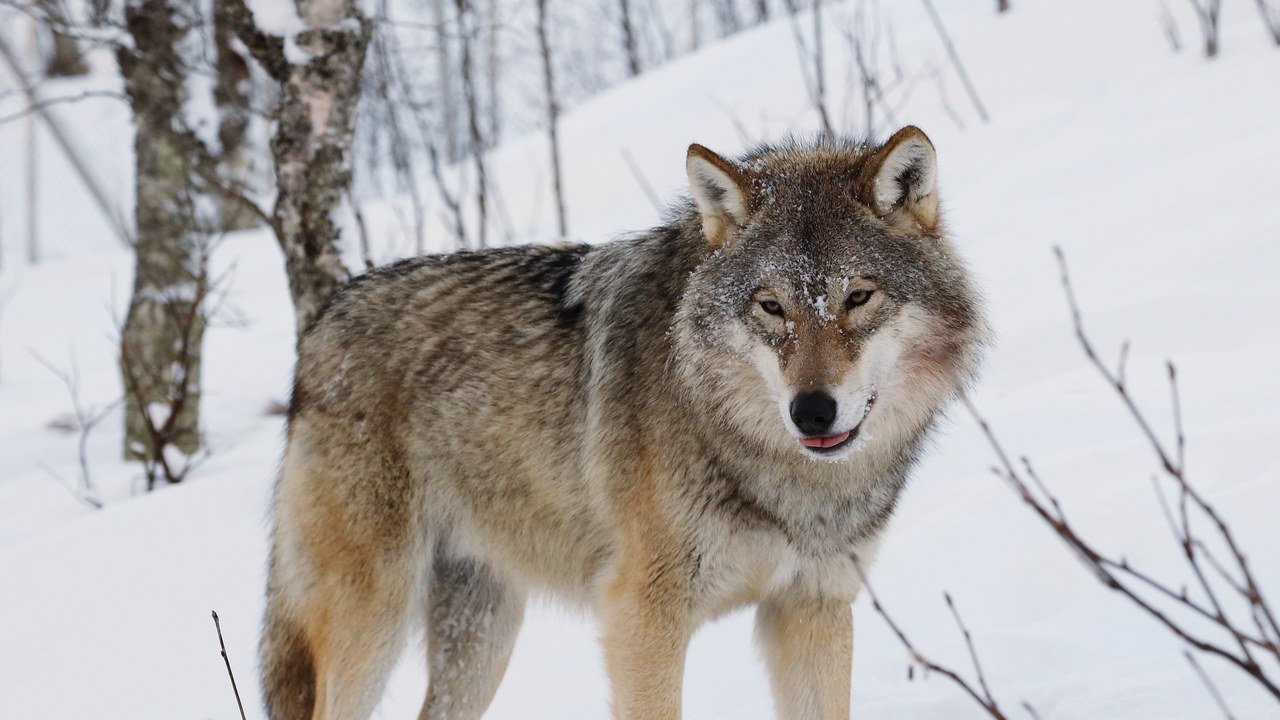
A wolf’s howl can reach 90 decibels, Australian Geographic reports, just a little below the blare of a subway train. It counts among the most distinguishable of all animal noises.
Wolves often travel long distances over great expanses to find food, and the howl is thought to help them keep track of where their pack mates are. It can also announce a pack’s position and establish its territory. When wolves howl in chorus, the sound can be shaped so the pack sounds much bigger than it is.
8. Howler monkey: Heard Nearly Five Kilometres
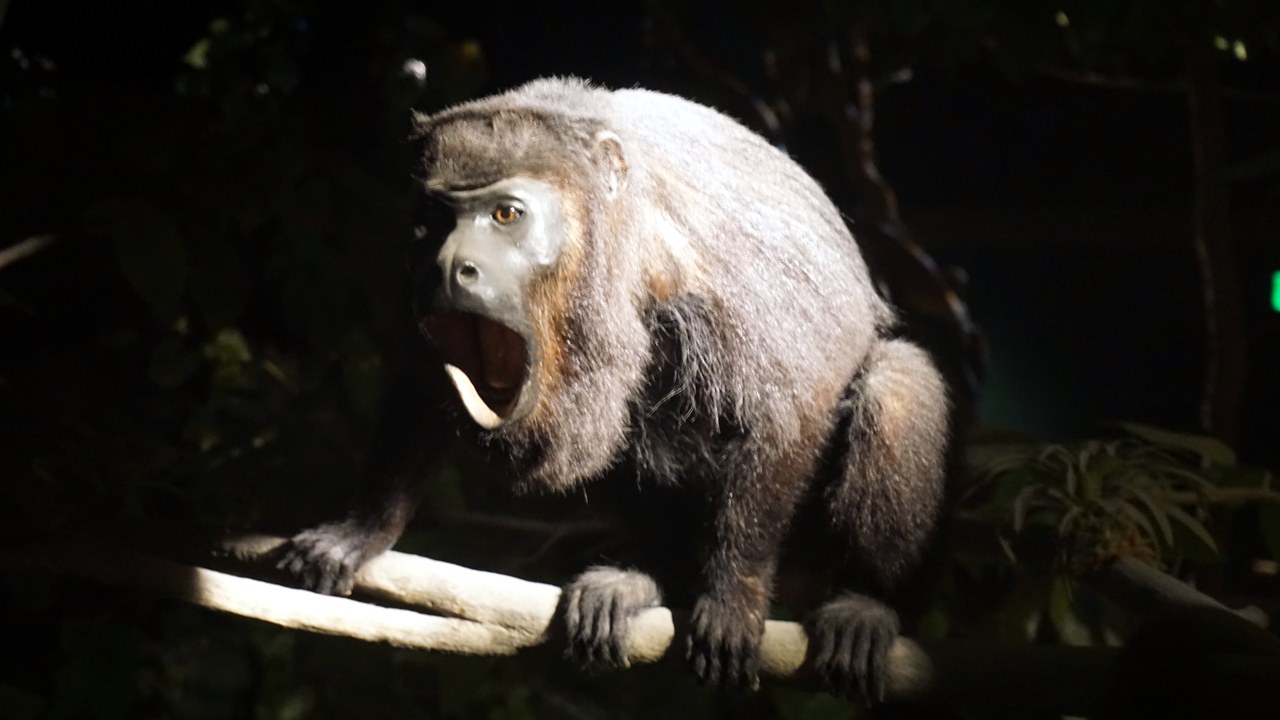
Howler monkeys are very social and commonly found in large groups, and their calls can reach 90 decibels and carry almost 5 kilometres when a troop calls together, Australian Geographic notes. Other sources report higher figures for the species.
The calls announce a group’s position and warn others to stay out of its territory. Howlers can make such sounds because of an enlarged hyoid bone in the throat. The howling takes a lot of energy, and the page adds that the monkeys may sleep for up to 15 hours a day to recharge.
9. Kakapo: The Loudest Bird
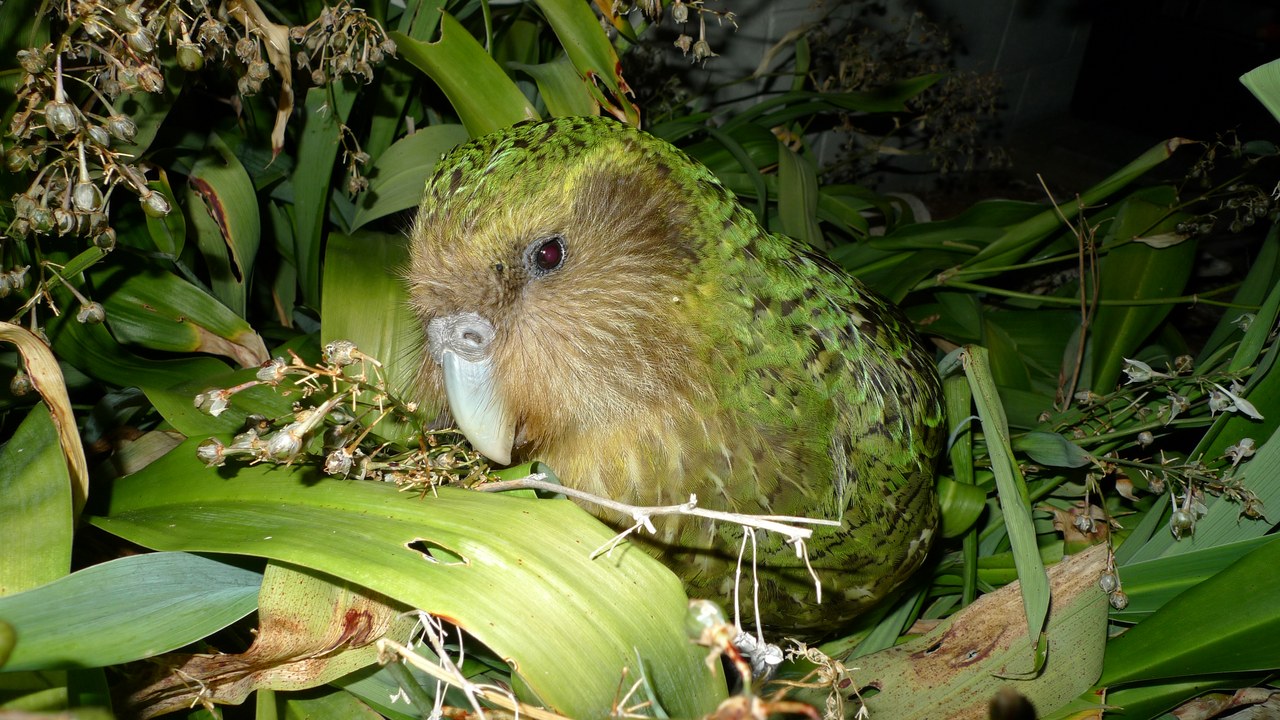
Australian Geographic calls the kakapo the loudest bird, thanks to the male’s mating call, which can reach up to 132 decibels and be heard from over 7 kilometres away.
The booming noise is made using a thoracic air sac and is interspersed with high-pitched metallic calls that help the female find her mate. A member of the parrot family, the kakapo is flightless and nocturnal, and the heaviest of them, weighing 2 to 4 kilograms at maturity. It breeds only every two to five years.
10. Coqui: Tiny Frog, Jackhammer Volume
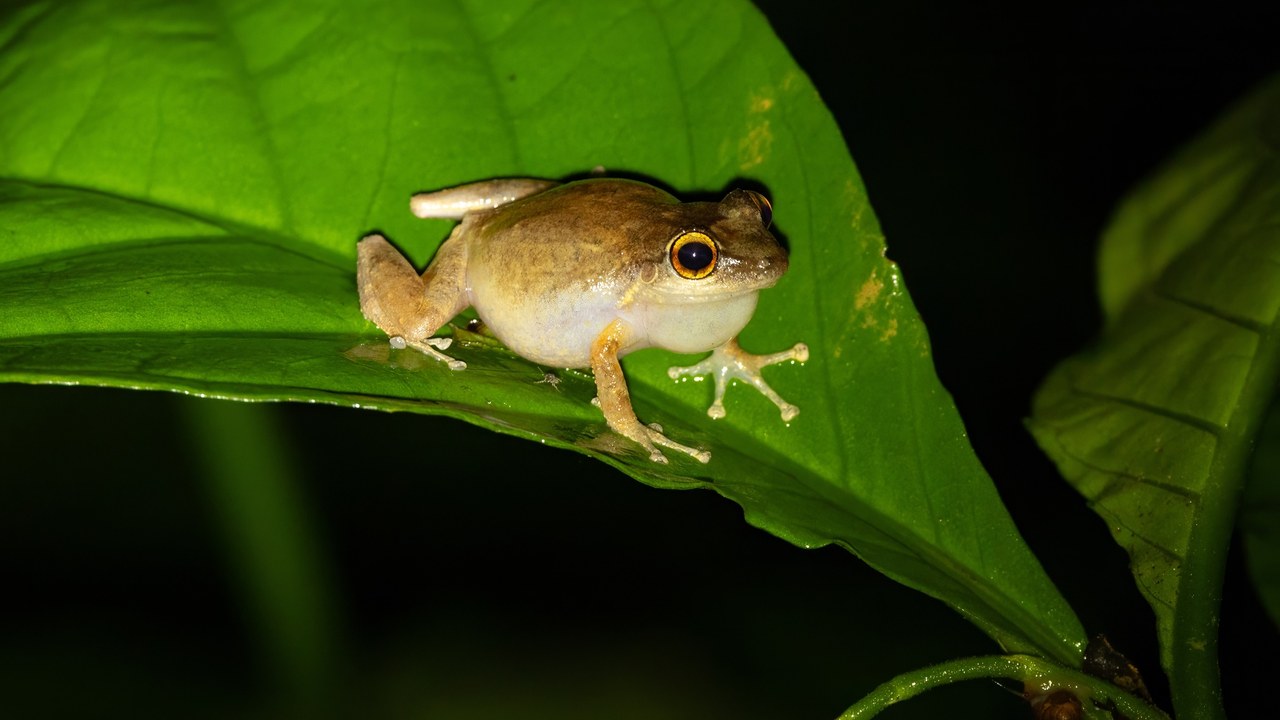
Coqui frogs are native to Puerto Rico, where their concentrations are very dense, and Australian Geographic says a single frog can generate sounds between 90 and 100 decibels, as loud as a jackhammer. Each male croaks louder to outdo his competitors.
There are two parts to each call. The first, co, is to deter other males, while the second, kee, helps females locate potential mates. IFAW cites a lower measurement of 80 to 90 decibels for the same frogs, a reminder that figures differ between studies.
11. Fin whale: Rumbles Across Oceans
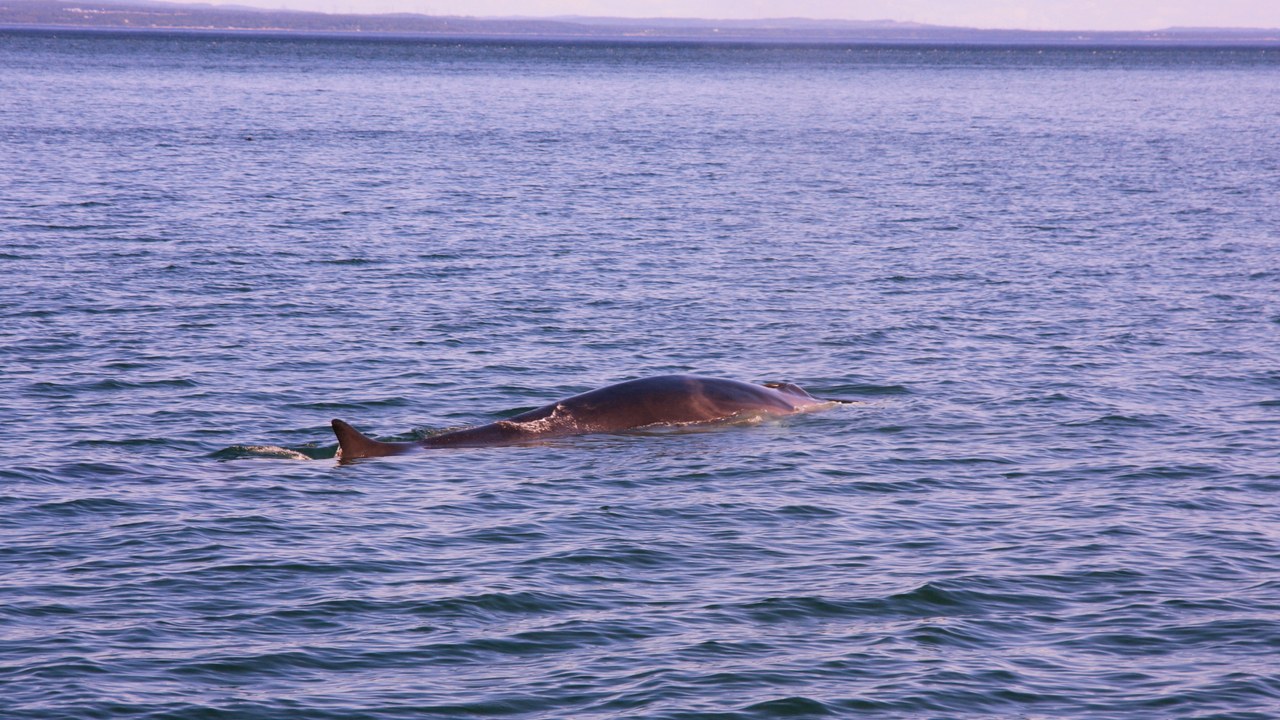
The fin whale is listed at 189 decibels underwater by an AOL feature. It is second in size only to the blue whale.
Its deep rumbles travel vast distances through the ocean, making it one of the most efficient long-range communicators in the sea. The feature says the whales use sound to connect with other whales over hundreds of miles. As with other marine animals, the figure is an underwater measurement, which is not directly comparable to air.
12. Lion: The King’s Roar
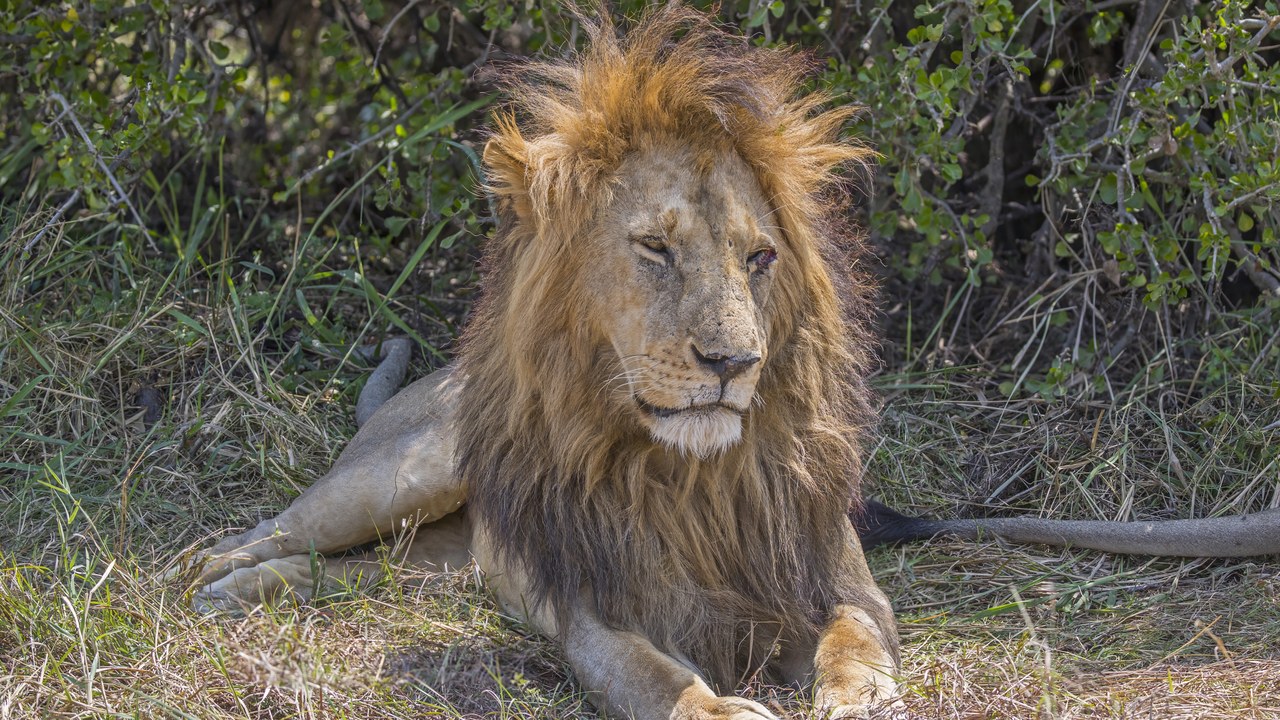
A lion’s roar measures 114 decibels in air, and AOL reports it is loud enough to be heard five miles away. It is one of the most recognizable sounds in nature.
The feature says the vocal power helps lions establish dominance, locate pride members and warn intruders. Australian Geographic gives the same 114 decibel figure and adds that the roar is one way a lion establishes territory, a useful signal across a pride’s very large home range.
13. Greater bulldog bat: Ultrasonic and Extremely Loud
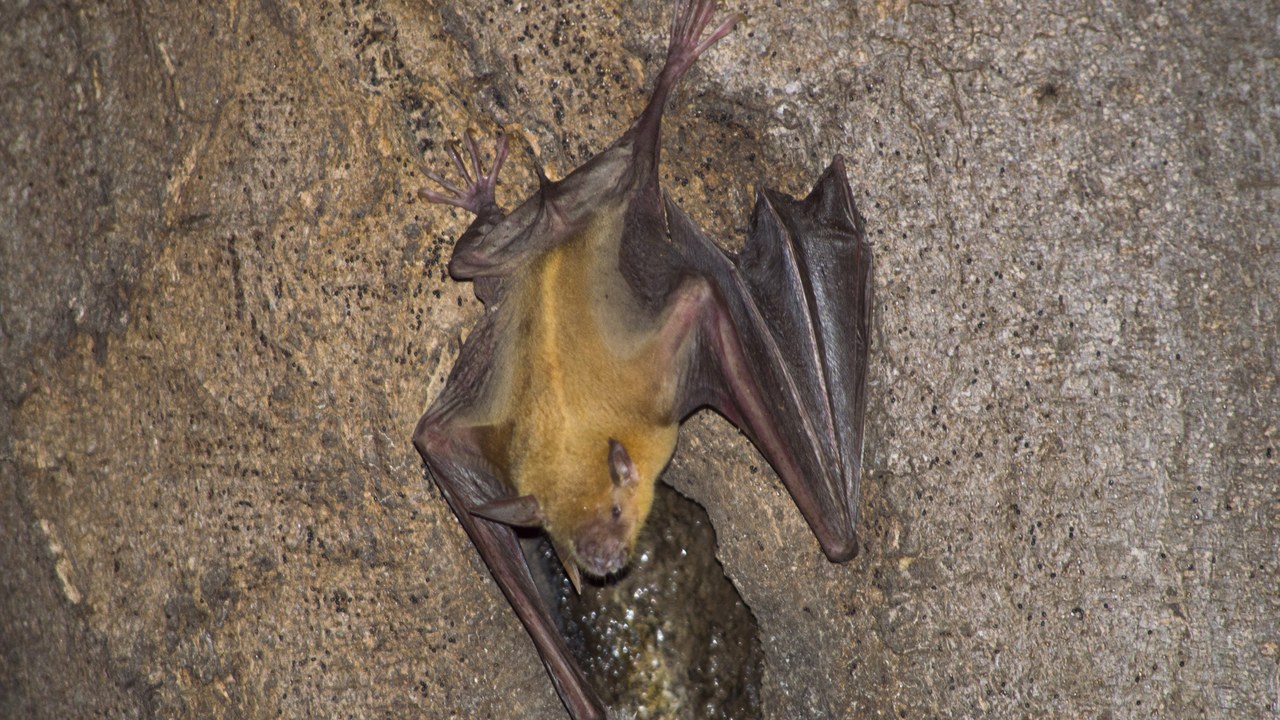
The greater bulldog bat is listed at 140 decibels in the ultrasonic range, AOL notes. Because its high-frequency sounds lie beyond human hearing, people cannot perceive the volume.
The calls help the bat find fish in water while it flies above at night. It is a specialized hunter with one of the loudest calls in the bat world. IFAW adds that the species, also known as the fisherman bat, is native to Mexico, Central America, the Caribbean and northern South America.
14. Cicada: Summer’s Natural Alarm
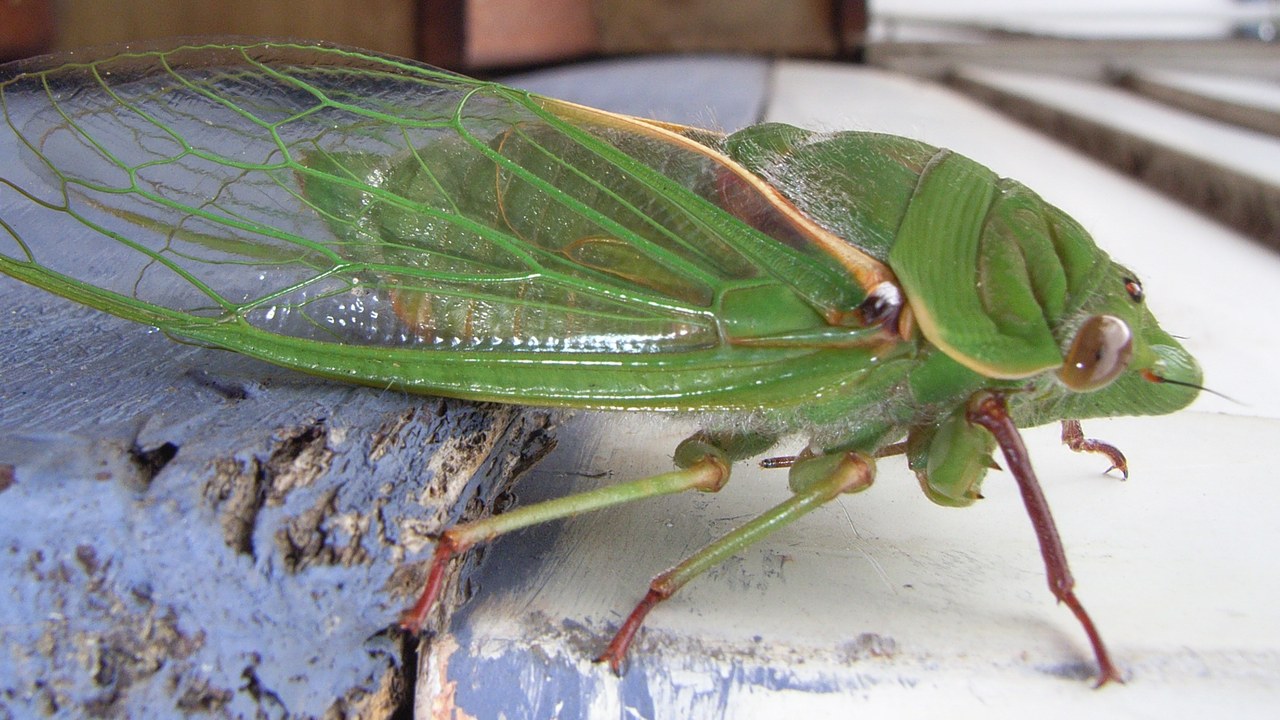
Cicadas reach about 120 decibels in air, according to AOL. These buzzing insects are summertime’s natural alarm clock.
Male cicadas produce their calls by vibrating thin plates on the abdomen. Some species gather in synchronized choruses, which creates a wall of sound that is nearly impossible to ignore. The loudness here comes from the males alone, and it makes them among the loudest insects featured in the sources. The 120 decibel figure is the one the page gives for cicadas as a group rather than for any single species.
More from Morning Overview
- Debris from the Greenacres Learjet crash landed on Florida rooftops, and the NTSB wants it
- GM’s big V8 trucks keep blowing engines after the recall fix, and NHTSA is digging deeper
- Up to 5 feet of snow is burying Donner Pass, and forecasters warn against Sierra travel
- Tesla’s Cybercab has already crashed 8 times, and the worst one came at highway speed
