
The modern pickup did not appear overnight, and the trucks in driveways today owe a great deal to earlier designs. It grew out of decades of experiments with heavy-duty chassis, steel beds, four-wheel drive, extra seating and showroom styling from many manufacturers. Here are thirteen classic pickups that shaped the American truck.
Read next on Morning Overview: Lockheed says its Valkyrie laser shot down a cruise missile stand-in with no tracking aids
1. Ford Model TT: Where the Working Truck Began
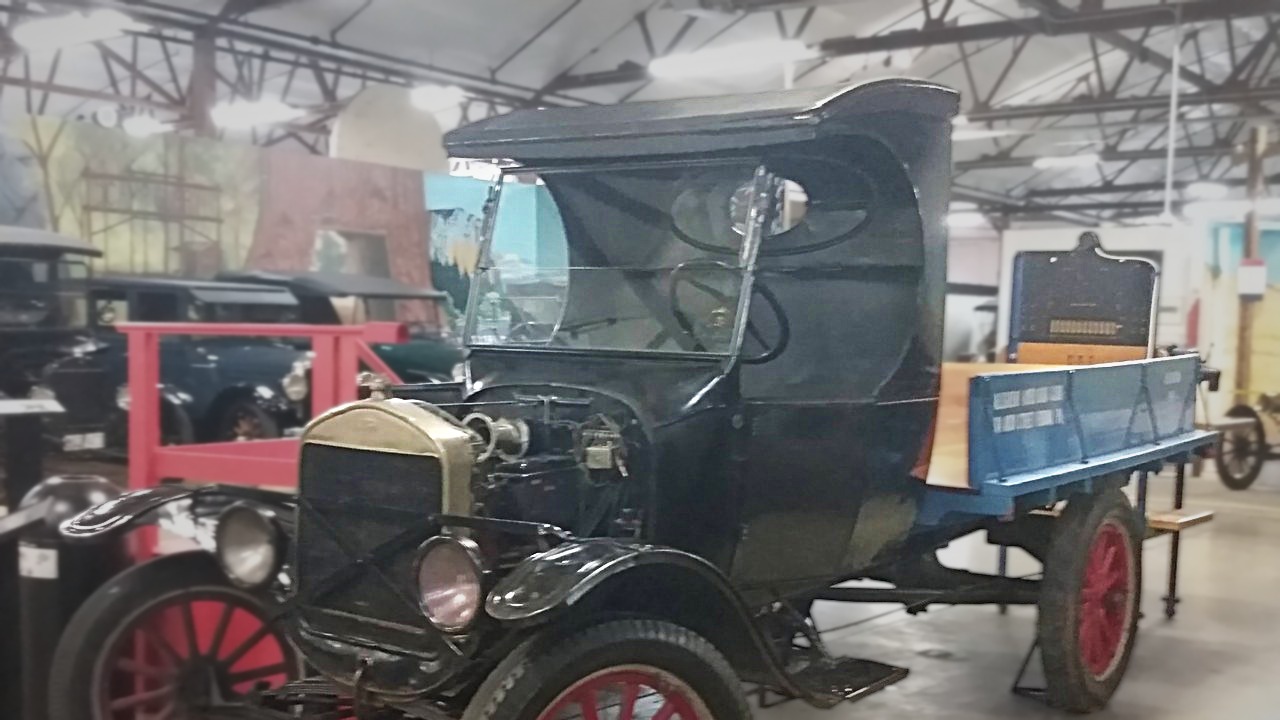
In 1917, Ford unveiled the Model TT, a heavier-duty version of the Model T chassis built for hauling. Many were sold as a bare chassis, and buyers fitted their own cabs, flatbeds and stake sides for farm and delivery work.
That do-it-yourself approach made the TT one of the earliest ancestors of the pickup. It proved there was a mass market for an affordable vehicle that could carry a load, a lesson every truck maker since has followed.
2. Hudson Big Boy: A Big Truck for Its Time
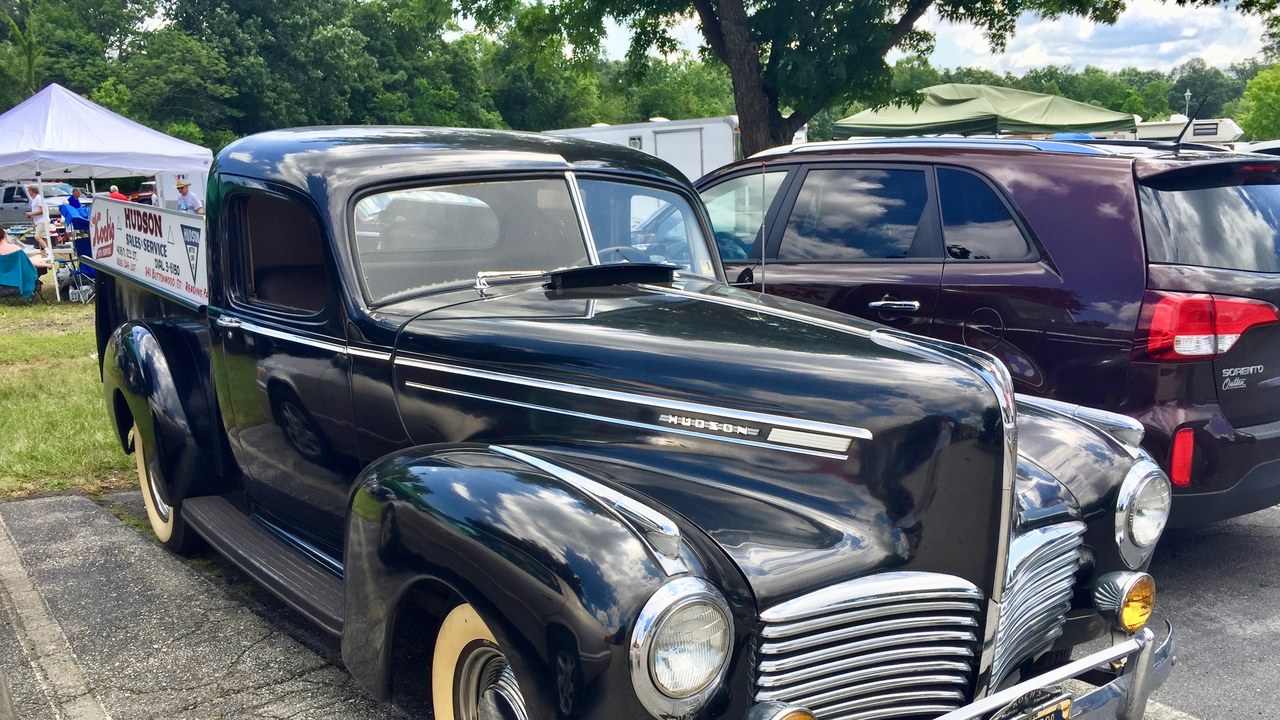
Hudson’s C28 pickup, sold from 1939 to 1942, earned the name Big Boy because it was exactly that for its era. It rode on a long wheelbase and offered a generous bed at a time when most pickups were small.
Hudson was known mainly for cars, and its trucks borrowed car styling and engines. The Big Boy shows that the idea of a larger, more capable half-ton pickup was taking hold well before World War II ended civilian production.
3. Chevrolet 3100: The Quintessential American Pickup
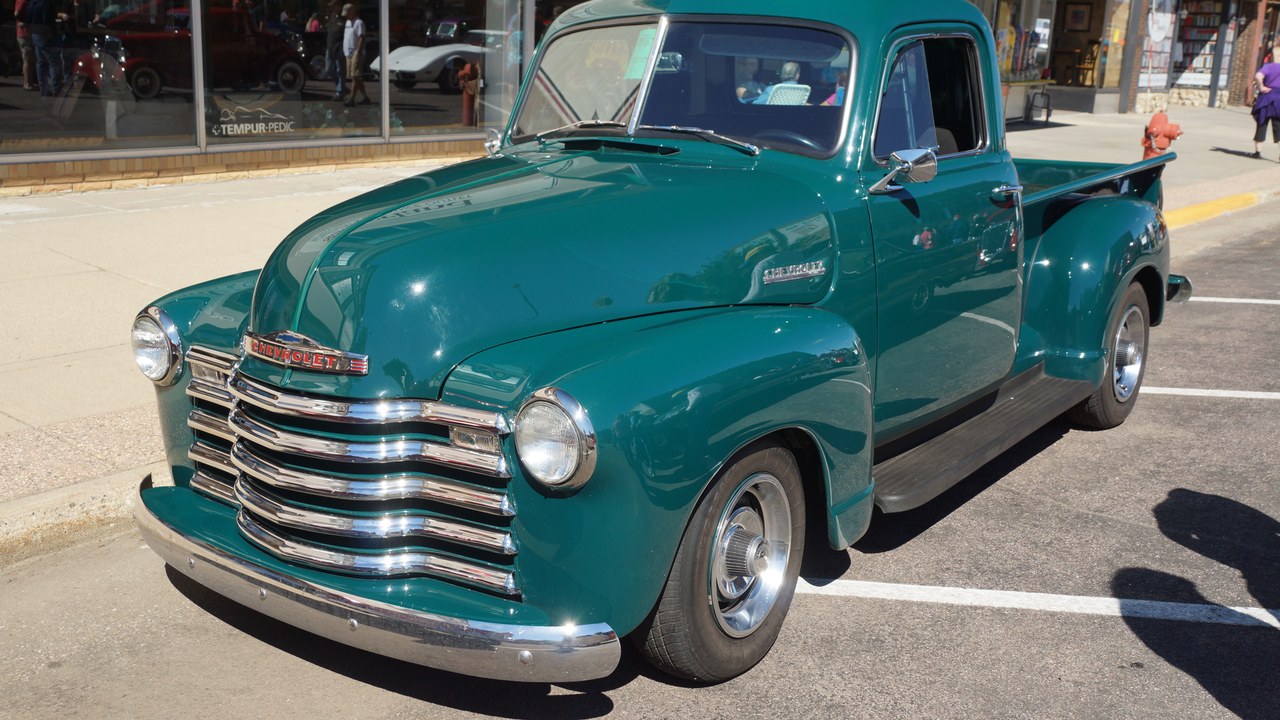
Chevrolet’s 1947 3100 just might be the most quintessential American pickup truck ever built. Its Advance Design styling, with a wide grille and rounded fenders, set the look of postwar trucks.
The 3100 sold in huge numbers and stayed in production into the mid-1950s. Today it is one of the most popular classic trucks to restore, and its shape still defines what many people picture when they think of an old pickup.
4. Dodge B-Series: New Style on Proven Bones
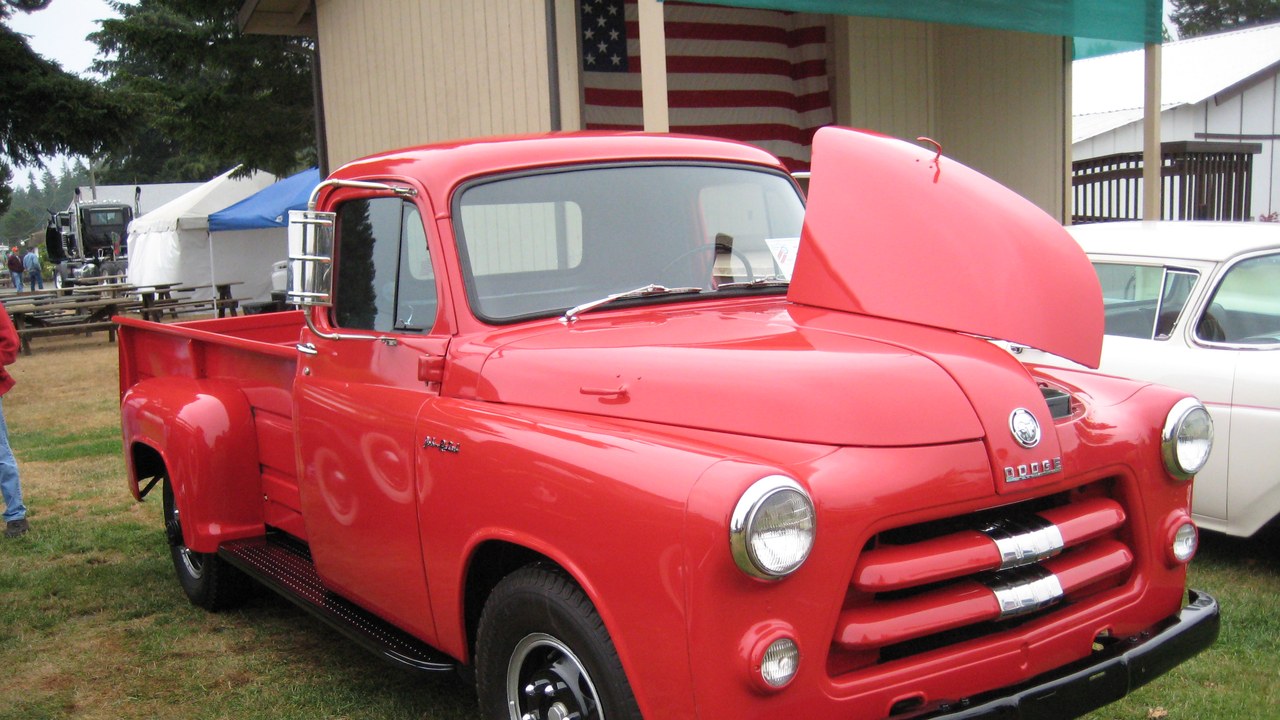
Dodge’s B-Series of 1948 applied new postwar styling to prewar mechanicals. The trucks gained a roomier cab and better visibility, while keeping engines and running gear that buyers already trusted.
That formula of fresh design over proven hardware let Dodge compete with Ford and Chevrolet right after the war. The B-Series also brought Dodge’s famous Pilot-House cab, which emphasized driver comfort and a wider view of the road. Many survive today as popular restoration projects.
5. Studebaker 2R: Ahead of Its Time, Then Left Behind
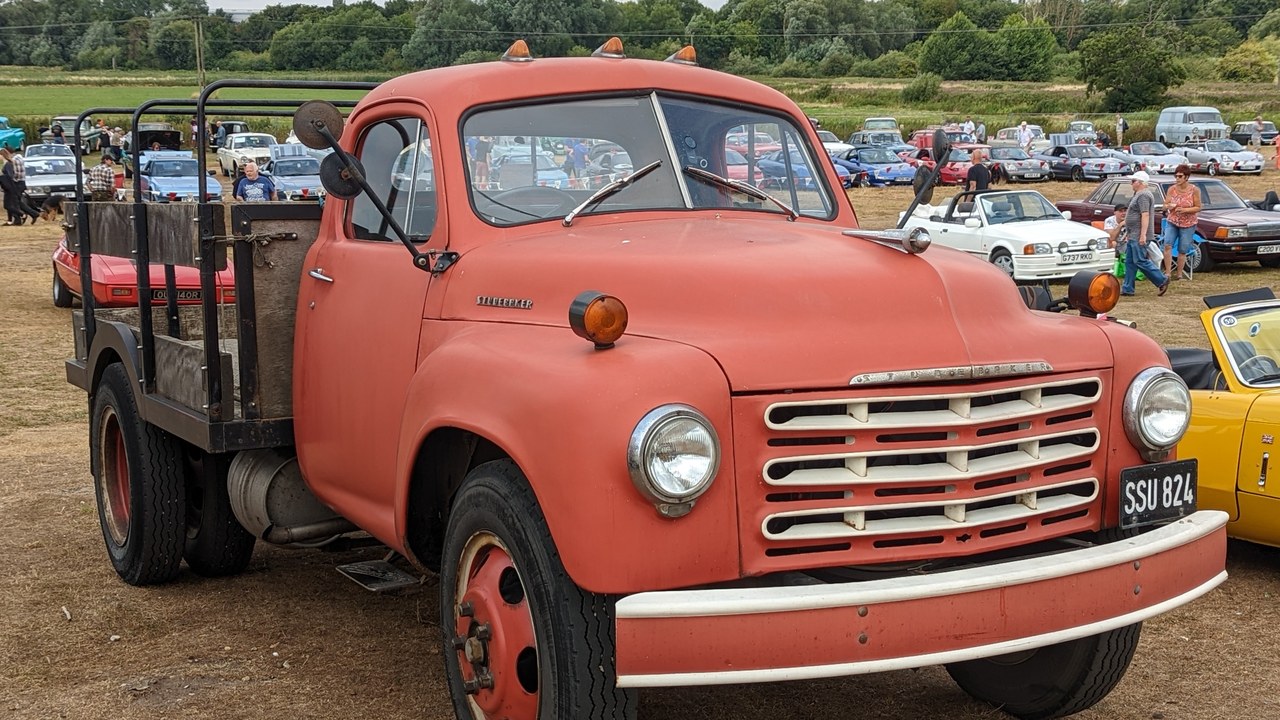
Studebaker’s 1949 2R pickups had a metal bed floor and aerodynamic bed sides, features that made them look modern next to many rivals at the end of the 1940s.
The problem was what came next. Studebaker never fully replaced the 2R in the 1950s, and as rivals introduced new trucks the aging design lost ground. It remains a favorite with collectors who appreciate its clean, rounded lines. Studebaker’s truck production ended in the mid-1960s.
6. Ford F-1: The First F-Series Took Off
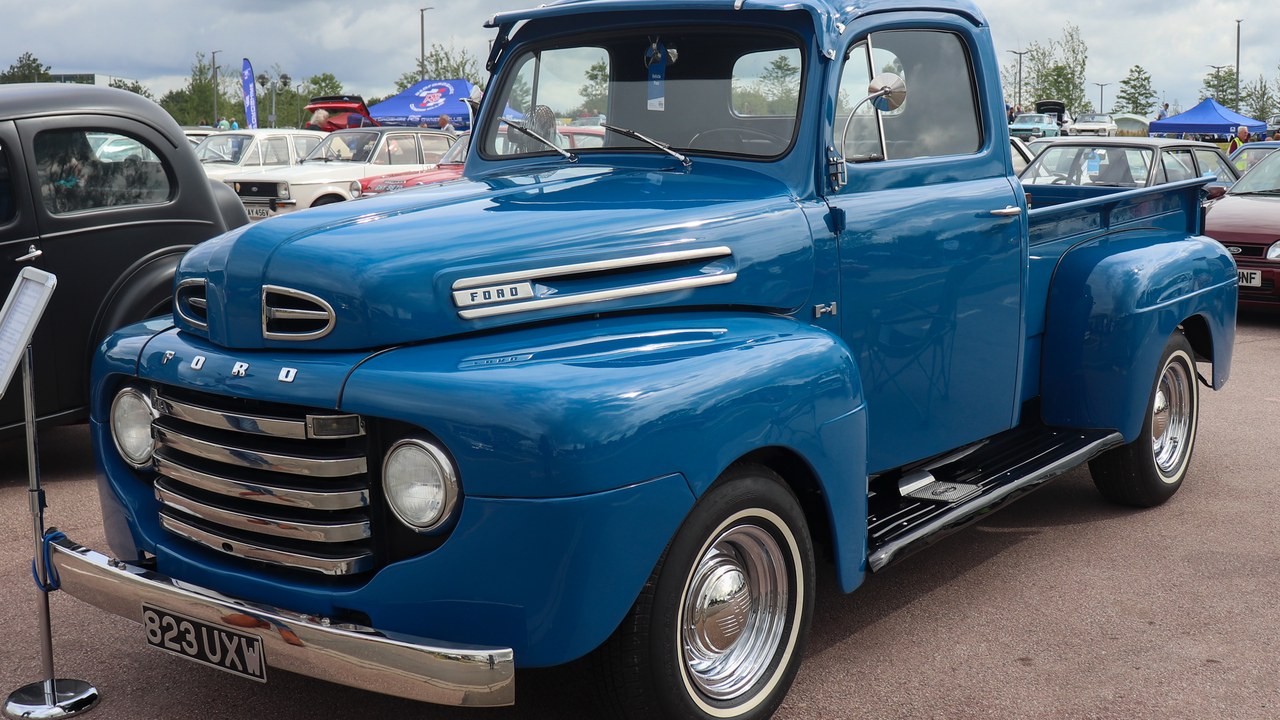
Ford’s first F-Series arrived for 1948, and its light-duty F-1 became a hit. In 1950 the F-1 sold 230,000 models, a record year that lifted Ford’s truck sales by 41%.
The F-Series name went on to become the best-selling vehicle line in America. The F-1’s success showed that pickups were becoming everyday vehicles for families and tradespeople, not only farm equipment. The F-1 was the half-ton model, below the heavier F-2 and F-3, a naming idea that lives on in today’s F-150 and F-250.
7. Dodge Power Wagon: A Military Truck Turned Civilian
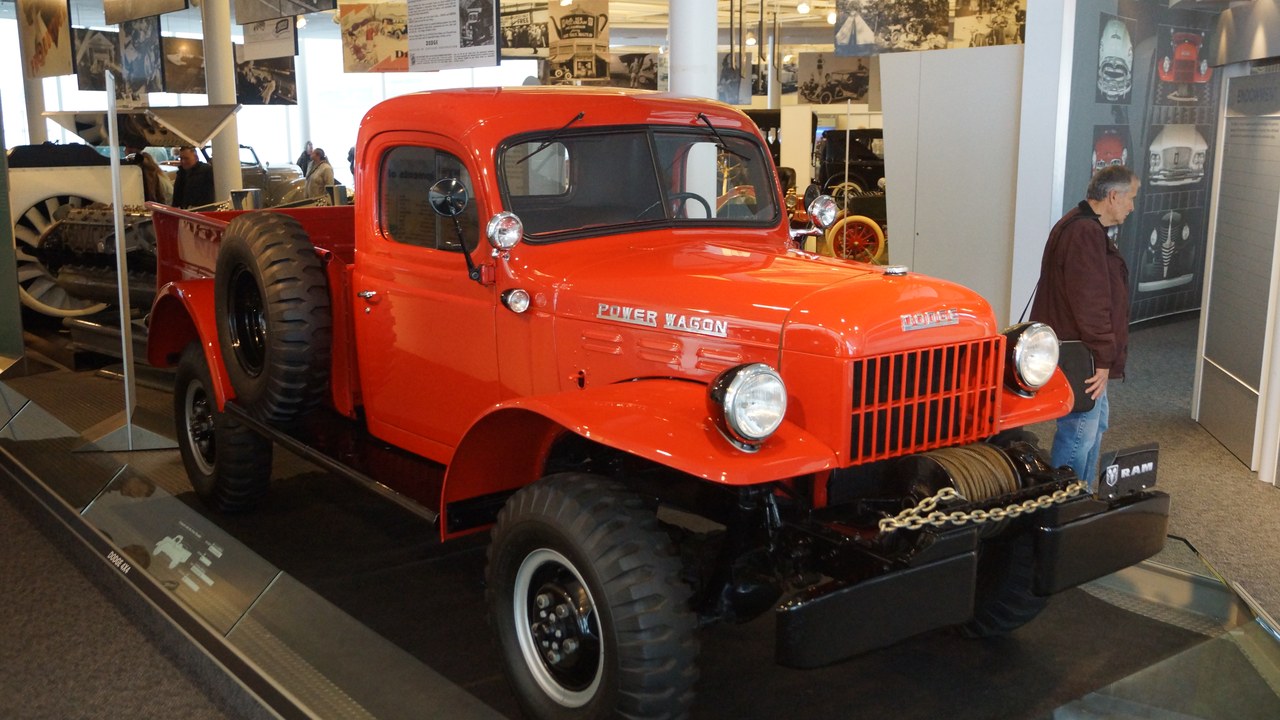
Built on Dodge’s wartime experience, the Power Wagon brought rugged four-wheel drive to civilian buyers. A 1954 Power Wagon had a base price of $2,307, while restored examples now sell for around $35,000.
Its heavy-duty frame, winch options and off-road ability made it a favorite of farmers, utility crews and ranchers. The Power Wagon helped prove that civilians would pay for a truly capable four-wheel-drive pickup. Dodge kept a version in production for civilian buyers until the late 1960s.
8. Dodge C-Series: All New for 1954
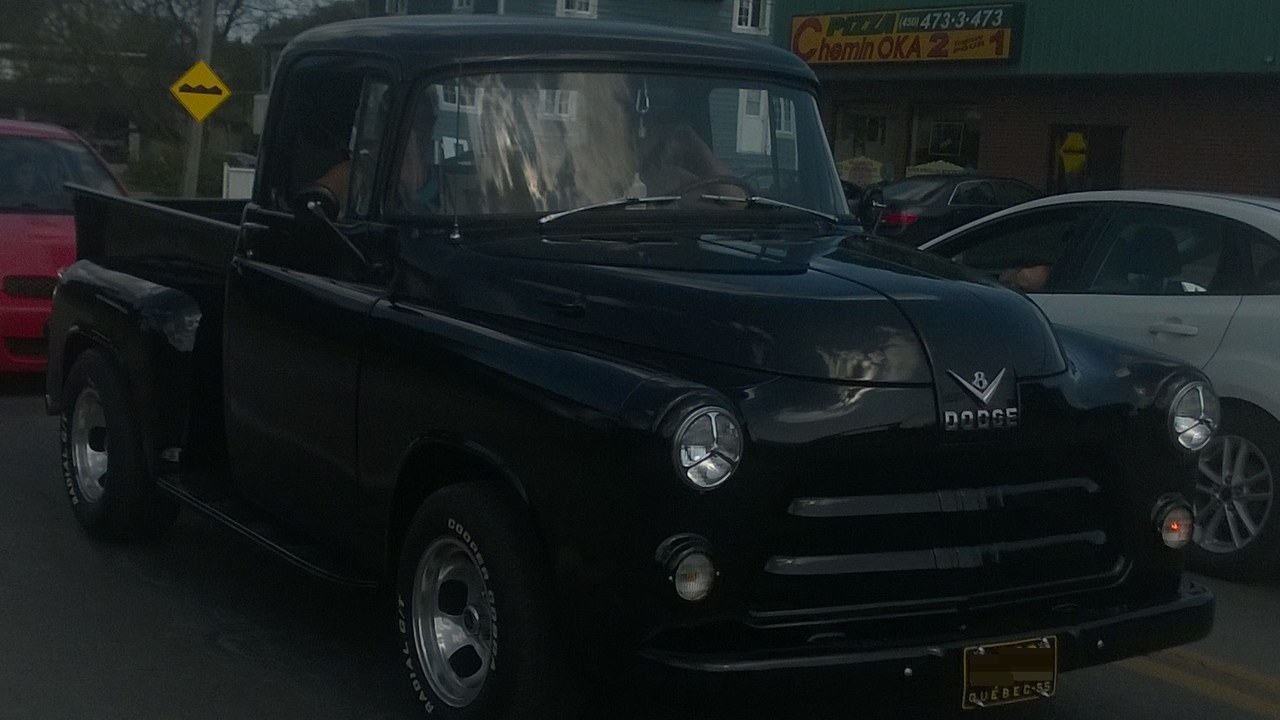
Dodge’s C-Series replaced the B-Series, and the 1954 C-Series was all new. It gained a lower, more modern look, and for 1955 Dodge added a wraparound windshield that brought a car-like feel to the cab.
The C-Series showed how quickly pickups were moving toward passenger-car comfort and style. It was a trend that every truck maker would follow, and it has never reversed. Dodge offered the C-Series in a range of sizes, from half-ton pickups to heavier models.
9. Chevrolet Cameo Carrier: The First Luxury Sport Pickup
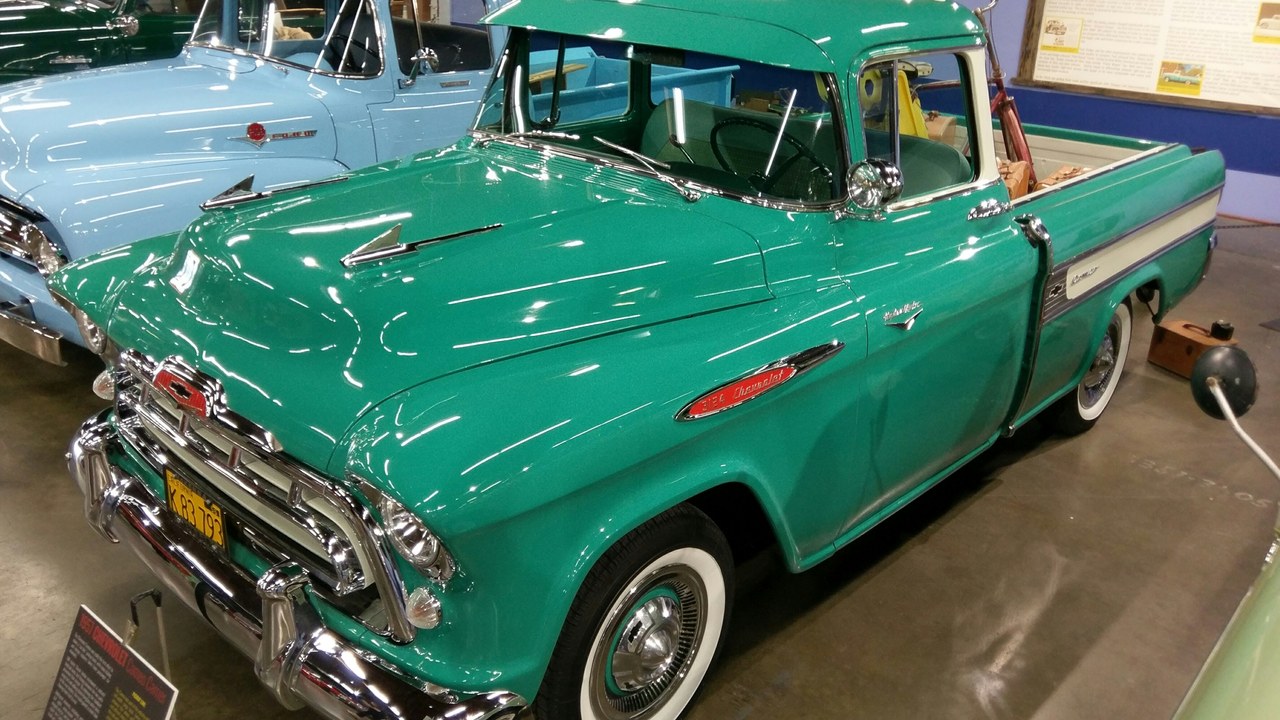
Chevrolet’s Cameo Carrier was built only from 1955 to 1958, and it was another piece of history: the first luxury sport pickup. Its smooth fiberglass bed sides gave it the look of a car rather than a work truck.
Sales were modest, but the Cameo pointed to a future in which pickups were sold on style and comfort. Today’s upscale trims trace back to the idea it introduced, and surviving examples are prized by collectors.
10. GMC 100: GMC Pioneered Factory Four-Wheel Drive
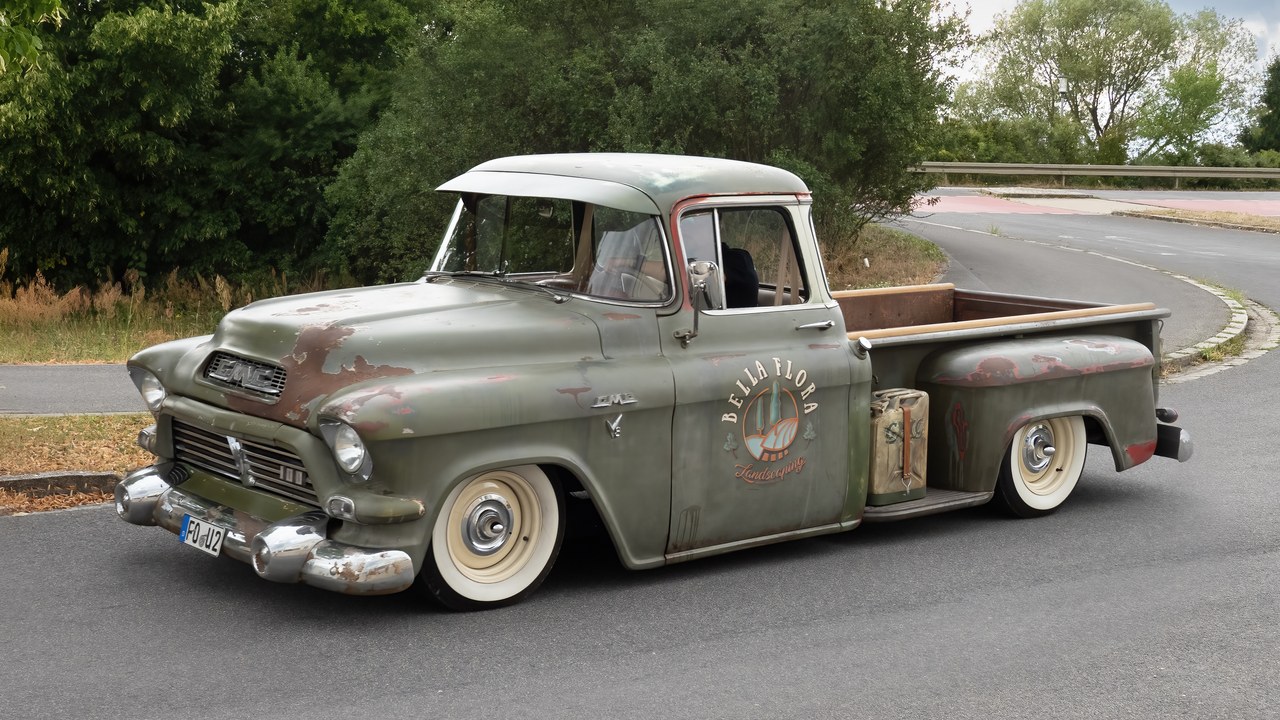
Late in the 1956 model year, GMC pioneered factory four-wheel drive in a pickup, using components developed by NAPCO Industries. GMC trucks of the era also had bespoke powertrains, some sourced from Pontiac.
Four-wheel drive was then considered a niche option. Today it is chosen on a large share of the pickups sold, which makes these GMC 100 trucks of the late 1950s an important milestone in the history of the American truck.
11. Willys Jeep truck: A Jeep You Could Haul With
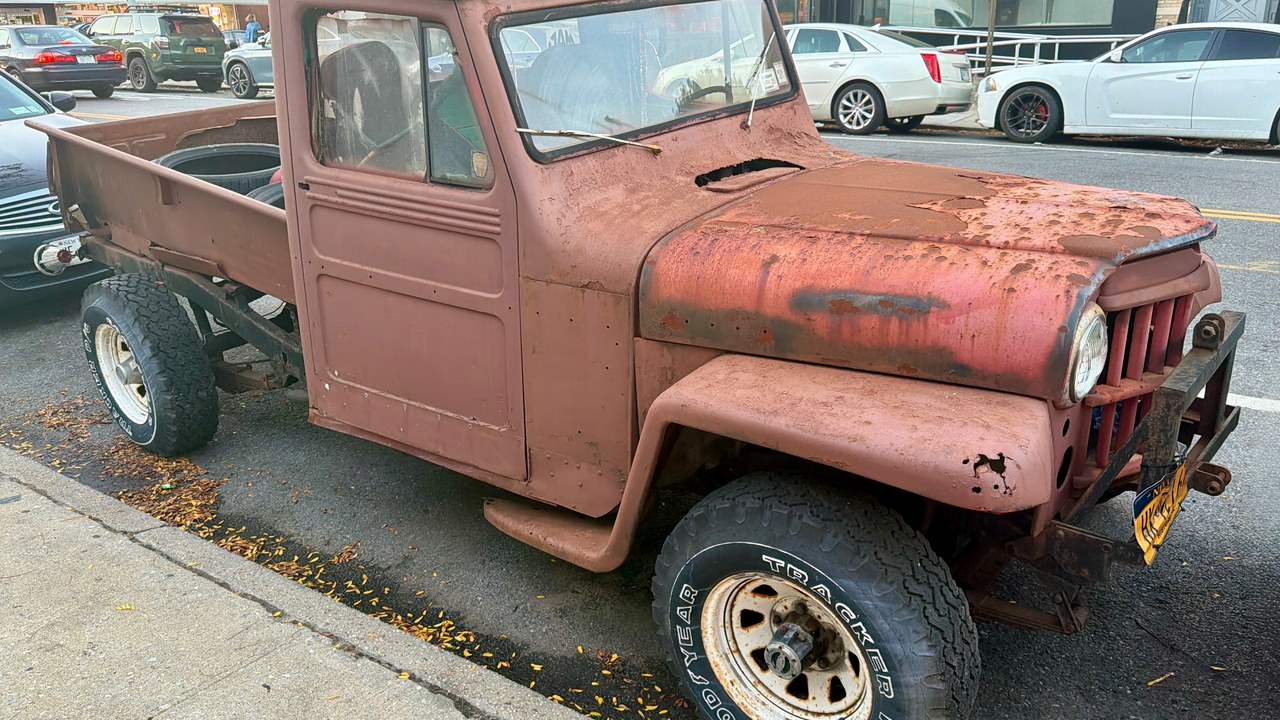
Willys carried its wartime Jeep into the truck market, and starting in 1957 buyers could get a four-wheel-drive Willys pickup badged as a Jeep in one-ton form. They carried the Jeep’s rugged image into the work truck market.
The Willys trucks were simple, tough and easy to repair, which won them loyal buyers in rural areas. They laid the groundwork for later Jeep pickups and kept the brand in the truck business for decades.
12. Dodge Sweptside: Fins on a Pickup
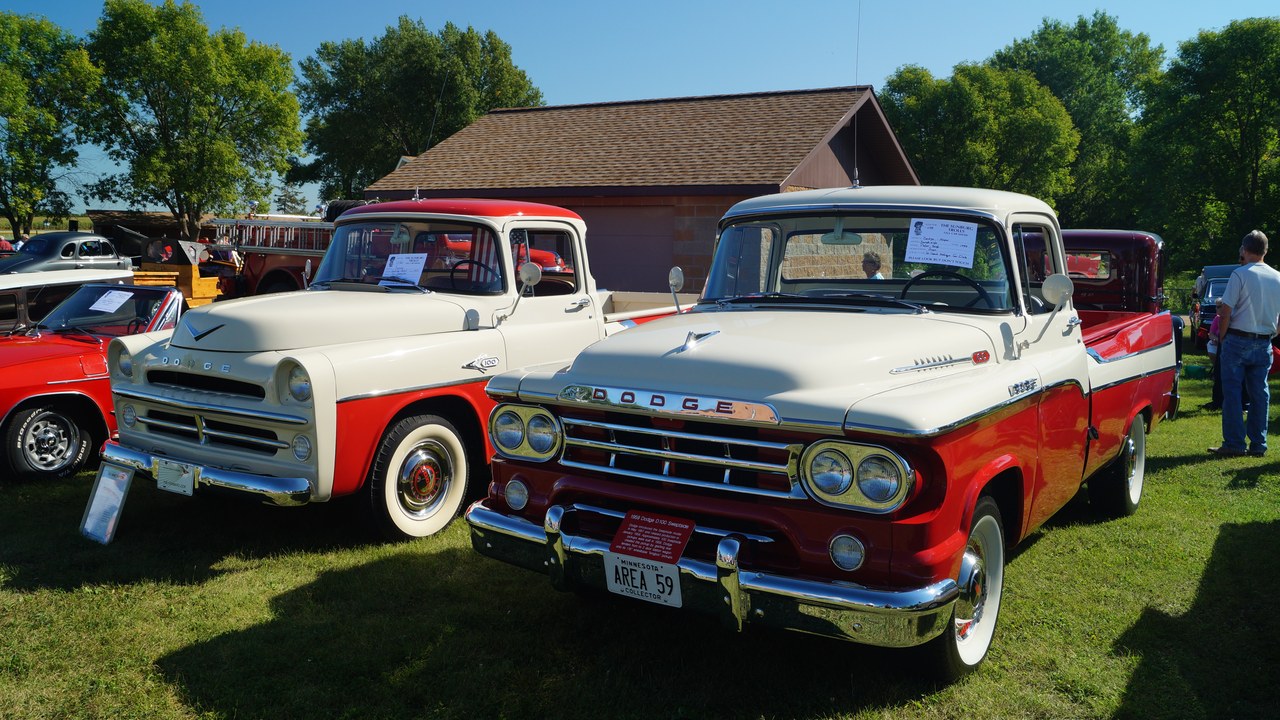
Dodge’s Sweptside used tailfins borrowed from its station wagon, and depending on who you ask, it was either the greatest thing ever built or the ugliest on the road. It was built in small numbers in the late 1950s.
The Sweptside was an early attempt to make a pickup a style statement. Few were sold, which is why the survivors are now valuable collector trucks, but it proved buyers were curious about trucks with car-like flair.
13. Jeep Gladiator (1963): Jeep’s First True Pickup
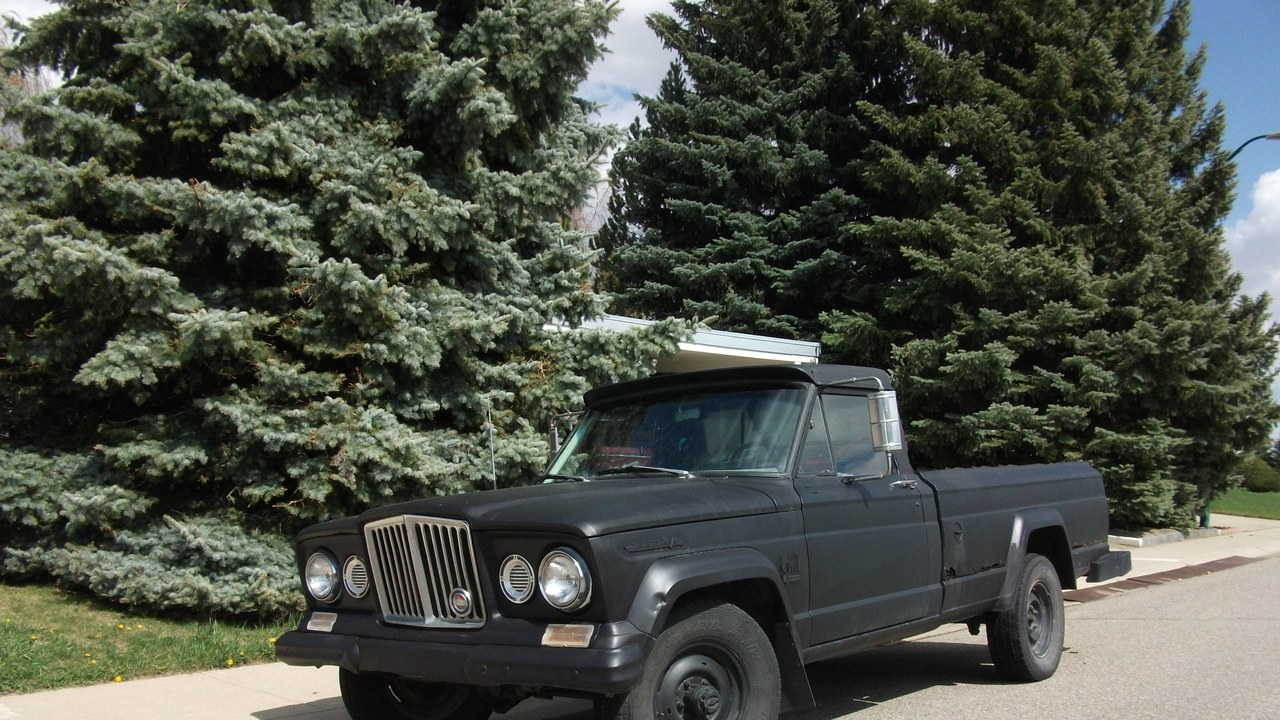
First released for model year 1963, the Jeep Gladiator pickup looked like a Wagoneer from the front and offered a more modern design than earlier Jeep trucks. It later became known as the J-Series.
The Gladiator stayed in production in various forms into the late 1980s, an unusually long run. Its name was revived for Jeep’s modern pickup, a sign of how much the original still means to truck buyers.
More from Morning Overview
- Thousands of bottles of a combination blood pressure pill are recalled nationwide
- GM’s big V8 trucks keep blowing engines after the recall fix, and NHTSA is digging deeper
- Hidden card skimmers on gas pumps and ATMs can be exposed with one quick shake
- Debris from the Greenacres Learjet crash landed on Florida rooftops, and the NTSB wants it
