
Some of the most dangerous animals in America are the ones people see every week and barely notice. Deer, dogs and cows cause far more deaths than sharks or bears, while a few quieter species hide real danger behind a calm look. Here are eleven animals in America that deserve more respect than they usually get.
Read next on Morning Overview: Ukraine says a Flamingo missile helped drop a span of the Crimean Bridge into the sea
1. White-tailed deer: The Deadliest Animal on the Road
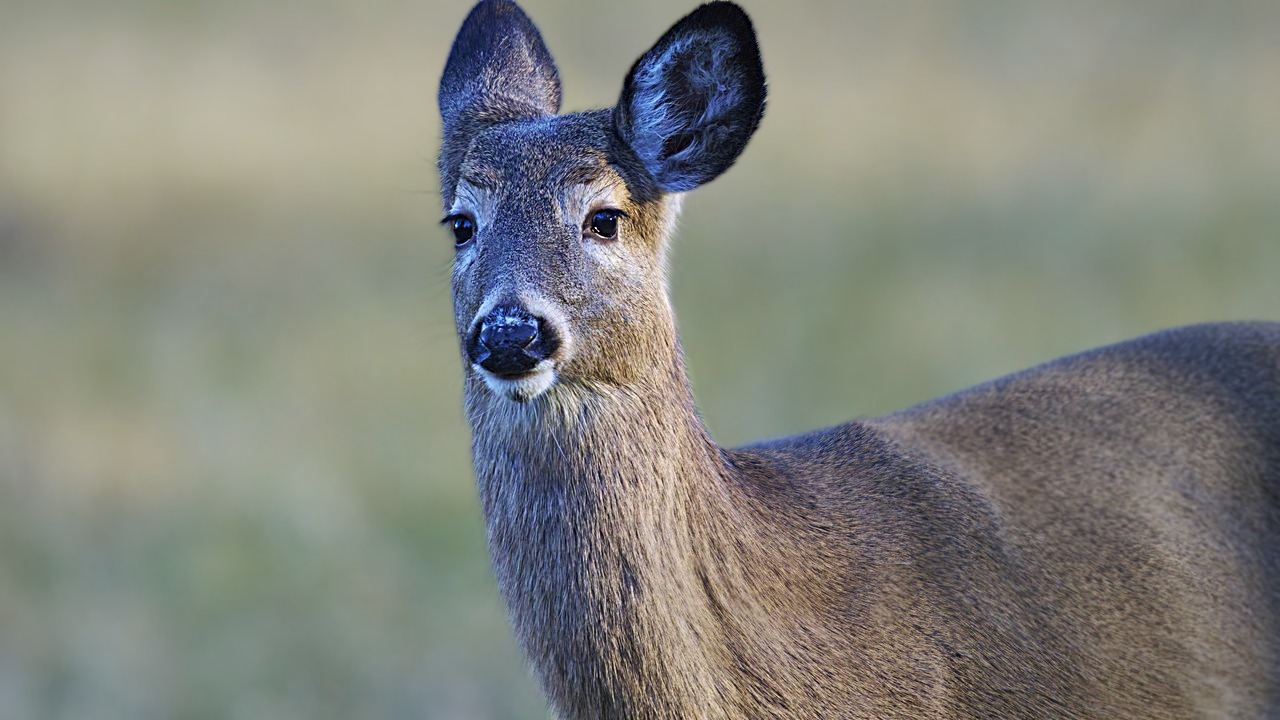
The white-tailed deer looks gentle, but it is tied to more American deaths than any wild predator. According to WorldAtlas, about 200 people die each year when their car hits a deer.
Most of those crashes happen at dawn and dusk in the fall, when deer are on the move during the breeding season. A single animal darting across a rural highway can send a car off the road or into oncoming traffic, which is why so many states post deer crossing signs.
2. Domestic dog: Man’s Best Friend Can Turn
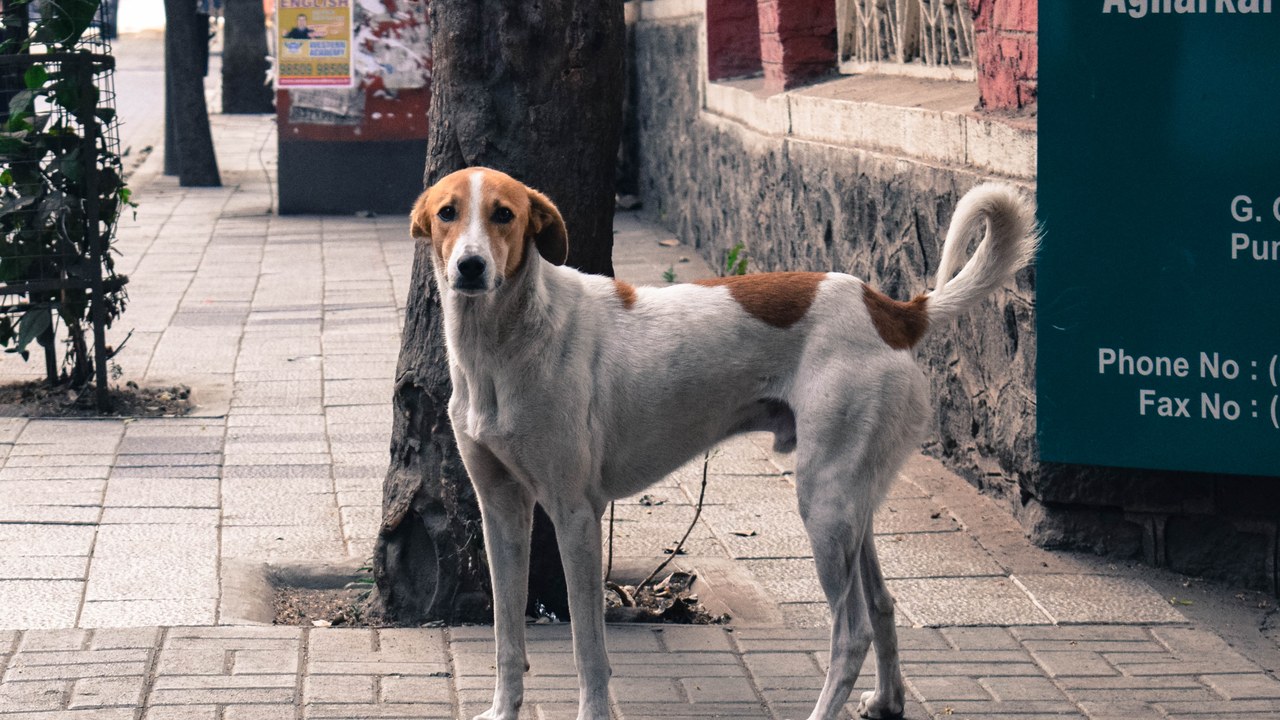
Dogs share millions of American homes, yet they are among the country’s deadliest animals. A-Z Animals reports that dogs, including family pets, kill between 30 and 50 people every year.
Small children and older adults make up a large share of the victims, often in attacks by a dog they already knew. Millions more people are bitten each year without dying, and many of those bites still need stitches, antibiotics or a trip to the emergency room.
3. Cattle: Deadlier Than Sharks
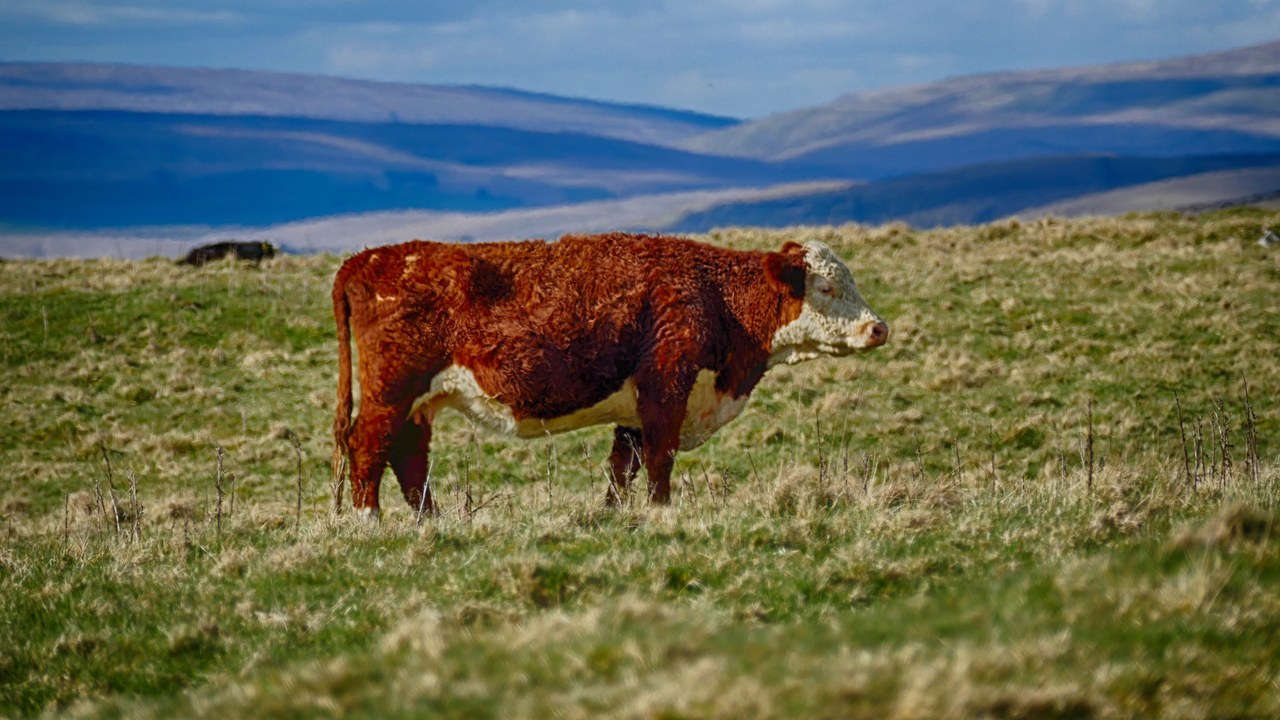
A dairy cow grazing in a field hardly looks threatening. Yet WorldAtlas notes that cows kill more people than sharks do, and most of the victims are farmworkers.
Cattle can weigh well over 1,000 pounds, and a startled cow or a protective mother can crush or trample a person against a fence or a barn wall. Bulls are even more dangerous, which is why experienced ranchers never turn their back on one in a pen.
4. Western diamondback rattlesnake: The Snake Behind Most Bite Deaths
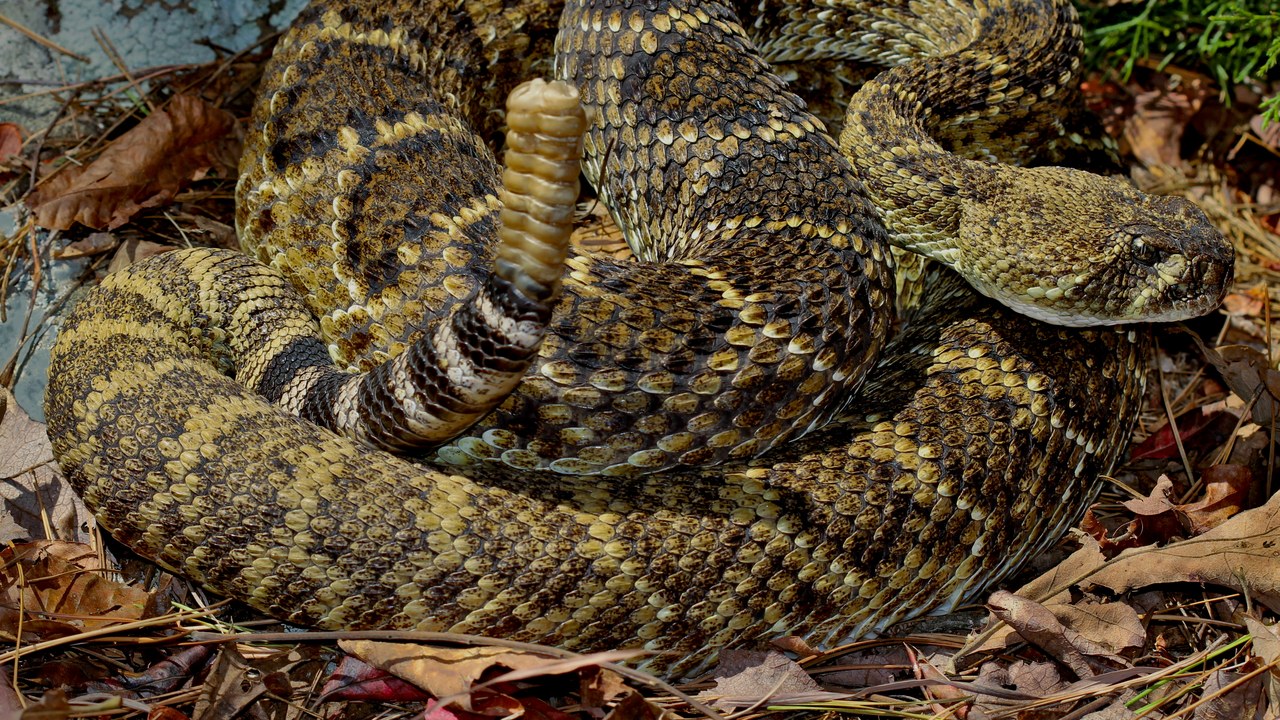
The western diamondback rattlesnake is found across the Southwest and is linked to the most snakebite deaths in the country. WorldAtlas says snakes kill up to 15 Americans a year.
The diamondback is large, well camouflaged and quick to defend itself, and it often rests near trails, woodpiles and rock walls. Its famous rattle is a warning, but not every snake sounds it before striking, so hikers in rattlesnake country are urged to watch where they step and reach.
5. American black bear: Cute but Powerful
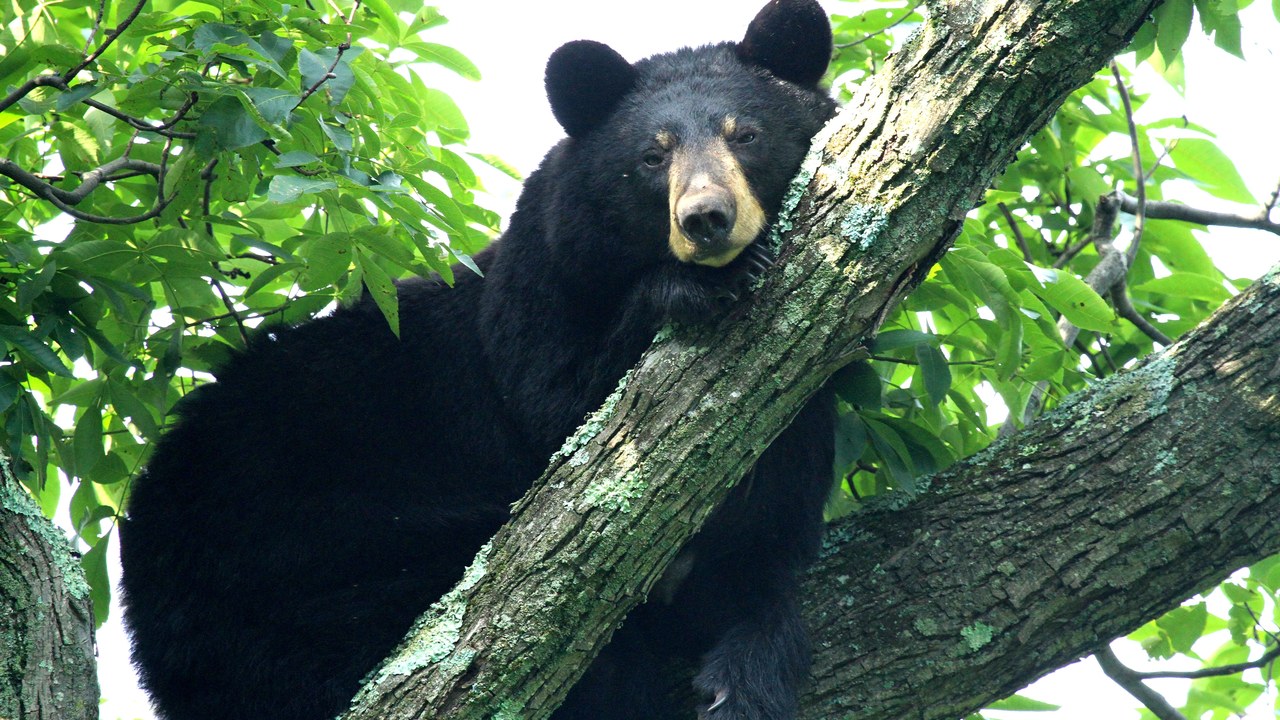
The American black bear is the most common bear in North America, and many people see it as harmless. Still, A-Z Animals reports that bears kill between two and five people a year on average.
Black bears usually avoid people, but a bear that has learned to raid trash cans, coolers and bird feeders can lose its fear. Wildlife agencies warn campers to store food properly and never approach a bear, especially a mother with cubs.
6. American alligator: A Prehistoric Ambush Hunter
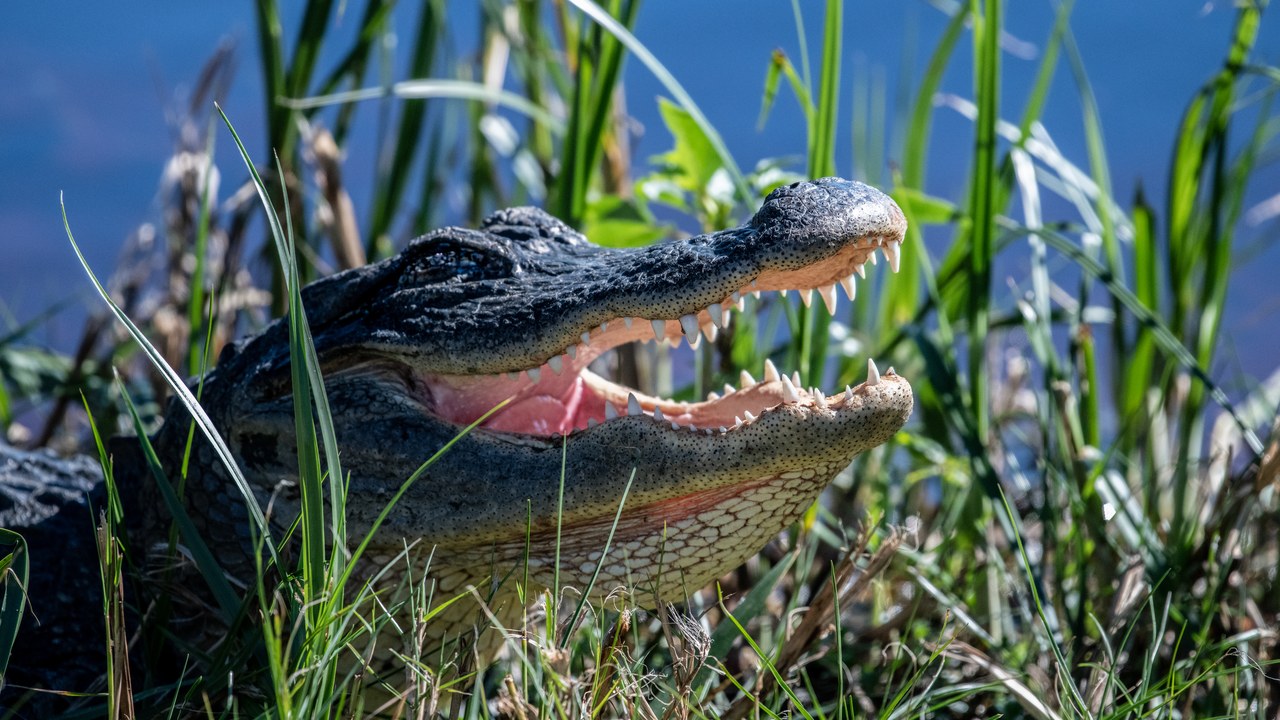
The American alligator can lie motionless for hours, looking almost like a log. According to A-Z Animals, alligators kill an average of one person a year in America.
Most attacks happen in Florida, where people and alligators share lakes, canals, golf course ponds and backyards. The reptiles strike from the water with surprising speed, so officials warn residents not to swim at dusk, not to let pets near the water’s edge and never to feed them.
7. Brown recluse spider: A Small Spider With a Big Bite
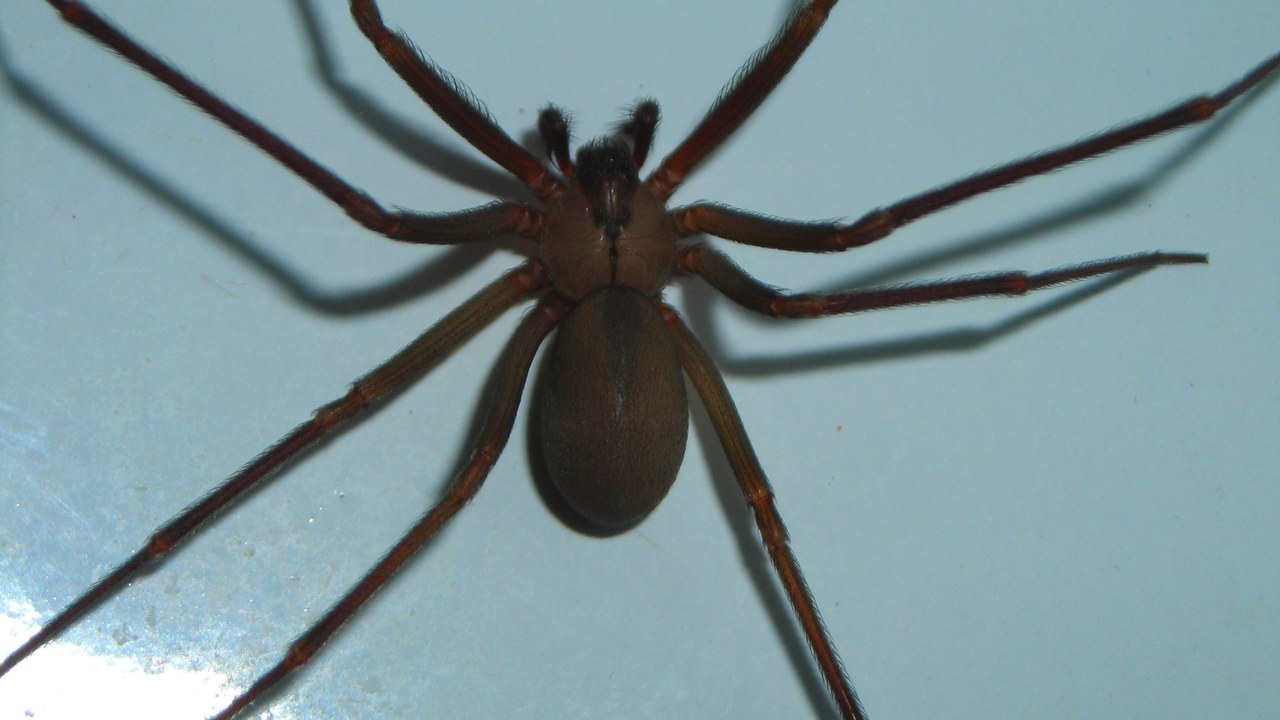
The brown recluse is a shy, light brown spider that hides in closets, attics and boxes. WorldAtlas lists it as one of only two US spiders, along with the black widow, whose venom is strong enough to kill a person.
Deaths are very rare, and many bites heal on their own. In some cases, though, the venom destroys skin and tissue around the bite, leaving a slow-healing wound that needs medical care. The spider is most common in the South and the Midwest.
8. American bison: Not a Big, Slow Cow
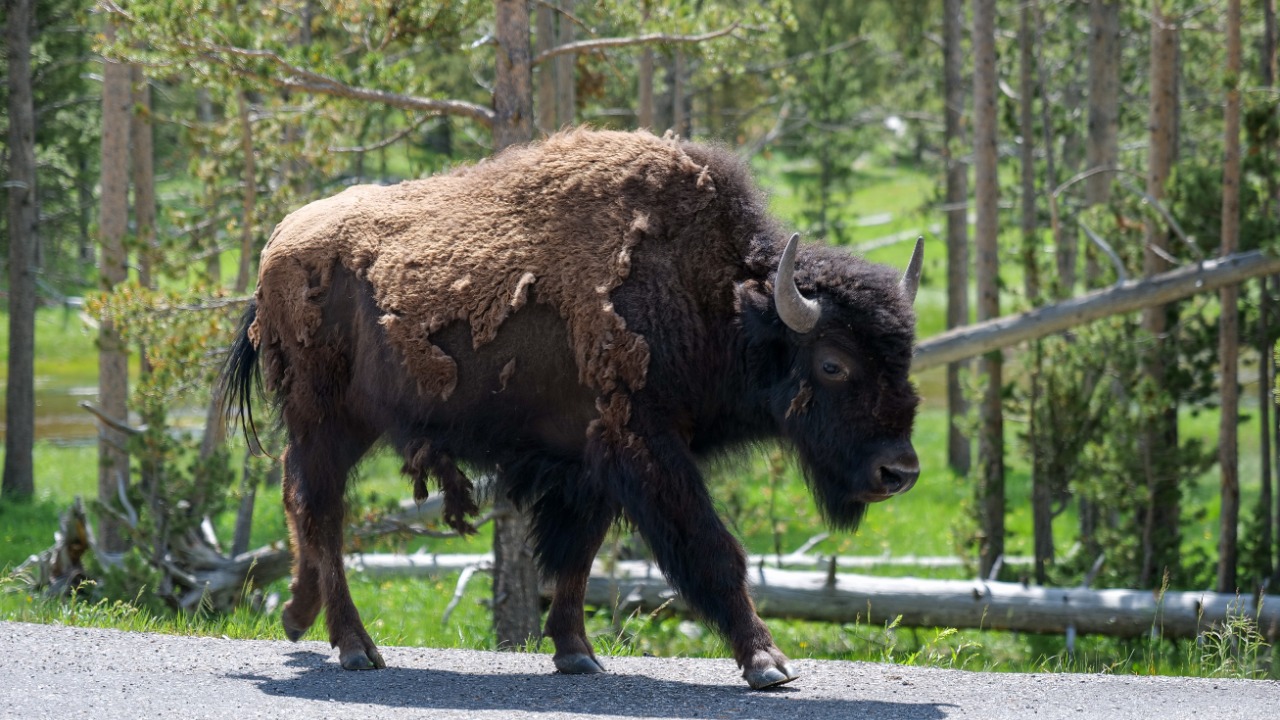
The American bison can look calm and sleepy as it grazes beside a road. But Love Exploring notes that these mighty animals injure people across the country, and many incidents happen in Yellowstone National Park.
Adult bison can weigh up to 2,000 pounds and still run around 35 miles per hour. Most injuries happen when visitors walk too close for a photo. Yellowstone tells visitors to stay at least 25 yards away from bison at all times.
9. Tiger shark: A Shark Behind Many Attacks
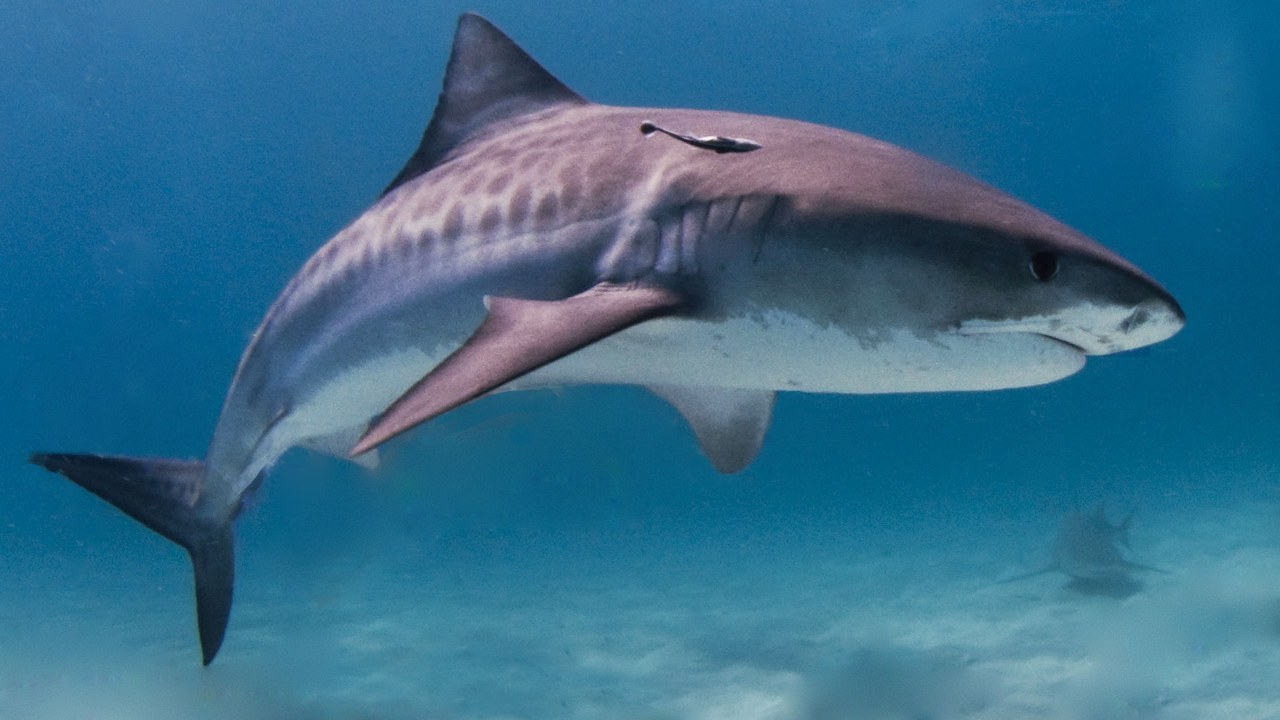
The tiger shark is named for the dark stripes on its sides, which fade as it ages. According to Love Exploring, tiger sharks and great whites are responsible for the most shark attacks on humans.
Tiger sharks swim in warm coastal waters, including off Hawaii and the Southeast, and they will eat almost anything. Attacks remain rare compared with the number of people in the ocean, but the species is one of the few sharks known to bite people more than occasionally.
10. Moose: Bigger and Angrier Than It Looks
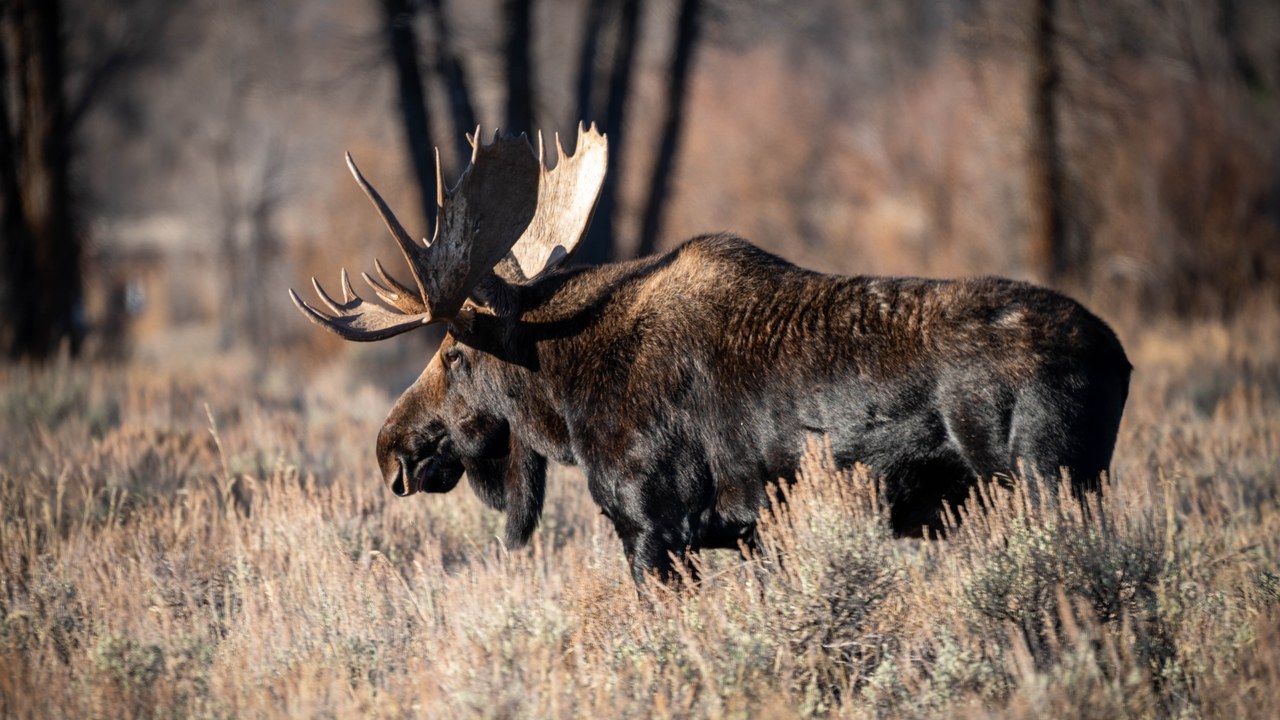
Moose can seem slow and goofy, but they are the largest members of the deer family. Love Exploring puts it plainly: moose are best admired from afar.
A bull moose can stand over six feet tall at the shoulder and weigh well over 1,000 pounds. Cows protecting calves in spring and bulls during the fall rut are especially aggressive, and a moose that lowers its head and flattens its ears is often about to charge.
11. Wild boar: An Invader on the Move
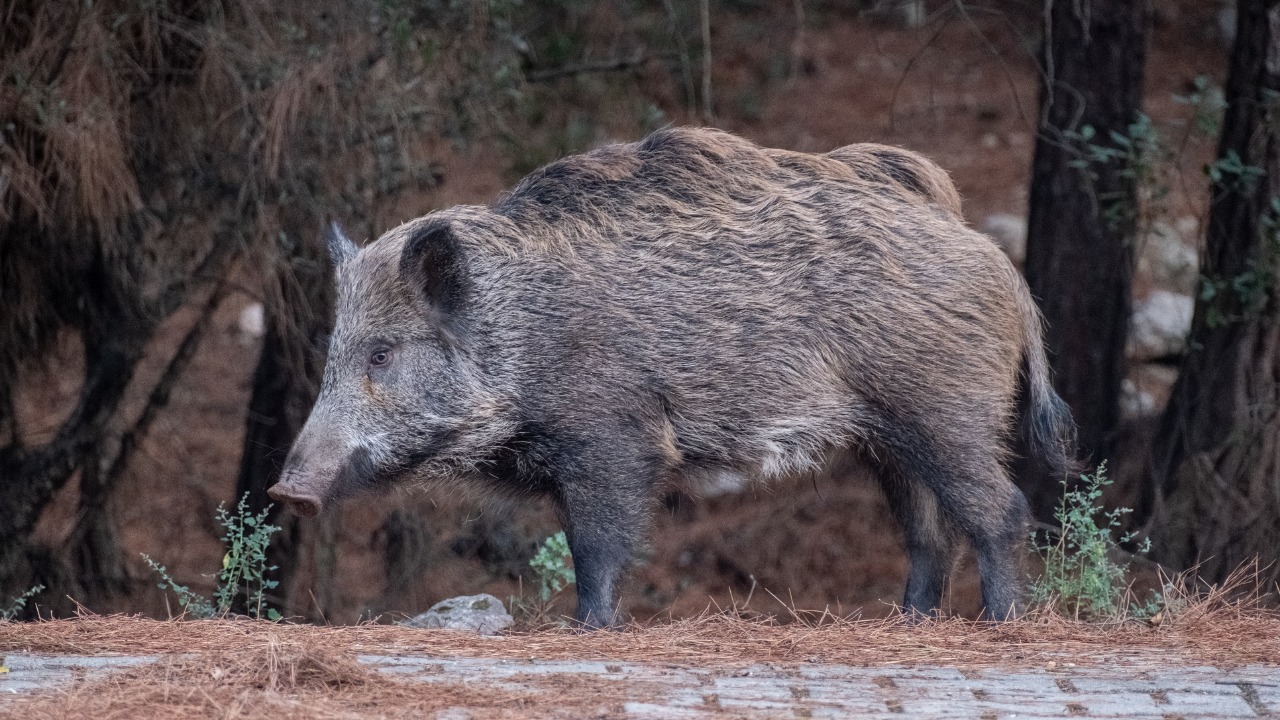
Wild boar and feral hogs are not native to America, but they have spread far beyond where they were first released. Love Exploring warns that these dangerous hogs have taken over many US states.
The animals tear up farm fields, compete with native wildlife and can carry diseases. A cornered boar can slash with sharp tusks and attack hunters, hikers or pets, and their numbers keep growing because sows can have several litters of piglets in a year.
More from Morning Overview
- Southern California cities built towering sand berms to fend off Thanksgiving tides
- Google is shutting down the Nest app, and unmigrated accounts risk deletion
- Florida’s St. Johns River just topped its worst flood on record near Cocoa
- A dead key fob doesn’t have to strand you, because most push-button cars hide a backup
