
Fear of large predators shapes how most people think about dangerous animals, but published tallies tell a different story. The figures here come from the World Health Organization and from magazine and news rankings, and each source uses its own estimates. Here are eleven animals that kill the most people each year.
Read next on Morning Overview: Southern California cities built towering sand berms to fend off Thanksgiving tides
1. Mosquitoes: The Smallest Killer
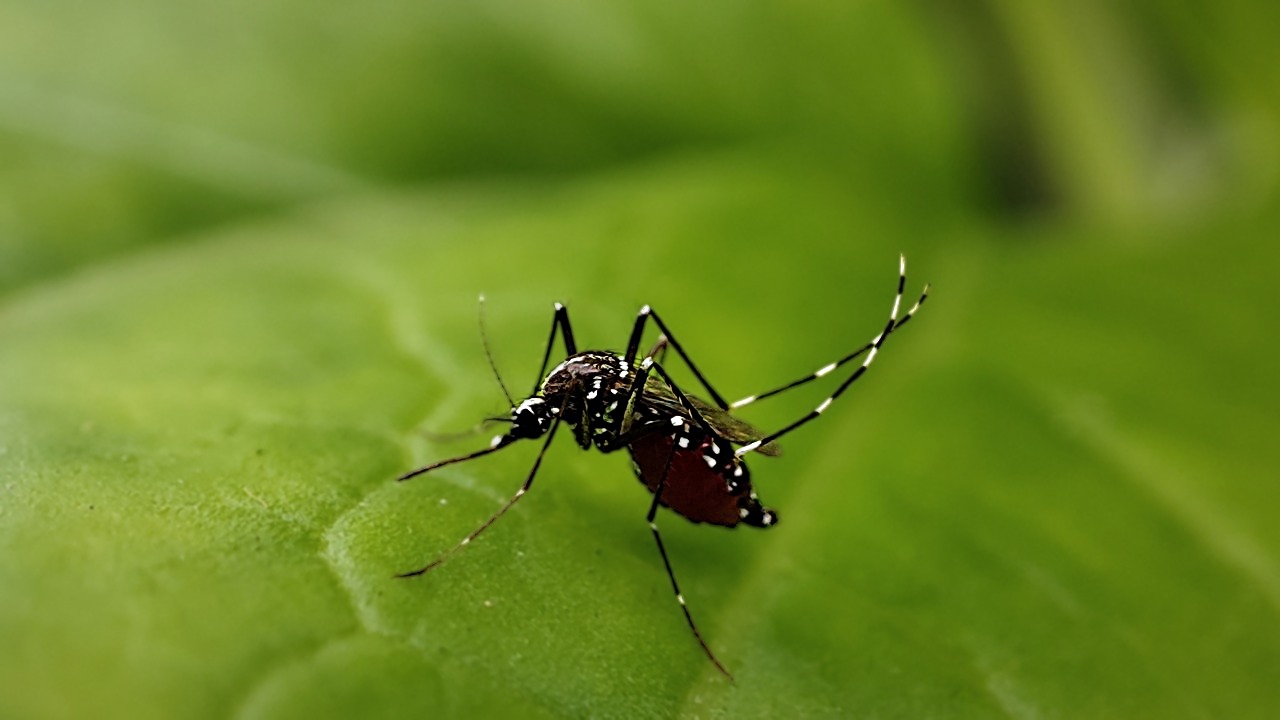
Discover Magazine calls the mosquito the only organism that kills more people than humans do, putting the toll at about 700,000 people a year. In its published tally, malaria accounts for roughly 600,000 of those deaths, with dengue fever and yellow fever adding to the total.
The magazine notes that published estimates of the total vary widely, so the figure is best read as an approximation. The insect itself is not the direct cause of death. It acts as a vector, carrying the pathogens that do the harm, which is why the animal ranks first despite its size.
2. Snakes: Millions Bitten, Thousands Lost
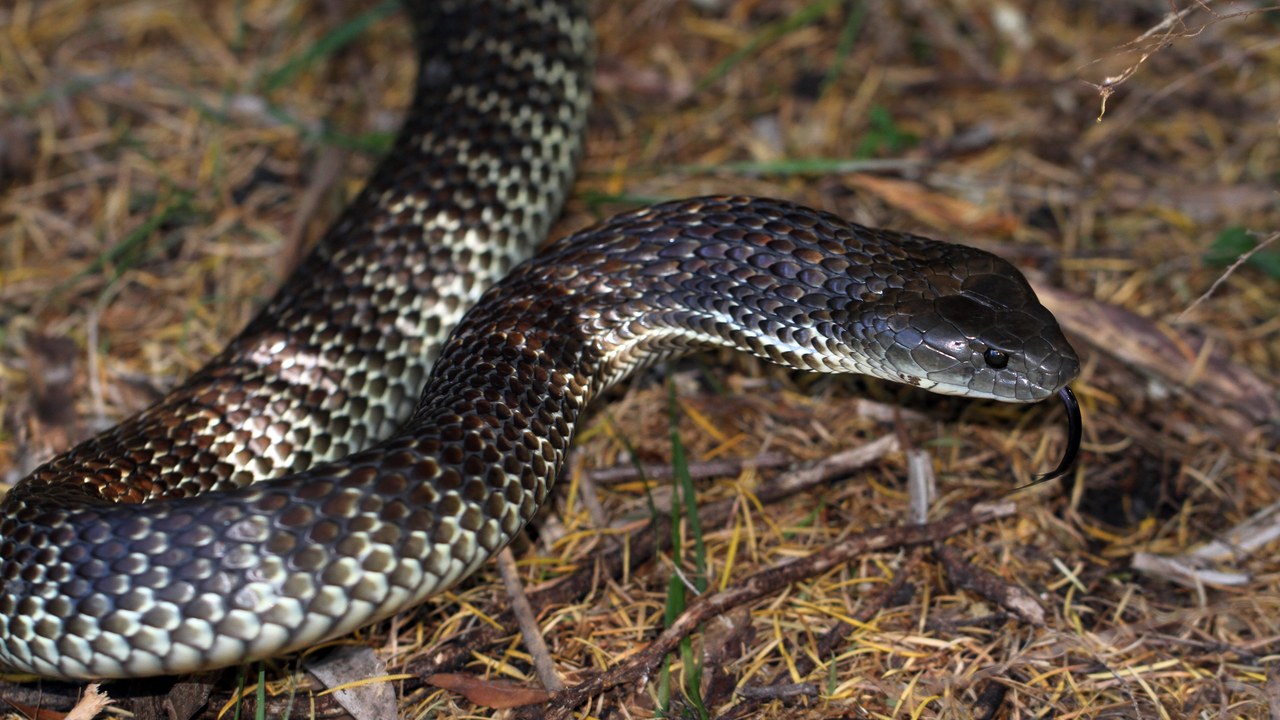
The World Health Organization reports that nearly 5 million people are bitten by snakes worldwide every year. According to its animal bites fact sheet, between 94,000 and 125,000 of them die from complications of envenomation, and about 400,000 more are left with disabilities.
Most bites occur in Africa and South-East Asia, among people living in rural, resource-poor settings, mainly agricultural workers, women and children. The agency stresses prompt treatment with antivenom suited to the snakes of the region, along with community education and protective footwear as ways to prevent bites.
3. Dogs: The Rabies Link

Dogs rarely kill directly, but they are central to one of the deadliest diseases on the list. The World Health Organization estimates that 59,000 people die from rabies each year, and its animal bites guidance states that bites from rabid dogs account for the majority of those deaths.
Dog bites also cause tens of millions of injuries annually, and children are the group most often bitten. Fatality rates are higher in low- and middle-income countries, partly because treatment after exposure can be hard to reach. Once signs of rabies appear there is no treatment, although the disease is preventable with vaccination.
4. Hippopotamus: Africa’s Heavyweight Danger
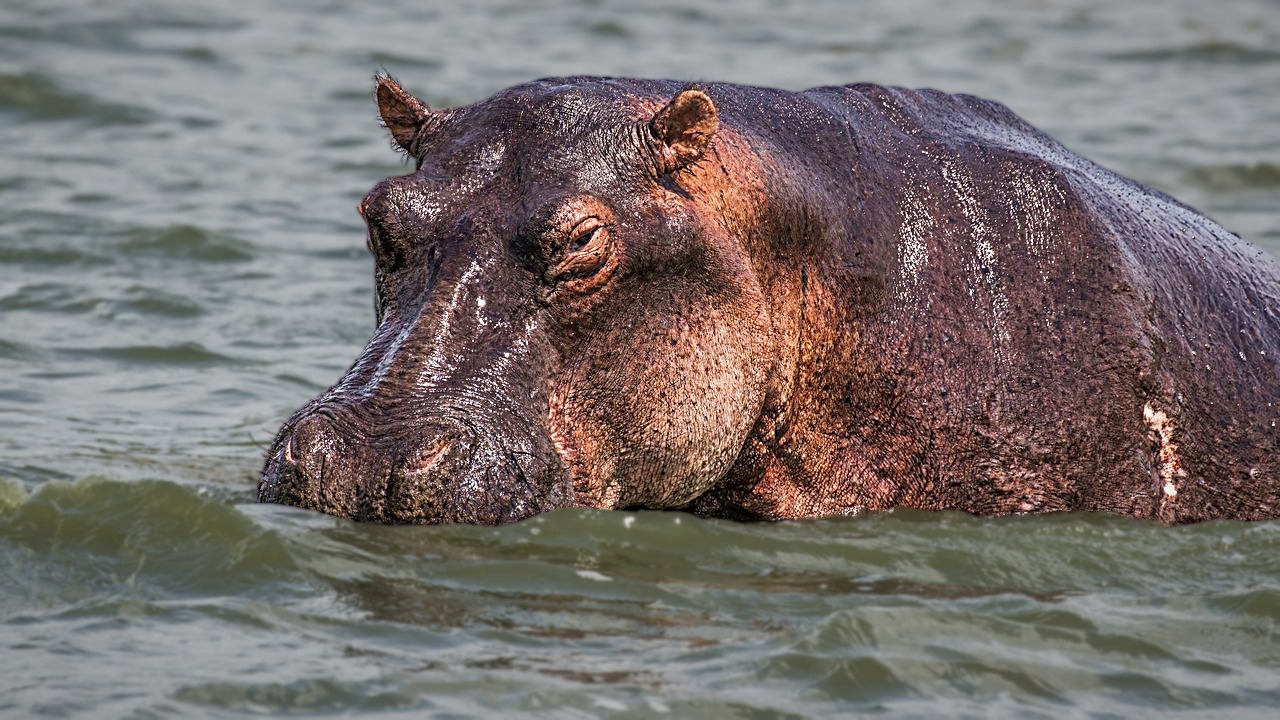
Discover Wildlife puts the toll from hippos at an estimated 500 deaths annually, far above the 22 it attributes to lions. In its ranking of deadly animals, the hippo is described as a very aggressive and territorial land mammal.
The magazine points to a habit of charging at boats and capsizing them, which leaves people in the water beside one of the largest land animals. The hippopotamus is the first large mammal on the list, ahead of crocodiles and elephants, and a reminder that the most dangerous animals are not always the predators.
5. Saltwater crocodile: The Largest Living Reptile
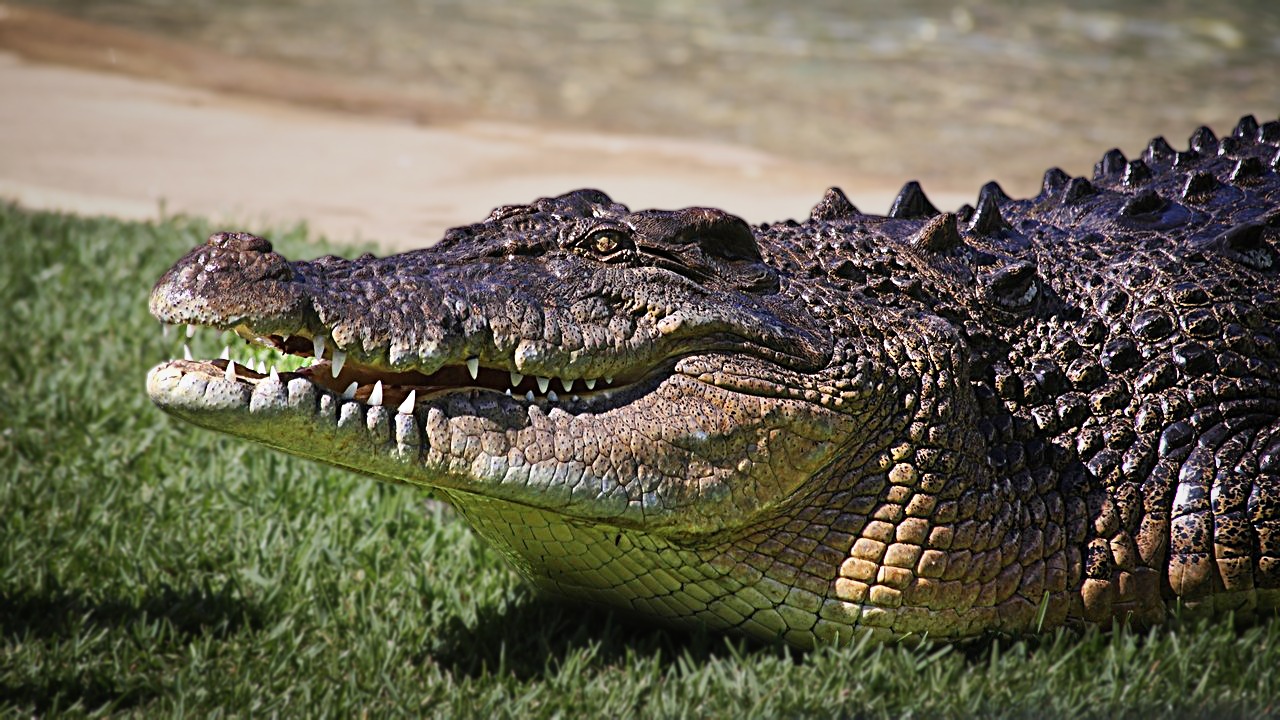
Crocodiles as a group kill around 1,000 people a year, according to Discover Wildlife. The saltwater crocodile is singled out as one of the species most likely to see humans as prey, and the magazine names it the largest living reptile and crocodilian known.
Males can reach 6 metres in length and weigh 1,300 kg, and they can swim at speeds of about 18 mph when pursuing prey. The magazine adds that crocodiles do not generally set out to hunt humans and that most kills are opportunistic, though survival is unlikely once one has chosen a target.
6. Scorpions: Stings in the Millions

Around 2,600 deaths a year are caused by scorpion stings, according to Discover Wildlife. The figure places the order Scorpiones well above many larger and more feared animals in the annual count of human deaths linked to wildlife.
The same ranking identifies the Indian red scorpion as the most lethal of the group, and its photograph there was taken in Maharashtra, India. Scorpions are small and rarely seen, which is part of the reason their toll surprises readers who expect the deadliest animals to be big predators.
7. Elephants: Giants in Conflict
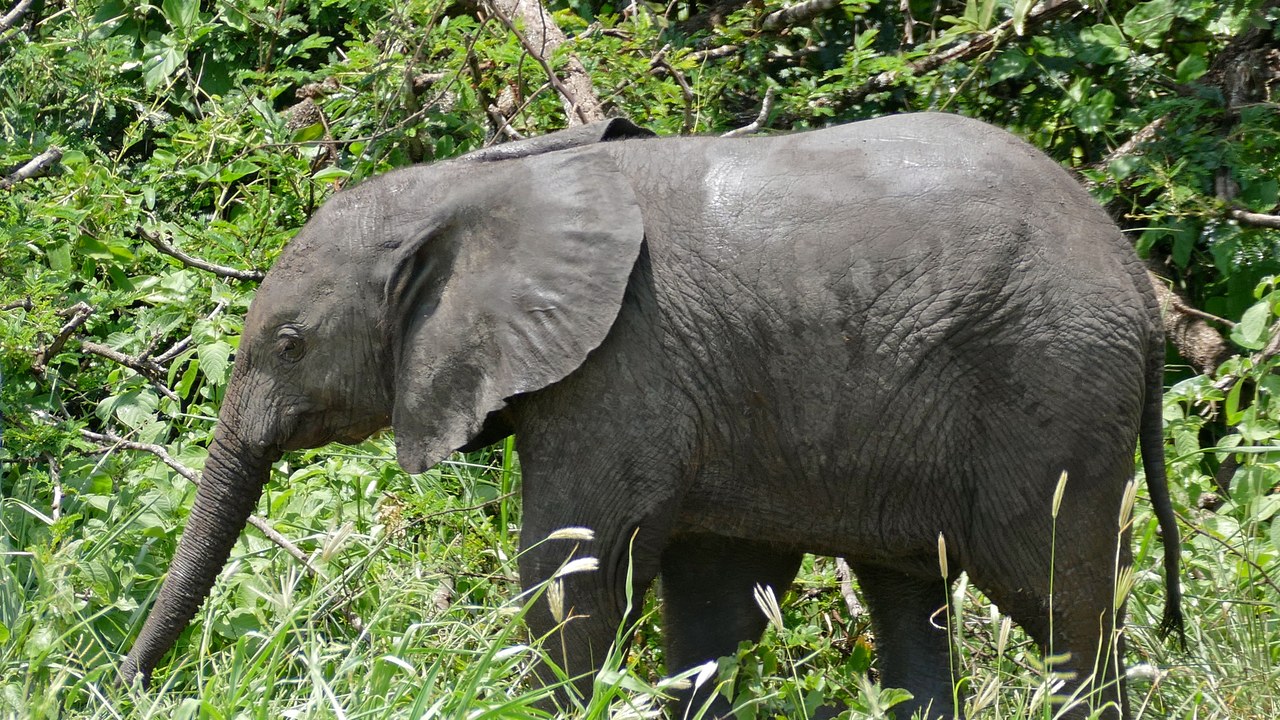
Elephants are often seen as gentle, thoughtful animals, yet Discover Wildlife credits them with around 500 deaths a year. The magazine attributes this partly to their sheer size and weight, as the largest living land animals.
It links the toll to habitat loss and farmland pushing into elephant home ranges, which brings people and herds into more frequent contact. Groups of elephants are known to raid farms and villages and can gore or trample anyone in the way, and one blow from an elephant is enough to kill.
8. Sharks: Feared, but Rarely Fatal
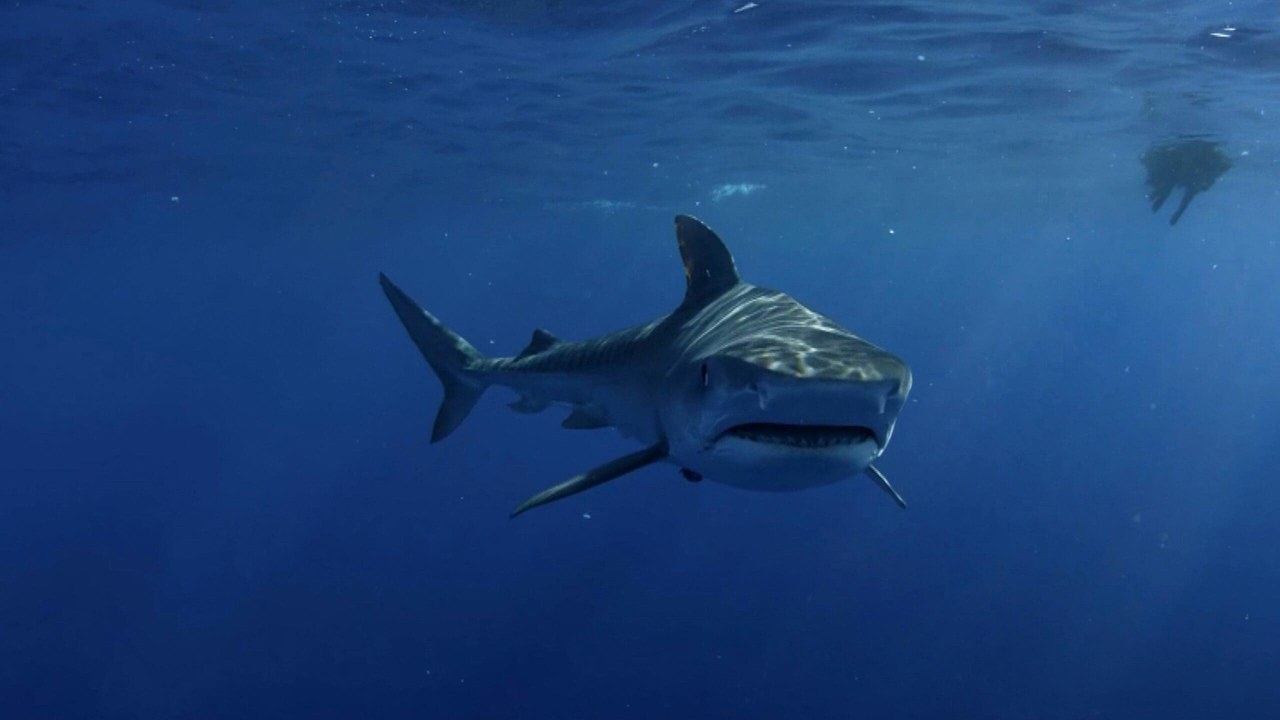
Sharks dominate the popular idea of dangerous animals, yet CBS News reports that the entire world sees an average of only six human deaths per year from them. Citing research compiled by Bill Gates and published on Gates Notes, it ranks sharks No. 20 on its list of the 20 most deadly animals.
The ranking shows how far public fear can sit from the numbers. A shark bite makes headlines in a way that a mosquito bite never does, but the long-run toll is a small fraction of that from insects, snakes or disease-carrying dogs.
9. Lions: Predators With a Record
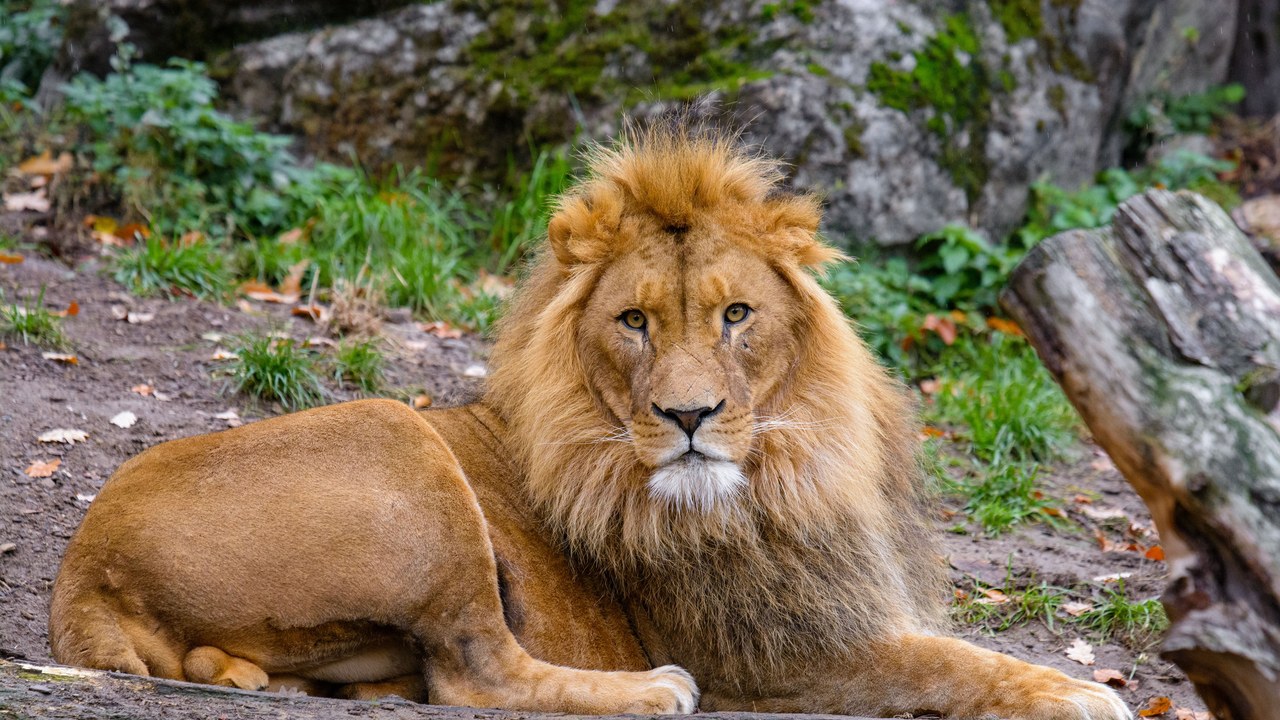
The Gates Notes list, as reproduced by CBS News, assigns lions 100 fatalities per year. The article explains that lions are predators, and that humans, when available, are easy prey. It adds that reports of lions killing poachers and tourists are not uncommon.
Other sources give a lower number, and Discover Wildlife, for example, cites 22 deaths a year, so the figure depends on whose count is used. The two estimates are not combined here. Both agree on the main point, which is that lions kill far fewer people than hippos, snakes or mosquitoes.
10. Tigers: Attacks in India and in Zoos
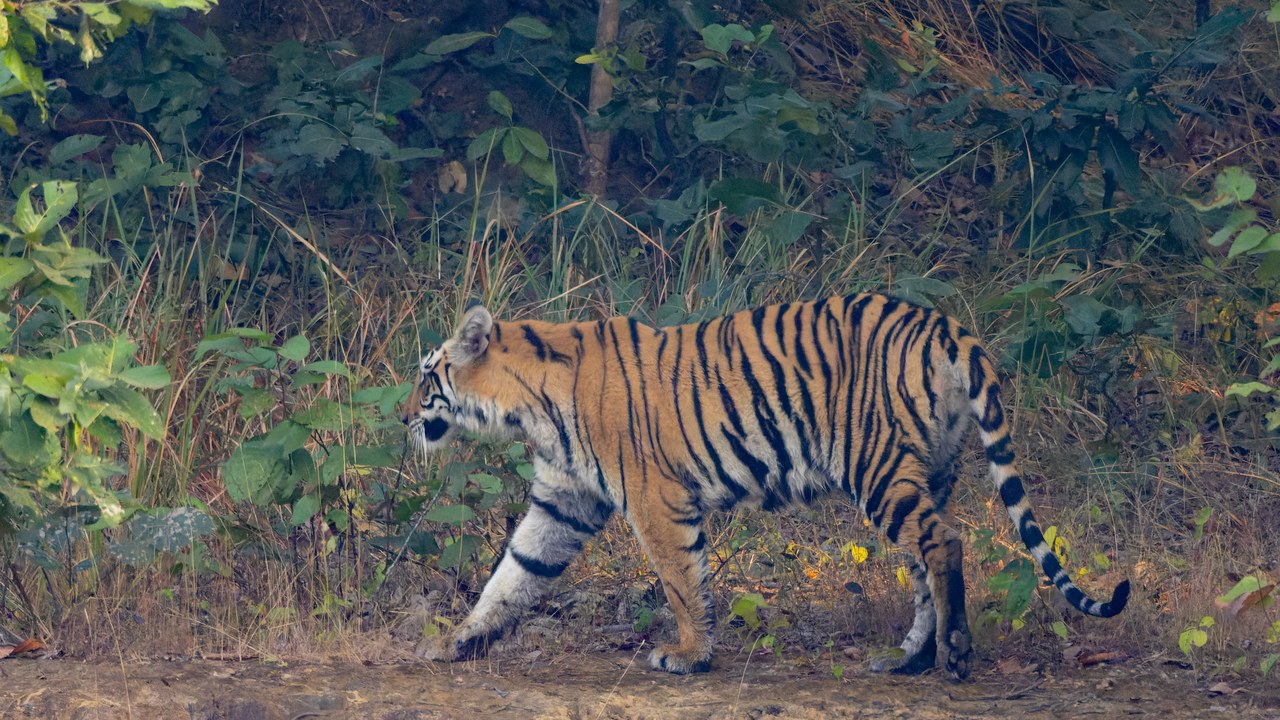
The Gates Notes ranking reproduced by CBS News lists 50 fatalities a year from tigers. The article notes that tiger attacks have claimed many lives over the years in India, and that attacks occasionally happen in zoos as well.
It cites a fatal incident at the San Francisco zoo in 2007 and the death of a boy at the Delhi Zoo in 2014, who either jumped or fell into an enclosure. It also recalls the Las Vegas performance in which a Bengal tiger attacked magician Roy Horn, leaving him partially paralyzed.
11. Wolves: Rarely a Threat to People
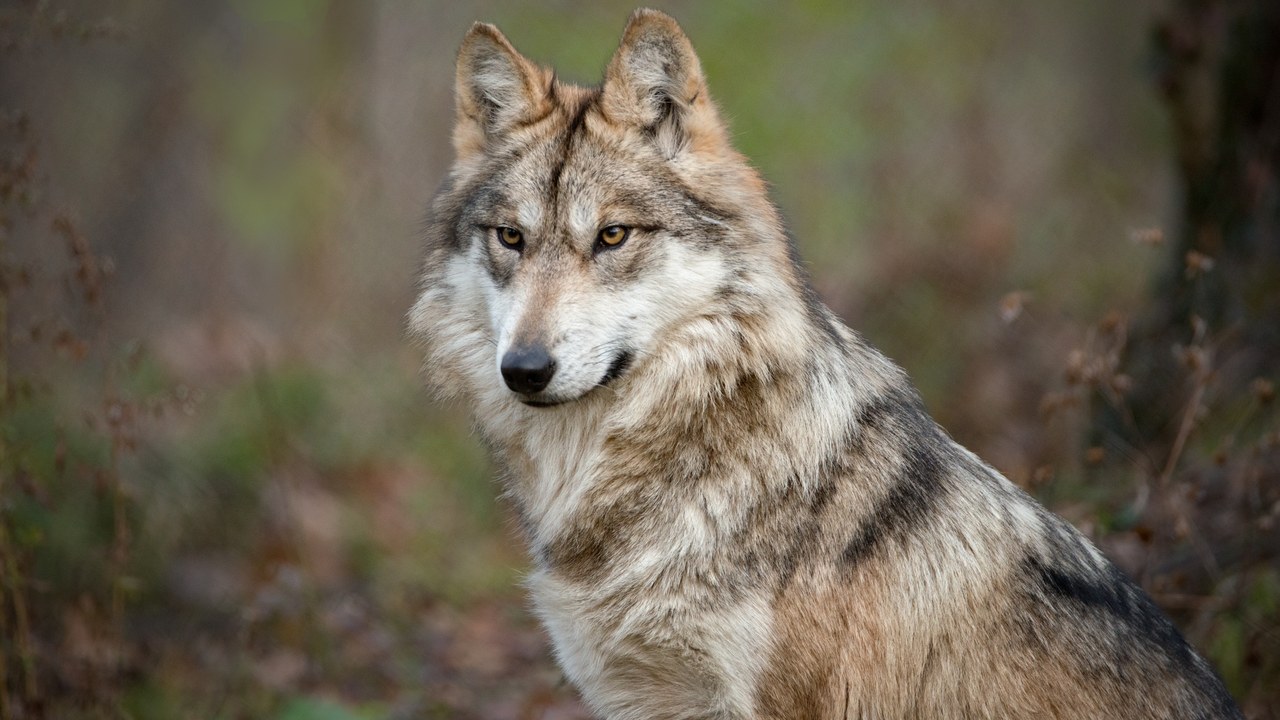
CBS News lists about 10 fatalities a year from wolves in the Gates Notes ranking. It says wolves are typically fearful of humans and avoid people when possible, but that occasionally, because of rabies, fear or even provocation by victims, they can attack.
Attacks on humans are rare, while attacks on domestic animals such as dogs and livestock are more common. The article notes that French farmers protested in 2014, demanding action from their government to stop wolf attacks on their sheep, a reminder that the larger conflict is often over livestock.
More from Morning Overview
- A hunting-trip Piper spiraled down from the sky before a deadly crash in Iowa
- A 2,000-year-old nomad tomb in Mongolia held a glass cup that may have traveled from Rome
- Jeep’s new Recon sold just 19 units in 45 days, the fewest of any model on CarEdge’s worst-sellers list
- Up to 5 feet of snow is burying Donner Pass, and forecasters warn against Sierra travel
