
Before the oil shocks and downsizing of the late 1970s, Detroit measured prestige in feet and inches. Full-size sedans, coupes and wagons stretched past 215 inches, with hidden headlights, vinyl roofs and V8s to match. Here are twenty of the biggest American cars from that era, ending with the longest of them all.
Read next on Morning Overview: A 2,000-year-old nomad tomb in Mongolia held a glass cup that may have traveled from Rome
1. 1963 Dodge Custom 880: Dodge’s Rushed Answer to Chevrolet
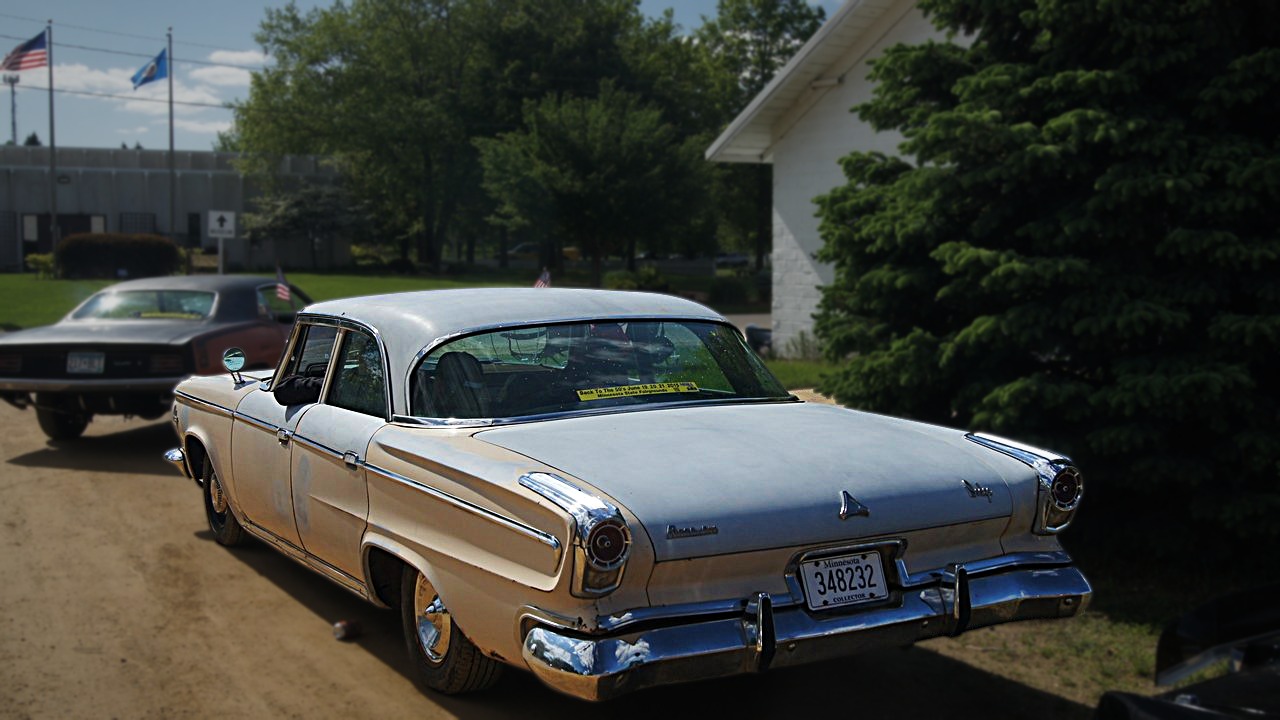
Under pressure to compete with Chevrolet, Dodge rushed out the Custom 880 as its own version of the Chrysler Newport. The 1963 car measured 214.8 inches from bumper to bumper.
A 361-cubic-inch V8 with 265 horsepower came standard, and a 383-cubic-inch V8 with 305 horsepower was optional. The extra muscle did not save it, and the 880 was gone by 1965, a short run even by the standards of the era.
2. 1975 Dodge Charger SE: A Muscle Icon Gone Soft
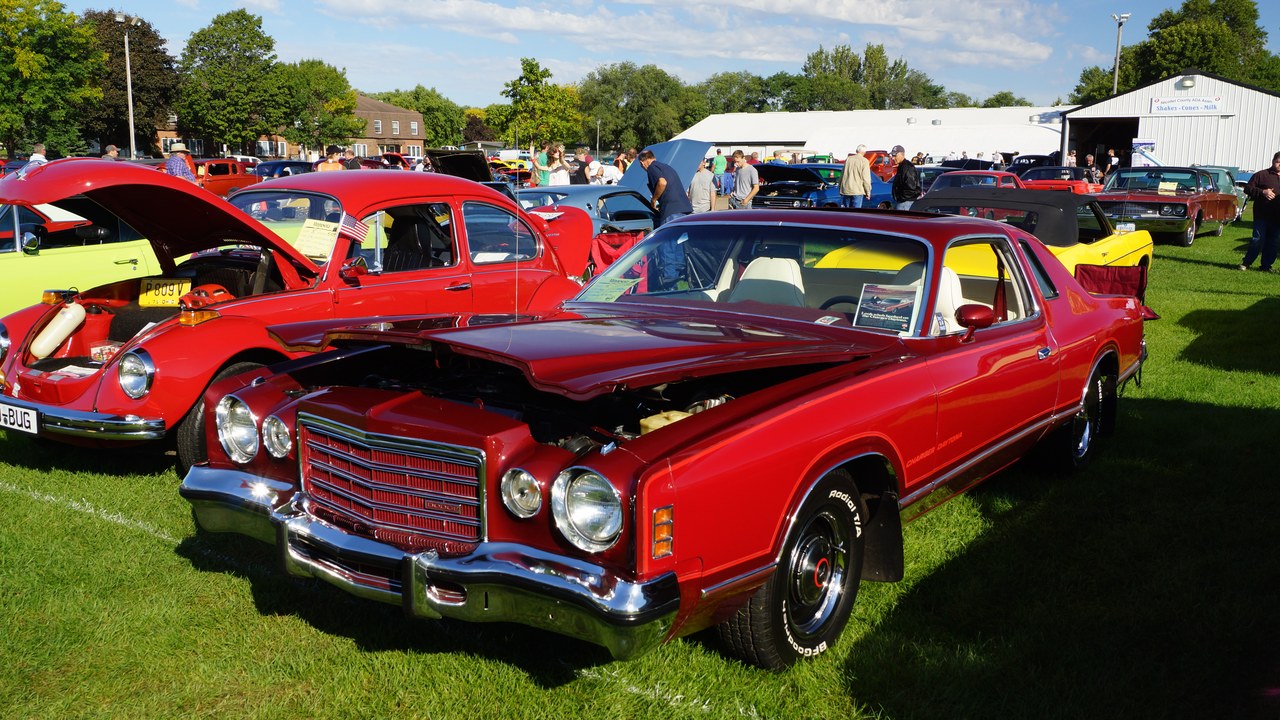
By 1975, the Charger had become a 216-inch luxury coupe rather than the horsepower-war legend most people picture. Inside, it offered plush 24-ounce carpeting.
Its square styling proved a nightmare for the NASCAR teams forced to race its shape, and buyers were not much kinder. Dodge sold only 31,000 examples in 1975, a long way from the Charger’s late-1960s heyday.
3. 1969 Dodge Polara: The Fuselage Look
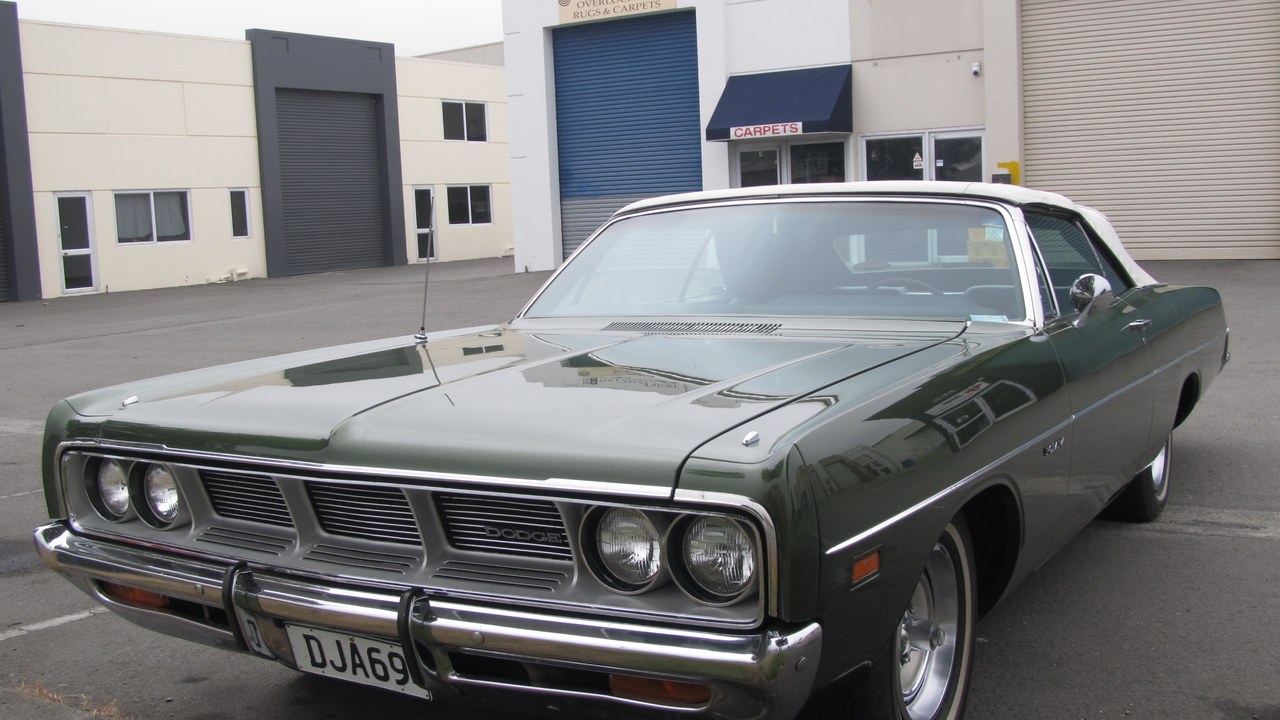
Dodge’s 1969 Polara adopted the company’s fuselage styling and introduced a stretched design reaching 220.8 inches. It was offered with several V8 engines, from a 318 up to a 440.
The top 440 Magnum produced 375 horsepower and 480 pound-feet of torque. Dodge’s brochure also boasted about hidden windshield wipers and carpeting plush enough to tempt drivers into taking their shoes off.
4. 1970 Ford LTD: Ford’s Top Trim Grows Longer
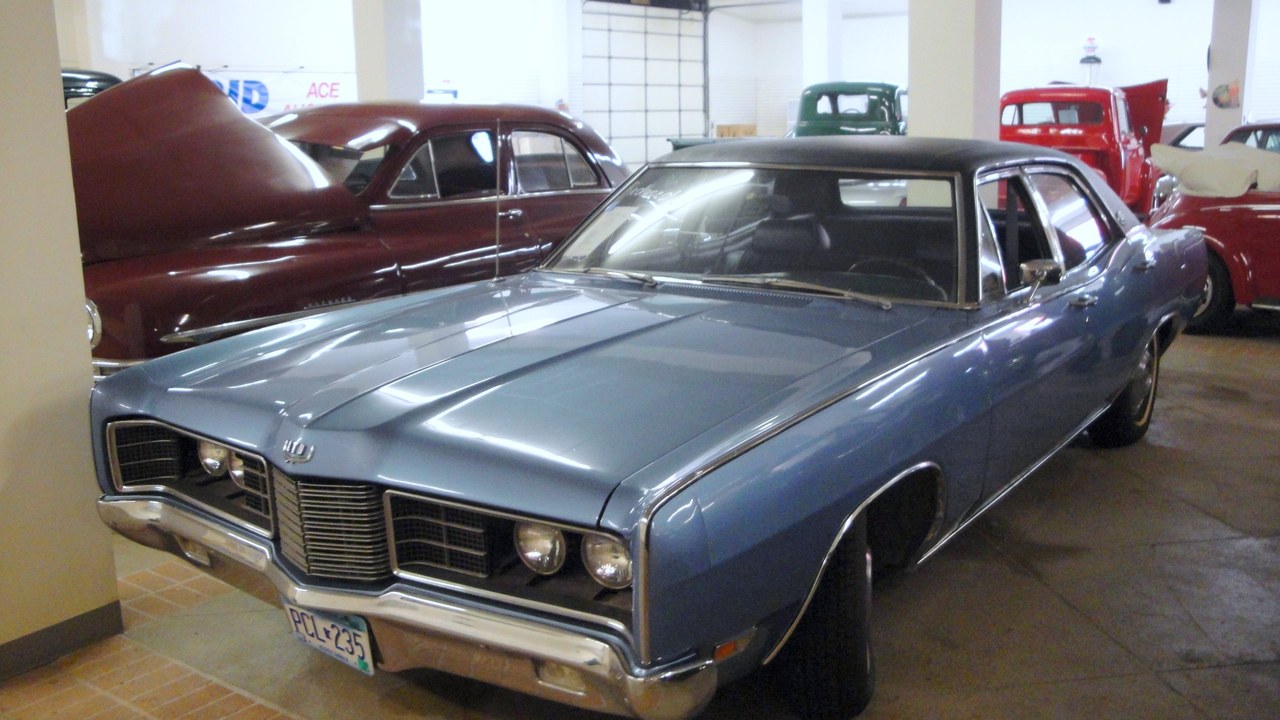
Ford introduced the LTD in 1965 as its highest trim level, and the second generation that arrived for 1969 had its wheelbase lengthened by 2 inches. That made it Ford’s biggest car of the period.
For 1970, styling included a Thunderbird-inspired grille and hidden headlights, with engines ranging from a 302 V8 to a 429 V8. Between 1969 and 1978, Ford sold 7.75 million second-generation LTDs and their Mercury sisters.
5. 1971 Chevrolet Caprice: The Cadillac Look for Less
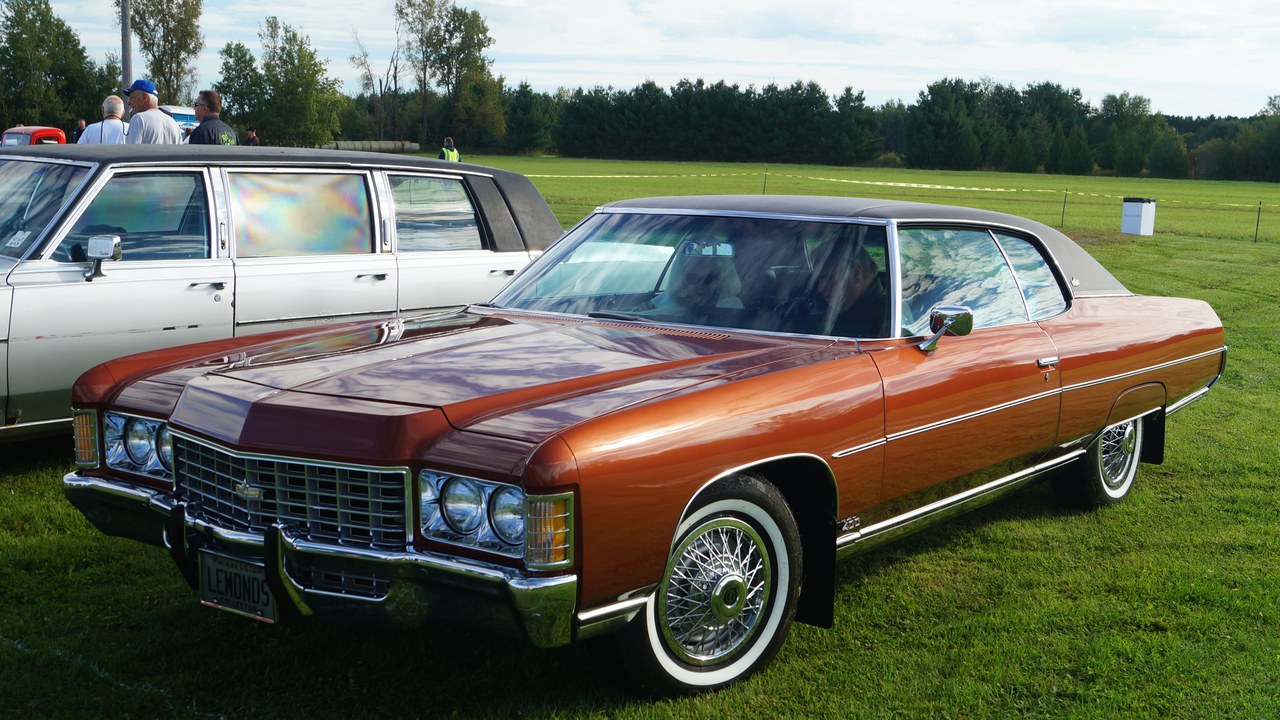
Chevrolet styled the 1971 Caprice to resemble a Cadillac, and that was entirely deliberate. In 1971 a Cadillac Sedan de Ville started at $6,533, while the Caprice held the line at $3,740.
At 216.8 inches, the Caprice was about nine inches shorter than the Cadillac, but it was still firmly in land yacht territory. With an optional 454 V8, Motor Trend timed it from 0 to 60 mph in 8.2 seconds, quicker than its pricier cousin.
6. 1971 Buick Riviera: The Boat-Tail Gamble
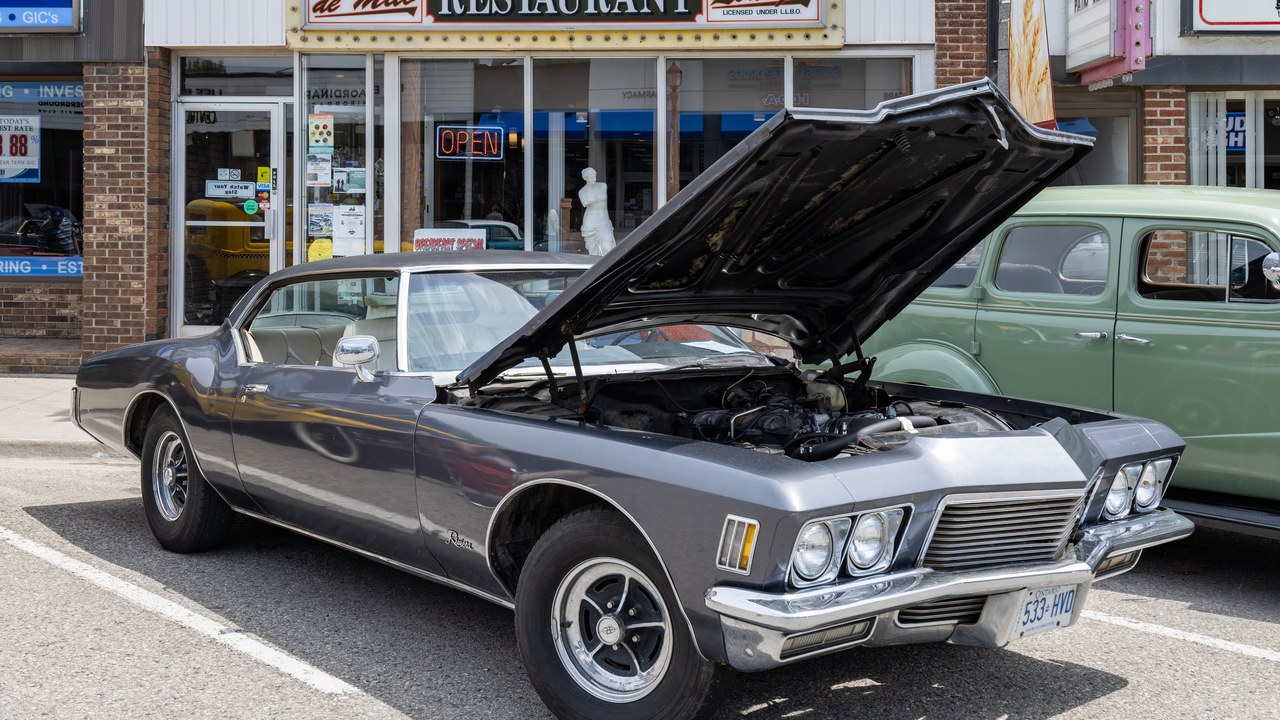
The 1971 Riviera broke from tradition with its iconic boat-tail rear design, drawing inspiration from classic cars of the 1930s. It measured 217.4 inches long and carried a 455-cubic-inch V8.
The radical styling proved unpopular with buyers at the time. Its Full-Flo ventilation system also had a habit of pulling exhaust fumes and rain into the cabin, although standard MaxTrac traction control was an advanced touch for the period.
7. Pontiac Grand Ville: Pontiac’s Five-Year Flagship
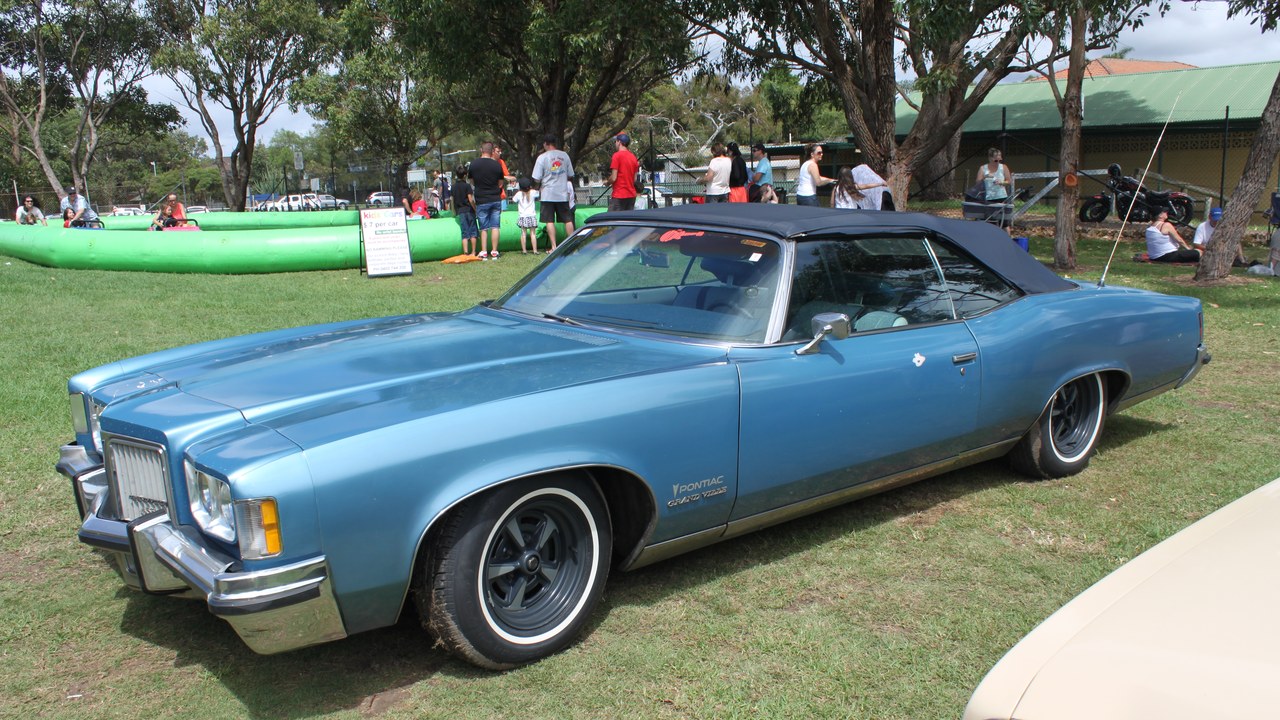
Pontiac is better known for performance cars, yet its Grand Ville replaced the Bonneville as flagship for a brief run from 1971 to 1975. The 1971 version’s 455 V8 made 325 gross horsepower.
That was enough to push a 224-inch, 4,278-pound car to 60 mph in about 10 seconds. The word Brougham was added for 1975, and the following year the Bonneville returned to the top of the lineup, retiring the Grand Ville name for good.
8. Mercury Marquis: Lincoln Luxury at a Mercury Price
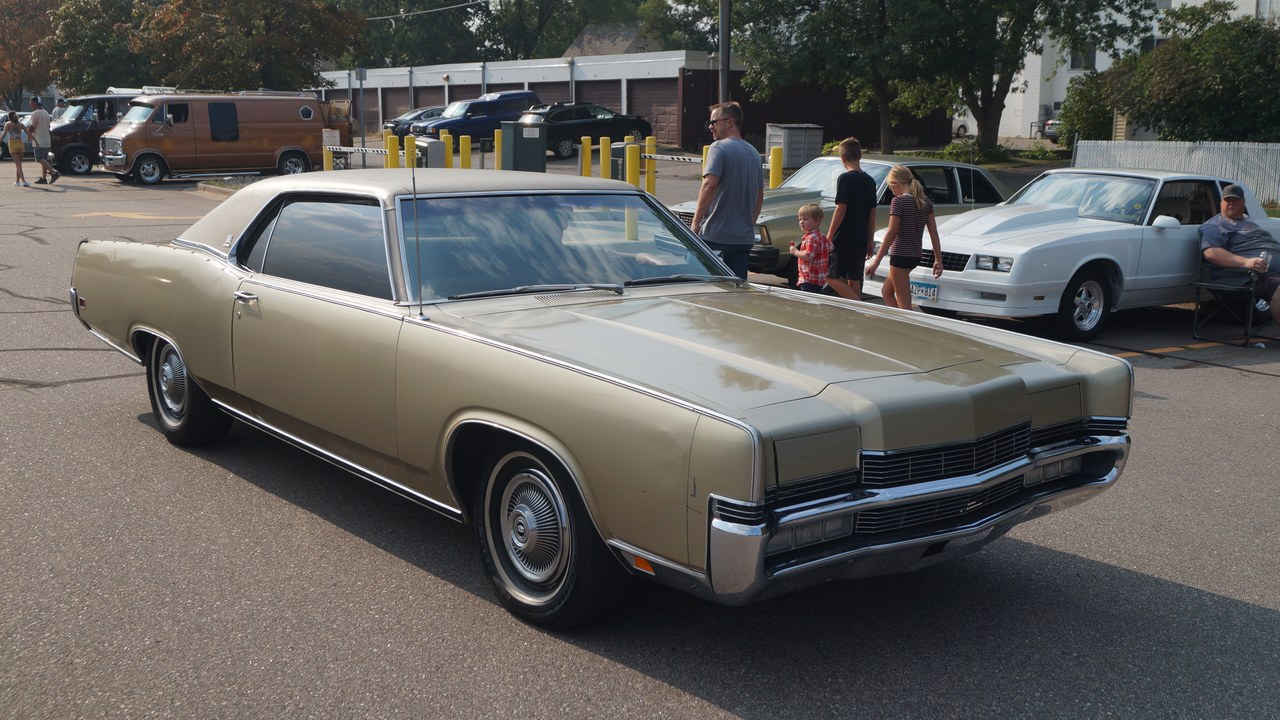
The 1969 to 1972 Marquis offered full-size luxury without stepping up to a Lincoln. It featured knife-edge fenders, hidden headlights and a 124-inch wheelbase, stretching to 225 inches overall.
Through 1971, its 429 V8 made 320 gross horsepower, falling to 208 horsepower in 1972 as compression ratios dropped. Mercury even advertised that 50 blindfolded professional chauffeurs preferred riding in the back of a Marquis over a Mercedes limousine.
9. 1972 Chevrolet Impala Convertible: One of the Last Big Convertibles
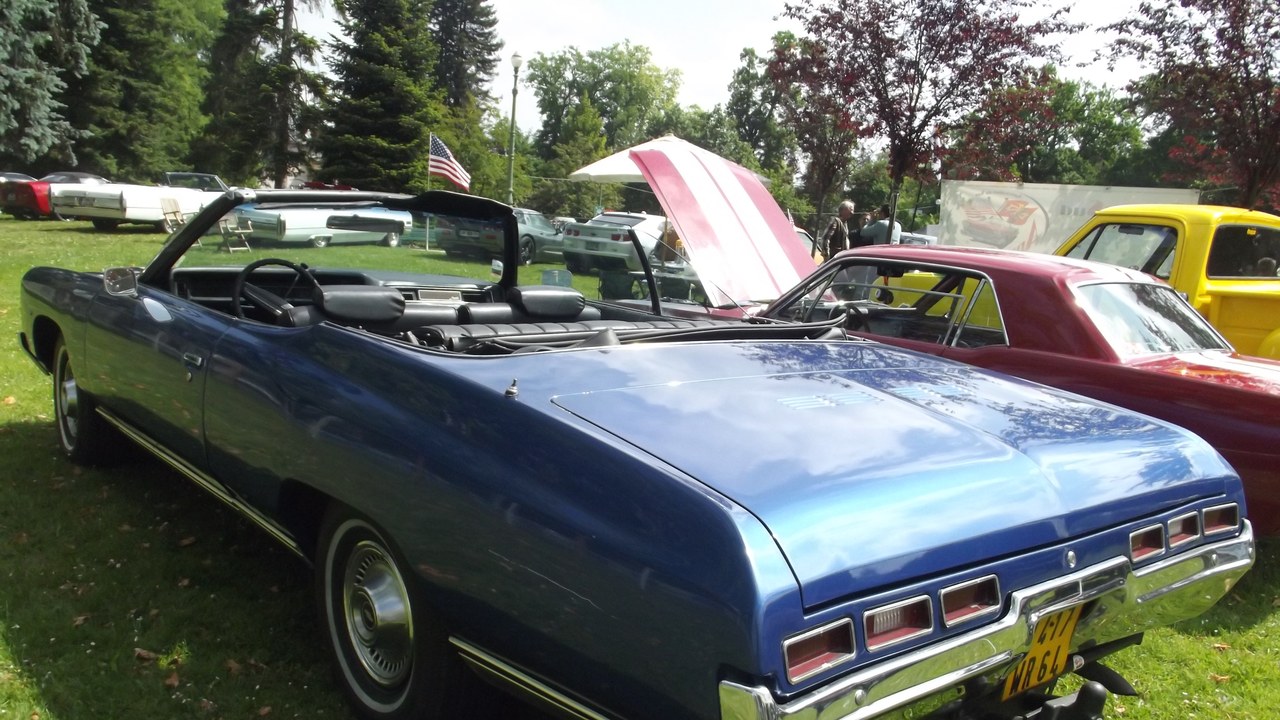
Chevrolet built the 1972 Impala Convertible as part of the fifth-generation Impala, and the car measured 222.9 inches long. Buyers could choose from 5.7-liter, 6.6-liter and 7.4-liter V8 engines.
It is considered one of the last big American convertibles. Its long, sweeping lines and wide stance made it a familiar sight on American roads before safety rules and changing tastes pushed full-size drop-tops out of showrooms.
10. 1976 Cadillac Eldorado Convertible: The Last of a Breed
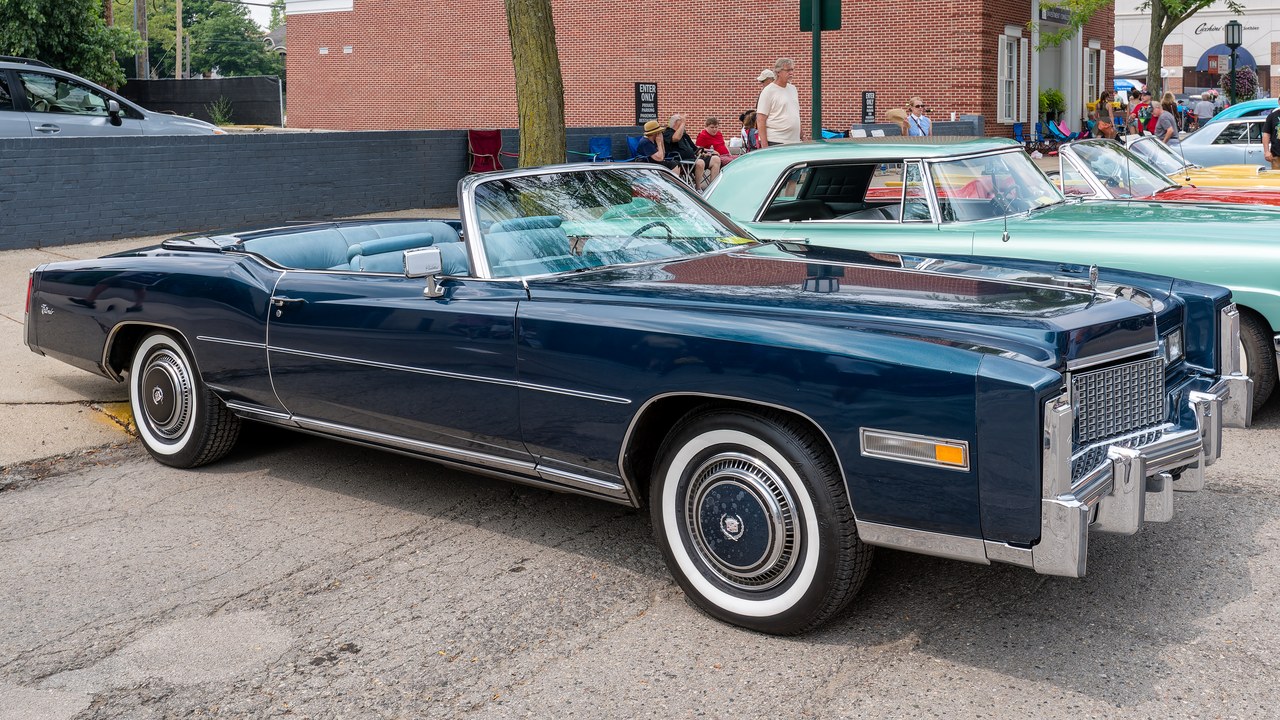
The 1976 Eldorado Convertible measured 224.1 inches long, and Cadillac marketed it heavily as the last American convertible. Its 8.2-liter V8 was one of the largest engines ever fitted to a passenger car.
Even with all that displacement, the 500-cubic-inch engine made only about 235 horsepower, and features such as power leather seats pushed the weight past 5,100 pounds. The car later became a star in the film Goodfellas.
11. 1976 Ford Thunderbird: Peak Thunderbird
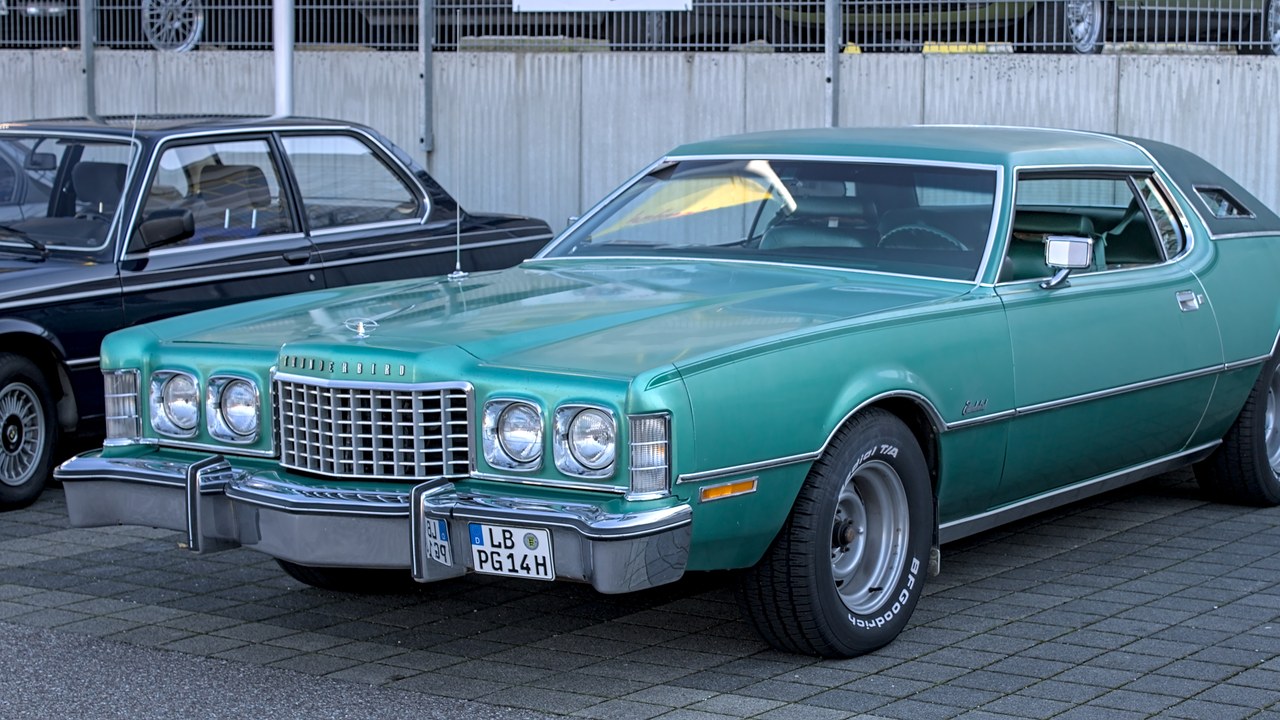
The 1976 model was one of the largest Thunderbirds ever, at about 225 inches long and more than 5,000 pounds. It came with 7.0-liter and 7.5-liter V8 options.
All that weight, paired with modest power output, made performance unimpressive. The oil crisis pushed Ford to shrink later generations, so the 1976 car stands as the high-water mark for Thunderbird size before a much smaller model arrived for 1977.
12. 1977 Dodge Royal Monaco: Dodge’s Full-Size Farewell
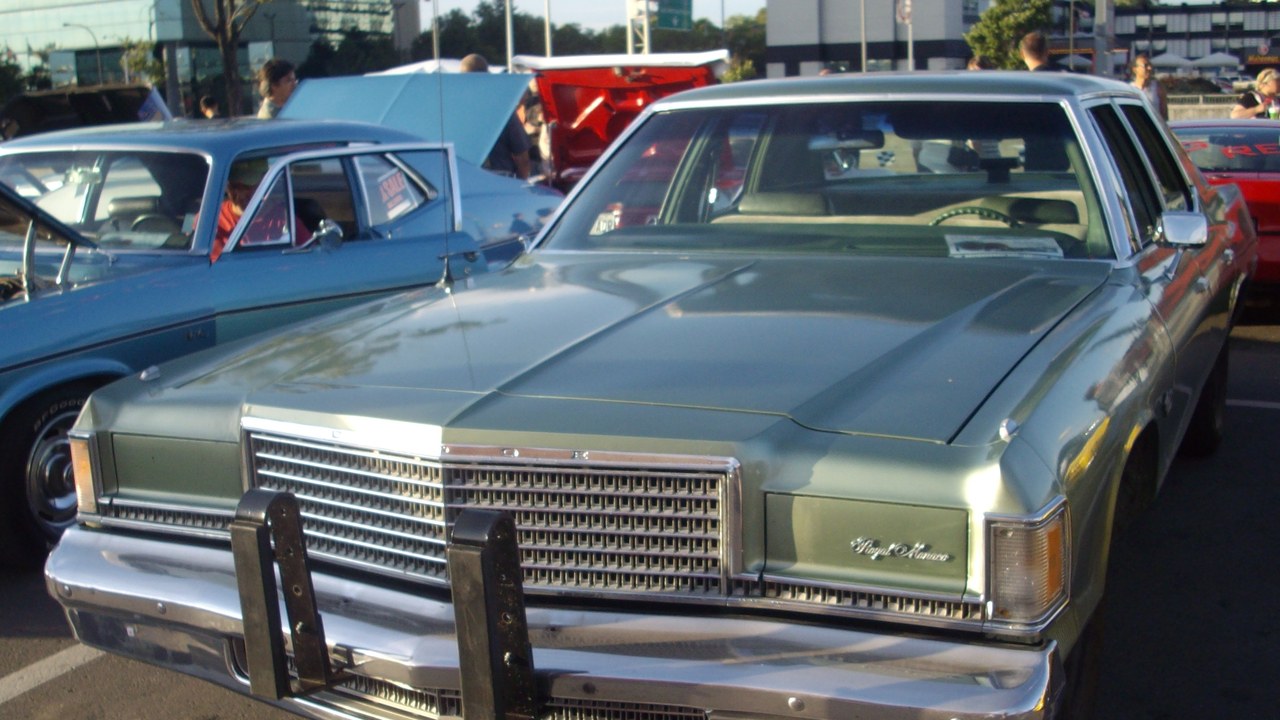
Measuring 225.7 inches, the 1977 Royal Monaco was Dodge’s top-tier full-size car and the final model year for the series. It featured hidden headlights and vinyl-upholstered seats.
Buyers could add touches such as a locking gas cap or an electric digital clock, and the cabin offered ashtrays front and rear. Dodge dropped the Royal Monaco after 1977, but the car remains a recognizable 1970s icon.
13. 1978 Ford Country Squire: Woodgrain by the Acre
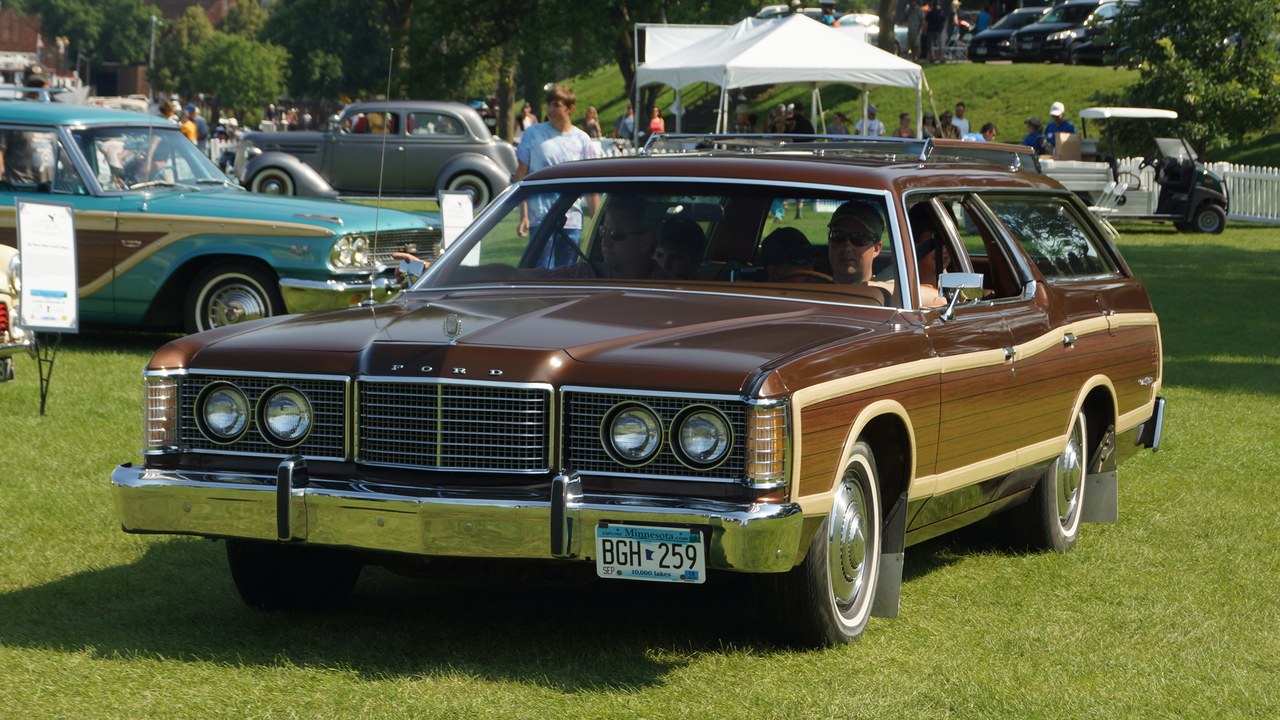
The 1978 Country Squire was one of the last great full-size station wagons, measuring 225.7 inches long. It could seat up to eight passengers, and its simulated wood side paneling made it easy to spot.
The wagon weighed around 4,881 pounds, and even its largest 460 V8 could push it only to about 111 mph. For 1979, Ford introduced a smaller seventh generation, making the 1978 car a final flourish for outlandish size.
14. 1972 Lincoln Continental Mark IV: Opulence by the Foot
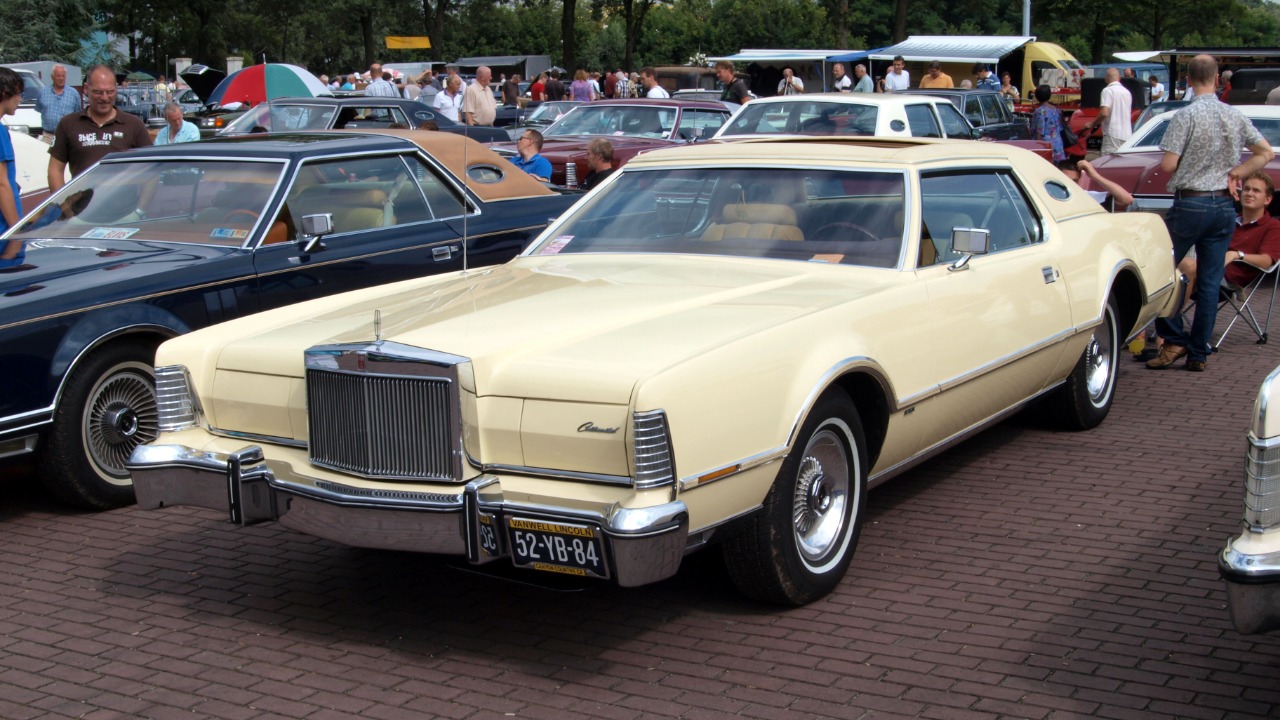
Many consider the 1972 Mark IV one of the most opulent cars of its time. It featured a long hood, short deck and a signature spare-tire hump sculpted into the trunk lid.
It measured 228.1 inches long and used a 460-cubic-inch V8, making it a relaxed cruiser for long highway trips. The Mark IV became a defining example of the personal luxury coupe, a genre the Thunderbird also helped popularize.
15. 1975 Cadillac Coupe de Ville: Crossing 230 Inches
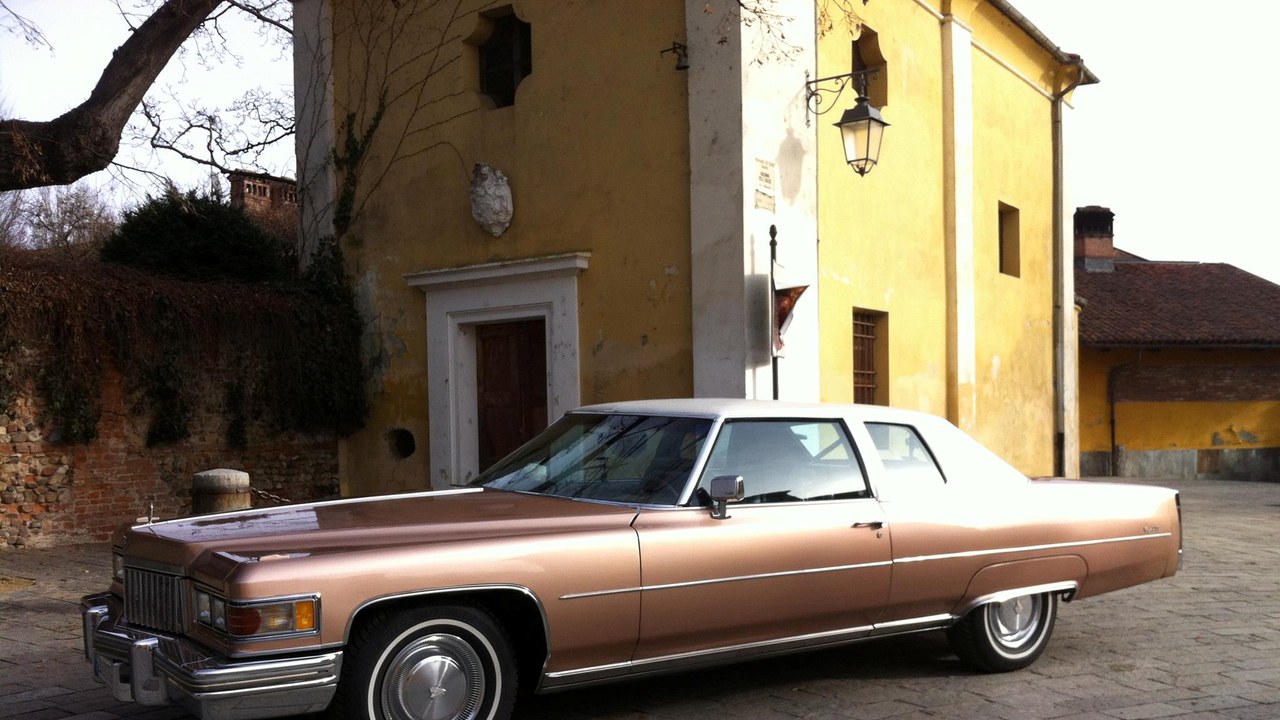
Cadillac’s 1975 two-door stretched 230.7 inches, pushing it into what could be called super yacht territory. Interiors were offered in leather or patterned velour.
Outside, a huge vinyl roof and cornering lights helped define the look, and whitewall tires completed it. Driver and passenger airbags were even on the options list, an unusual feature for a car of that era.
16. 1974 Chrysler New Yorker Brougham: Growing Just as Gas Ran Short
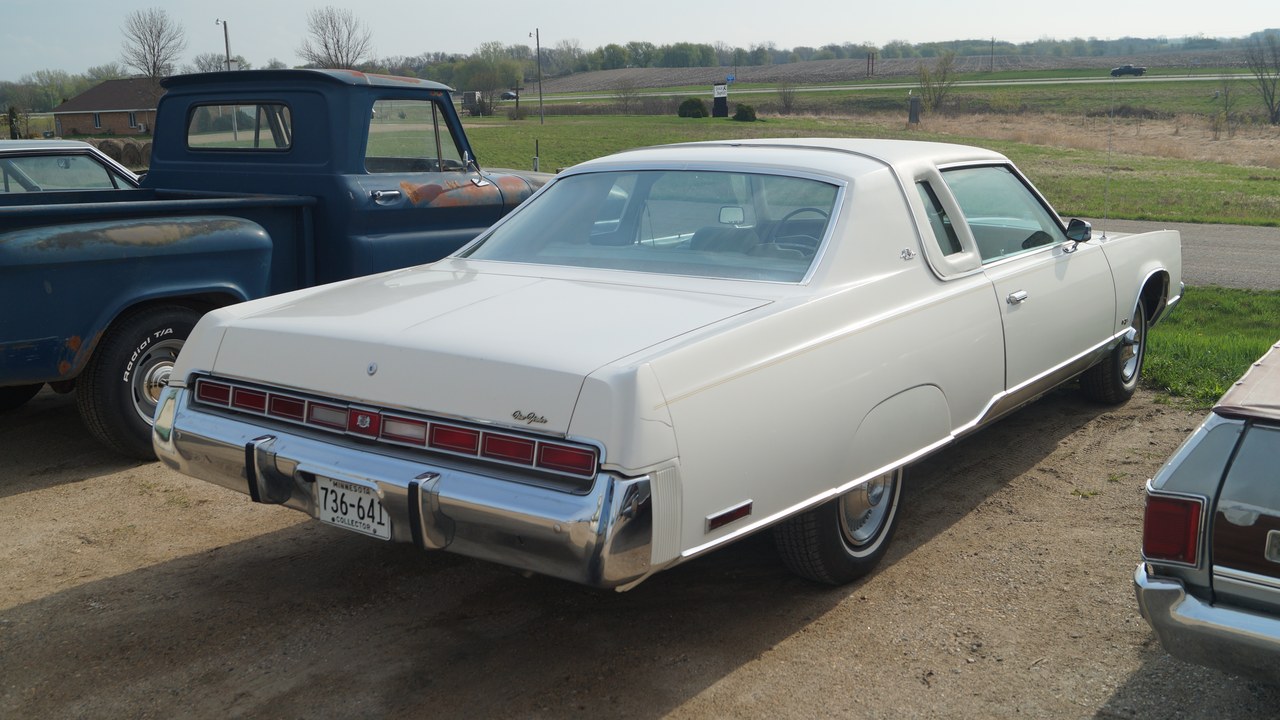
The New Yorker grew to legendary size in 1974 in defiance of the downsizing trend, offering one last hurrah for truly full-size Chryslers. It arrived just as the oil shock hit.
The new model sold only half as many units as its 1973 predecessor. At 231 inches, with padded dash, wood door panels and an available eight-track player, the Brougham version still made a strong case for plush, unhurried travel.
17. Oldsmobile Ninety-Eight: Tailfins and Fender Skirts
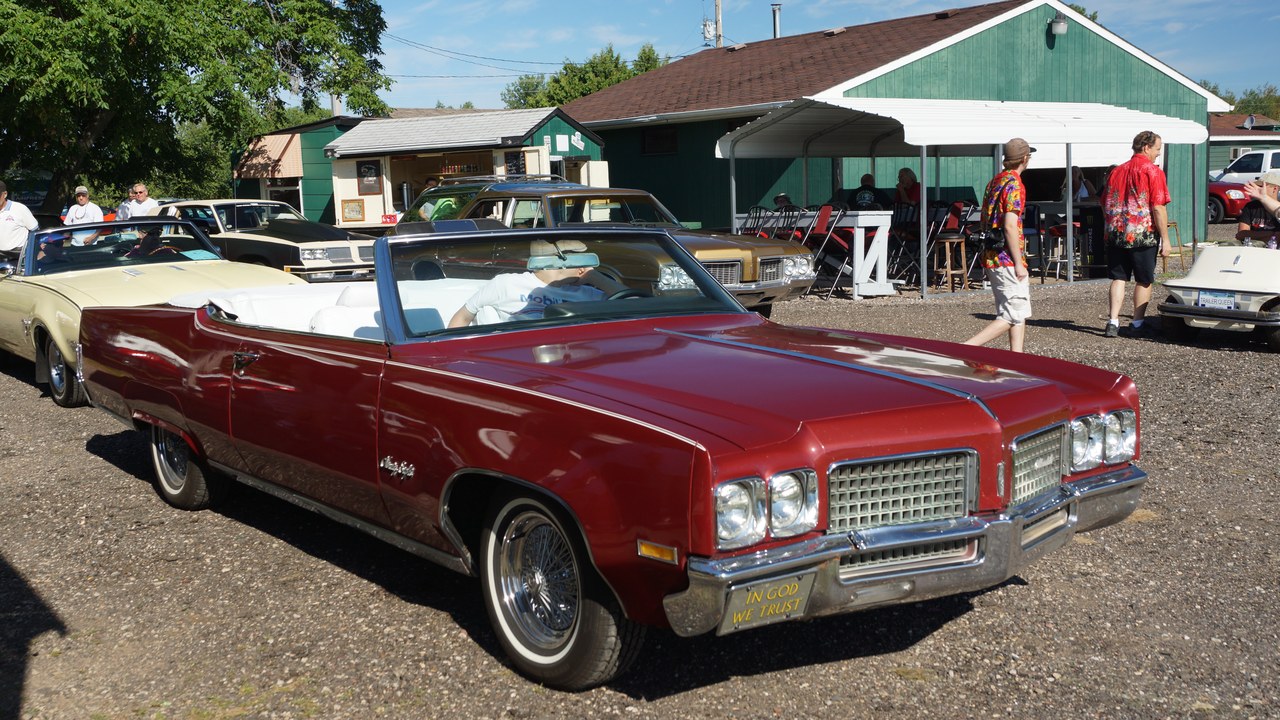
Oldsmobile’s flagship ran 232.4 inches long, complete with anachronistic tailfins and fender skirts over the rear wheels. The 1971 to 1976 Ninety-Eight was practically built to wear the Brougham label.
Its 455-cubic-inch Rocket V8 produced 250 horsepower and 370 pound-feet of torque in one version, enough to move a nearly 4,700-pound car to 60 mph in about 9.5 seconds. A Tiffany Edition marked Oldsmobile’s 75th anniversary in 1972.
18. 1977 Lincoln Continental Town Coupe: Bigger Than the Mark IV
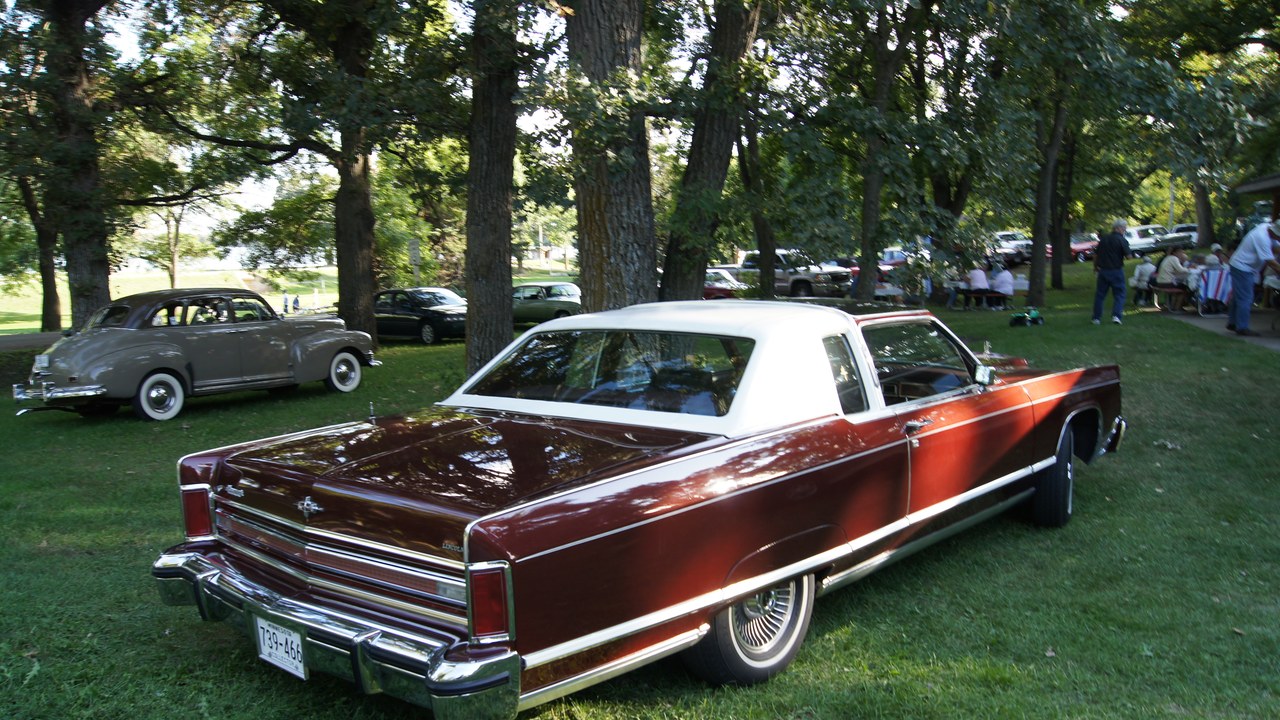
Final bumper changes in 1977 made the Continental even longer, at 233 inches. The fifth-generation car had already been vast at its 1970 launch, and federal bumpers added more length in 1973.
Offered as a two-door Town Coupe and a four-door sedan, it also gained a Williamsburg Edition in 1977 with two-tone paint, a full-length vinyl roof and six-way power front seats.
19. Buick Electra 225: The Deuce and a Quarter
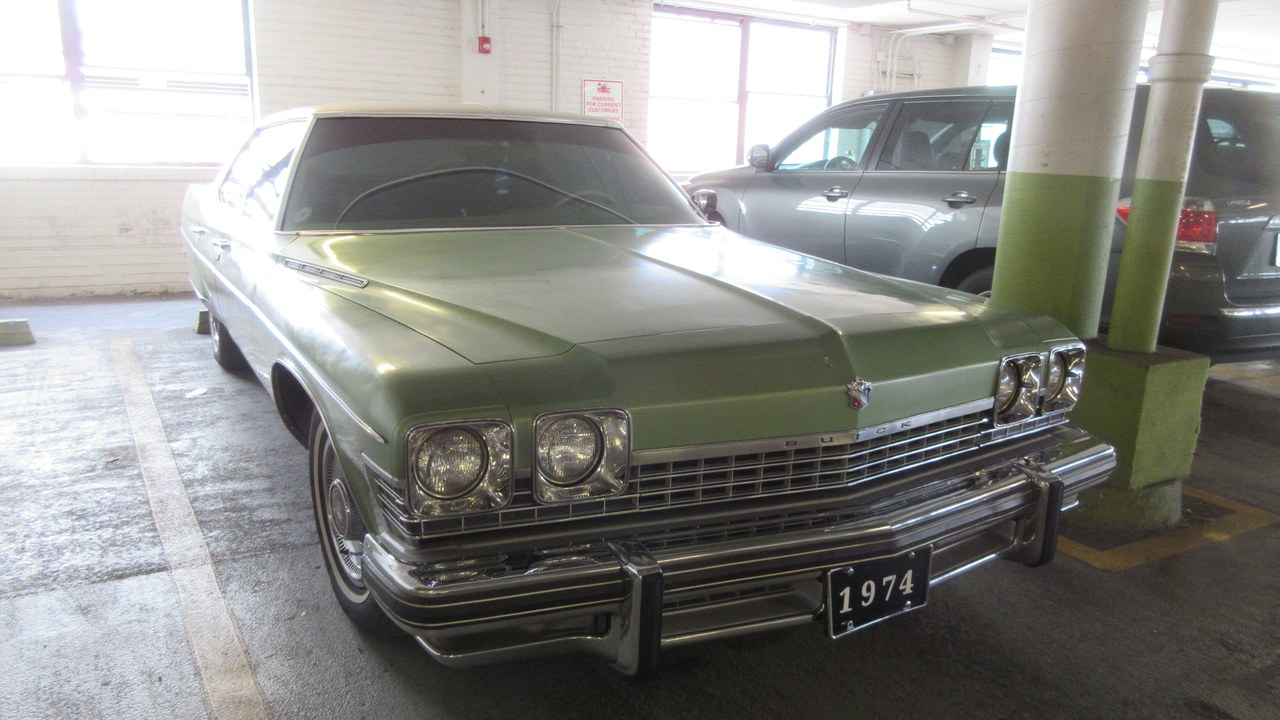
Riding a 127-inch wheelbase, the 1971 to 1976 Electra 225 stretched to 233.3 inches after GM redesigned its full-size cars to be longer, wider and heavier than ever. Its nickname was the deuce and a quarter.
The standard 455-cubic-inch V8 made 325 horsepower at first but only 205 net horsepower by 1976 under emissions rules. Mid-1970s Electras were also available with GM’s first-generation airbag system.
20. 1973 Imperial LeBaron: The Longest of Them All
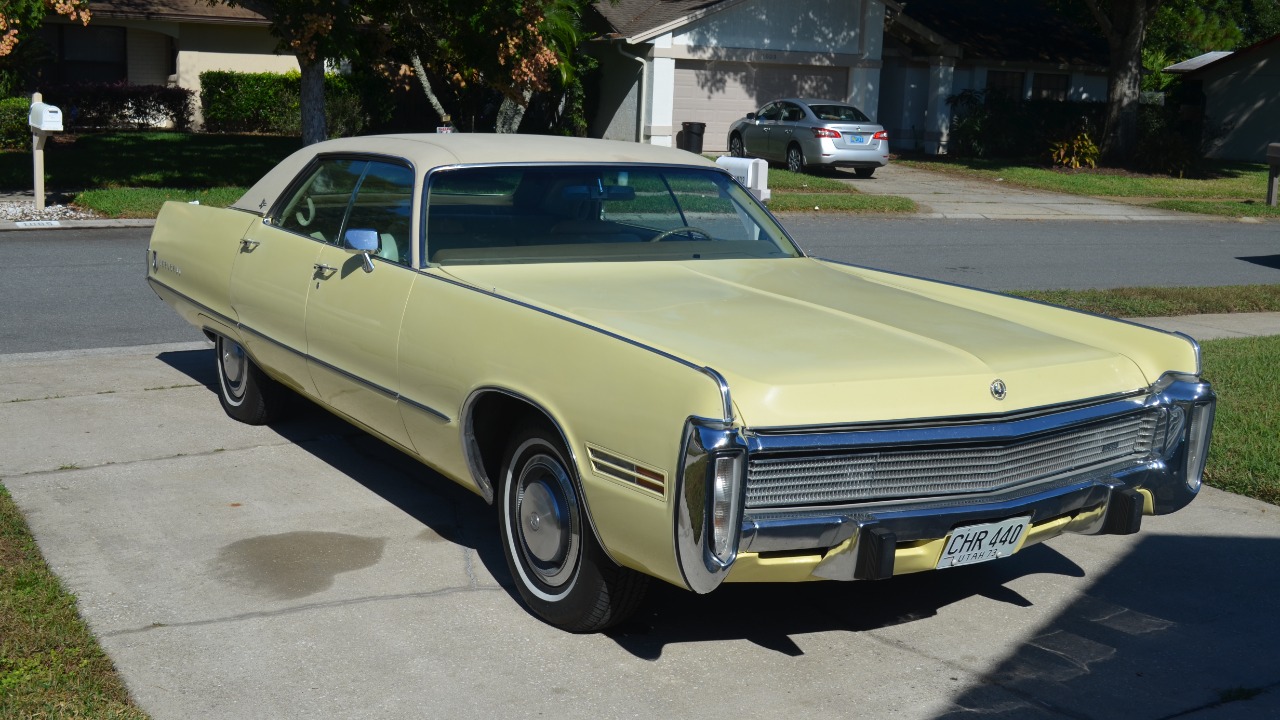
At 235.3 inches, the 1973 Imperial LeBaron was one of the longest American sedans ever sold. Like other Chrysler products of the time, it used fuselage styling that blended body and roof.
Federal bumpers added 5.8 inches to its length in 1973. Imperial had been a standalone luxury brand since 1955, but oil embargoes and emissions rules caught up with it, and the marque was gone after 1975.
More from Morning Overview
- A Cirrus SR22 declared an emergency a minute after departure clearance, its parachute still bagged
- Chase, Visa and Mastercard confirm hackers hit their vendors and exposed customer data
- A hunting-trip Piper spiraled down from the sky before a deadly crash in Iowa
- Jeep’s new Recon sold just 19 units in 45 days, the fewest of any model on CarEdge’s worst-sellers list
