
Eyes come in far stranger forms than the two forward-facing ones people carry, and some animals see in ways humans simply cannot. Natural history sources describe eyes that swivel independently, split in two, migrate across the skull or detect ultraviolet light. Here are thirteen animals whose eyes put ours to shame.
Read next on Morning Overview: Lockheed says its Valkyrie laser shot down a cruise missile stand-in with no tracking aids
1. Chameleon: Eyes That Swivel Alone
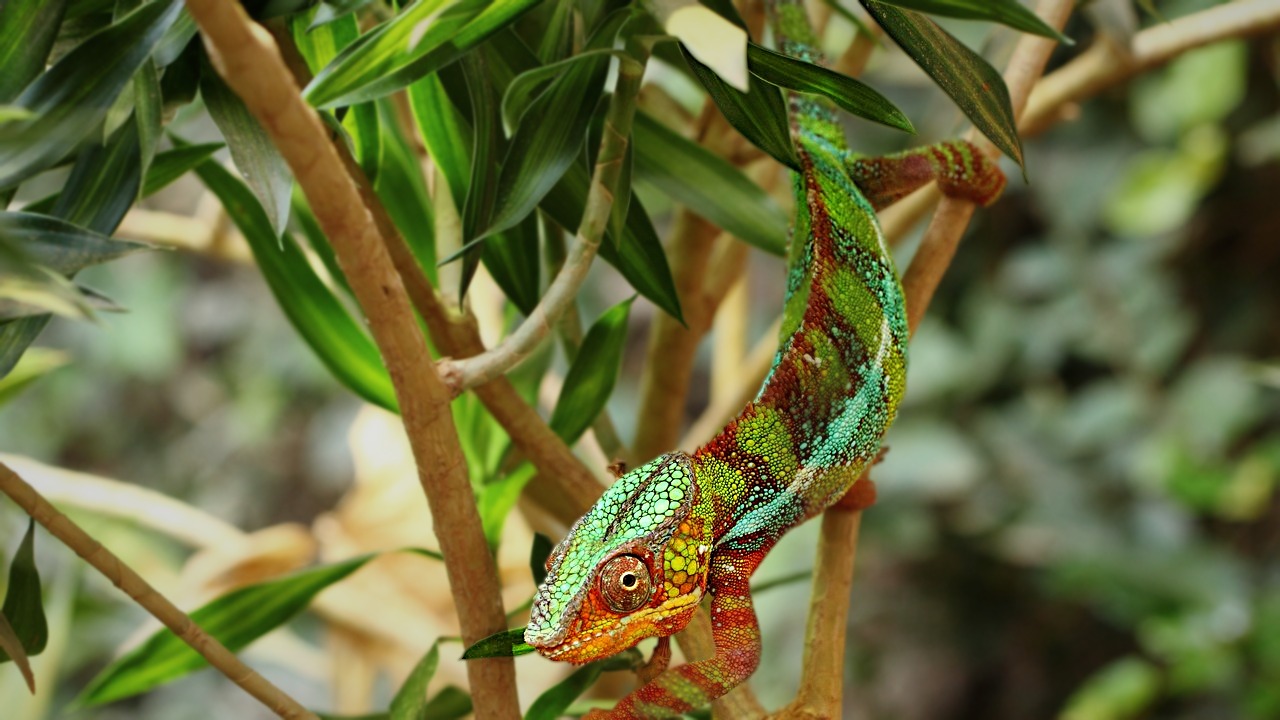
Chameleons have some of the strangest eyes on the planet, according to the Natural History Museum, because each one can move independently of the other. The result is almost 360-degree vision, and the lizard can also switch between monocular vision, with the eyes working separately, and binocular vision, with both eyes on the same scene.
Discover Wildlife adds that a chameleon’s eye looks odd partly because it has no sclera, the white portion. Only a small opening remains where the pupil rests, which helps with camouflage, since the eyelids can change colour like the rest of the body.
2. Mantis shrimp: Sixteen Pigments Against Our Three
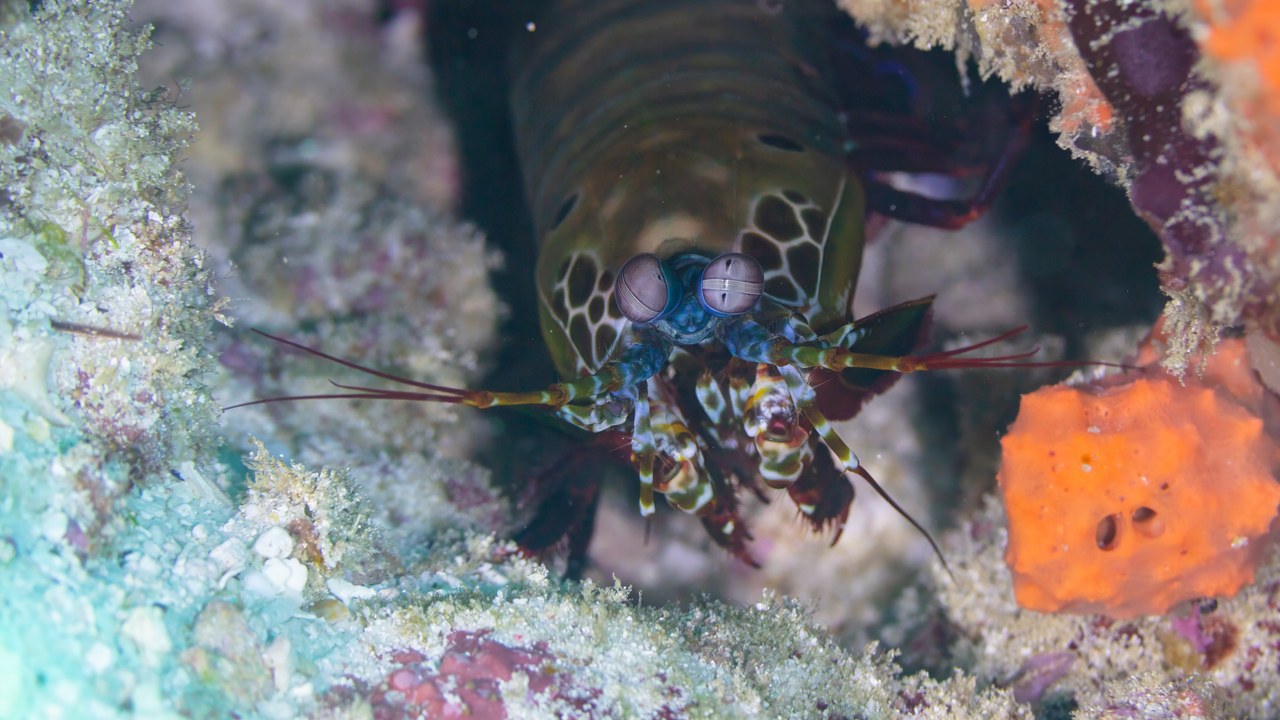
The Natural History Museum lists the mantis shrimp as probably having the most sophisticated vision in the animal kingdom. Its compound eyes move independently, and it has 12 to 16 visual pigments, compared with three in humans.
It is also the only animal known to see circular polarised light. Experiments suggest it may use this to send messages to other mantis shrimps, for instance that a burrow is occupied. Discover Wildlife notes that each eye sits on its own stalk and can detect UV and polarised light.
3. Tarsier: Eyes Too Big to Move
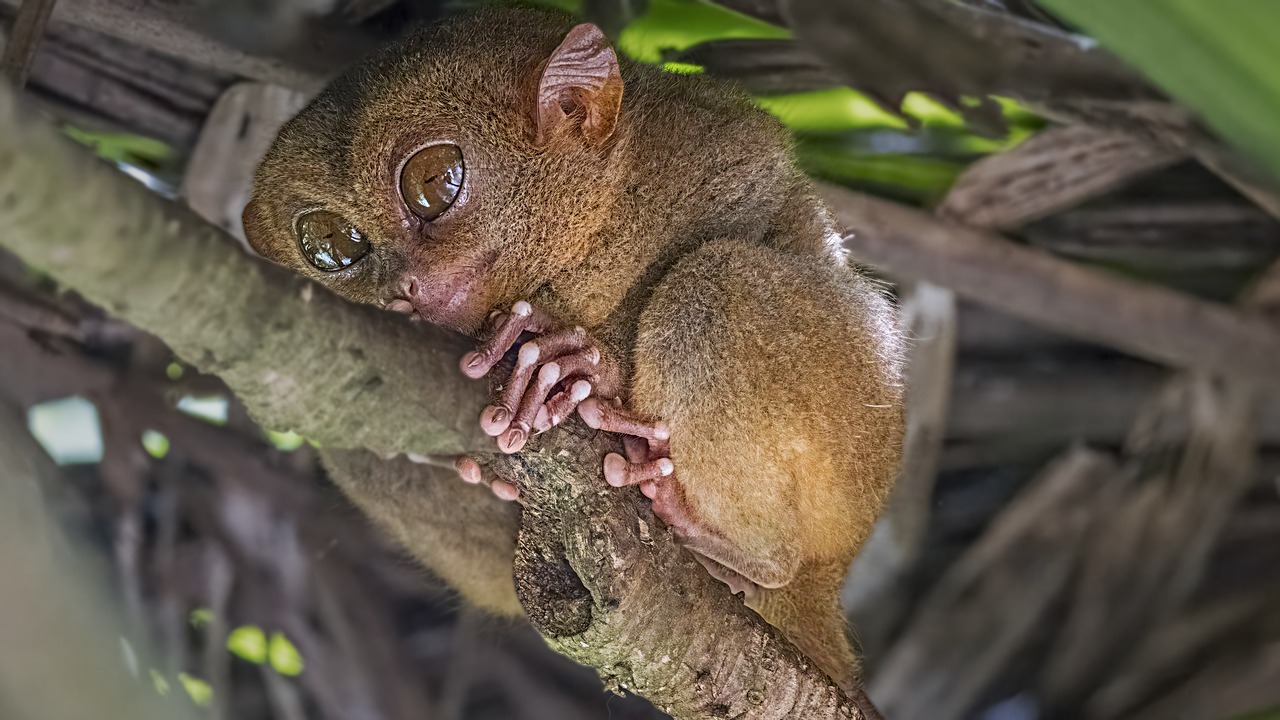
Tarsiers are small primates, yet the Natural History Museum notes that they have the largest eyes of any mammal relative to body size. Each eye is about the same volume as the animal’s brain.
The eyes are large but do not move, so a tarsier has to swivel its whole head to scan its surroundings. Discover Wildlife describes the animal as a big-eyed, nocturnal, carnivorous primate whose eyes dominate its face and help it see in the dark.
4. Gecko: Colour Vision After Dark
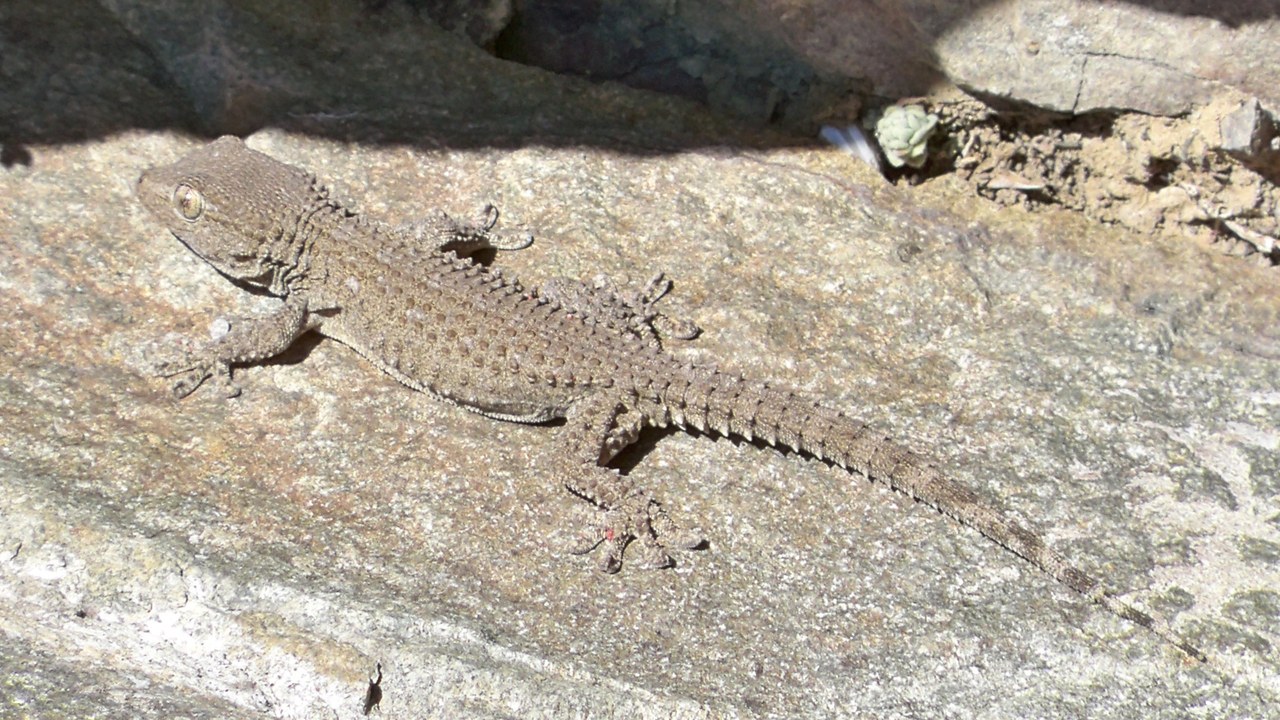
Nocturnal geckos have superb vision in dim light, and the Natural History Museum reports that their eyes are 350 times more sensitive to colour at night than a human’s. The comparison is with human eyes under the same dim conditions.
Geckos also lack eyelids. Instead of blinking, they use their tongue to keep the eye clean, a habit that makes the group one of the more unusual vision stories among reptiles.
5. Ostrich: Bigger Than Its Brain
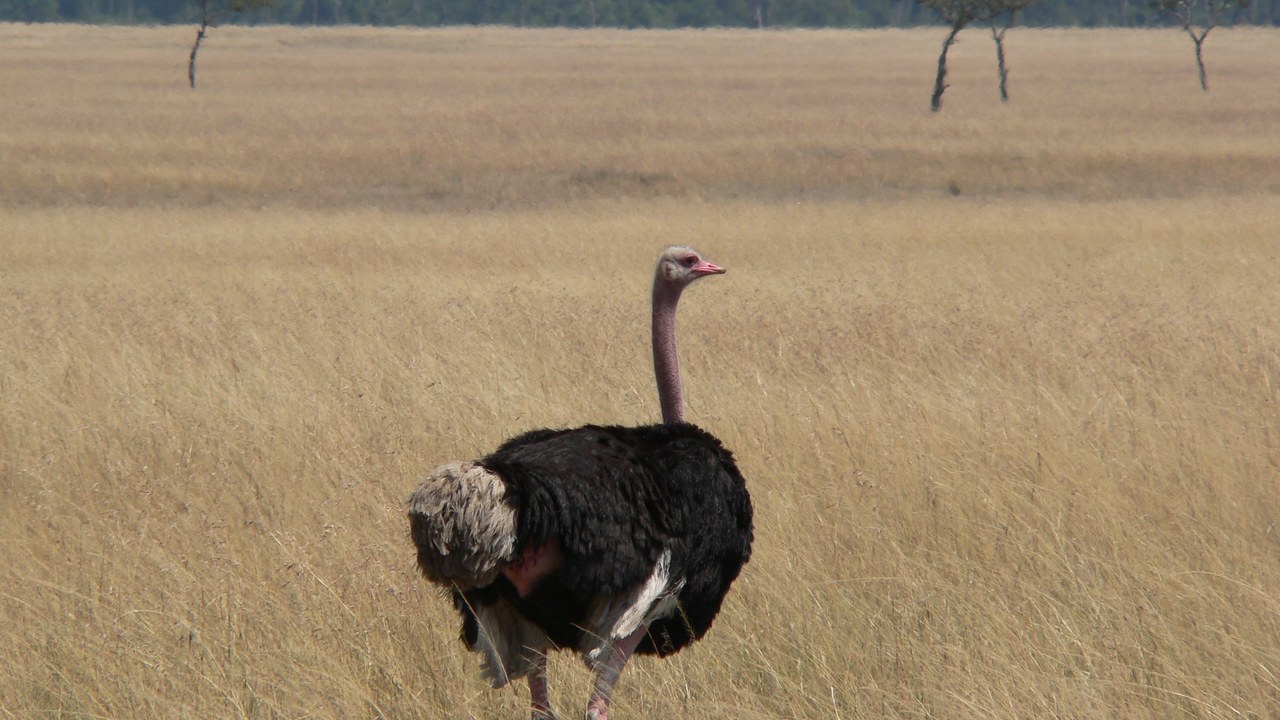
An ostrich’s eye is bigger than its brain, and the Natural History Museum says it is the largest eye of any living land animal, measuring five centimetres across.
Ostriches are also the biggest birds in the world. Discover Wildlife makes the same point from a different angle: in most vertebrates the brain outweighs the eyes, but the flightless ostrich is fairly unusual in reversing that, and it has the biggest eyes of any bird.
6. Bald eagle: Twenty Feet Versus Five
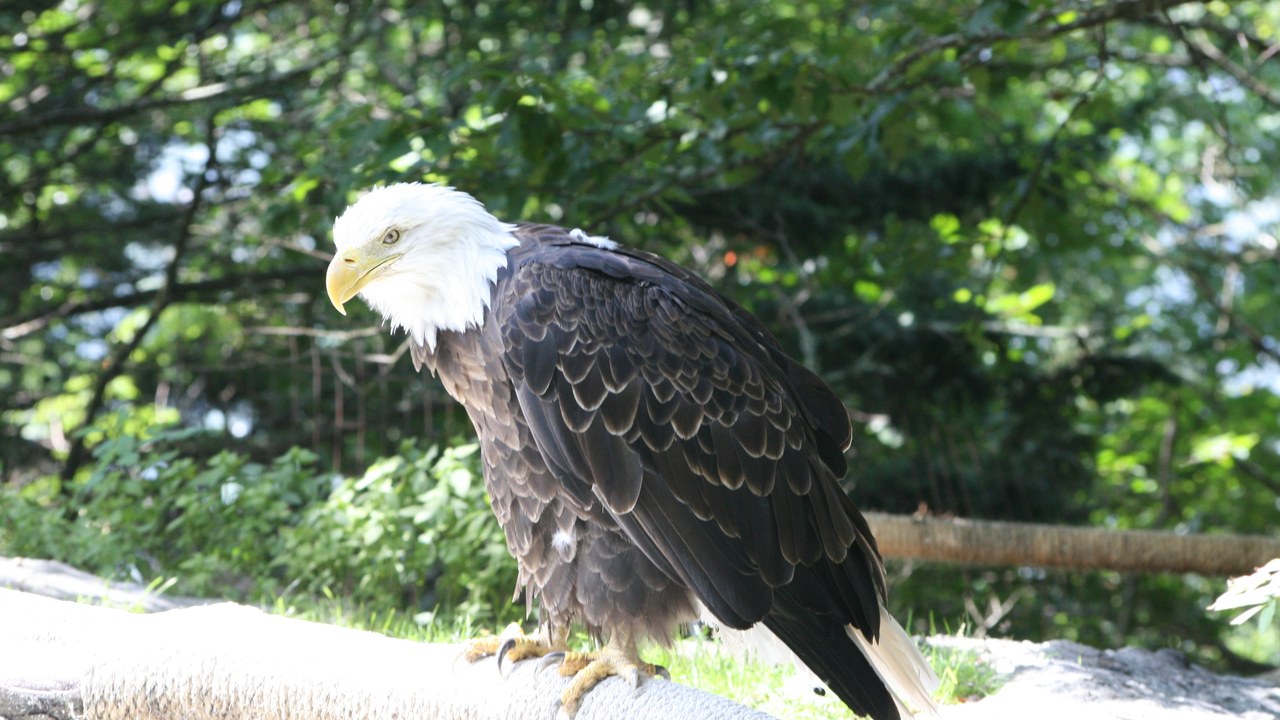
A-Z Animals ranks the eagle as the animal with the best eyesight, and its visual acuity figure for eagles is 20/5. An eagle can see an object at 20 feet that a human with perfect vision must be five feet away to see. Some research suggests the true figure could be as sharp as 20/2.5.
Bald and golden eagles weigh only 10 to 14 pounds, yet their eyes are roughly the size of a human’s. The page says they can spot a rabbit two to three miles away and have a visual field of up to 340 degrees.
7. Owl: Seeing in the Dark
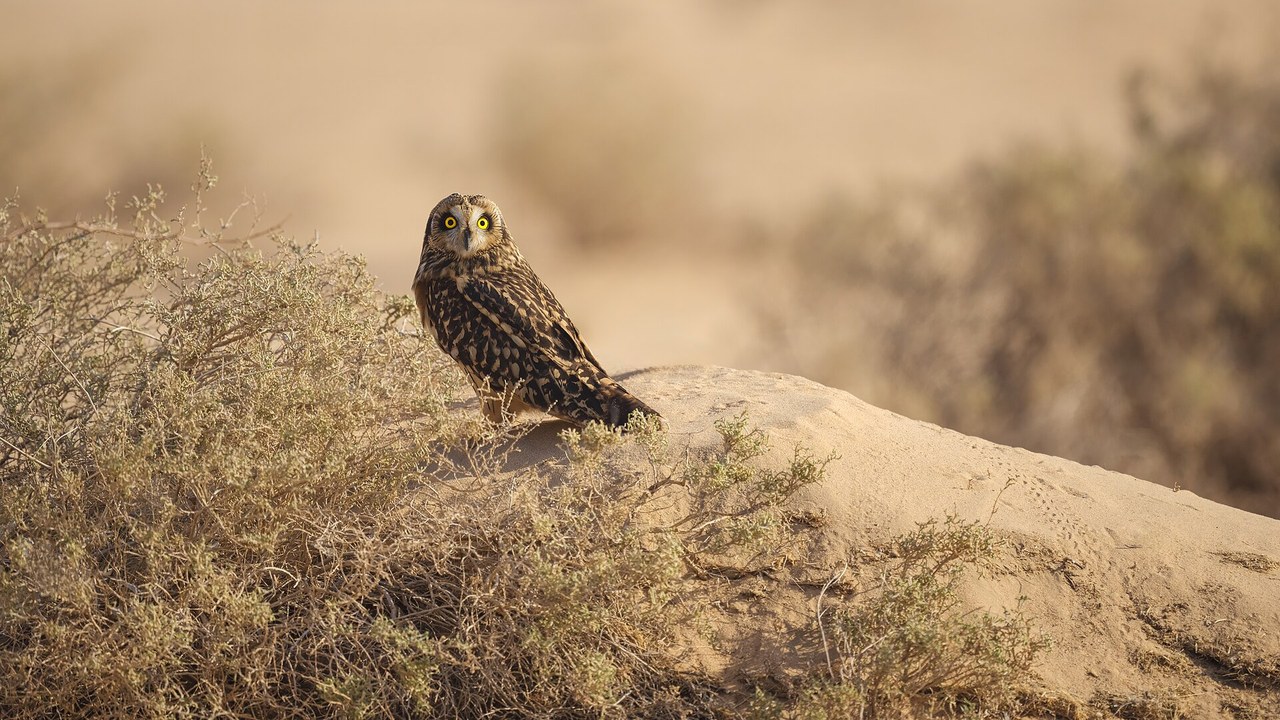
On the A-Z Animals ranking of low-light vision, owls dial up night vision to 0.0125 lux. The human eye can see in conditions as low as one lux, so an owl works in light roughly eighty times dimmer.
The page credits the cat figure to Steven Levithan, and it places owls ahead of cats at 0.125 lux. Tarsiers do better still at 0.001 lux, and the page goes on to insects, with carpenter bees reported at 0.000063 lux. The lux figures are secondary, drawn from another writer.
8. Cat: Darker Than We Can Manage
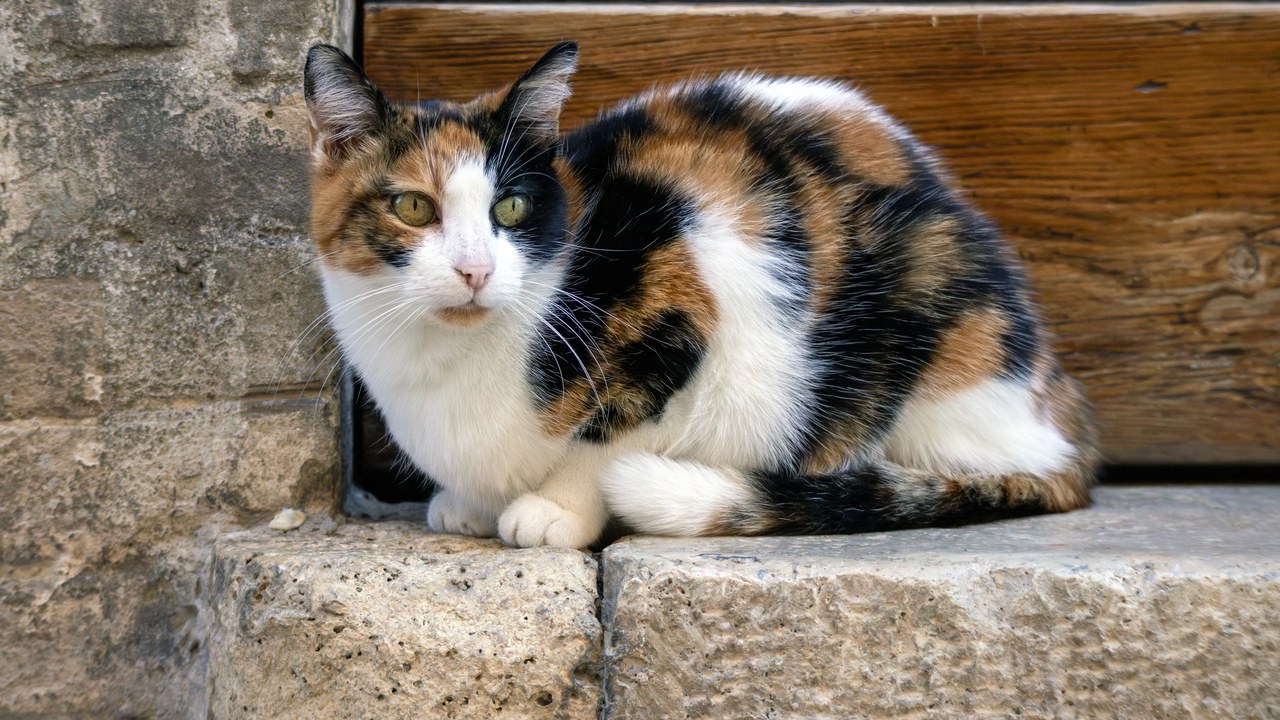
The domestic cat is the familiar example on the A-Z Animals list: according to the page, citing Steven Levithan, cats can see in conditions as dark as 0.125 lux. Humans manage about one lux.
That makes the household pet eight times better than a person in dim light, though still behind the owl’s 0.0125 lux. The page describes this as one measure among many, noting that vision involves acuity, depth perception, field of view and light range, so no single animal wins every category.
9. Iguana: A Third Eye on Top
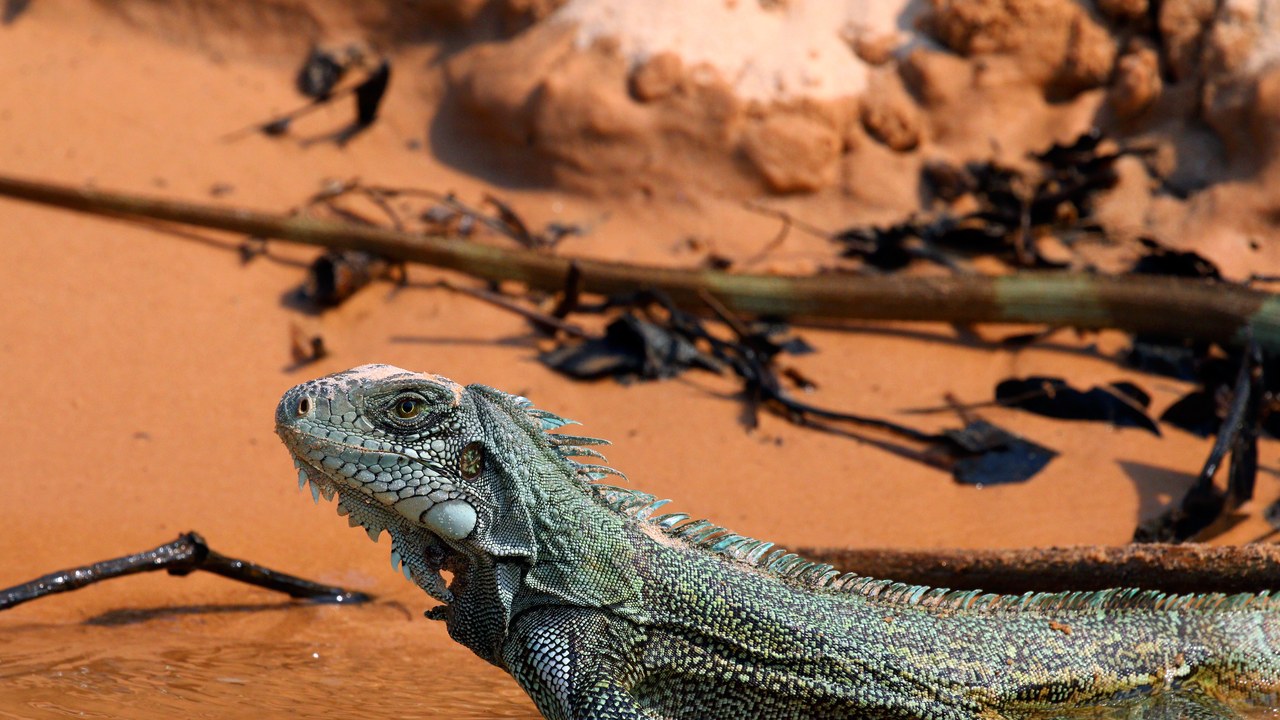
The iguana’s third eye is a useful way of detecting danger, says Discover Wildlife. It can detect blue and green light and read the time of day, much like a clock, and by sensing shadows and light changes it can warn of threats.
The magazine adds that the organ may also act as a navigational compass. It works differently from other vertebrate eyes, using chemicals to detect light rather than rod cells or cone cells, so it registers brightness and change rather than forming a picture.
10. Flounder: Both Eyes on One Side
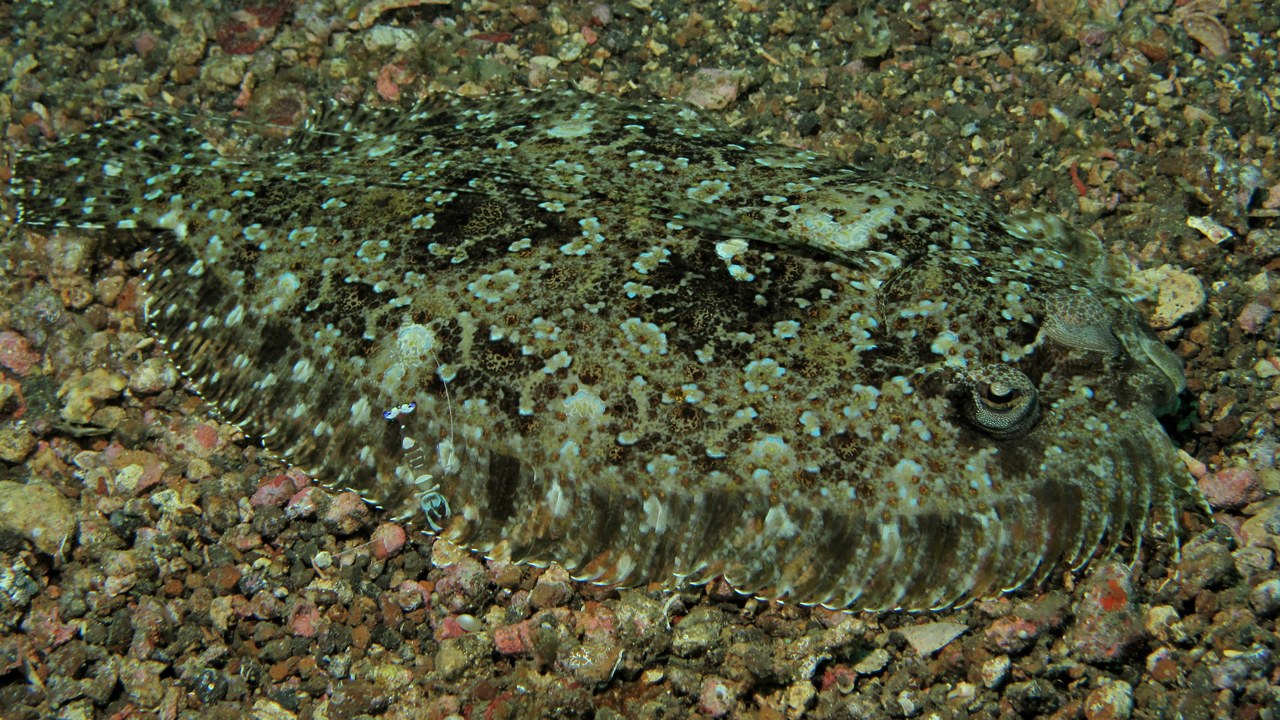
A flounder’s eyes are definitely weird, according to Discover Wildlife. Born round, the fish flattens out as it develops, and one eyeball migrates across the wonky skull to the other side of its head.
Because only one eye needs to move, both end up on the same side of the face, staring upwards. That arrangement lets the fish see all around while it lies on the seafloor, so the odd skull turns out to suit its lifestyle.
11. Four-eyed fish: Above and Below at Once
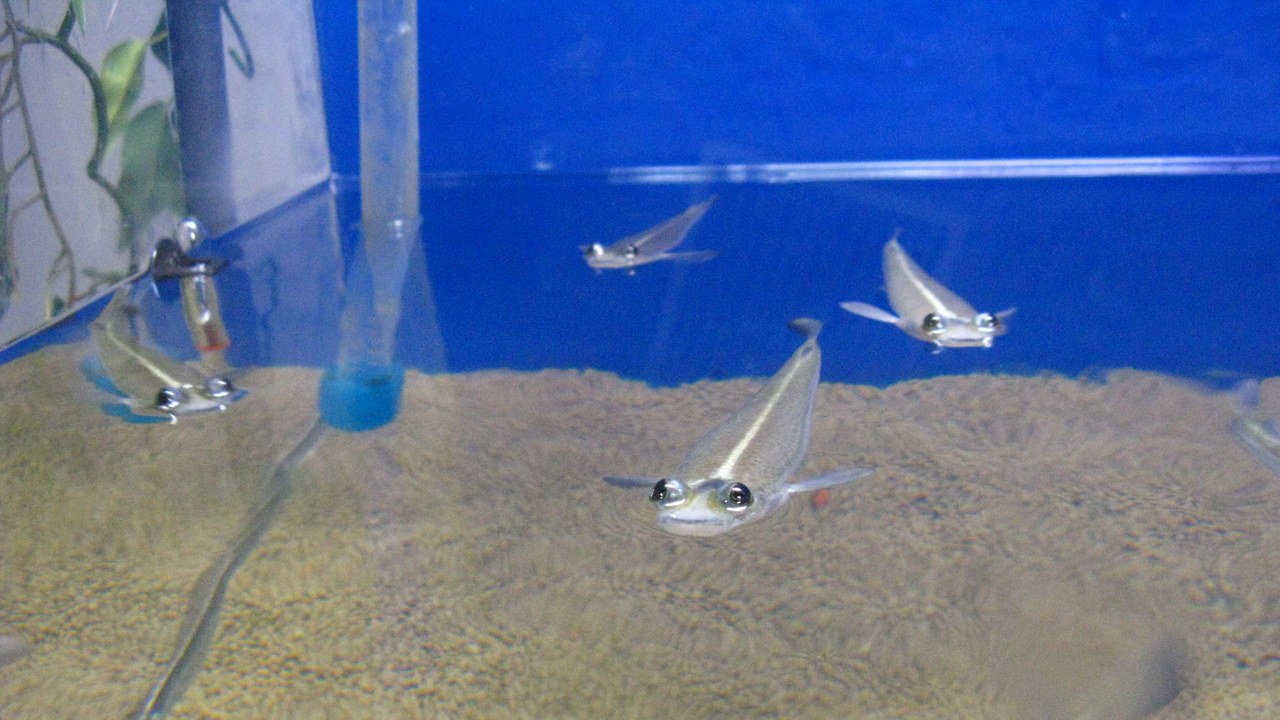
The four-eyed fish does not technically have four eyes, Discover Wildlife explains. Each eye is split in two horizontally, and each half has its own pupil and retina, so the fish can see above and below the water line at the same time.
The Natural History Museum describes the same arrangement for Anableps anableps, noting that each half works separately. Seeing both worlds at once is the purpose of the split, and the arrangement ranks among the odder designs on both lists.
12. Dragonfly: Hunters With Honeycomb Eyes
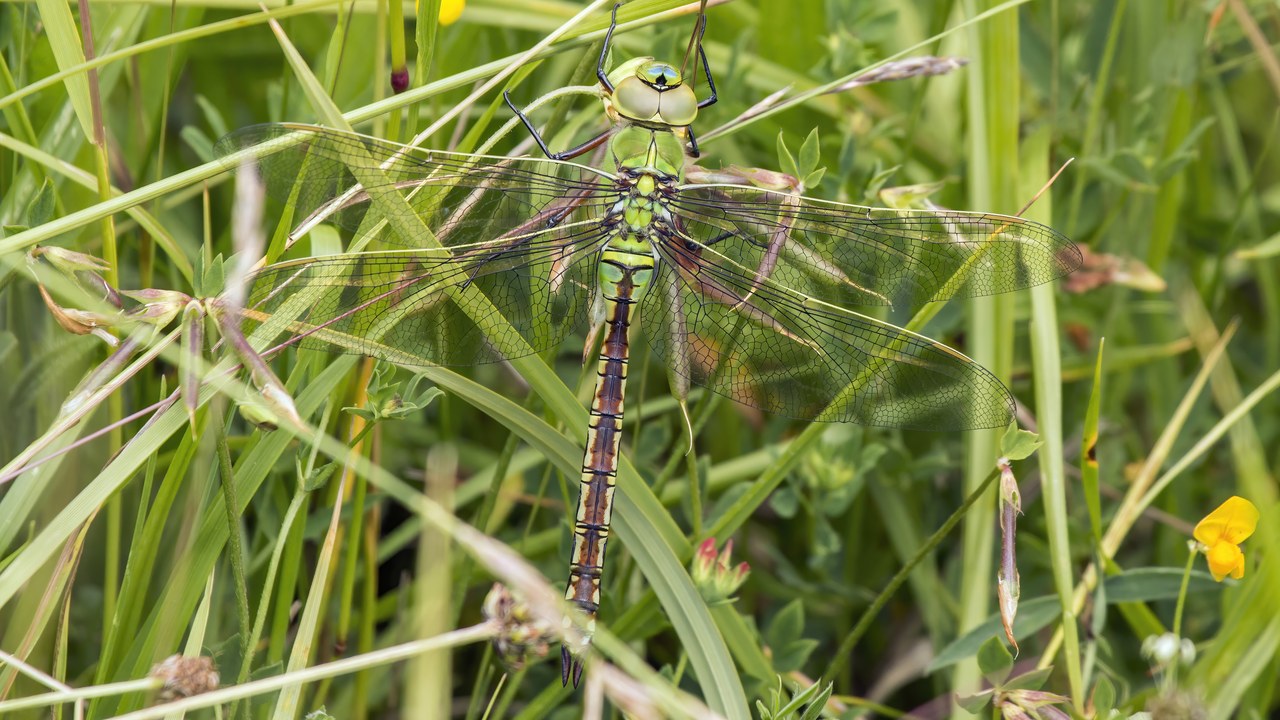
Dragonflies are ferocious aerobatic hunters renowned for enormous compound eyes, and Discover Wildlife says these give the acuity needed to seize prey in mid-air over open water. The eyes are built from thousands of ommatidia that resemble a honeycomb.
The Natural History Museum reports that some species have more than 28,000 lenses per compound eye, more than any other living creature, and nearly 360-degree vision. Discover Wildlife adds that some dragonflies can see colours humans cannot, such as ultraviolet.
13. Reindeer: Seeing Ultraviolet in the Snow
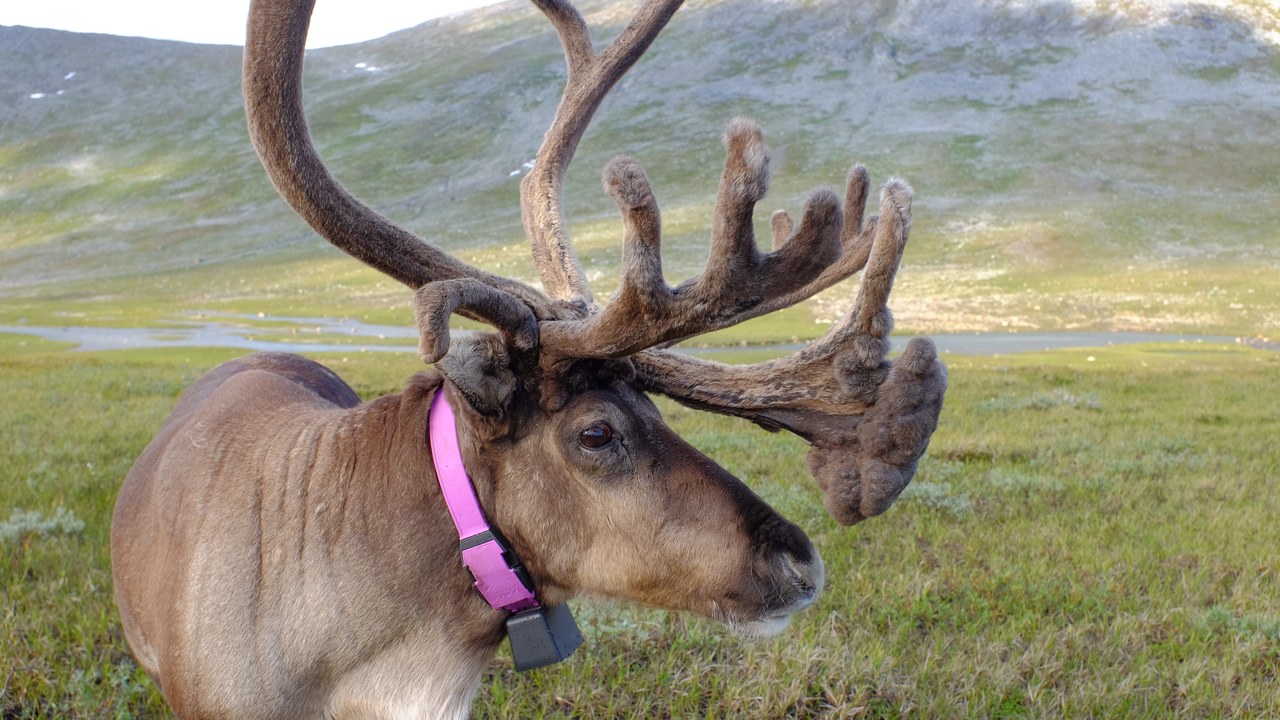
Unlike humans, Arctic reindeer can see ultraviolet light, reports Discover Wildlife. Veterinary eye expert Chris Dixon is quoted saying that UV light, reflected vividly by snow, makes camouflaged objects stand out against the wintry backdrop.
The Natural History Museum adds that reindeer eyes change colour with the seasons, from gold in summer to blue in winter, helping the animals make the most of changing light levels in their extreme habitat.
More from Morning Overview
- GM’s big V8 trucks keep blowing engines after the recall fix, and NHTSA is digging deeper
- Up to 5 feet of snow is burying Donner Pass, and forecasters warn against Sierra travel
- Tesla’s Cybercab has already crashed 8 times, and the worst one came at highway speed
- A Cirrus SR22 declared an emergency a minute after departure clearance, its parachute still bagged
