
Of the roughly 3,900 snake species on Earth, only about 250 can kill a human with a single bite. Some earn their place through raw venom strength, others through sheer numbers of encounters with people. These fourteen species carry venom potent enough to end a human life.
Read next on Morning Overview: The FCC cut eight phone companies off the network for ignoring robocall traces
1. Inland taipan: The Most Toxic Venom on Land
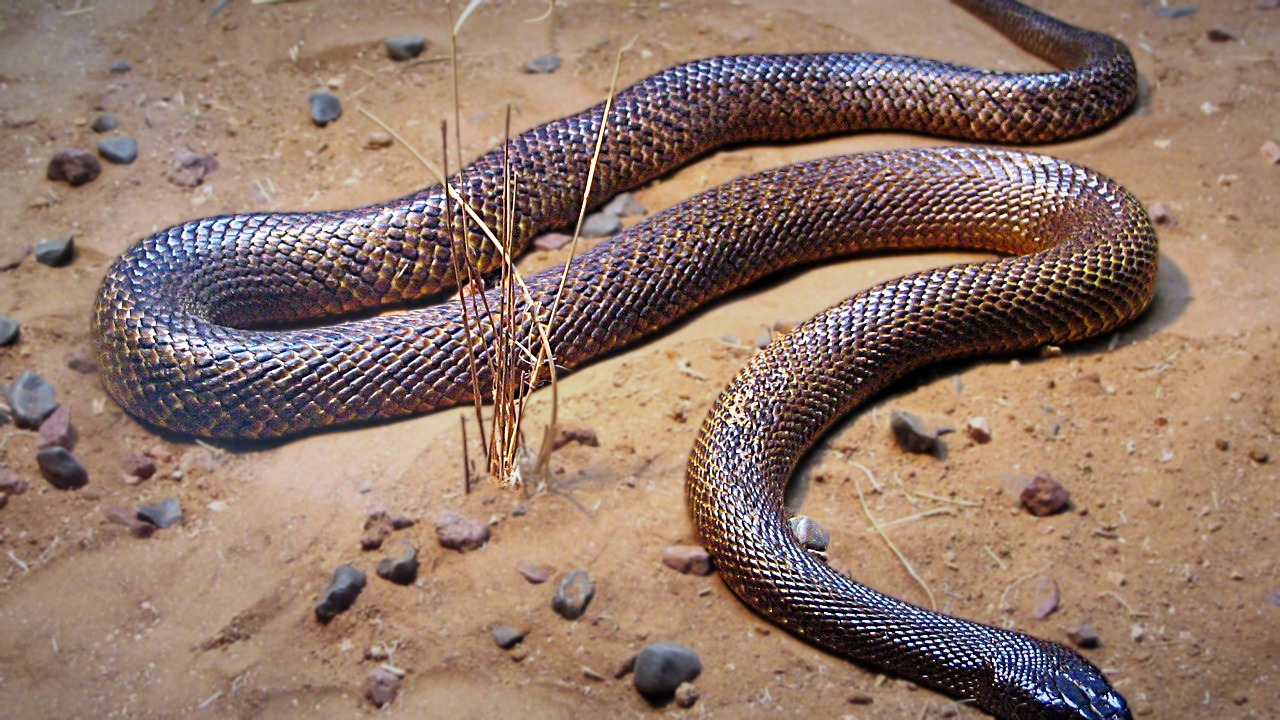
No land snake carries more toxic venom than the inland taipan. As Discover Wildlife explains, a single bite is estimated to hold enough venom to kill at least 100 adult humans.
The snake lives in the semi-arid interior of central east Australia and specializes in hunting mammals, mainly rodents, so its venom evolved to kill warm-blooded prey fast. It is also notably shy and lives far from towns, which is why bites on people are extremely rare despite that fearsome potency.
2. Hook-nosed sea snake: The Ocean’s Deadliest Bite
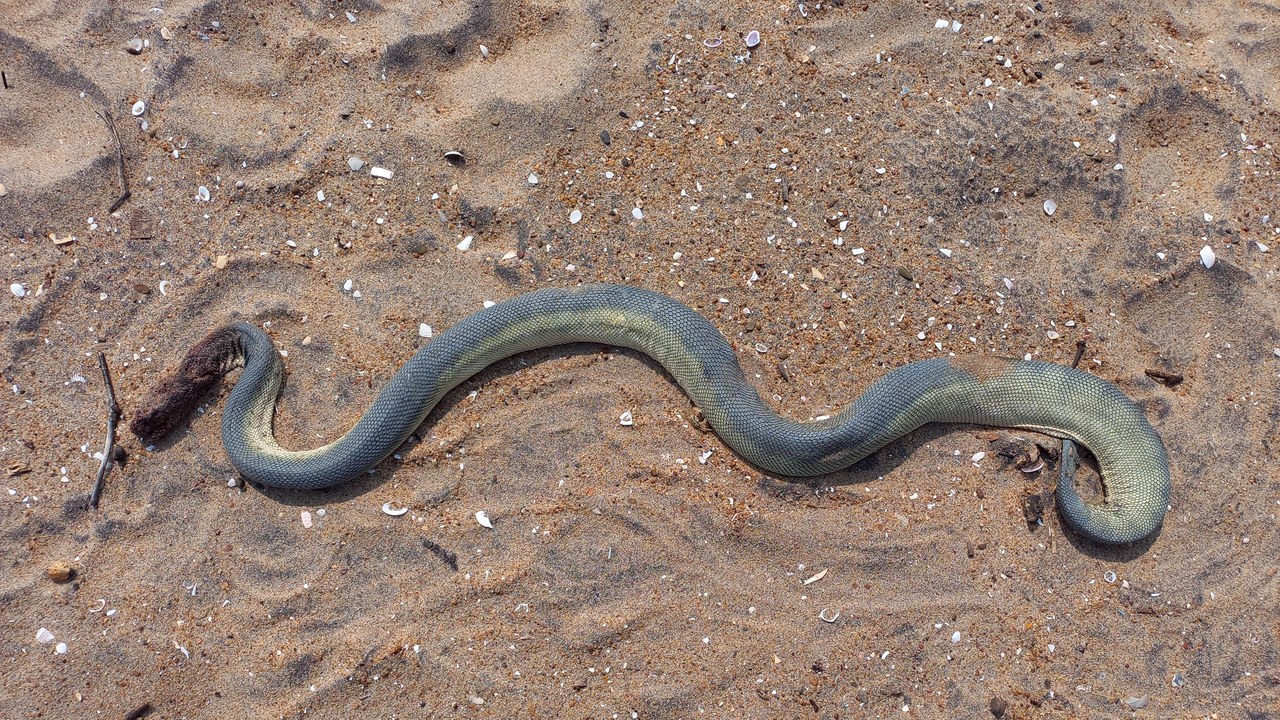
The hook-nosed sea snake ranks as the world’s most venomous snake in the list compiled by WorldAtlas, with a startling LD50 rating of 0.02 milligrams per kilogram. It swims along the coasts of the Indian Ocean and the Arabian Sea.
The species can dive to about 100 meters and has an infamous temper, especially in mating season. It mostly targets fish, and people tend to be bitten when a sick or injured snake washes up close to shore, so beachgoers in its range are wise to leave stranded sea snakes alone.
3. Eastern brown snake: Australia’s Top Killer
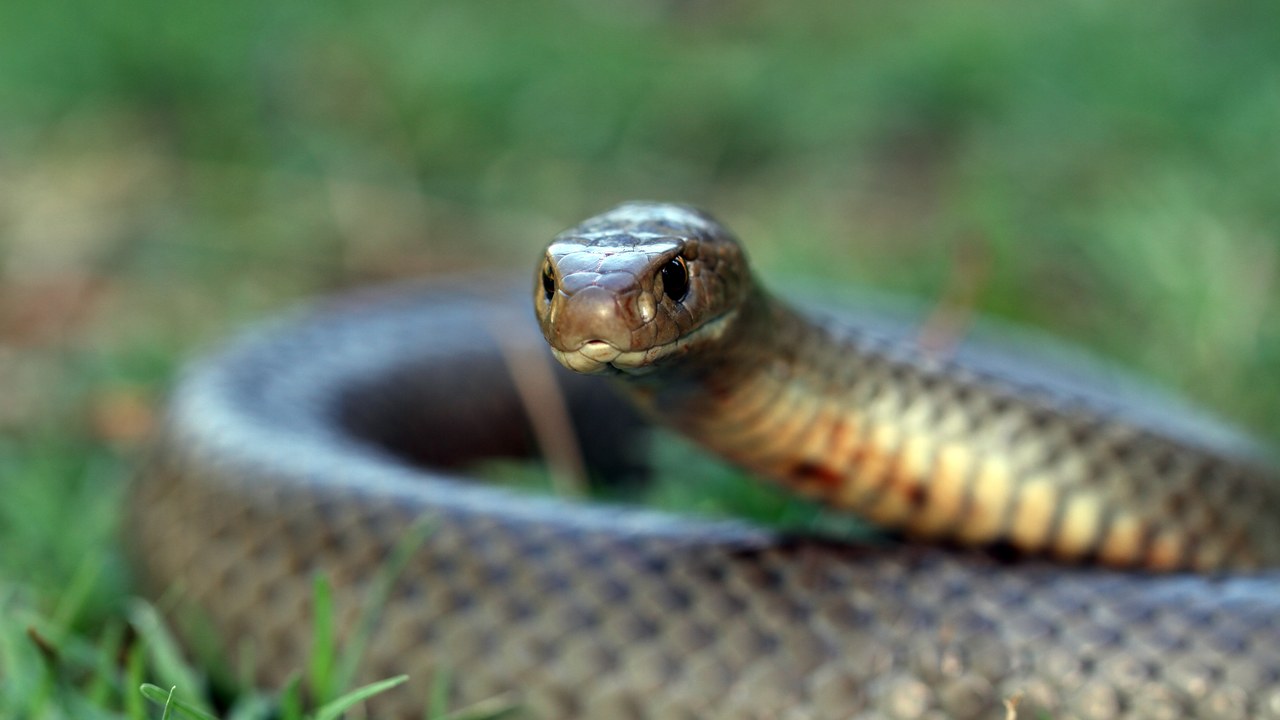
The eastern brown snake is responsible for the most snakebite deaths in Australia, according to A-Z Animals, which puts its share at about 60%. As little as 3 milligrams of its venom can kill an average adult.
The species often lives in densely populated areas, which raises the odds of meeting people. Its venom attacks the blood’s clotting factors, and size offers no comfort: a juvenile injects less venom than an adult, but still enough to be lethal.
4. Black mamba: Africa’s Most Feared
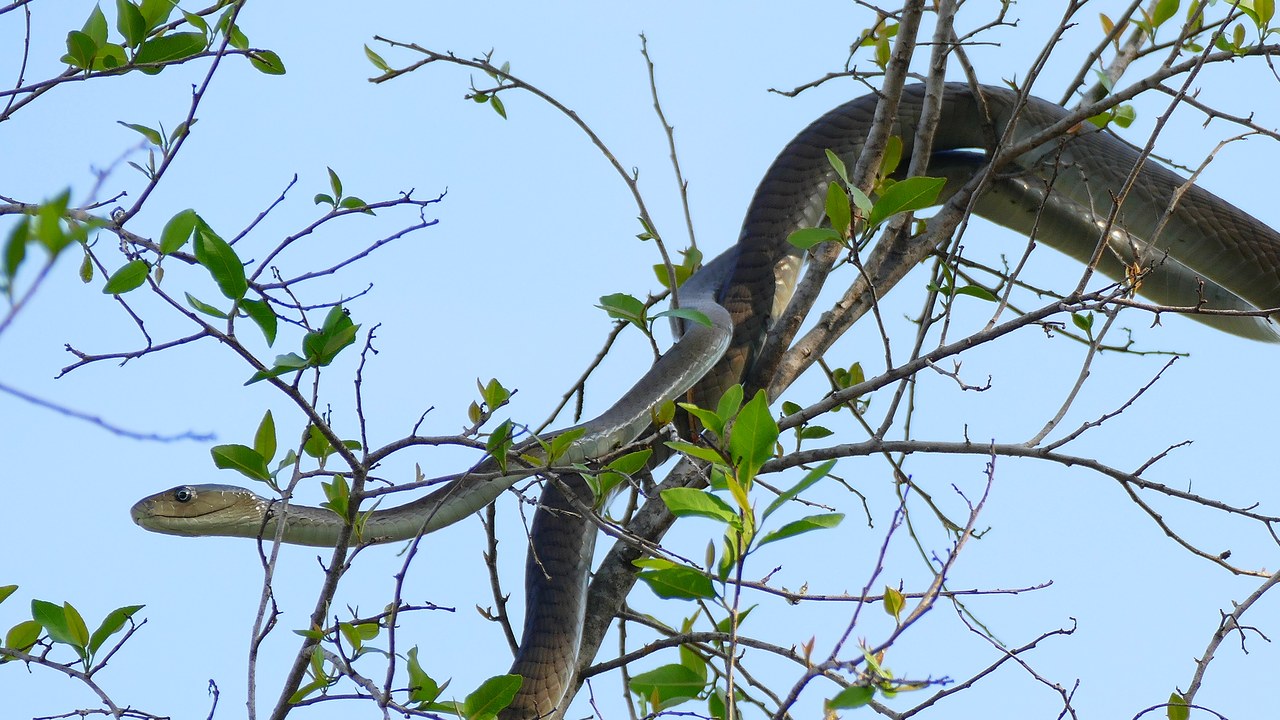
The black mamba injects between 100 and 400 milligrams of venom in a single bite, according to A-Z Animals, and untreated bites are close to 100% fatal.
It is among Africa’s longest venomous snakes, typically 8 to 10 feet long and occasionally reaching 14 feet. Black mambas can raise their bodies off the ground like a cobra and often bite more than once, snapping quickly before fleeing. That combination of speed, size and venom makes it one of the most feared animals on the continent.
5. Saw-scaled viper: The Snake That Kills the Most
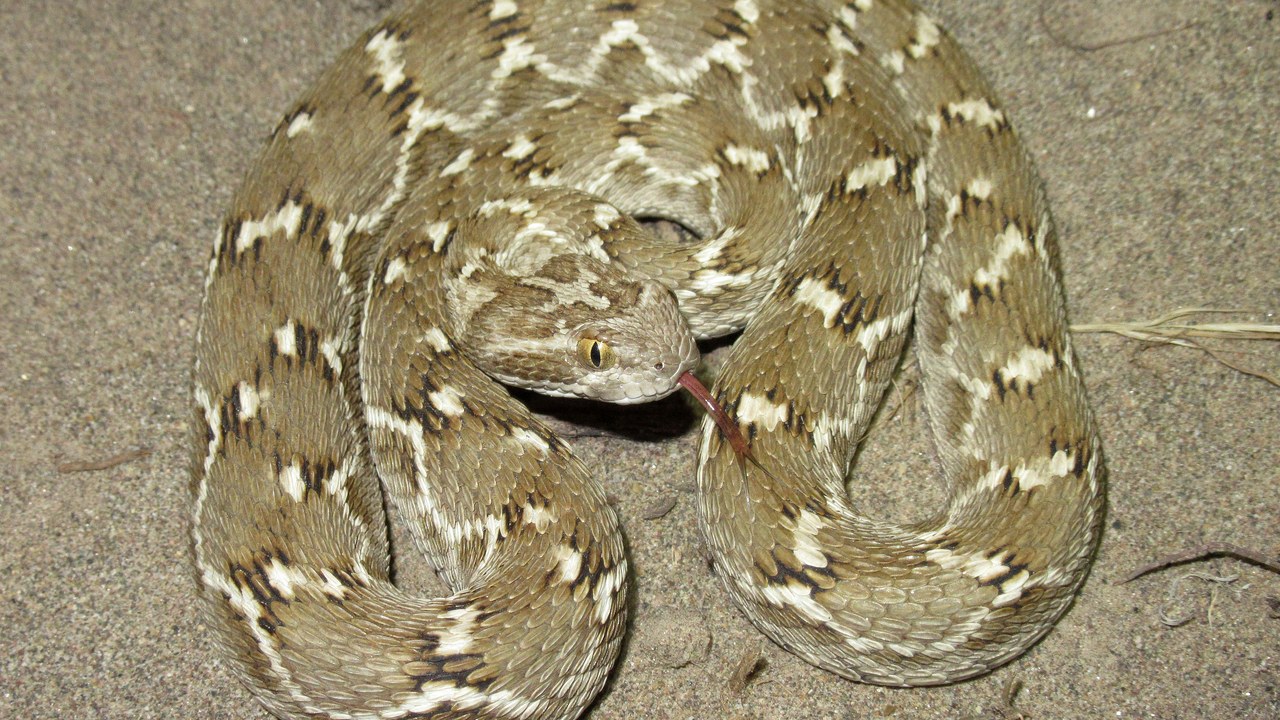
Measured by human deaths, the saw-scaled viper may be the deadliest snake in the world. Discover Wildlife reports it is thought to kill more people each year than any other species, including an estimated 5,000 in India alone.
Its venom is not the strongest on this list. What makes it so dangerous is its aggressive temperament and its presence in densely populated areas across the Middle East and central Asia, where farmers and villagers cross paths with it constantly.
6. Russell’s viper: India’s Biggest Biter
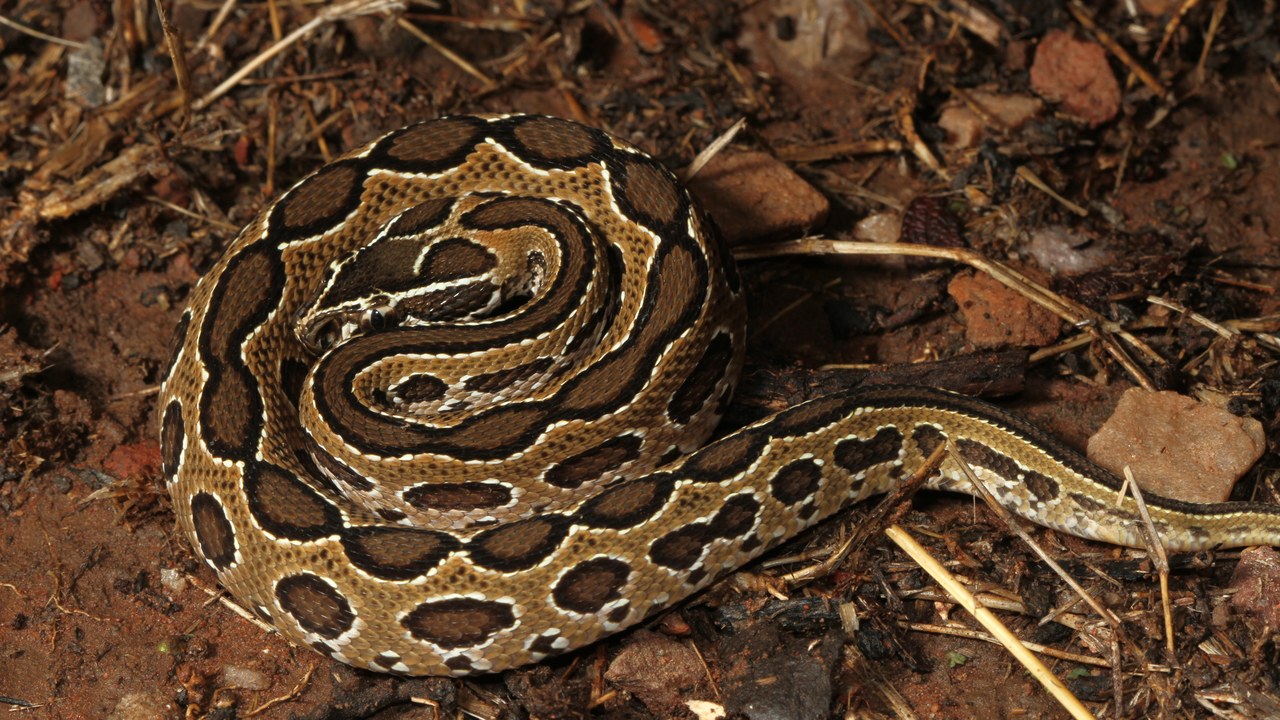
Russell’s viper is the most dangerous of India’s Big Four snakes. According to Discover Wildlife, it accounts for 43% of all snakebites in India, and its bite is among the most painful of any snake.
The Big Four, which also include the Indian cobra, the common krait and the saw-scaled viper, cause the most medically significant bites on the Indian subcontinent. One piece of good news: an antivenom has been developed that works against bites from all four species, and it has saved many lives.
7. King cobra: The Longest Venomous Snake
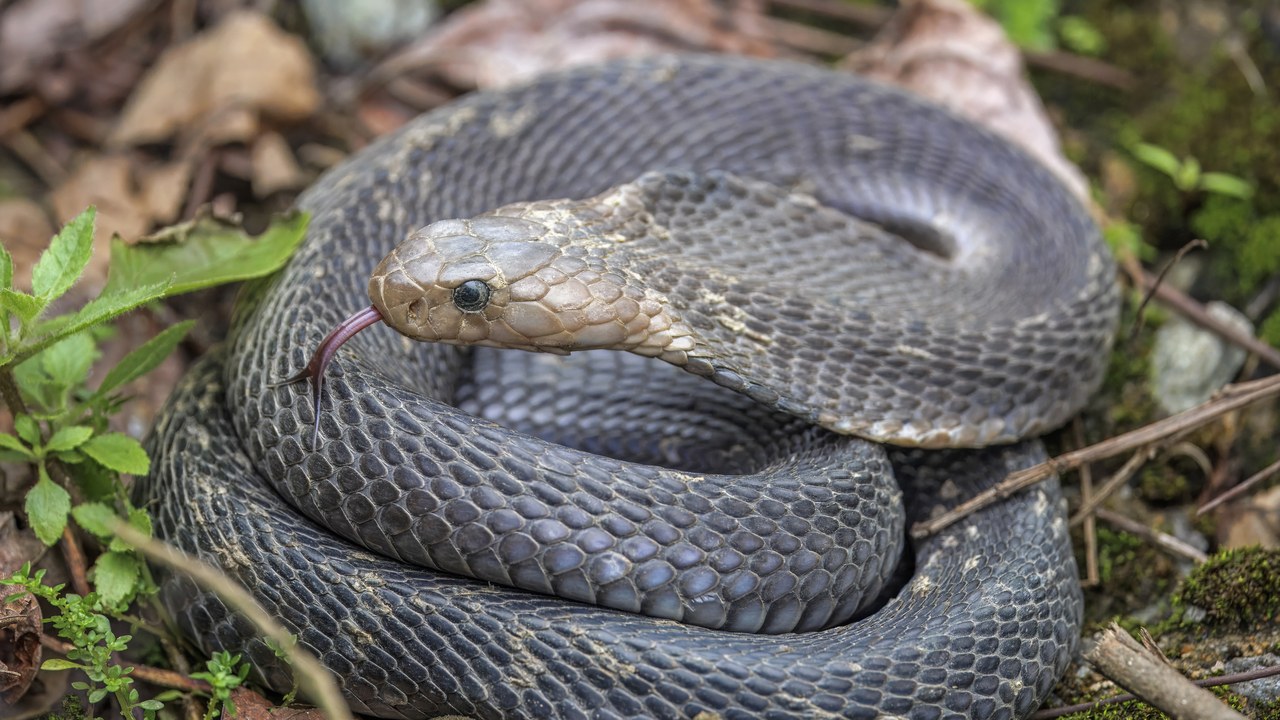
The king cobra injects an average of 350 to 600 milligrams of venom per bite, according to A-Z Animals. That dose is potent enough to kill about 20 people or a full-grown elephant.
Native to southern Asia, the king cobra usually reaches 10 to 13 feet and can grow to 18.5 feet, making it the longest venomous snake in the world. Research suggests its bite can kill a person in as little as 15 minutes, given the heavy load of neurotoxins it carries.
8. Boomslang: The Slow-Acting Killer
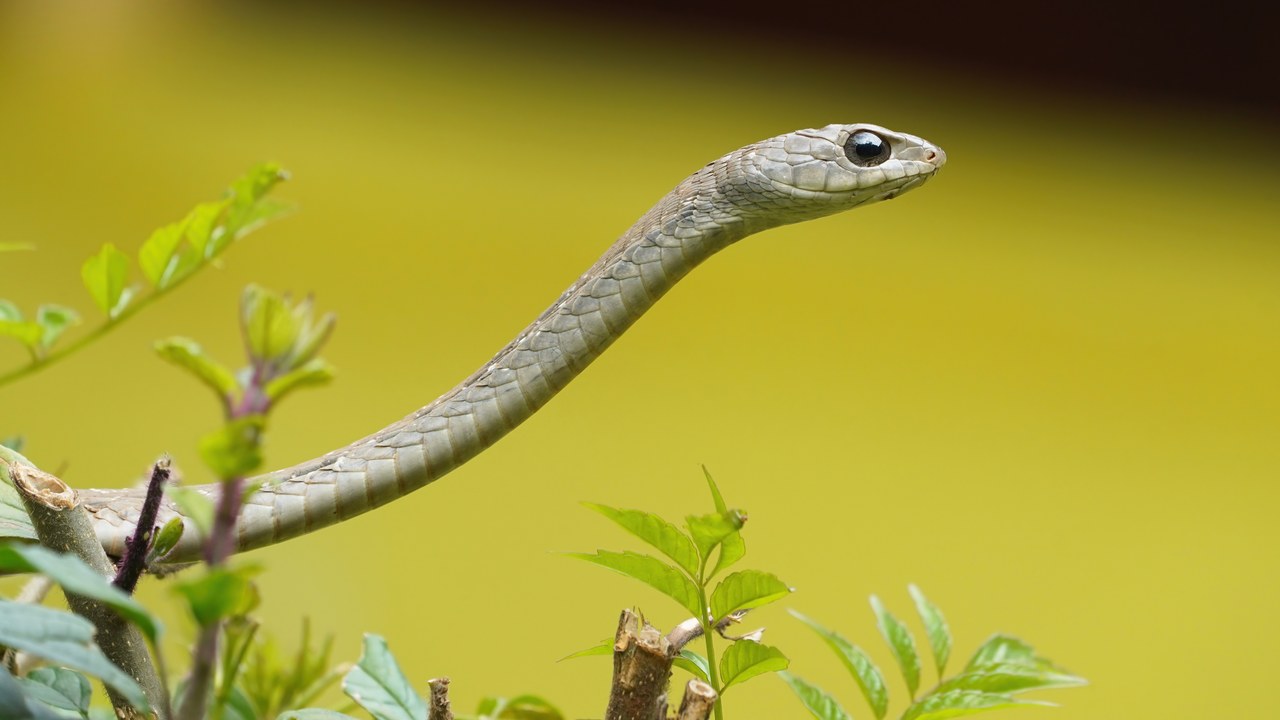
The boomslang delivers only 1 to 8 milligrams of venom per bite, but A-Z Animals notes its venom is so potent that the bite is still deadly. Symptoms are slow to appear, so victims can believe they escaped harm.
This tree-dwelling snake lives across much of Africa, including Botswana, Namibia, Mozambique and Zimbabwe. Once symptoms appear, it is often too late: the venom stops blood from clotting, causing internal bleeding in vital organs. That delay is what makes a bite from this slender tree snake so treacherous.
9. Common krait: The Night Visitor
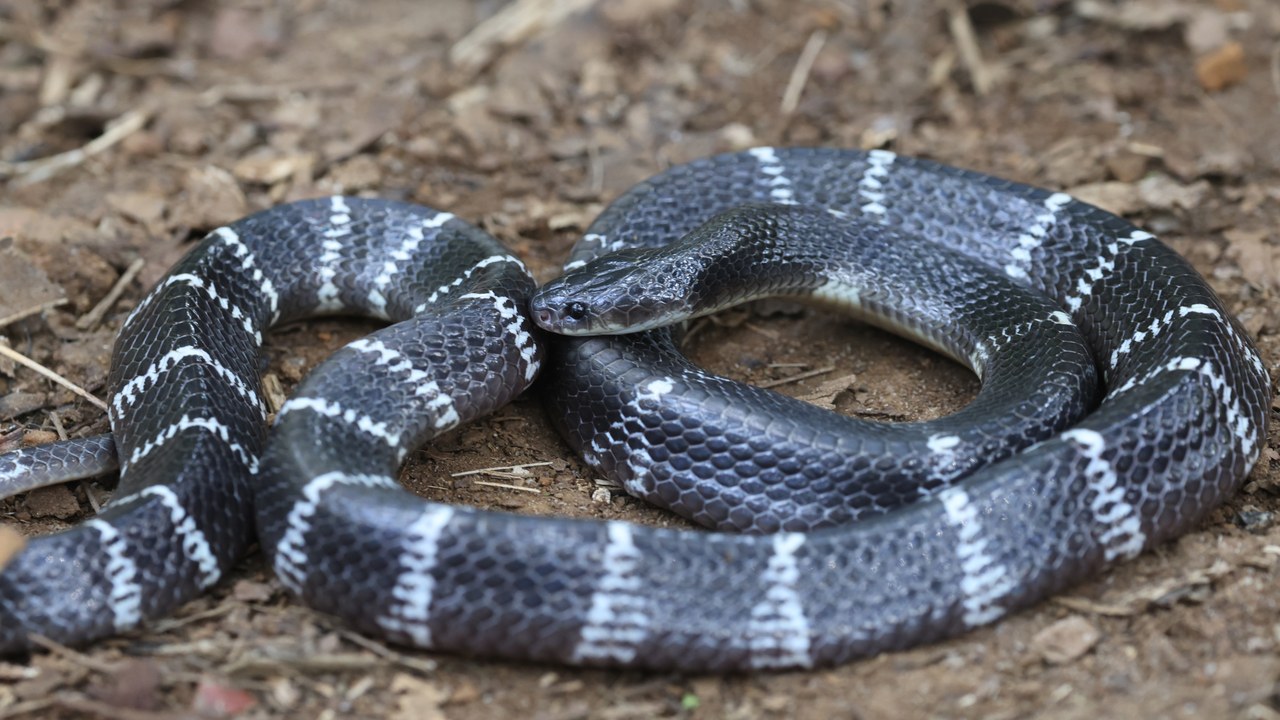
The common krait is responsible for many snakebite deaths in India and rounds out the top ten in the venom ranking from WorldAtlas, with an LD50 rating of 0.09 milligrams per kilogram.
Found across the Indian subcontinent, often near water, the krait has an unfortunate habit of slipping into homes at night. Without treatment, 70% to 80% of victims are expected to die, and even with antivenom the figure only improves to about 50%.
10. Indian cobra: The Snake Charmer’s Cobra
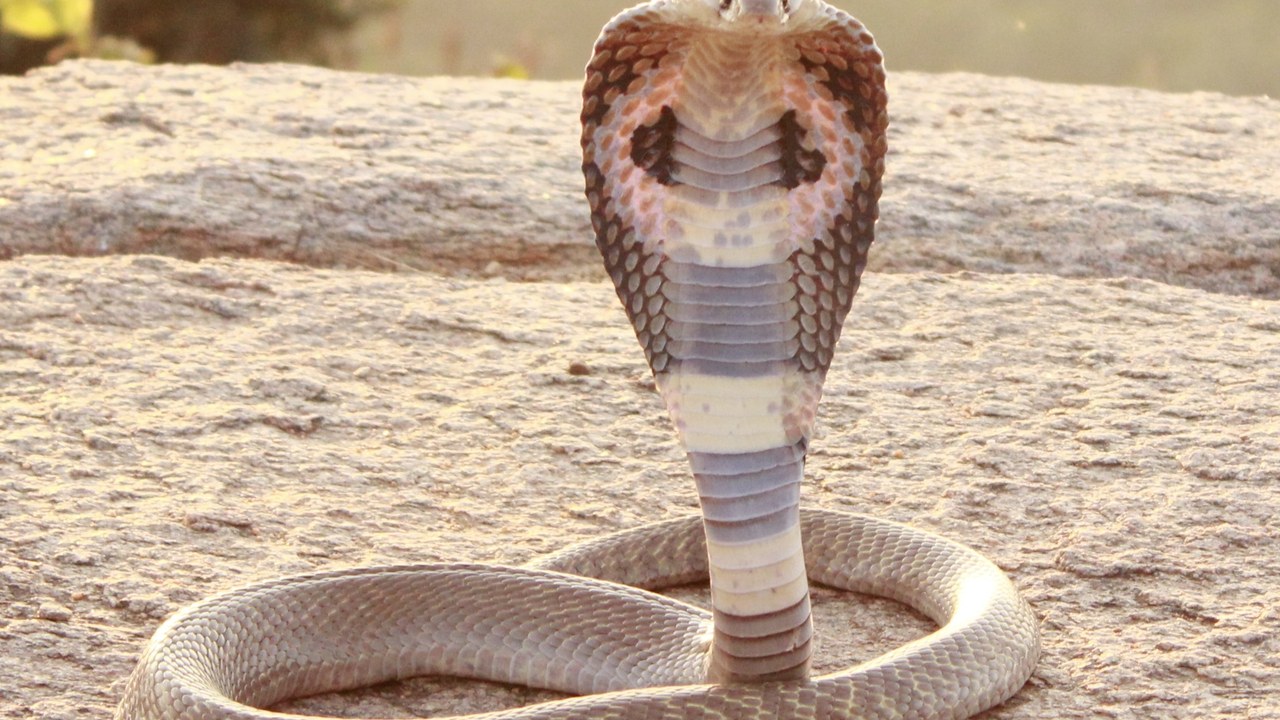
Perhaps the most iconic deadly snake is the Indian cobra, a member of India’s Big Four. As Discover Wildlife notes, it tends to hunt rodents in populated areas, so encounters with people are frequent.
The cobra holds a special place in Hindu culture and folklore, and it is the species most often seen with snake charmers. It is respected and revered as well as feared, but a bite from an adult can kill, which makes those frequent run-ins with villagers a serious public health problem.
11. Puff adder: Africa’s Top Killer
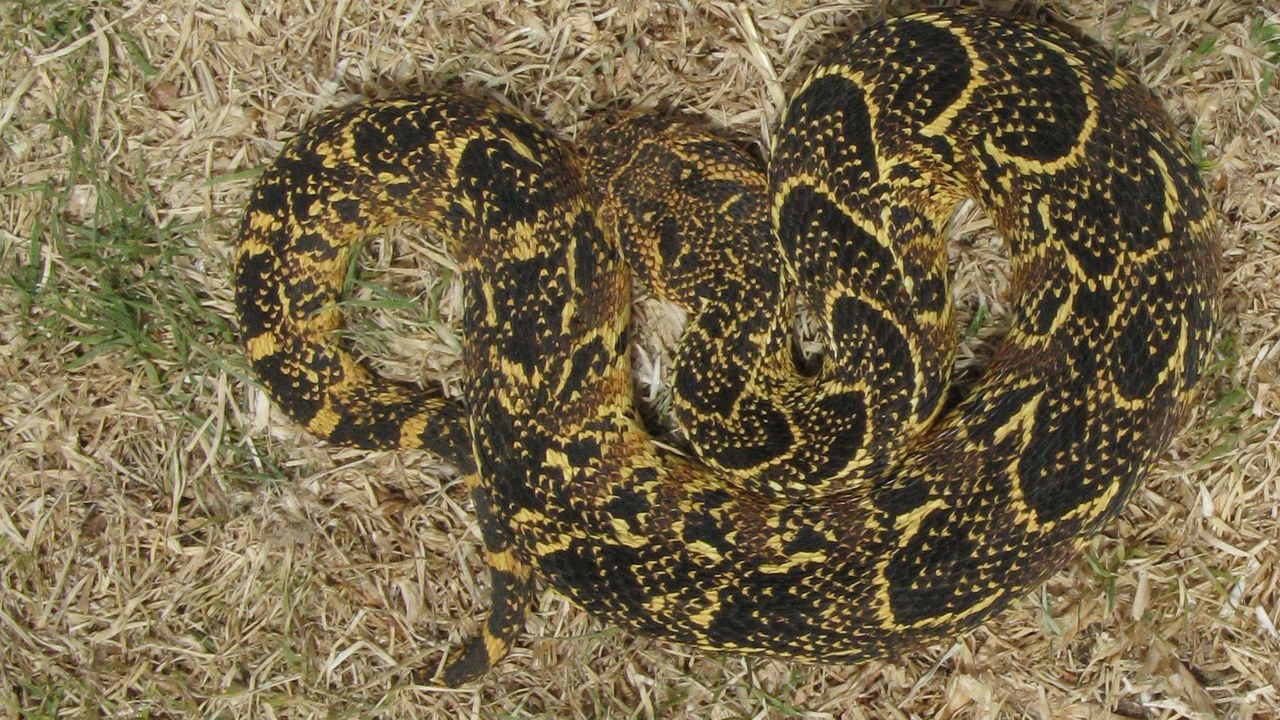
The puff adder is responsible for more deaths than any other African snake, according to Discover Wildlife. When threatened, it is more likely to stay put than flee, which makes it especially dangerous.
This large viper also has a habit of basking on footpaths, where people can step on it. Before striking, it gives a chilling warning by inflating its body and hissing loudly. The untreated death rate is fairly low, around 15%, but serious bites can cause spreading tissue damage that costs victims fingers or limbs.
12. Fer-de-lance: The Americas’ Danger
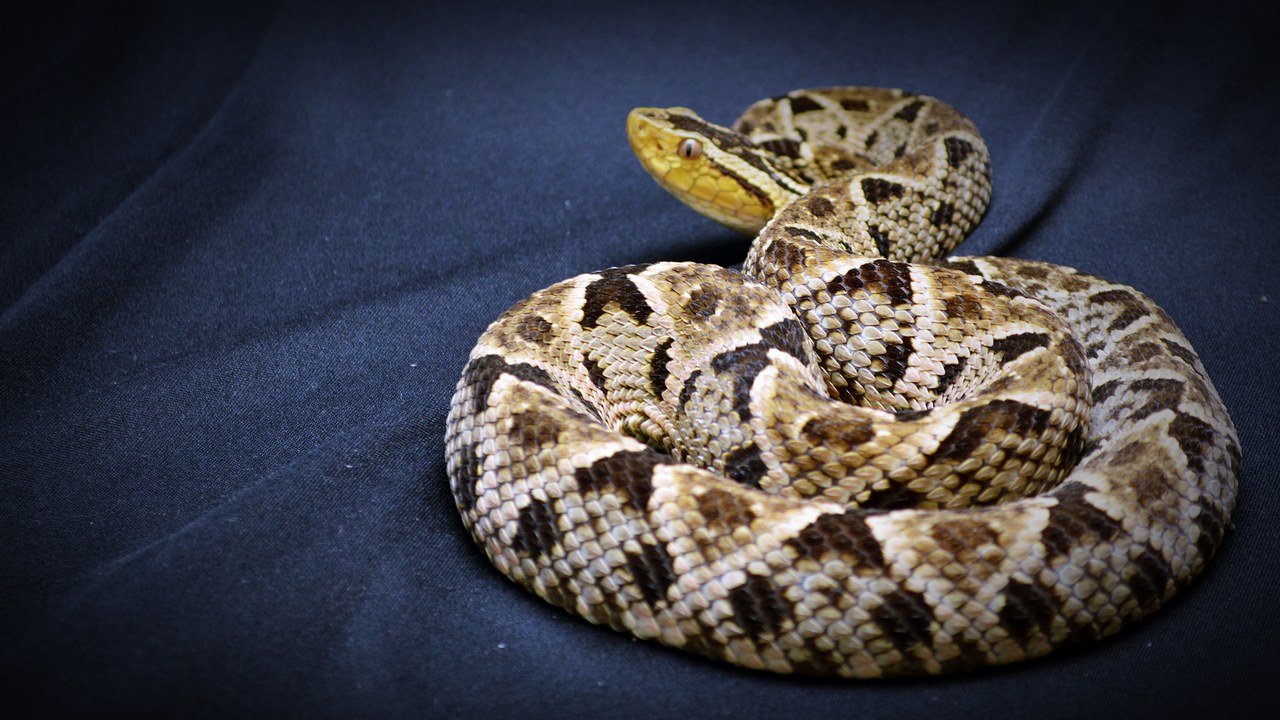
The fer-de-lance is one of the most dangerous pit vipers in the world. A-Z Animals reports it reaches up to 8 feet long and delivers an average of 100 to 450 milligrams of venom per bite.
Found from Mexico through Central America and into South America, it is considered one of the most dangerous snakes in the Americas because it lives close to people. Even when a bite is not fatal, its tissue-destroying venom can leave survivors with long-term disabilities or amputations, though antivenom sharply lowers the risk of death.
13. Tiger rattlesnake: America’s Most Potent Rattler
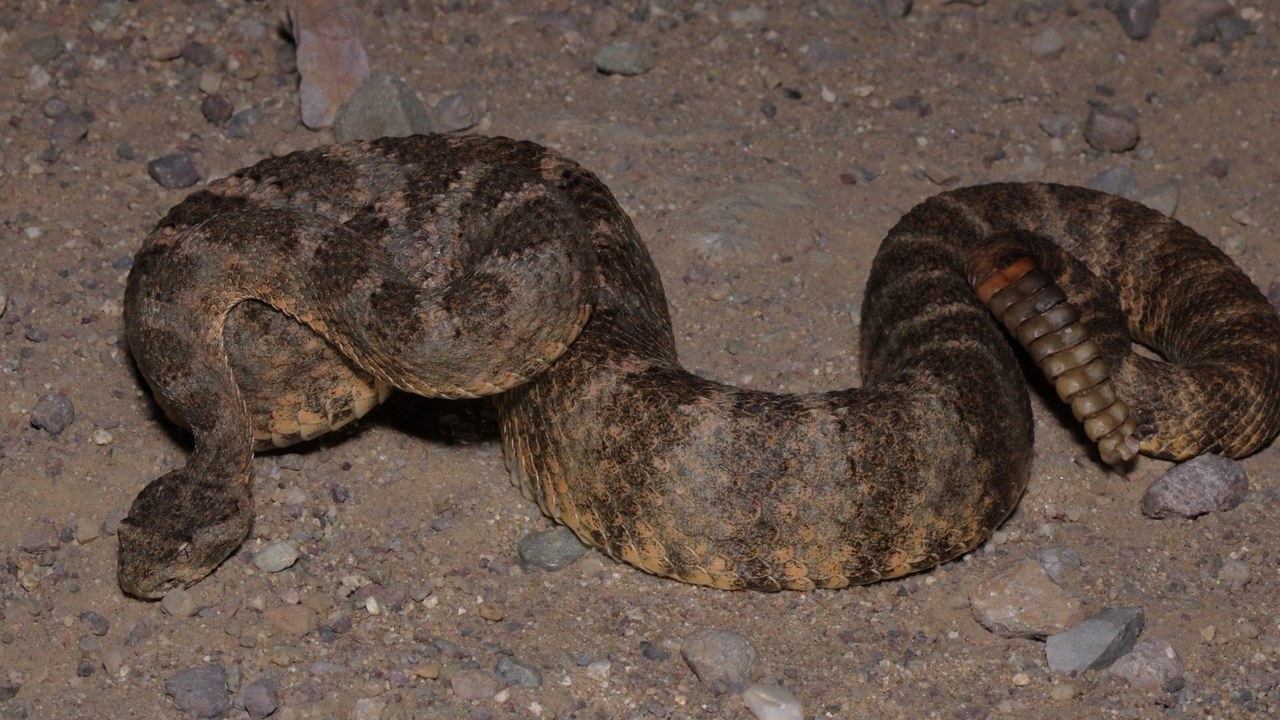
The tiger rattlesnake lives near the Gulf of California, in south-central Arizona and in the Mexican state of Sonora. WorldAtlas lists its venom LD50 at 0.06 milligrams per kilogram, among the ten strongest in the world.
This subtly striped rattlesnake is a solitary creature that prefers to blend into the desert landscape, but it is excitable and strikes with a vengeance when provoked. That makes it one of the most serious snakes in the Western Hemisphere, despite its small size and small venom yield.
14. Yellow-bellied sea snake: The Open-Ocean Swimmer
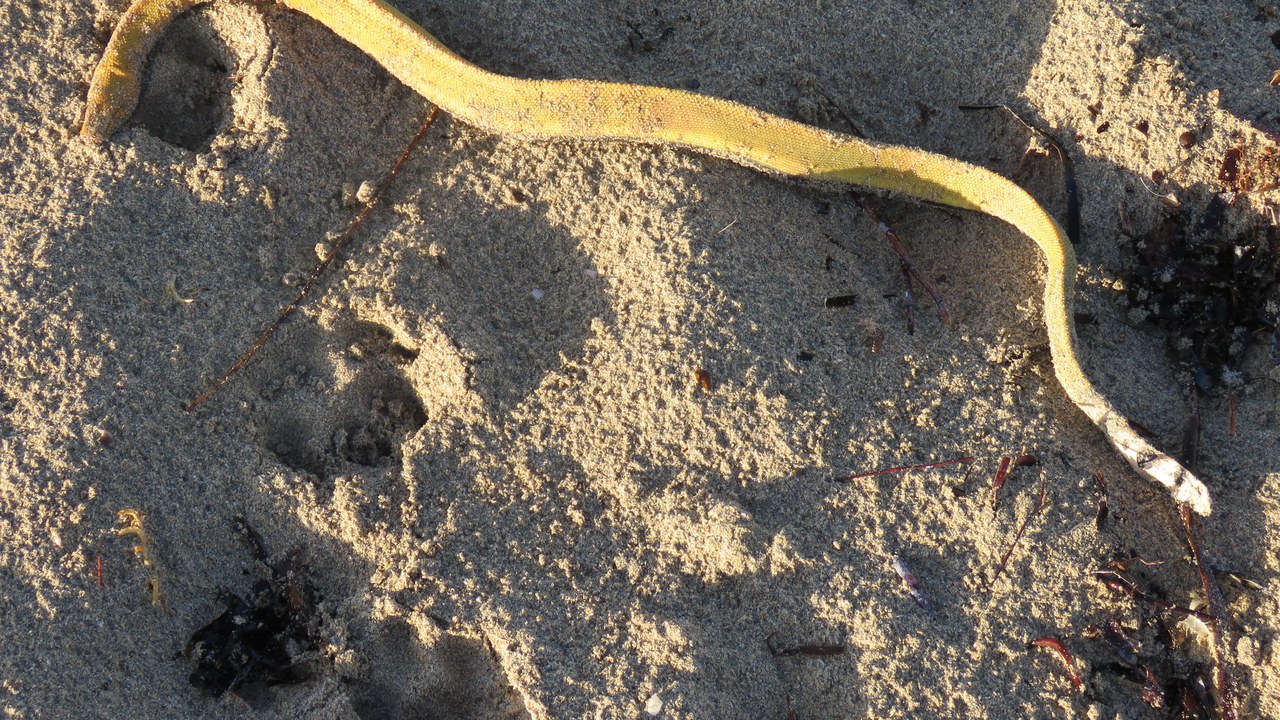
The yellow-bellied sea snake can live in the water full-time and never needs to come ashore. WorldAtlas puts its venom at an LD50 of 0.07 milligrams per kilogram, good for a place in the top ten.
Its bold coloring makes it instantly recognizable, and it ranges far out into the Pacific and Indian Oceans. To feed, it often lies motionless near the surface and waits for fish to approach. It has small fangs and injects little venom, and people are usually bitten only when a sick or injured snake washes in close to shore.
More from Morning Overview
- The Air Force says its $16.1 billion jet engine deal with 58 companies was posted by mistake
- FAA proposes $2,388,500 fine against Stratus Aviation over an allegedly unairworthy Cessna
- Ukraine says drones hit a Kalibr missile ship in Russia’s Baltic Fleet
- The Honda Pilot has quietly overtaken every model in blown-engine complaints
