
Some of the planet’s most remarkable caves are remembered for superlatives, from the longest mapped passages to the largest chambers and the biggest musical instrument hidden in rock. Others earn their fame through ice, basalt or underground rivers rather than raw measurements. Here are eleven caves that hold notable records or titles beneath the surface.
Read next on Morning Overview: Hidden card skimmers on gas pumps and ATMs can be exposed with one quick shake
1. Mammoth Cave National Park: Longest Known Cave
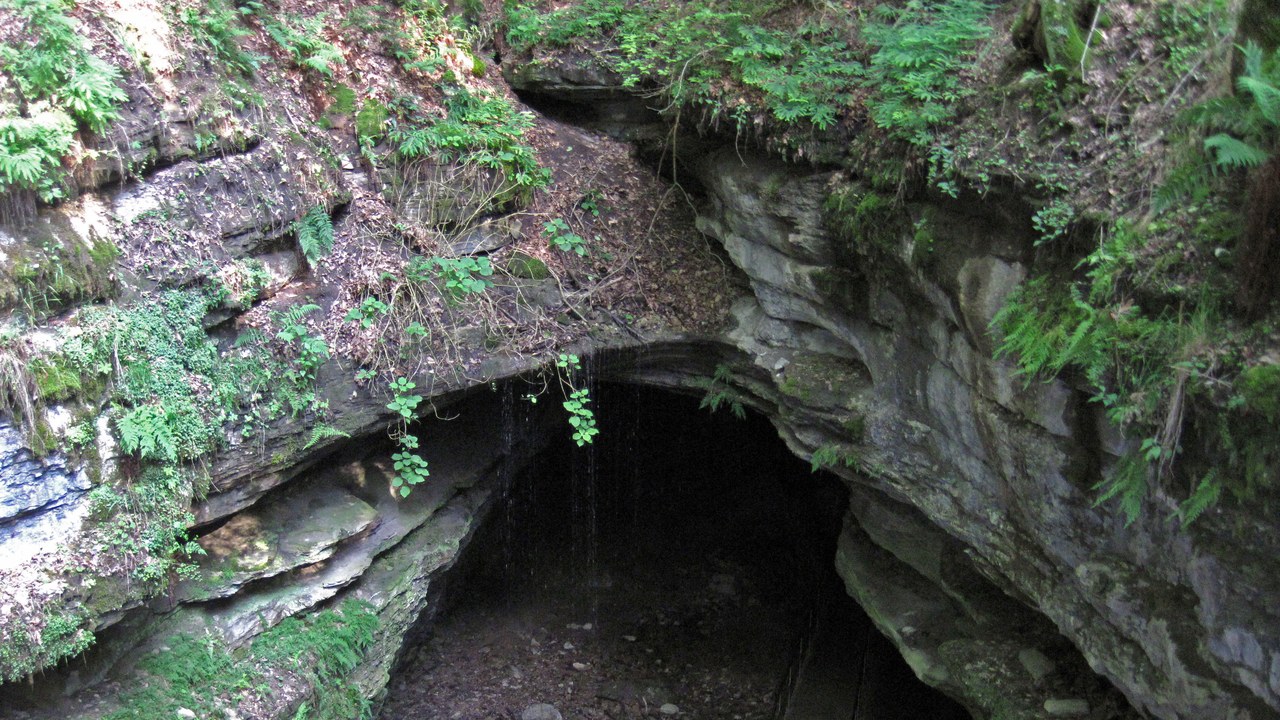
Kentucky’s Mammoth Cave holds the title of the world’s longest known cave, and the National Park Service now counts official length of 420 miles after an 8-mile addition in 2021.
Surveyed passage is a moving figure, since new miles are added whenever cavers connect fresh sections. Visitors walking the tourist routes see only a small slice of a labyrinth that continues far beyond the lantern-lit trails, and the official total reflects mapping work rather than a fixed measurement.
2. Carlsbad Caverns National Park: Biggest Room
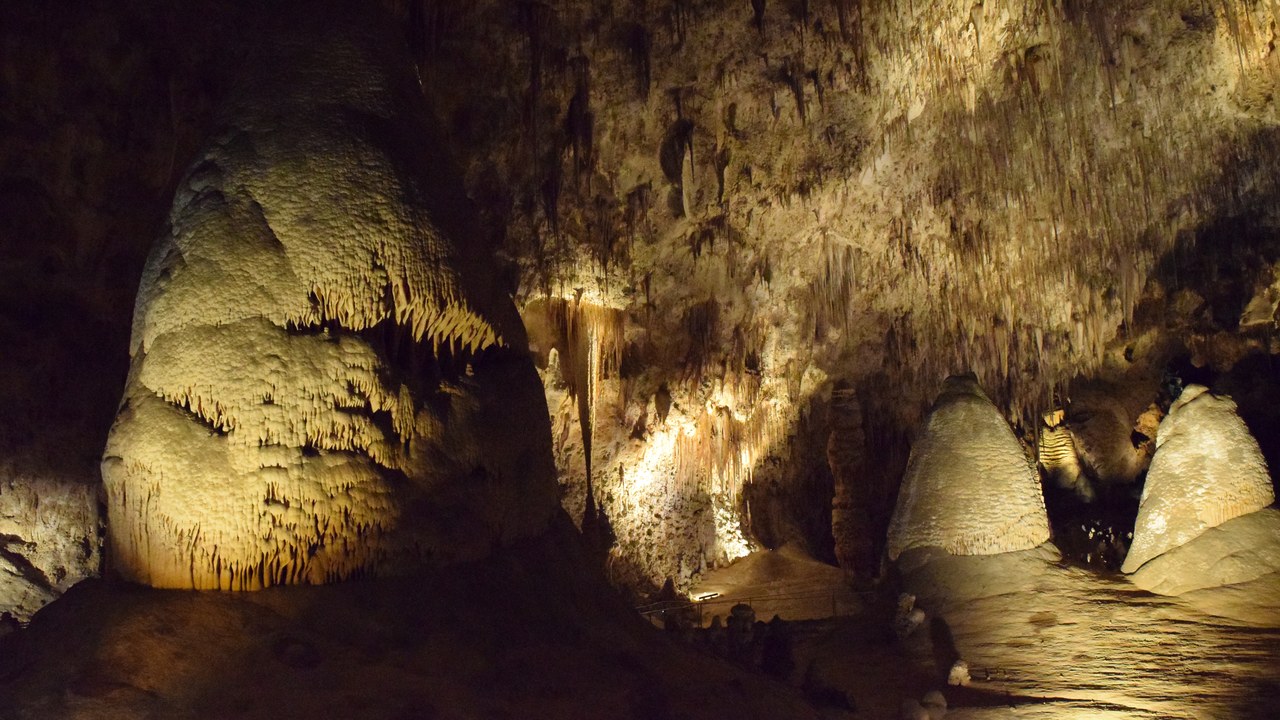
The Big Room at Carlsbad Caverns covers 8.2 acres, and the park service describes it as the largest, readily accessible cave chamber in North America.
That label carries a built-in condition, since only chambers that visitors can reach without special caving gear qualify. Larger rooms exist elsewhere underground, but this one stands out because ordinary tourists can walk its full loop, and the sheer scale tends to surprise first-time visitors entering from the desert above.
3. Eisriesenwelt: Ice Giant
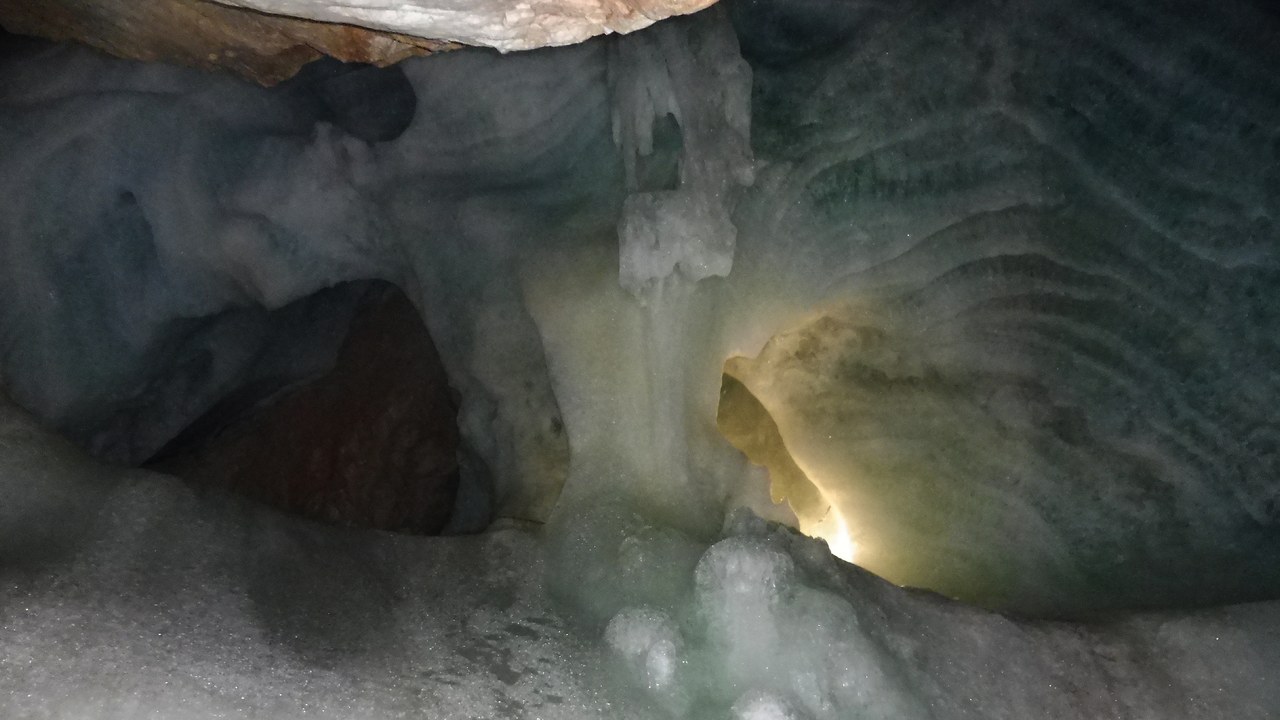
Austria’s Eisriesenwelt is billed as the largest ice cave, and a Fodor’s roundup of the world’s most awe-inspiring caves notes that the tour involves about 1,400 steps.
The ice formations inside are not static, and the cave keeps changing as the seasons shift. Anyone planning a visit should expect a long climb and cold air even in summer, because the route runs through frozen passages rather than a level, heated walkway.
4. Fingal’s Cave: Basalt Cathedral
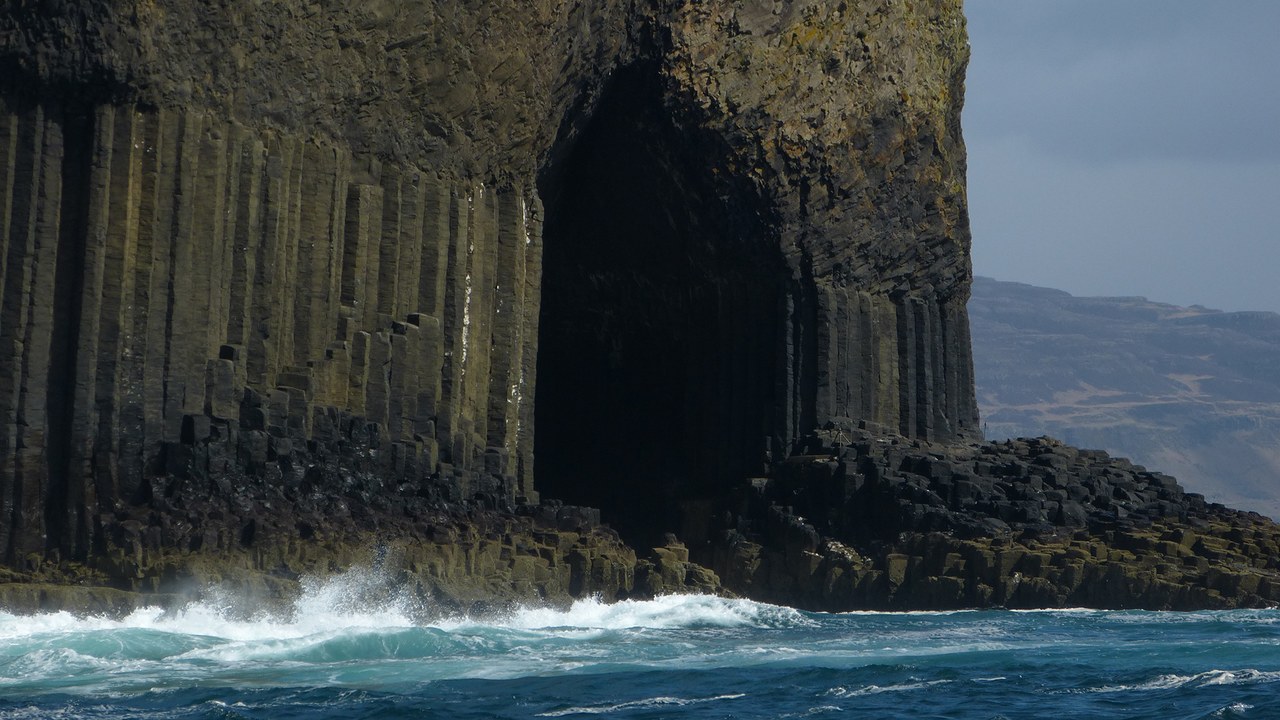
On the Scottish island of Staffa, Fingal’s Cave is lined with hexagonal basalt columns that rise more than 40 feet, and a travel guide describes how imposing, impressively neat hexagonal columns compose the entrance.
The sea-washed cavern famously inspired the composer Mendelssohn, which helped turn a remote island formation into a landmark. Its appeal comes from geometry rather than size, as the near-perfect columns look almost carved even though they formed naturally from cooling lava.
5. Škocjan Caves: Towering Chambers
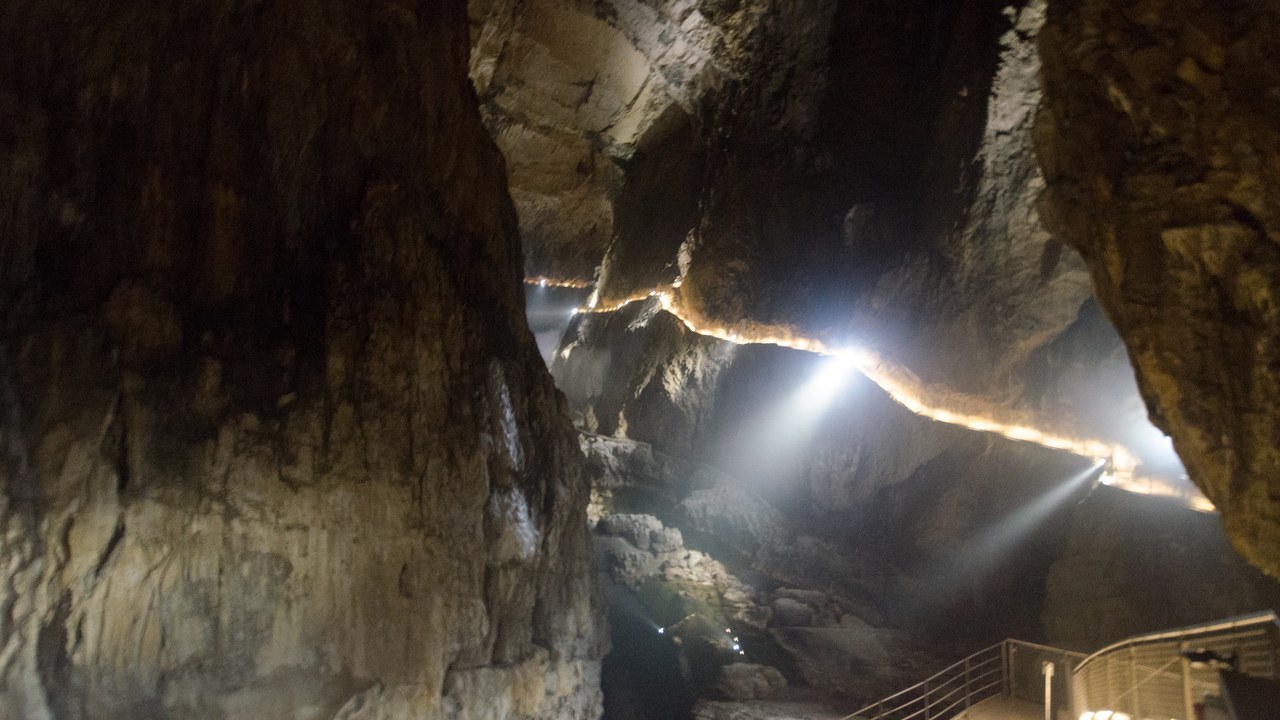
Slovenia’s Škocjan Caves form an underground system in which, according to a travel roundup, some underground chambers rise more than 100 meters.
The same source mixes different kinds of measurements across its cave list, so the figure is best read as a sense of scale rather than a strict record. Even so, chambers of that height make the system one of the more dramatic karst landscapes in Europe, and the underground scenery is a large part of why travelers seek it out.
6. Jeita Grotto: Lebanese Wonder
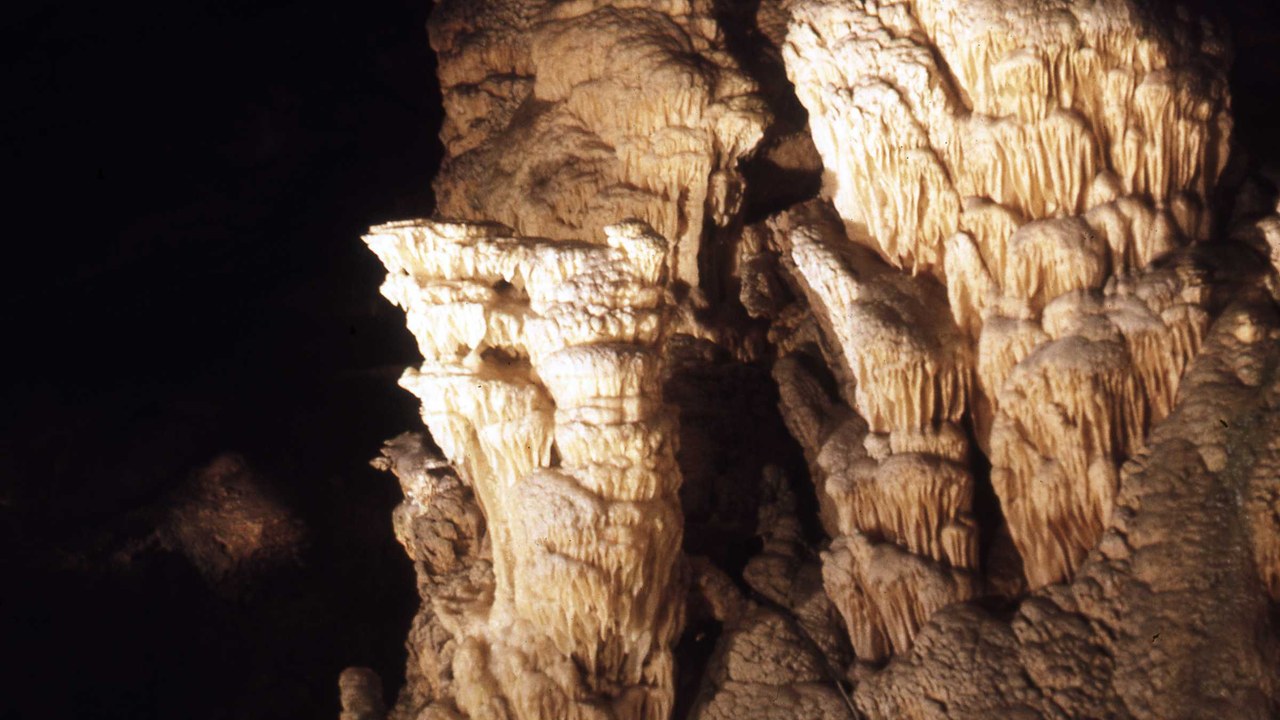
Lebanon’s Jeita Grotto is described by a travel guide as a cave with over 9 kilometers (5.6 miles) of passages and galleries.
Figures for show caves often blend upper and lower galleries, so the total is a general indicator of size rather than a precisely audited record. The grotto remains one of the best-known natural attractions in the country, and its scale helps explain why it draws so many sightseers.
7. Marble Caves: Marble Maze
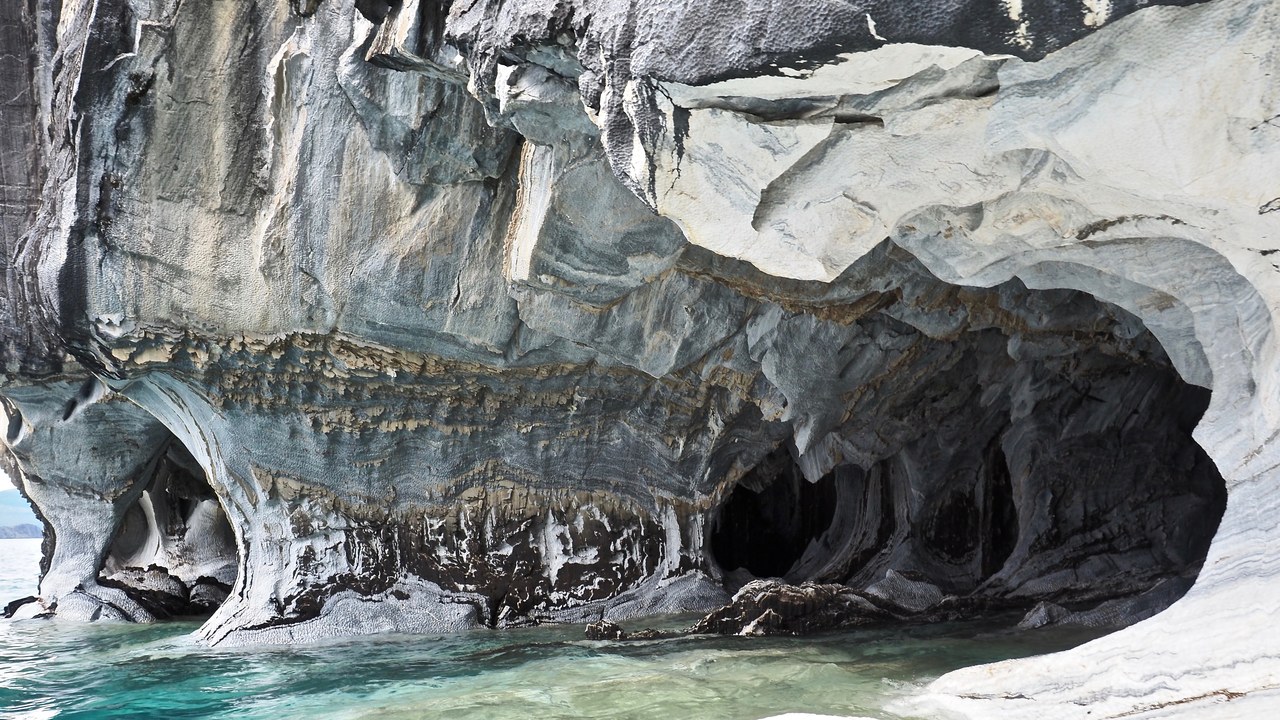
Chile’s Marble Caves are sculpted into marble, and Fodor’s notes they are accessible only by boat, with a 30-minute tour through the formations.
The boat-only access shapes the whole experience, since water level and weather decide when trips can run. Travelers should plan around conditions on the lake rather than assume a fixed schedule, and the short tour leaves most of its time for looking closely at the smooth, swirling rock surfaces along the water.
8. Phong Nha-Kẻ Bàng National Park: Son Doong Country
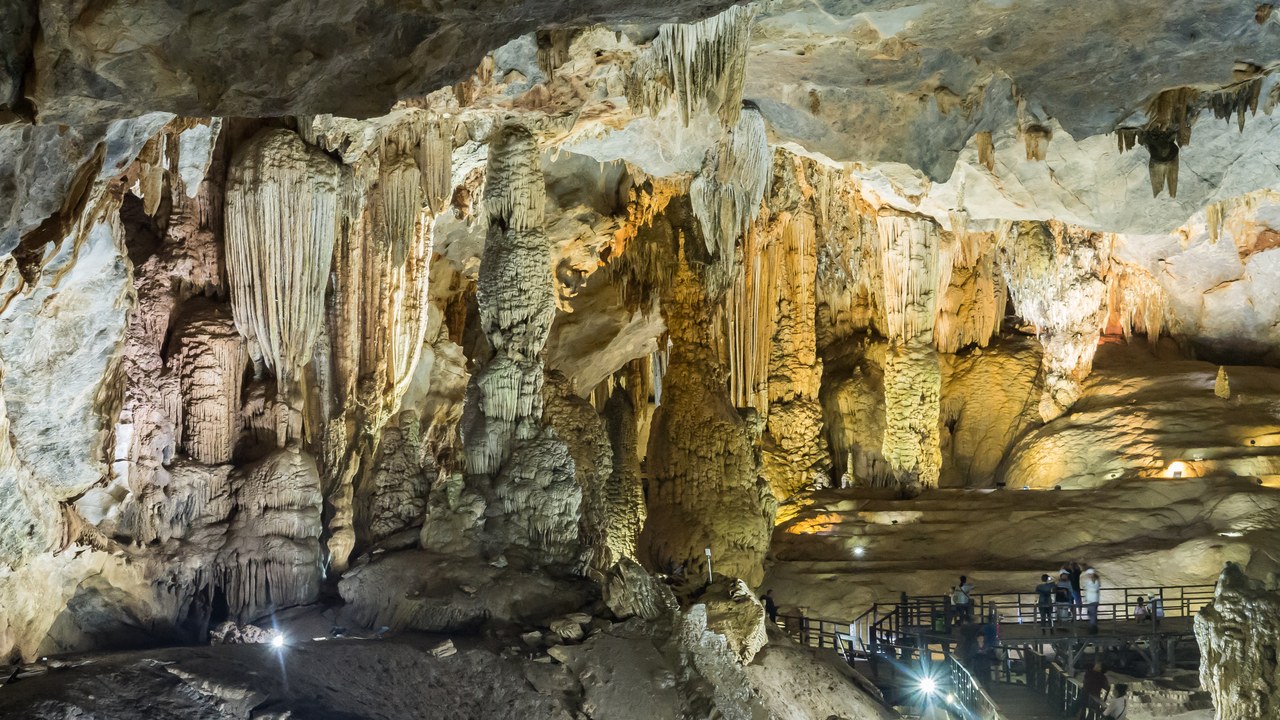
Phong Nha-Kẻ Bàng National Park in Vietnam is home to Son Doong, and Fodor’s describes over 5.5 miles of tunnels and chambers, a jungle, a river and ceilings high enough to fit a 40-story skyscraper.
Those details give a sense of why the cave gets billed as a giant, though the claim comes from a travel article and not a survey. Visiting is a serious expedition rather than a casual outing, because the cave sits deep within a protected park.
9. Luray Caverns: Musical Cave
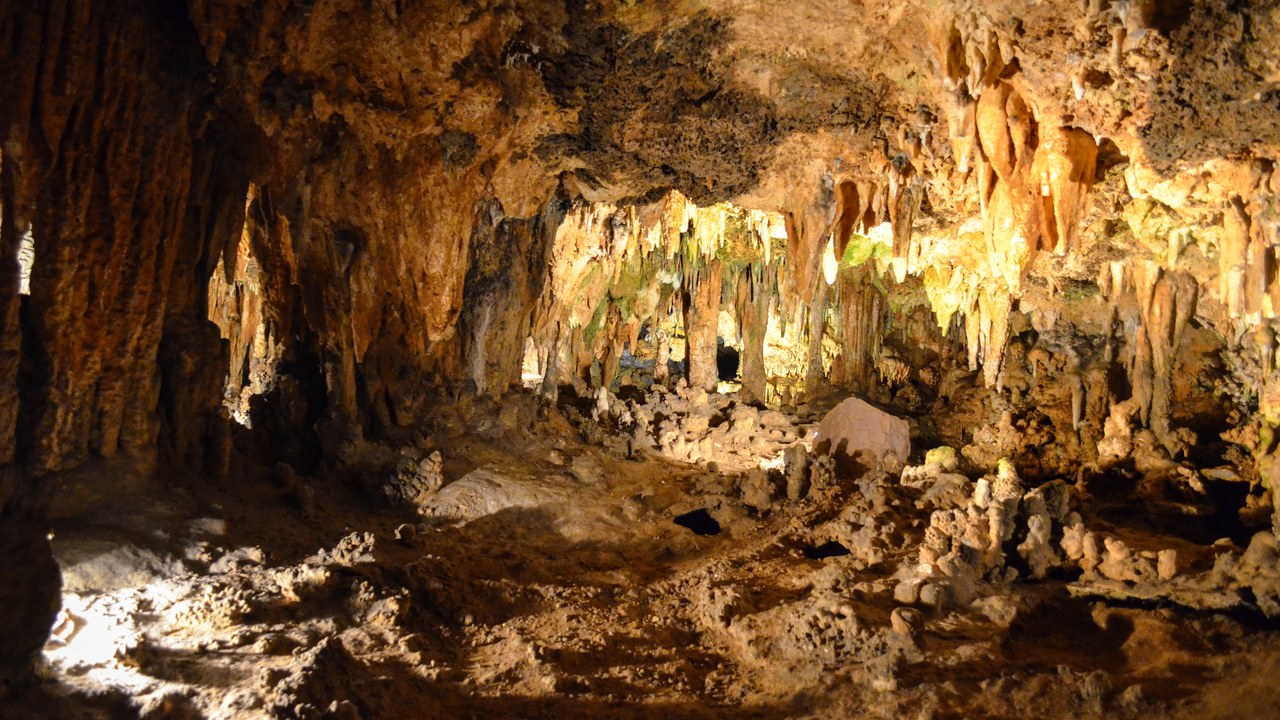
Virginia’s Luray Caverns houses the Great Stalacpipe Organ, considered the world’s largest musical instrument, and NPR notes that the organ stretches across 3.5 acres of the cave.
Rather than pipes and bellows, the instrument uses the cave’s own rock formations as the source of sound. It makes the cavern unusual among show caves, since the main attraction is a working instrument built into the geology itself. The sound is tied directly to the rock that visitors are standing beneath, which is the point of the attraction.
10. Puerto Princesa Subterranean River National Park: Underground River
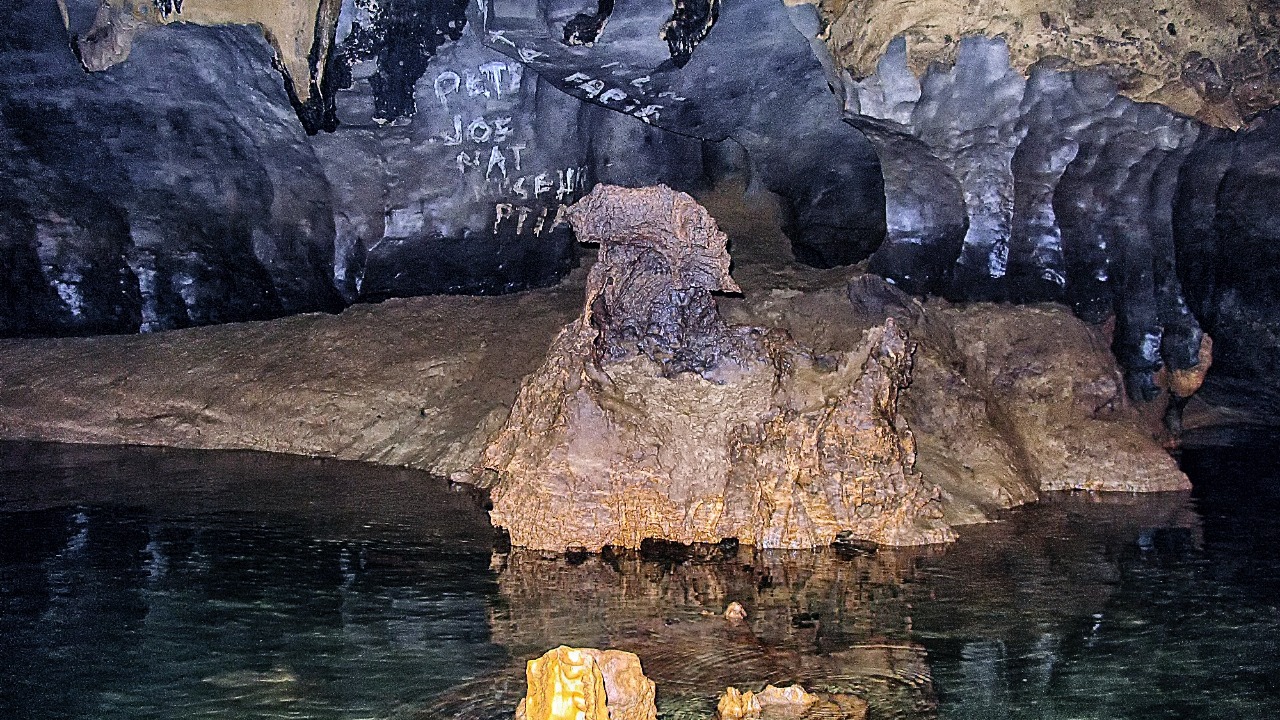
The Puerto Princesa Subterranean River in the Philippines runs 8.2 km underground, and a World Heritage site listing says it connects to the sea and can be navigated by boat for 4.5 km.
The link to the sea sets it apart from most caves, and the boatable section means visitors can travel inside the mountain by water rather than on foot. Listed among the world’s notable cave and karst sites, the river is best known for that quiet boat passage beneath the rock.
11. Gunung Mulu National Park: Sarawak Chamber
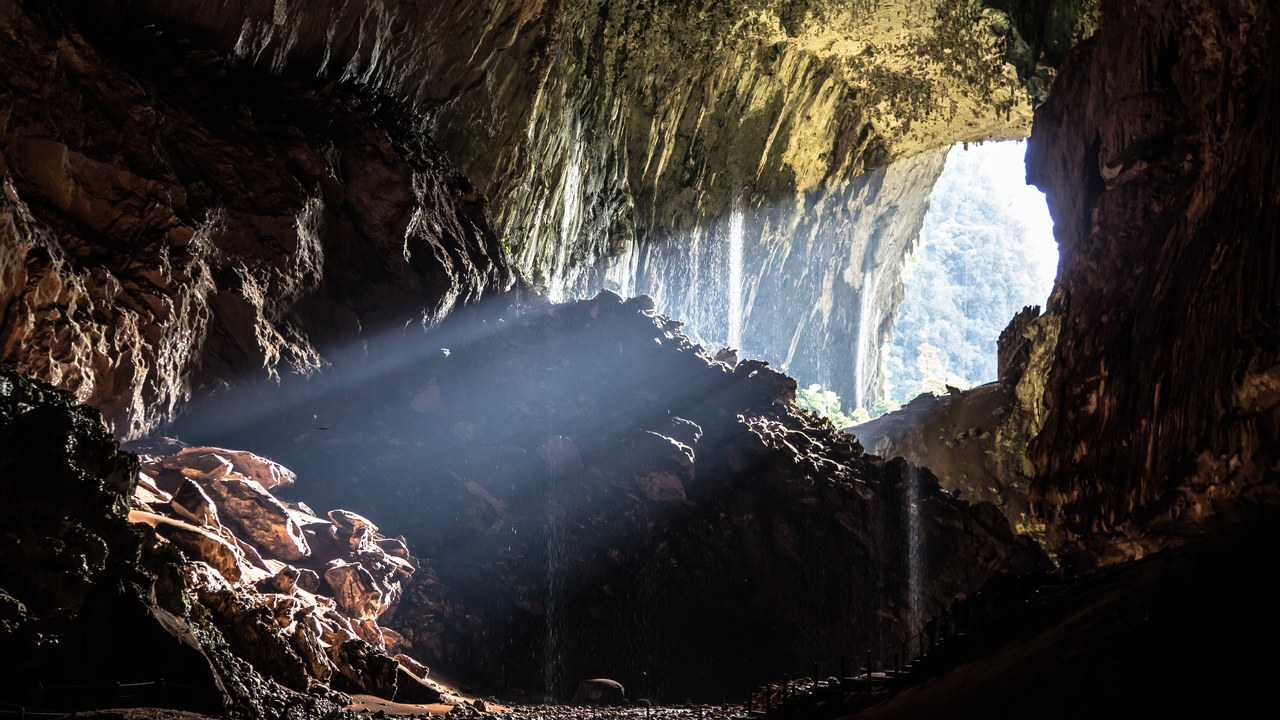
Malaysia’s Gunung Mulu National Park contains the Sarawak Chamber, which the IUCN lists as the largest known cave chamber in the world, about 600 m by 415 m and 80 m high.
Deer Cave in the same park hosts over 3 million bats, giving the park a second headline feature. Cave-length figures at Mulu vary by date, so the chamber dimensions are the steadier number to quote, and they explain why the park is so often cited in discussions of the largest underground spaces.
More from Morning Overview
- Thousands of bottles of a combination blood pressure pill are recalled nationwide
- Older Teslas mostly keep their batteries, and here’s what wears out instead
- Czech Skyfox jets could become Ukraine’s cheap answer to Shahed attack drones
- Tesla’s Cybercab has already crashed 8 times, and the worst one came at highway speed
