
Pyramids are not an Egyptian monopoly, and builders across Mesoamerica, Africa, Europe, the Middle East and North America raised monumental stepped and sloping structures of their own. These monuments range from stone temples to enormous earthen mounds, and they span several thousand years of history. Here are ten ancient pyramids and temple mounds that can be found beyond Egypt.
Read next on Morning Overview: Tesla’s Cybercab has already crashed 8 times, and the worst one came at highway speed
1. Pyramid of the Sun, Teotihuacan: Giant of Teotihuacan
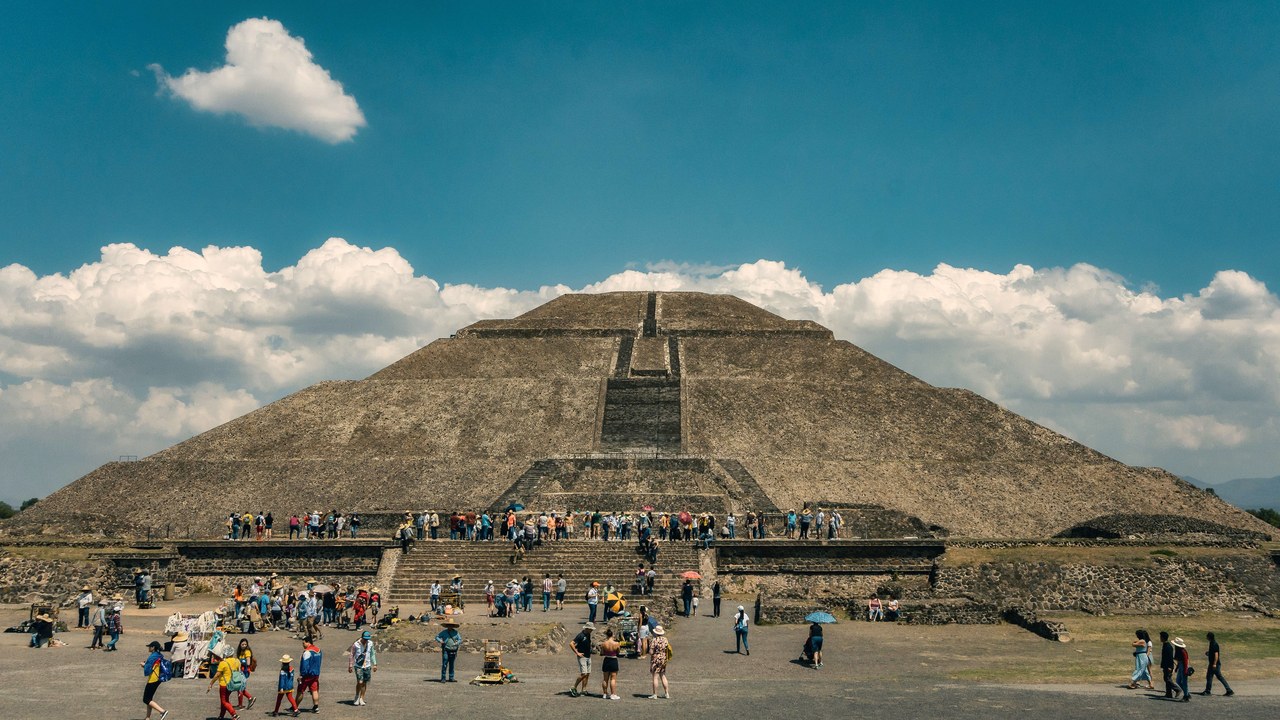
Mexico’s Pyramid of the Sun at Teotihuacan rises in five stepped layers, and the sides of its square base run about 730 feet, according to Smithsonian’s pyramid roundup. The structure was once more than 200 feet high, which made it a dominant landmark of its city and one of the most recognizable monuments in the ancient Americas.
Published dimensions vary from one source to another, and a separate travel article gives a different height, so the figures are best treated as approximate. Visitors should picture a broad stepped mass rather than a sharp peak.
2. Pyramid of the Moon, Teotihuacan: Avenue of the Dead
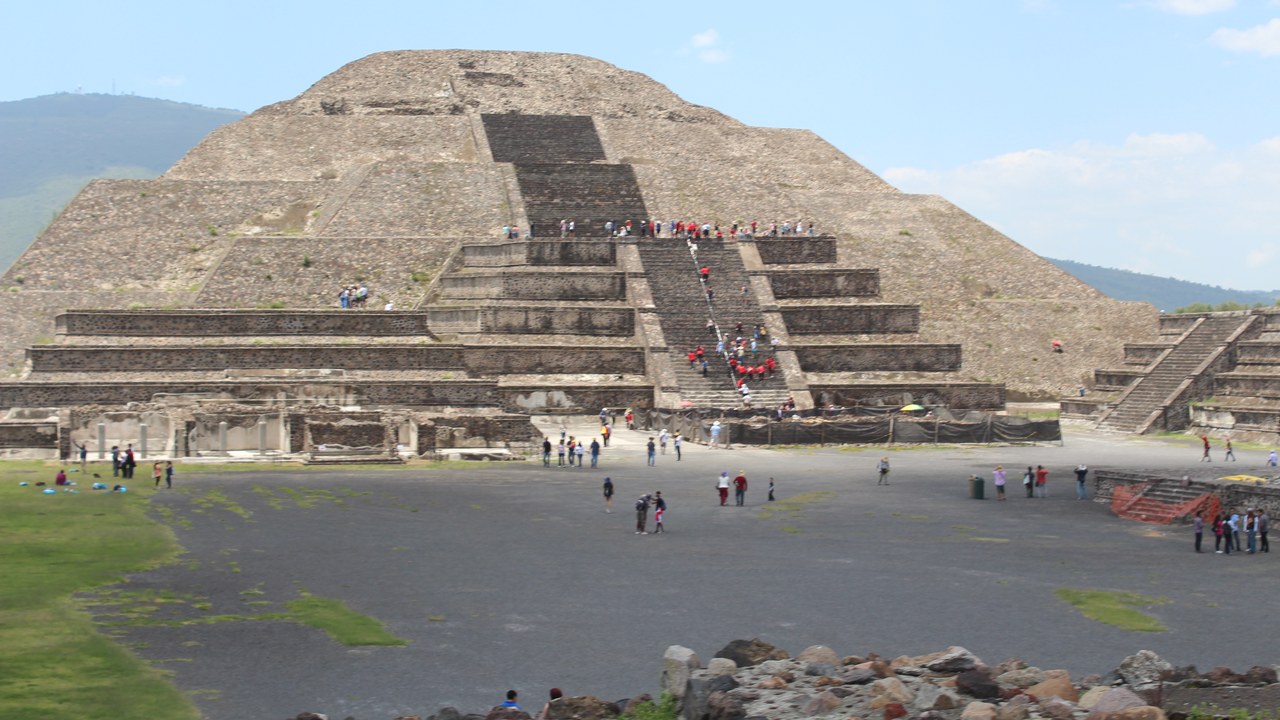
The Pyramid of the Moon stands at the end of Teotihuacan’s Avenue of the Dead in Mexico, and Matador’s pyramid list says it was built between 200 AD and 450 AD. Its position at the head of that long ceremonial road gives the site a strong visual axis, with the larger Pyramid of the Sun nearby.
A construction span of about 250 years suggests the monument grew in phases rather than all at once. The date range comes from a single travel outlet, so archaeologists’ own chronologies may be more detailed.
3. El Castillo, Chichen Itza: Kukulcan’s Temple
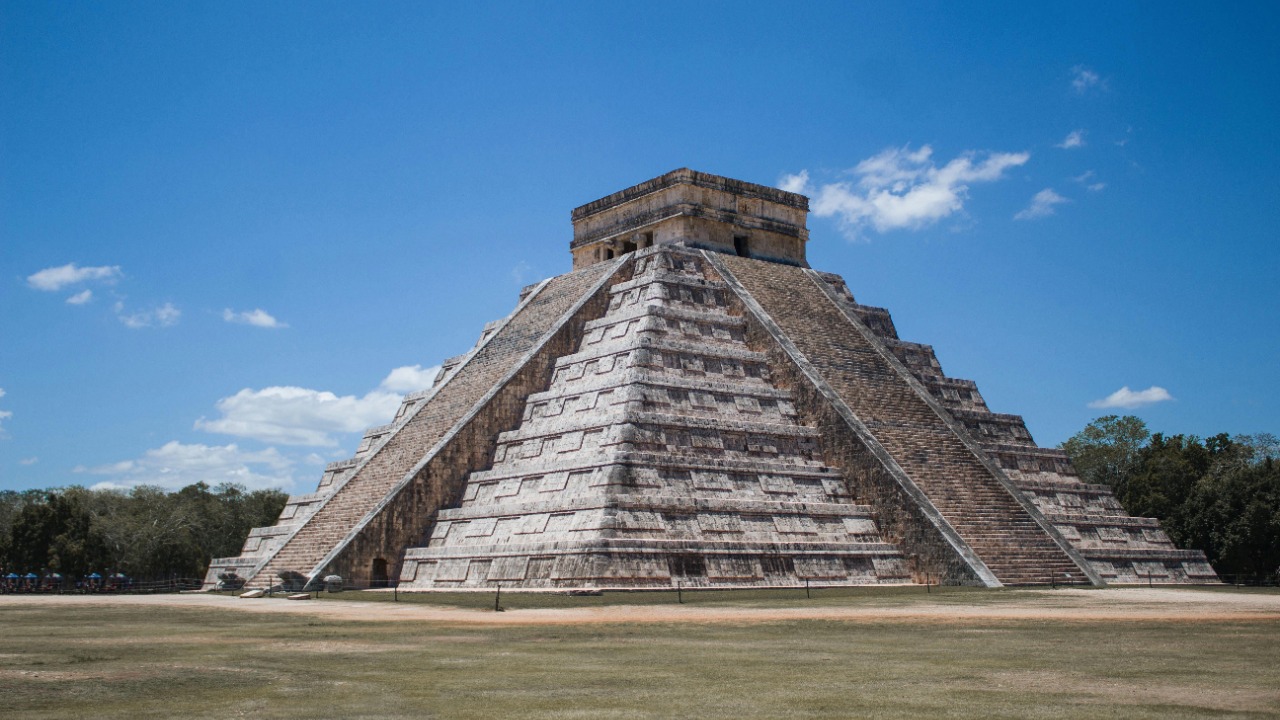
El Castillo at Chichen Itza in Mexico stands 98 feet tall including the temple at its top, and it has a 181-foot base, according to TheTravel’s pyramid guide. The article dates its construction to the 8th-12th century CE. The structure is also known as the Temple of Kukulcan.
The listed height includes the shrine on top, so the pyramid body alone is lower. The wide date range reflects how long the Maya city developed, and travelers should expect crowds around this best-known building of the site.
4. Tikal Pyramid IV: Temple of the Two-Headed Serpent
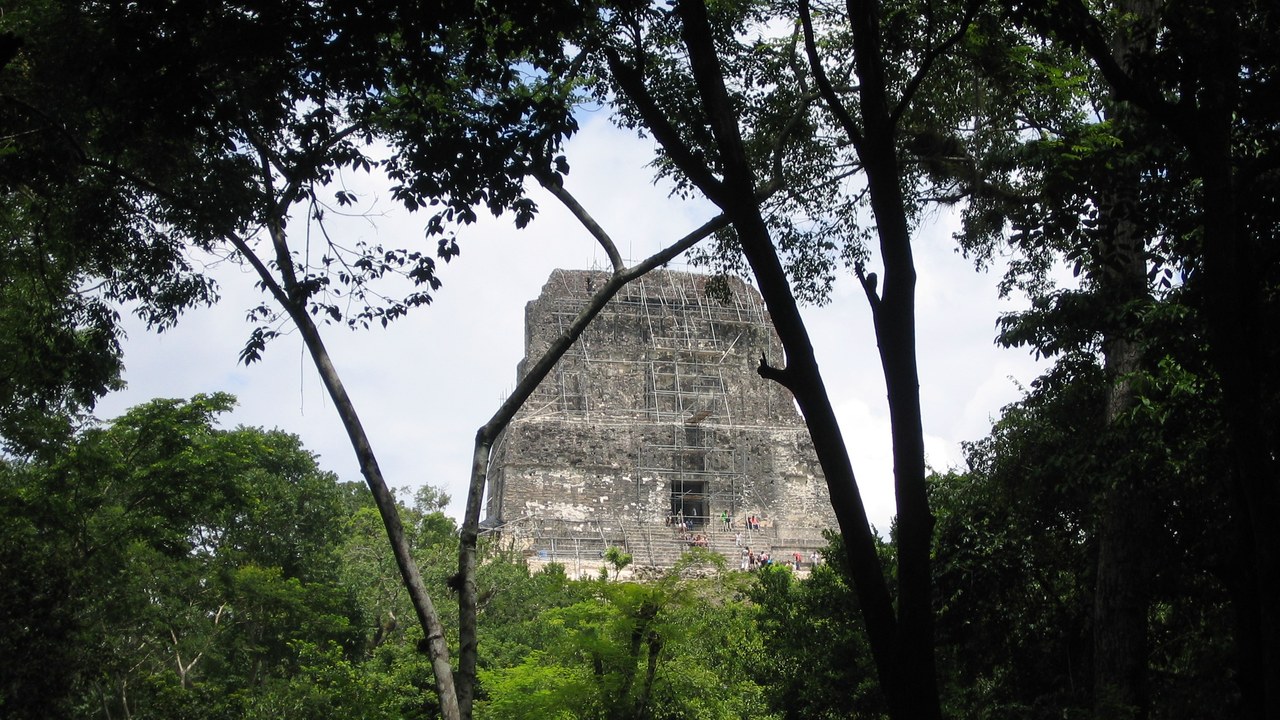
Guatemala’s Tikal holds several large pyramids, and the tallest is Pyramid IV, topped by the Temple of the Two-Headed Serpent and 213 feet high, according to Smithsonian’s pyramid roundup. The Maya city rises out of dense jungle, so the summit gives a rare view over the forest canopy.
Temple IV is the name usually given to this structure, and the two labels refer to the same monument. The 213-foot figure comes from one article, so other references may round it differently.
5. Nubian pyramids at Meroë: Kings of Kush
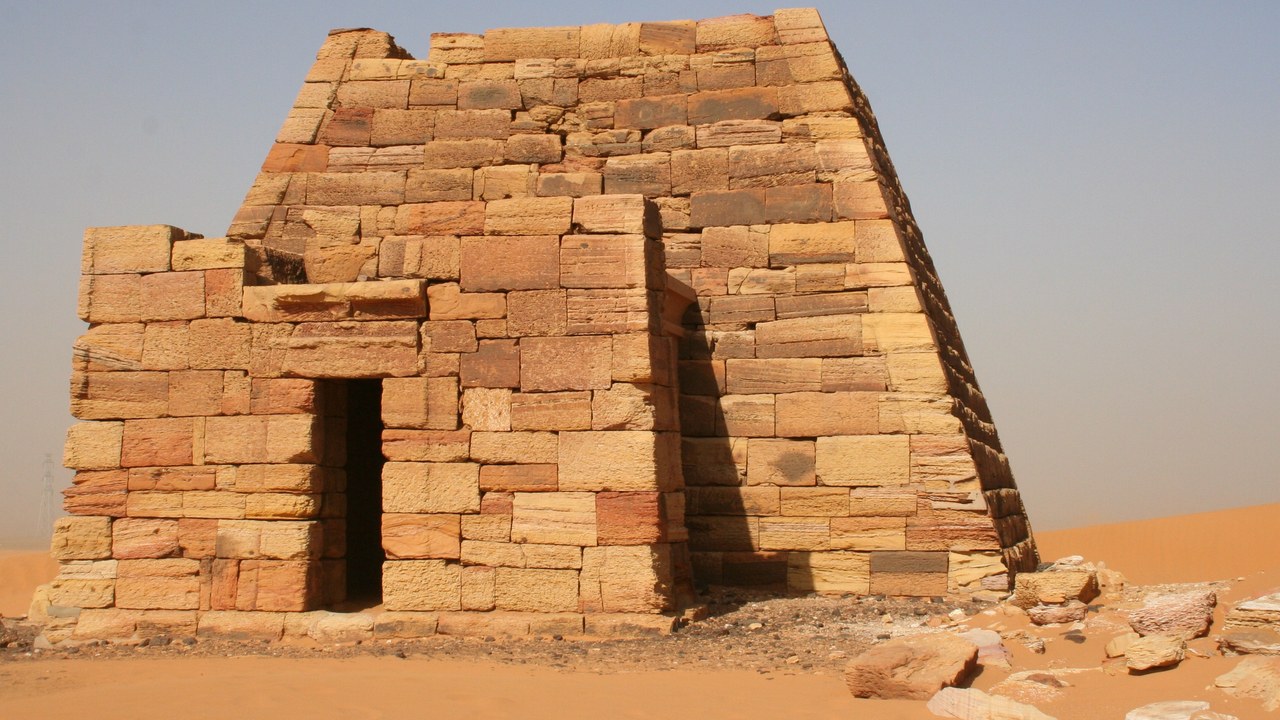
In Sudan, Kushite kings began building pyramids from about 300 B.C., and Smithsonian’s account of Kushite pyramids counts about 40 of them at Meroe. They are smaller and narrower than Egypt’s famous tombs, with steep sides and a compact footprint that gives the cemetery a distinctive skyline in the desert.
Counts of Nubian pyramids differ between sources, with a larger figure given for the wider region, so the Meroe total is approximate. Many of the structures have lost their tops over the centuries.
6. Pyramid of Cestius: Rome’s Own Pyramid
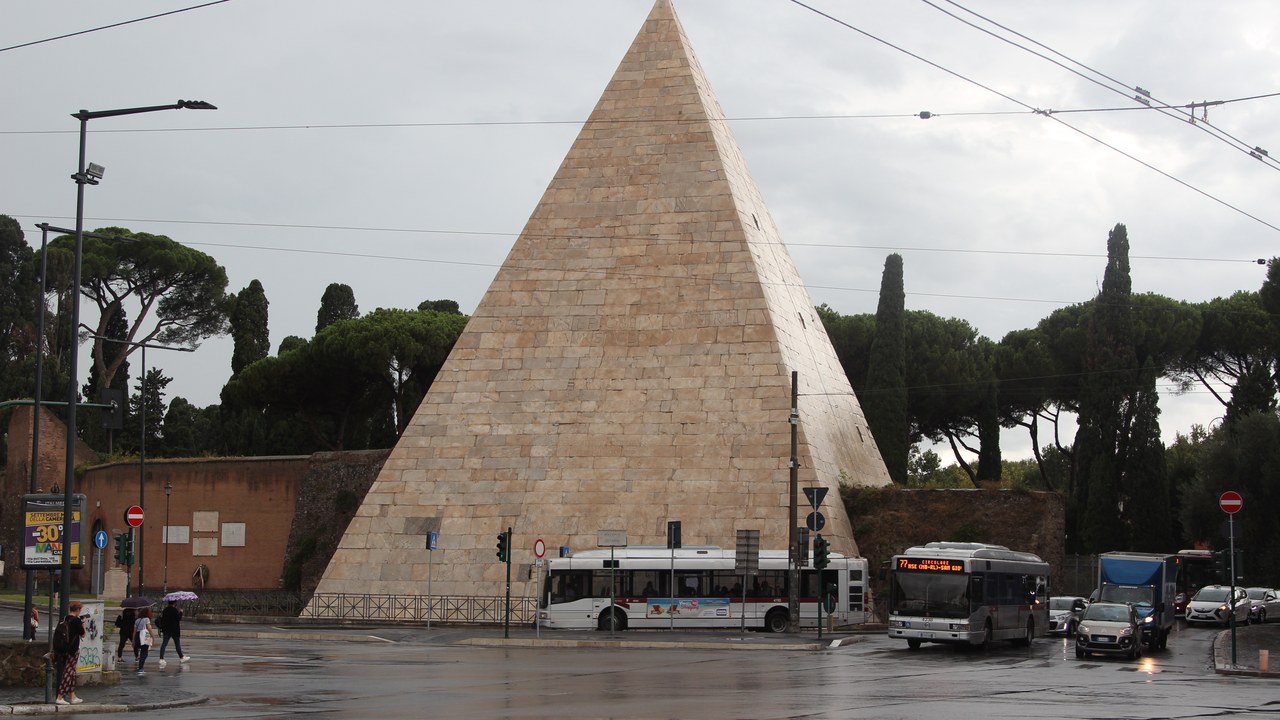
Rome has a pyramid of its own, the Pyramid of Cestius, which rises 125 feet from a base of 100 feet, as World History Encyclopedia entry reports. It was built between 18 and 12 BCE, and its steep white profile stands out among the city’s more familiar arches and columns.
Unlike the stepped monuments of the Americas, this one is a smooth-sided tomb in an Egyptian style. The dimensions are quoted from a reference page that dates from the late 2000s, so they are worth checking against current surveys.
7. Ziggurat of Ur: Mesopotamian Terraces
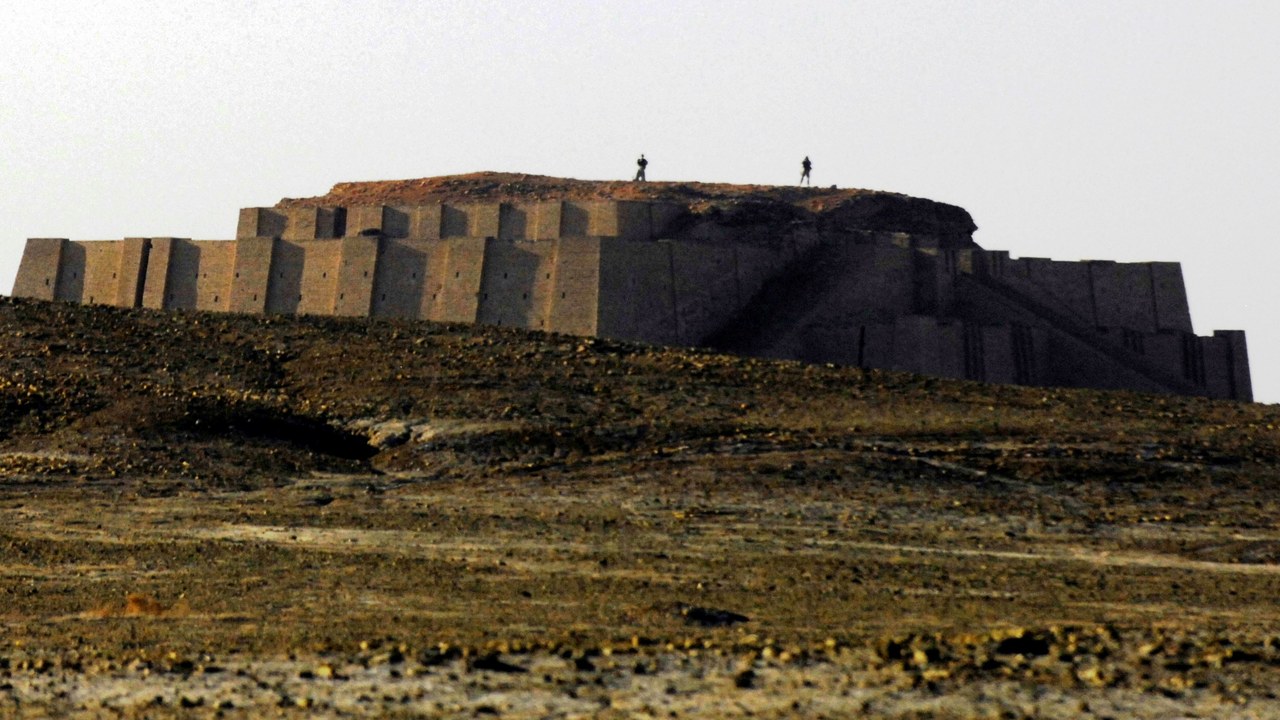
The Ziggurat of Ur in Iraq is described by Matador’s pyramid list as a three-tiered structure 210 feet tall that was built around 2100 BC in the Early Bronze Age. A ziggurat is a stepped temple platform rather than a true pyramid, but it earns a place on lists of ancient monuments beyond Egypt.
Another source describes the structure only as about three stories, so the 210-foot height should be read with caution. The age claim is more secure and makes Ur one of the oldest monuments here.
8. Chogha Zanbil: Elam’s Stepped Temple
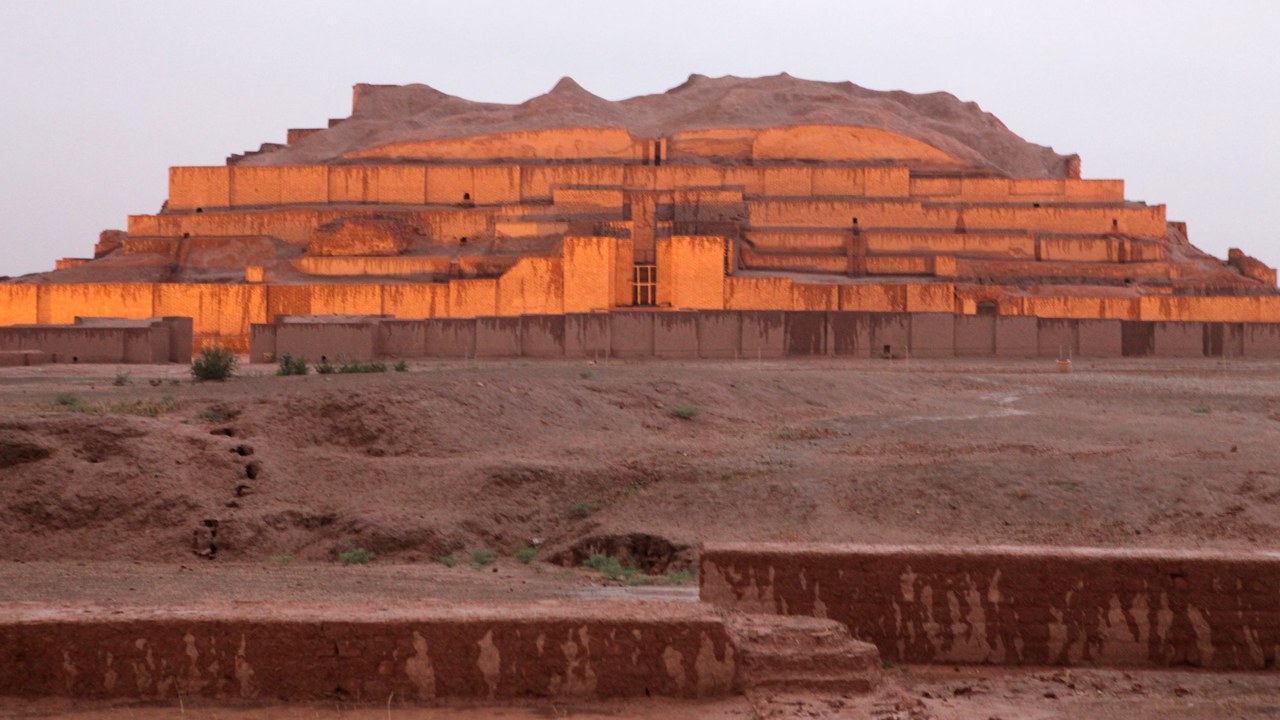
Iran’s Chogha Zanbil was built between 1400 and 1250 BCE, and TheTravel’s pyramid guide notes that it is technically not a pyramid but a ziggurat. It stands 80 feet tall today and was about 160 feet in antiquity, which means roughly half of its original height has been lost.
The structure belongs here because it shares the stepped, monumental form of pyramids elsewhere. Readers should note that the headline uses the word pyramid loosely for several of these ancient temple platforms.
9. Caral: Oldest City in the Americas
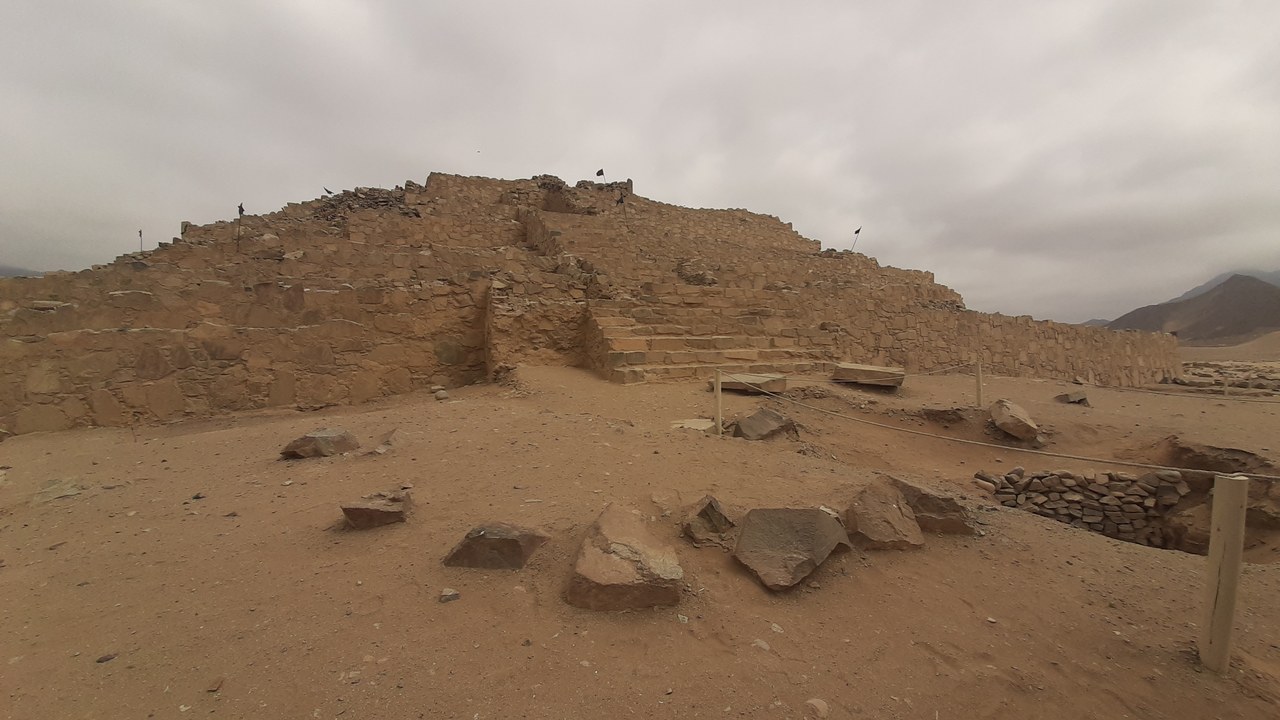
The city of Caral in Peru dates from 2600 BCE to 2000 BCE, according to TheTravel’s pyramid guide, and its largest pyramid is 60 feet tall. The settlement is one of the earliest known urban centers in the Americas, with platform mounds that predate the famous Maya and Aztec monuments by thousands of years.
Its pyramid is modest in height compared with Tikal or Teotihuacan. The value of the site lies in its great age rather than size, and the dates come from a single travel outlet.
10. Monks Mound, Cahokia: Earthen Giant of Illinois
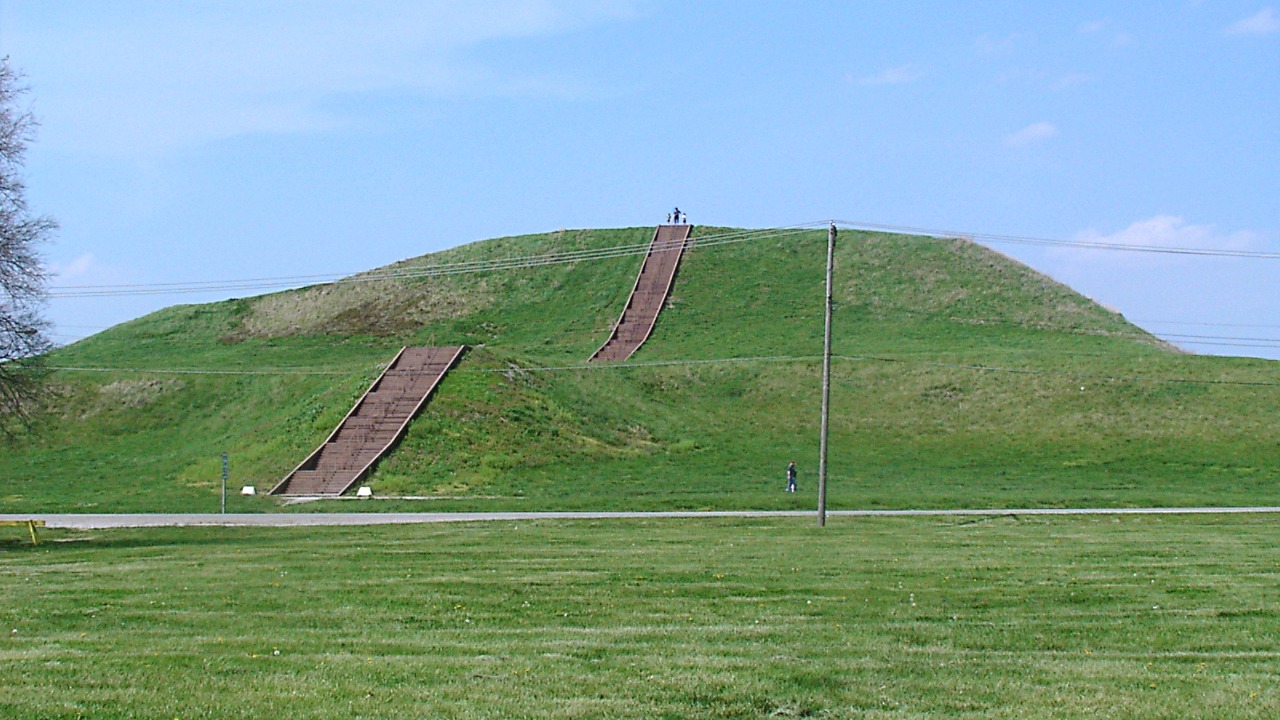
Monks Mound at Cahokia in Illinois is about 100 feet tall today, according to Cahokia Mounds site page, with a base measuring 291 by 236 meters (954.7 by 774.3 feet). It is an earthen platform mound rather than a stone pyramid, built by a Native American city that stood near present-day St. Louis.
The site page describes the height as currently being in the vicinity of 100 feet, which allows for erosion and settling over the centuries. The footprint is broad enough that the mound reads as a hill rather than a conventional pyramid.
More from Morning Overview
- Microsoft says its November Windows security updates are breaking printing for some users
- Thousands of bottles of a combination blood pressure pill are recalled nationwide
- Older Teslas mostly keep their batteries, and here’s what wears out instead
- Czech Skyfox jets could become Ukraine’s cheap answer to Shahed attack drones
