
Pontiac spent more than eight decades selling affordable excitement before General Motors gave it up to secure federal aid in 2009. Its lineup ran from postwar straight-eight cruisers to muscle cars, oddball experiments and Australian-built sport sedans. Here are eighteen Pontiacs that show what the brand built, and what was lost when the last one left the line.
Read next on Morning Overview: The FAA wants $2.39 million from a flight school it says flew a Cessna about 280 times with an unapproved part
1. Pontiac Chieftain: A Postwar Fresh Start
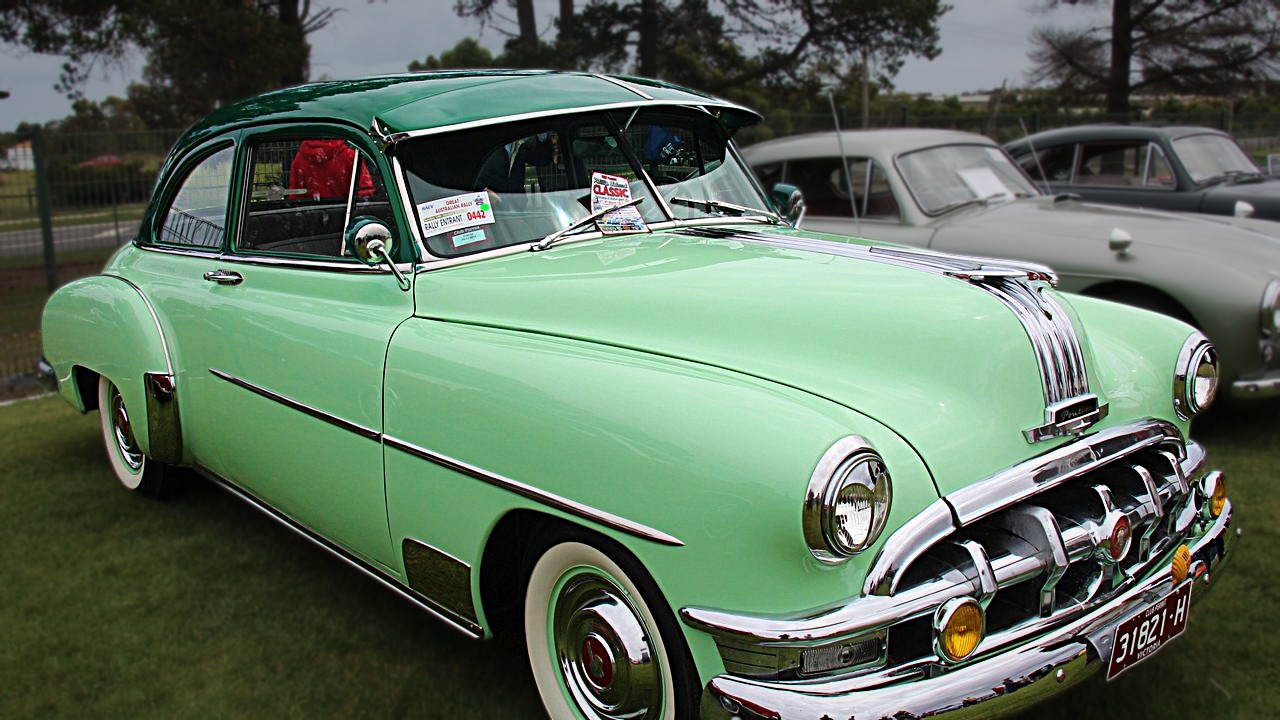
Pontiac’s first new design after World War II arrived with the Chieftain. Built from 1949 to 1958, the 1949 Chieftain and its Streamliner sibling were the first all-new Pontiacs of the postwar years, replacing cars that were essentially 1942 models with minor changes.
Harley Earl is credited as its designer, and the car was assembled at Pontiac’s main plant in Michigan and at branch plants from California to Massachusetts and Georgia.
2. Pontiac Star Chief: The Stretched Flagship
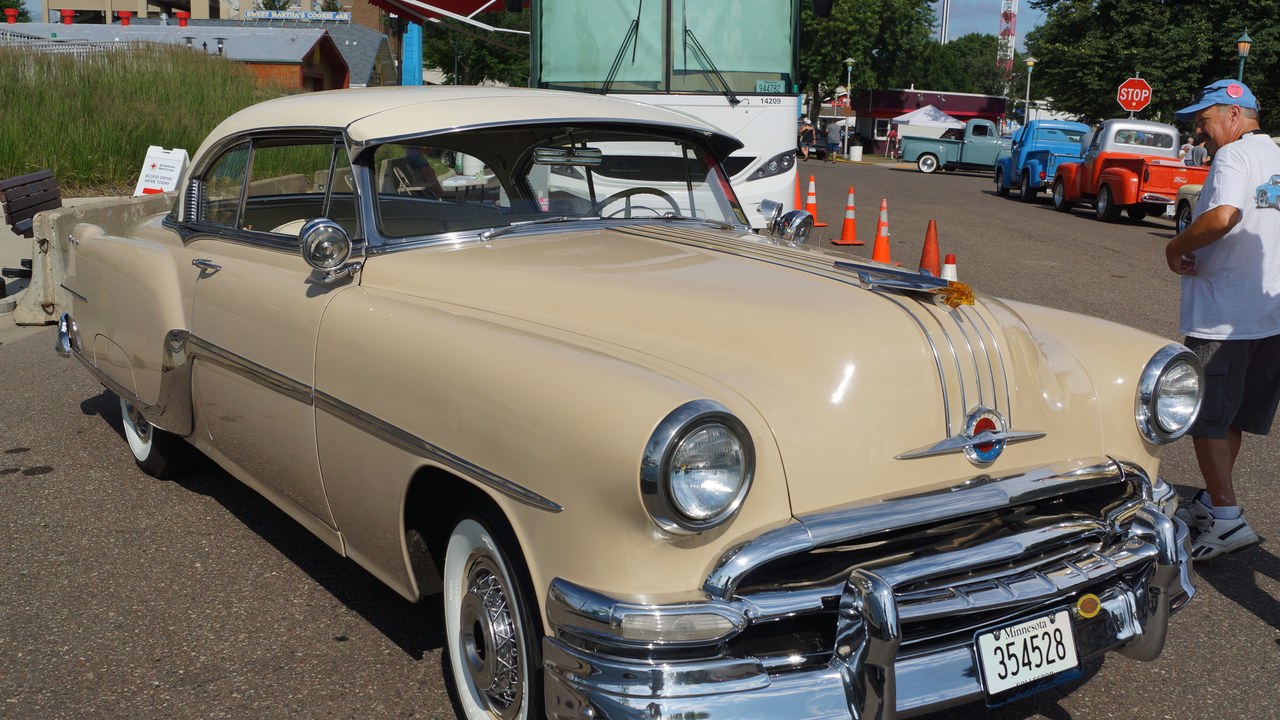
For 1954 Pontiac added the Star Chief as its new top model. It rode on a longer 123.5-inch wheelbase borrowed from junior Oldsmobiles and Buicks, and its straight-eight engine made 127 horsepower, five more than the same engine produced in other Pontiacs.
The car still used GM’s A platform, with 11 inches added toward the rear of the frame. No six-cylinder engine was offered in that first year, which underlined the Star Chief’s upscale position.
3. Pontiac Catalina: The Entry-Level Full-Size
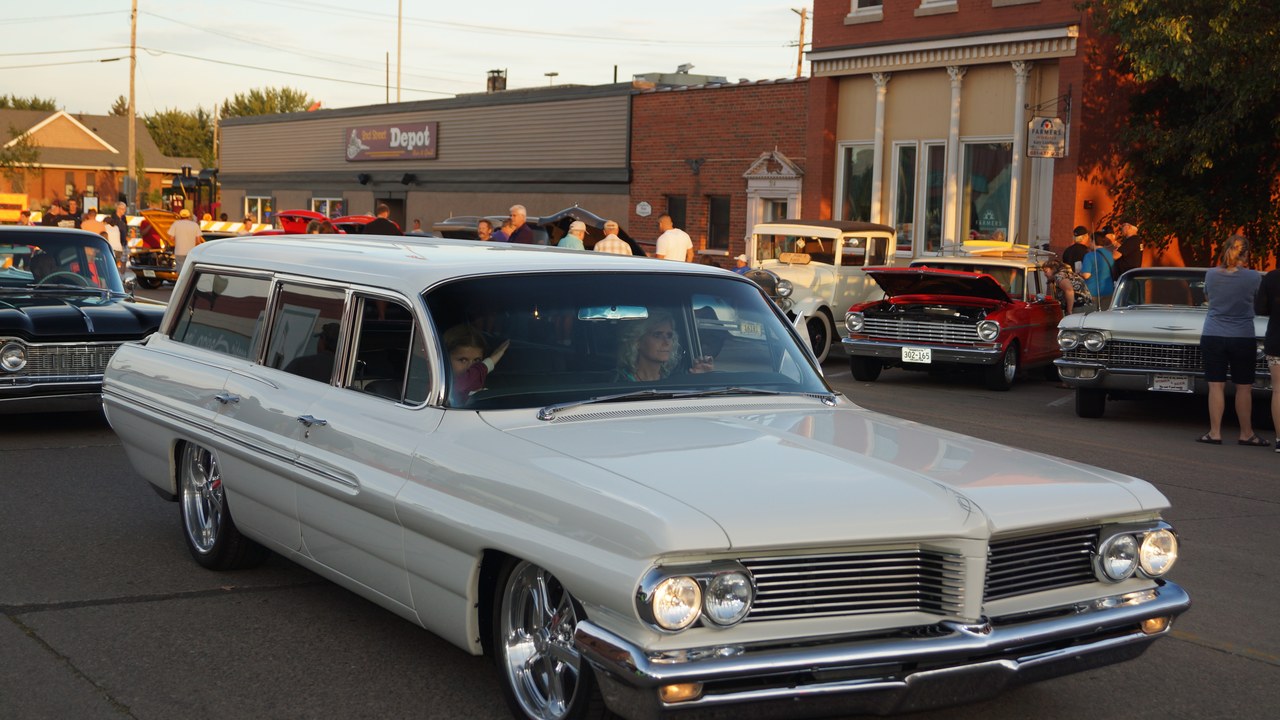
The Catalina was the least expensive full-size Pontiac. Its first generation covered the 1959 and 1960 model years, and Pontiac advertising leaned on hardtops, convertibles and Safari station wagons rather than the plainer pillared sedans.
Those four-door sedans were actually the best sellers in the line, a sign of how much the brand traded on image. Safari wagons, like the long-roof Catalina pictured, carried the name into family driveways.
4. Pontiac Tempest: Half a V8 Up Front
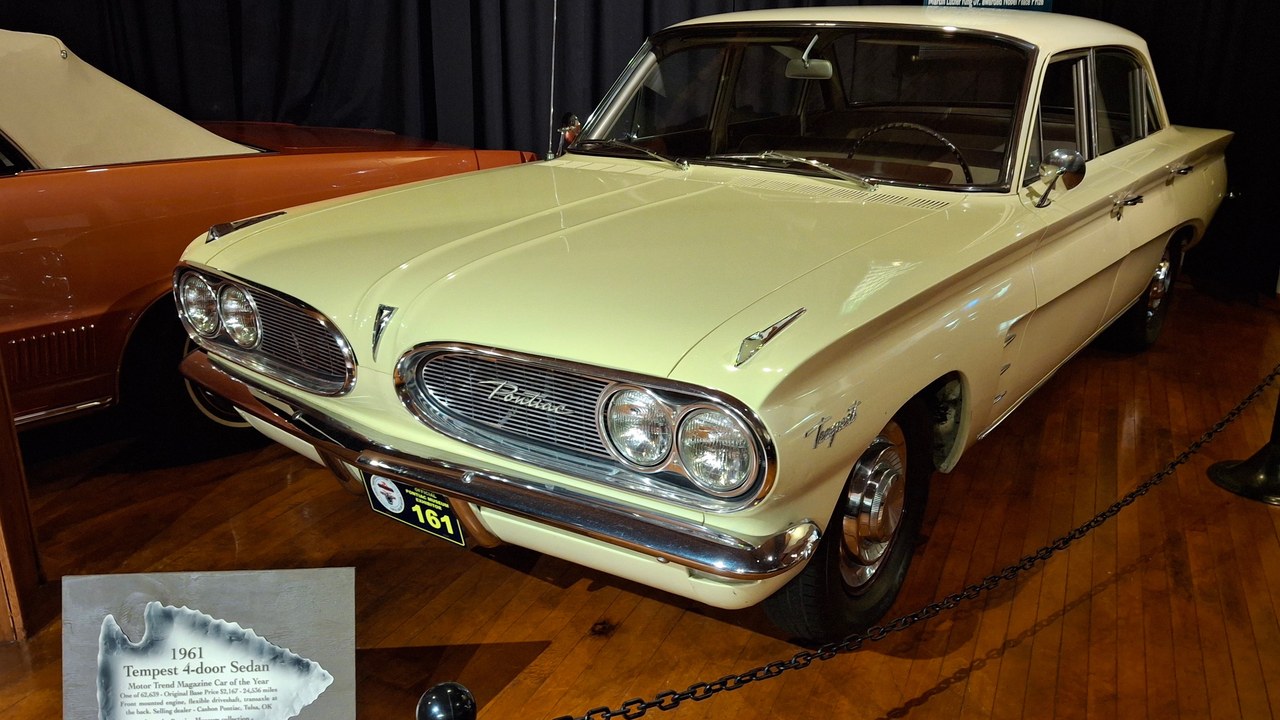
The 1961 to 1963 Tempest was part of GM’s answer to small, sporty imports. According to SlashGear’s look at odd Pontiacs, its four-cylinder engine was literally half of a V8, and a rear-mounted transaxle gave the car nearly 50/50 weight distribution.
That layout would not appear in another GM car until the late 1990s. The Tempest showed Pontiac was willing to take engineering risks long before the muscle-car years made it famous.
5. Pontiac Grand Prix: Pontiac’s Personal Luxury Coupe

The Grand Prix began for the 1962 model year as a full-size performance coupe. Over the following decades the Grand Prix line changed size, luxury and performance with each generation, and it was offered as a coupe until 2002 and as a four-door sedan from 1989 through 2008.
For years it was the most expensive coupe Pontiac sold, until the Bonneville Brougham and Firebird Trans Am became more exclusive in the 1970s.
6. Pontiac GTO: The Original Muscle Car
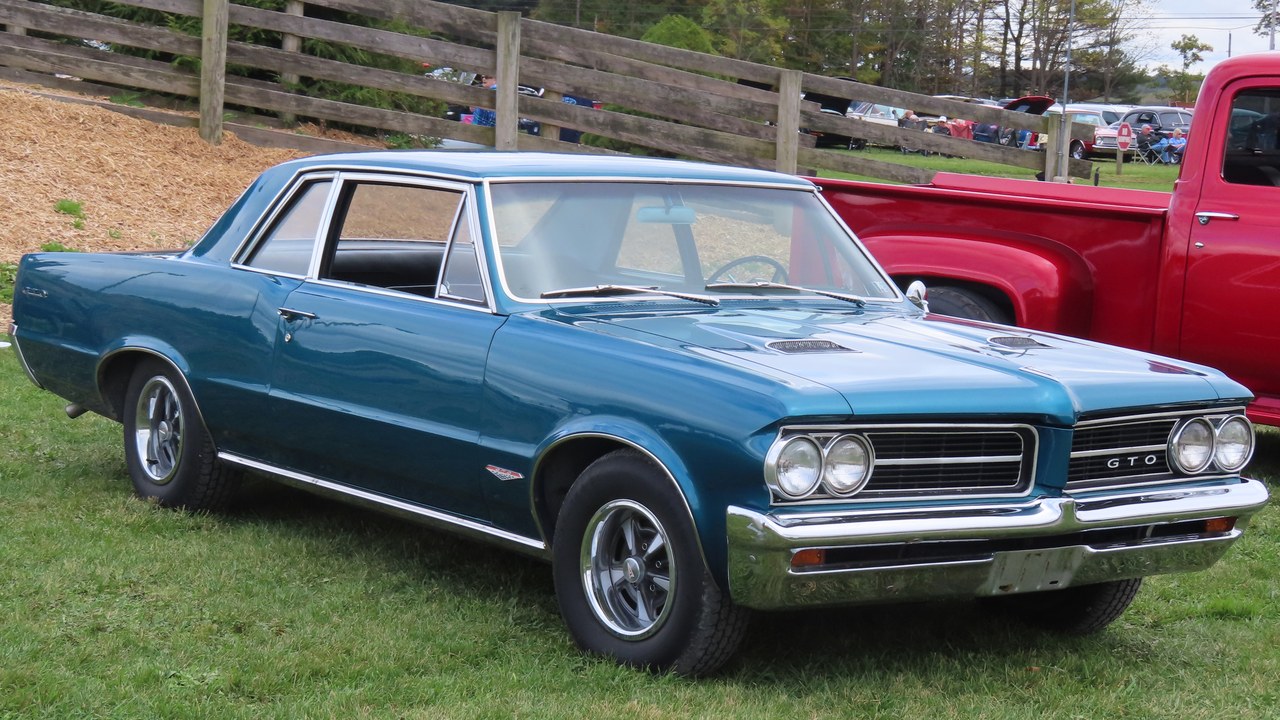
The 1964 GTO is often credited as the first true muscle car. As Car and Driver recalled, Pontiac turned a plain LeMans coupe into a street racer with a 389-cubic-inch V8 rated at 325 or 348 horsepower.
Sales took off, and Pontiac became the brand of affordable performance. The magazine even pitted a Pontiac GTO against a Ferrari GTO, a test it says helped put the publication on the map.
7. Pontiac Firebird: A Pony Car for Pontiac
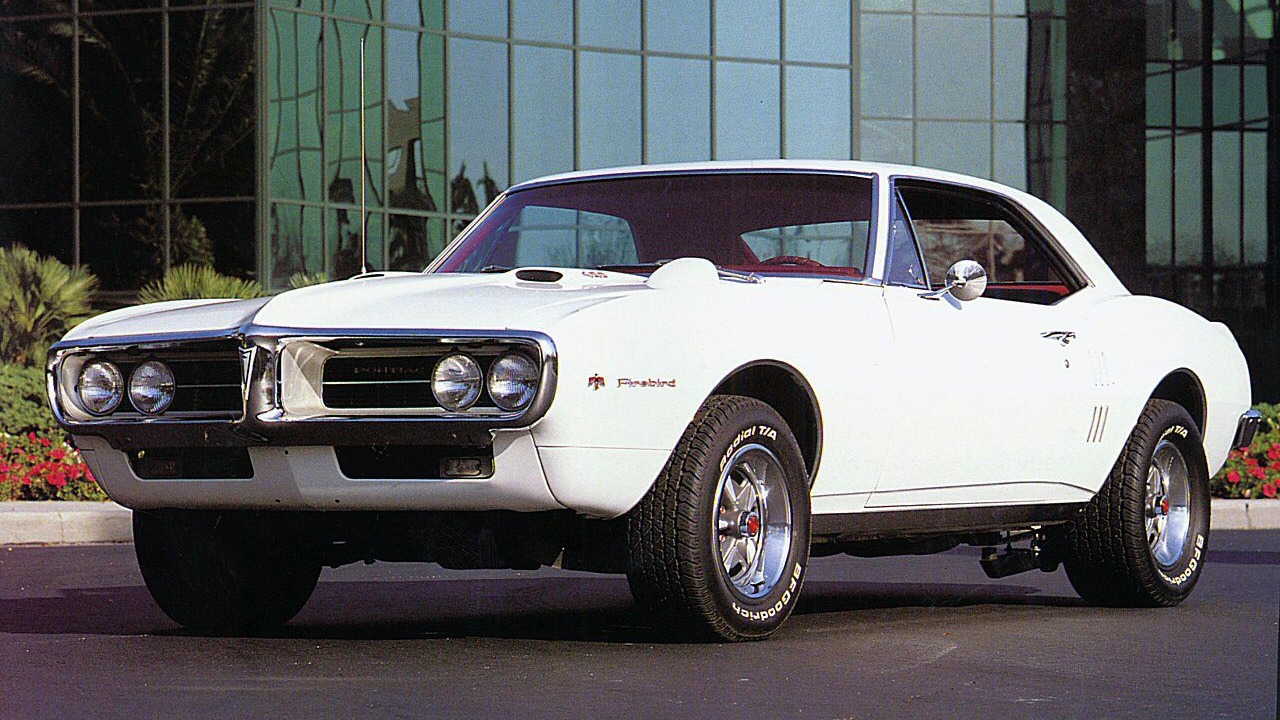
Pontiac’s answer to the Ford Mustang arrived on February 23, 1967, five months after Chevrolet’s platform-sharing Camaro. The Firebird stayed in production through the 2002 model year across four generations.
GM had used the Firebird name before, on a series of 1950s concept cars. The 1967 launch also coincided with the Mercury Cougar, Ford’s upscale version of the Mustang, as the pony-car fight spread across Detroit.
8. Pontiac Firebird Trans Am: The Movie Star
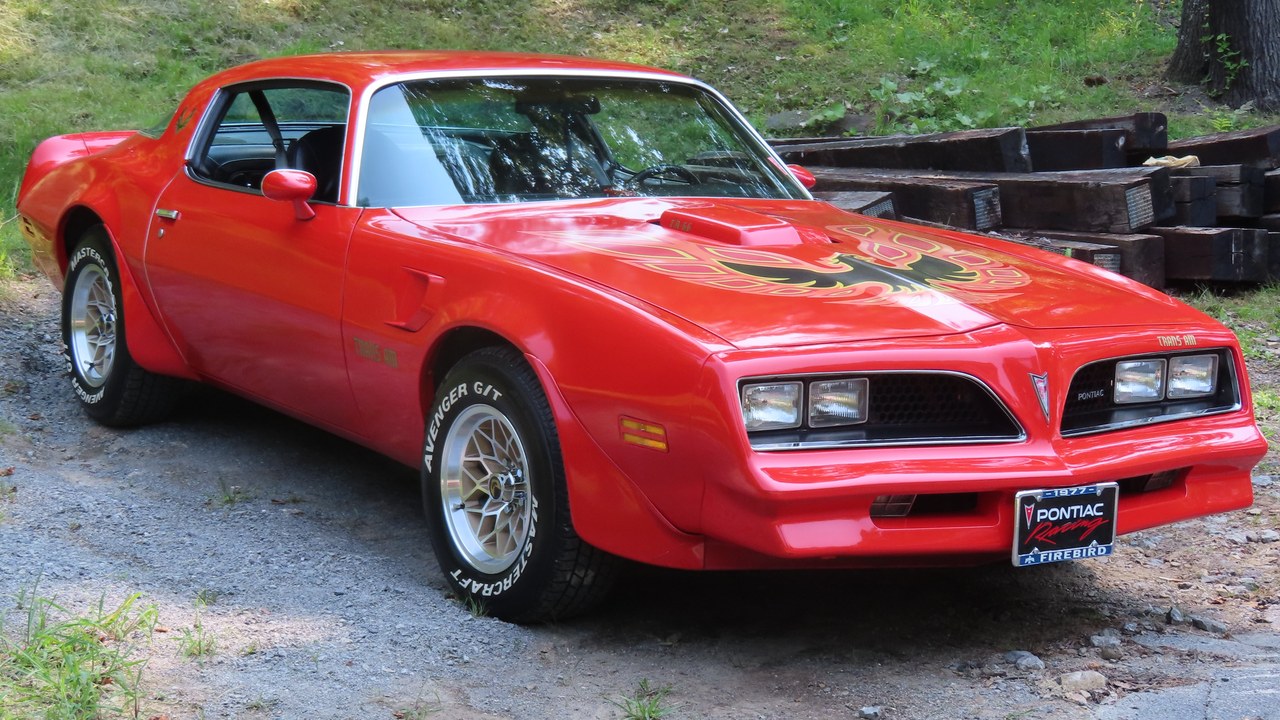
The black-and-gold 1977 Trans Am shared top billing with Burt Reynolds in Smokey and the Bandit. Yet, as Car and Driver noted, its biggest 6.6-liter V8 made just 200 horsepower, and the 3,830-pound car needed 9.3 seconds to reach 60 mph.
None of that hurt its image. The magazine wrote that the movie car had as much star power as Reynolds himself, and the late-1970s Trans Am became one of the defining cars of its decade on screen.
9. Pontiac LeMans: From Compact to Daewoo
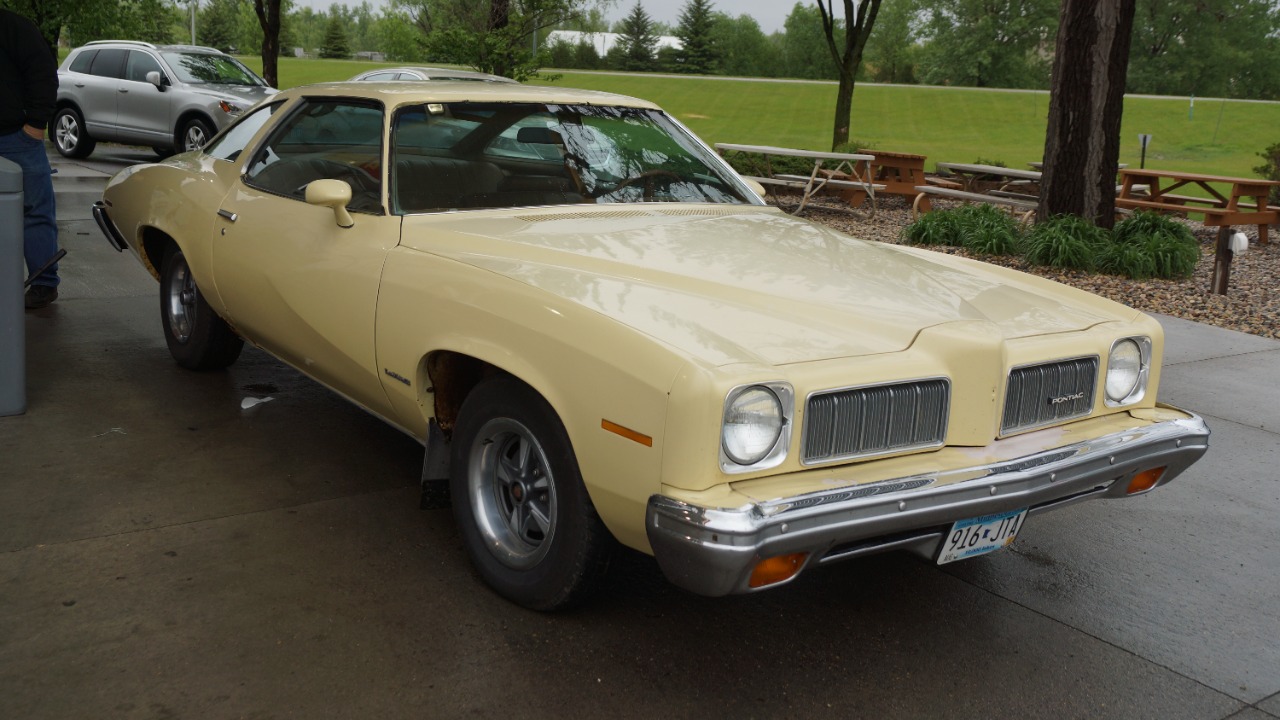
The LeMans name covered Pontiac’s rear-drive compacts and intermediates from 1961 to 1981 in the United States. The LeMans later returned from 1988 to 1993 on a small front-drive car built by Daewoo in South Korea.
The first generation used a front engine with a rear transaxle and four-wheel independent suspension for nimble handling, and Pontiac built several notable GT and performance versions of the rear-drive cars.
10. Pontiac Grand Am: Detroit’s European Sedan
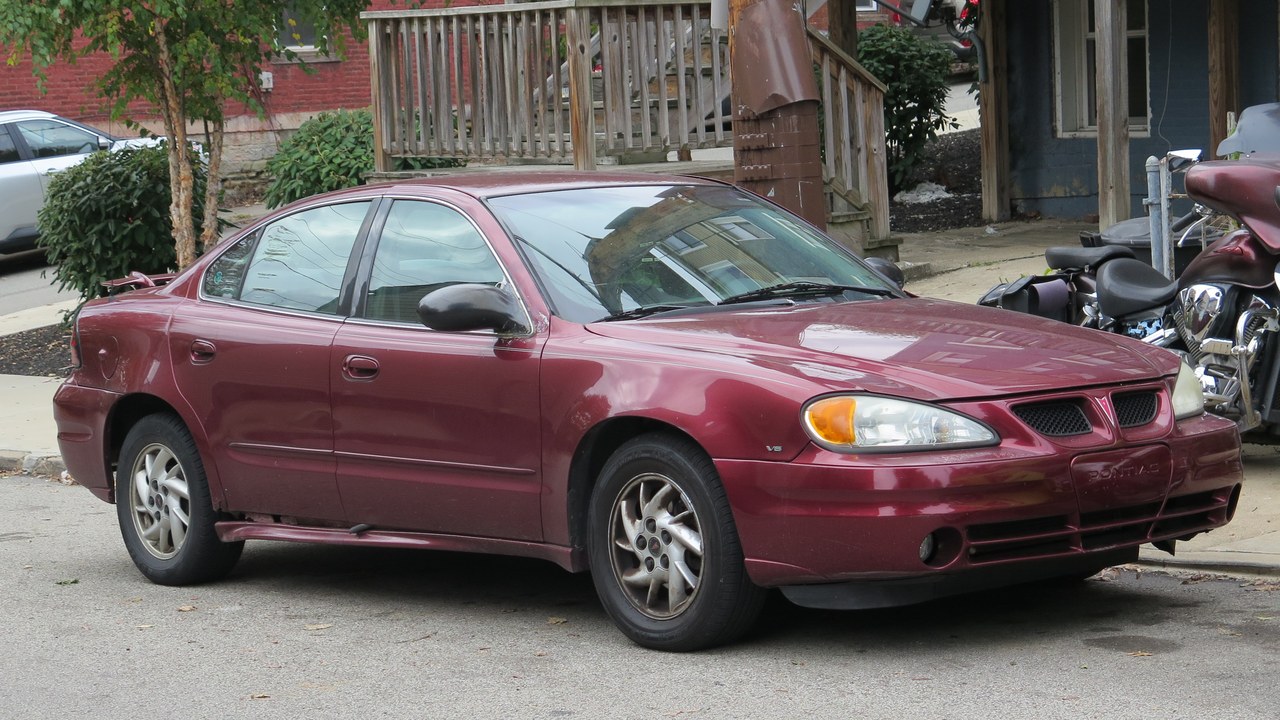
Pontiac built the Grand Am in various years between 1973 and 2005. The first Grand Am was meant as America’s answer to European luxury sports sedans, while later front-drive versions sold from 1985 until the name was retired.
The first two generations were rear-drive mid-size cars built on the LeMans platform. When the nameplate ended, the Pontiac G6 took its place in the lineup for 2005.
11. Pontiac Sunbird: The Smallest Pontiac

The Sunbird ran from the 1976 to 1994 model years. It replaced the Astre as the smallest Pontiac and began as the brand’s version of the subcompact Chevrolet Monza, offered as a coupe, hatchback and wagon.
Its name loosely borrowed from the Firebird. The line was also sold as the Pontiac J2000 and Pontiac 2000, and later versions added a convertible, keeping an inexpensive entry point in showrooms for nearly two decades.
12. Pontiac 6000: The Numbered Mid-Size

The 6000 was Pontiac’s front-drive mid-size car for the 1982 through 1991 model years. It began as a two-door and four-door sedan, and a five-door wagon joined the lineup for 1984.
It used GM’s front-drive A platform, the same one under the Oldsmobile Cutlass Ciera, and it was the largest model line to carry Pontiac’s numeric naming of the 1980s.
13. Pontiac Fiero: The Mid-Engine Gamble
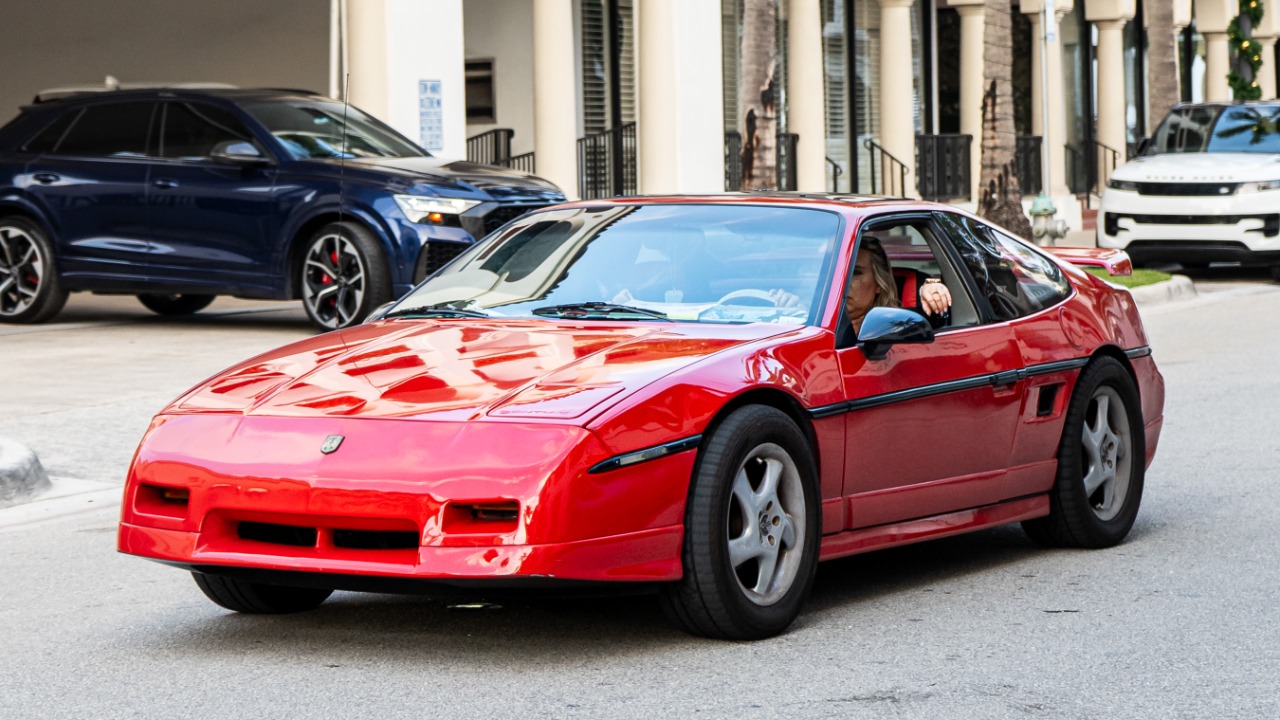
The 1984 to 1988 Fiero was one of the oddest cars Pontiac ever sold. SlashGear reports its development was so troubled that GM almost did not build it at all.
The body had import-quality panel gaps, but what lay underneath was less impressive. SlashGear still calls the Fiero the ultimate example of looking back wistfully, a mid-engine two-seater from a mainstream American brand.
14. Pontiac Aztek: The Car People Love to Hate
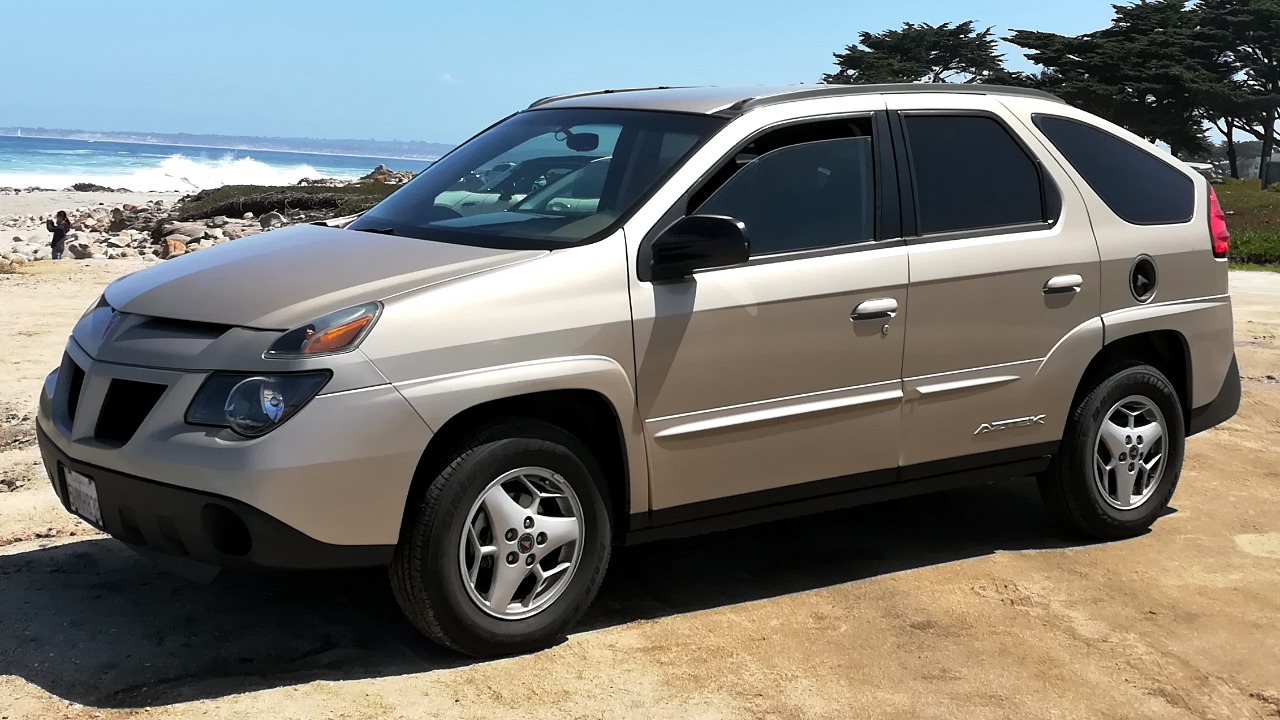
Sold from 2001 to 2005, the Aztek is often called the strangest Pontiac of all. SlashGear describes tall proportions that blurred the line between minivan, hatchback and SUV, wrapped in plastic cladding with a split rear window.
Under the skin, the Aztek was a very practical vehicle. Its styling still polarizes people, and it remains the ultimate example of Pontiac’s willingness to take risks with both style and function.
15. Pontiac Vibe: A Toyota in Disguise
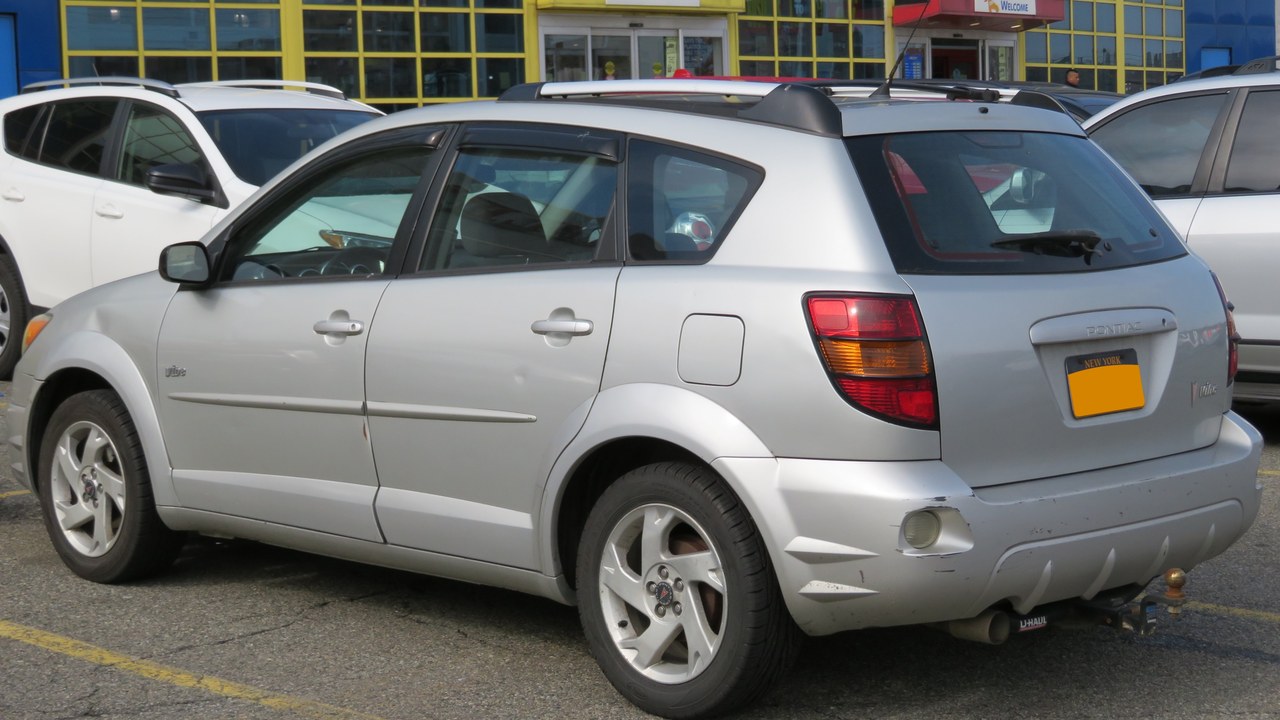
The Vibe was a Pontiac hatchback that was a Toyota underneath. Jalopnik notes the 2003 to 2006 Vibe GT used a Yamaha-tuned 1.8-liter engine making 180 horsepower that revved to 8,200 rpm, paired only with a six-speed manual.
The regular Vibe’s 130-horsepower engine was far tamer. Jalopnik also calls the car surprisingly spacious, with a 24.6-cubic-foot cargo area with all seats up.
16. Pontiac Solstice: The Late Roadster
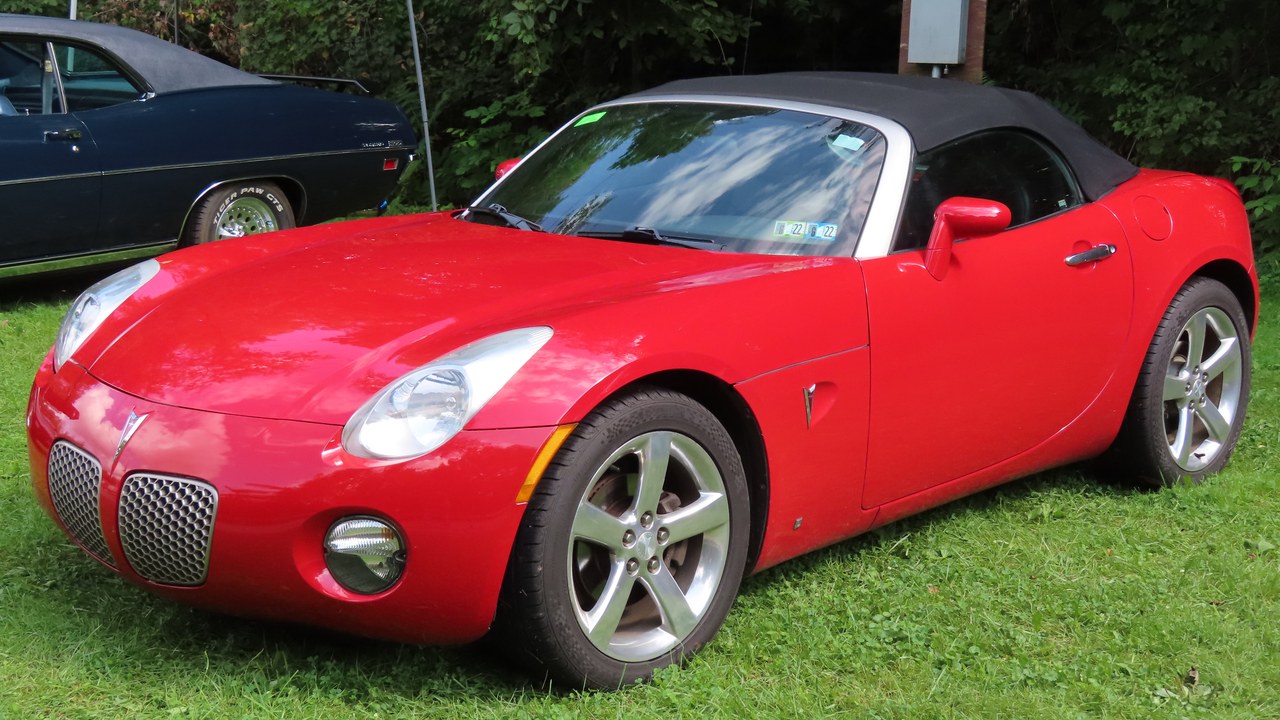
The Solstice arrived for 2006 as Pontiac’s first lightweight sports car. For 2007, the Solstice GXP gained a turbocharged 2.0-liter engine with 260 horsepower, enough for a 0-to-60-mph run in the mid-five-second range.
Even the GXP convertible weighed just 2,976 pounds. Jalopnik says its classic sports car proportions still look seductive today, and a standard five-speed manual kept the driver involved.
17. Pontiac G8: An Australian Last Hurrah
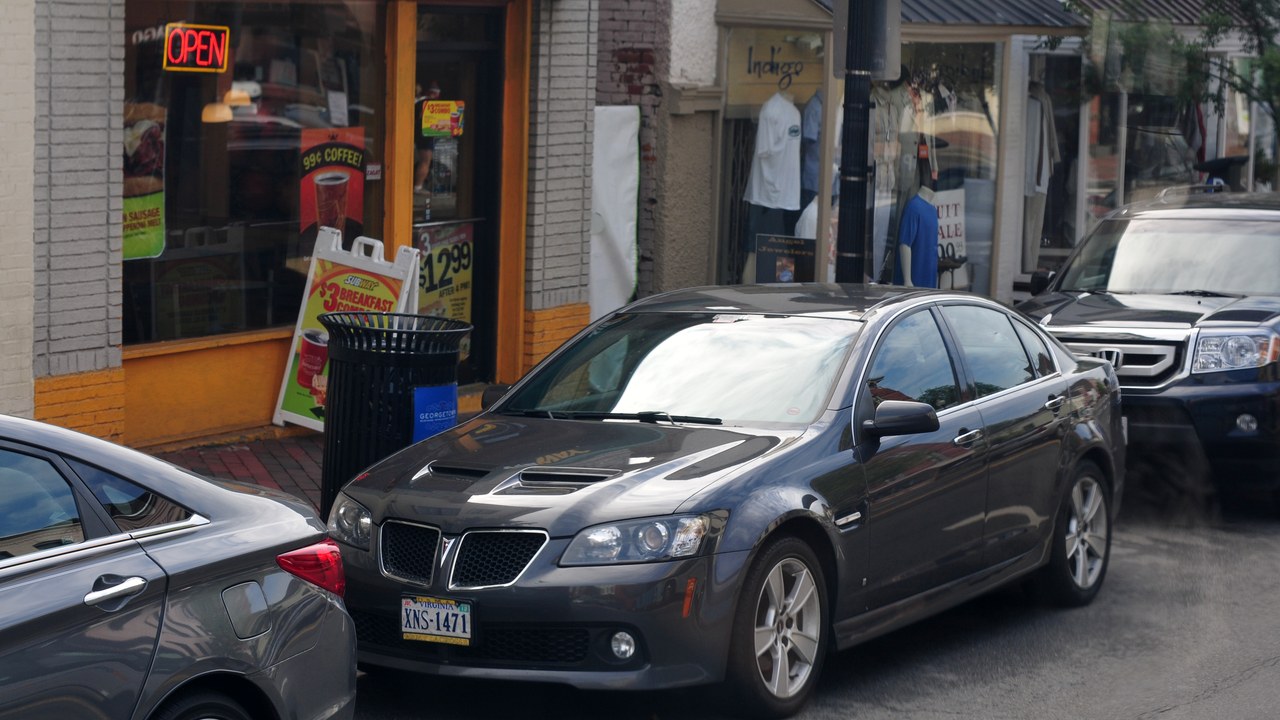
The G8 was based on the Holden Commodore built by GM’s Australian subsidiary. The top G8 GXP used a 6.2-liter LS3 V8 with 415 horsepower and could reach 60 mph in 4.5 seconds.
A six-speed manual was optional, and the handling was developed at the Nurburgring. Jalopnik calls the G8 Pontiac’s one last hurrah for enthusiasts; even the G8 GT had a 361-horsepower V8.
18. Pontiac G6: The Very Last Pontiac
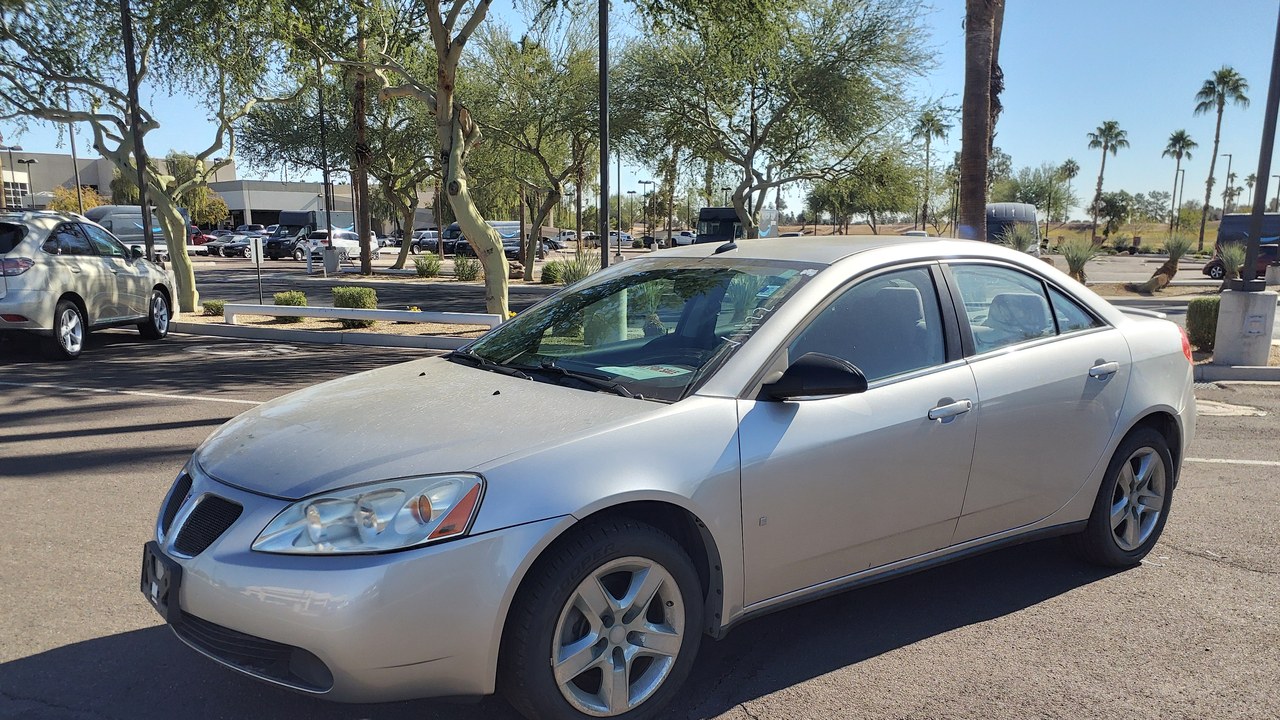
The G6 sedan has a grim distinction. In late 2009, workers at GM’s Orion Township plant in Michigan built the last Pontiac G6, marking the end of the line for the brand.
General Motors had to drop four of its eight North American brands to receive billions in federal aid, and Pontiac went along with Saab, Saturn and Hummer. Buick survived largely because of its strength in China.
More from Morning Overview
- Arizona’s governor declared a statewide emergency after Flagstaff logged its wettest Nov. 1 on record
- Zero Motorcycles unveiled an electric motorcycle targeted at under $8K and a street-legal dirt bike at EICMA
- New FCC rules on how people can stop robocalls and texts take effect Nov. 25
- Neanderthals in Spain carved a wooden object that matches nothing archaeologists have ever found
