
Boeing’s 747 was born from an airline’s demand for a jet two and a half times the size of the 707, and it became the first airliner to be called a Jumbo Jet. Over 54 years of production it carried tourists, cargo, space shuttles and American presidents. These eight pictures follow the humped giant from its first passenger flight to the last one built.
Read next on Morning Overview: The FAA wants $2.39 million from a flight school it says flew a Cessna about 280 times with an unapproved part
Boeing 747: The First Jumbo Jet
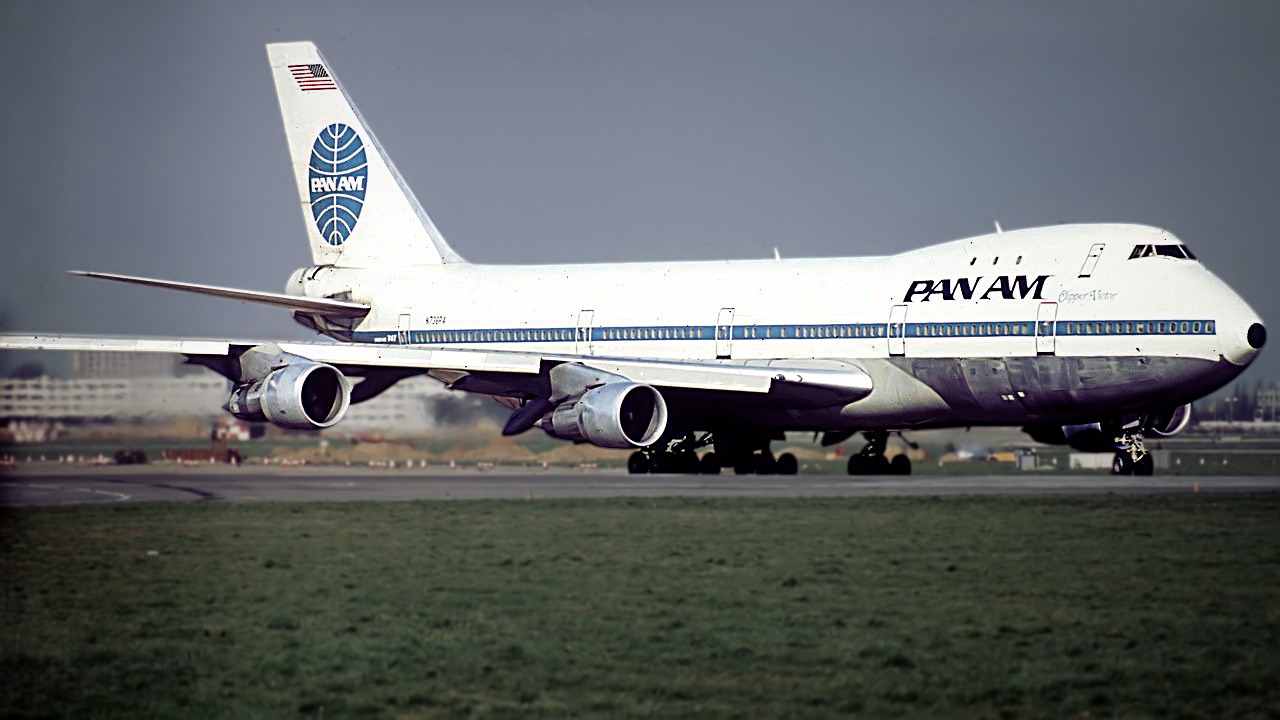
Pan Am pushed for the 747, asking for a jet two and a half times the size of the 707 to cut its seat costs by 30 percent, and in April 1966 it ordered 25 of the new 747-100s. The 747’s development history records a first flight on 9 February 1969 and entry into service with Pan Am on 22 January 1970.
It was the first wide-body airliner and the first plane called a “Jumbo Jet.” Its distinctive hump came from putting the cockpit on a short upper deck so freighters could have a nose door, and Boeing went on to build 1,574 of them before production ended in 2023.
Boeing Everett Factory: The Biggest Building on Earth
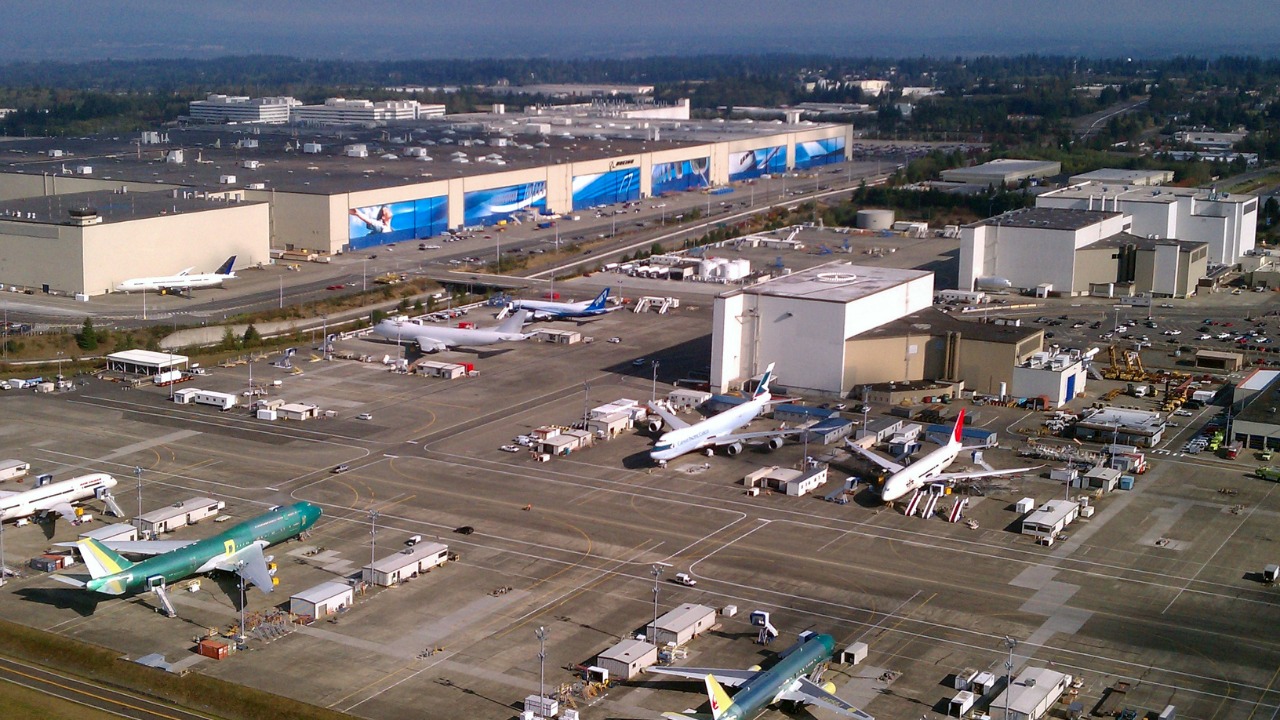
To build the 747, Boeing bought a 780-acre site next to Paine Field near Everett, Washington, in June 1966, about 30 miles north of Seattle. Leveling it took moving more than four million cubic yards of earth, and the 747 program history notes that the plant is the largest building by volume ever built.
Time was so short that the full-scale 747 mock-up was built before the factory roof above it was finished. The first 747 rolled out of the plant on 30 September 1968, and the factory has since been expanded several times to build other Boeing wide-body jets.
Shuttle Carrier Aircraft: Piggyback Rides for the Space Shuttle
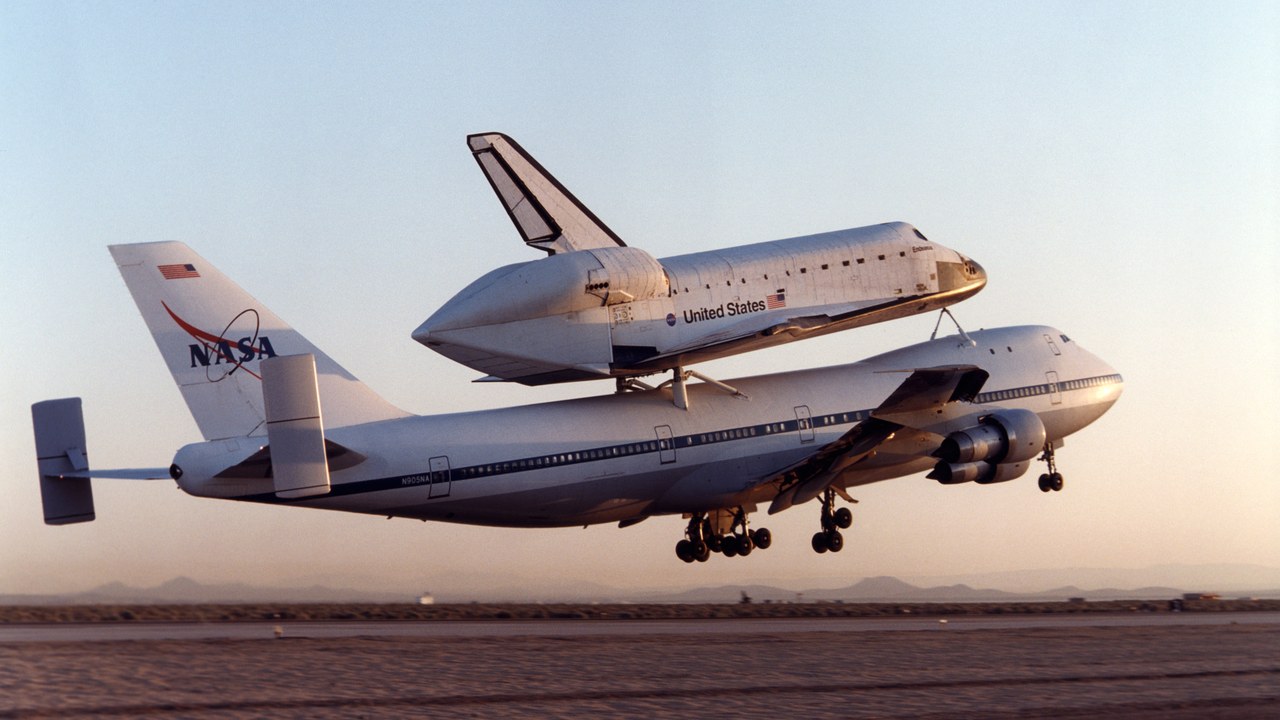
NASA used two extensively modified 747s, known as the Shuttle Carrier Aircraft, to ferry space shuttle orbiters from their landing sites back to Kennedy Space Center. One, N905NA, was a 747-100 originally built for American Airlines, and the other, N911NA, was a short-range 747-100SR that first flew for Japan Airlines.
In approach and landing tests in 1977, the test shuttle Enterprise was released from an SCA in flight and glided to a landing on its own. Both carriers were retired in 2012 and preserved, one at Space Center Houston and the other at the Joe Davies Heritage Airpark in Palmdale, California.
Boeing VC-25: The President’s 747
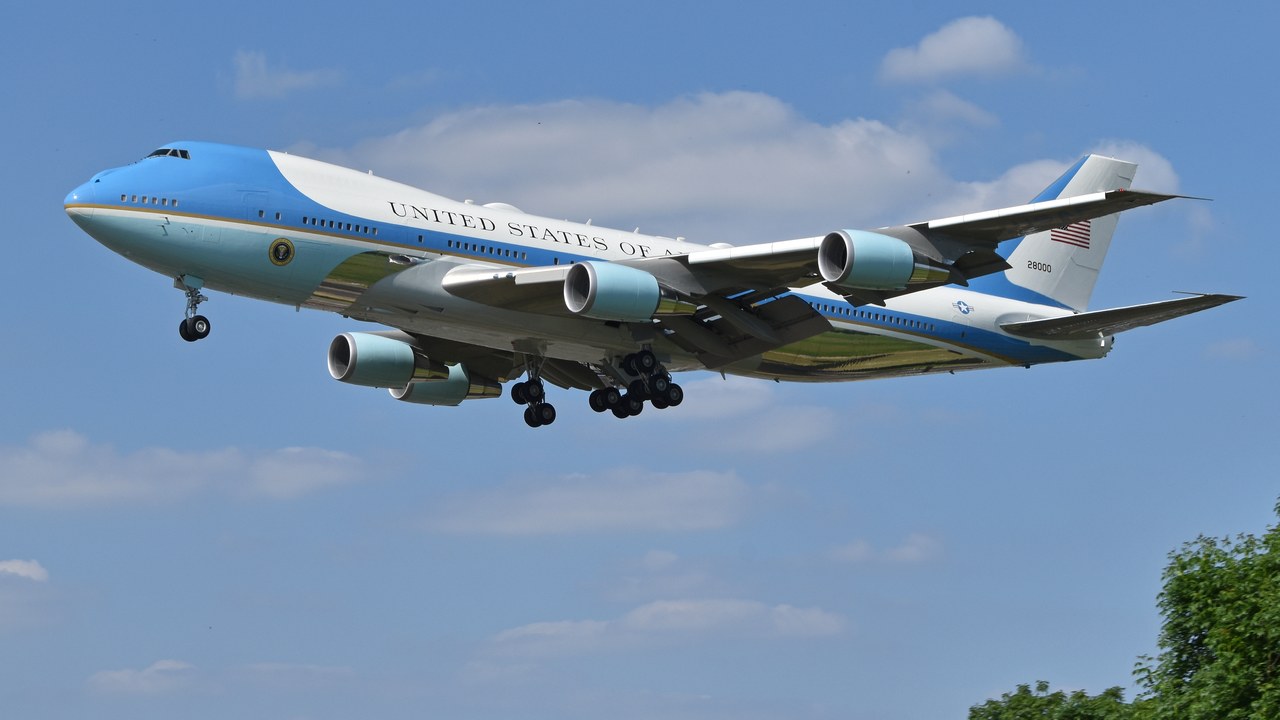
The jets best known as Air Force One are two highly modified Boeing 747-200Bs, designated VC-25A, with tail numbers 28000 and 29000. According to the VC-25 program record, the type first flew on 16 May 1987, entered service on 23 August 1990, and can fly 7,800 miles without refueling while carrying more than 70 passengers.
Each cost about $325 million, and 4,000 square feet of floor space was refitted with offices, 87 telephones and a medical annex with a fold-out operating table. Two replacements based on the 747-8I, designated VC-25B, have been ordered, and an interim 747-8I known as the VC-25B Bridge made its first flight as Air Force One on 1 July 2026.
Joint Base Andrews: Home Base for Air Force One
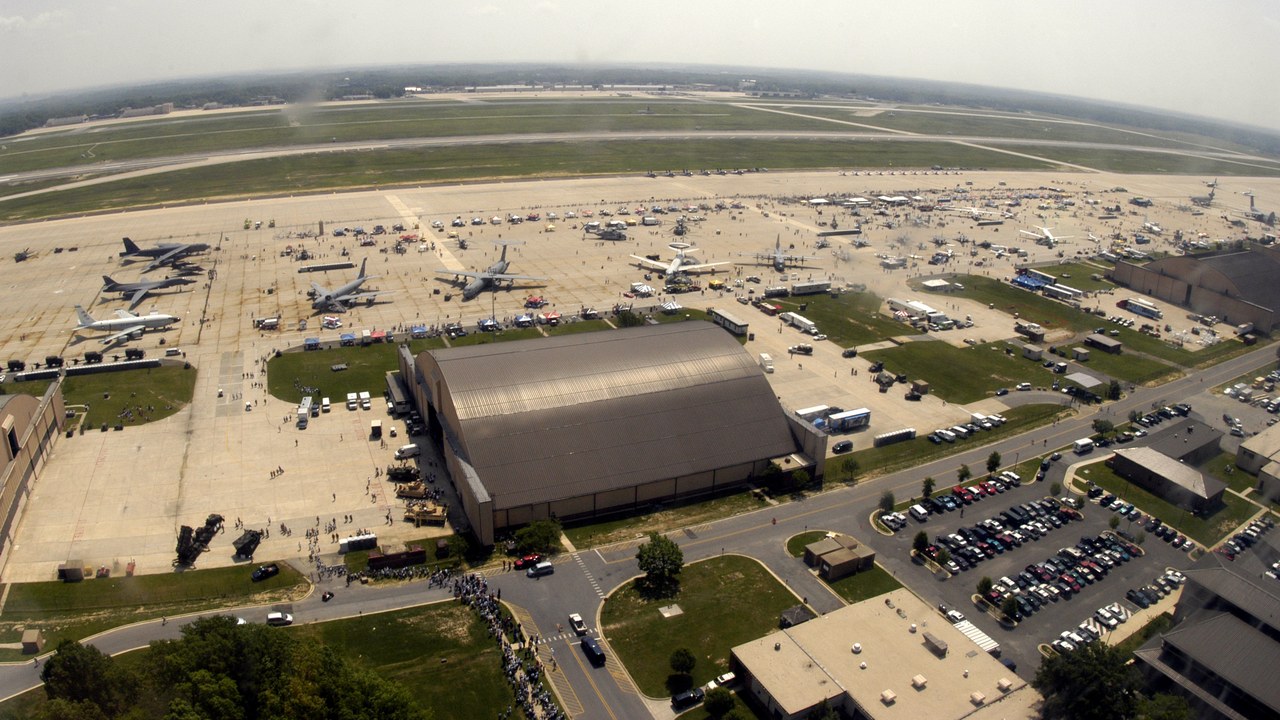
The presidential 747s are maintained and flown as military operations by the Presidential Airlift Group, part of Air Mobility Command’s 89th Airlift Wing, based at Joint Base Andrews in Camp Springs, Maryland. The jets often work in tandem with Marine One helicopters, which carry the president to airports when a motorcade would be impractical.
The aircraft can also serve as a military command center in an emergency such as a nuclear attack, and their modifications include aerial refueling capability. Andrews has also seen solemn moments, including the 2006 arrival of President Gerald Ford’s casket aboard SAM 29000.
Boeing 747-8: The Longest Airliner Flying
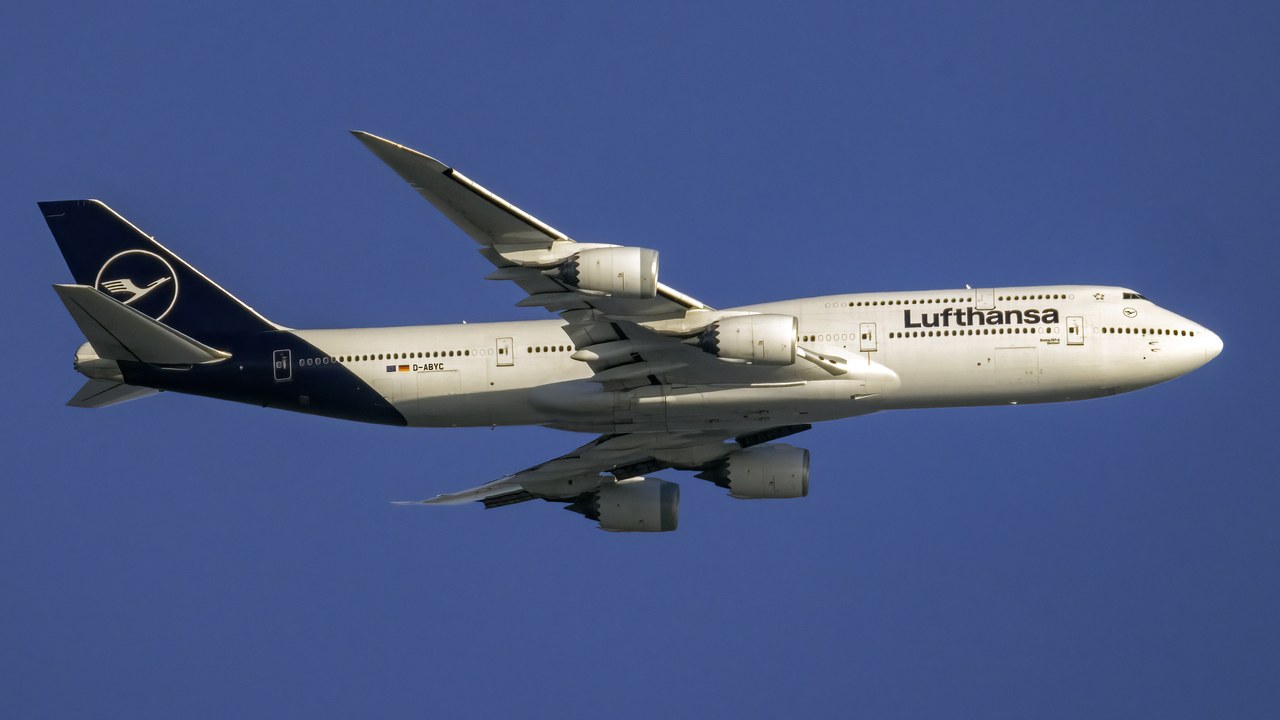
Boeing’s last 747 model, the 747-8, was launched on 14 November 2005 as an answer to the double-deck Airbus A380. The 747-8 program record says its fuselage was stretched by 18 feet to 250 feet (76 meters), making it the longest airliner in service.
It kept the classic shape but gained a deeper, thicker wing, raked wingtips and GEnx engines adapted from the 787 Dreamliner, raising maximum takeoff weight to 975,000 pounds. The passenger version, the 747-8 Intercontinental, first flew on 20 March 2011 and entered commercial service with Lufthansa on 1 June 2012.
Cargolux: The Freighter’s Launch Customer
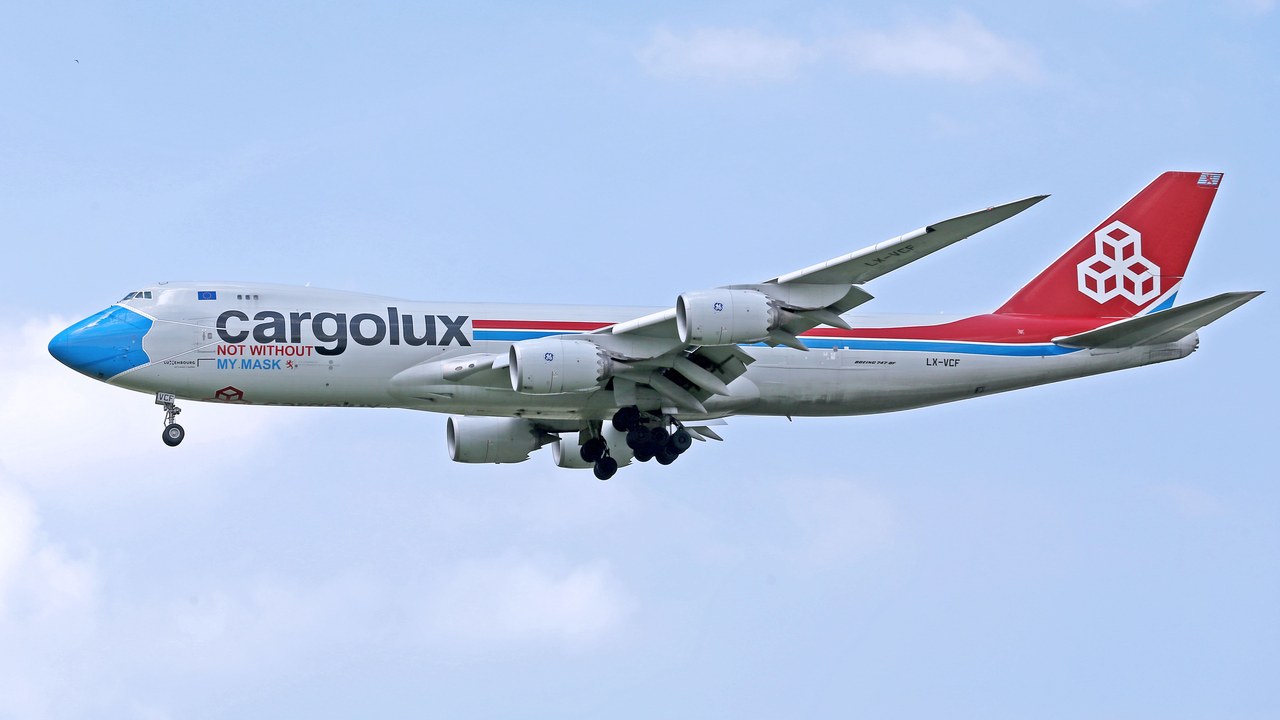
The first 747-8 to enter service was a freighter. Luxembourg’s Cargolux was the launch customer, and the 747-8 delivery history records that the 747-8F entered service with the airline on 12 October 2011, after a first flight in February 2010.
Cargolux stuck with its order for 13 freighters even after delays pushed back the program and cost Boeing a $1 billion charge against earnings. A test aircraft painted in Cargolux livery first flew on 23 July 2010, and of the 155 747-8s eventually built, 107 were freighters.
Atlas Air: The Last 747 Ever Built
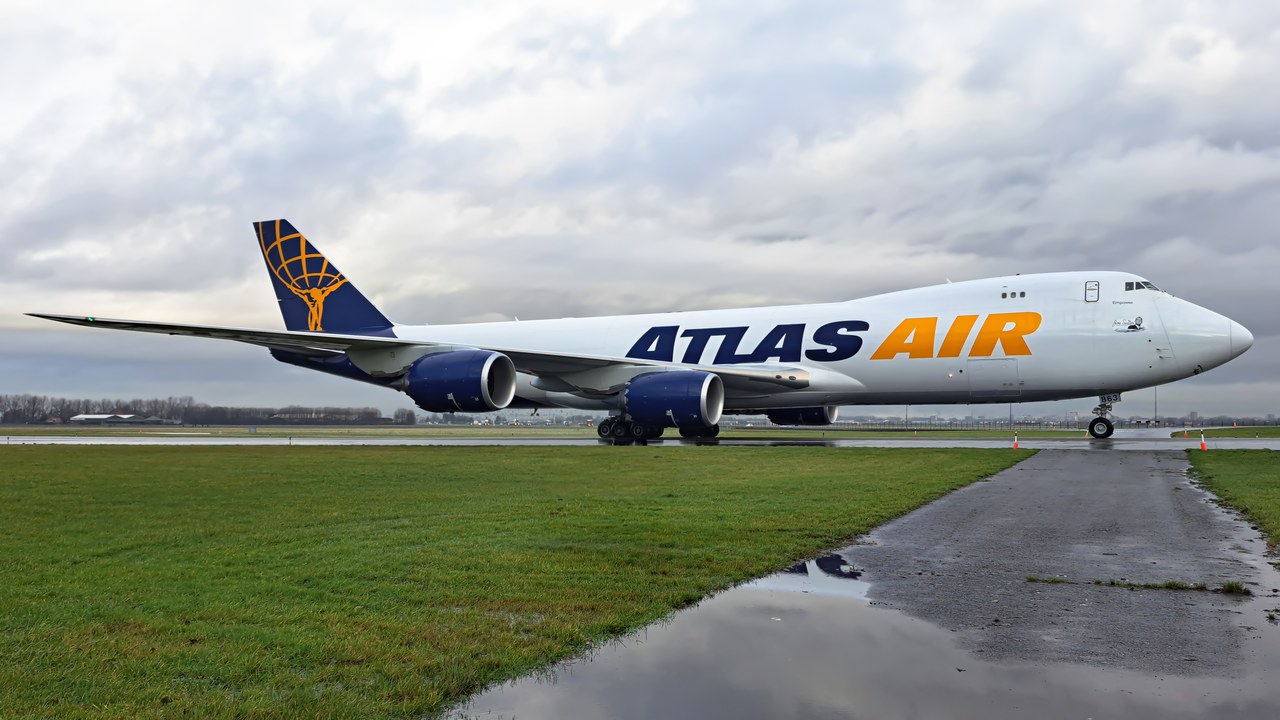
The 747’s 54-year production run ended with a freighter. The 747-8 production record states that the final aircraft, a 747-8F, was delivered to Atlas Air on 31 January 2023, closing out a total of 155 747-8s.
Atlas Air is among the airlines still flying the jumbo, which now serves mostly as a cargo plane with only limited passenger service. Across all versions, Boeing built 1,574 747s between 1968 and 2023, with the first rolled out of Everett and the last handed over more than half a century later.
More from Morning Overview
- Arizona’s governor declared a statewide emergency after Flagstaff logged its wettest Nov. 1 on record
- Zero Motorcycles unveiled an electric motorcycle targeted at under $8K and a street-legal dirt bike at EICMA
- New FCC rules on how people can stop robocalls and texts take effect Nov. 25
- Neanderthals in Spain carved a wooden object that matches nothing archaeologists have ever found
