
For 27 years, a narrow white delta-winged airliner let passengers cross the Atlantic in about half the time of an ordinary jet. Concorde flew at twice the speed of sound, set a transatlantic record that still stands for airliners, and then vanished from the skies in 2003. These eight pictures trace the jet, the engines that powered it, where it rests now and what has tried to follow it.
Read next on Morning Overview: Neanderthals in Spain carved a wooden object that matches nothing archaeologists have ever found
Concorde: Twice the Speed of Sound
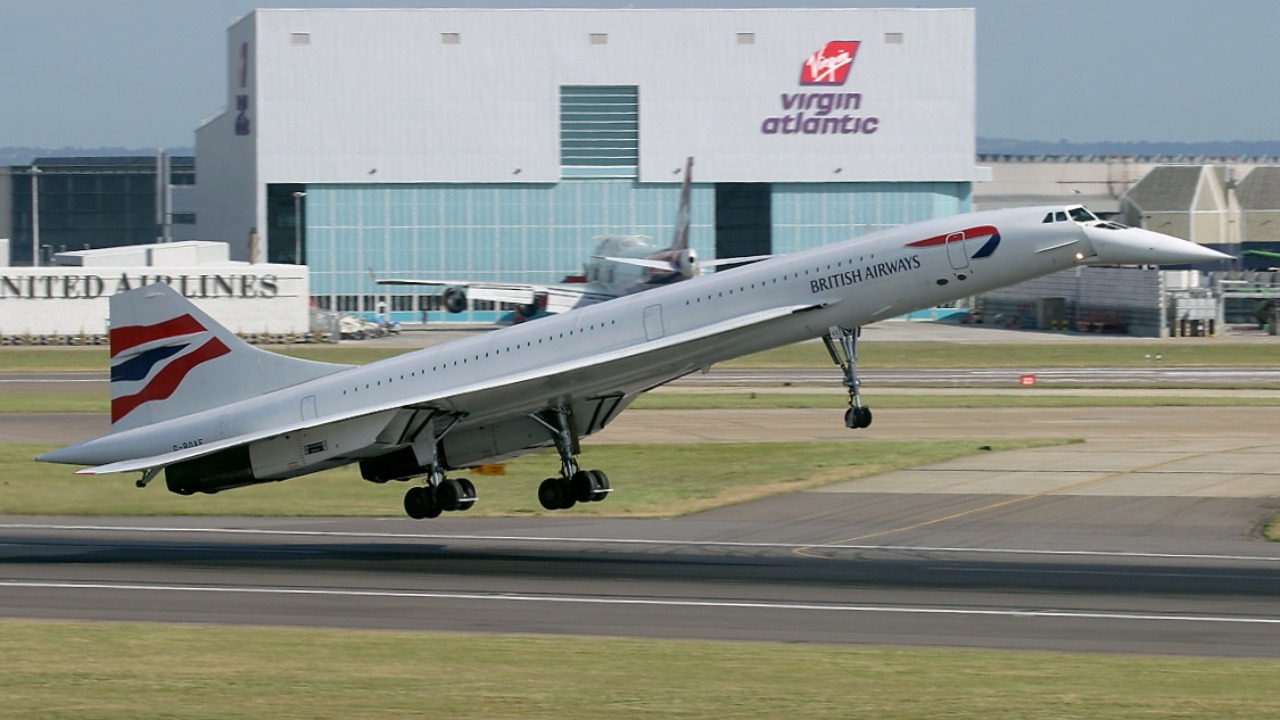
Concorde, built jointly by Britain and France, entered service on 21 January 1976 with Air France and British Airways. It cruised at an average of Mach 2.02, about 1,330 mph, at altitudes up to 60,000 feet, and the average supersonic transatlantic flight took just under 3.5 hours.
Its fastest crossing came on 7 February 1996, when British Airways’ G-BOAD flew from New York JFK to London Heathrow in 2 hours, 52 minutes and 59 seconds, helped by a 175 mph tailwind. Only 20 Concordes were built, and the remaining aircraft were retired in 2003, after 27 years of commercial service.
Rolls-Royce/Snecma Olympus 593: Four Engines With Afterburners
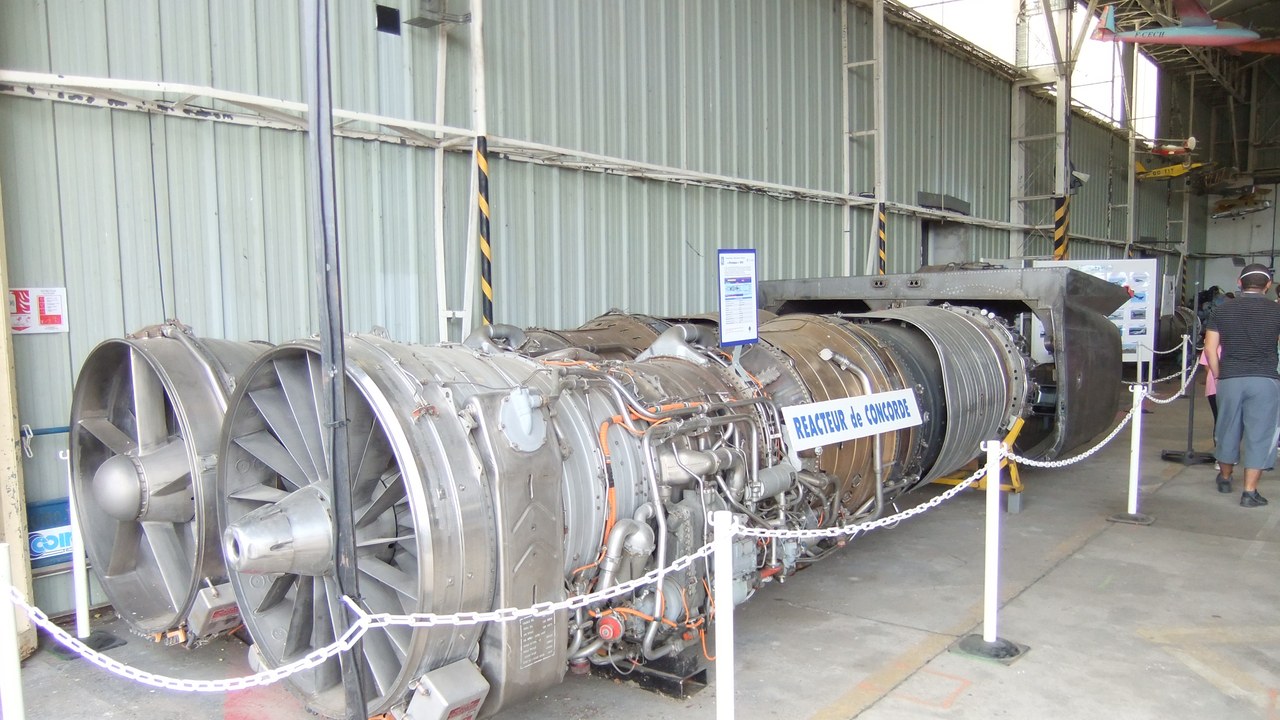
Concorde was powered by four Rolls-Royce/Snecma Olympus 593 turbojets, mounted under the wing with variable intake ramps. The Concorde’s engine specifications list about 31,000 pounds of dry thrust each, rising to 38,050 pounds with afterburner.
The afterburners, which Britain called reheat, were used only at take-off and to push through the transonic range between Mach 0.95 and 1.7. Once supersonic, the airliner supercruised at twice the speed of sound for roughly 75 percent of a transatlantic trip, but it burned far more fuel per passenger than the wide-body jets that arrived in the 1970s.
Steven F. Udvar-Hazy Center: An Air France Jet in Virginia
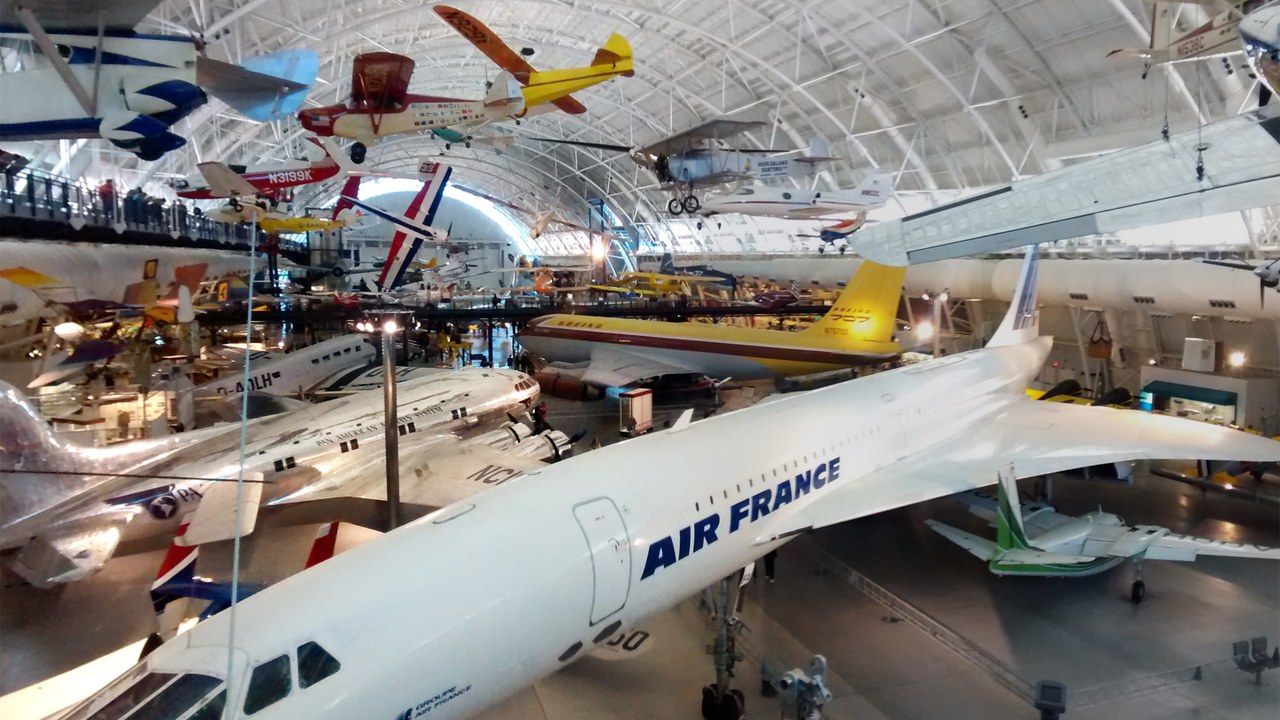
Of the 20 Concordes built, 18 are preserved, mostly in museums, after one was scrapped in 1994 and another was destroyed in the crash of Air France Flight 4590 in 2000. The airliner’s preservation record notes that Air France Concorde F-BVFA is displayed at the Steven F. Udvar-Hazy Center in Virginia.
Across the country, the Museum of Flight in Seattle shows British Airways Concorde G-BOAG. The Paris crash on 25 July 2000 killed all 109 people on board and four on the ground, the only fatal accident in Concorde’s history, and commercial service was suspended until November 2001.
Brooklands Museum: The Test Jet That Became a Museum Piece
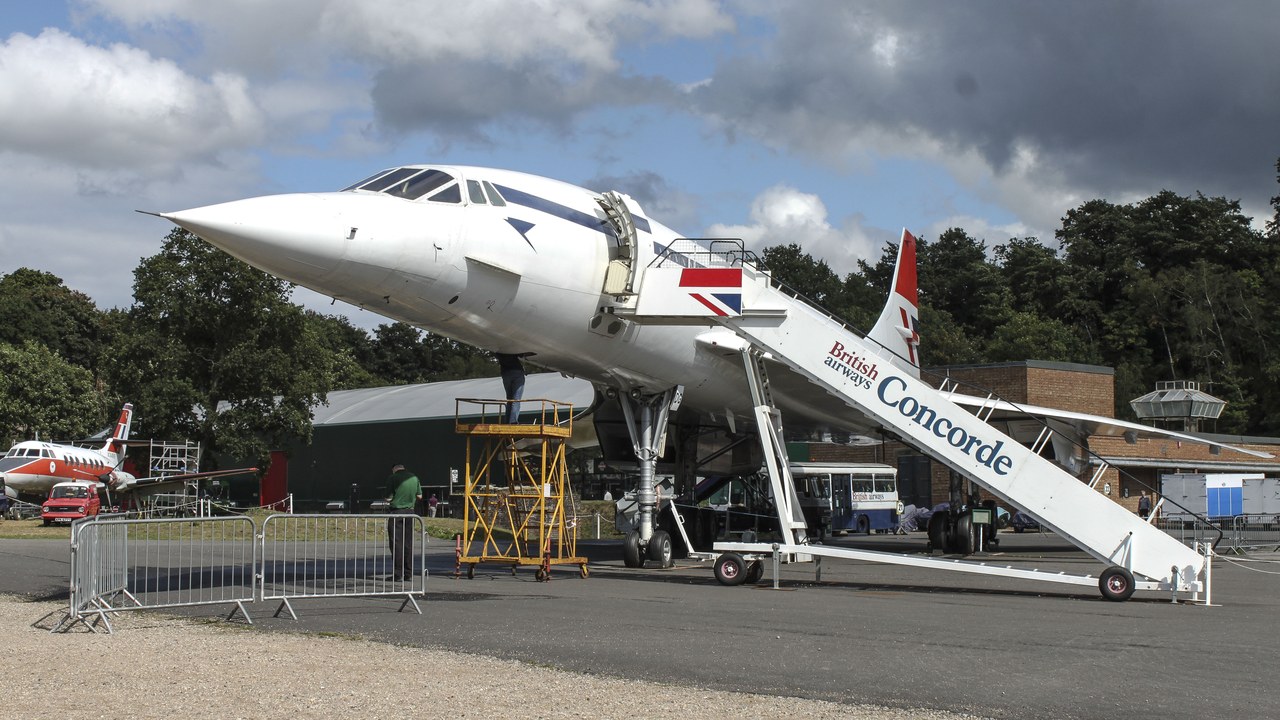
G-BBDG, nicknamed Delta Golf, was the British development Concorde built for evaluation testing, and alongside the French F-WTSB it helped the fleet earn certification. Its aircraft history records a first flight on 13 February 1974 and 1,282 hours of flying before its last flight on 24 December 1981.
After years in storage, the jet was moved by road in 2003 to the Brooklands Museum in Weybridge, Surrey, which accepted it as a museum exhibit once British Airways and Air France had retired their fleets. It is still on display there.
Filton Airport: Where the Last Concorde Landed
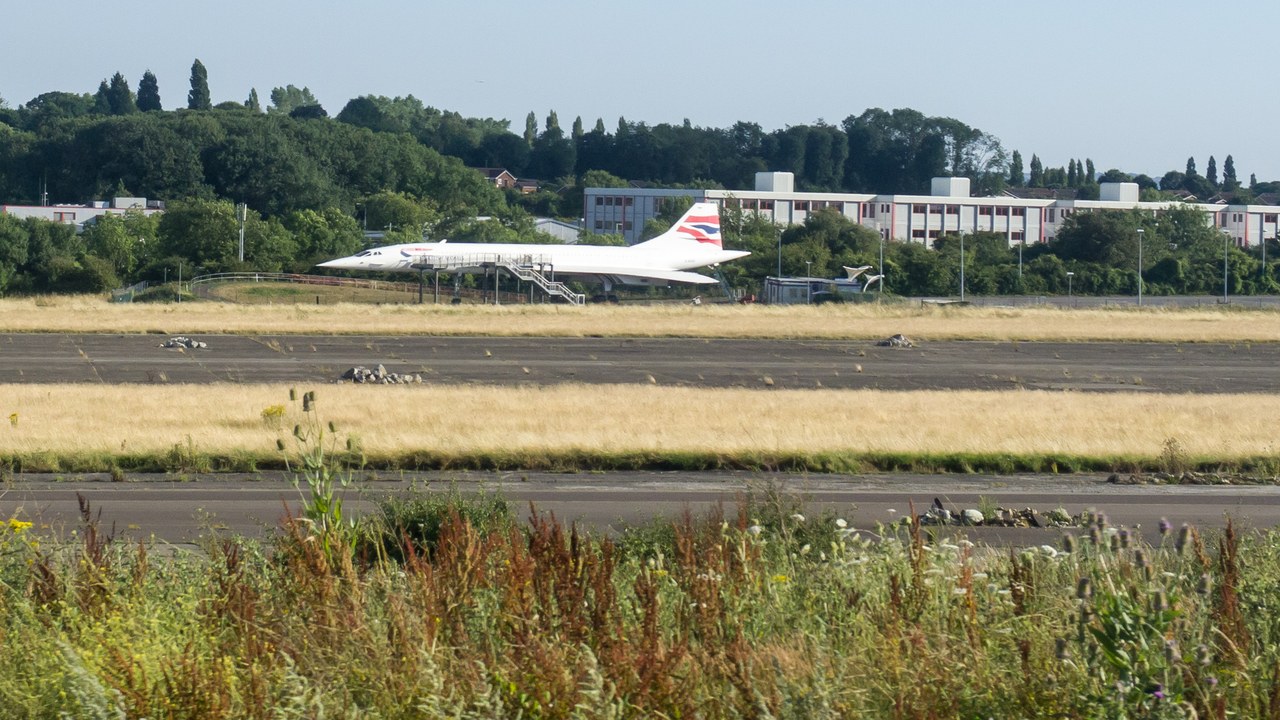
After its final flight, Delta Golf was stored at Filton in a state of semi-airworthiness throughout 1982, ready to be returned to flight within two weeks if required. According to the record of G-BBDG’s storage, that was never needed, and British Airways eventually bought it as part of a Concorde support buy-out.
The jet stayed at the Filton airfield near Bristol from the mid-1980s until 2003. Filton also features at the very end of Concorde’s story, since the final flight of the type, on 26 November 2003, was a ferry flight to Bristol Filton Airport.
Tupolev Tu-144: The Soviet Rival
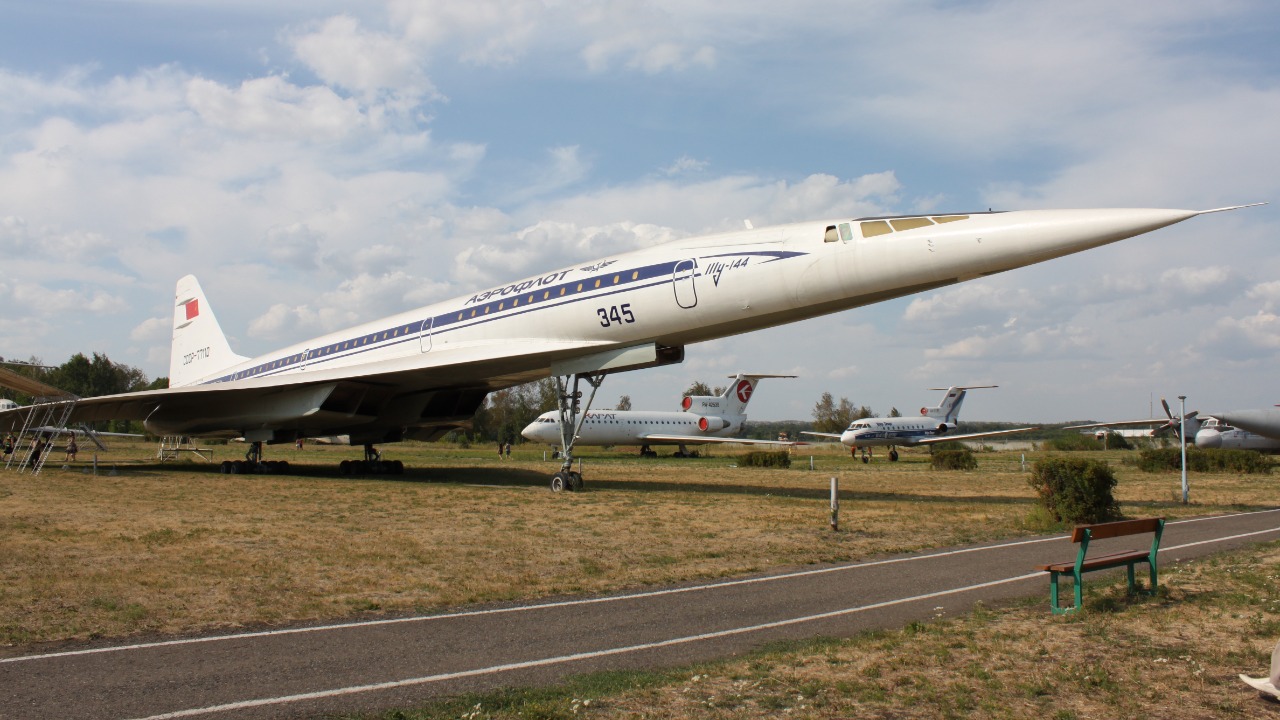
The Tupolev Tu-144, nicknamed “Concordski” by the western press, was the Soviet answer to Concorde and the first supersonic airliner to enter service and leave it. An overview of supersonic transports says only 55 passenger flights were carried out before service ended over safety concerns, with the last passenger flight in June 1978.
The type did fly again later: NASA used a Tu-144 for research, last flying it in 1999. Sixteen airworthy Tu-144s were built, and the Sinsheim Auto & Technik Museum in Germany is the only place that displays a Tu-144 and a Concorde side by side.
Intrepid Museum: A Concorde on a New York Pier
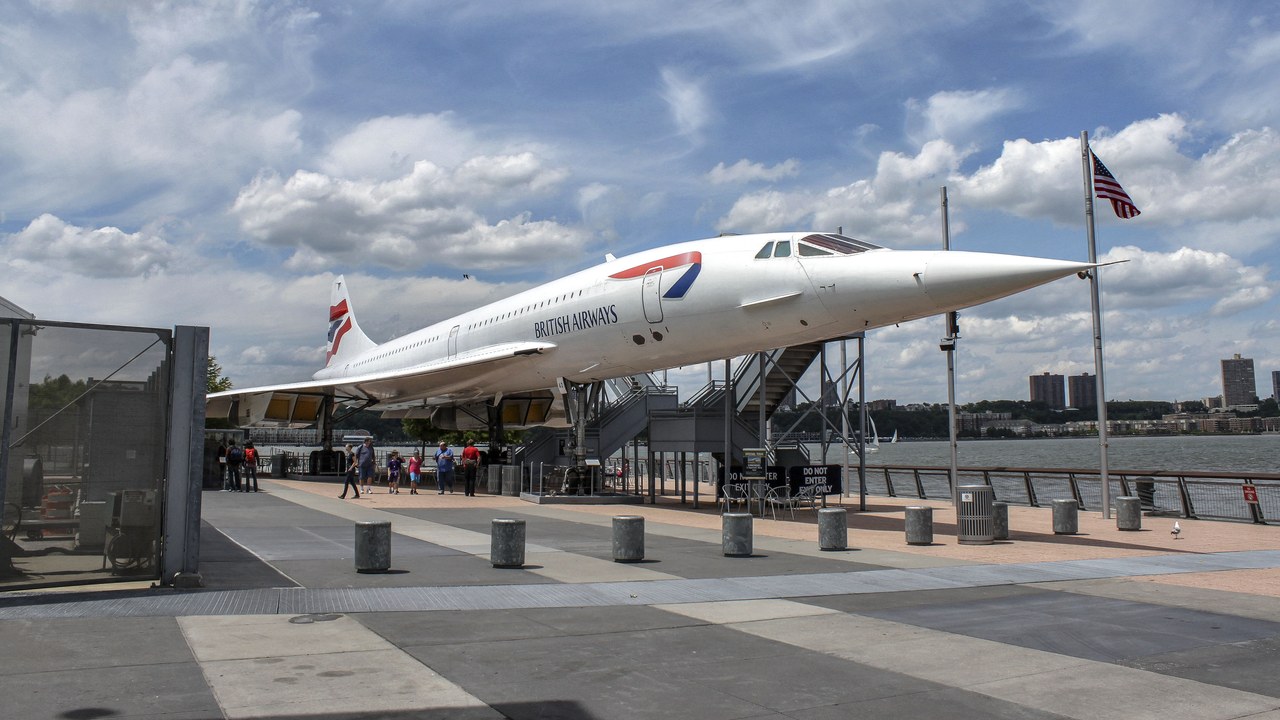
One of the retired jets ended up on the Hudson River. A Concorde was towed to the Intrepid Museum on Manhattan’s West Side in November 2003, making it one of two museums in the United States with a Concorde, and the museum created a new exhibit on transatlantic crossings to go with it.
The supersonic airliner now sits on Pier 86 beside the museum ship USS Intrepid, a World War II aircraft carrier. When the pier had to be rebuilt, the Concorde was floated to Floyd Bennett Field at the end of 2006 and moved back to Pier 86 in 2008, where it shares the museum’s collection with the Space Shuttle Enterprise.
Lockheed Martin X-59 QueSST: Taming the Sonic Boom
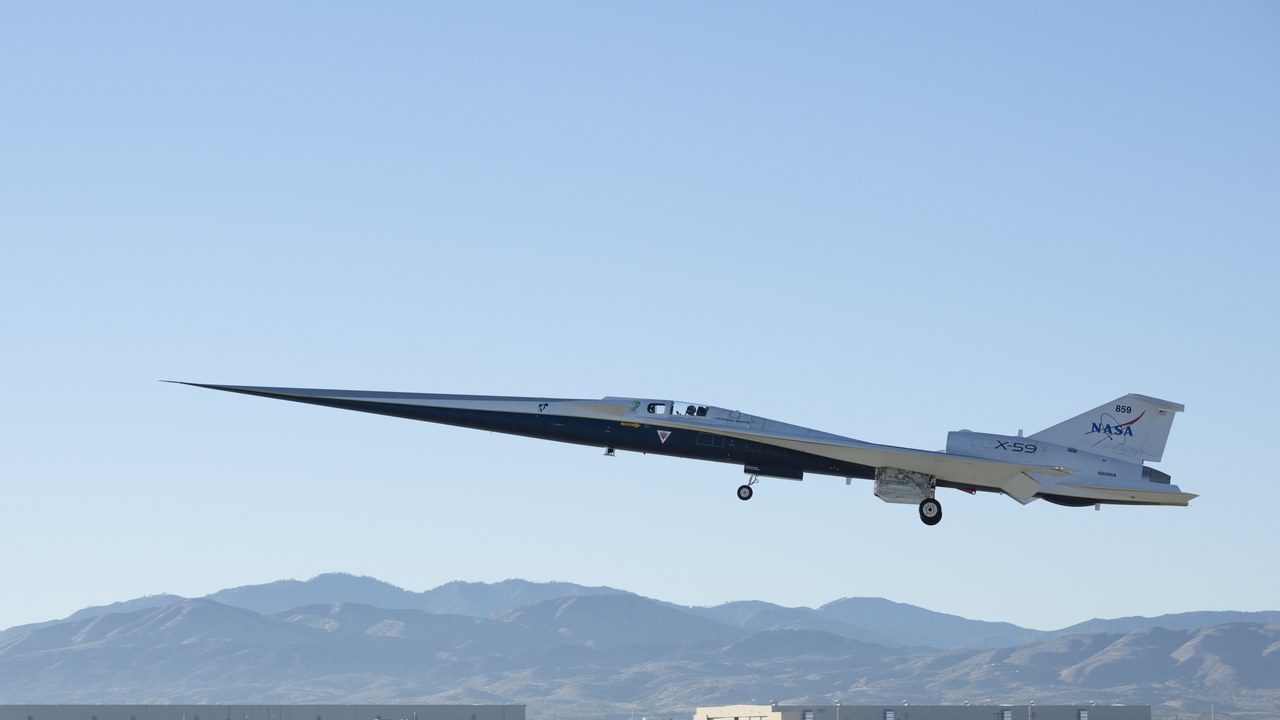
Loud sonic booms were one of the main reasons supersonic airliners such as Concorde were retired. NASA’s Lockheed Martin X-59 is meant to test a quieter path: it is designed to cruise at Mach 1.42 at 55,000 feet while producing only a low thump of about 75 EPNdB.
After years of delays, the X-59 made its first flight on 28 October 2025, over Palmdale and Edwards Air Force Base in California. Its nose is so long that pilots rely on an external vision system of cameras and screens to see ahead, and its community-response results were slated, as of 2022, to reach regulators in 2027 ahead of a possible 2028 decision on supersonic flight over land.
More from Morning Overview
- Winter weather advisories cover I-80, I-70 and the Bighorns with up to 15 inches of snow
- Arizona’s governor declared a statewide emergency after Flagstaff logged its wettest Nov. 1 on record
- Zero Motorcycles unveiled an electric motorcycle targeted at under $8K and a street-legal dirt bike at EICMA
- New FCC rules on how people can stop robocalls and texts take effect Nov. 25
